

Tourism sentiment across the world is shifting, and travelers have started reporting colder interactions, stricter rules, and rising tension in destinations that once relied heavily on international visitors. These changes reveal growing pressure on infrastructure, cultural stability, and political environments. Many communities are frustrated with visitor behavior or overwhelmed by record breaking crowds, which shapes how they treat outsiders. The result is a landscape where some regions are increasingly viewed as countries unfriendly to tourists, a pattern that reflects a complex mix of social, economic, and environmental challenges that have built up over years.
Japan
Japan’s tourism boom has reached levels that many cities say they can no longer absorb without major disruption. More than thirty six million visitors arrived in 2024, pushing transportation systems, cultural sites, and historic districts far beyond capacity. Kyoto became the center of national debate when locals demanded stricter enforcement after years of overcrowding. Residents in Gion complained about visitors blocking pathways, taking intrusive photos, and treating private alleyways as attractions. The city responded by restricting access and increasing patrols.
Meanwhile, rural areas saw traffic spikes from sightseeing buses that clogged narrow roads. Although Japan still values its global reputation for hospitality, many communities feel overwhelmed. The fatigue is evident in campaign promises, local ordinances, and conversations about limiting tour groups. Travelers who arrive expecting a serene experience are now greeted with rules, boundaries, and rising irritation from neighborhoods struggling to maintain daily life.
United States
The United States presents a different type of tension. Instead of overtourism, the shift comes from political atmosphere, social division, and rising concern among international travelers about feeling unwelcome. Recent studies by major tourism organizations show the country is projected to experience one of the sharpest declines in foreign visitor spending among developed nations. International event organizers have shared that competitors are withdrawing from American events because the political climate feels unpredictable. Visa wait times, travel restrictions, border scrutiny, and cultural polarization contribute to a sense of caution.
Even neighboring Canadians, once the most reliable visitor group, are arriving in smaller numbers due to strained political relations and economic disagreements. The United States is not traditionally viewed as one of the countries unfriendly to tourists, but the growing perception of hostility and division has changed how international travelers interpret the experience.
Croatia
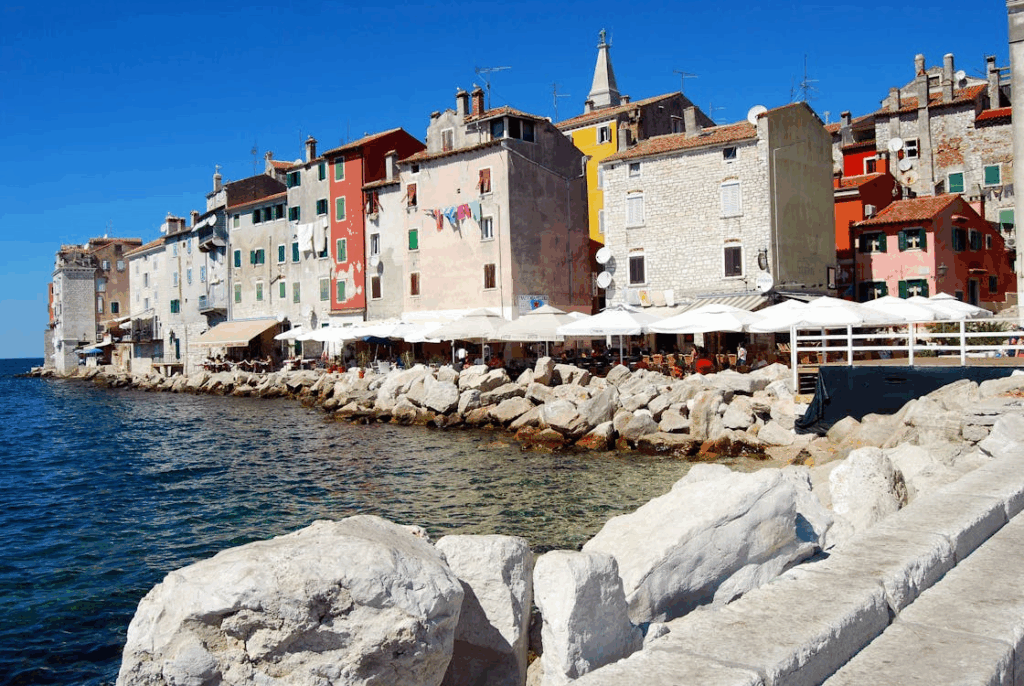
Croatia’s coastline and medieval cities attract millions, yet the country has implemented increasingly strict rules to maintain order. In Split and other coastal areas, authorities posted signs warning visitors of steep fines for behavior that disrupts historic sites. Penalties target public drunkenness, sleeping in alleys, climbing statues, and damaging fountains. While the goal is to protect architecture and heritage zones, the tone has shifted from friendly reminders to stern warnings. Dubrovnik has already limited cruise arrivals, and many locals say the crowds are so intense in summer that daily life becomes nearly impossible. Businesses are divided between valuing tourism revenue and wanting greater regulation to reduce disrespectful behavior. The displeasure is visible in resident interviews and council debates, and tourists can sense the frustration during peak season.
Russia
Russia’s tourism environment has become strained due to geopolitical tensions, sanctions, limited flight routes, and strict visa requirements. Travelers face lengthy paperwork, limited access to banking services, and heightened scrutiny at borders. Diplomatic friction between Russia and several Western countries adds another layer of uncertainty. Long processing times, restricted airspace, and unpredictable political developments create a tense backdrop for tourism. Visitors report that they must navigate bureaucracy at every step, making the trip feel demanding rather than enjoyable. Local attitudes toward foreign travelers have also shifted, especially in regions affected by international political narratives. Although Russia continues to offer incredible cultural and historical experiences, the combination of global tension and domestic regulations makes it one of the more challenging destinations to navigate comfortably.
Spain
Spain’s relationship with tourism changed sharply as cities hit breaking points after years of record crowds. While the country still welcomes millions, public demonstrations have revealed deep frustration. Barcelona, Tenerife, Ibiza, and the Canary Islands saw major protests in 2024 as locals demanded limits on cruise ships, vacation rentals, and mass tourism. Rising housing costs have pushed residents out of central neighborhoods, turning much of the urban landscape into visitor focused zones. Graffiti calling for tourists to go home appears in several coastal areas, reflecting anger over noise, pollution, and overcrowding. Restaurants in Barcelona reported incidents where protesters sprayed visitors with water guns during peak season, symbolizing the confrontation between residents and expanding tourism industries. Spain remains a popular destination, but travelers increasingly notice impatience, fatigue, and heightened activism surrounding tourism’s impact.
Turkey
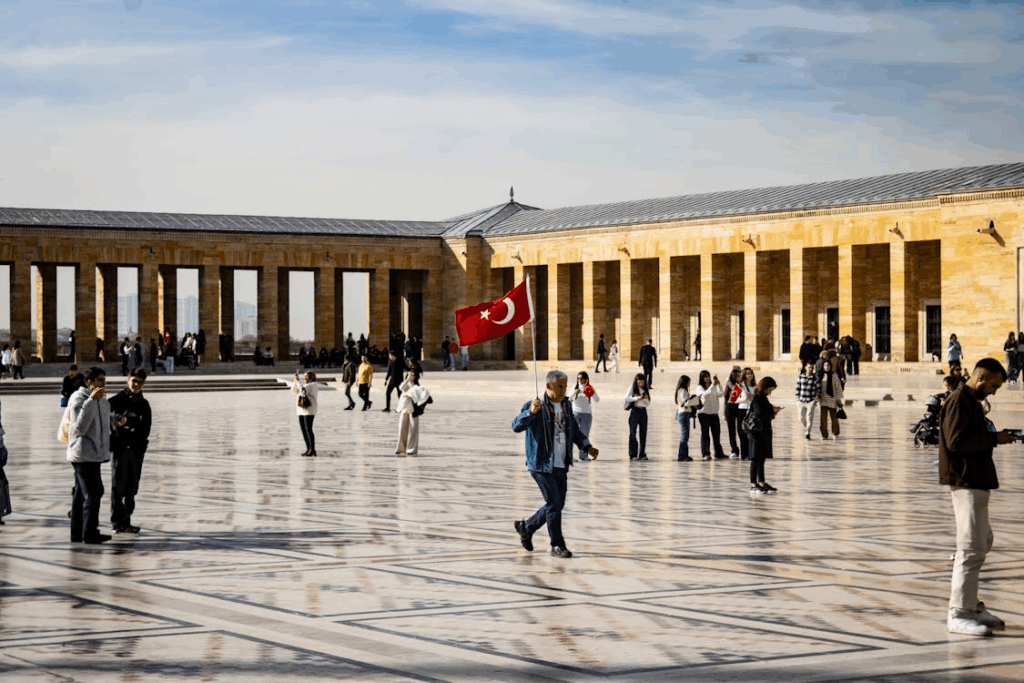
Turkey’s political climate, ongoing protests, and heightened security measures have created an unpredictable experience for visitors. Istanbul has been the center of frequent demonstrations with strong police response. Tourists have found themselves near protests without warning, sometimes facing tear gas or restricted movement. Road closures, temporary curfews, and transportation disruptions add to the difficulty. A recent national survey reflected widespread public support for restricting refugee access, signaling broader social tension. These issues do not reflect hostility toward tourists specifically, but the environment feels intense and unstable. Travelers who want predictable conditions may find Turkey’s rapid shifts in public order unsettling, which affects how the country is perceived internationally.
Netherlands
The Netherlands, particularly Amsterdam, has adopted a bold strategy to reduce disruptive tourism. The Stay Away campaign directly targeted groups searching online for nightlife heavy trips, sending a clear message that certain types of visitors were not welcome. The follow up Amsterdam Rules highlighted consequences for antisocial behavior. Residents complain that party tourism has overtaken their neighborhoods, increased noise levels, and made housing unaffordable. As a result, the city restricted new hotels, tightened rental laws, and began policing areas where drunken behavior is common. Travelers who once saw Amsterdam as a carefree destination now encounter direct messaging discouraging certain activities. Although the Netherlands is not hostile to respectful visitors, the government’s firm stance has changed the atmosphere significantly.
Iran
Iran offers remarkable history and hospitality at a personal level, but its political environment continues to discourage many potential tourists. Diplomatic strain between Iran and several Western countries creates concerns about safety, legal restrictions, and communication barriers. Policy shifts can happen quickly, affecting visas or internal travel permissions. Protests and sudden unrest in some regions contribute to uncertainty. Although local people are often warm and generous, the national climate can feel unpredictable for visitors who worry about misinterpreting laws or cultural expectations. The result is a destination that inspires fascination but also caution, especially for those who prefer stability and transparency.
Australia
Australia is not often included in discussions about countries unfriendly to tourists, yet recent trends show rising concern among local communities about tourism’s environmental impact and cultural pressure. In sensitive ecosystems such as Uluru or parts of Queensland, Indigenous groups have pushed for stronger protections, which have led to climbing bans, restricted access zones, and cultural education requirements. Authorities have also responded to reckless behavior in national parks by issuing higher fines and increasing patrols. In some remote towns, residents say tourism has increased costs of living and strained local resources. While Australians are frequently described as friendly, travelers who disregard rules may encounter direct or firm responses that feel less welcoming than expected.
North Korea
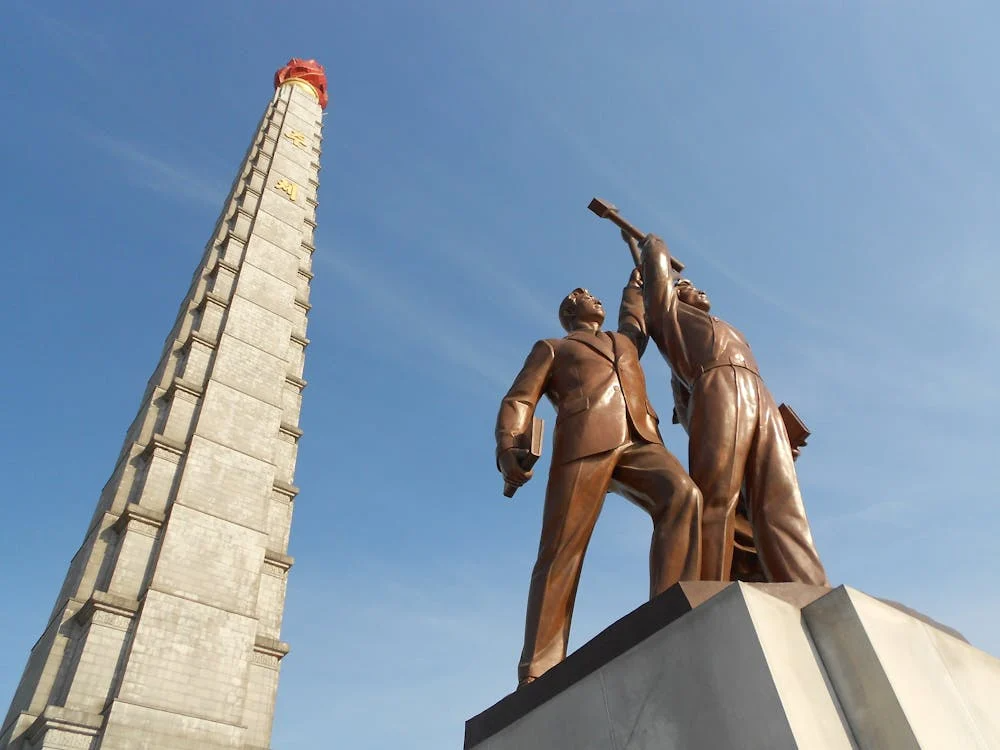
North Korea remains one of the most tightly controlled destinations in the world. Visitors must follow strict itineraries and are always accompanied by government approved guides. Photography rules are rigid, discussions with locals are monitored, and movement beyond designated zones is forbidden. The country’s isolation, lack of diplomatic relations, and history of detaining foreign nationals contribute to its formidable reputation. The United States continues to ban its citizens from traveling to North Korea, and other nations warn about significant risks. For most travelers, the level of surveillance and lack of transparency outweigh the curiosity, making it one of the most avoided destinations globally.
Italy
Italy’s tourism challenges are rooted in cultural preservation and overcrowding. Venice introduced a day trip fee to reduce pressure on fragile historic areas, while Florence cracked down on disruptive behavior near major landmarks. Rome has restricted sitting or eating on certain monuments after repeated incidents of damage. Local communities in Cinque Terre and the Amalfi Coast argue that their towns have become unlivable during peak seasons due to congestion and price spikes. While Italy remains incredibly popular, visitors are increasingly encountering rules, regulated access, and locals who express exhaustion with disruptive tourism. Tensions grow during summer months, shaping traveler expectations and interactions.
Greece
Greece’s iconic islands face rising pressure as tourism numbers outpace resources. Santorini struggles with traffic gridlock, overloaded utilities, and housing shortages caused by short term rentals. Mykonos and Rhodes deal with seasonal crowd surges that overwhelm narrow streets and local services. Environmental concerns are growing, with beaches suffering erosion and protected areas showing signs of stress. Some residents argue that mass tourism has changed the identity of their islands and pushed out local communities. Authorities are considering new regulations such as cruise ship limits or stricter rental oversight. Travelers often describe the experience as beautiful but chaotic, and locals increasingly express frustration at the imbalance between visitor needs and community well being.
Preparing for a Better Travel Experience
As global tourism evolves, travelers who take time to prepare, adapt, and understand cultural expectations tend to enjoy smoother journeys and more meaningful interactions. Even destinations facing strain or overtourism can offer rich experiences when visitors plan carefully. While headlines often focus on countries unfriendly to tourists, thoughtful preparation helps bridge cultural gaps and reduces the chances of misunderstandings. Planning ahead begins with researching local rules, customs, and recent changes in tourism policy. Many popular destinations now enforce timed entry systems, behavior guidelines, or visitor fees designed to protect local communities.
Taking a few minutes to review these expectations helps travelers avoid mistakes that may irritate residents or lead to penalties. Learning a handful of local phrases can also improve the overall experience. Simple greetings or polite expressions show respect and effort, especially in places where residents feel overwhelmed by high visitor numbers. Even if pronunciation is imperfect, locals tend to appreciate the attempt. This small gesture often softens interactions and encourages more warmth from people who may feel fatigued by constant tourism.
What to Pack for a Successful International Trip

Packing smart makes travel easier and prevents problems that could otherwise disrupt a trip. A universal power adapter is essential, since electrical outlets differ widely around the world. Travelers should also bring a lightweight layer for varying climates, comfortable walking shoes for cities with uneven surfaces, and clothing that meets local modesty expectations. Important documents such as passports, insurance details, and visas should be printed and backed up digitally. A small first aid kit helps with unexpected bumps or minor illnesses, and a reusable water bottle reduces waste while keeping travelers hydrated on long sightseeing days. For remote or rural destinations, a portable charger ensures access to maps and translation apps even when outlets are limited.
Weather conditions can also shift quickly in many countries, so a compact rain jacket or umbrella is a practical addition. Travelers visiting coastal regions or rural landscapes may want insect repellent, sunscreen, and quick drying clothing for comfort and protection. Packing for cultural etiquette is just as important as packing for comfort. A scarf or wrap can be useful in countries where religious sites require modest attire. Bringing a pair of slip on shoes helps when entering temples, homes, or historic buildings where footwear removal is customary.
Etiquette Tips for Countries You Have Never Visited Before
Etiquette expectations vary dramatically across cultures, and understanding them before arrival prevents uncomfortable moments. Observing how locals behave is one of the easiest ways to learn. If public spaces are quiet, travelers should keep their voices low. If locals greet one another with formal expressions, visitors should follow suit. Respect for sacred or historical spaces is essential. Many countries have strict photography rules, especially in religious sites or traditional neighborhoods. Asking permission before photographing people is polite and prevents misunderstandings. Dining customs also differ. Some countries expect tipping, while others include service charges or discourage tipping entirely. Learning local dining habits avoids awkwardness and demonstrates cultural awareness.
In many destinations, sharing food is common, and certain utensils or table manners have specific meanings. Transportation etiquette is equally important. In busy cities, tourists should avoid blocking train doors, escalators, or narrow walkways. Countries that rely heavily on bicycles expect travelers to understand cycling lanes and right of way. Renting scooters, cars, or bikes requires extra caution, since traffic norms can be very different from those in the traveler’s home country. Behaving respectfully in public spaces, following posted rules, and being mindful of community needs all help create a more positive experience. Visitors who show patience, courtesy, and cultural curiosity often find that locals respond with the same energy.
Five Destinations Ranked Highest for Tourist Happiness
Some places continue to shine on global travel satisfaction rankings despite rising tension elsewhere. These destinations stand out for their welcoming atmosphere, strong infrastructure, natural beauty, and the genuine warmth travelers consistently report. They represent regions where local communities and visitors maintain a healthy balance that supports both quality of life and memorable experiences.
New Zealand
New Zealand remains one of the most celebrated destinations for overall visitor happiness. Travelers consistently praise its breathtaking natural scenery, from towering mountains to peaceful coastlines, as well as its commitment to environmental protection. The country’s tourism industry is designed around respect for nature, which makes outdoor adventures feel both accessible and responsible. Locals have a reputation for kindness and down to earth hospitality, and many visitors comment on how safe and supported they feel in even the most remote areas. Public services, transportation options, and lodging standards are high quality, helping travelers move comfortably between regions. Whether exploring national parks, engaging with Maori culture, or simply enjoying the relaxed pace of rural towns, visitors often describe New Zealand as a place that leaves them feeling restored and deeply welcomed.
Read More: Flying Solo? Here’s What to Consider Before Refusing a Seat Swap with a Family
Portugal
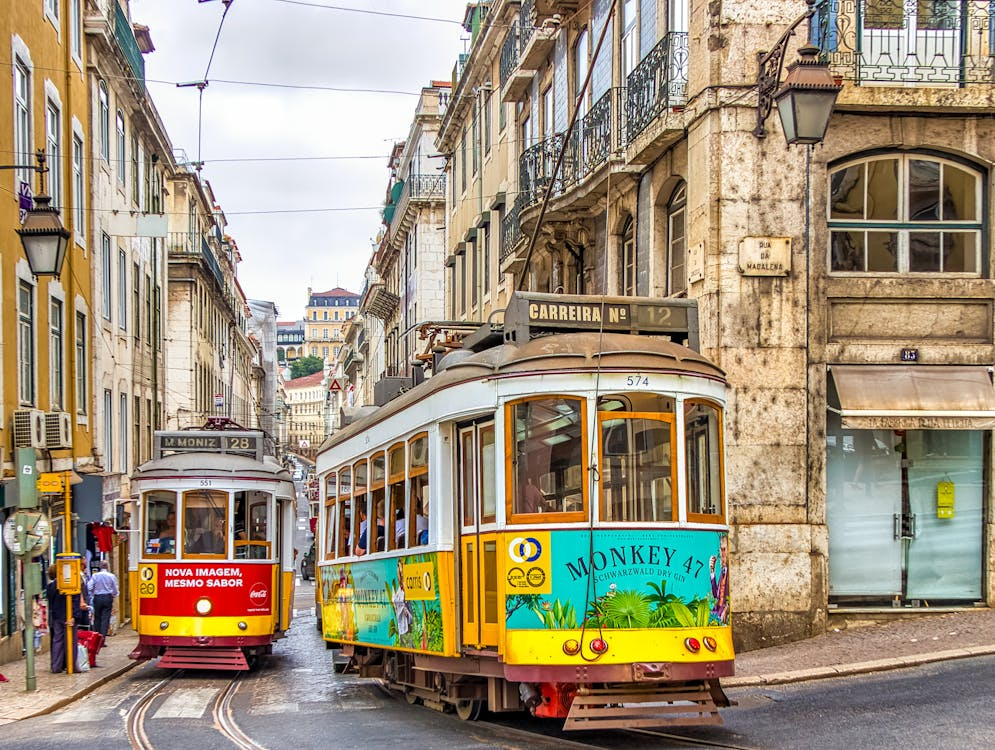
Portugal is consistently rated as one of the happiest and most welcoming destinations in Europe thanks to its relaxed culture, affordable dining scene, and charming blend of coastal and historic landscapes. Travelers appreciate how easy it is to navigate both major cities and smaller towns, as well as the friendly interactions they experience with locals who enjoy sharing their traditions. The country balances tourism with local life better than many neighboring regions, which helps preserve its authenticity. Whether visitors are exploring Lisbon’s colorful streets, tasting regional specialties, or relaxing on the Algarve’s sandy shores, the overall experience tends to feel peaceful and personal. Portugal’s warm climate, rich heritage, and approachable atmosphere make it a top choice for travelers seeking comfort and cultural depth.
Denmark
Denmark frequently ranks among the happiest countries in the world, and this sense of national well being translates naturally into the visitor experience. Travelers highlight the country’s safety, cleanliness, and calm city environments as major contributors to their satisfaction. Copenhagen’s bike friendly streets, welcoming cafés, and focus on sustainable living help create a relaxing and balanced atmosphere. Many visitors say the Danes are polite, helpful, and respectful of personal space, which makes the country especially comfortable for solo travelers or those seeking a peaceful getaway. Museums, parks, and waterfront areas are well maintained, demonstrating the country’s commitment to quality of life for both residents and guests. Denmark’s simple, thoughtful approach to hospitality stands out as one of the main reasons it scores so well in global travel happiness studies.
Costa Rica
Costa Rica is known worldwide for the pura vida mindset, a local expression that reflects a joyful and unhurried way of living. This cultural philosophy shapes the visitor experience, making the country feel open, friendly, and deeply connected to nature. Travelers are drawn to its lush rainforests, diverse wildlife, volcanic landscapes, and pristine beaches. Eco friendly tourism is a priority, and communities work hard to protect natural resources while offering enriching experiences. Visitors frequently mention that locals are warm, patient, and eager to help, which contributes to a strong sense of comfort and belonging. Whether zip lining through tropical canopies, soaking in hot springs, or exploring national parks, the environment feels immersive and uplifting. Costa Rica’s focus on sustainability and happiness makes it one of the top global destinations for travelers seeking positive and memorable adventures.
Switzerland
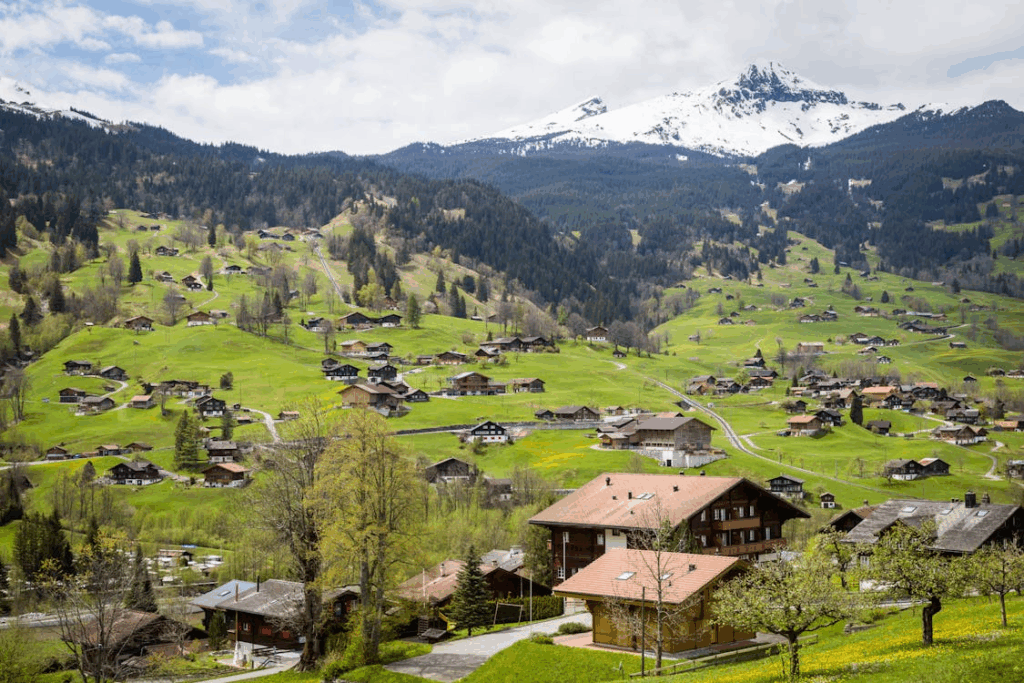
Switzerland consistently earns high rankings for traveler happiness thanks to its pristine environment, orderly cities, and exceptional public infrastructure. Visitors appreciate the country’s efficient train systems, clean streets, and well preserved natural landscapes that feel both accessible and protected. The Swiss reputation for politeness and professionalism contributes to an experience that feels safe and predictable, which many travelers value highly. From serene alpine villages to vibrant cultural hubs like Zurich and Geneva, the country offers a sense of calm and structure that helps travelers feel instantly at ease. Whether hiking through mountain trails, enjoying lakeside views, or exploring historic districts, visitors describe Switzerland as a destination where hospitality blends seamlessly with natural beauty, creating a consistently positive travel environment.
A New Era of Global Travel
Tourism is entering a period of significant change as destinations look for ways to balance local well being with the economic benefits of welcoming visitors. The countries experiencing tourism fatigue are not rejecting travel itself, they are asking for awareness, respect, and shared responsibility. Travelers who approach new places with curiosity and cultural sensitivity help rebuild trust and strengthen the connection between guests and communities. With preparation, empathy, and a willingness to adapt, the world remains a welcoming place filled with memorable experiences and meaningful encounters.
Disclaimer: This article was written by the author with the assistance of AI and reviewed by an editor for accuracy and clarity.
Read More: Travel Experts Rank the World’s 40 Most Stunning Cities