

Little behaviors can say a lot about a person’s true nature. Small acts of disrespect, avoidance, or cruelty often start as subtle habits before they grow into lasting harm. Psychologists describe these as “micro-behaviors,” the tiny moments that reveal deep emotional patterns. Over time, they shape the entire tone of a relationship. Ignoring them often leads to confusion, low self-esteem, and self-doubt. Noticing these small signs of a toxic partner early helps protect emotional health before the damage multiplies.
What “Toxic” Really Means

A toxic partner drains energy instead of nurturing it. Toxicity is not simply bad communication or the occasional argument. It’s a pattern of manipulation, emotional neglect, or control that repeats regardless of your effort to fix it. Such people may show traits linked to narcissism or avoidant attachment, like an inability to take accountability or empathize. The result is constant tension and uncertainty. Healthy love never leaves someone walking on eggshells.
This Isn’t About Perfection

Every person has flaws, and every couple argues. The difference is whether someone wants to grow or keeps repeating the same painful patterns. Toxic partners resist change because accountability threatens their control. They justify bad behavior instead of reflecting on it. Recognizing this difference protects people from wasting years waiting for maturity that never comes. Love should make both people softer, not smaller.
They Make Jokes at Your Expense
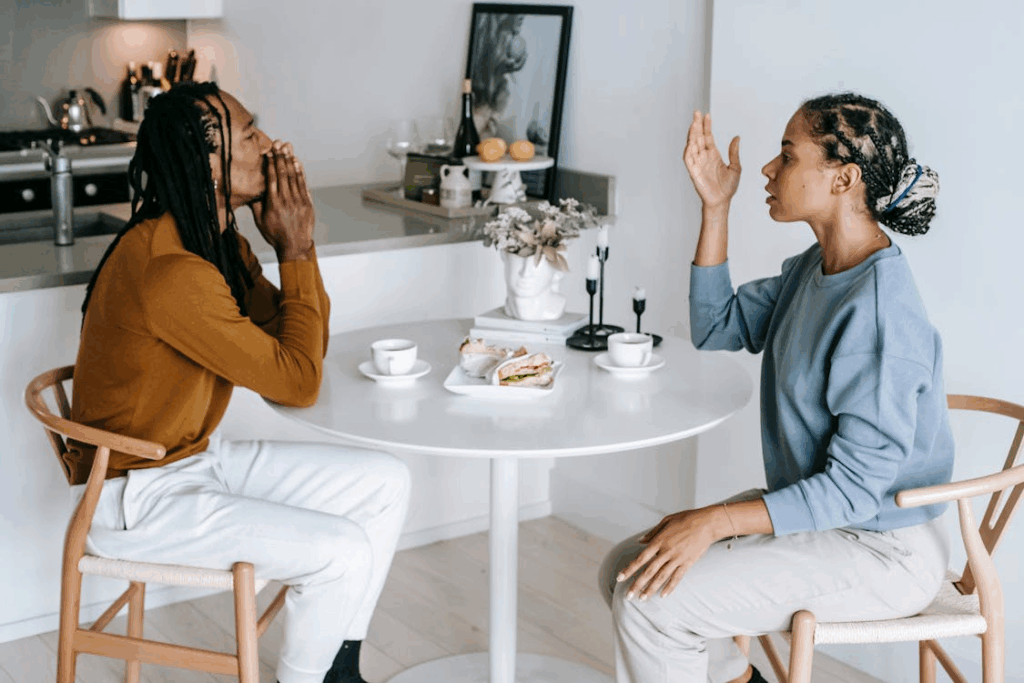
Humor can connect people, but in toxic hands it becomes a weapon. A partner who constantly jokes about your insecurities, appearance, or past is showing contempt, not affection. When you say it hurts and they laugh it off, they are dismissing your emotions. Psychologists note that consistent “teasing” like this can erode self-worth over time. Respectful partners apologize and stop once they know something is painful. Mockery disguised as humor is emotional cruelty.
They Say “I Was Just Kidding” to Avoid Accountability

When someone hurts you and hides behind sarcasm, they are protecting their ego, not your feelings. Saying “I was just kidding” shifts blame away from them and places it on you for being “too sensitive.” This defense mechanism, known as minimization, prevents emotional growth. Healthy partners clarify misunderstandings and take ownership. If they can’t handle honest feedback, they are not ready for a real relationship. Constant deflection is not playful, it is manipulative. This is one of the more common signs of a toxic partner.
They Never Truly Apologize

Apologies are meant to heal, not to shift guilt. A toxic partner says “I’m sorry you feel that way,” which blames you for reacting instead of owning their actions. Research in relationship psychology shows that genuine apologies include empathy and behavioral change. Without both, the pattern repeats. If every “sorry” feels hollow or followed by the same mistake, it’s not an apology, it’s control through pretense. Love cannot survive without accountability.
They Get Irritated When You’re in a Good Mood

Some people thrive on chaos because peace exposes their inner emptiness. A toxic partner may become cold or dismissive when you are cheerful. They might pick fights out of nowhere or mock your happiness. This is emotional sabotage, a form of control meant to keep you small. Studies on emotional regulation show that insecure individuals sometimes destabilize partners to maintain dominance. You deserve someone who celebrates your joy, not punishes it.
They Constantly Interrupt or Talk Over You

Interrupting once in a while is human, but doing it constantly signals disregard. It’s not a communication flaw, it’s a power play. By talking over you, a toxic partner declares that their thoughts matter more. Over time, you may stop speaking up altogether. Communication experts warn that this behavior silences individuality and breeds resentment. A loving partner listens because they value your mind. Mutual respect begins with listening.
They Only Show Affection When They Want Something

Conditional affection teaches you to chase approval. A toxic partner might be warm when they need a favor, then distant once they get it. This push-and-pull dynamic is known as intermittent reinforcement, a common feature in emotionally abusive relationships. It keeps you attached through confusion and hope. Genuine love is consistent, not a bargaining chip. You should not have to earn affection through compliance.
They Roll Their Eyes When You Express Vulnerability

Eye-rolling may look harmless, yet psychologists classify it as a leading predictor of relationship breakdown, and a potential sign of a toxic partner. It conveys contempt, the opposite of empathy. When you open up and your partner responds with mockery, they are signaling superiority. Over time, this erodes emotional safety. A healthy partner listens and comforts, even when they disagree. Dismissing your vulnerability is emotional neglect in disguise.
They Keep Score in the Relationship

Healthy relationships don’t operate like scoreboards. A toxic partner tallies every favor, mistake, or past argument to use later. This “keeping score” turns love into a competition. It also prevents forgiveness because they are always collecting ammunition. Psychologists link this to insecure attachment and control issues. True partnership means letting go, not weaponizing history. Fair love does not count points, it seeks peace.
They Downplay Your Achievements or Goals

When your success threatens someone’s ego, they’ll try to shrink it. Toxic partners mock your ambitions, call your wins “luck,” or remind you of your flaws. This pattern stems from insecurity and envy, not love. Research shows that supportive partners boost self-esteem and encourage growth. A dismissive one keeps you stagnant to maintain superiority. You deserve someone proud of you, not jealous of your progress.
They Change Plans Without Considering You
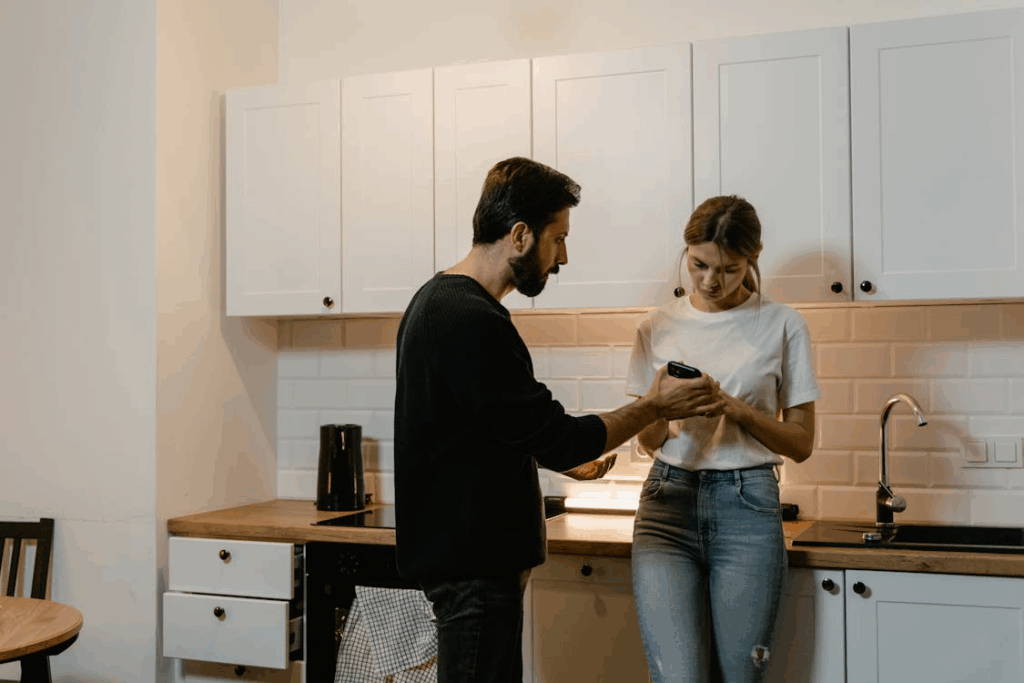
Constantly altering plans at the last minute, especially without caring how it affects you, reveals entitlement. It shows that your time is less valuable to them. Repeated disregard like this creates instability and resentment. Studies on relationship satisfaction highlight the importance of reliability for trust. Failing to consider others shows a lack of empathy. Consider it a warning when compromise feels one-sided, and recognize the signs of a toxic partner.
They Act Differently in Public and Private
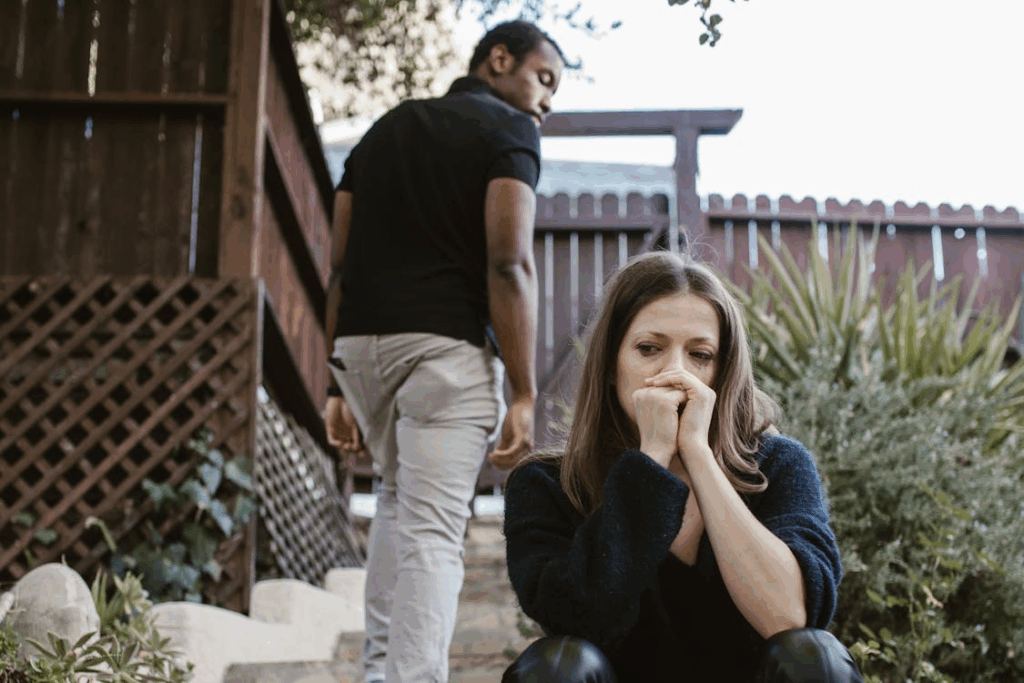
In public, they are charming and affectionate; in private, cold or cruel. This split personality often confuses their partner, leading to self-doubt. Experts call it “impression management,” where toxic individuals perform goodness for others while controlling their partner behind closed doors. It’s a manipulative tactic to protect their image. Love should feel safe in every setting, not conditional on who’s watching.
They Get Defensive Over Basic Requests

Defensiveness is one of the hallmark signs of a toxic partner. Especially over simple things, like asking for help or emotional support- it signals fragility. Instead of listening, they twist the request into criticism. According to relationship therapist John Gottman, defensiveness is one of the key predictors of relational collapse. A loving partner listens before reacting. When every small need sparks hostility, communication becomes impossible. Real love allows vulnerability without punishment.
They Make You Feel Guilty for Time With Others

Toxic partners often isolate their partners subtly. They may sigh when you see family or guilt-trip you about friends. Over time, you start pulling away from support systems that keep you grounded. This tactic increases dependency and control. Research on coercive control shows that isolation is a common early warning sign of abuse. Healthy love encourages outside connection because security doesn’t fear competition.
They Never Ask How You’re Doing

Emotional neglect can be quiet yet deeply painful. If your partner never asks about your day, your stress, or your dreams, it shows a lack of empathy. Relationships thrive on curiosity and mutual care. When only one person initiates emotional check-ins, imbalance grows. Psychologists describe this as one-sided emotional labor. Someone who rarely asks about you isn’t inattentive, they’re indifferent.
They Mock or Dismiss Therapy and Growth

When a partner ridicules therapy, self-help, or emotional boundaries, it often reflects fear of change. Growth threatens control because it exposes unhealthy patterns. Many toxic individuals avoid introspection, preferring to stay comfortable in denial. Studies show that openness to self-reflection strongly predicts relationship satisfaction. A partner who mocks growth is announcing they’re not interested in evolving. Without mutual growth, love stagnates.
You Constantly Feel Drained After Interacting With Them

One of the clearest signs of a toxic partner is emotional exhaustion. After spending time with them, you feel anxious, tense, or guilty instead of content. This is because your nervous system stays on alert around unpredictable behavior. Therapists compare it to “emotional hangovers,” a common symptom of chronic stress relationships. Healthy connections energize, they don’t deplete. Pay attention to how you feel after, not just during, time together.
What These Red Flags Usually Point To
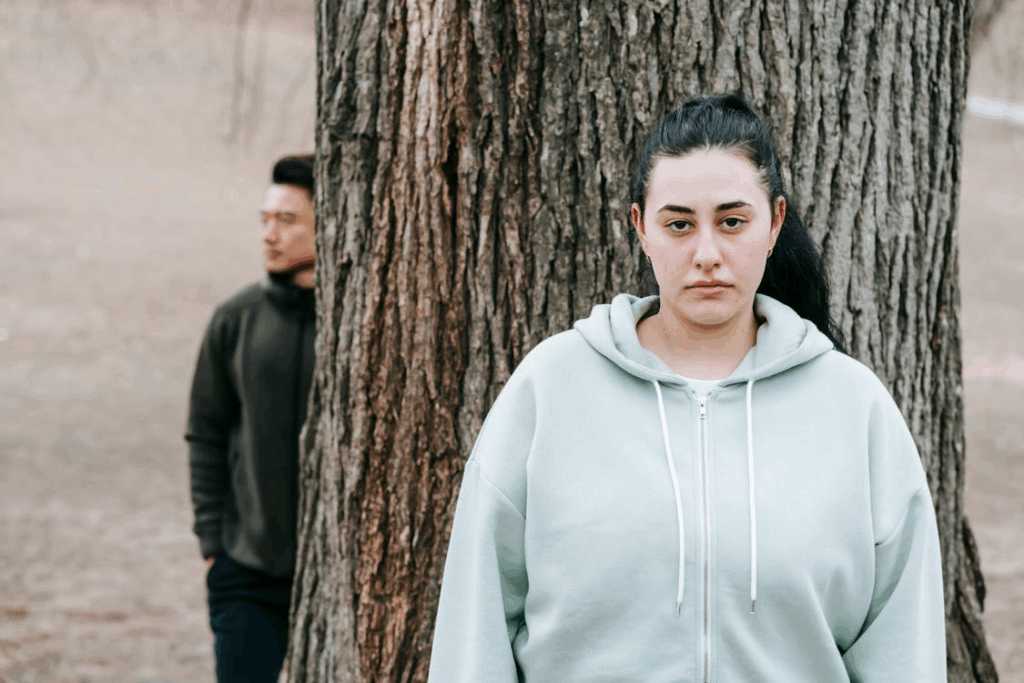
Repeated toxic behaviors often stem from deeper traits like narcissism, emotional immaturity, or avoidant attachment. These patterns are difficult to change because they protect fragile egos. A partner may also use tactics like gaslighting or love bombing to maintain control. Understanding these signs helps detach guilt from your decision to leave. It’s not your fault if someone refuses to grow. Awareness is the first step toward freedom.
Can People Like This Actually Change?

Change is possible, but rare without deep commitment and professional help. Lasting transformation requires honesty, therapy, and a genuine desire to do better. Most toxic individuals lack the insight or humility to confront their patterns. Waiting for them to change usually means enduring more pain. People can evolve, but you cannot force them to. Protecting your peace is always the wiser choice.
Green Flags That Signal Real Change

Real change shows up through consistent action, not promises. Signs include active listening, respect for boundaries, and genuine accountability. They show empathy instead of excuses and value your feelings even in conflict. Growth also means accepting feedback without turning defensive. Small consistent steps reveal sincerity better than words. True partners work on themselves because they value the relationship.
What to Do if You See These Signs

If you recognize these patterns, start by naming them without self-blame. Write down what happens so you can see the reality clearly. Talking to a therapist or trusted friend provides perspective and safety. Setting boundaries may reveal whether the partner respects your needs or ignores them. If you feel unsafe, make a plan to leave gradually. Your well-being must always come first.
When It’s Time to Walk Away

Leaving is hard, especially when love still lingers. But staying in a cycle of hurt only teaches your heart to accept pain as normal. You don’t need to wait for “proof” of abuse to walk away. Emotional neglect and manipulation are enough. Recovery begins the moment you choose peace over chaos. You owe no apology for choosing yourself.
Final Thoughts: Your Peace Is Not Too Much to Ask For

Recognizing red flags doesn’t mean you’re jaded, it means you’re self-aware. Love should never require losing your dignity or peace. Spotting signs of a toxic partner early allows space for genuine connection later. Healthy relationships feel calm, safe, and mutual. Trust that your instincts are guiding you toward something better. Your peace is not too much to ask for, it’s the bare minimum.
Read More: If Your Partner Says This To You, Its Red Flag to Leave, Dating Expert Claims
Disclaimer: This article was created with AI assistance and edited by a human for accuracy and clarity.