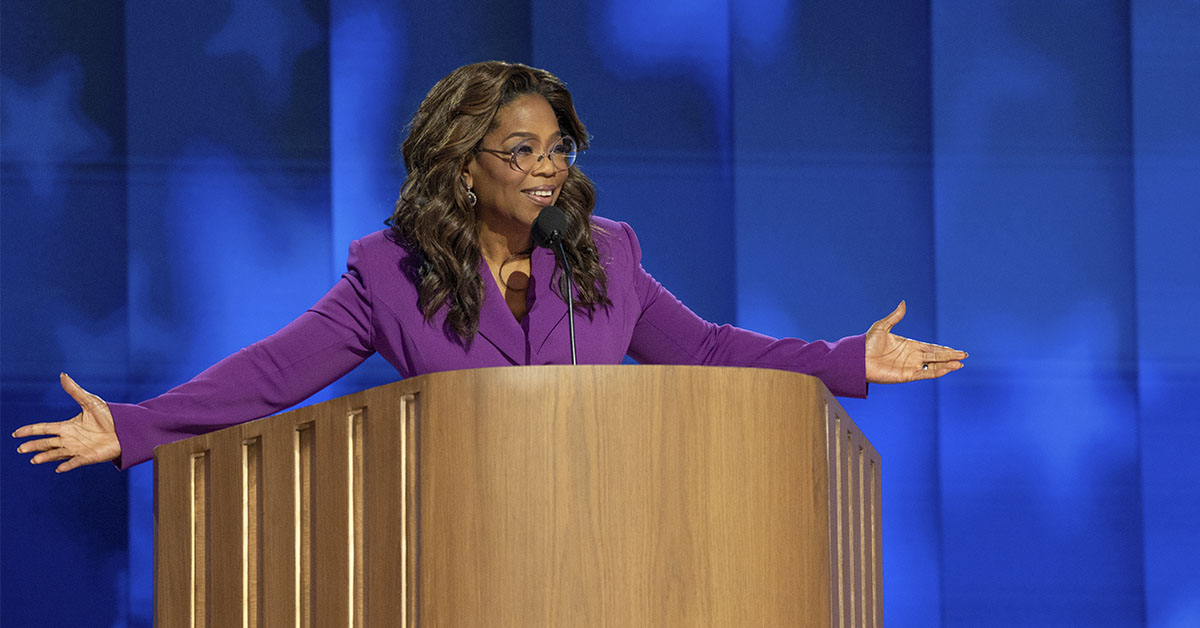

Influential American women are easier to recognize when you look at what moved after they took action. Laws change, lab methods become standard, publishing priorities shift, and entire industries copy the format someone proved could work. Influence also comes in different forms, some women pull levers inside government, some change what medicine can do, some build media systems that decide which stories reach the public. This list treats influence as lasting reach plus tangible outcomes, not a popularity contest. It also treats “our generations” as the modern era most people can trace through living memory, roughly the late twentieth century into the present. The goal is range, politics, science and medicine, arts, activism, writing, and modern platform power, without pretending these lanes compete with each other.
It also makes room for complexity, because some of these women are widely admired while others are debated, and both can leave a mark that lasts. What connects them is the scale of the ripple, the decisions they changed, the tools they put in people’s hands, and the conversations they made impossible to ignore.
Some names will be instantly familiar, and others will hit you with that recognition a few lines later, the moment you realize you have been living with their impact for years. A vaccine protocol, a legal precedent, a song that reset a genre, a book that changed how people talk, or a platform that rewired attention can all start with one person refusing to stay in their assigned lane. As you read, pay attention to what you already use, quote, benefit from, or react to.
1. Kamala Harris, politics and public leadership:
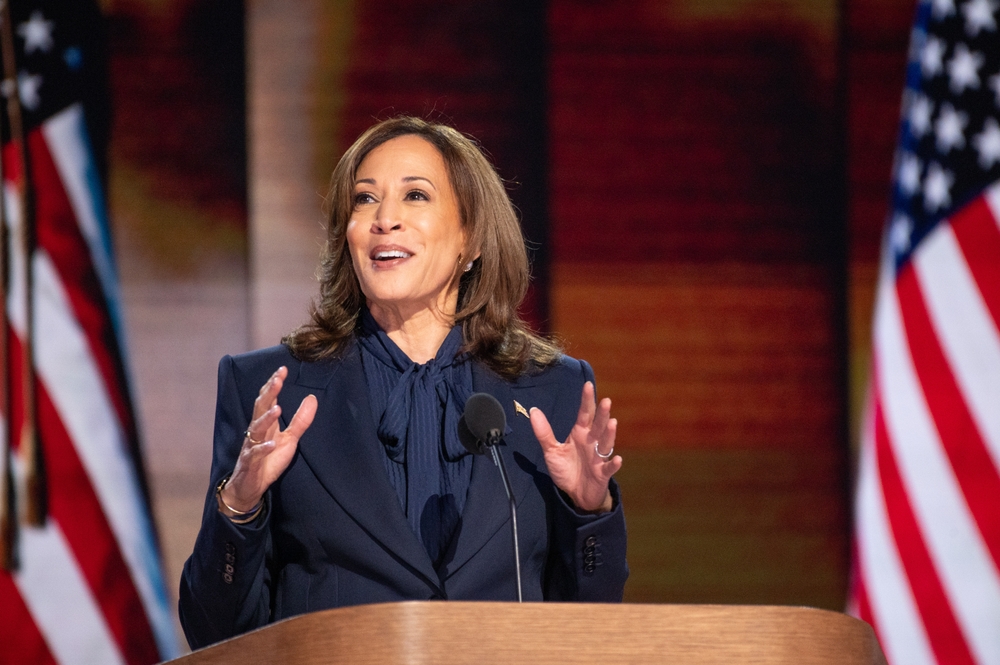
Kamala Harris became the first woman to serve as Vice President of the United States, and that one fact changed what leadership can look like to a lot of people who never saw themselves reflected at the top. Her influence is also practical, because she reached national power through roles that deal with daily governance, not just campaigning. Before the vice presidency, she built a long public career in California, serving as San Francisco district attorney, California attorney general, and later a U.S. senator. Those jobs put her at the center of debates that affect families directly, public safety, consumer protection, reproductive rights, and how government responds when people feel left behind. She is also the first Black American and first South Asian American to hold the vice presidency, which matters in a country where access and visibility have never been evenly distributed. People can argue policy all day, but influence is often measured by who runs next and what the public stops treating as unusual. Harris helped move that line, and once a line moves in politics, it rarely snaps back to where it was.
2. Jennifer Doudna, scientist and inventor:
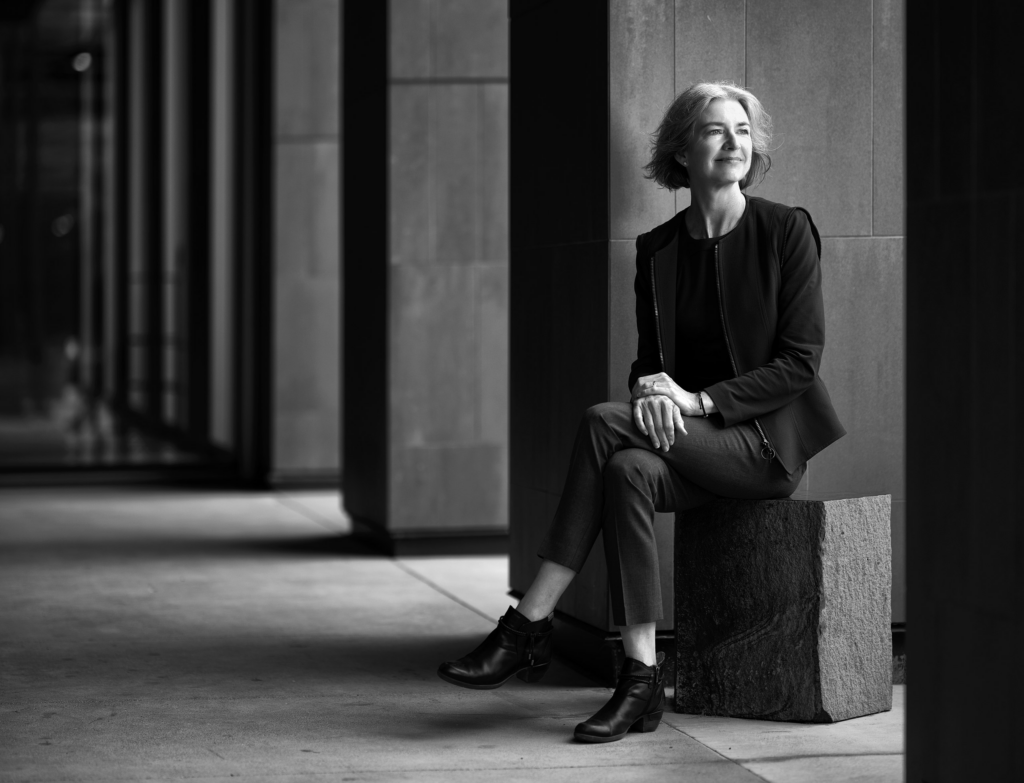
Jennifer Doudna helped turn CRISPR gene editing from a promising idea into a practical tool that labs around the world could use, which is the kind of contribution that changes an entire field’s pace. She shared the 2020 Nobel Prize in Chemistry for work connected to CRISPR-Cas9, and the award mattered because it signaled how big the shift was for biology. CRISPR gave researchers a faster way to edit DNA with more precision than many older methods, which affects how diseases are studied, how drug targets are tested, and how experimental therapies are designed. If you have followed headlines about gene editing, you have been following a world that her work helped unlock. Doudna also stepped into the public conversation about ethics, which matters because powerful tools tend to spread faster than rules do. Her influence is the kind people often feel without knowing her name, because it lives inside research pipelines, biotech decisions, and the expectations students now bring into science training.
3. Oprah Winfrey, media builder and cultural force:
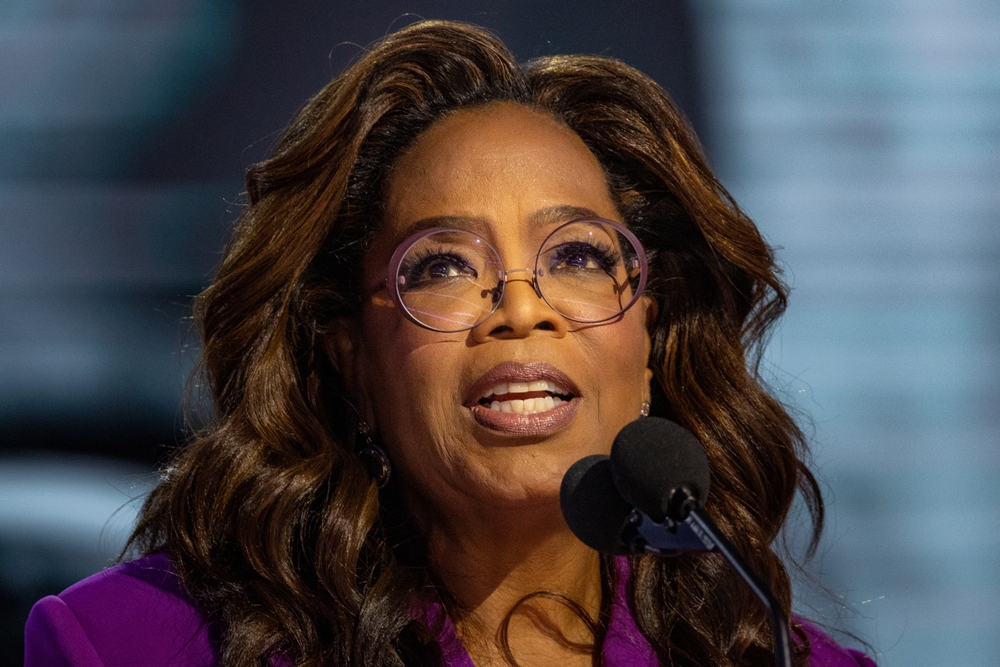
Image credit: Shutterstock
Oprah Winfrey changed American media by pairing trust with scale, then adding ownership so she could decide what stories got told and how. Her daytime talk show ran for 25 seasons, which gave her a reach that could move publishing, music, film, and national conversation in a single week. What made her influence stick was not just popularity, it was consistency, and the way her interviews made emotional honesty feel acceptable in mainstream spaces that used to punish it. She also built Harpo Productions, which put her on the business side of the camera, where power typically sits. That move opened doors for other creators who wanted more than a hosting job, and it normalized the idea that a media figure can be an executive, not just a face. Her choices helped turn reading into a public event through her book club, and she also backed projects that expanded which lives and communities were treated as worth focusing on. Even people who never watched her show live have felt the aftereffects in how modern interview culture works.
4. Beyoncé Knowles-Carter, artist and business leader:
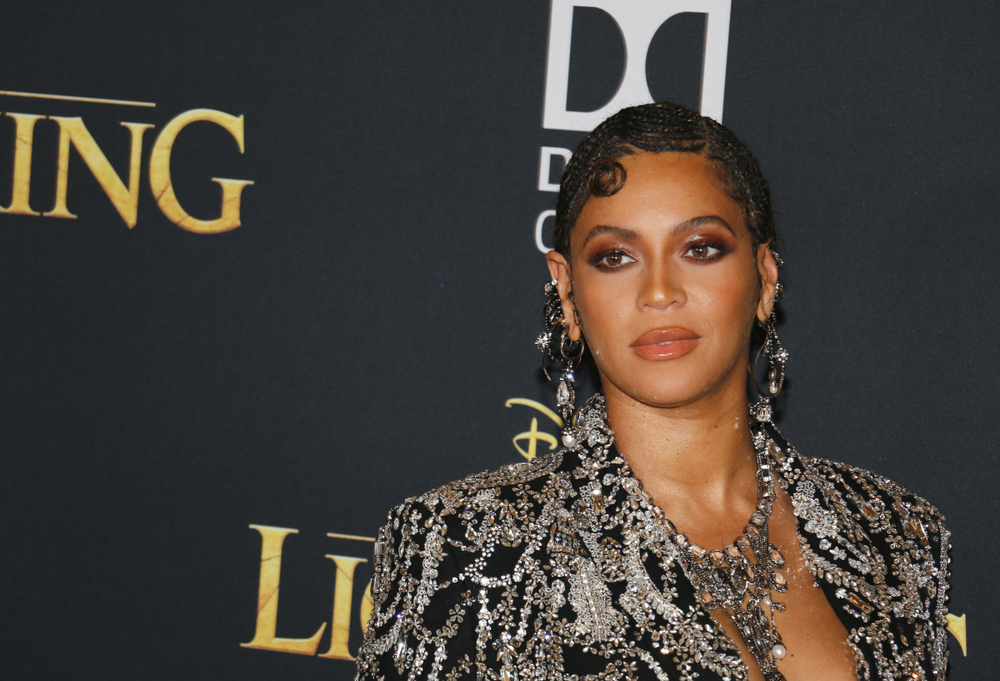
Image credit: Shutterstock
Beyoncé’s influence sits at the intersection of music, performance, and ownership, and that mix changed what many younger artists now expect from their careers. She helped move pop and R and B toward bigger visual storytelling, where albums are treated as full creative worlds rather than a stack of singles. Her work has also kept pushing conversations on Black identity, Southern roots, feminism, and joy, without treating any of that as a side note. Beyond the stage, she has modeled what it looks like to control production, distribution choices, and brand partnerships on her own terms, which has had ripple effects across the industry. You can see it in how artists talk about masters, release strategies, surprise drops, and building tours as cultural events. She has also used her reach to fund scholarships, support disaster relief, and amplify community initiatives, which matters because attention can convert into resources when it is handled deliberately. Even if someone does not follow her closely, they have felt the aftereffects in how modern pop is packaged, marketed, and measured.
5. Toni Morrison, writer and editor:
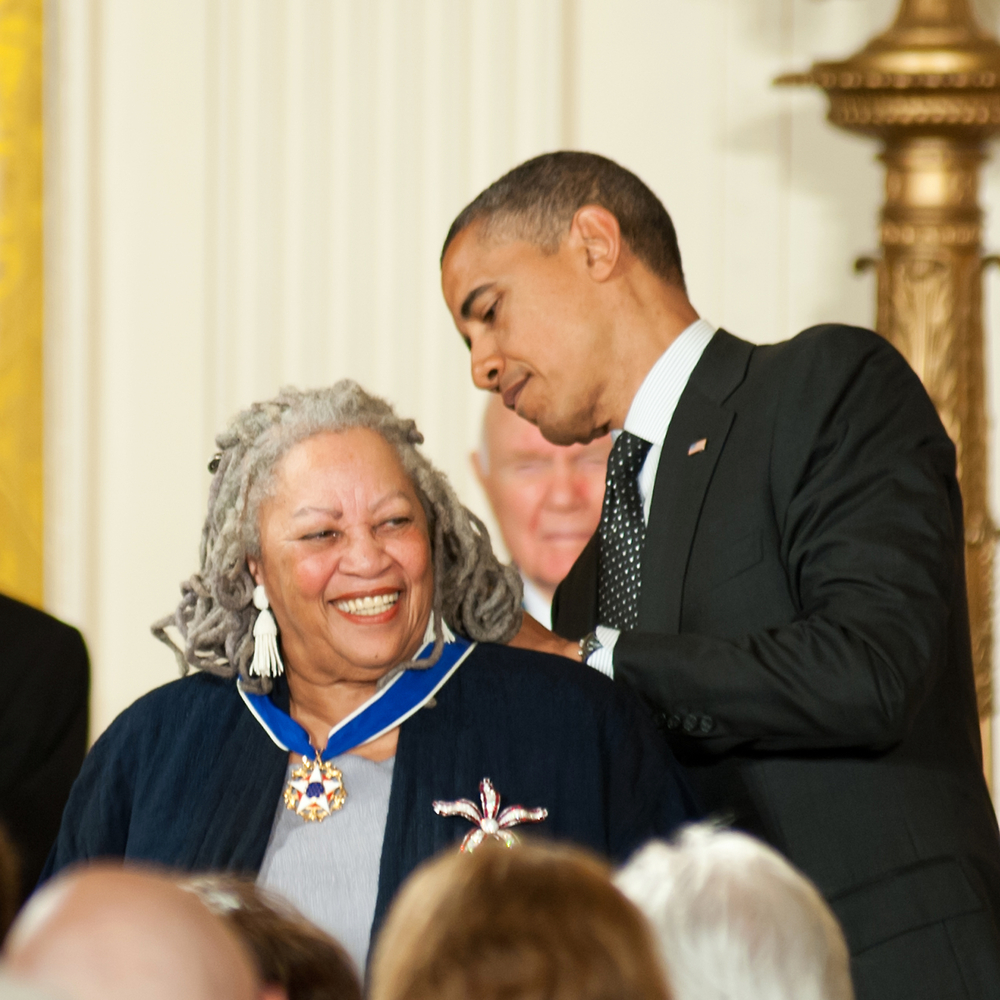
Toni Morrison shifted American literature by writing Black interior life with authority, complexity, and humor, then insisting the mainstream take it seriously. Her novels, including Beloved, Song of Solomon, and The Bluest Eye, have shaped how schools teach American fiction and how writers think about voice, memory, and history. She also worked as an editor, which meant her influence extended beyond her own books into which stories got supported, published, and protected inside a major industry. Morrison’s work forces readers to face what a country chooses to forget, and how families carry legacy through language, love, and harm. You see the impact in classrooms, book clubs, and the way contemporary writers talk about craft, especially around point of view and the moral weight of narration. She won the Nobel Prize in Literature, but her cultural impact is just as visible in how her writing became a reference point for debates about censorship, curricula, and whose experiences are treated as central. If you have ever seen a novel used as a civic argument, you have been living in a world Morrison helped build.
6. Tarana Burke, activist and movement builder:
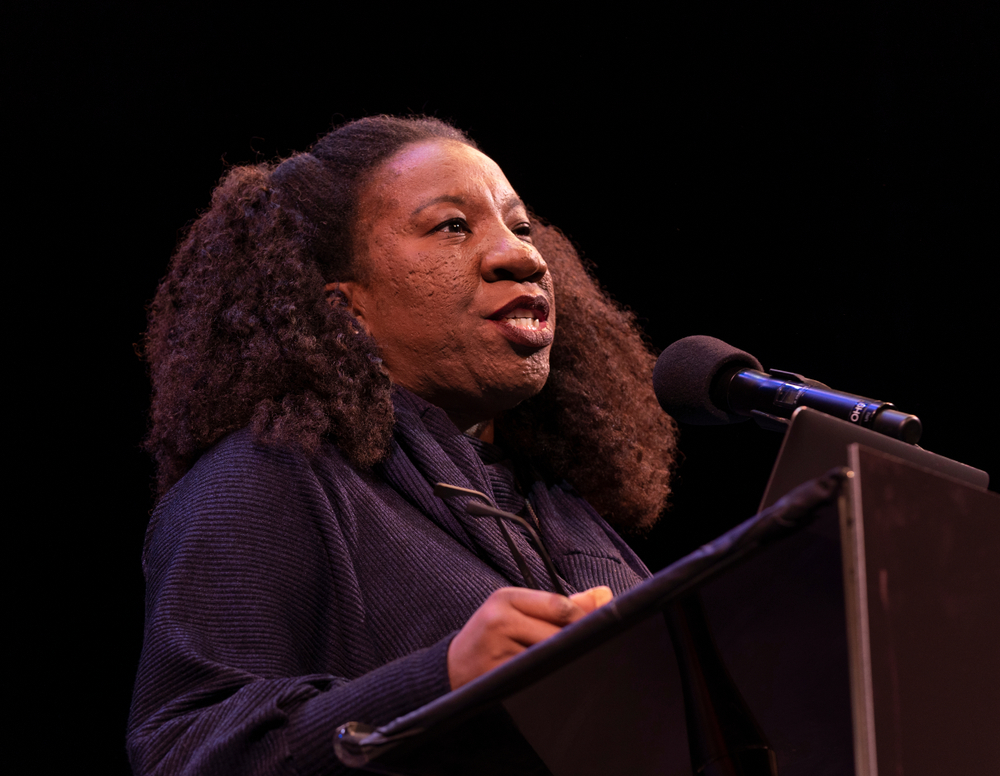
Image credit: Shutterstock
Tarana Burke’s influence comes from building language people could use when they felt alone, and then watching that language turn into a global accountability conversation. She created the phrase “Me Too” years before it became a viral hashtag, rooted in support for survivors, especially young Black girls, whose experiences were often dismissed or ignored. What she helped spark is not just a social media moment, it is a shift in how workplaces, schools, and public institutions talk about harassment, consent, and power. Her work has pushed organizations to adopt clearer reporting systems, rethink leadership behavior, and take survivor support more seriously, even when doing so is uncomfortable. Burke also emphasizes the need for resources and healing, not only public callouts, which matters because movements can burn people out if care is treated as optional. You see it when someone finally has words for what happened to them. You see it when managers reconsider how they use authority, and when public figures face consequences that once seemed uncommon.
7. Ruth Bader Ginsburg, jurist and equality strategist:
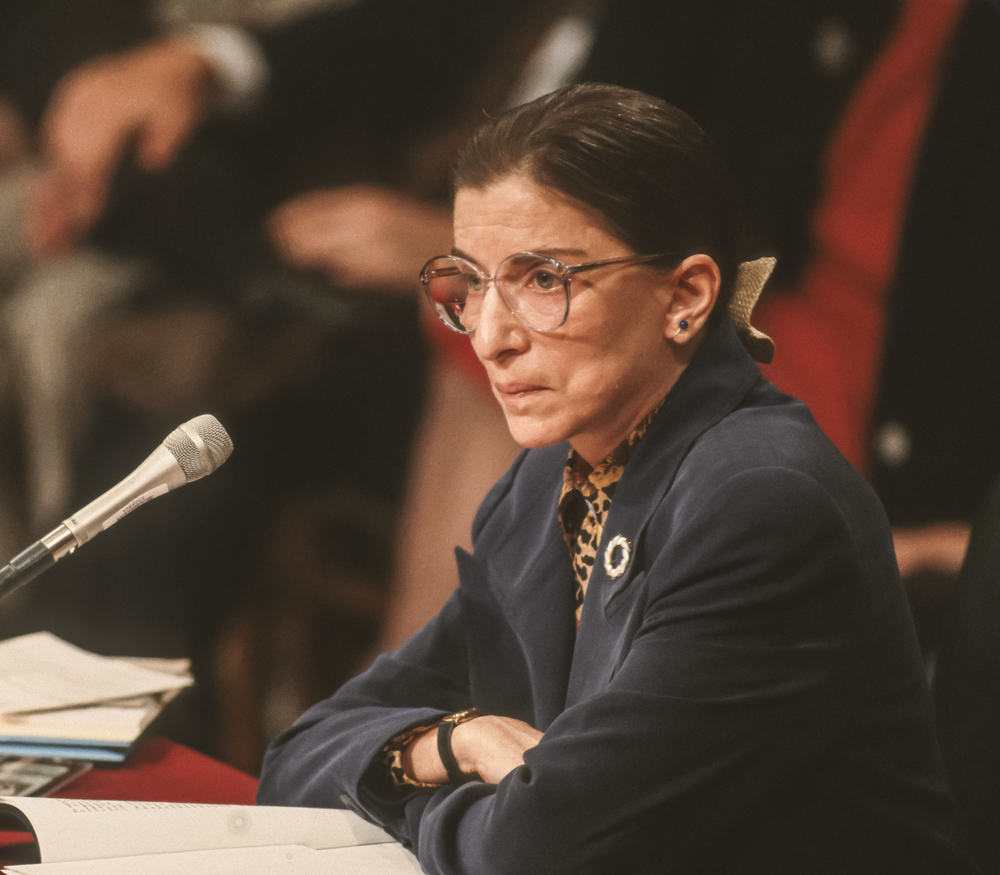
Image credit: Shutterstock
Ruth Bader Ginsburg helped rewrite what equality means in American law, first as an advocate and then as a Supreme Court justice. Before she joined the Court, she built many of the arguments that persuaded judges to treat sex discrimination as a constitutional problem, not a social preference. On the bench, she became known for opinions that tightened standards around workplace fairness, voting rights, and the ways policy can exclude people without saying so out loud. Her dissents mattered too, because they gave later lawyers a roadmap, and they also gave the public language for why certain rulings hit daily life. She turned legal writing into something people quoted at kitchen tables, which almost never happens with court work. Even after her death, her influence keeps showing up in how cases are argued, how lawmakers draft bills, and how younger jurists describe their role. She did not treat the law as abstract, she treated it as a set of choices that can be challenged, narrowed, or expanded.
8. Radia Perlman, inventor and network engineer:

Radia Perlman’s work sits inside the basic plumbing of modern computing, the part most people never think about until it fails. She is widely credited with developing the Spanning Tree Protocol, a breakthrough that helped Ethernet networks avoid loops and keep traffic moving reliably. That sounds technical, but the impact is simple: the networks that connect offices, campuses, hospitals, and data centers became more dependable because of engineering like hers. She also contributed to network design and security concepts that shaped how engineers approach routing, resilience, and failure recovery. A lot of public talk about the internet focuses on apps and platforms, but none of that matters if the underlying networks are brittle. Perlman helped make that foundation sturdier, and that kind of influence spreads quietly through every system that depends on connectivity. If you have ever trusted a network to keep working during a surge of demand, you have benefited from the mindset she helped normalize, design for things going wrong, not just for things going right.
9. Dr. Mona Hanna-Attisha, pediatrician and public health advocate:
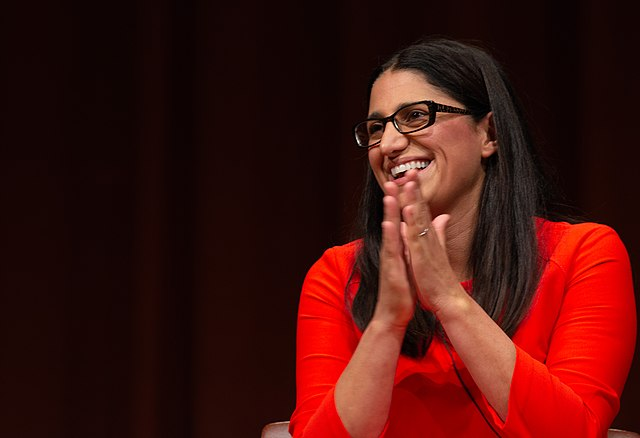
Dr. Mona Hanna-Attisha changed public health history by pushing the Flint water crisis into the open when official messaging was failing families. As a pediatrician, she focused on what lead exposure can do to children, and she treated the data as an urgent warning rather than an academic exercise. Her team’s findings helped force accountability, and they also showed how easily institutions can dismiss harm when the affected community lacks political power. The ripple went far beyond Flint. Her work influenced how journalists cover environmental health, how local governments handle risk communication, and how communities think about testing, documentation, and public records. She also became a model for professionals who feel boxed in by bureaucracy, showing that expertise has a civic duty when people are being misled. Even if someone never followed the story closely, they live in a world where lead in water became a national symbol of institutional failure, and where more people now know to demand transparent testing and independent verification.
10. Michelle Obama, writer and civic leader:
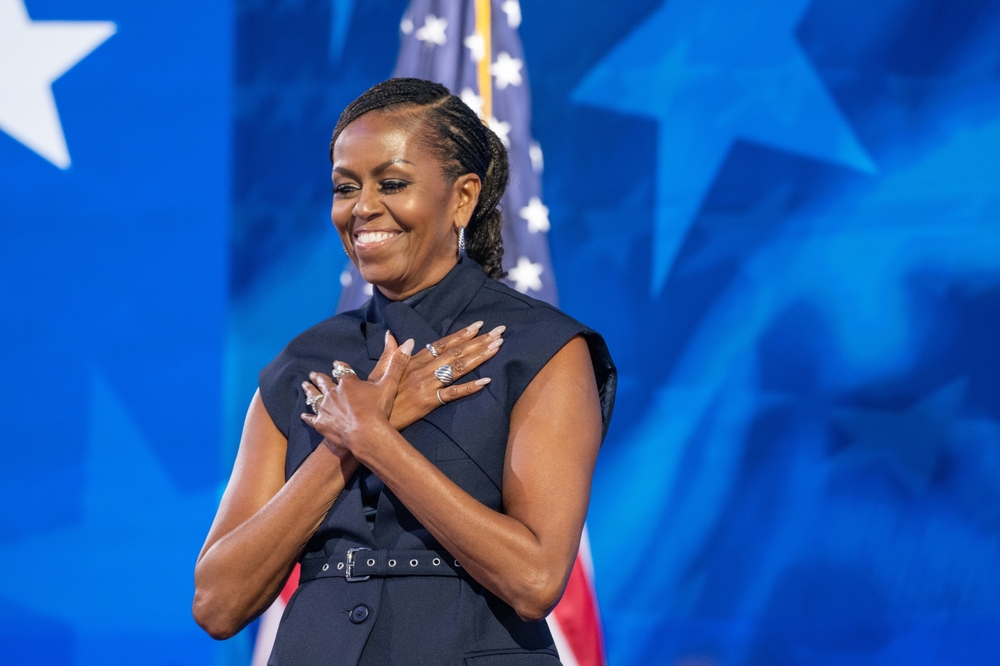
Image credit: Shutterstock
Michelle Obama influenced American culture by turning the role of First Lady into a platform that felt personal, practical, and widely reachable. She used that visibility to push initiatives tied to children’s health and fitness, support for military families, and education, including programs aimed at keeping girls in school and expanding access to opportunity. Her impact also runs through modern public storytelling. When she published Becoming, it became a mass-market event that pulled many people into memoir as a genre, not as homework. She helped normalize a kind of public honesty that is polished but still human, and that changed how audiences expect leaders to talk about family, work, and identity. She is also a builder of institutions, through the Obama Foundation and ongoing civic projects that focus on leadership development. Even people who never followed politics closely have felt her influence in how public figures discuss wellness, parenting, and ambition without turning it into a lecture. Her reach is a mix of policy-adjacent work, publishing power, and the ability to set a tone that others copy.
11. Dr. Kizzmekia Corbett, scientist and vaccine researcher:
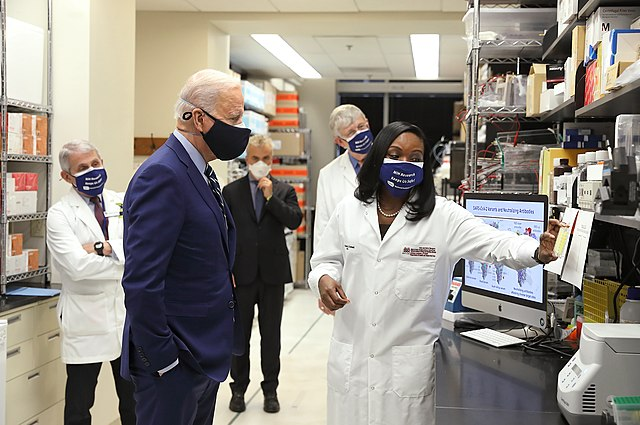
Dr. Kizzmekia Corbett became one of the most visible American scientists of the COVID era, and her influence is tied to both research and public trust. As a viral immunologist, she helped lead early work on coronavirus vaccine design at the National Institutes of Health, including research that informed the Moderna mRNA vaccine. Her name reached the public because she could explain complex biology without talking down to people, at a moment when misinformation was everywhere and fear was high. That communication mattered, because a vaccine only protects communities when enough people accept it. Corbett also shifted who many young students picture when they hear “scientist,” especially Black girls and first-generation students who rarely see themselves reflected in lab leadership. She has continued to speak on equity in healthcare and access, insisting that breakthroughs mean less if distribution leaves communities behind. If you want a clean measure of impact, look at how many conversations about vaccines started including the scientist’s face and voice, not just the institution’s logo. That shift changes recruitment, mentorship, and public expectations for transparency.
12. Kim Kardashian, influencer and criminal justice advocate:
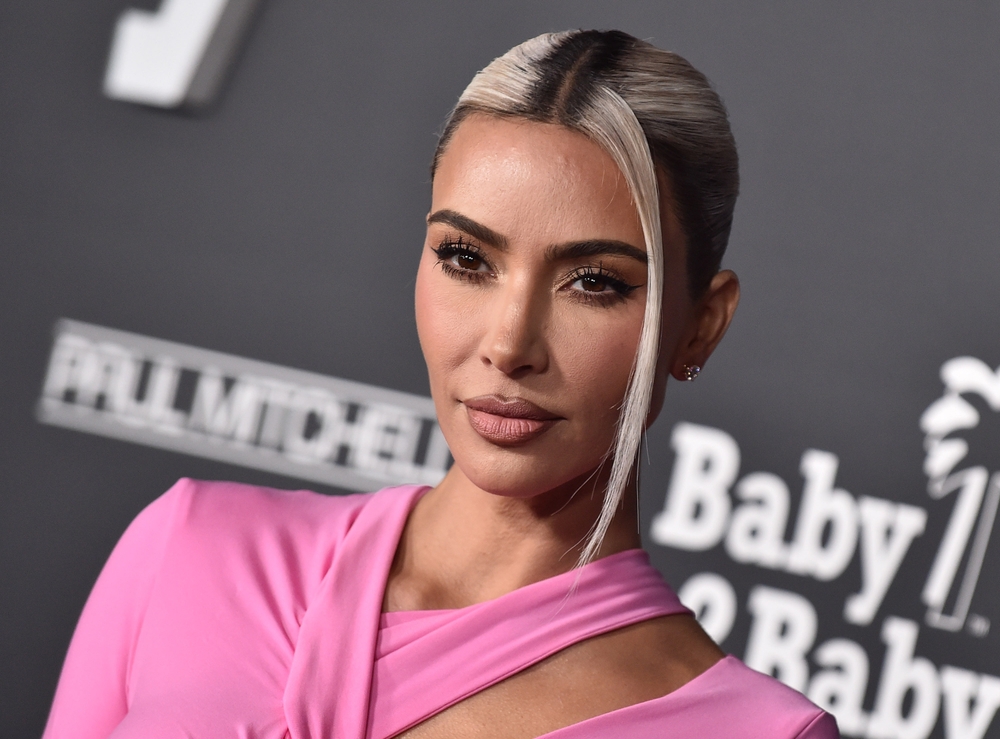
Kim Kardashian influenced modern American media by turning personal branding into a full-scale business model that other creators now study and copy. She helped define how celebrity works in the social media era, where attention is not only fame, it is distribution, product launches, and direct-to-consumer power. Her impact is visible in beauty marketing, reality TV formats, and the way influencers build companies that can compete with legacy brands. What complicates the story, and also expands it, is her role in criminal justice advocacy. She used her platform to spotlight specific cases, work with legal teams, and push public discussion toward sentencing and clemency in a way many people did not expect from an entertainment figure.
That blend of pop culture reach and policy-adjacent work changed how audiences think about who can participate in reform conversations, and how. People can argue motives, but the effect is measurable: cases gained national attention, and criminal justice debates reached audiences who normally avoid them. Her influence sits in visibility, commerce, and the ability to move a topic from niche to mainstream in a single news cycle.
13. Serena Williams, athlete and business force:
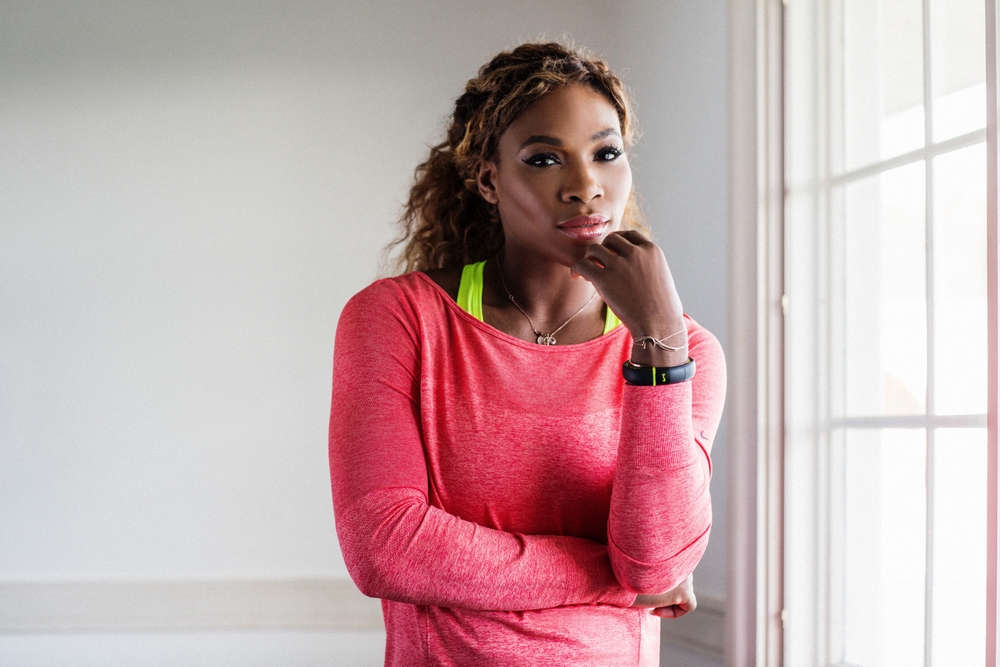
Serena Williams changed women’s tennis through dominance, longevity, and the way she carried herself in spaces that were not built to welcome her. She won 23 Grand Slam singles titles in the Open Era, and she did it while turning matches into cultural events that pulled in people who did not normally watch tennis. Her influence went beyond trophies. She forced the sport to reckon with how it treats Black women, how it polices emotion, and how often “professionalism” becomes a code word used unevenly. Off the court, she built a serious business footprint through investing and entrepreneurship, which expanded the idea of what an athlete can control and create.
She also changed how motherhood is discussed in elite sports, because she returned to competition after pregnancy and spoke openly about the physical stakes involved. If you look at the next generation of players, you can see traces of her power game, her confidence, and her refusal to shrink for anyone. Even people who never held a racket have felt the impact in how women’s sports are marketed, debated, and valued.
14. Dolores Huerta, activist and labor organizer:
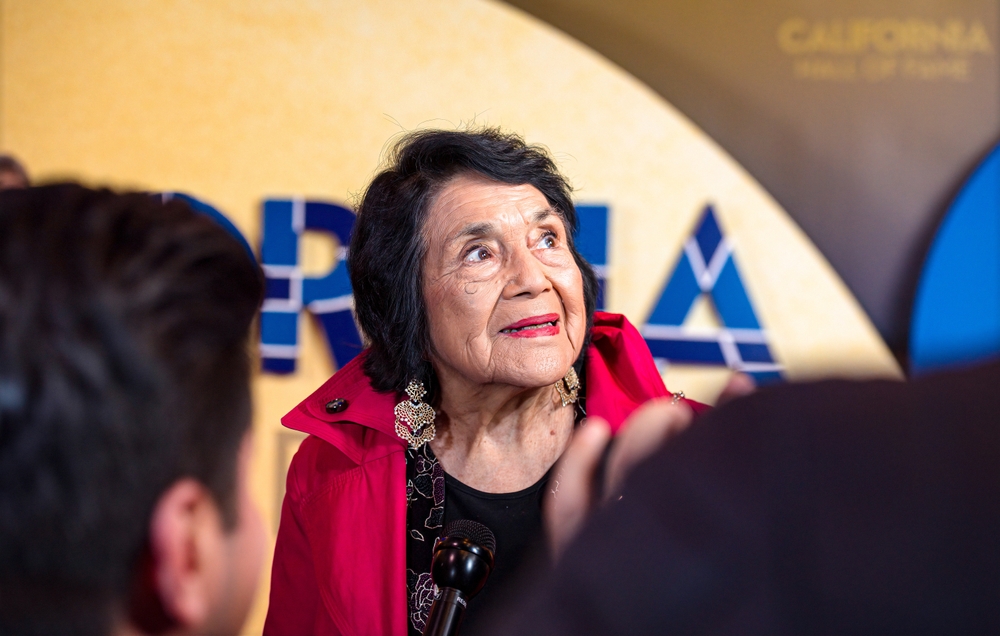
Image credit: Shutterstock
Dolores Huerta helped build modern American labor rights and Latina political power, and she did it through organizing work that rarely gets treated as glamorous. As a co-founder of the United Farm Workers, she fought for better pay and safer conditions for farmworkers, and she helped turn consumer boycotts into a tool that could force national attention. Her organizing tied together labor, civil rights, and immigration issues in a way that influenced how coalitions operate today. She is also widely credited with the phrase “Sí, se puede,” a rallying call that later traveled far beyond the farmworker movement. Huerta’s influence is in the infrastructure of activism, training organizers, negotiating contracts, pushing voter registration, and showing people how to hold a line when institutions bet you will fold. If you have ever seen a grassroots campaign build momentum through local networks, there is a good chance it borrowed tactics that organizers like her helped normalize. She is part of the reason many Americans now expect social change to include both protest and policy work, not one or the other.
15. Sheryl Sandberg, tech executive and workplace author:
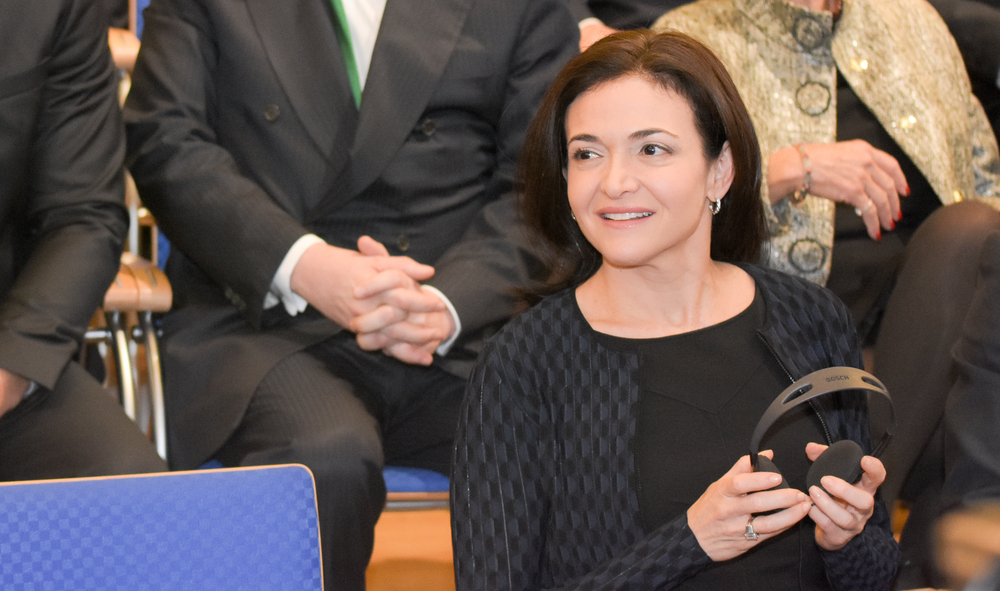
Sheryl Sandberg influenced corporate culture by becoming one of the most prominent women in modern tech leadership, then turning that visibility into a mainstream workplace conversation. As a senior leader at Meta, formerly Facebook, she held enormous responsibility during the platform’s period of rapid growth, and her role made her a reference point for discussions about leadership, recruiting, and power dynamics in Silicon Valley. Her book Lean In became a cultural flashpoint, praised by some as useful career language and criticized by others as too focused on individual advancement instead of structural barriers. That debate is part of her influence, because it forced workplaces to talk openly about gender, ambition, and the unwritten rules that punish women differently. She also brought public attention to grief after her husband’s death, which shifted how many professionals speak about loss and resilience without hiding behind corporate polish. Even people who disagree with her framework have had to engage with it, and that is a sign of reach.
16. Sonia Sotomayor, Supreme Court justice:
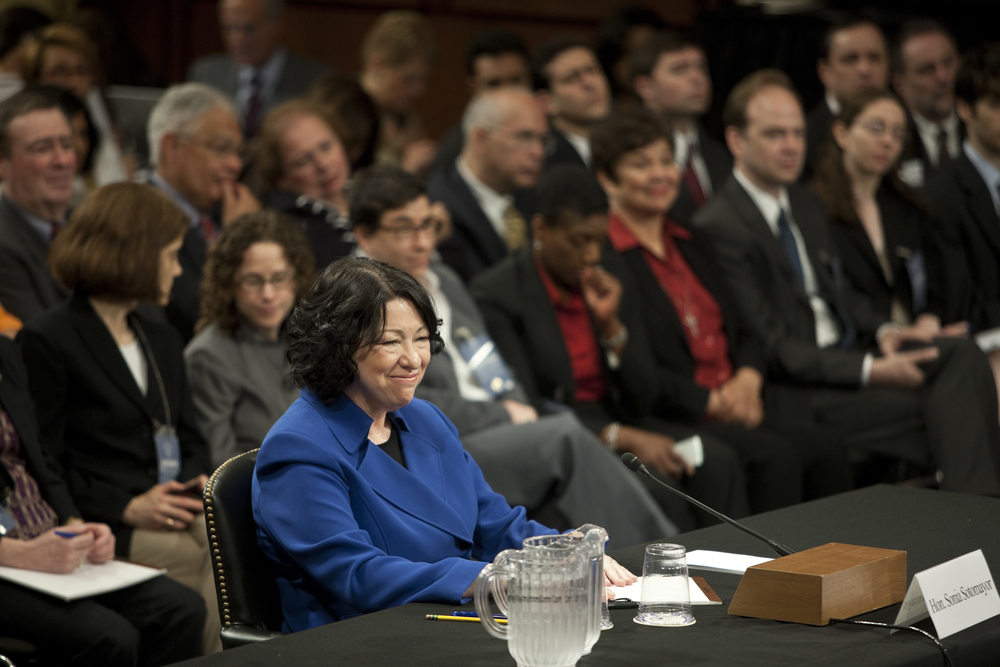
Image credit: Shutterstock
Sonia Sotomayor has influenced American public life through the Supreme Court, and through the way she explains what the Court does to people who do not live inside legal jargon. She became the first Latina justice on the Court, and her path from the Bronx to the highest bench has made her a reference point for students who rarely see themselves in elite institutions. On the Court, she has written and joined opinions that touch everyday life, policing, voting, immigration, labor, disability rights, and the boundaries of government power. She is also known for dissents that read like a warning flare, laying out how a ruling can land in communities that already carry unequal burdens. Outside the courtroom, she has written bestselling books that treat civic education as part of her public job, not a side project. That blend of institutional authority plus public communication has made her influence wider than the Court’s usual audience. Even if someone never reads a full decision, they still feel the downstream effects of the precedents the Court sets, and her work sits inside many of those decisions.
17. Dr. Patricia Bath, inventor and medical pioneer:
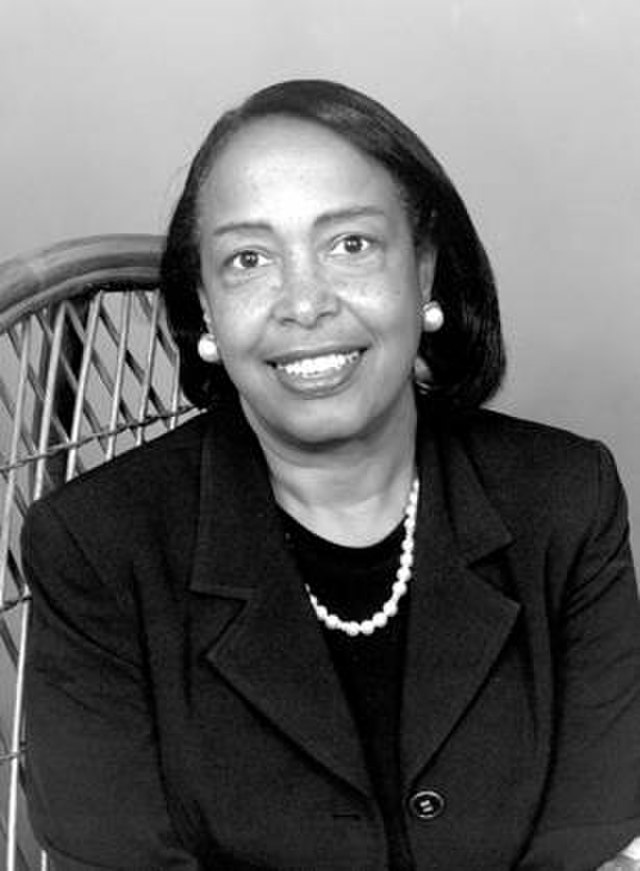
Dr. Patricia Bath changed eye care through a mix of clinical excellence and invention, and she did it while breaking barriers that kept many women, especially Black women, from being treated as full participants in medicine. She was the first Black woman to complete an ophthalmology residency at NYU, and she later became the first Black female physician to receive a medical patent. Her best-known invention, the Laserphaco Probe, improved cataract surgery by using laser technology to remove cataracts more precisely, helping restore vision for patients who had limited options. Bath also pushed the idea that eye care should be treated as a public health priority, not a luxury, advocating for access in underserved communities. You see it in the people who can see again after cataract surgery. You also see it in how physician-led invention can grow directly out of noticing gaps in care. She left a blueprint for combining science, surgery, and advocacy without separating them into different identities.
18. Gloria Steinem, writer and movement strategist:
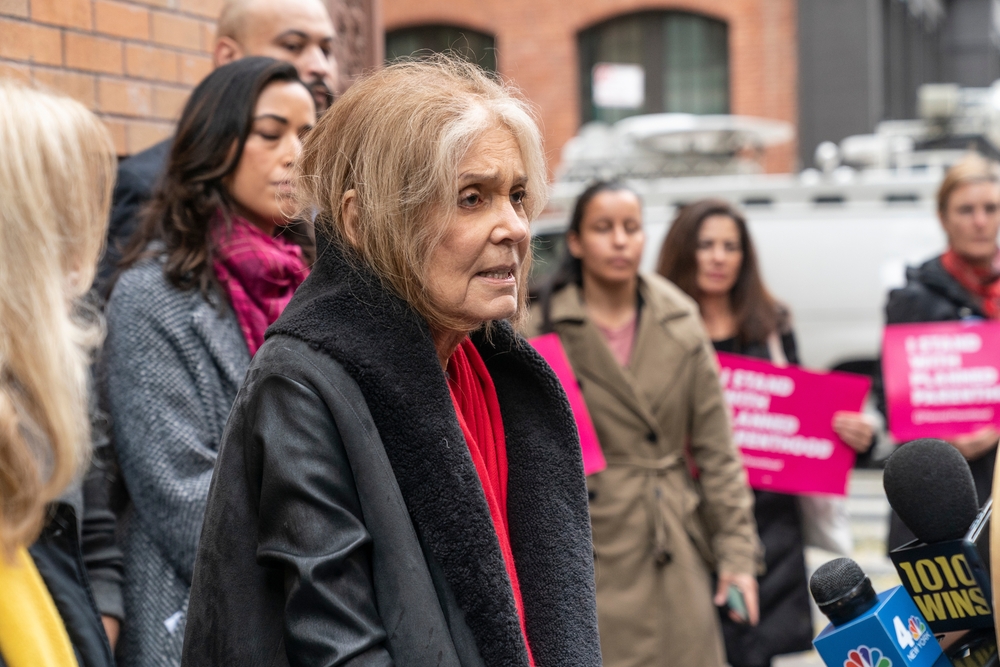
Image credit: Shutterstock
Gloria Steinem influenced modern feminism through writing, organizing, and a talent for turning private frustrations into public language that people could use. She co-founded Ms. magazine and became one of the most recognizable voices in second-wave feminism, bringing issues like workplace discrimination, reproductive rights, and domestic violence into mainstream debate. Her influence is not limited to any single era, because she helped build networks that trained organizers, funded campaigns, and connected local work to national politics. She also became a model for movement communication, how to talk in a way that invites people in without flattening the problems. Critics have challenged parts of second-wave feminism for who it centered and who it missed, and Steinem’s legacy sits inside that larger conversation too. Even so, her impact on public vocabulary is hard to deny, many ideas that now sound standard in workplace policy and media coverage traveled through decades of advocacy that people like her helped push forward.
19. Sally Ride, physicist and astronaut:
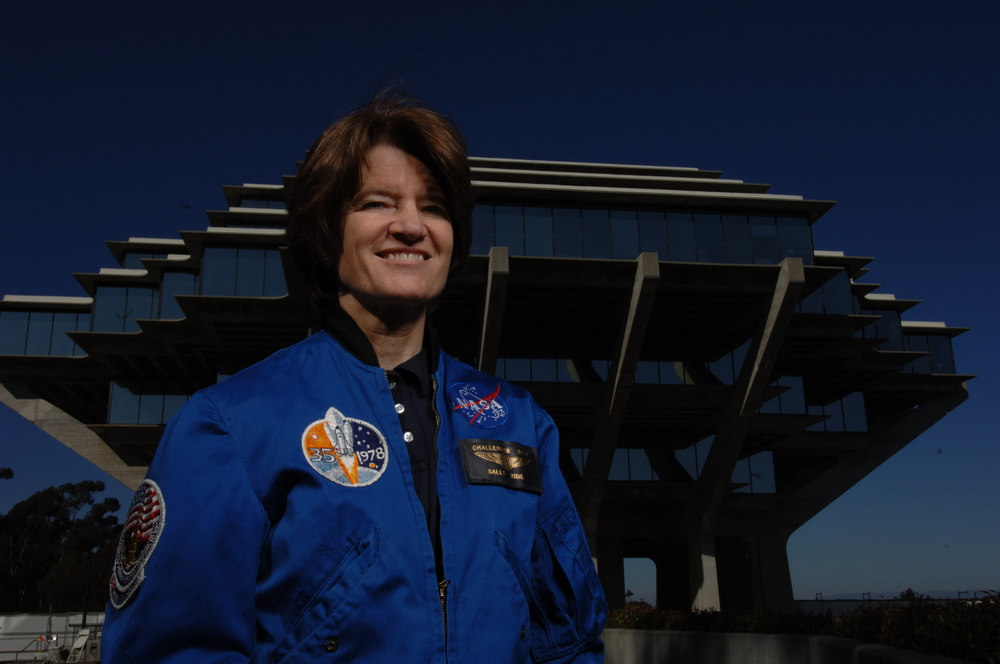
Image credit: Shutterstock
Sally Ride became the first American woman in space in 1983, and that milestone quickly turned into something bigger than a headline. She was a working mission specialist who helped normalize the idea that technical excellence and national prestige do not have a gender. After her NASA flights, she kept influencing the pipeline, not just the public image. She taught at the university level, served on major national investigations, and became a visible advocate for science education, especially for girls who were being nudged away from math and engineering before they ever had a fair shot. She also co-founded a science education company and wrote books that treated science as something kids can enter without needing a special personality type. If you grew up seeing more girls in advanced science classes, or more teachers using space and engineering as hooks to keep students engaged, you are seeing the aftereffects of people like Ride making it harder for gatekeepers to sell old assumptions. Her influence sits in representation, yes, but also in the infrastructure that helps the next generation learn, stick with it, and aim higher.
20. Frances Arnold, engineer and Nobel-winning scientist:
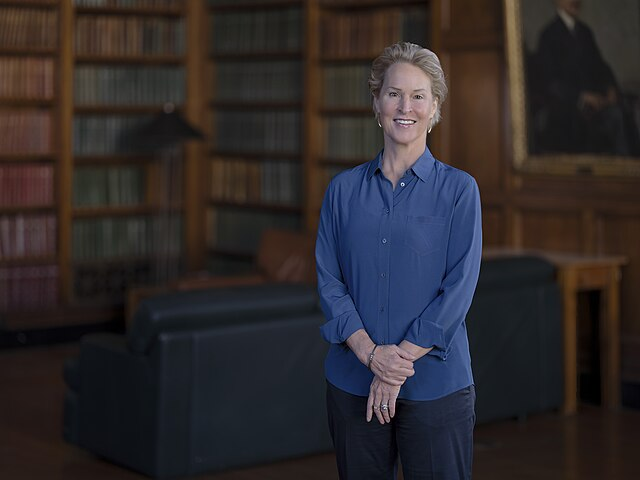
Frances Arnold changed modern chemistry by showing that evolution can be used as a practical engineering method, not just a topic in biology class. She won the 2018 Nobel Prize in Chemistry for directed evolution of enzymes, work that opened up cleaner and more efficient ways to develop catalysts for medicine, fuels, and industrial processes. In plain terms, she helped create a roadmap for building better molecules by guiding “trial and error” with smart experimental design. That approach has influenced how labs think about innovation, because it rewards iterative testing and measurable improvement instead of waiting for a single perfect breakthrough idea. Her impact is also institutional. As a high-profile female engineer in a field still crowded with men, she has been a reference point for what leadership in science can look like, especially when it comes with blunt honesty and high standards. A lot of the environmental and manufacturing conversations people now have, about greener chemistry and more efficient production, lean on methods that her work helped legitimize and scale.
21. Alice Walker, writer and cultural voice:
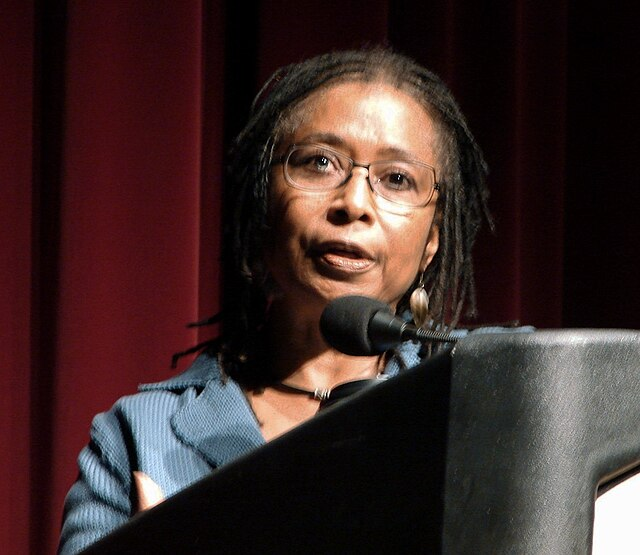
Alice Walker influenced American literature and public conversation by writing about Black women’s lives with directness, humor, pain, and political bite, without sanding any of it down for comfort. The Color Purple became a landmark novel and later a film and stage adaptation, and it pushed stories of Black womanhood into spaces that had long avoided them or treated them as side material. Walker’s work also widened the lens for what counts as “serious” American writing, insisting that domestic life, sisterhood, spirituality, and survival belong at the center of the canon. She has written novels, essays, poetry, and activism-driven work, and she has used her platform to speak on civil rights, sexism, war, and the ways communities can both protect and wound their own members. You see it in classrooms and in the language writers use to talk about generational trauma and resilience. For many readers, she was the first writer who made Black women’s interior worlds feel central, not treated as a footnote to someone else’s story.
22. Katherine Johnson, mathematician and space program pioneer:
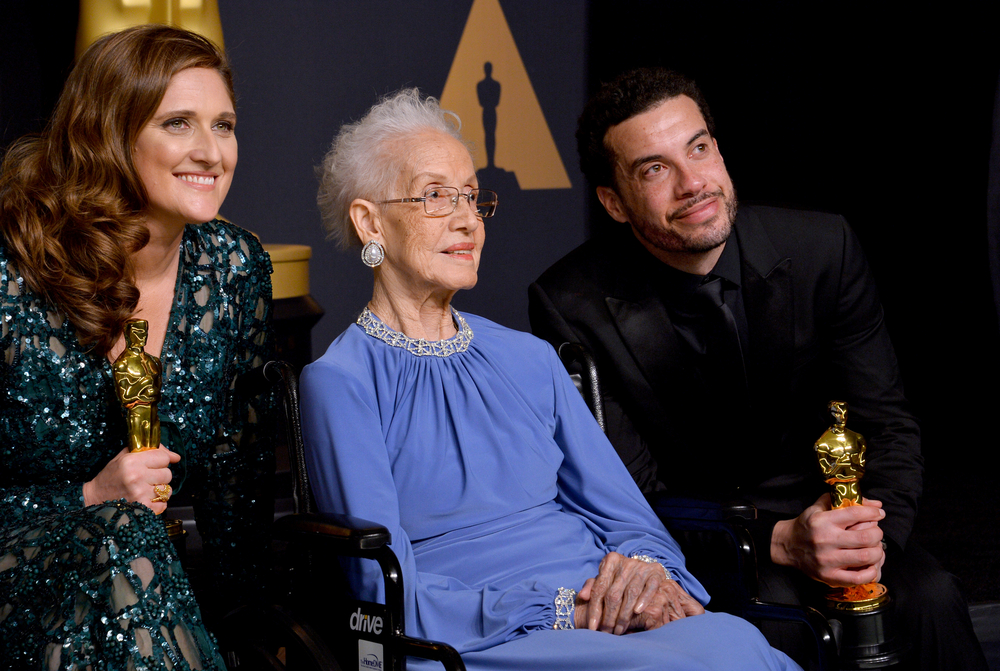
Image credit: Shutterstock
Katherine Johnson helped make America’s early space missions work by doing the kind of math that has zero room for error. At NASA’s Langley Research Center, she calculated trajectories and launch windows for key missions, including Alan Shepard’s 1961 flight and the 1962 Friendship 7 mission with John Glenn. During Friendship 7, Glenn asked that Johnson personally verify the new computer’s numbers before he flew, a detail that captures how much trust her work earned inside a system that rarely handed that kind of authority to a Black woman at the time. Her contributions also supported later mission work tied to the Apollo era and the Space Shuttle program, and NASA has publicly credited her calculations as critical to mission success. People often discover her story through Hidden Figures, but the lasting impact is bigger than a film moment. Her career helped prove that high-stakes technical leadership can come from someone the institution tried to keep in the background, and once that proof exists, it changes who gets taken seriously next.
23. Mae Jemison, astronaut, physician, and engineer:
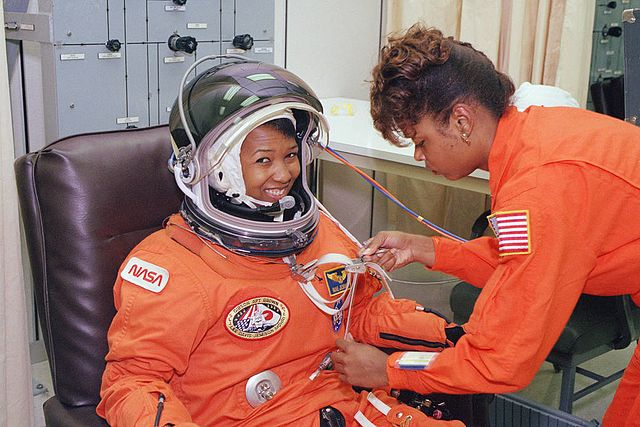
Mae Jemison became the first Black woman to travel into space when she flew as a mission specialist on Space Shuttle Endeavour in 1992. She did not arrive there through one identity, she carried medicine, engineering, and public service in the same career. Before NASA, she trained as a physician and served as a Peace Corps medical officer in West Africa, work that demanded clinical skill plus adaptability in challenging conditions. At NASA, her flight on STS-47 placed her inside a program that had long been treated as a symbol of national possibility, while still being a demanding technical job that required precision and teamwork. After leaving NASA, she founded a technology research company and continued building science education efforts designed to broaden who sees a future for themselves in STEM. Her influence shows up in representation, but also in the practical message her career sends: you can be a scientist and a communicator, a doctor and a builder, without asking permission to combine paths. For a lot of people, that unlocked a new mental map for what “successful” can look like.
24. Alicia Garza, activist and movement co-founder:
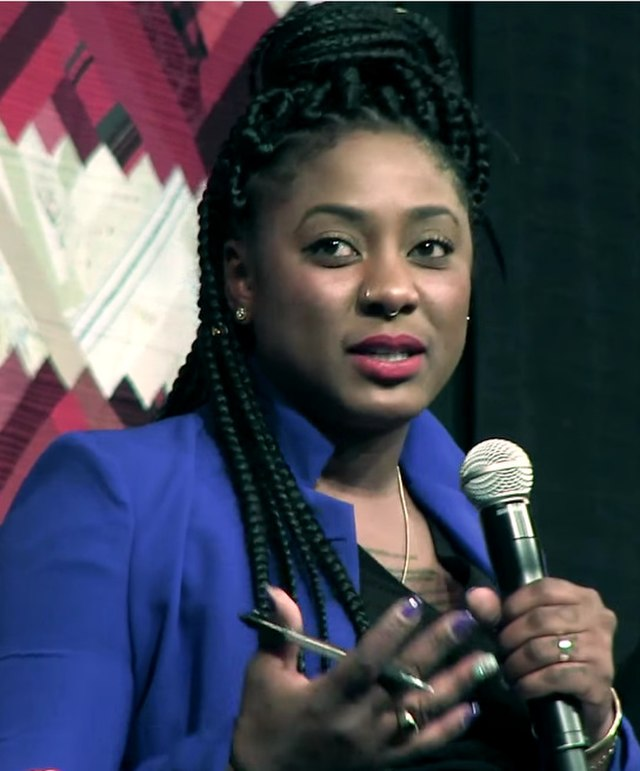
Alicia Garza helped spark one of the most consequential social justice movements of the modern era by putting words to grief and anger that many people had been carrying alone. In 2013, after the acquittal of George Zimmerman in the killing of Trayvon Martin, Garza wrote a message that ended with “our lives matter.” Patrisse Cullors added the hashtag #BlackLivesMatter, and along with Opal Tometi they built the idea into a movement that spread across cities, organizations, and political conversations worldwide. Garza’s influence is not only the phrase, it is the organizing work that followed: helping people connect protest to policy goals, connecting local action to national attention, and insisting that Black women, LGBTQ+ people, and other often sidelined groups remain central in the fight. She has also written and spoken widely, turning movement language into something people can use in workplaces, schools, and civic life. Even if someone never attended a march, they have lived through the ripple effects in public debate, media coverage, and how institutions respond when community organizing refuses to be ignored.
Read More: Jamie Wilson’s Powerful Before and After Transition Photos
25. Hunter Schafer, actor, model, and trans rights advocate:
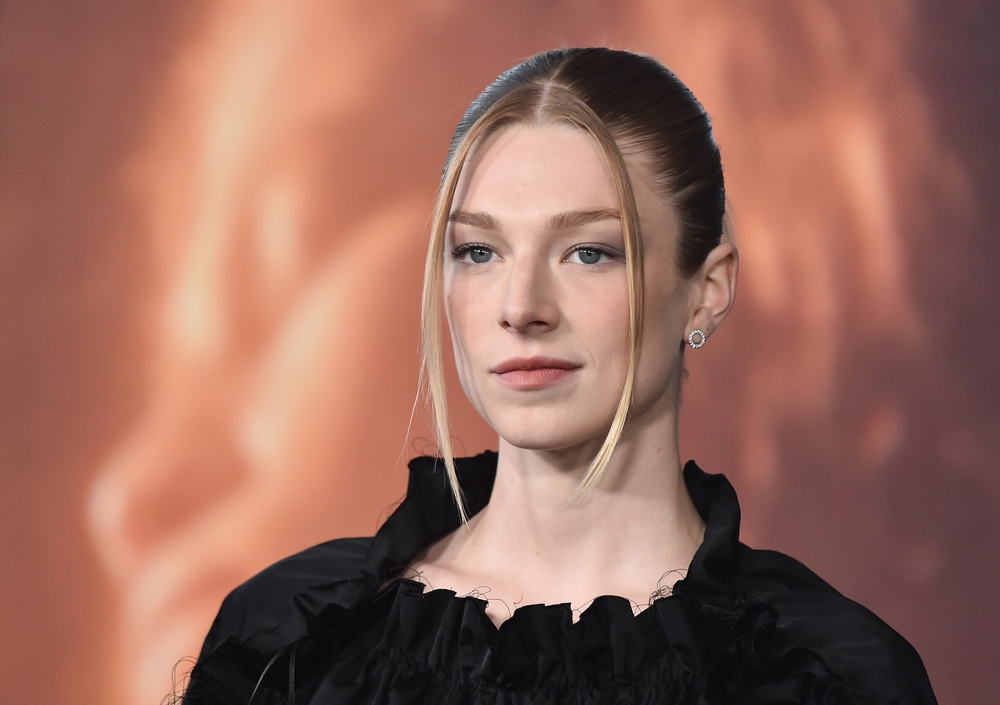
Image credit: Shutterstock
Hunter Schafer became widely known for playing Jules Vaughn on HBO’s Euphoria, a role that put a trans teen’s interior life on screen without reducing her to a lesson. Off-camera, she has kept a foot in fashion and art, working as a model and continuing to approach style as a creative practice, not just red-carpet dressing. Years before Euphoria, she was already publicly engaged in LGBTQ advocacy, including being a named plaintiff in a legal challenge to North Carolina’s HB2 “bathroom bill,” and writing about those fights as a teenager. More recently, she has spoken publicly about how policy decisions land on everyday trans life, including sharing her experience of receiving a U.S. passport with an incorrect sex marker after federal policy changes, and using her platform to point out that visibility does not protect everyone. She is not the only trans public figure doing advocacy, but her mix of mainstream fame, fashion reach, and willingness to speak plainly has helped bring trans rights conversations to audiences that do not normally seek them out.
Patterns You’ll Notice Across the List:

These women come from different worlds, but a lot of them used the same playbook, they found a place where decisions get made, then they learned how to move those decisions. For some, that was elected office or the courts, where one ruling or bill can change millions of lives. For others, it was research, invention, and patents, where a single breakthrough can become the new normal across an entire field. Some built power by owning their work, so they were not waiting for permission to tell stories, back projects, or set the agenda. Others organized people, built coalitions, and kept those groups focused long enough to win change people could actually feel, better protections, better access, better treatment. You will also notice how often they had to be strategic in public, choosing when to push hard and when to play the long game, especially in rooms that were not built for them.
Another pattern is doing two jobs at once, delivering at a high level while also pulling others forward, mentoring, funding, hiring, and making space. Many of them dealt with criticism that had nothing to do with performance and everything to do with discomfort. And a lot of the biggest impact came from staying with the work after the applause moved on, repeating the same hard conversations until the culture finally caught up.
Where You’ve Already Felt It in Daily Life:

Even if you did not follow the news closely, daily life has been shaped by the shifts these women helped push through. Workplaces have gotten stricter about behavior that used to be shrugged off, with clearer policies, more training, and more consequences when someone crosses a line. Healthcare conversations have moved too, with more focus on patient rights, informed consent, access, and safety, not just “trust the system and hope for the best.” Mainstream movies, music, and TV now make room for stories that used to be pushed aside, and once those stories become normal, the old default starts to look narrow. Scientific breakthroughs have sped up how researchers test ideas and develop treatments, and that progress filters into the care people receive even if they never step inside a lab. Everyday tech depends on behind-the-scenes engineering that keeps networks working when demand spikes, from school portals to banking apps to streaming on a Friday night.
Even language changed, phrases from books, speeches, and movements gave people better words for harm, boundaries, dignity, and accountability, and those words reshape conversations at home and at work. A lot of it shows up in ordinary moments, the forms you sign, the options you assume exist, the standards you expect from leaders, and the way younger people now picture their futures with fewer “that’s not for you” messages attached.
Disclaimer: This article was written by the author with the assistance of AI and reviewed by an editor for accuracy and clarity.
Read More: For $23 an Hour, Japanese Service Lets You Rent a Grandma for Meals and Life Advice