

Most of the advice you’ll find about sleep focuses on what to stop doing. Put the phone down. Cut the coffee after noon. Stop checking email in bed. All reasonable. But there’s a parallel conversation that gets far less attention: what you eat across the day, and in the hour before lights out, can make a measurable difference to how quickly you fall asleep and how deeply you stay there. Foods for better sleep aren’t just a wellness trend dressed up in new packaging. There’s real research behind several of them.
That doesn’t mean a handful of walnuts will fix the 11pm anxiety spiral, or that swapping your late-night chips for a kiwi will cure years of poor sleep. Sleep is complicated. It involves hormones, neurotransmitters, circadian rhythms, and stress levels all working at once. But the foods you eat can nudge the biological conditions in your favor, or quietly work against you without you ever connecting the dots.
The six foods below have more research behind them than most. They work through different mechanisms, so understanding why each one works also tells you how and when to actually use them.
1. Walnuts and Pistachios
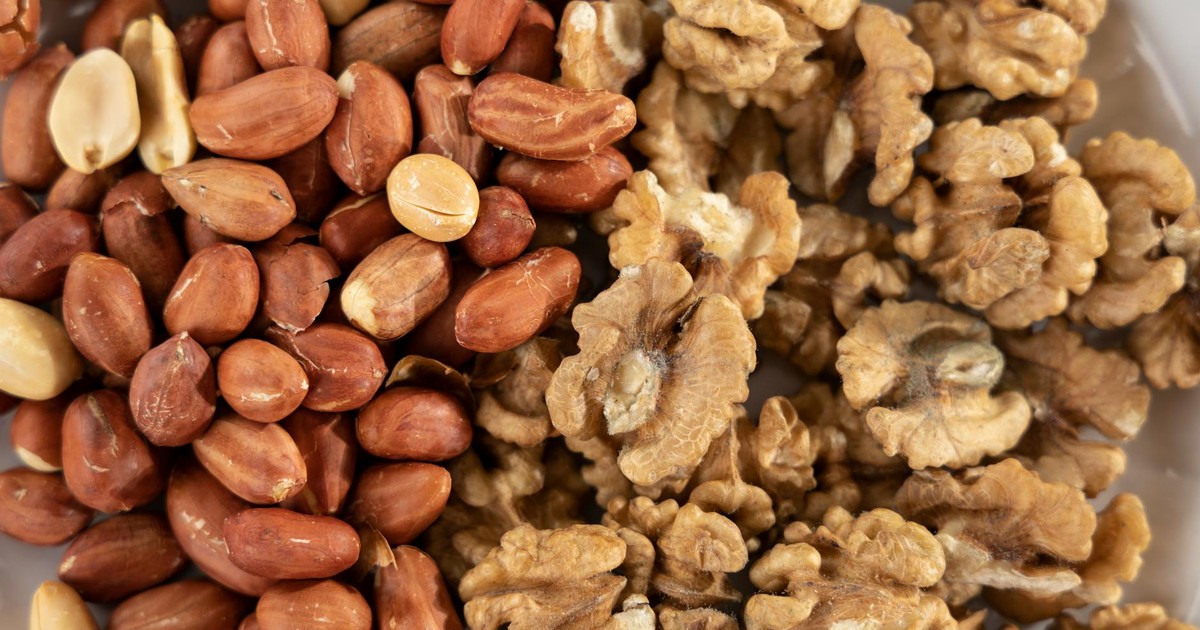
Among all plant foods, nuts carry the highest natural concentration of melatonin – the hormone your brain releases as the evening darkens to signal that it’s time to wind down. Walnuts and pistachios sit at the top of that list. Melatonin, produced by the pineal gland, plays a central role in regulating the sleep-wake cycle, and since people tend to produce less of it with age, eating melatonin-containing foods may help raise levels and support sleep.
Walnuts and almonds also contain magnesium and tryptophan alongside their melatonin content – nutrients associated with relaxation and sleep regulation, with magnesium in particular linked in some studies to improved sleep quality through its effects on neurotransmitters and muscle tension. The combination of all three in a single food is what makes nuts genuinely useful here rather than just nominally “healthy.”
A small handful – around 1 oz – eaten an hour before bed is the practical recommendation. You don’t need much. The goal isn’t to flood your system; it’s to give your body the raw materials it uses to complete its own sleep-preparation chemistry in the hours before you actually try to sleep.
2. Kiwi
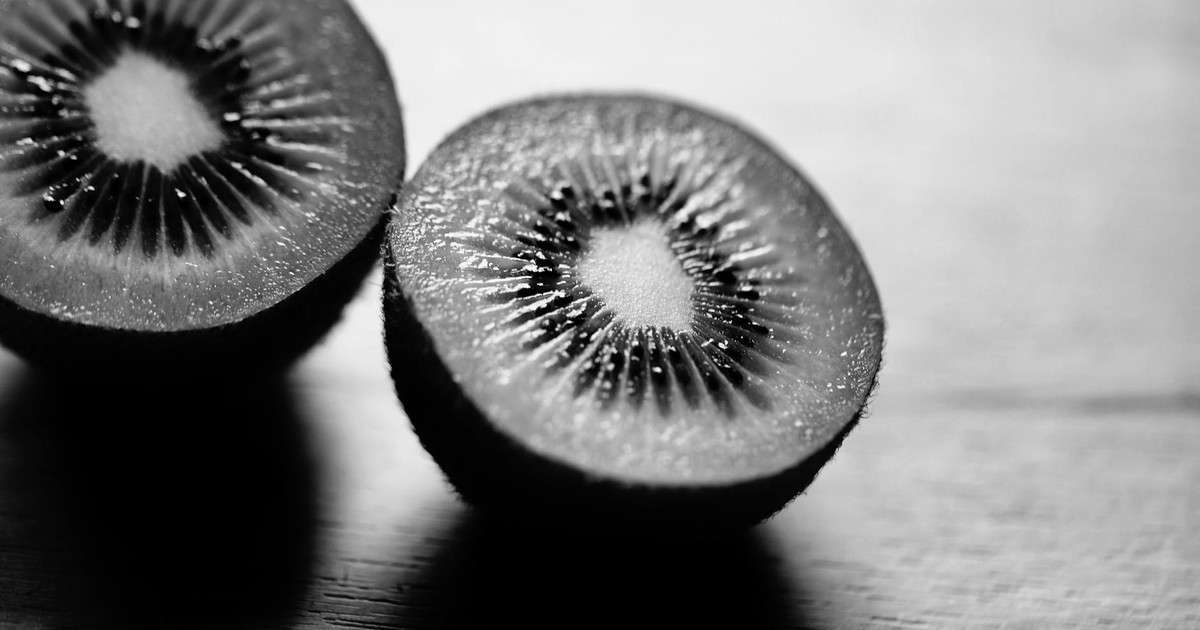
Kiwi gets recommended a lot in sleep circles, and the research actually backs it up in a more specific way than most foods. A 2023 study from Massey University examined the acute effects of fresh and dried green kiwifruit on sleep quality, mood, and urinary serotonin and melatonin metabolite concentrations – looking specifically at why daily kiwifruit consumption has been associated with improved sleep quality.
Their findings showed that eating dried or fresh kiwifruit with an evening meal was associated with improved aspects of sleep quality and mood, possibly through changes in serotonin metabolism. Serotonin is a precursor to melatonin – your brain converts one to the other as nighttime approaches – so foods that raise serotonin availability can support that conversion process and help your body ease into sleep more smoothly.
Earlier research had already found that eating two green kiwis an hour before bed for four weeks was associated with improved sleep quality. Two kiwis an hour before sleep is the most commonly studied approach. It’s a low-effort, inexpensive addition to an evening routine, and the effect seems to hold for both people who already sleep reasonably well and those who struggle.
3. Tart Cherry Juice

The viral “sleepy girl mocktail” – tart cherry juice, magnesium powder, and sparkling water – has been making the rounds for a couple of years now. The science behind it is more interesting than the trend. A 2025 systematic review covering seven interventional studies found that three reported significant improvements in sleep indicators including sleep duration, sleep efficiency, and sleep onset time, while three others reported increased melatonin levels after tart cherry consumption.
The mechanism is well understood. Melatonin is naturally present in tart cherries and may help facilitate sleep onset and increase sleep duration. Tart cherries also contain tryptophan, the amino acid the body uses to produce both melatonin and serotonin. Enzymes in tart cherries may keep tryptophan active in the body for longer, which could help you fall asleep sooner and stay asleep.
The results are mixed enough that nobody is calling this a cure, but the evidence is strong enough to make a small glass of unsweetened tart cherry juice in the evening a reasonable experiment. The Montmorency variety has consistently been the most studied, and it’s the one most commonly found in juice form at health food stores and larger supermarkets.
4. Spinach and Leafy Greens
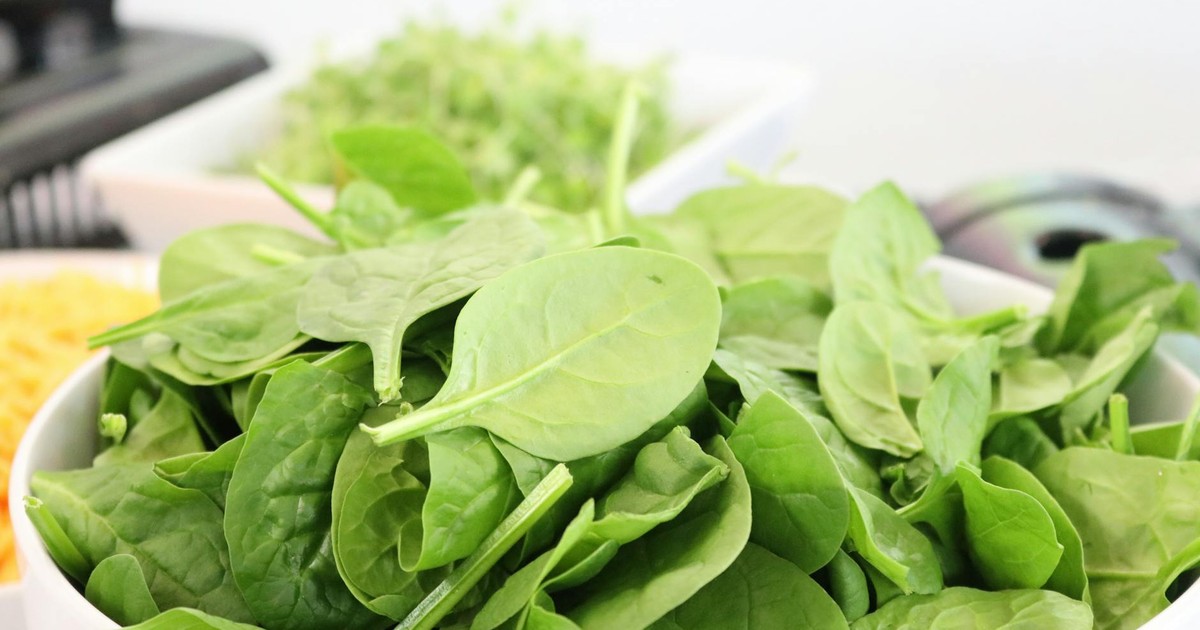
Image Credit: Pexels
Magnesium is one of the most important minerals involved in sleep, and most adults don’t get enough of it. It plays a role in the production of melatonin and acts directly on the nervous system: magnesium-rich foods may contribute to sleep promotion through their role in calming nerve activity – essentially helping switch the brain from alert to ready-to-rest. For a fuller picture of how magnesium affects energy, mood, and sleep, the magnesium myths article covers the ground well.
Spinach is one of the most concentrated dietary sources. A half-cup of cooked spinach covers close to 20% of the daily magnesium requirement in a single serving. Other leafy greens – Swiss chard, kale, beet greens – carry meaningful amounts too. The difference between a diet that regularly includes these and one that doesn’t can show up in how easily you wind down at night, how long you stay in deep sleep, and how often you wake up in the early hours for no obvious reason.
The short version on magnesium: low levels are more common than most people realize, often go undetected for years, and food is the most sustainable way to address them. A bag of spinach in the fridge is a cheaper and more practical intervention than most supplements on the market.
5. Fatty Fish
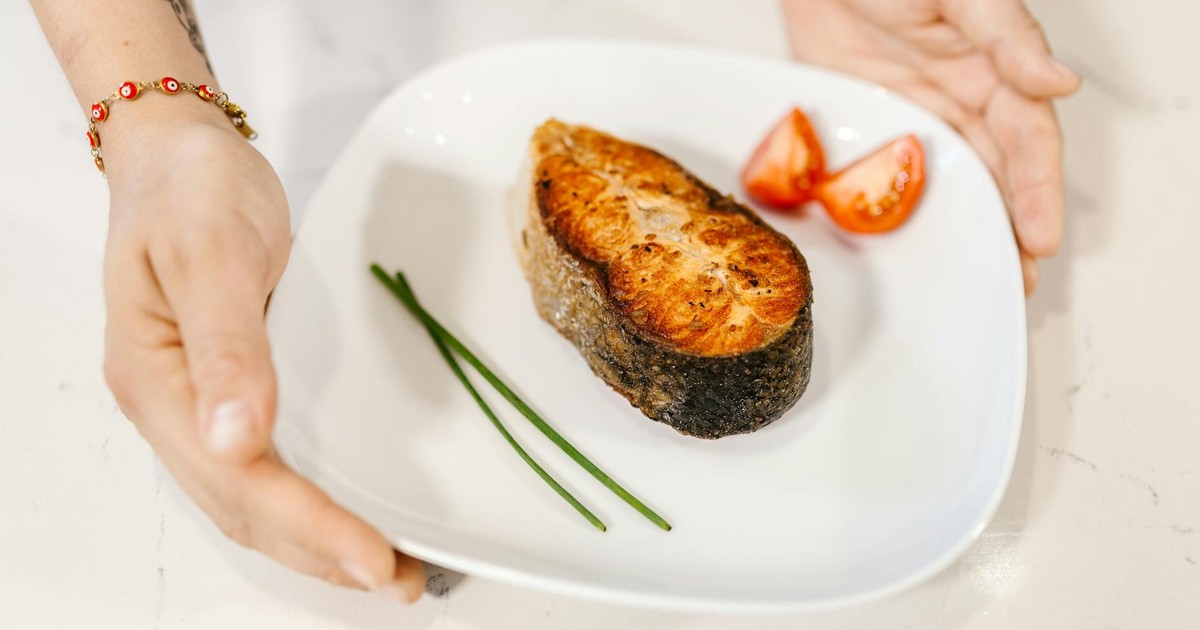
Image Credit: Pexels
A 2025 review of nutritional interventions and sleep found that tryptophan, derived from protein-rich foods including fish, is converted into serotonin and subsequently into melatonin – the hormone responsible for circadian rhythm synchronization and sleep onset. Fatty fish like salmon, sardines, and mackerel offer a particularly useful combination: they’re high in tryptophan, and they’re also one of the few food sources of vitamin D, which has its own relationship with sleep regulation via its role in serotonin synthesis.
The omega-3 fatty acids in these fish add another layer. Evidence supports the role of omega-3 fatty acids in improving sleep outcomes, likely through their anti-inflammatory effects. Chronic low-grade inflammation has been linked to disrupted sleep architecture, including reduced time in restorative deep sleep, and omega-3s are among the most effective dietary tools for keeping that inflammation in check.
Two or three servings of fatty fish per week is where most research sees benefit. The effect isn’t dramatic or immediate – this is a long-game play, not a one-night intervention. But building fatty fish into your regular eating pattern addresses several sleep-related nutrient gaps at once: tryptophan, omega-3s, vitamin D, and protein that stabilizes blood sugar through the night.
Foods for Better Sleep: Whole Grains and Complex Carbohydrates
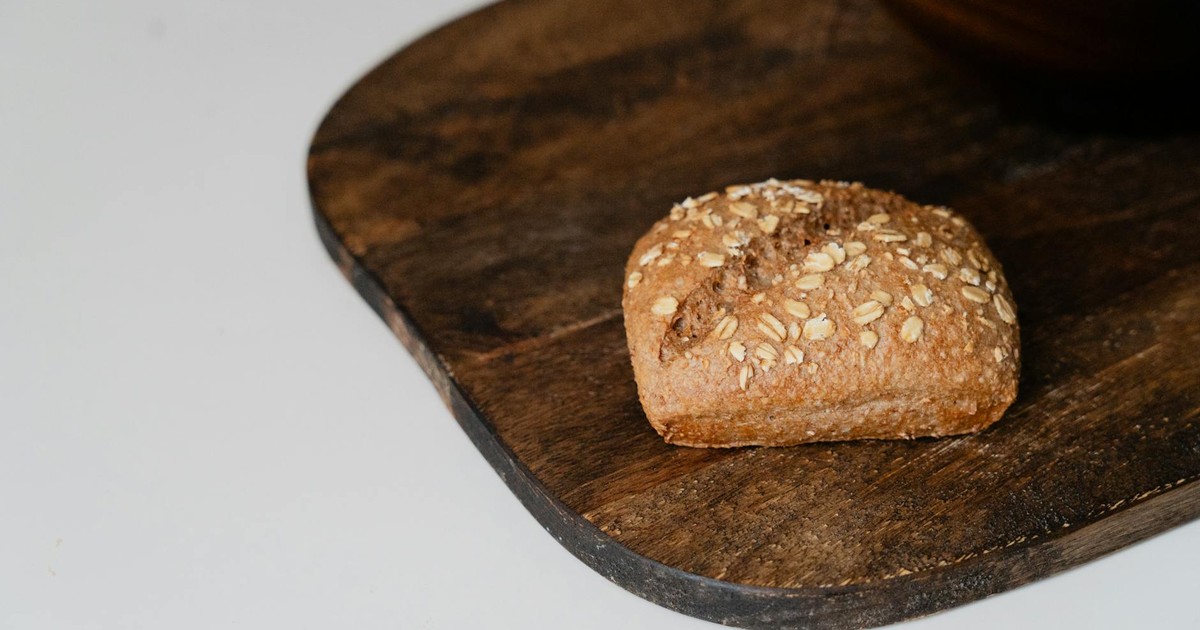
Image Credit: Pexels
The sleepy feeling after a large plate of pasta isn’t entirely imaginary, but the mechanism isn’t what most people think. It’s not the carbohydrates themselves that make you sleepy – it’s what they do for tryptophan. Carbohydrates help the brain metabolize tryptophan, which is then converted into serotonin and melatonin. When you eat carbohydrates, insulin clears competing amino acids from the bloodstream, leaving tryptophan with clearer access to the brain.
The distinction between complex and simple carbohydrates matters here. Whole grains – oats, brown rice, whole wheat, farro – release glucose slowly, which means steady insulin rather than a spike and crash. A blood sugar crash at 2am is one of the more common reasons people wake up in the night and can’t get back to sleep, often without realizing food is the cause. A 2025 scoping review on the Mediterranean diet and sleep found that adhering to healthy dietary patterns such as the Mediterranean diet – which prioritizes whole grains alongside vegetables, legumes, lean proteins, and healthy fats – may yield positive outcomes for both sleep quality and daytime sleepiness while reducing insomnia symptoms.
A small portion of whole grains in the evening – a bowl of oatmeal, a slice of whole grain toast with nut butter, a serving of brown rice with dinner – gives you the tryptophan-transport effect without the blood sugar disruption that comes from refined carbs. The combination of whole grains plus a protein source (for the tryptophan itself) is more effective than either alone.
What to Do With All of This

Image Credit: Pexels
None of these foods is a sleep pill. A single bowl of oatmeal won’t undo a week of poor sleep, just as one bad night won’t erase years of good habits. What the research actually shows is that consistent dietary patterns – eating broadly from this list, regularly, over time – create the biological conditions in which sleep becomes easier. Nutritional interventions represent a promising, non-pharmacological approach to improving sleep quality when they work alongside good sleep hygiene, rather than as standalone cures.
The practical version of this looks less like a protocol and more like a mild reorientation of what you already eat. More leafy greens, more fatty fish, a handful of nuts in the evening instead of a bag of something crunchy and salty. Two kiwis before bed takes about forty-five seconds to prepare. A small glass of tart cherry juice costs almost nothing. These aren’t dramatic interventions – they’re small, sustainable shifts that gradually move your body’s chemistry in the right direction.
What that means in practice is that the best place to start isn’t with the most exotic item on the list. It’s with whichever one fits most naturally into how you already eat. Pick one, be consistent for a few weeks, and notice what happens. Sleep improvement is rarely sudden. It tends to be the kind of thing you notice by accident – not at bedtime, but on the morning you realize you woke up at 7am without an alarm and actually felt like getting up.