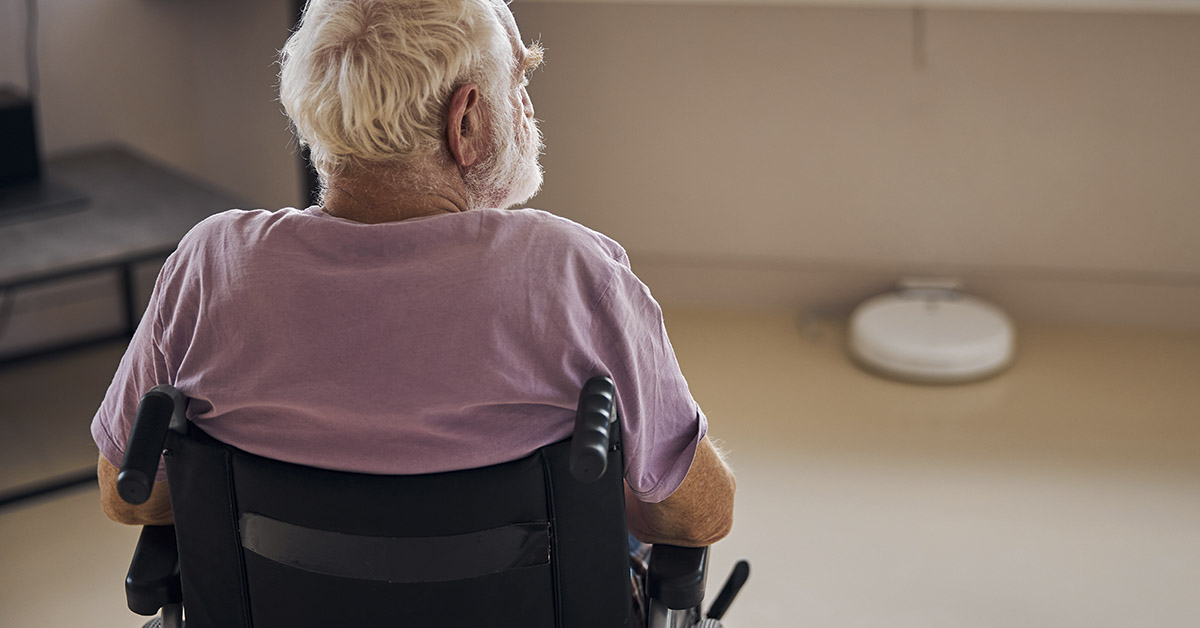

Moving into a nursing home is often seen as a practical solution for seniors who need support, but many families underestimate the emotional and lifestyle changes that come with such a major transition. People weigh the nursing home pros and cons carefully, yet the reality of daily life inside these facilities can feel very different from what they expected. While nursing homes offer safety, supervision, and structured care, they can also remove elements of independence, purpose, and privacy that once shaped a person’s identity. For many seniors, the adjustment feels heavier than anticipated as they recognize how much of their freedom and routine slowly slips away. Understanding the most common regrets that appear after the move can help families make informed choices and prepare emotionally for what lies ahead.
Losing Independence Happens Faster Than Expected
Many people decide to move into a nursing home because they believe it will relieve stress, reduce responsibilities, and provide consistent care. What often surprises them is how quickly independence fades once daily tasks are no longer theirs to manage. In the beginning, it may feel comforting to stop cooking, cleaning, or worrying about yard work. However, within weeks or months, the structure of a nursing home replaces personal freedom completely.
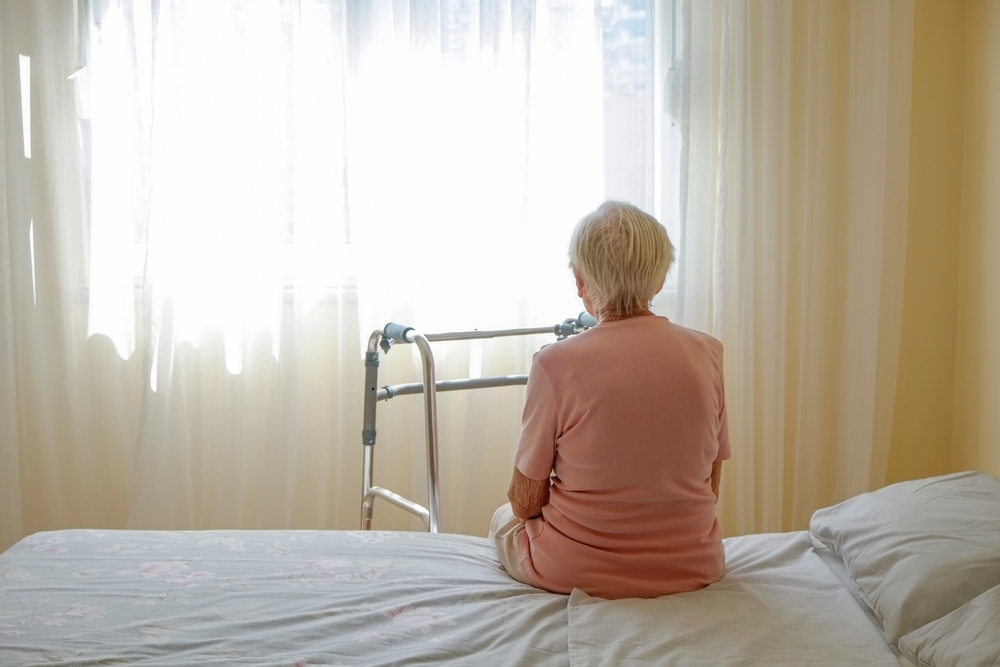
Image credit: Shutterstock
Simple routines such as choosing when to wake up, when to bathe, or what to eat become part of an institutional schedule. Losing independence is one of the biggest considerations when weighing nursing home pros and cons in a real world situation. Once routines are set by staff, residents must adjust their personal rhythm to fit the broader needs of the facility. This shift can feel subtle at first, then overwhelming as residents notice how much of their daily life is no longer in their control.
Over time, activities that once brought joy fade into distant memories. Brewing a morning cup of coffee exactly the way you like it becomes impossible when meal service is provided at predetermined times. Walking through a familiar neighborhood becomes impossible when outdoor time is limited to supervised spaces. Even maintaining hobbies becomes difficult when storage space is restricted or when schedules conflict with personal interests. Losing independence also affects mental health. People who once felt capable and confident may begin to see themselves as helpless or dependent. When small freedoms vanish, self worth often declines in the same direction.
Loneliness Can Be More Painful Than Illness
Although nursing homes are designed to offer company, assistance, and community, many residents experience a deep sense of loneliness once the initial adjustment period passes. In the first few days or weeks, family members visit, friends call, and staff spend extra time assisting with the transition. But as time moves on, the outside world continues at its normal pace while the resident remains inside a structured environment.
This separation slowly widens, causing feelings of abandonment even when family members still care deeply. Many residents report that loneliness becomes harder to cope with than physical illness. Sitting in shared rooms where people rarely speak or waiting in common spaces where everyone seems lost in their own world can create a sense of emotional isolation. Even though the building is full of people, interaction is limited by schedules, mobility challenges, and cognitive differences among residents. For many seniors, the hardest part of loneliness is the absence of spontaneous connection.
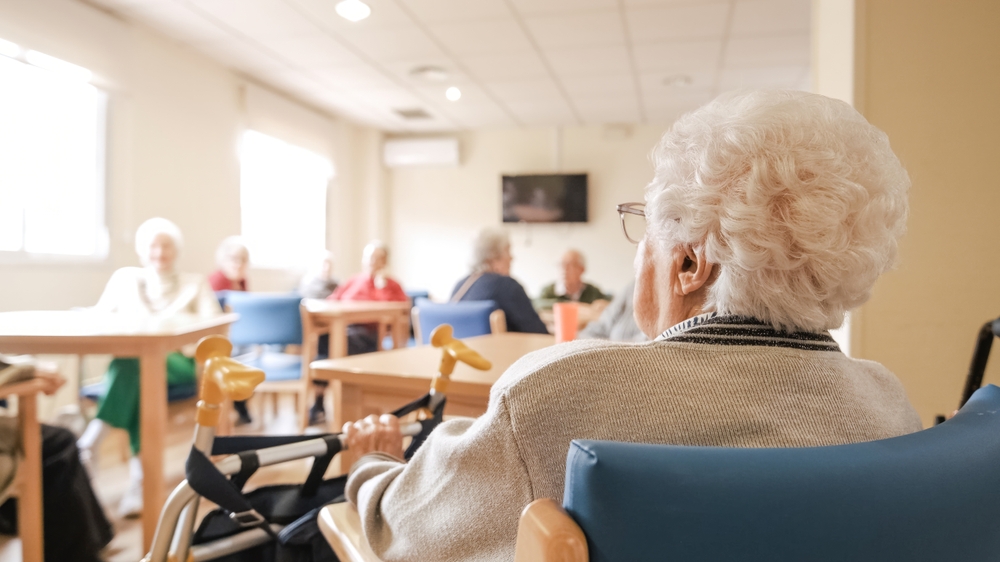
At home, neighbors might stop by, family might visit unexpectedly, or friends might call without planning. In a nursing home, everything requires coordination and approval. Social interaction becomes structured instead of natural. Eventually, residents may wait for phone calls that never arrive or watch others receive visitors while they sit alone. This emotional pain is real and common. Loneliness affects mental clarity, mood stability, and even physical health. Humans are wired for connection, and when that connection fades, the emotional consequences can be severe. Many seniors wish they had known how isolating the environment could feel before moving in.
Life Feels Less Meaningful Without Purpose
Purpose plays a powerful role in emotional well being, especially for older adults. When someone lives at home, even simple tasks carry meaning. Cooking, cleaning, gardening, helping loved ones, or caring for pets provide structure and a sense of usefulness. Once in a nursing home, these responsibilities disappear. At first, this may feel like relief. But after a while, the absence of purpose becomes a major source of regret.
Residents often begin to feel like passive participants in their own lives. Days blend together because there are fewer reasons to stay mentally or physically engaged. When staff members do everything for them, even tasks they could still perform independently, the mind gradually shuts down along with the body. This loss of daily purpose contributes to cognitive decline. Without activities to stimulate memory, creativity, or problem solving, mental sharpness fades. Residents who once loved crafting, reading, or fixing things may feel discouraged or unmotivated because they no longer have the space or tools to continue their passions.
The schedule of a nursing home emphasizes routine over individuality. While activities exist, they may not match a resident’s interests. Many seniors feel like caretakers without roles or teachers without students. This sense of purposelessness can lead to frustration, sadness, and regret. One of the key nursing home pros and cons families consider is how purpose changes when entering long term care. The ability to remain engaged and emotionally fulfilled often determines whether someone thrives or declines in this environment.
Physical Decline Can Accelerate Rapidly
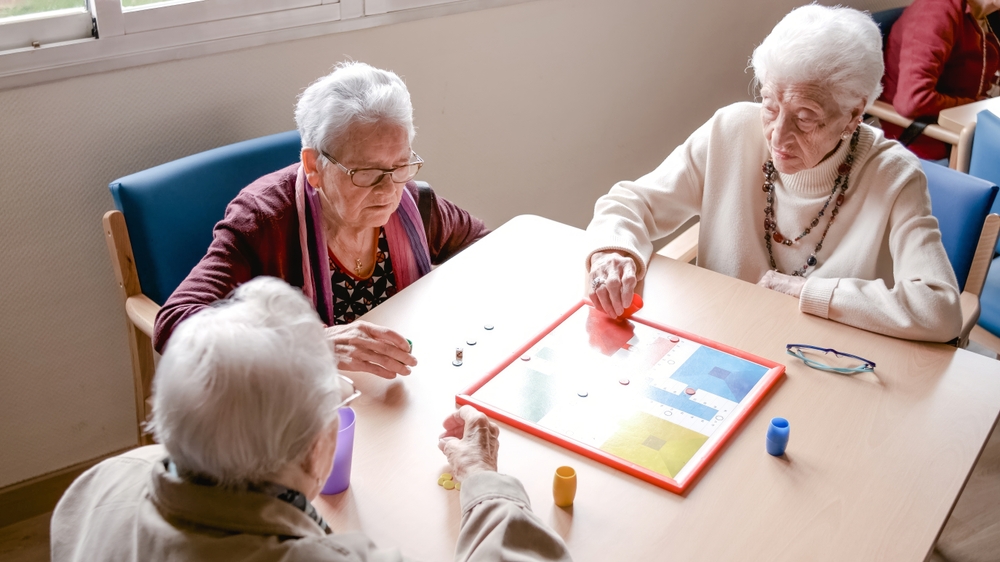
One of the most surprising reasons people regret moving into a nursing home is how quickly physical decline can happen. Although nursing homes are built to provide medical care and safety, the structured nature of the environment often reduces opportunities for natural movement. At home, people move through their space frequently even without realizing it. They walk to the mailbox, bend to load laundry, reach for items, or step outdoors for fresh air. In a nursing home, many of these small movements disappear. Daily tasks are completed by staff, and mobility becomes optional instead of necessary. Even with physical therapy programs, residents can become dependent on assistance.
This reduced activity leads to muscle weakness, slower reflexes, and increased risk of falls. Many residents who walked independently upon arrival eventually require walkers or wheelchairs. Their bodies weaken faster because they are not being challenged consistently. The environment also encourages sitting for long periods. Meals are served at tables where residents often wait before and after. Activities occur in seated group settings, and movement outside the building requires coordination. Over time, a resident who once felt strong may feel trapped in a cycle of inactivity.
Physical decline affects independence, dignity, and quality of life. Seniors who value mobility often regret the decision to enter a nursing home once they realize how quickly their strength fades. This is another factor people should consider carefully when evaluating nursing home pros and cons from the perspective of long term health.
Privacy Becomes Limited and Sometimes Nonexistent
Many people underestimate how deeply the loss of privacy will affect them. At home, privacy is taken for granted. You can close your doors, control your space, and enjoy quiet moments alone. In a nursing home, privacy becomes a luxury. Residents often share rooms with strangers. Staff enter without warning to assist with medication, cleaning, bathing, or routine checks. Personal conversations may be overheard by roommates, other residents, or staff passing by. Even using the bathroom may require assistance depending on mobility.
This lack of privacy gradually erodes a person’s sense of identity. Many residents report that they feel like patients instead of individuals. When every part of your day involves assistance or supervision, it becomes difficult to feel independent or whole. Even for those who understand the need for medical supervision, the emotional impact of constant visibility is still heavy. The loss of privacy also affects relationships.
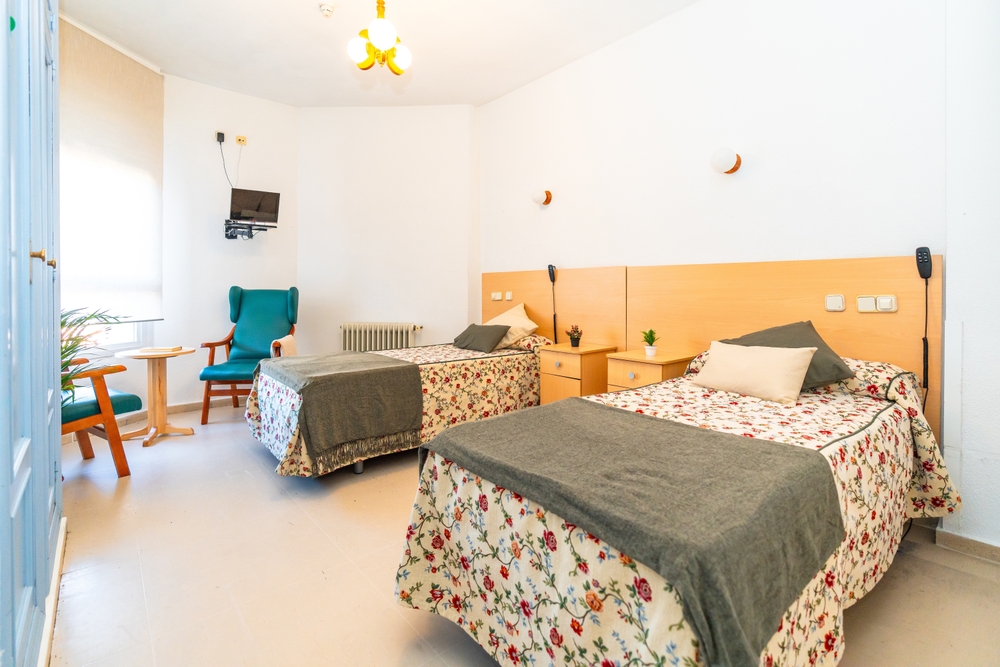
Visiting areas lack personal space, so family interactions may feel public instead of intimate. Personal belongings must be stored carefully due to limited space, which can make the environment feel less like a home and more like a shared facility. For many seniors, this ongoing loss of privacy becomes a source of ongoing regret. They long for the ability to close a door, sit quietly, or enjoy solitude without interruption. When evaluating nursing home pros and cons, privacy is one of the most overlooked yet most important factors to consider, especially for individuals who value independence and personal space.
Read More: Nursing Home Worker Took a Viral Photo That Highlights The Beauty of Aging
Leaving a Nursing Home Is Much Harder Than Entering One
Many people reassure themselves before moving in by thinking, If I do not like it, I can always leave. However, once someone enters a nursing home, the barriers to leaving become clear. For some, their previous home has been sold or their belongings given away. For others, their physical health has changed to the point where independent living is no longer realistic. Even when alternative options exist, transitioning out requires significant planning, support, and financial resources.
Emotional dependence also grows quickly. When everything from meals to medication to transportation is provided, the idea of returning to full independence may feel overwhelming. Fear begins to replace confidence. Some residents worry that they will fail or become unsafe outside the structure of the facility. Others remain because they do not want to burden family members. The logistical challenges of leaving are also intimidating. Residents must arrange new housing, coordinate medical services, rebuild routines, and regain physical strength.
Financial restrictions complicate the process further. Nursing homes are expensive, and funds spent on care may reduce the budget available for alternative options. Families often struggle with these decisions as well. Even if someone wants to leave, their support system may not be equipped to manage the responsibilities of daily care. This reality makes leaving a nursing home one of the most difficult transitions a senior can face.
How Seniors Can Find Happiness in a Nursing Home
Although many people experience challenges and regrets, it is possible for seniors to find joy, connection, and comfort in a nursing home environment. Happiness in long term care depends heavily on engagement, support, and emotional resilience. Seniors who stay active tend to thrive the most. Daily movement helps maintain muscle strength and prevents decline. Even light exercise such as walking the hallways, stretching, or joining group movement classes makes a meaningful difference.
Participating in facility activities also helps. Art sessions, music programs, game nights, book discussions, or holiday events provide opportunities for social interaction and mental stimulation. Residents who make an effort to join these programs often feel more connected to the community. Maintaining personal identity is equally important. Bringing familiar items from home such as photographs, quilts, small decorations, or favorite books helps create a sense of belonging. Residents who continue their hobbies also fare better emotionally.
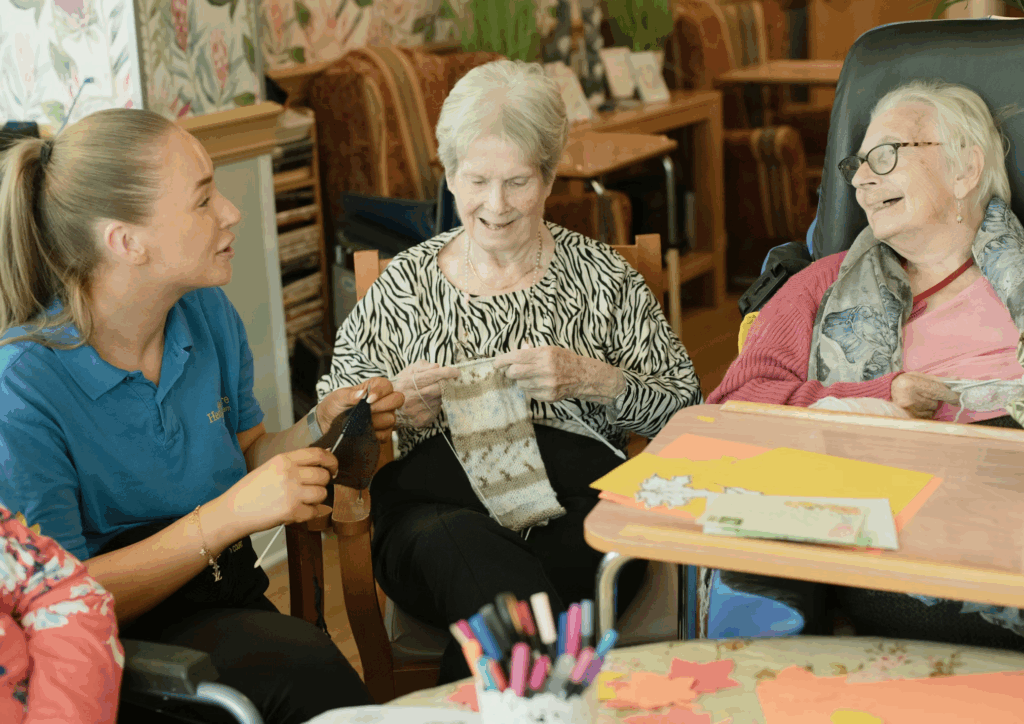
For some, this means knitting, painting, writing, or gardening in shared spaces. For others, it may involve learning new skills through facility programs. Staying connected with loved ones is another major source of happiness. Regular visits, video calls, or scheduled phone conversations help reduce feelings of loneliness and isolation. Clear communication about emotional needs helps family members provide better support.
Tips for Families Supporting a Loved One in a Nursing Home
Families play a critical role in shaping the experience of a loved one living in a nursing home. Consistent involvement helps residents feel connected, supported, and reassured. Visits should be frequent and meaningful. Even short visits can lift a resident’s mood and reduce feelings of abandonment. Bringing small gifts or comforting items can create a sense of home within the facility. Families should also maintain open communication with staff. Asking questions, expressing concerns respectfully, and showing appreciation helps caregivers understand the resident’s preferences.
Positive relationships with staff improve the quality of care because caregivers feel more motivated to ensure the resident’s comfort and dignity. It is also important for families to monitor changes in mood, behavior, or physical health. Early detection of concerns helps prevent long term problems. When family members are attentive and observant, residents receive more stable and personalized care. Families should encourage participation in activities and support hobbies whenever possible. Helping a resident stay engaged prevents boredom and promotes mental well being.
Emotional support is especially important. Many residents struggle with feelings of guilt, sadness, or fear. Families who listen with empathy, validate feelings, and reassure their loved one help build emotional resilience. Including residents in family decisions, holiday plans, or small celebrations also helps them feel valued.
Understanding the Full Picture Before Making a Decision
Choosing whether to move into a nursing home is a significant decision. Families must evaluate all aspects of the transition, including emotional, physical, and financial factors. While nursing homes offer safety and support, they also present challenges that can impact independence, privacy, mobility, and emotional well being. Not everyone who enters a nursing home will experience regret. Some enjoy the structure, the medical support, and the sense of community. Others struggle with the loss of freedom, the slower pace, or the emotional distance from loved ones. The best outcomes happen when families educate themselves thoroughly, visit facilities in person, and maintain ongoing involvement throughout the resident’s stay.

What it Comes Down To
Regret often comes from unmet expectations. People enter nursing homes hoping for safety and companionship but may not understand the emotional, physical, and personal costs involved. Choosing long term care requires careful thought, honest conversations, and realistic planning. For many families, the decision comes down to understanding nursing home pros and cons in a clear and compassionate way. When seniors remain engaged, supported, and connected to loved ones, they are more likely to adapt successfully.
And when families stay involved, monitor care, and provide emotional reassurance, residents feel valued instead of forgotten. A nursing home can either feel like a structured support system or an isolating environment. The difference depends on preparation, communication, and continuous nurturing from everyone involved.
Disclaimer: This article was written by the author with the assistance of AI and reviewed by an editor for accuracy and clarity.
Read More: Why Many Seniors Choose to Keep Working After 65 (Money Isn’t the Motive)