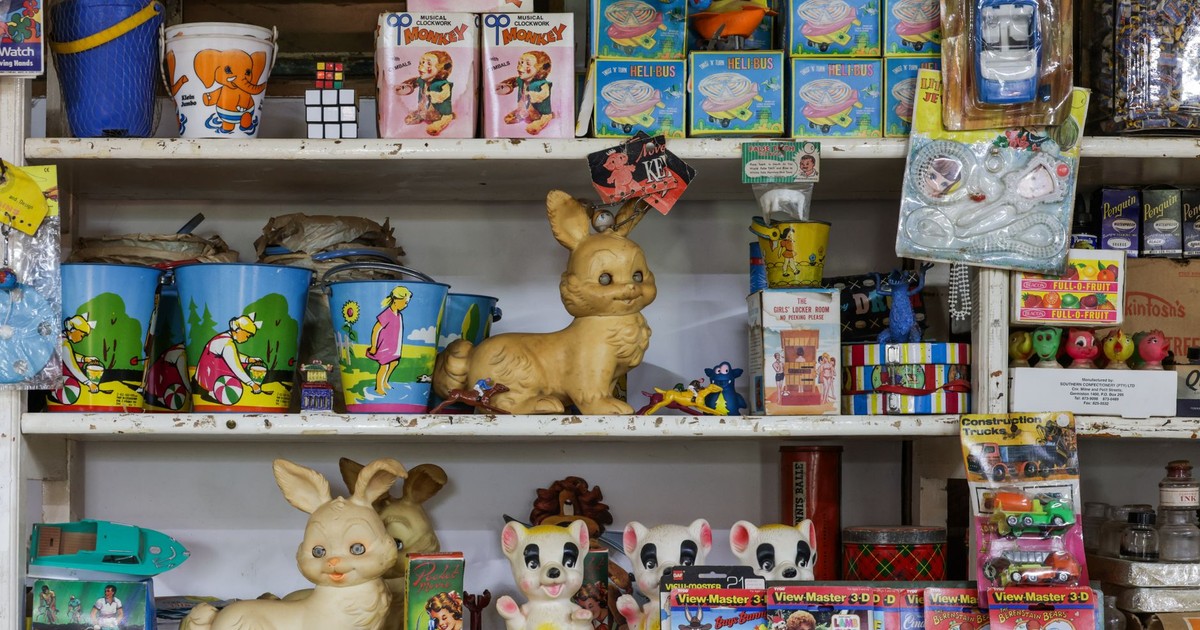

Somewhere in a storage unit, a basement, or the back of a closet in your parents’ house, there is a cardboard box that may be worth more than you think. Not in a sentimental way, though it’s probably that too. In an actual, someone-will-pay-real-money-for-this way. The toys that defined childhood in the 1990s have spent the last three decades quietly accumulating value, driven by a generation of adults who now have the disposable income to buy back the things they loved, and occasionally lost, when they were eight.
The collector market for ’90s toys has grown into something genuinely serious. Adults bought more toys than any other age group in the first quarter of 2024, and experts attribute much of that spending directly to nostalgia – people chasing the feeling of a Saturday morning before homework, social media, or anything with a subscription fee. What started as a niche hobby has become a competitive market, and the prices reflect it.
The range here is wide. Some of these 90s toys worth money will earn you grocery money. Others could cover a car payment. A handful – particularly if you happen to have kept them in the box – could fund a vacation or, in the case of at least one item on this list, pay off a mortgage. Condition is everything, original packaging multiplies value dramatically, and rarity is the wildcard that turns an ordinary toy into something a collector will fight over. Here are 20 that are worth pulling out of storage and taking a second look at.
1. Pokémon First Edition Cards
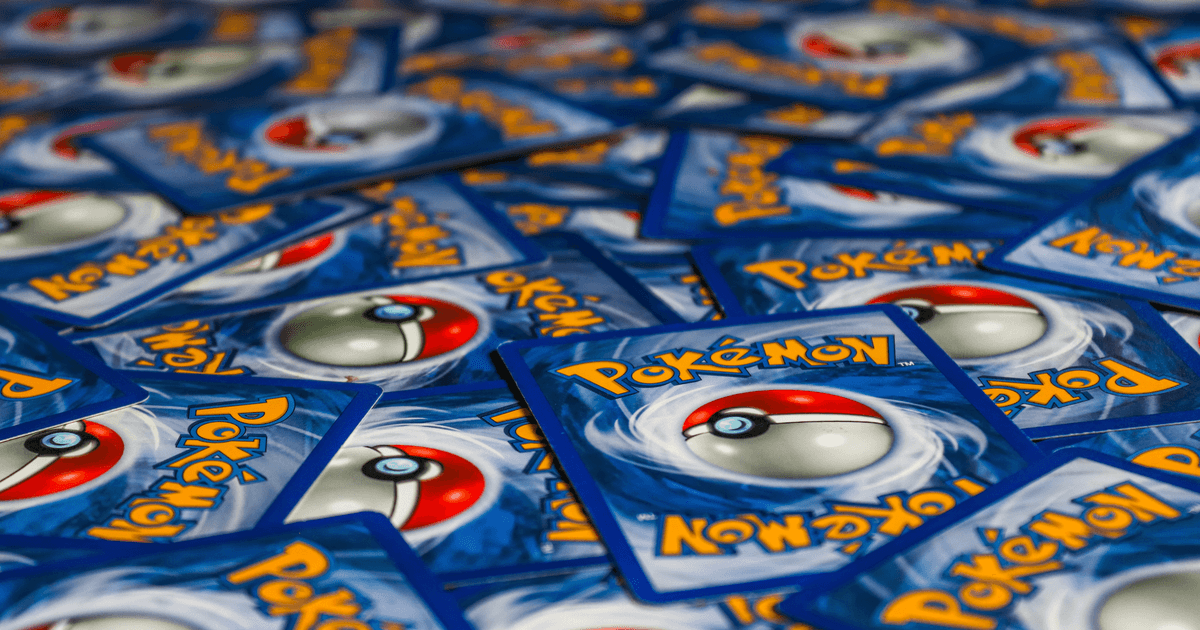
No other item from the ’90s has generated the kind of headlines that first edition Pokémon cards have, and the numbers have not stopped climbing. In December 2025, a PSA 10 first edition Charizard sold for $550,000 at Heritage Auctions, setting a new public auction record. That is a single trading card. One that originally came out of a foil pack that cost a few dollars.
The first edition Charizard from the 1999 Base Set remains the most significant Charizard card ever printed, identified by the “Edition 1” stamp and shadowless frame, representing the earliest US distribution of the original card. The scarcity is what drives the price: out of nearly 5,000 graded copies, only around 120 have reached Gem Mint condition. Charizard gets the headlines, but first edition Blastoise, Venusaur, and Mewtwo cards in pristine condition can command thousands, and even common first edition cards in perfect condition have value to completionist collectors.
If you have a binder of old cards, look for the “1st Edition” stamp on the lower left side and the shadowless border. Scratches destroy value, and professional grading from PSA or BGS dramatically increases what a buyer will pay. Cards that show heavy play wear — creases, edge damage, surface scratches — will grade poorly and return little value. The ones that went straight into a sleeve and never came back out are a different story entirely.
2. Beanie Babies (the Right Ones)
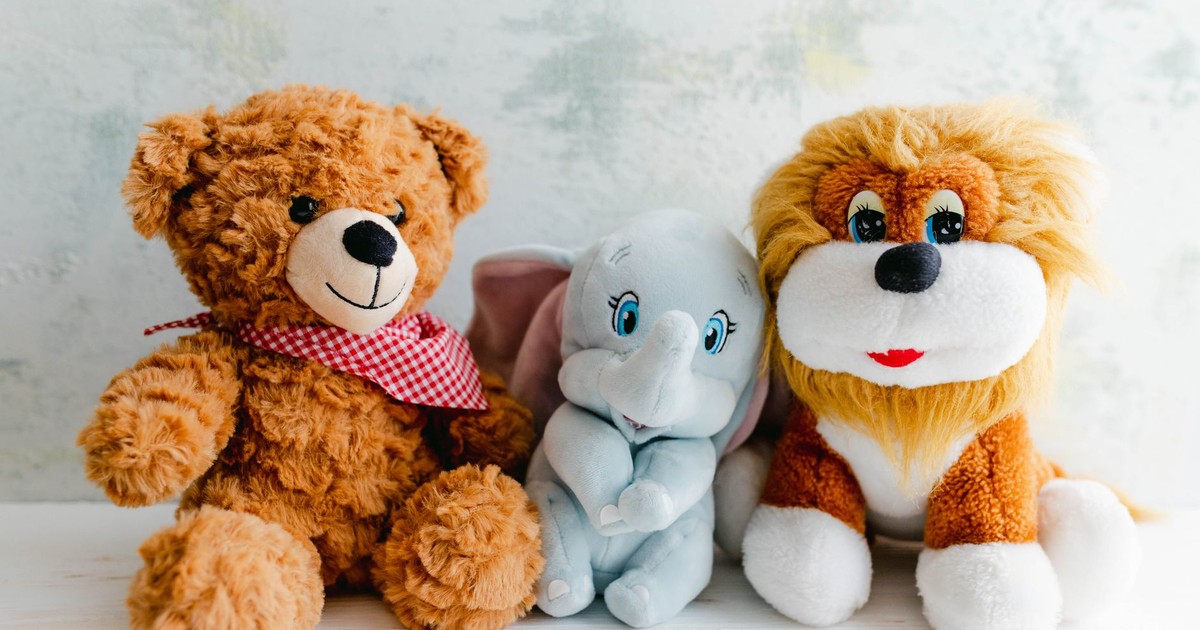
The Beanie Baby mania of the ’90s is one of the great cultural punchlines of the decade – everyone convinced their bins of bean-stuffed animals were going to pay for college, and then very much not paying for college. The joke is funny precisely because the rare ones are genuinely worth serious money, which nobody who bought them in bulk ever seemed to end up having.
A pristine Royal Blue Peanut the Elephant sold for $25,000 on eBay in 2024. That is not an outlier so much as an illustration of how widely values diverge based on specific edition and condition. Limited and rare versions have been valued anywhere from $6,000 to $600,000, and Princess Diana Beanie Babies are listed on eBay for $1 million or more. The million-dollar listing is aspirational asking-price theater, but the legitimate rare editions – Princess the Bear, Valentino, and the aforementioned Royal Blue Peanut – do command staggering sums.
The catch is that most Beanie Babies are worth almost nothing. The common ones in the standard colors, even in perfect condition with tags, will not make anyone rich. What matters is whether you have the error versions, the retired rarities, or the limited editions that Ty produced in very small numbers. If you have a box of them, it’s worth spending an afternoon checking each one against a collector database before assuming they’re all equally worthless or equally valuable.
3. Furby (Original 1998 Model)
What looked like a cross between an owl and a hamster became the must-have toy when it was released in 1998. The original Furby sold by the tens of millions, which means most of them are common enough that a standard model in working condition will net you somewhere in the range of $50 to $100. That’s still a solid markup from the original $35 retail price, but it’s not exactly exciting.
Limited editions command considerably more. According to Benzinga, some dolls can draw a few hundred dollars, and limited-edition models like the Rainbow Furby and Kid Cuisine Furby can fetch even higher sums – on eBay, one Kid Cuisine Furby was offered at $39,999 in September 2025. The asking price and the selling price are not the same thing, but the fact that someone is listing it at nearly $40,000 tells you something about where collector enthusiasm sits. First-edition Furbies from 1998 in original packaging sell for $100 to $300, with the Furby Babies and limited-edition holiday Furbies particularly sought after.
Working electronics matter enormously here. A Furby that no longer talks or moves is a decorative object, not a collector’s item. Original packaging with the plastic window insert adds significant value. If you have one sitting in an attic box, turn it on before you do anything else.
4. Tamagotchi
The digital pet craze started with Tamagotchi, and original versions from the 1990s can now sell for meaningful premiums, especially if they’re unopened or in rare colors. The original Japanese versions are particularly coveted. Standard 1996–1997 Tamagotchis in packaging typically sell in the $40–$60 range, while transparent and limited-color models command premiums over the standard releases, with rare promotional and special editions capable of reaching several hundred dollars or more.
The Tamagotchi’s value is tied closely to the nostalgia of the object itself – it was the first mass-market virtual pet, and it arrived at exactly the right cultural moment. Kids in the mid-to-late ’90s carried these things everywhere, fed them at the dinner table, and grieved when they died. That emotional weight transfers into collector demand decades later. If you have one that still functions and came in the original packaging, it’s worth checking current sold listings before assuming it belongs in a donation box.
5. Nintendo Game Boy (Original)
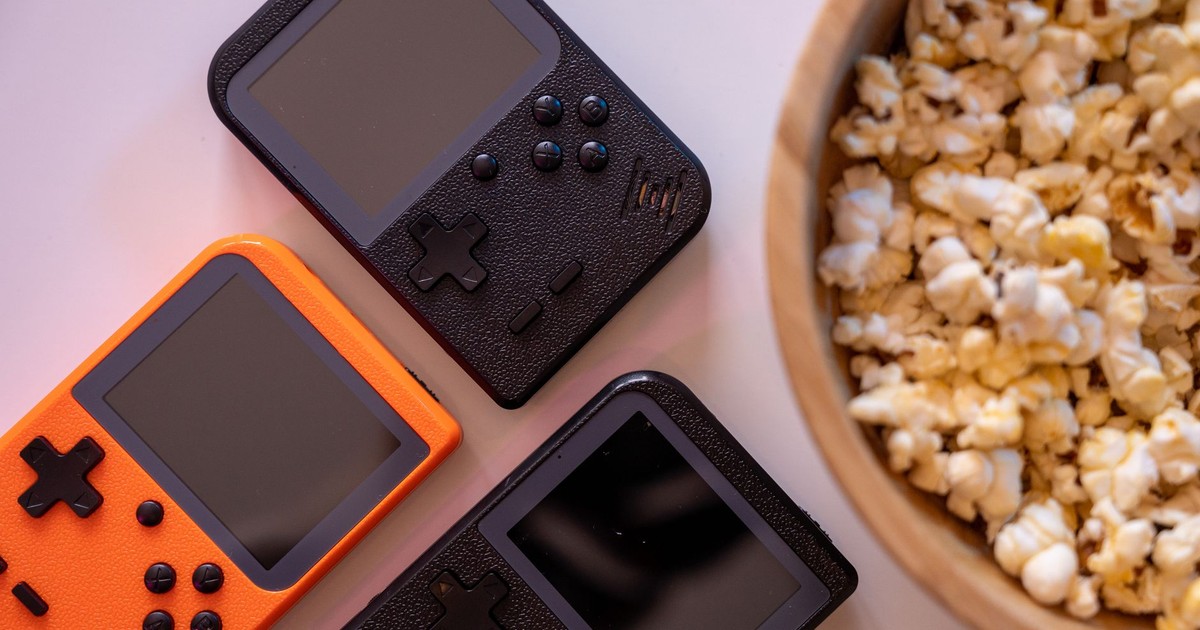
The original Game Boy, released in 1989 but enormously popular throughout the ’90s, has held its value in a way that many electronics from the same era have not. A complete package with the original handheld, box, and documentation can sell for over $300, and brand-new, unopened examples have reached nearly $2,000 at auction. That figure represents the rarest, most pristine examples; more commonly, a handheld by itself in good condition sells for around $70.
The reason the Game Boy retains value while most consumer electronics from the same period don’t is partly the games and partly the design itself. It was simple, durable, and immediately iconic. Special edition colorways and the clear “Play It Loud” series from 1995 are the most valuable variants. Games sold separately can also add up: a complete, boxed copy of a rare Game Boy title is worth researching on its own.
6. Nintendo 64
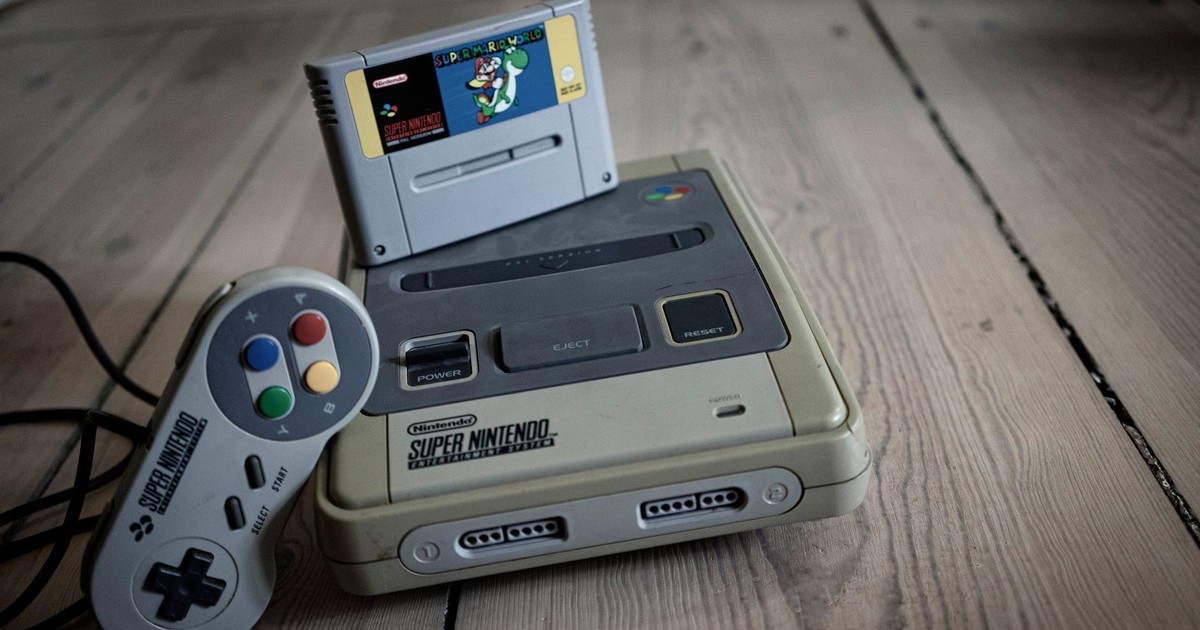
Nintendo launched the Nintendo 64 in Japan in June 1996 and in North America that September, and today an unopened original console can cost more than $360, with even opened original N64s worth over $100, according to GOBankingRates. The real money, though, is in the cartridges. Rare N64 games in sealed condition have sold for extraordinary sums – not quite Pokémon card territory, but significant enough that a complete collection of boxed games is worth a careful inventory.
The N64 holds a particular place in gaming nostalgia because it hosted some of the most beloved titles of the era: GoldenEye 007, The Legend of Zelda: Ocarina of Time, Super Mario 64, Mario Kart 64. Sealed copies of these games, particularly in near-mint condition, consistently attract strong bids. The console itself is worth checking against current eBay sold listings, and any game still in its original box and manual should be evaluated individually.
7. Polly Pocket (Original Bluebird Sets)
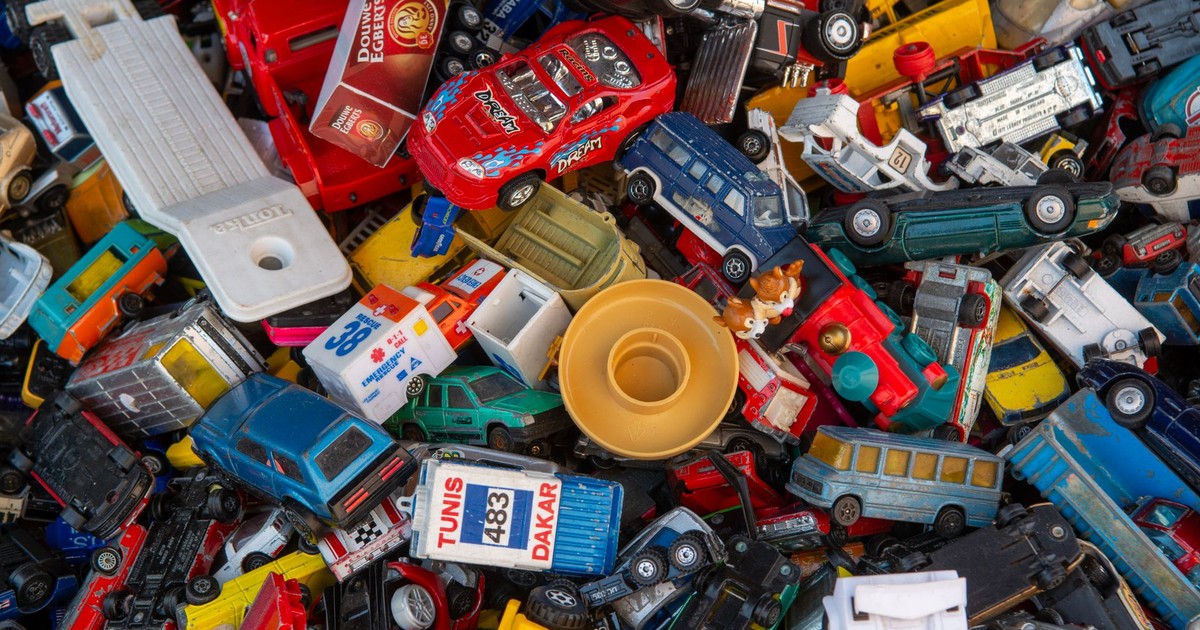
Original Polly Pocket sets packed an entire miniature world into a compact small enough to fit inside a backpack, and Bluebird Toys produced the classic versions from 1989 through the 1990s, filling them with tiny dolls, moving parts, secret rooms, and accessories that were incredibly easy to lose. That last detail is the key. Complete sets are rare precisely because those tiny pieces had a gift for disappearing into carpet fibers and couch cushions.
A sealed Polly Pocket Jewel Case sold for $600 recently, and a Carry ‘N Play Dream Home sold for $550. Certain rare sets in excellent condition have sold for thousands of dollars, while collectors generally place the greatest value on the original Bluebird designs rather than the larger dolls Mattel introduced later. If you have one, count every tiny piece before listing it. A single missing character can sharply reduce what a buyer will pay.
8. American Girl Dolls (Pleasant Company Era)
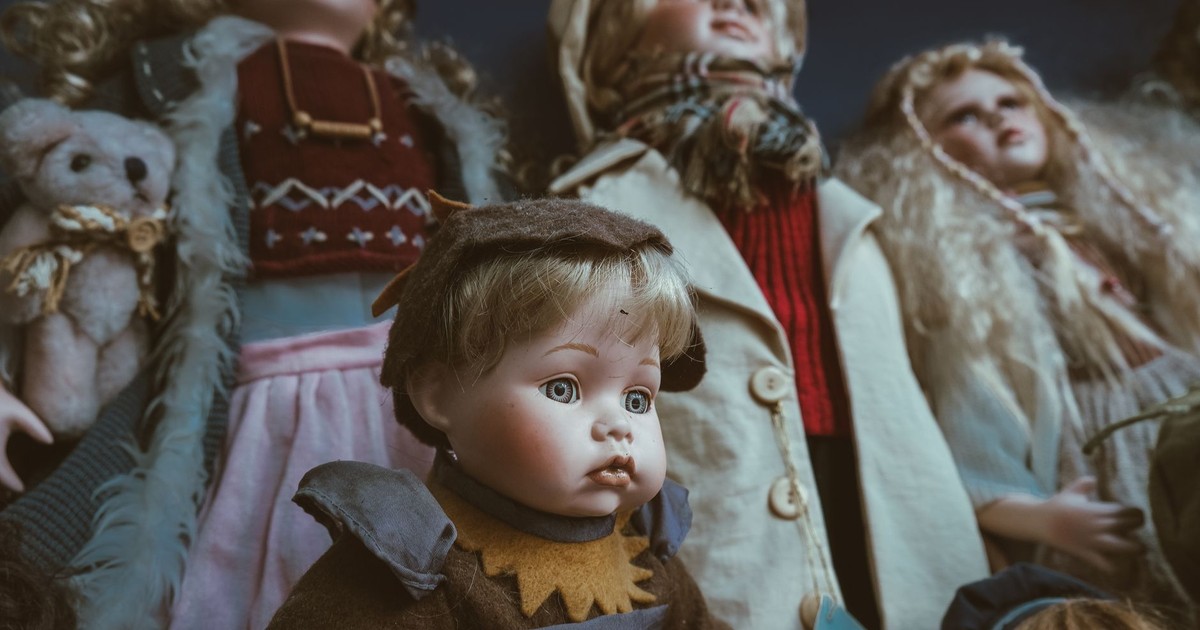
Mattel bought the American Girl line of dolls from Pleasant Rowland in 1998, a company that did $300 million in sales before selling to Mattel for $700 million. That acquisition date is the dividing line for collectors. The pre-Mattel Pleasant Company dolls, particularly the original historical characters, have become genuinely valuable – and the 1990s nostalgia driving the collector market has only pushed that further.
Currently on eBay, original Pleasant Company American Girl dolls from the ’90s are selling for $4,000, $6,000, and even $10,000, with some in used condition and not even in the original packaging. The characters Samantha, Molly, Addy, Kirsten, and Felicity are the most sought after. Condition of hair and clothing matters enormously – a well-loved doll that was actually played with every day will not command the same price as one that sat in a display box. But even played-with examples from the pre-Mattel era are attracting real money.
9. G.I. Joe Action Figures and Vehicles
Collectors are often willing to pay hundreds of dollars for vintage G.I. Joe action figures. The vehicles and playsets are where the real value concentrates. A used G.I. Joe Mobile Command Center recently sold for $3,000, and an aircraft carrier sold for more than $1,100.
The challenge with G.I. Joe is that the line was so prolific – so many figures, vehicles, and accessories produced over so many years – that values vary enormously by specific item. The accessories (weapons, helmets, stand-alone gear) are often worth more than the figures themselves, and completeness is non-negotiable for top dollar. If you have the vehicles, check whether all their component pieces are still present. A figure missing its weapons is worth a fraction of a complete one.
10. Super Soakers (Pre-Hasbro Models)

The Super Soaker was designed by Lonnie Johnson, a nuclear engineer and one-time NASA employee, who created the number-one selling toy of 1991 in the U.S., generating more than $200 million in sales. The fact that a rocket scientist invented the best water gun of the ’90s is the kind of detail that feels made up and is entirely true.
The pre-Hasbro models – those manufactured by Larami before the 1995 acquisition – are the ones collectors want. Certain models like the Super Soaker CPS 2000 are in high demand and can go for impressive prices among collectors of vintage toys. A Super Soaker Monster XL sold for $500, while a vintage Super Soaker CPS sold for $300. Original packaging is rare because these were outdoor toys that got opened and used immediately, which makes sealed examples genuinely unusual. If you have one still in the box, that alone makes it a collector’s conversation piece.
11. Mighty Morphin Power Rangers Action Figures
Power Rangers hit American television in 1993 and created an immediate frenzy for the accompanying action figures. The figures, produced by Bandai, became some of the most purchased toys of the mid-’90s, which means most of them are common. But the rarer editions have aged into serious value. The White Ranger action figure from 1994 is valued at $100,000.
That figure represents the top of the market – a mint, sealed example of a variant that was produced in limited quantities. More commonly, vintage Mighty Morphin Power Rangers figures in original packaging sell for hundreds of dollars, and complete sets with all accessories draw premium bids. The Megazord and Dragonzord vehicles are particularly coveted. Condition of the weapons and helmet accessories matters as much as the figure itself.
12. Teenage Mutant Ninja Turtles Figures
The Playmates-manufactured Teenage Mutant Ninja Turtles toys were famously well-made, and their instances account for seven of the ten most expensive action figures of the 1990s. The line ran through most of the decade and produced a staggering number of variants, vehicles, and playsets – which means sorting the valuable from the common requires some research.
The original 1988 and early 1990s figures are the most valuable, particularly those still in original packaging. The movie variants from the 1990 film, the vehicles like the Party Wagon, and the rarer mutation figures tend to attract the highest prices. Toys including Beanie Babies, American Girl Dolls, and Teenage Mutant Ninja Turtles can sell for an average of $131.10, though that average is pulled down by the enormous number of common figures. The rare sealed examples go significantly higher.
13. Hot Wheels (Treasure Hunt Series)
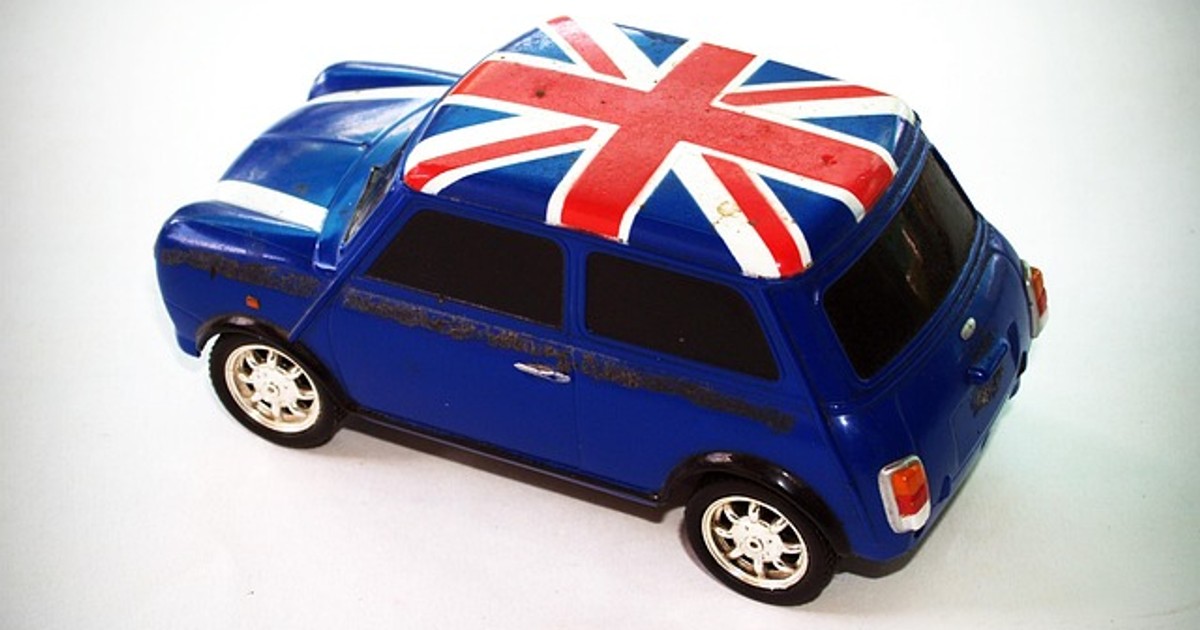
Hot Wheels as a brand dates back to 1968, but there’s a huge demand for the brand and several 1990s models are worth a pretty penny today – especially Hot Wheels Treasure Hunt cars. The Treasure Hunt series, launched in 1995, produced limited quantities of special vehicles each year. Collectors who knew what to look for bought them as investments; most kids just raced them down the orange track without realizing what they had.
The Treasure Hunt cars in original packaging from the first few years of the series are the most desirable. Some of the rarest examples have sold for hundreds of dollars each. The value scales with condition and originality of packaging, and the fact that these were sold at retail price alongside ordinary Hot Wheels makes finding sealed examples at garage sales a genuine possibility, if a rare one.
14. LEGO Sets (Retired Themes)
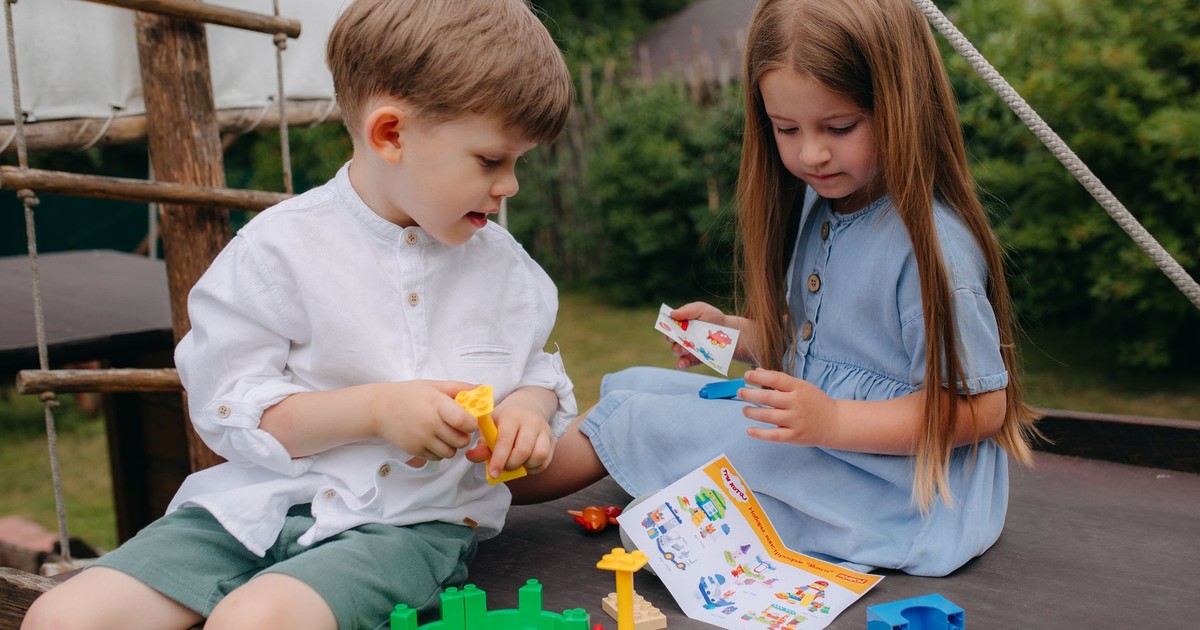
LEGO sets from the ’90s, particularly those from now-retired themes like Pirates, Castle, or Space, are in demand, with some sets selling for hundreds or even thousands of dollars. The Pirates line from the early 1990s is considered among the most collectible, with the flagship Eldorado Fortress and Black Seas Barracuda sets particularly sought after. Complete, sealed sets in good box condition are the holy grail, but even complete built sets with all their original pieces and instructions hold significant value.
What makes LEGO collecting genuinely complicated is the piece count. A single missing minifigure or rare element can drop a set’s value substantially. Instructions and original box art add value on their own. If you have old LEGO sets in storage, the first thing to do is verify completeness against the original instruction book before pricing. LEGO also has an official discontinued-set status for many ’90s themes, which makes them non-reproducible and drives demand accordingly.
15. Transformers (Beast Wars Era)
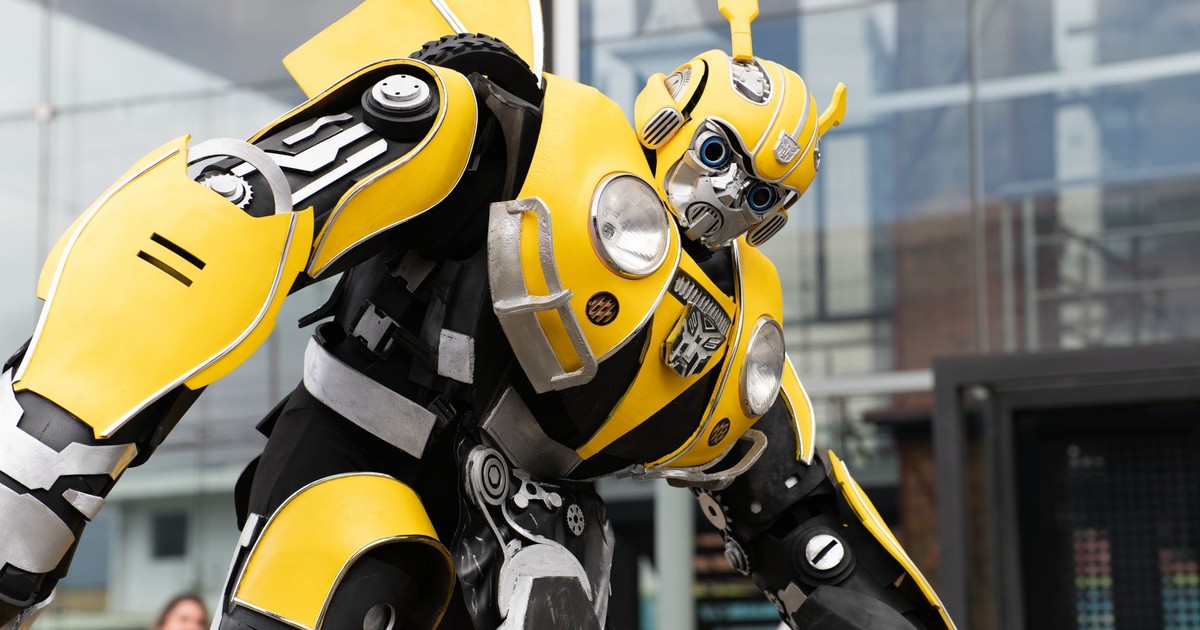
Original Transformers action figures from the ’90s, especially those from popular sub-lines like Beast Wars, can fetch impressive prices, with rarity and condition driving the premium. Beast Wars, which ran from 1996 to 1999, is particularly collectible because it was a departure from the original Generation 1 line – the figures were more articulated, more detailed, and aimed at an older audience. Collector enthusiasm for the Beast Wars era has grown steadily.
Sealed, first-release Beast Wars figures in good box condition have sold for several hundred dollars each. The rarer characters and the deluxe-class figures tend to command the highest prices. As with all action figures, missing accessories pull value down sharply – Transformers figures notoriously came with multiple small weapons and accessories that are easy to lose.
16. Barbie (Limited Edition and Collector Series)
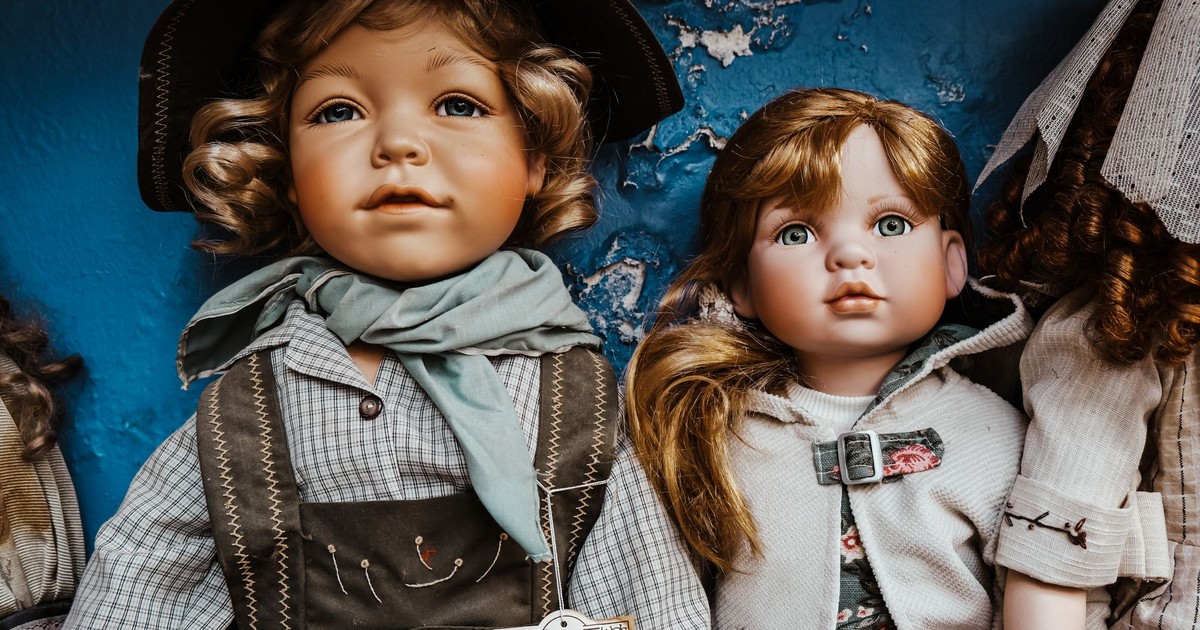
Not every ’90s Barbie is worth serious money – the standard fashion dolls remain relatively common. But the collector and limited edition lines from the decade are a different matter. The 1996 Pink Splendor Barbie has been valued at $150 on Etsy, and that is at the accessible end of the market. The Holiday Barbie series, the Bob Mackie designer dolls, and the Classique collection can sell for hundreds to thousands in sealed condition.
The key distinction is between play line Barbies (common, low value) and collector-specific releases (limited production, intended for display). The collector Barbies from this era were sold with that intention from the start, often in window display boxes designed for the shelf rather than the toy box. If the doll has never been removed from its packaging and comes from one of the limited series, current eBay sold listings will tell you quickly whether you have something worth preserving.
17. Vintage Video Games (N64, SNES, and Game Boy Titles)
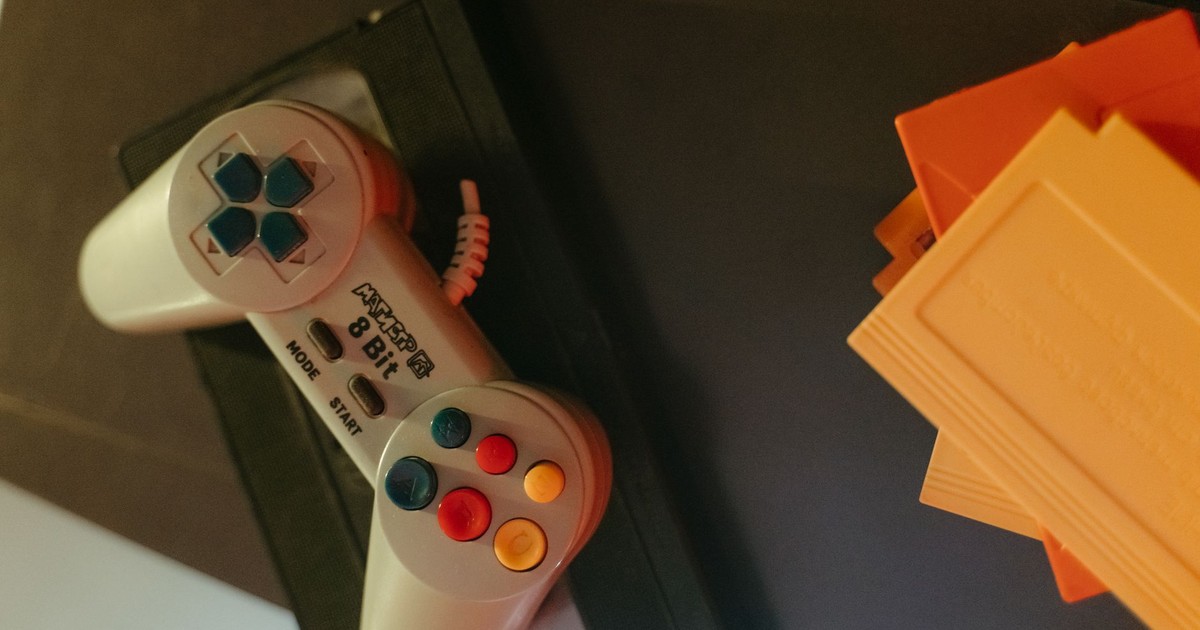
Beyond the consoles themselves, the video games from the ’90s can sell for an average of $467.10, based on actual eBay sold listings. That average spans a huge range – common titles in good condition might fetch $10 to $20, while rare sealed games in certain franchises have sold for tens of thousands.
The most valuable single games from the era tend to be those produced in small quantities, never re-released on later platforms, or tied to licenses that have since expired. Complete-in-box copies (cartridge, manual, and original box) are worth significantly more than cartridge-only. If you have boxes of old games in storage, sorting them by completeness before checking values will save time. The games that look like they were carefully kept, with manuals tucked inside and artwork intact, are the ones to check first.
18. Mighty Max Playsets
Mighty Max was the boy-oriented answer to Polly Pocket – small horror-themed micro playsets featuring a blond kid defeating monsters in tiny, fold-out worlds. The line ran from 1992 to 1996 and never got the cultural longevity of some of the other toys on this list, which paradoxically makes it more valuable to collectors. The sets that were less popular at the time tend to be the rarest now.
Complete Mighty Max sets in working condition with all original pieces command premium prices in collector circles. The larger skull playsets and the vehicle sets are among the most sought after. As with Polly Pocket, completeness is the determining factor – these tiny playsets came with small figures and accessories that were easily misplaced. A complete, boxed Mighty Max set in good condition can sell for several hundred dollars, with the rarer sets pushing higher.
19. Easy-Bake Oven (Original ’90s Models)
The 1990s versions of the Easy-Bake Oven, especially in rare colors, are popular among collectors, and a boxed oven in good shape might surprise you in value. The original light-bulb-powered model, particularly in the teal and purple colorways specific to certain ’90s releases, is what collectors are actually after. The current version of the toy uses a heating element rather than a light bulb, which makes the originals a distinct and non-reproducible product.
Value here depends heavily on whether the original baking mixes and accessories are present, and whether the heating element still works. An Easy-Bake Oven that comes with its original mix packets, pan, and pushing tool in the original packaging is considerably more valuable than the appliance alone. It is a niche market, but there is genuine collector enthusiasm for the original design, driven largely by the adults who baked tiny cakes in them thirty years ago.
20. Bop It (Original 1996 Model)
The original Bop It toys have become sought-after for nostalgic reasons and can fetch decent prices, especially unopened. The original model, released by Hasbro in 1996 with just three commands – bop it, pull it, twist it – is the version collectors want. Later iterations added more commands and complexity, but the simplicity of the original is part of its appeal. It was the toy version of a reflex test, and it was at every slumber party for about four years straight.
Unopened original Bop It units in good box condition are the most valuable. Working units without original packaging sell for less but still attract buyer interest from people who want the exact experience of the toy they remember. Like many items on this list, the value is inseparable from the emotion attached to it – and that emotion does not appear to be fading as the generation that grew up with these things gets older and more able to spend money on nostalgia.
What Makes a ’90s Toy Valuable
The market does not reward the common. It rewards the rare, the complete, and the preserved. A Beanie Baby everyone had is worth nothing. The one nobody wanted at the time, in a color that got discontinued after three months, is worth thousands. The Pokémon card that went into a sleeve the day it was pulled from a pack is worth more than one that went into a binder that went to school every day for a year.
Go through the box in your parents’ basement methodically. Look for original packaging. Count the pieces. Check for the specific identifying marks – the “1st Edition” stamp, the Bluebird Toys logo, the Pleasant Company label – that separate the valuable from the merely nostalgic. Some of what you find will be worth twenty dollars. Some of it might be worth considerably more. The only way to know is to actually look, and to look for items worth money with the specificity the market demands rather than the broad hope that everything old is gold.
The ’90s are far enough away now that the things from that decade have cleared the threshold between secondhand and collectible. They are old enough to be rare, young enough to carry strong emotional weight for people with real money to spend. That combination is exactly what drives collector markets, and the prices confirm it is working.
AI Disclaimer: This article was created with the assistance of AI tools and reviewed by a human editor.