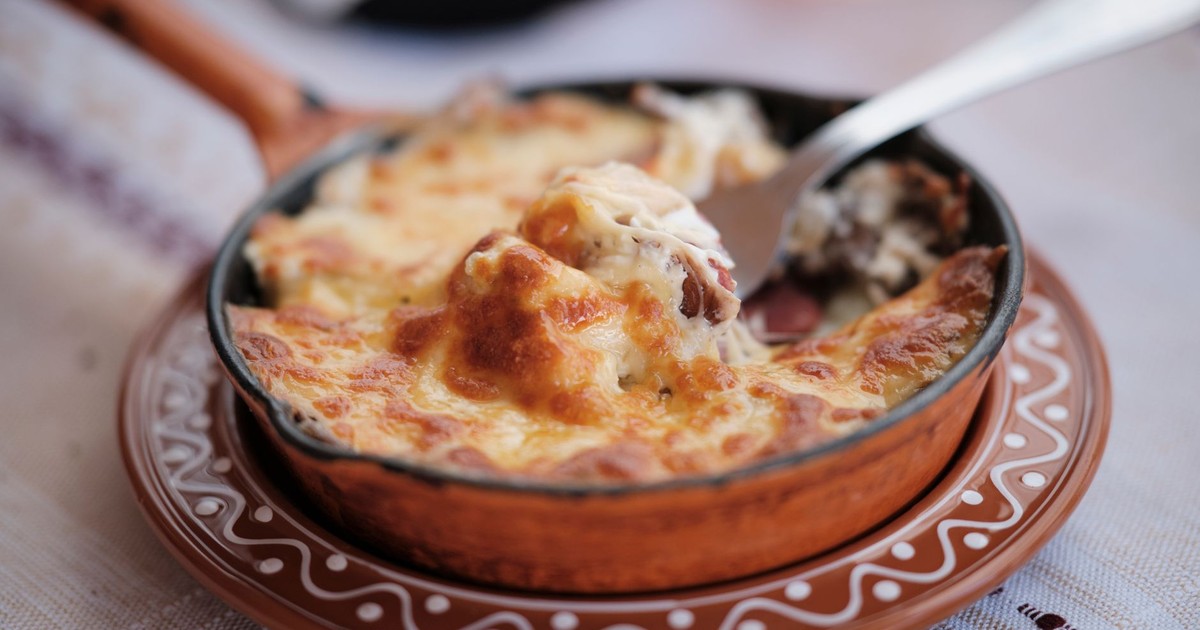

There is a specific smell that belongs entirely to childhood if you grew up in an American home between 1960 and 1990: something bubbling, cheesy, and faintly creamy, coming from a rectangular baking dish that held enough food for the whole family and then some. It wasn’t restaurant food. It wasn’t anything you’d see on a cooking show. It was a casserole, and it came out of the oven at 5:30 on a Tuesday like clockwork.
For boomers and Gen Xers, classic casserole recipes weren’t a special occasion thing. These were weeknight workhorses. One baking dish, one oven, one dinner that fed a family of five without anyone needing to consult a cookbook. The genius of the format was its forgiveness: casseroles absorbed substitutions, stretched groceries, and came out tasting intentional even when they weren’t.
These recipes are finding their way back to dinner tables, not just out of nostalgia, but because they genuinely work. They’re filling, they reheat beautifully, and they require a level of effort that feels proportionate to a Tuesday.
1. Tuna Noodle Casserole
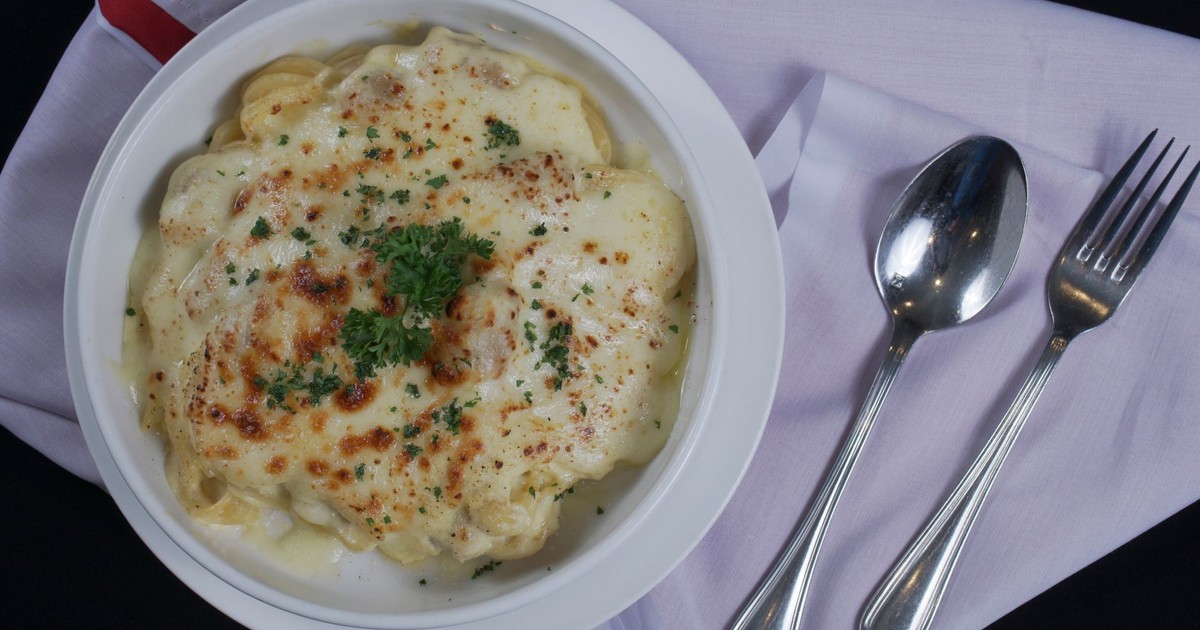
No recipe in this entire list is more divisive, and no recipe is more fundamentally boomer and Gen X than tuna noodle casserole. People either grew up loving it or spent their adult life explaining that they’re not really a casserole person, which usually means this is the casserole that shaped them.
The classic build is broad egg noodles, canned tuna, cream of mushroom soup, a handful of frozen corn or peas, and a generous layer of shredded sharp cheddar over the top. It bakes at 350°F for about 30 minutes until the cheese forms that specific golden crust that is, objectively, the best part of any casserole.
The cream of mushroom soup is non-negotiable. Every attempt to upgrade this recipe with a homemade béchamel produces something technically better and emotionally wrong. The condensed soup is the flavor memory.
2. Green Bean Casserole
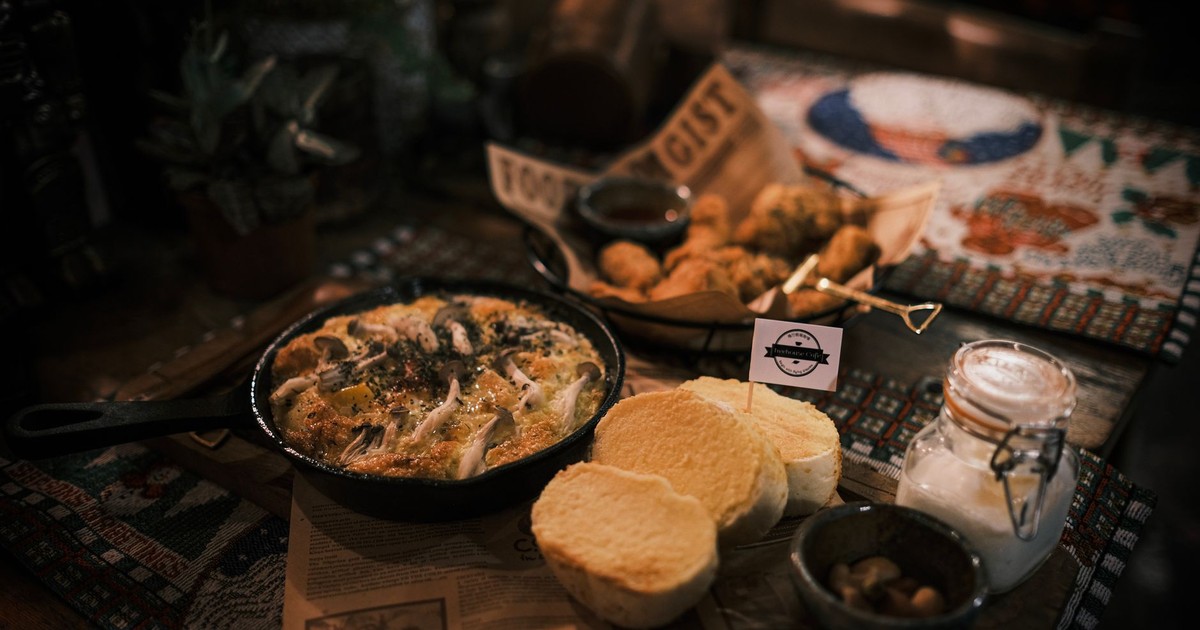
If tuna noodle casserole is the weeknight entry point, green bean casserole is the gateway drug for everyone else. It turns up at Thanksgiving and Christmas and has earned a permanent spot at holiday tables across the country.
Campbell’s 1955 recipe from the Campbell’s test kitchen dates to 1955, developed by home economist Dorcas Reilly. The formula is nearly unchanged: canned green beans, condensed cream of mushroom soup, a splash of soy sauce and milk, all folded together and topped with those crispy fried onions that become the entire reason the dish exists. Bake it covered, uncover it for the last few minutes, and watch the onions crisp up into something that functions as the actual prize.
The dish has survived decades of food culture evolution without being updated into irrelevance. It gets made with fresh green beans now sometimes, and the fried onions come in gourmet versions, but the architecture of the dish is the same as it was in your grandmother’s kitchen.
3. Chicken and Rice Casserole
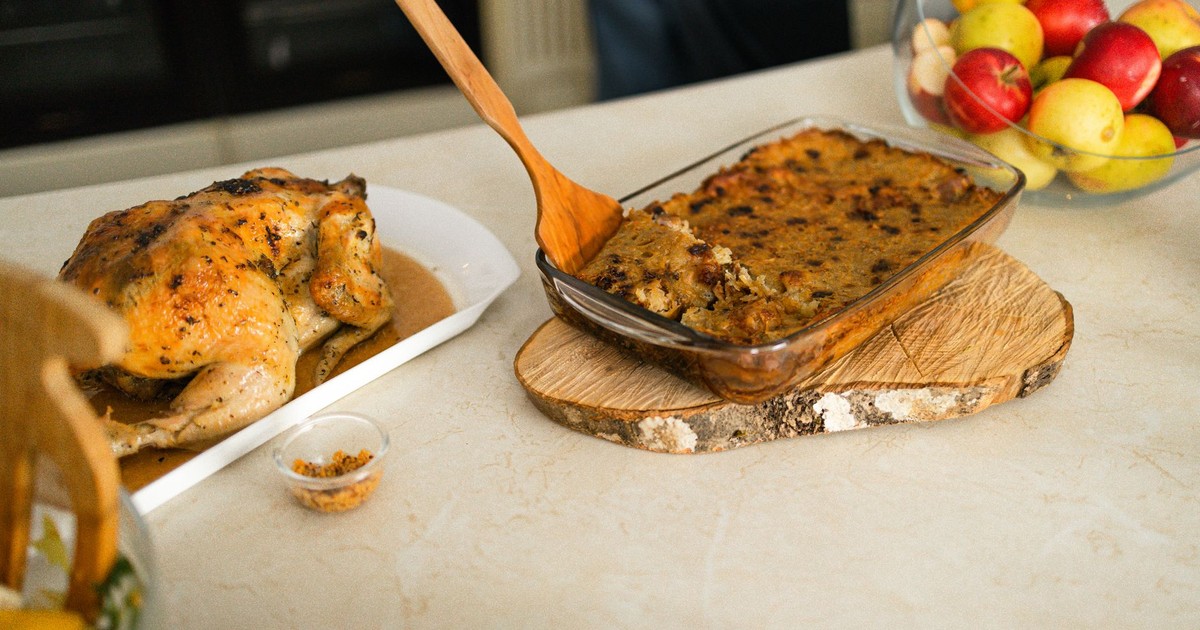
Every grandmother who ever lived had a version of this dish, and every version was slightly different, and every version was described by its maker as “so easy, you’ll love it.” They were all right. Chicken and rice casserole is the foundational text of the genre.
The classic base is raw rice, chicken pieces laid on top, and a sauce made from one can each of cream of mushroom, cream of chicken, and cream of celery soup, thinned with broth or water. The whole thing goes into a covered dish at 350°F for an hour or so, during which time the rice absorbs the liquid and the chicken cooks through and the whole thing melds into something that tastes like it took four hours.
The beauty of this one is that it essentially makes itself. You assemble it in ten minutes, put it in the oven, and the oven does everything else. It is the most honest casserole on this list: no pretensions, no shortcuts to compensate for. Just rice, chicken, and the right amount of salt.
4. Tater Tot Casserole
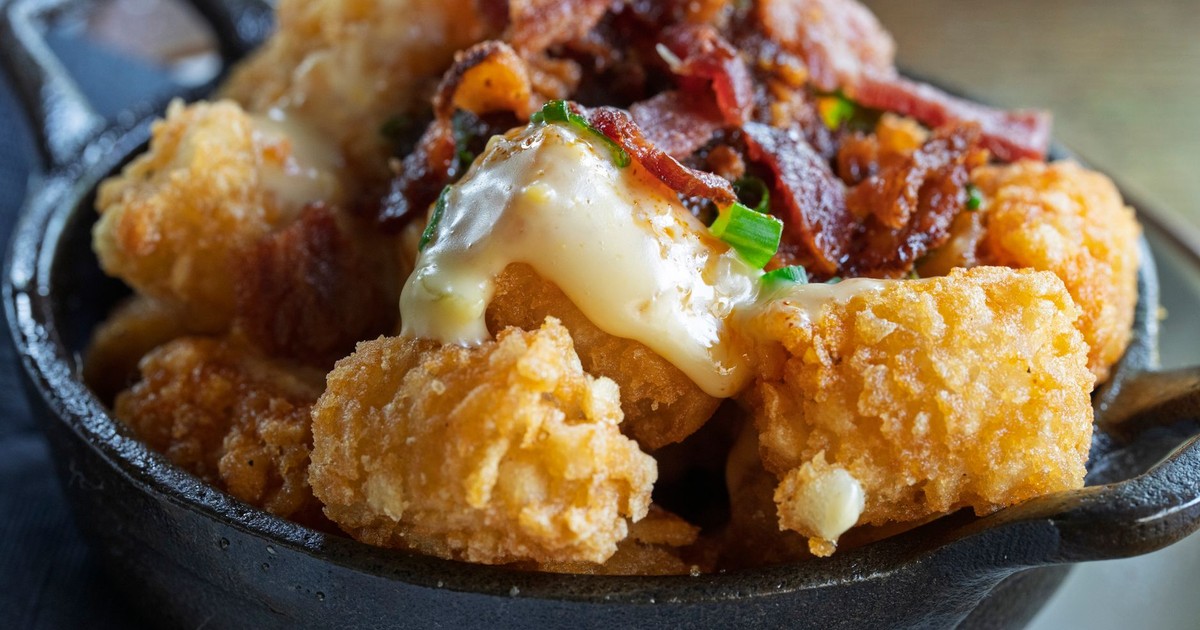
There is no defending tater tot casserole as sophisticated food and there is no reason to try. It is ground beef and vegetables and condensed soup blanketed under a full layer of frozen tater tots, baked until the tops are golden and the inside is the kind of thing you eat over the sink when no one is watching. It is perfect.
The base is usually browned ground beef mixed with a can of cream of mushroom soup and your choice of vegetable, most commonly green beans or corn. You spread that mixture in the bottom of a 9×13 baking dish, cover it entirely with tater tots arranged in a single layer, and bake at 375°F for about 40 minutes until the tops are crispy. Some people add shredded cheddar in the last five minutes. Those people are correct.
The dish has the rare quality of being deeply satisfying to both children and adults for completely different reasons. Kids love it because it contains tater tots. Adults love it because it contains tater tots and also requires almost no effort on a Wednesday night.
5. Broccoli Cheddar Chicken Casserole
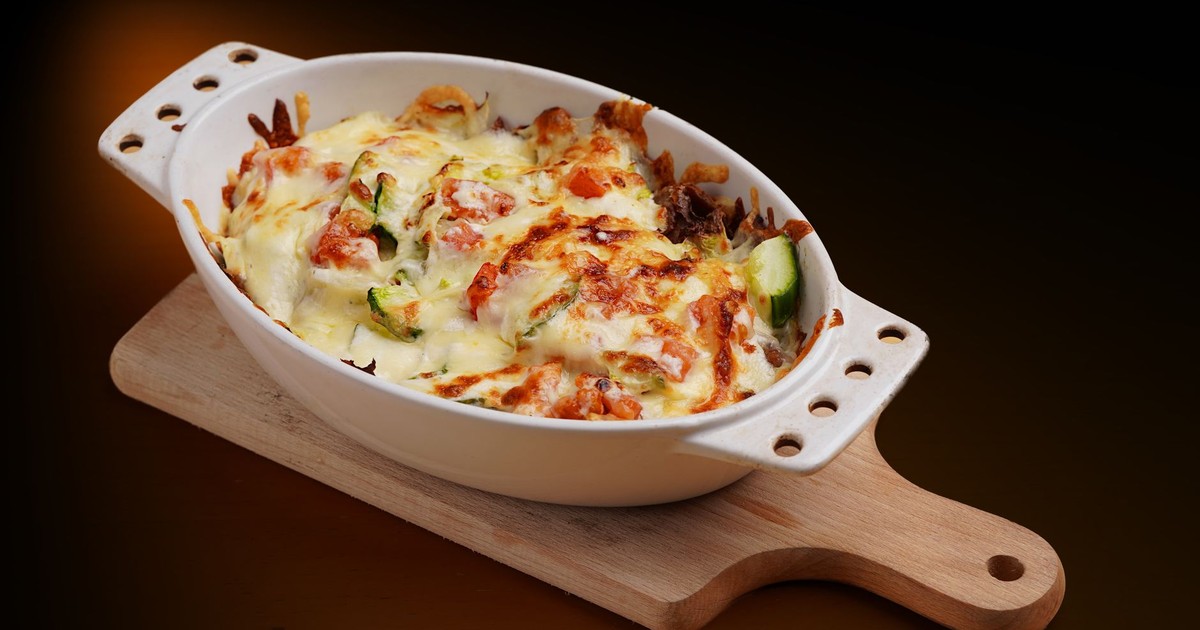
This one occupied the space between practical and almost impressive, which is a very useful place for a weeknight dish to live. It came out of the oven looking like something you’d planned and tasted like something you’d thought about, even when the whole assembly took twelve minutes.
The classic version layers cooked chicken, thawed frozen broccoli, and a sauce of cream of chicken soup mixed with mayonnaise, lemon juice, and curry powder (the curry powder is the secret, and yes, you use it even if you think you don’t like curry). The whole thing gets topped with shredded sharp cheddar, sometimes with buttered breadcrumbs on top for texture. Bake at 350°F for 25 to 30 minutes until bubbly and browned.
The curry powder version goes by the name Chicken Divan or Chicken Divine depending on where you grew up and how your mother spelled it, but whether it got an official name in your household or was just called “the chicken thing,” you almost certainly had a version of it.
6. Chicken Divan
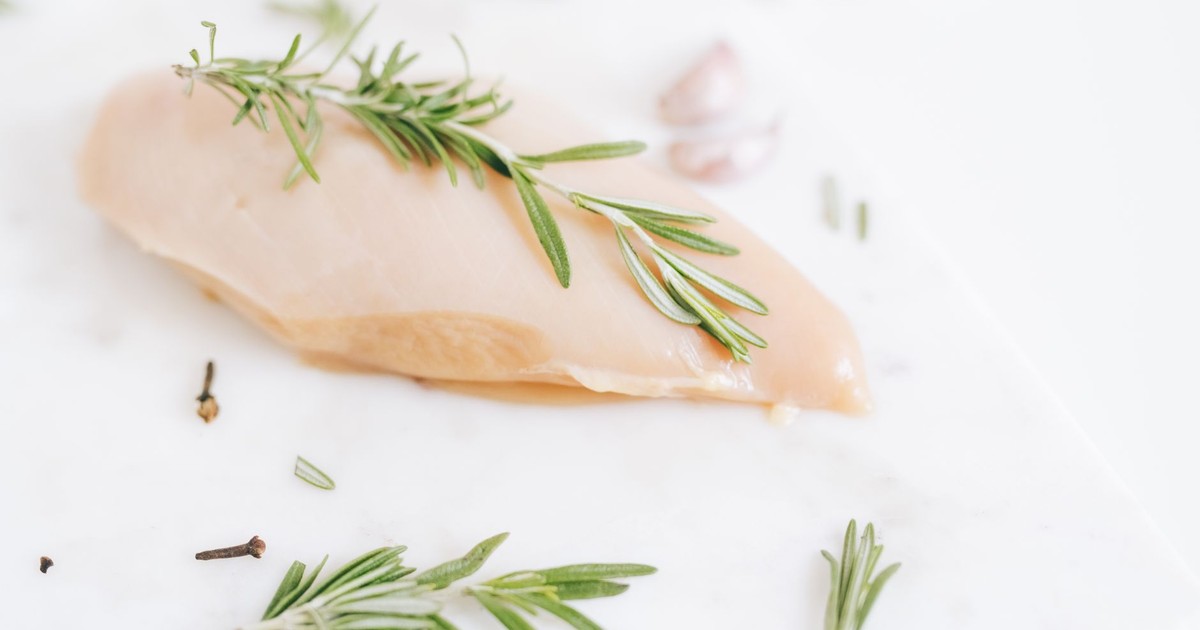
Chicken Divan deserves its own entry because it is technically a specific recipe with a specific history, not just a general category of chicken-broccoli combinations. The original dish was created at the Divan Parisien Restaurant in New York City around the 1930s, and the home version that became a staple of 1960s and 1970s dinner tables is a simplified adaptation that got passed hand to hand through recipe cards and church cookbooks until it belonged to everyone.
The distinguishing features of an authentic Chicken Divan are the Mornay sauce (a béchamel enriched with cheese) over the broccoli, and the use of sherry in the sauce. Home cooks swapped the Mornay for cream of chicken soup and the sherry was optional depending on what was in the cabinet, which is how most recipes evolve from restaurant to home. The result was something that felt slightly dressed up for a Tuesday and required nothing more than a can opener, a rotisserie chicken, and a box of frozen broccoli.
The version most boomers remember is the soup-based one. That’s the version worth making.
7. Shepherd’s Pie
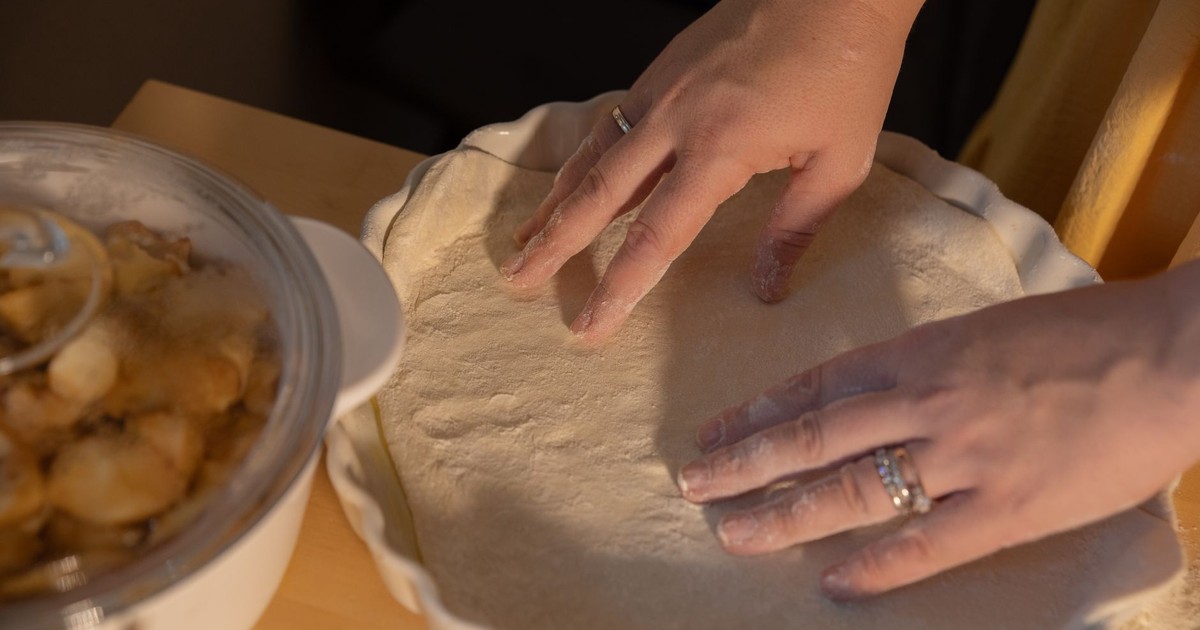
Shepherd’s pie is the casserole that everyone makes in some variation without necessarily calling it a casserole, which is the best kind of dish: one that sneaks into the rotation under a different name and becomes a fixture before anyone realizes it. Technically, shepherd’s pie uses ground lamb, and cottage pie uses ground beef, but in American households of the 1960s and 1970s, the distinction mostly didn’t exist. Ground beef went into a pie dish and mashed potatoes went on top and everyone called it shepherd’s pie.
The build is ground beef (or lamb) browned with onion, carrots, and peas, seasoned with Worcestershire sauce and thickened slightly with flour, spooned into a baking dish and covered with a thick layer of mashed potatoes, sometimes pressed into peaks that brown in the oven. The browned potato peaks are what separate a good shepherd’s pie from a great one.
It is, in the best possible way, a meal that uses up what you have. Leftover mashed potatoes become the topping. A pound of ground beef becomes the filling. The whole thing comes together in a single dish that goes from stovetop to oven to table without requiring anything more complicated than a vegetable peeler.
8. Funeral Potatoes
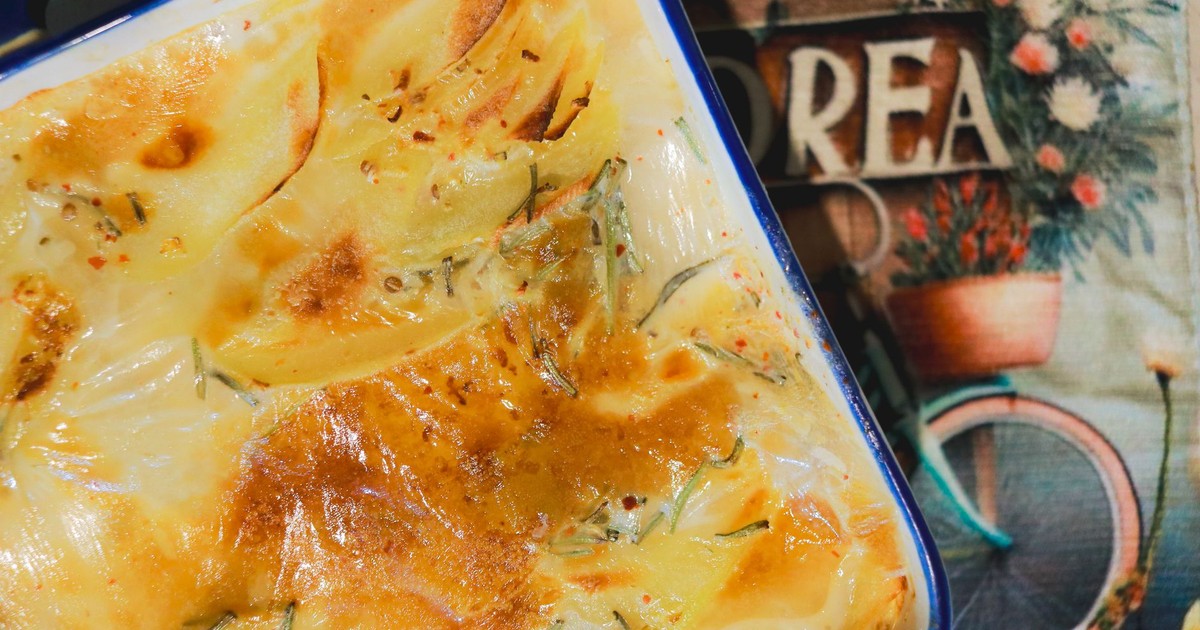
The name is not a selling point, which is why it keeps getting mentioned with the slightly sheepish energy of someone who knows they’re about to recommend something fantastic. Funeral potatoes became a fixture at post-funeral receptions across the American Midwest and Mountain West precisely because they are the kind of food that feels like being taken care of: warm, rich, starchy, and requiring no effort from the person eating them.
The recipe is frozen shredded hash browns, sour cream, cream of chicken soup, shredded cheddar, and butter, baked in a 9×13 dish with a buttered cornflake topping that crisps up into something so good it almost distracts you from why you made the dish in the first place.
The dish has since migrated far beyond its original context. It turns up at holiday dinners, potlucks, and as the kind of weeknight side dish that ends up eating the whole plate. The name creates low expectations that the dish has been consistently exceeding for fifty years.
9. Chicken and Dumpling Casserole
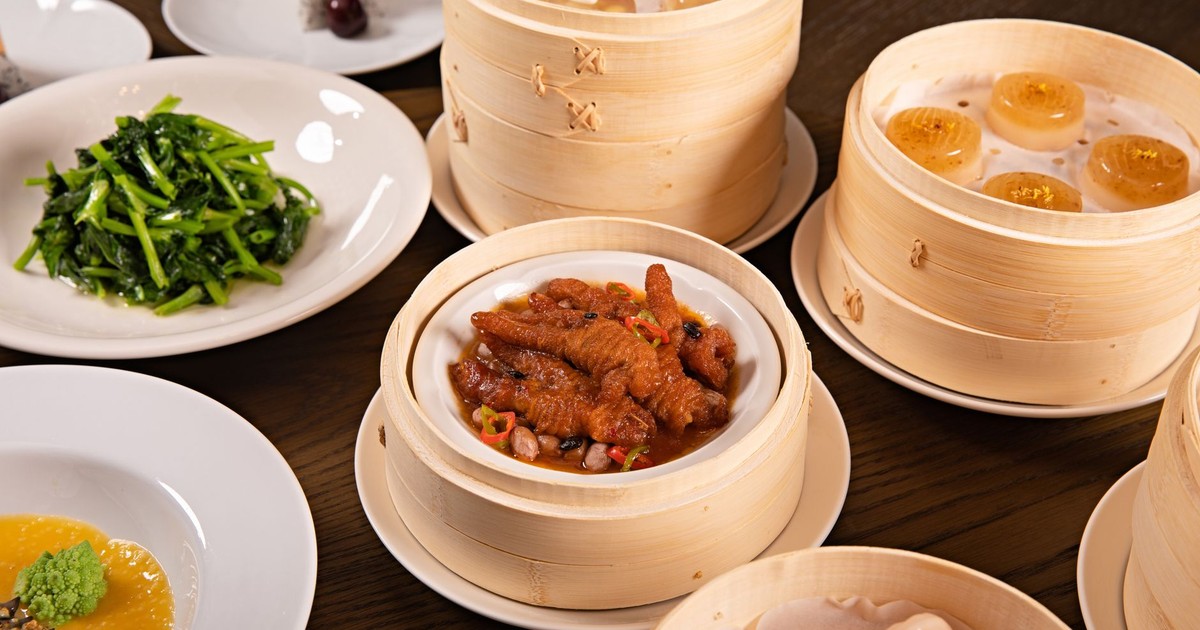
The original chicken and dumplings is a stovetop affair, and it’s wonderful, but it requires the kind of attention that a weeknight dinner usually doesn’t get. The casserole version solves that problem by putting the whole thing in the oven and letting the heat do what stirring would otherwise do.
The technique is a lazy-genius method: you layer cooked chicken in the bottom of a baking dish, pour over a mixture of milk and Bisquick that settles into a dough layer, then pour a mixture of chicken broth and cream of chicken soup gently over the top without stirring. The layers separate and recombine in the oven into something that approximates a dumpling in texture without any of the rolling or dropping. It bakes at 350°F for 30 to 40 minutes until the top is golden.
That no-stir instruction, by the way, is not a casual suggestion. It is the whole point of the dish. A reliable version of this technique is available as a chicken and dumpling casserole recipe on Food.com.
10. Sweet Potato Casserole
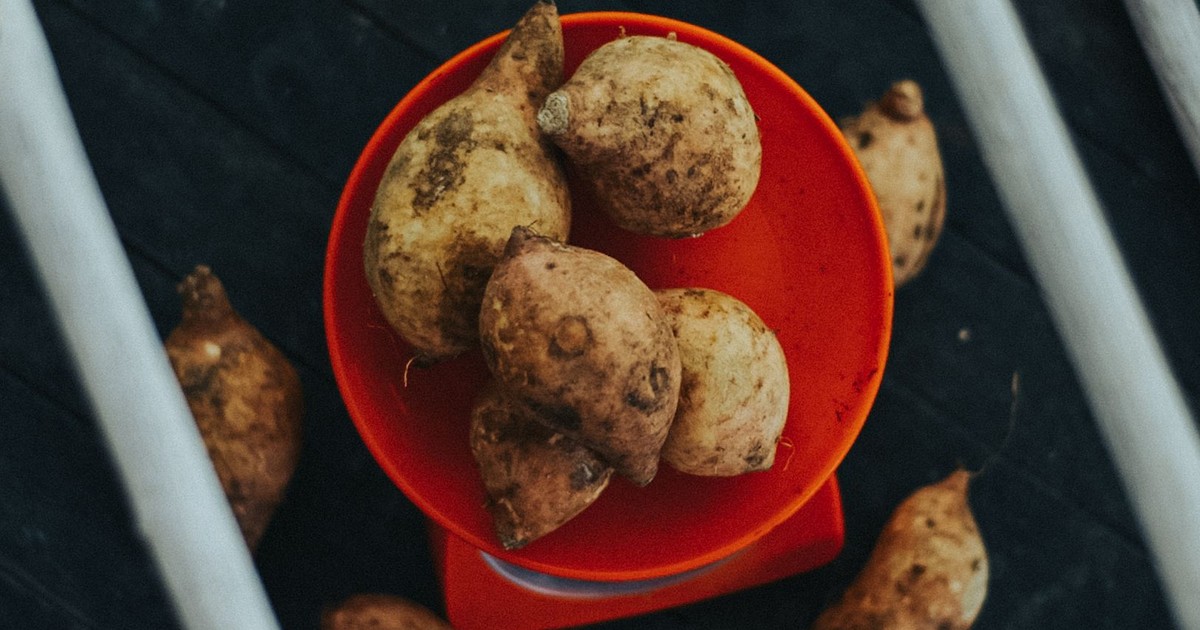
Sweet potato casserole occupies a peculiar position in the casserole universe: it is technically a side dish, it often contains enough sugar to qualify as dessert, and nobody has ever eaten just one serving. It is the dish that gets referred to as “the sweet potato thing” by people who claim they don’t have a sweet tooth, right before they go back for more.
The classic version is mashed sweet potatoes sweetened with brown sugar and butter, poured into a baking dish and topped with either a brown sugar and pecan streusel or a layer of marshmallows, both of which are correct and neither of which is wrong. The pecan streusel crowd and the marshmallow crowd have been coexisting at family dinners for decades with only minor friction. Bake at 350°F until the topping browns and the edges bubble. It takes about 25 minutes and it will be the first dish gone.
11. Pork Chop and Rice Casserole
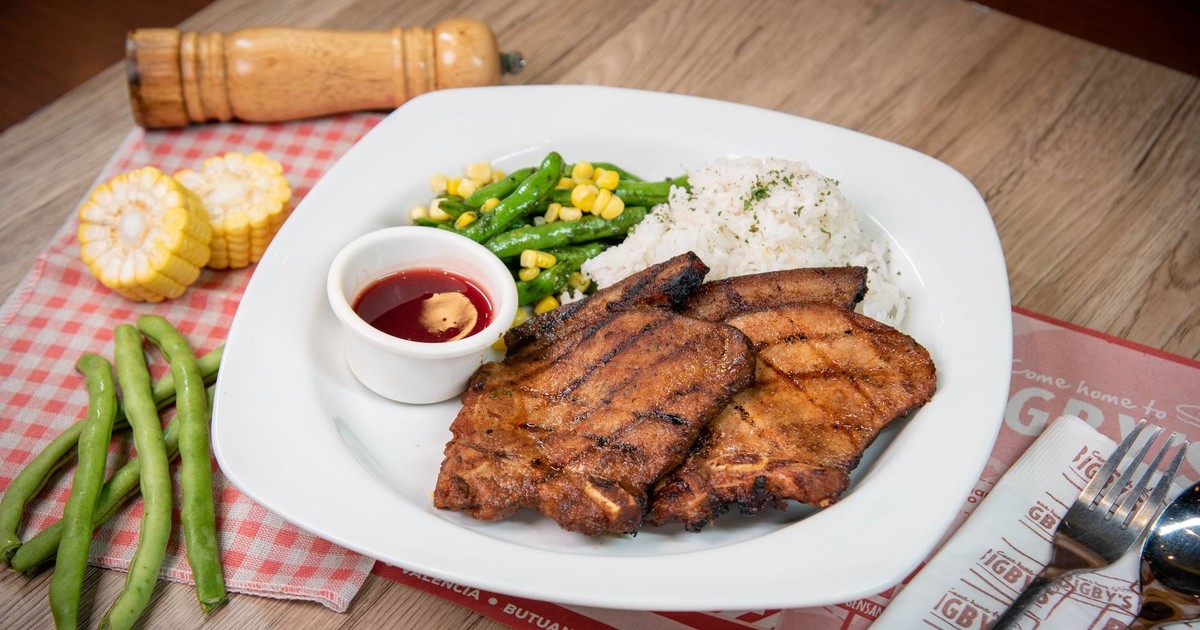
The pork chop and rice casserole is the one that people forget about until someone makes it and everyone says “I forgot about this.” It is not a flashy dish. It does not have a signature topping or a memorable name. It is a pork chop sitting on a bed of rice, baked in a savory sauce until the meat is tender and the rice has absorbed everything around it, and it is deeply, stubbornly satisfying.
The standard approach is to season and sear the pork chops briefly, then place them on top of uncooked rice in a baking dish. A sauce of cream of mushroom soup and beef or chicken broth gets poured over the top, the dish gets covered with foil, and it goes into a 350°F oven for an hour. The foil traps the steam, the rice absorbs the broth, and the pork chops finish cooking through until they’re tender rather than dry, which is the only acceptable state for a pork chop in a casserole.
It is also a remarkably hands-off recipe once it’s in the oven, which is the quality that made it a staple in households where dinner had to happen alongside everything else.
12. Cheeseburger Casserole
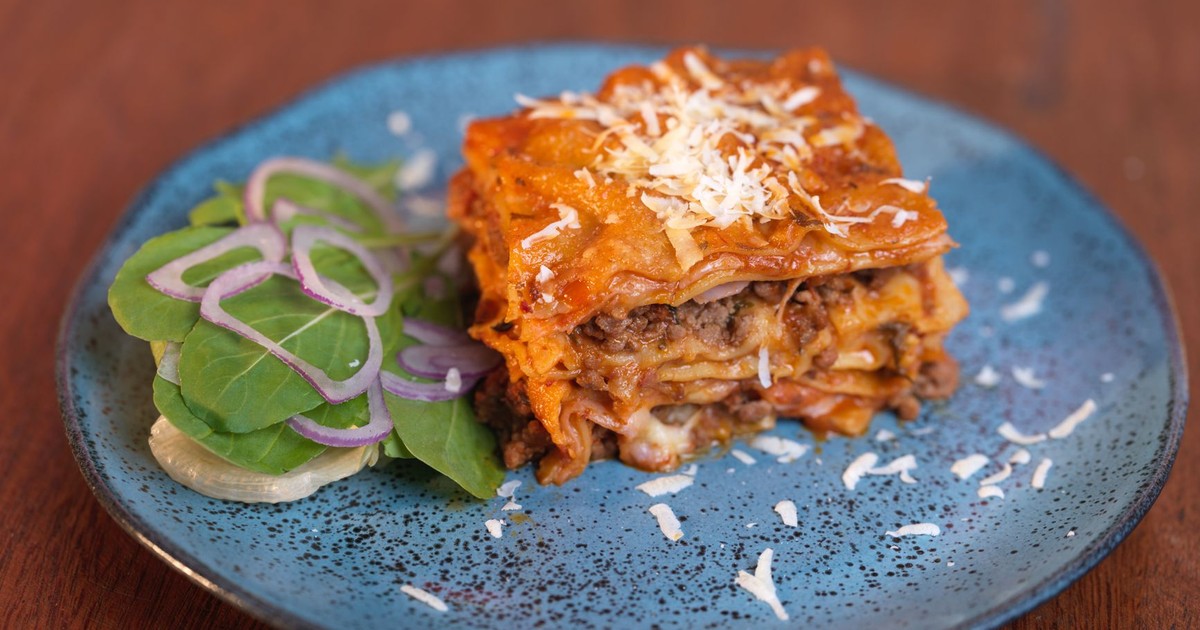
The cheeseburger casserole is the one that turned a drive-through order into a home-cooked dinner, and it worked so well that it became a standard. Ground beef, egg noodles, and enough cheese to constitute a structural element: this was the dish that kids asked for and parents were happy to make.
The classic version browns ground beef with onion, mixes in cream of mushroom soup and a can of diced tomatoes, combines it with cooked egg noodles, pours it all into a 9×13 baking dish, and buries it under two cups of shredded cheddar. Thirty minutes at 350°F and you have something that tastes like a cheeseburger and a pasta bake had a child together, which is exactly as good as it sounds. Some versions add a squeeze of mustard and ketchup into the beef mixture for the full burger flavor profile.
It is the casserole that most often gets the “I’m not sure this is a real recipe” question from people who have never had it. Those people come around quickly.
13. Chicken Hash Brown Casserole
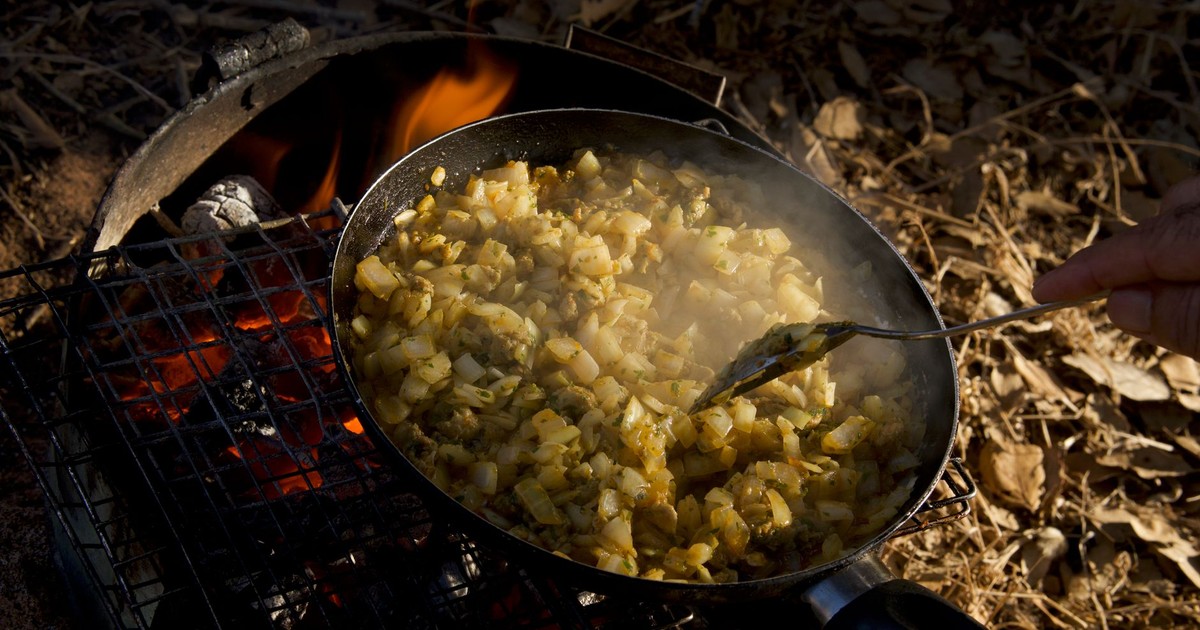
If funeral potatoes are the side dish version of this formula, chicken hash brown casserole is the full-meal version, and it occupies a comfortable spot in the dinner rotation where you don’t have to think very hard about whether it’s going to work. It is always going to work.
The base is frozen shredded hash browns thawed and combined with shredded cooked chicken, cream of chicken soup, sour cream, shredded cheddar, and whatever onion you have on hand (green onions are traditional; a diced yellow onion is fine). That mixture goes into a greased baking dish, gets another layer of cheese on top, and bakes at 375°F for 45 to 50 minutes until golden and bubbling.
It is filling in a way that makes you realize you haven’t actually been filling the hunger you thought you were filling with other dinners. The hash browns do something that regular potatoes don’t, which is give the whole dish a kind of loose, lacy texture that soaks up the sauce and becomes something entirely its own.
14. Corn Casserole
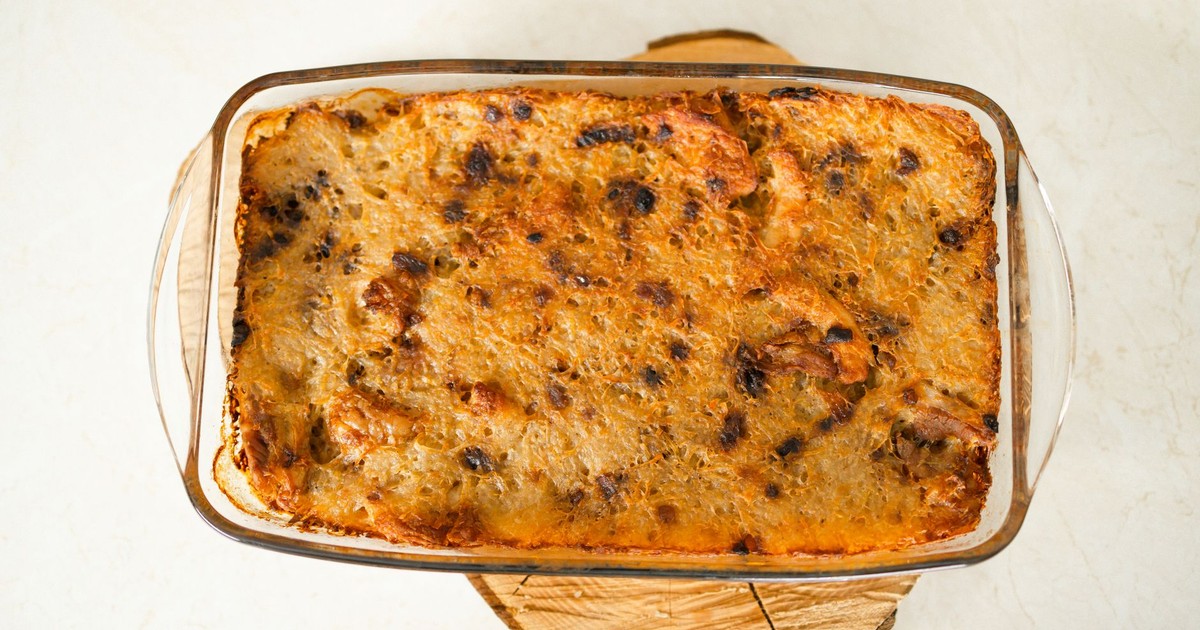
Corn casserole might be the easiest recipe on this list, and it’s also the one most likely to confuse someone who has never encountered it. It is not a vegetable side dish in the way that roasted corn is a vegetable side dish. It is a baked pudding that happens to contain corn, and it belongs somewhere between a bread and a custard and a side dish and a reason to stay at the table.
The recipe is so short it barely qualifies as a recipe: one can of whole kernel corn, one can of cream-style corn, one box of Jiffy cornbread mix, one egg, one cup of sour cream, and half a stick of melted butter. Mix, pour into a greased dish, bake at 350°F for 45 to 55 minutes until set and golden. That is the entire recipe, and it produces something that has no business being as good as it is.
15. King Ranch Chicken Casserole
King Ranch chicken casserole is the Texan entry in this list, and it is the one that most convincingly argues that the casserole format, when done right, can compete with anything. It is layered like a lasagna, sauced like an enchilada, and baked like everything else on this list, and the result is something that earns a place at tables well beyond its regional origins.
The layers go: torn corn tortillas on the bottom, shredded cooked chicken, diced tomatoes and green chiles (a can of Ro-Tel is the traditional choice and also the correct one), cream of chicken and cream of mushroom soup mixed together, and shredded cheddar and Monterey Jack. You build those layers twice, finish with cheese on top, and bake at 350°F for 40 to 45 minutes until the whole thing is bubbling and the cheese is golden.
The defining quality of King Ranch chicken is that it somehow tastes more complex than the ingredient list suggests. The Ro-Tel breaks down into the sauce and gives it a brightness that cuts through the richness of the soups, and the tortillas absorb everything and hold the whole structure together. It is, in the very best sense, the kind of recipe that doesn’t need improving.
What This Is Really About
These recipes are still being made, still being searched for, and still ending up on dinner tables fifty years after they were first assembled in someone’s 9×13. It is not purely nostalgia. These dishes were engineered, through decades of trial and error, to actually work. They feed people without requiring a kitchen education. They forgive substitutions. They taste like effort even when they aren’t.
The casserole format solved a real problem: how to feed a family a hot, filling, complete dinner on a Tuesday with forty-five minutes and a pantry full of cans. The solution is still working.
If you make one of these this week, you are not cooking retro food. You are cooking dinner. The oven does most of the work, and the house will smell like someone was in there all afternoon.
Disclaimer: This information is not intended to be a substitute for professional medical advice, diagnosis, or treatment and is for information only. Always seek the advice of your physician or another qualified health provider with any questions about your medical condition and/or current medication. Do not disregard professional medical advice or delay seeking advice or treatment because of something you have read here.
AI Disclaimer: This article was created with the assistance of AI tools and reviewed by a human editor.