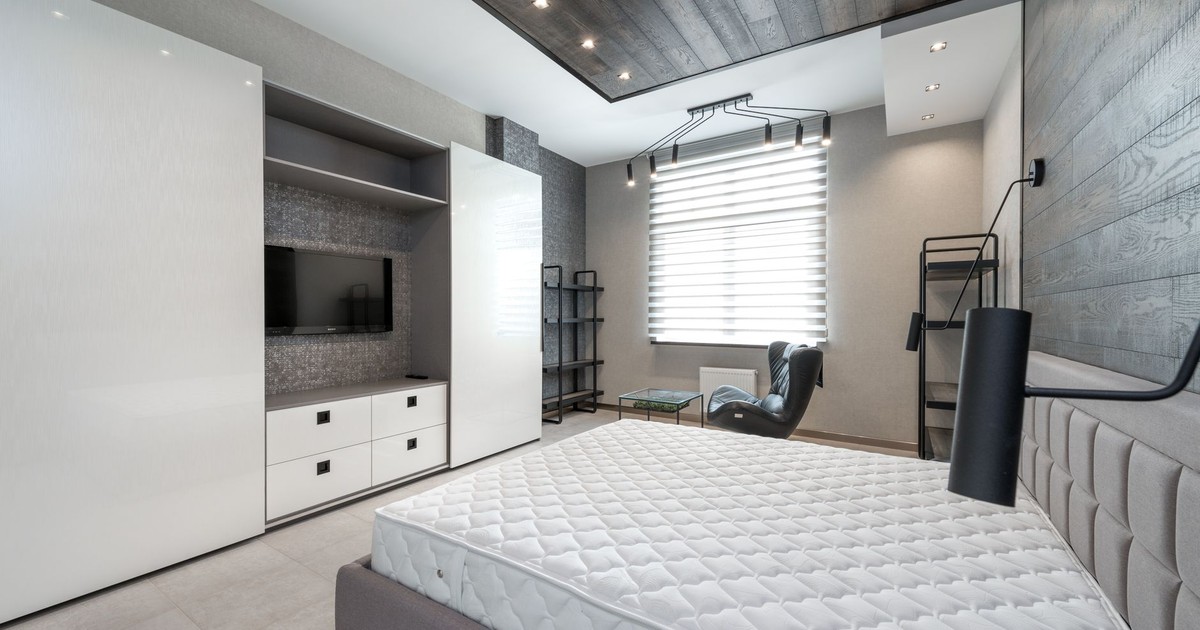

Moving into a smaller home sounds liberating until you’re standing in the old living room trying to figure out whether the bookshelf fits in the new floor plan and whether you even want it to. The square footage shrinks. The stuff does not. Most people who downsize successfully do it through a collection of specific, learnable decisions about where things live and what earns its place.
A smaller home can hold almost everything you use and love. It requires rethinking the walls, the furniture, and a few habits you’ve probably had since you moved into your first place. None of it is complicated. Some of it is borderline satisfying, once you stop grieving the walk-in closet.
What follows are five approaches that address the real problem: getting more function out of less floor space, without the place looking like a storage unit you happen to sleep in.
1. Claim Every Inch of Your Walls
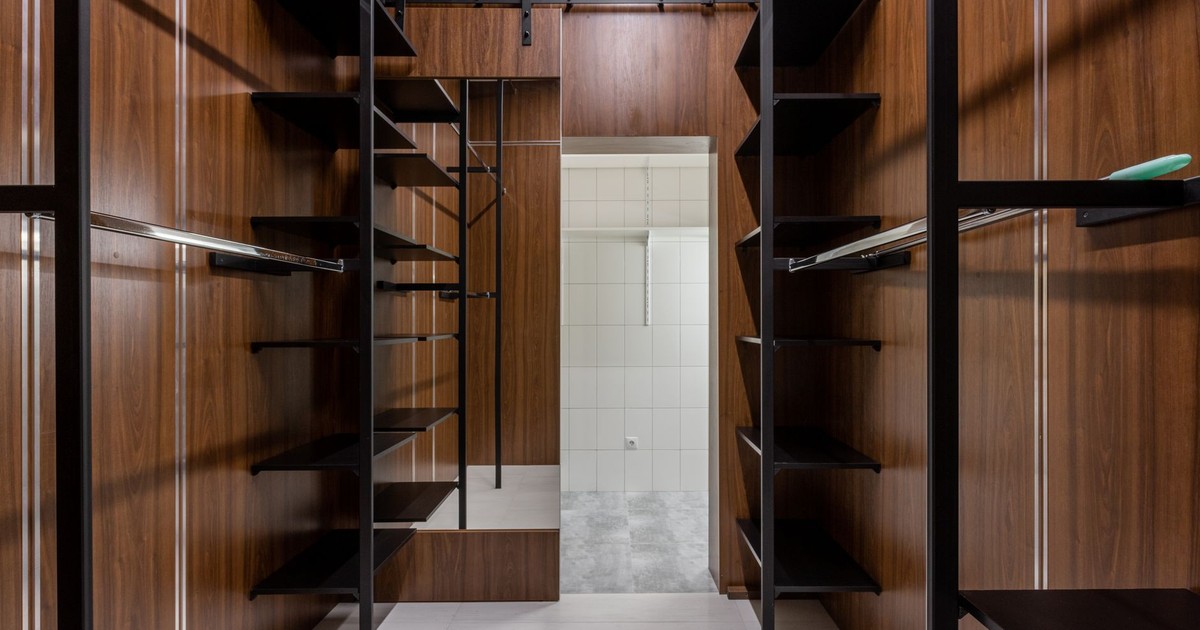
Floor space in a smaller home is precious, but the walls are practically untouched real estate in most houses. When you downsize, the most effective first move is to look up. Floating shelves, wall-mounted racks, and over-door organizers maximize wall space that would otherwise sit empty.
In a kitchen, a magnetic knife strip and a wall-mounted spice rack clear two full drawers without removing anything from daily reach. In a bathroom, a tall over-toilet shelf unit handles everything that used to spill across the countertop. In an entryway, a row of hooks plus a narrow floating shelf with a basket underneath handles coats, bags, keys, and mail in about eighteen inches of wall depth.
The instinct, when moving into a smaller home, is to fill the middle of rooms with furniture and leave the walls bare. This is exactly backwards. Furniture that anchors to walls (shelves, cabinets, mounted desks, pegboards) frees the floor and creates an open feeling even as it stores more. Start in whatever room feels most chaotic when you first move in, get one wall working hard, then move to the next one.
2. Replace Single-Use Furniture With Pieces That Do Two Jobs
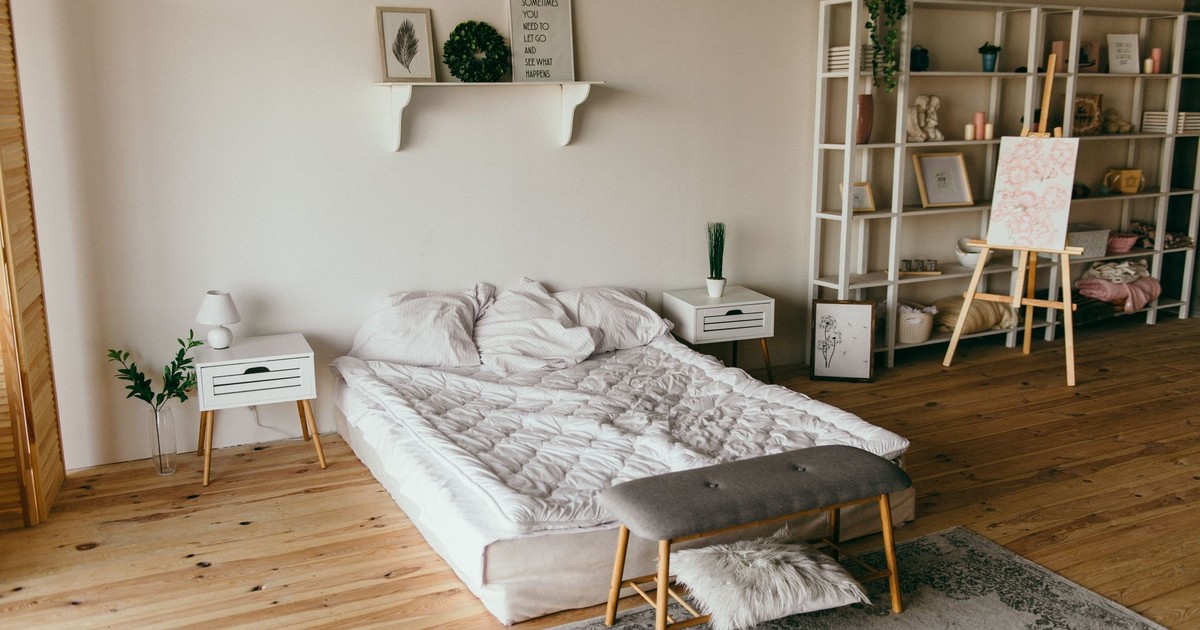
One of the clearest signs of a home that has too much stuff is furniture that exists only to hold other furniture. The side table whose entire job is to hold a lamp. The ottoman that is purely decorative. In a smaller home, single-use pieces are a luxury you cannot afford, not because of money but because of space.
According to a 2025 GlobeNewswire report, the multifunctional furniture market has grown significantly in recent years, fueled by a surge in urbanization and the shift toward smaller living spaces.
The most practical swap most people make first is the bed. A bed frame with deep storage drawers underneath (the kind that can hold off-season clothing, extra linens, or bulky items like a spare duvet) eliminates the need for a separate dresser in a small bedroom. A storage ottoman in the living room handles blankets and games while also functioning as a coffee table and extra seating. A narrow console table with shelves or drawers in the hallway replaces the catch-all bench that tends to accumulate everything nobody knows where else to put. None of these swaps require you to let go of things you use. They just require that the thing holding your stuff is also doing something else.
If you’ve been thinking about how to declutter your home before or during a move, doing it alongside a furniture audit means you’re not just getting rid of things; you’re deliberately choosing what makes the cut and buying a piece that will actually house it.
3. Build in Hidden and Recessed Storage
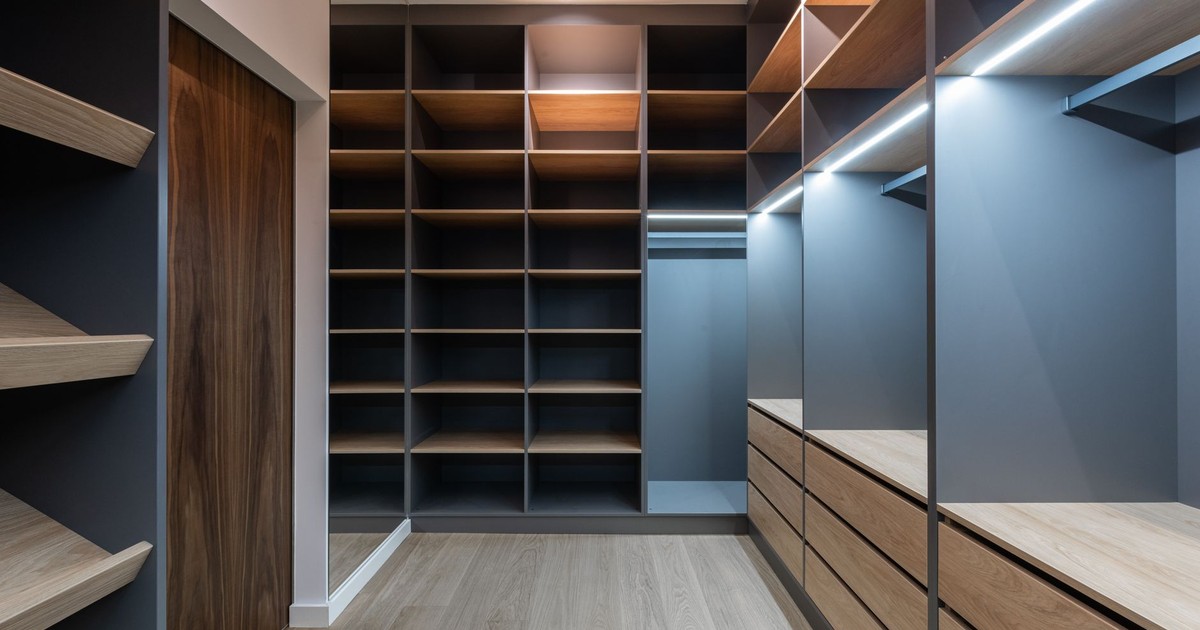
The places most people forget to use aren’t dramatic or architectural. They’re the corners, the nooks, the under-stair space, the gap between the refrigerator and the wall, the empty void below a window seat that nobody thought to put a hinge on. Hidden storage adds capacity without adding visual clutter.
Under the bed is the most accessible version of this. Purpose-built under-bed containers (the kind with lids and wheels that slide out cleanly) can hold a surprising volume of items that would otherwise require a separate closet shelf or storage room. In a kitchen, a pull-out pantry installed in a previously dead strip of wall space between the refrigerator and a cabinet can hold a week’s worth of dry goods in about four inches of depth. These are not renovations that require a contractor for most of them; they’re items you can buy and install with a Saturday and a cordless drill.
Built-in storage goes one step further. Window seats with hinged tops, bench seating in an entryway with lift-up lids, or a simple box frame built around a radiator all add storage that is invisible when closed. Storage should live in spaces that aren’t already doing something else. Every closed door, every unused gap, every corner that currently holds nothing is a candidate.
4. Use a Modular System That Grows With You
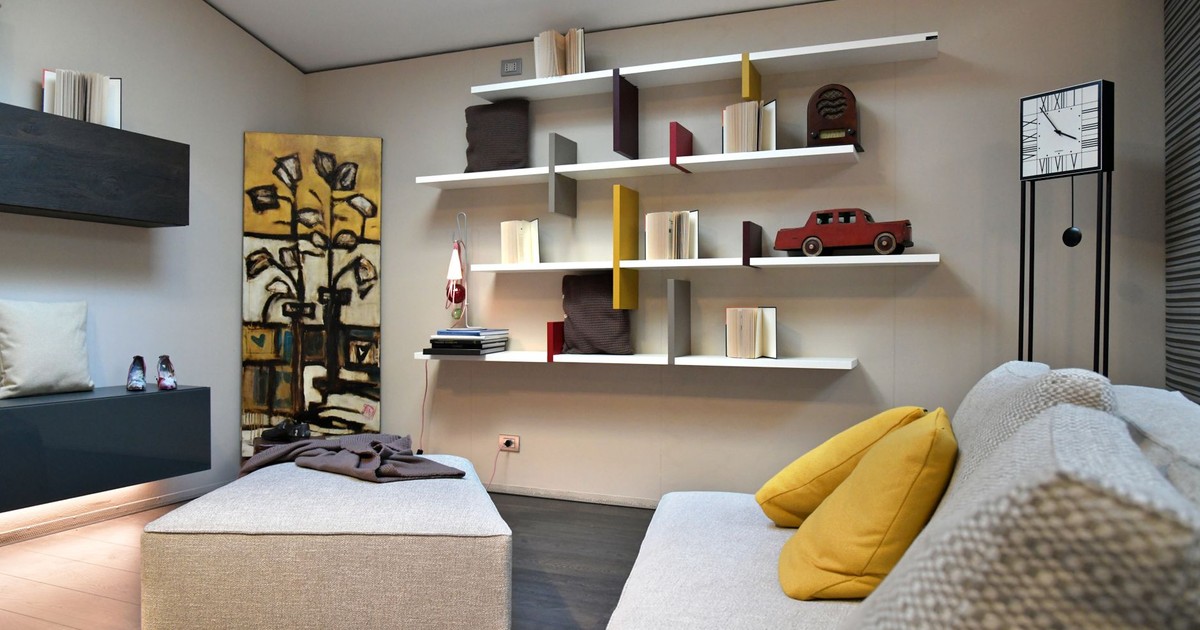
One of the frustrations of downsizing is that what fits in October may not work in January, when the holiday items come back or a relative stays for a month. Rigid, fixed storage systems punish you every time your needs change. Modular storage—systems built from interchangeable units that stack, rearrange, or expand—are particularly well-suited to smaller homes because the individual components can be reconfigured as circumstances shift.
Research on the small-space furniture market points to growing consumer adoption of modular furniture systems that optimize available space while maintaining visual appeal. Cube shelving systems are the entry-level version (widely available, inexpensive, and endlessly reconfigurable). At the higher end, wall-track systems allow you to move shelves, hooks, and baskets around without putting new holes in the wall each time.
The advantage of modular thinking extends beyond furniture. Uniform containers (same size, same lid style, clear or labeled) stack more efficiently than a mismatched collection of bins accumulated over years of grocery runs and impulse buys. A linen closet with eight matching labeled bins holds more and stays organized longer than the same closet with twice the stuff in whatever containers happened to be on sale. The visual consistency is part of the function: when storage looks intentional, you’re more likely to maintain it.
5. Make the Space Feel Larger Without Adding Square Footage
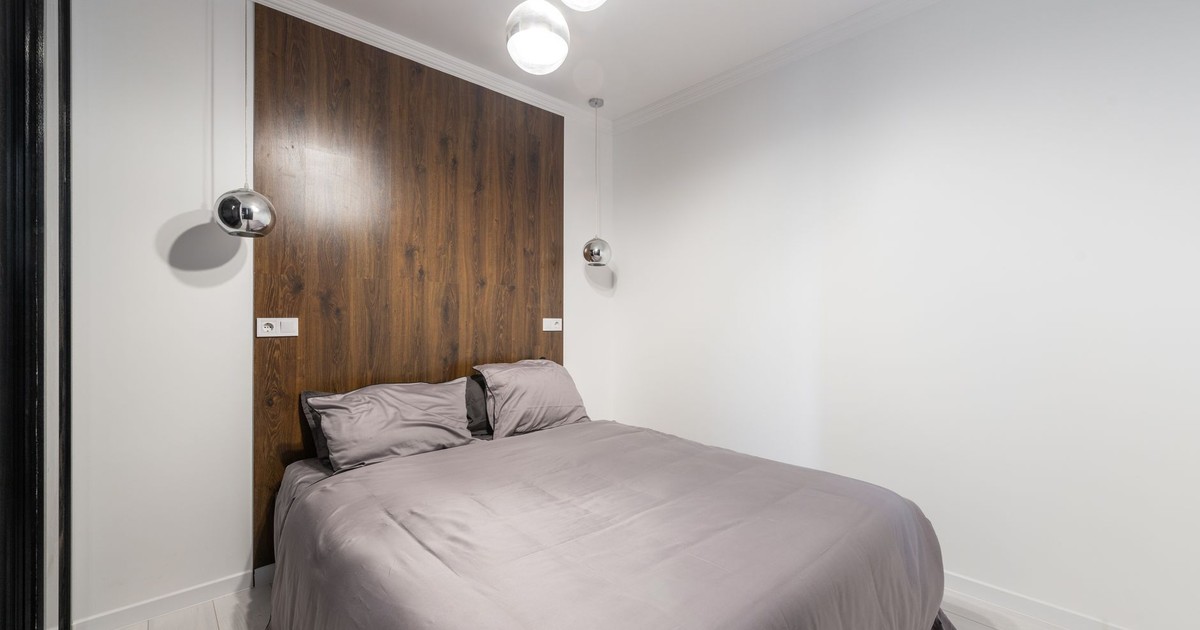
Storage and style are not competing priorities, even in a small home, but they do require each other. A room that looks cluttered is harder to keep organized, because the visual chaos makes it difficult to see what already has a place and what doesn’t. A room that looks open, light, and intentional makes storage easier to maintain, because you can see the system at a glance.
Light colors reflect more light than dark ones, and painting ceiling and walls the same color eliminates the visual boundary between them, making the room feel taller. In a room where you can see clearly, things are less likely to get piled where they don’t belong. A dark corner accumulates clutter the way a dark corner always has. A well-lit room with light walls creates the impression of space that makes smaller rooms livable rather than cramped.
Mirrors placed opposite windows double the apparent depth of a room without costing a single square foot. Low-profile furniture keeps sightlines open and makes ceilings read higher. Consistent color across walls, trim, and larger furniture pieces reduces the visual choppiness that makes small rooms feel disorganized even when they’re reasonably tidy. The design choices do a kind of storage work: they make the room look like there is room for everything, and that perception keeps the habits in place.
Read More: Declutter Your Space: 26 Items to Toss from Your Bedroom and Bathroom
Where to Actually Start

The most common mistake in a downsize is treating it as purely a subtraction project: get rid of enough things and the remaining stuff will fit. That works up to a point, and getting rid of items you no longer need is always a good first step. But the homes that stay organized after a downsize are the ones where storage was designed, not just hoped for.
Start with one room. Map out the walls that aren’t being used. Identify the one piece of furniture that takes up the most floor space and does only one thing. Ask whether it could be replaced by something that does two. Work your way through the hidden spaces (under beds, above doorframes, inside ottomans) and ask what currently lives there, if anything. The goal is not a minimalist showroom. The goal is a home where everything has a place that makes sense, the walls are earning their keep, and the question “where did I put that” has an actual answer.
None of this requires a dramatic reinvention of how you live. It requires a few deliberate decisions, made once, that pay off every single day you spend in the space.
Disclaimer: This information is not intended to be a substitute for professional medical advice, diagnosis, or treatment and is for information only. Always seek the advice of your physician or another qualified health provider with any questions about your medical condition and/or current medication. Do not disregard professional medical advice or delay seeking advice or treatment because of something you have read here.
AI Disclaimer: This article was created with the assistance of AI tools and reviewed by a human editor.