

Flickering lights have a way of being easy to forgive. You tell yourself it’s the bulb, or the dimmer, or just one of those old-house things. You make a mental note to deal with it, and then you don’t, because it stopped, and also because nothing bad happened, and also because there are seventeen other things on your list. I’ve done this myself. Most homeowners have.
Flickering lights electrical problems are not simply an aesthetic annoyance. In most cases, a light that flickers is a symptom of something happening inside your walls that you cannot see, and in a meaningful number of cases, that something is dangerous enough to burn your house down.
The Flicker Is the Symptom, Not the Problem

The misunderstanding most of us carry is that a flickering light is a light problem. Tighten the bulb, swap the bulb, move on. And yes, sometimes that’s true. A bulb that’s slightly loose in its socket can flicker because it’s not making solid contact. That version of the story has a happy ending and costs you nothing.
But the version that should concern you is the one where you tighten the bulb and it keeps flickering. Or the one where multiple lights in different rooms flicker at the same time. Faulty wiring or unstable current can cause bulbs to burn out prematurely or spark fires within walls.
That’s where the danger lives, invisible and, if you’re unlucky, already developing. Fluctuations in power can be caused by loose connections, damaged wiring, overloaded circuits, or electrical panel issues. While some causes are relatively minor, others create excessive heat inside walls, outlets, and electrical equipment. Heat inside walls, with no airflow and plenty of wood framing nearby, is the exact condition that produces a house fire that wakes you up at 2 a.m.
What’s Actually Happening Behind the Switch

When electricians talk about what causes flickering, they tend to point to a short list of culprits, and none of them are trivial problems.
According to Swift Brothers, loose or damaged wiring can cause arcing, a dangerous situation where electricity jumps between connections instead of flowing through wires the way it should. Arcing generates significant heat and is a major fire hazard. Picture a tiny, repeated lightning strike happening inside your wall cavity. The wooden framing doesn’t know it’s supposed to wait before catching. Arcing is responsible for a startling proportion of residential electrical fires, and it produces no sound, no smell you’d necessarily notice, and no warning beyond the light that won’t stop flickering.
Overloaded circuits are another common cause. If your lights flicker when you turn on certain appliances or equipment, the electrical circuit is being asked to supply more power than it can handle, causing a drop in voltage. This is a serious fire hazard and should be addressed by a licensed electrician immediately.
Problems can also originate in the main electrical panel itself. If multiple lights across different rooms are flickering, the problem may lie there. Faulty breakers, corroded connections, or a loose neutral wire can all cause system-wide flickering. These issues create serious safety risks, including the potential for electrical fires, and need to be addressed right away. This is not a DIY fix.
For homes that see flickering across every room simultaneously, the issue may be loose service conductors in the central electrical panel, the main power supply cables that connect a property to the utility grid. Loose service conductors can spark or short circuit if they come into contact with each other or a grounded object. These loose connections are a fire hazard and will require an electrician to repair them as soon as possible.
The Numbers Behind the Warning
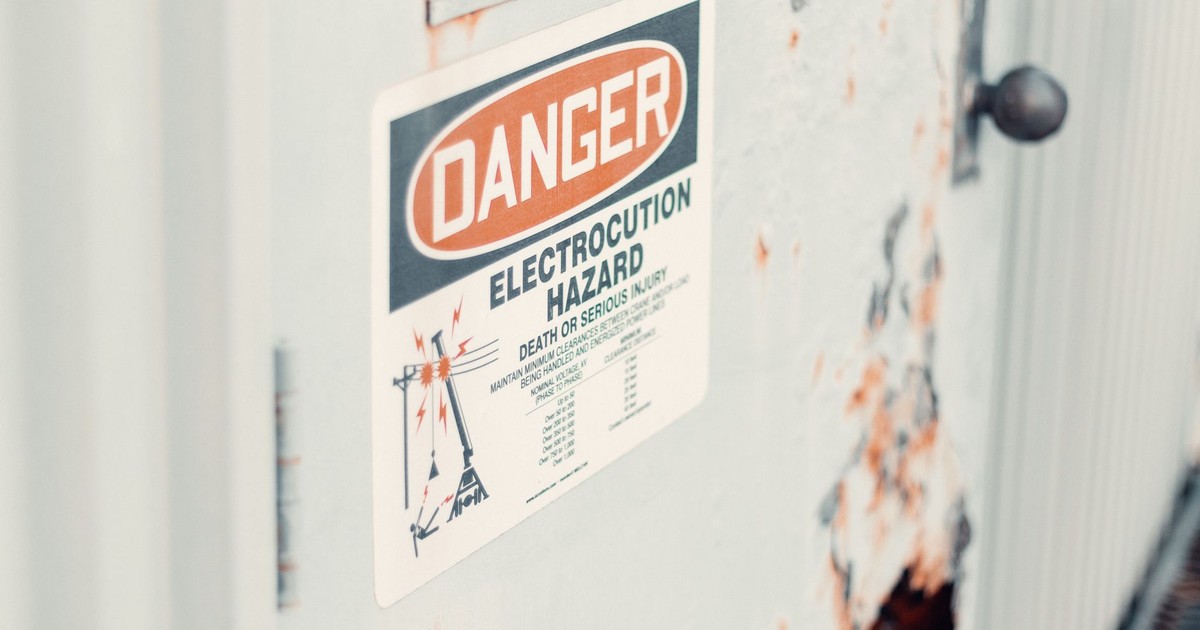
According to the U.S. Fire Administration, there were 23,700 residential building fires caused by electrical malfunctions in 2023. These fires caused hundreds of deaths and injuries, along with approximately $1.2 billion in property damage. For context, that’s roughly 65 homes catching fire every single day of the year due to electrical issues. The ten-year period from 2014 to 2023 saw a 2 percent increase in residential electrical malfunction fires, a 19 percent decrease in deaths, but a 2 percent increase in injuries and a 28 percent increase in dollar loss. More fires. More costly fires. And while fewer people are dying, likely due to better smoke detector adoption, people are still getting hurt, and the financial devastation is climbing.
In 2024, 1.39 million U.S. fires caused 3,920 deaths and $19.1 billion in damage, with home fires accounting for 75 percent of civilian fire deaths and injuries, according to the NFPA’s U.S. Fire Loss in 2024 report. Home fires remain the dominant driver of civilian fire casualties in this country. And electrical malfunction, the category that includes every arcing wire and every overloaded panel and every flickering light that someone decided to deal with later, is consistently among the leading causes.
The Counterargument I Actually Respect

Here is the strongest opposing argument: most flickering lights are benign, most homeowners who notice them never experience a fire, and creating widespread anxiety about a common household quirk is disproportionate to the actual risk any individual household faces.
That is a fair point. The probability that your specific flickering light will result in a structural fire is, statistically, not high. Many flickers have simple explanations: a bulb at the end of its life, a dimmer switch incompatible with LED bulbs, a neighbor’s heavy appliance pulling on a shared transformer line. These do not require an emergency electrician visit.
But here is where the counterargument breaks down: we are notoriously bad at distinguishing between the benign flicker and the dangerous one without professional assessment. The problem is that both the harmless version and the dangerous version look identical from the living room couch. You cannot feel the difference between a loose bulb and an arcing wire behind the drywall. Neither can I. Neither can most homeowners.
The argument for ignoring flickering lights rests on the hope that your particular flicker is the benign kind. That is a bet worth examining before you make it silently for the third month in a row.
Older Homes Carry a Heavier Burden

If the home you live in was built before 1980, the stakes of the flickering-lights conversation are meaningfully higher. Electrical codes have changed substantially over the decades, and what was acceptable wiring practice in 1965 can be a genuine liability in a home that now runs dishwashers, HVAC systems, multiple refrigerators, EV chargers, and a full suite of always-on electronics. Loose or faulty wire connections and voltage fluctuations are particularly dangerous when it comes to electrical fires. When the wiring is faulty, loose, or outdated, it may be more prone to arcing and overheating, which can start fires. Voltage fluctuations can overload electrical panels, also leading to overheating and hot wires that could spark and catch fire.
Older knob-and-tube wiring was never designed to handle modern electrical loads. Aluminum wiring from the 1960s and 70s expands and contracts differently than copper, loosening connections incrementally until something fails. None of this produces a visible warning sign inside your walls. All of it can produce a flickering light on the other side of those walls. The very article on preventing house fires that firefighters keep wanting people to read comes back, again and again, to the same underlying issue: older electrical systems that were never upgraded to match how people actually live now.
When to Tighten the Bulb and When to Call Someone
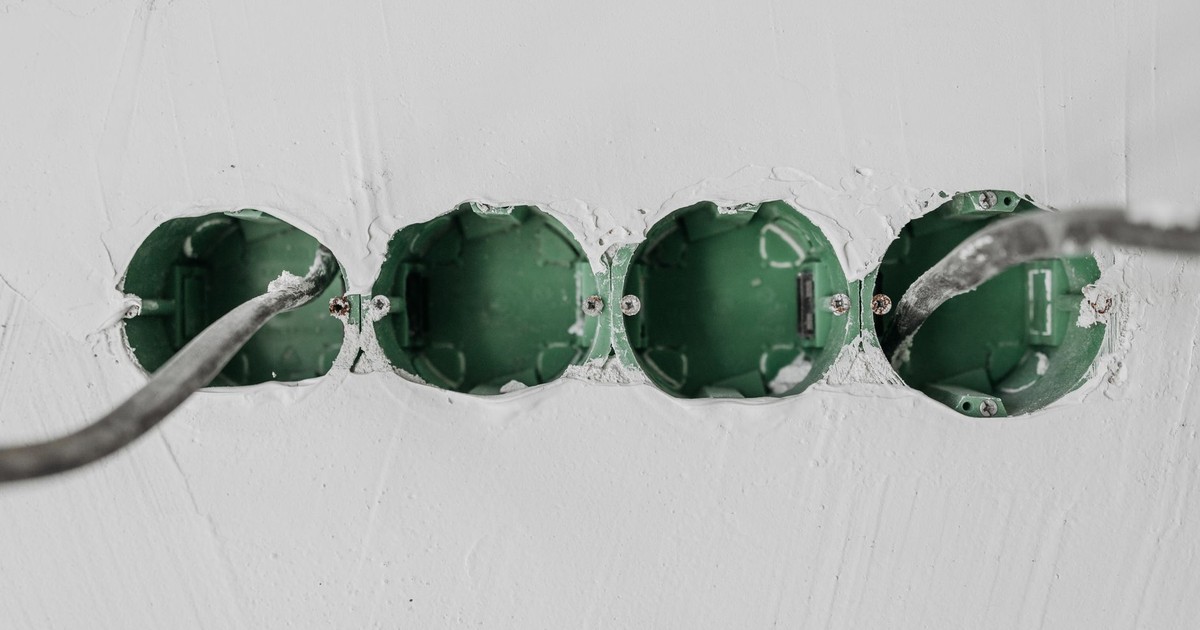
Tighten the bulb first, always. If a single fixture is flickering and it stops after you’ve made sure the bulb is firmly seated, you’re probably fine. If the same fixture has been flickering intermittently for months regardless of which bulb you put in it, that fixture or its wiring deserves a closer look.
Check your dimmer compatibility. LED bulbs and older dimmer switches are frequently incompatible, producing flickers that have nothing to do with wiring safety. Replacing the dimmer with an LED-compatible model often resolves this immediately.
Then pay attention to the pattern. Single room, single fixture, and it stops when you adjust the bulb? Probably benign. Flickering when you run the washing machine or air conditioning? That circuit is likely being overtaxed and needs assessment. Flickering across multiple rooms simultaneously, especially if accompanied by any buzzing sound, burning smell, or warm outlet plates? Stop reading and call an electrician today.
Electrical malfunction is the leading cause of residential building attic fires, responsible for 43 percent of all attic fires, and those fires spread rapidly. A third spread to involve the entire building, according to USFA attic fire data. An attic has no occupants to smell smoke. It has no smoke detectors in most homes. It has insulation, wood framing, and no one watching. The flicker you attributed to an old dimmer may have been warning you about what was happening above the ceiling.
Read More: Fire Safety Tips for Preventing House Fires, from the Laundry Room to the Kitchen
What This Is Actually About

I’ve argued that flickering lights deserve serious attention, and I’ll stand by that. But I want to be honest about what makes this hard: we live in homes with a constant low hum of things that need attention, and triage is real. Not everything can go to the top of the list. The leaky faucet waits. The cracked grout waits. The flickering light in the upstairs hallway waits.
The distinction I’d ask you to make is between things that wait passively and things that get worse while they wait. A cracked tile doesn’t arc. A slow faucet doesn’t generate heat inside your wall cavity. Flickering lights electrical problems, when they originate from wiring rather than a loose bulb, tend to worsen incrementally as connections loosen further, as arcing repeats, as heat cycles through wood framing over months. They are not waiting the same way your grout is waiting.
You don’t have to call an electrician tomorrow for every flicker in the house. But I think you should stop treating it as something that doesn’t require a decision. The decision to keep watching it is still a decision, and it’s one that is worth making consciously, with eyes open, rather than by default.
Disclaimer: This information is not intended to be a substitute for professional medical advice, diagnosis, or treatment and is for information only. Always seek the advice of your physician or another qualified health provider with any questions about your medical condition and/or current medication. Do not disregard professional medical advice or delay seeking advice or treatment because of something you have read here.
AI Disclaimer: This article was created with the assistance of AI tools and reviewed by a human editor.