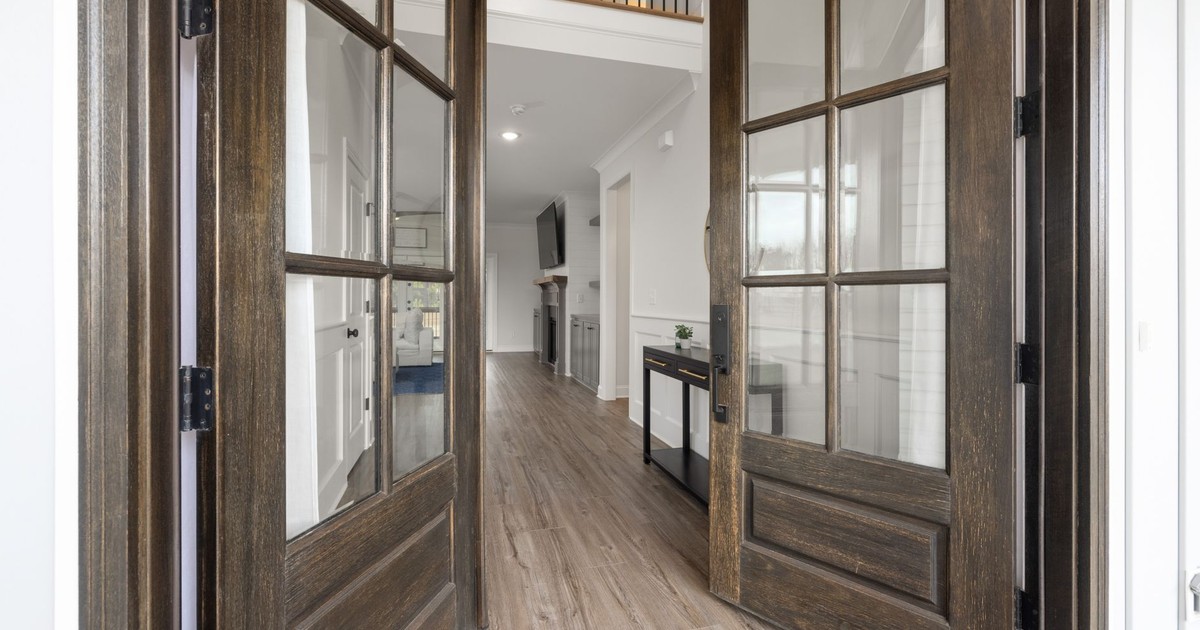

The entryway is the one room in your house that everyone sees and almost nobody decorates with real intention. It gets the coats, the shoes, the stack of mail that’s been there since November, and whatever bag you dropped when you walked in last Tuesday. And then you wonder why it doesn’t feel welcoming.
The entryway sets an expectation for everything that follows. Walk into a home where the entry is clear, lit warmly, and has one good-looking thing on the wall, and you already feel at ease before you’ve seen a single other room. Walk into one that’s cluttered, dim, and crowded with things nobody can identify, and the whole house feels harder, even if the living room is beautiful.
Entryway design welcoming enough to make that second kind of feeling impossible doesn’t require a renovation or a budget that frightens you. It requires attention to a handful of specific things, applied in the right order.
1. Clear the Clutter Before You Add Anything Else
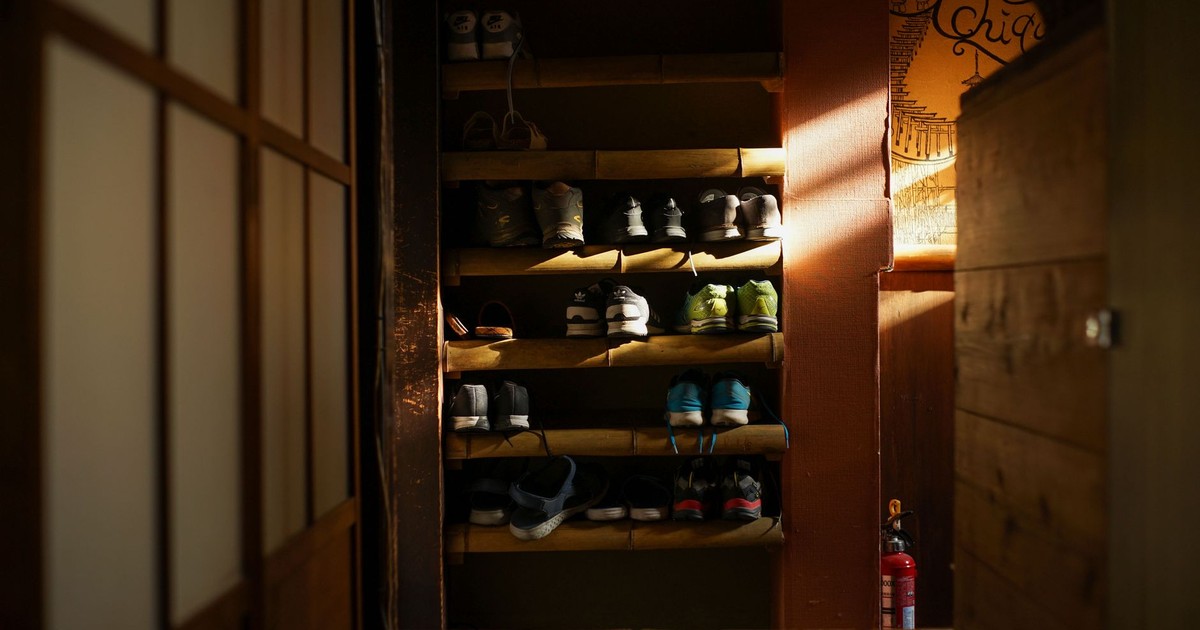
No amount of styling fixes a pile. Clutter absorbs every good design decision made on top of it.
The entryway collects things because it’s the first surface you encounter when you come home, which makes it the default landing zone for everything that hasn’t found its permanent home yet. Keys, sunglasses, library books, sports equipment, three umbrellas (two of which are broken), and, in many households, a rotating cast of items that technically belong somewhere else in the house and are just resting here on their way there.
Every item visible in an entryway should either be actively useful there or genuinely beautiful. Things that are neither should live somewhere else. Once the slate is clear, everything else on this list becomes dramatically easier to execute.
2. Start With the Right Lighting
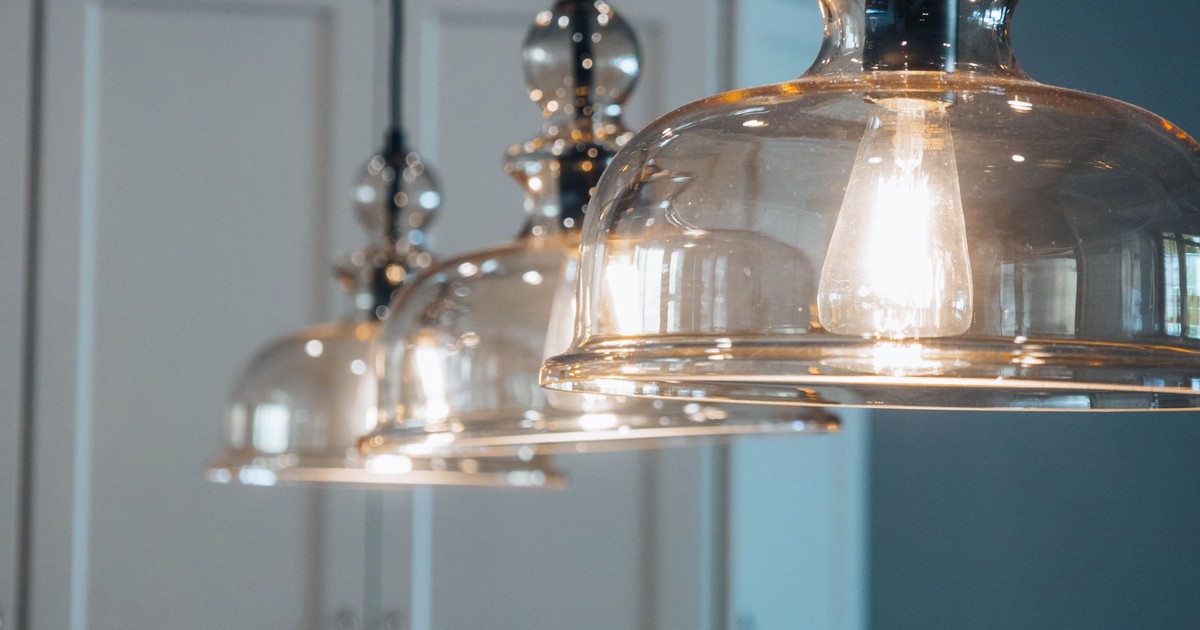
Lighting does more work in an entryway than in almost any other room because there’s usually so little of it to play with. Most entry halls are small, often have no windows, and are lit by a single overhead fixture that someone installed fifteen years ago and has not thought about since. The result is a space that reads as a corridor rather than a welcome.
One of the most effective upgrades in a small entryway is combining a mirror with warm lighting, since warm light creates a softer, more welcoming atmosphere compared to harsh white light. The difference between a cool-white bulb and a warm-white one (around 2700K to 3000K on the color temperature scale) is significant enough that it changes the entire emotional register of the space. Cool light makes an entryway look like the inside of a hardware store. Warm light makes it look like someone thought about you before you arrived.
Layered lighting – overhead fixtures used in combination with sconces or floor lamps – contributes to both function and mood. A single pendant or flush-mount overhead is rarely enough on its own. Add a table lamp on a console, a pair of sconces flanking a mirror, or even a small plug-in lamp on a shelf, and the difference is immediate.
3. Hang a Mirror (and Make It a Good One)
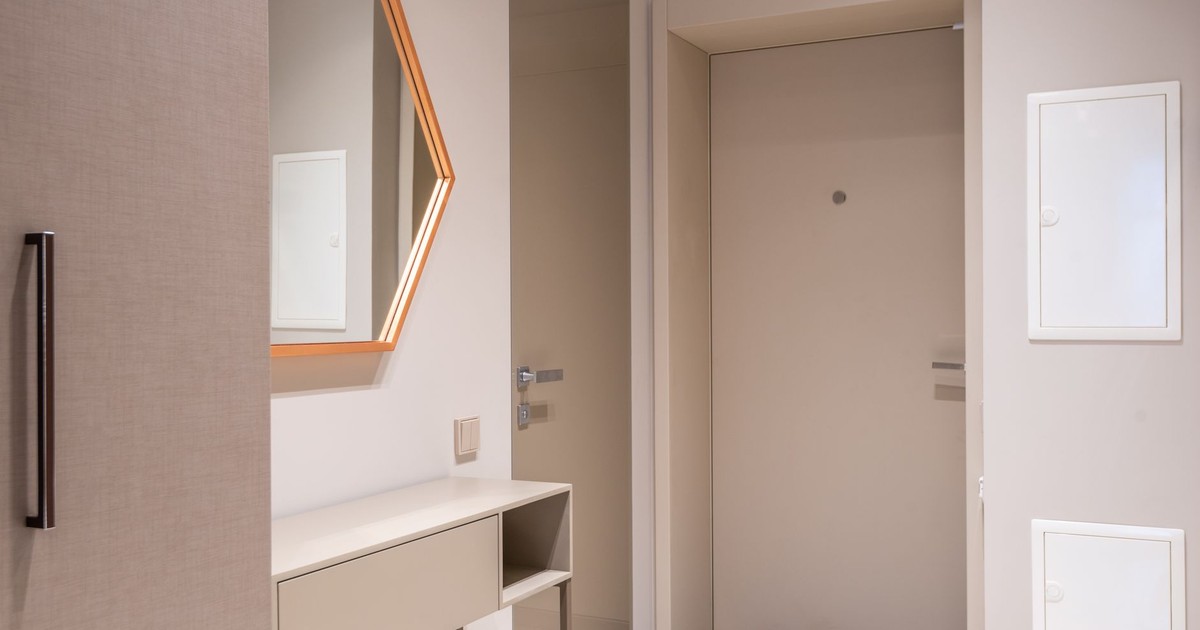
The mirror has been an entryway staple for so long that it’s easy to treat it as a formality rather than a decision. But the mirror you choose – its shape, its frame, its scale – does a surprising amount of work. It reflects light into what is often a dark space, it makes a narrow entry feel wider, and it gives people a place to check themselves before they walk out the door, which turns out to be something everyone wants.
An arched mirror brings softness to a boxy space. An oversized round mirror above a console creates balance and scale. A brass-framed mirror warms up a room that’s running cool in its color palette.
A round mirror above a slim cabinet reflects light and expands a narrow entry zone, while a few selected pieces on the surface keep things controlled and organized. The scale you choose matters: a mirror that’s too small for the wall it hangs on looks like an afterthought. The general rule is to go larger than you think you need and let it anchor the wall.
4. Bring In a Console Table (Even a Slim One)
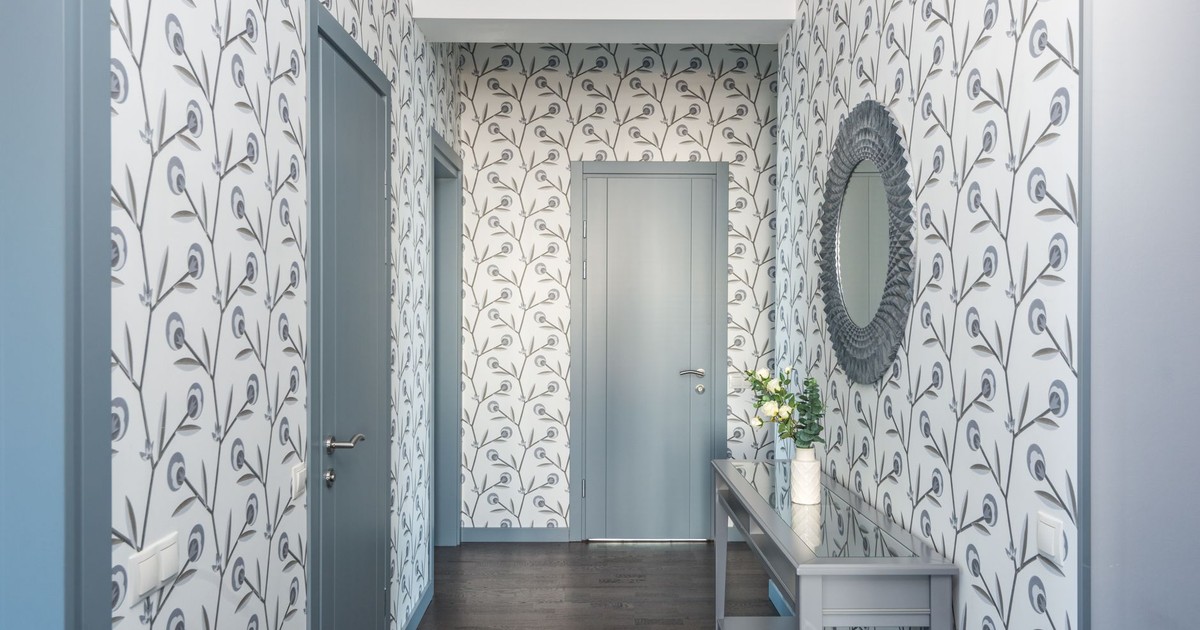
A console table is the piece that makes an entryway feel like a room rather than a corridor. It gives the space a focal point, a surface for meaningful objects, and a visual anchor that everything else can organize itself around. In entries with limited floor space, a slim-profile console – roughly 10 to 14 inches deep – keeps the path clear while still delivering all of those things.
What goes on top of the console matters as much as the table itself. An angled-leg console can create a strong visual base that holds the entire entry composition, while a round mirror above softens vertical wall panels behind it. A mix of greenery, framed art, and a table lamp builds a balanced surface without crowding, with the real success coming from the contrast between the weight of the table and the lighter shapes and textures in the decor, which keeps the entry open rather than rigid. The surface shouldn’t try to do everything – a lamp, one object with personal meaning, and something living (more on that in a moment) is a complete arrangement.
5. Add Something Living
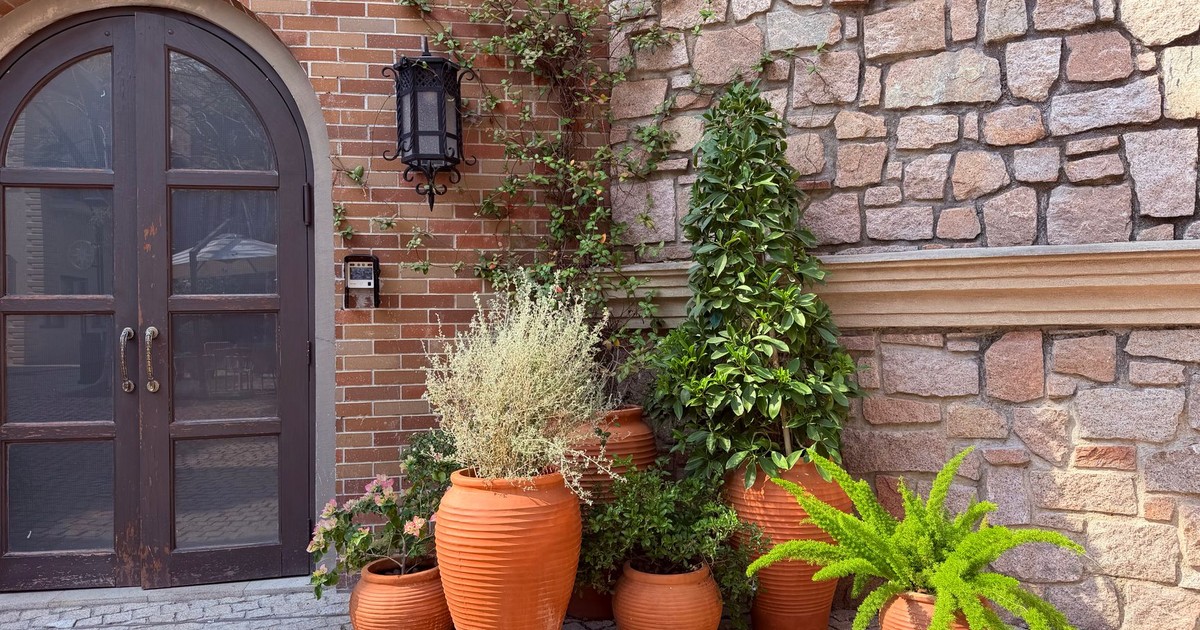
A well-placed plant tells a visitor – and tells you, every time you walk in – that someone here pays attention. It’s an act of care made visible, and it registers at a level that’s almost impossible to fake with a vase or a print. Decor objects hold a space; a plant inhabits it.
A tall architectural plant like a snake plant or a fiddle-leaf fig in the corner of an entry reads as confident and intentional without demanding much effort. A trailing plant on a console shelf softens hard furniture lines. Even a small succulent on an otherwise empty surface is better than nothing – though a single well-chosen, properly sized plant is almost always better than several small ones scattered around the space.
For entries with low light, a snake plant is a reliable choice. Snake plants tolerate low-light conditions well, though they grow and look their best in bright indirect light. As explored in this guide to the snake plant, that resilience and minimal maintenance demand make them a practical option for entryways, which are rarely the brightest room in the house.
6. Use Color Thoughtfully
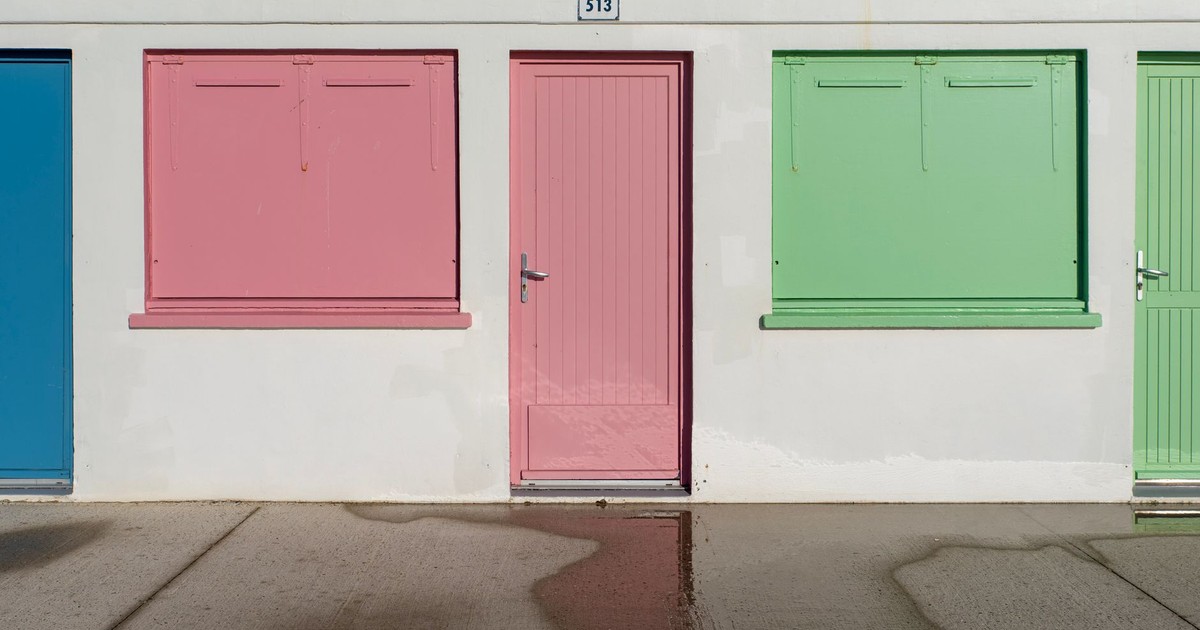
The entryway is the one place in a home where you can take a color risk that the rest of the house doesn’t have to commit to. Because it’s small, a bold wall color is contained. Because it’s the first room someone sees, a deliberate color choice sets a tone that the rest of the home then either confirms or surprises. Either way, something is being communicated.
A thoughtfully chosen color palette reflects the mood and style of the entire home, with soft neutrals, earthy greens, or deeper shades like navy blue or charcoal gray creating a welcoming effect while adding a sense of unity. The more interesting move, if you want one, is to take a color from deeper in the house and bring it forward into the entry at a higher intensity – so the entry hints at what’s coming rather than standing apart from it. Rather than busy prints, many homeowners are choosing subtle textures, soft patterns, or organic-inspired designs that add warmth without overwhelming a compact space.
Painted ceilings in entryways have also gained traction as a way to add drama in a small footprint. A ceiling painted in a deeper version of the wall color pulls the eye upward, makes the room feel taller, and gives the entry a sense of envelope that larger rooms can’t achieve as easily.
7. Solve for Storage Without Hiding Everything
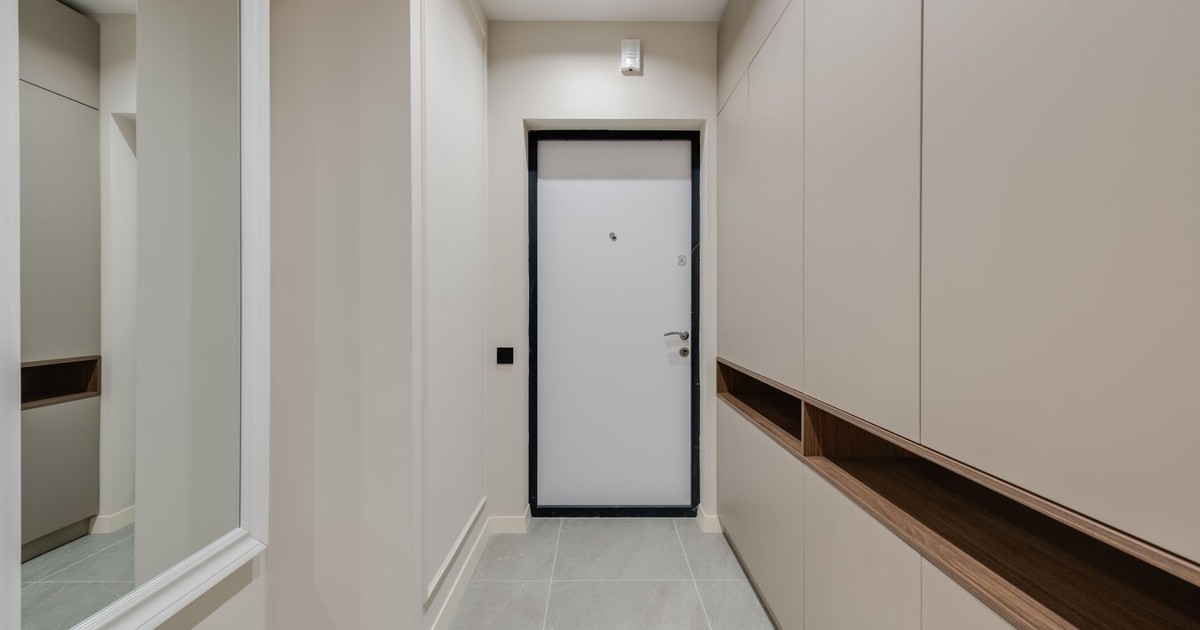
Good entryway storage is intentional and partially visible – not a futile attempt to eliminate all evidence that people live there, and not an open invitation for chaos to accumulate on every surface.
A slim wooden console with a woven basket underneath provides subtle storage for gloves, scarves, or quick-grab items without overwhelming the overall look of the space. Hooks are among the most underrated entryway tools: a row of good-looking hooks at the right height keeps coats off the floor, bags off chairs, and gives everyone in the household a place for their things without requiring a separate piece of furniture. The key word is “good-looking” – hooks come in a wide range of finishes and profiles, and the ones you choose should match the hardware and fixtures already in the space rather than announcing themselves as a purely utilitarian add-on.
Benches with storage inside are another practical move, particularly for households with children. A bench gives people a place to sit while putting shoes on and off – which sounds obvious but makes an enormous difference in whether people actually use the entryway as intended. The ones with hinged tops or lower shelves keep footwear contained without requiring a separate shoe rack, which, in most entries, is just one more thing to trip over.
8. Pay Attention to What’s Underfoot
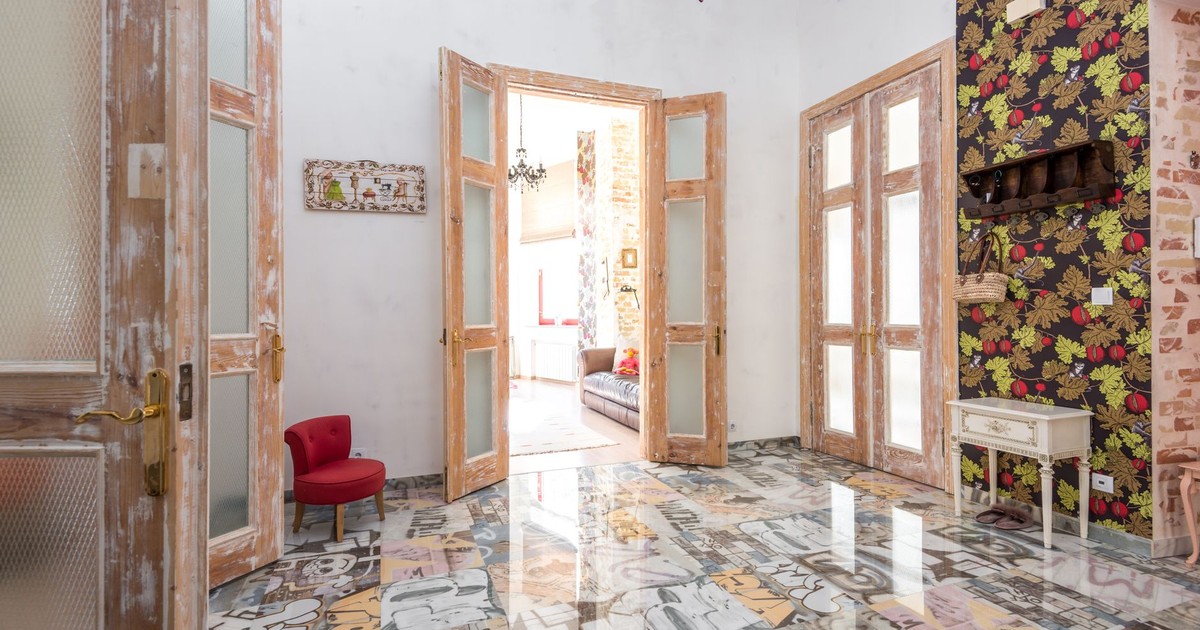
The floor is the largest surface in the entryway and the one that gets the most traffic, yet it’s frequently the last thing people think about. A worn mat that’s been there since the previous owners. A tile floor that’s clean but cold. A wood floor that looks beautiful but offers nothing to define the space or soften the arrival. The right rug or runner changes all of it.
Rugs are an excellent way to define a space, and the choice should account for durability and ease of cleaning, since the entryway sees heavy foot traffic. A flatweave or low-pile rug is easier to maintain than a thick pile in a space where dirt walks in through the door daily. Pattern in an entryway rug works well because it conceals what inevitably accumulates on it – a practical truth that designers sometimes phrase more delicately.
Interesting tile on the floor is another option that designers regularly recommend for entries – it adds both style and purpose, and it holds up to the wear that a soft rug cannot. For those with existing tile or hard floors who’d rather add a textile layer, the scale of the rug matters: it should be large enough to feel intentional rather than like a postage stamp dropped in the middle of the floor. In a standard entryway, that usually means going at least one size up from what seems instinctively right.
Read More: 25 Stunning Blue Interiors to Inspire Tranquility and Calm
What the Entryway Is Really Saying
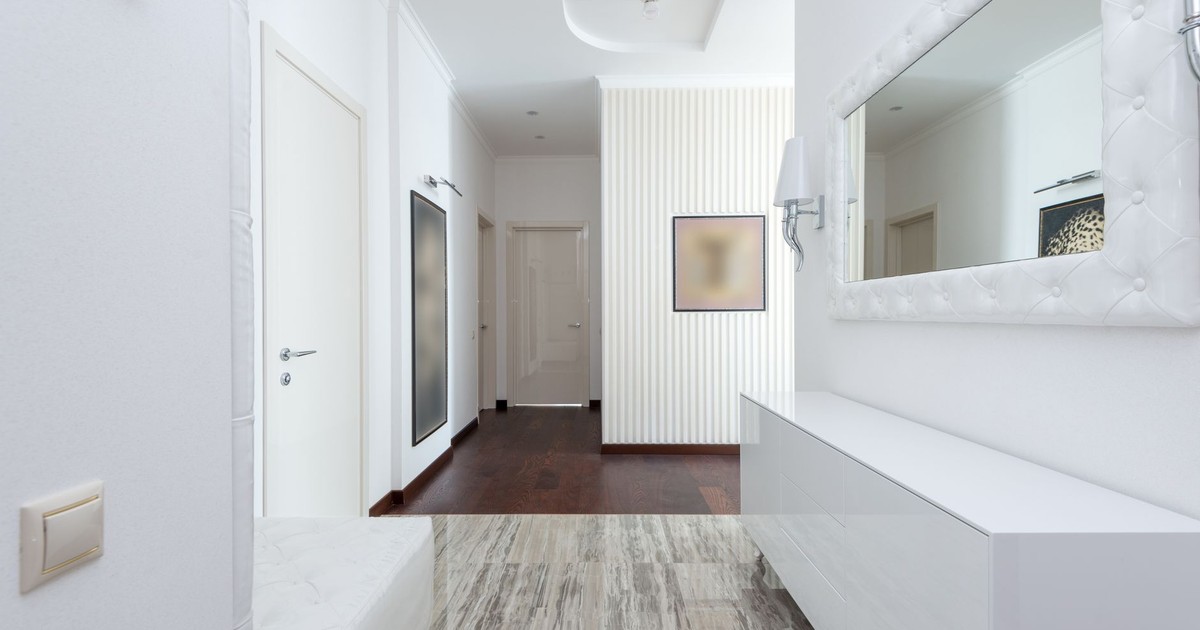
A space you walk through twice a day, every day, shapes how you arrive home and how you leave it. An entry that’s cluttered and dark tells you something about the day before you’ve even taken your coat off. One that’s clean, warm, and has one good plant and a lamp that’s actually on – that one does something else entirely. It tells you that the rest of the house is waiting, that someone paid attention to the transition, that you’re allowed to exhale before you’ve even hung anything up.
None of the changes on this list are large ones. A different bulb, a mirror at the right scale, a bench that earns its floor space, a plant that survived the month. Taken together, they make a room that greets you.
Disclaimer: This information is not intended to be a substitute for professional medical advice, diagnosis, or treatment and is for information only. Always seek the advice of your physician or another qualified health provider with any questions about your medical condition and/or current medication. Do not disregard professional medical advice or delay seeking advice or treatment because of something you have read here.
AI Disclaimer: This article was created with the assistance of AI tools and reviewed by a human editor.