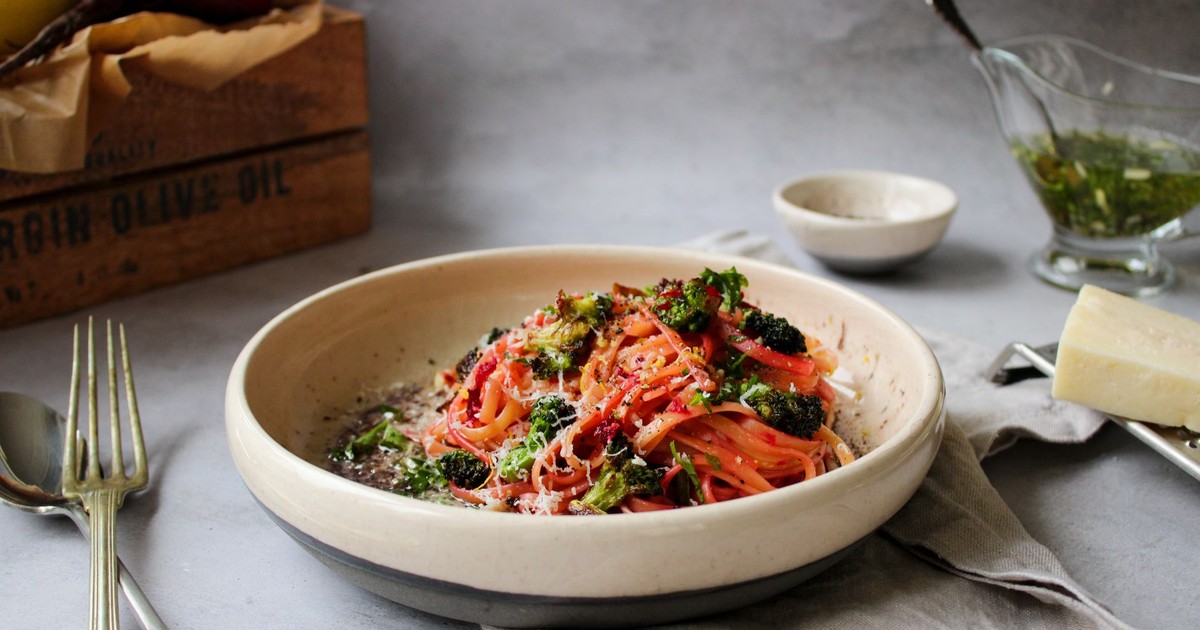

Whole wheat pasta contains roughly twice the fiber of white pasta, which feeds the microbiome and potentially improves insulin sensitivity. The right pasta, built with the right ingredients, can load a weeknight dinner with prebiotic fiber, polyphenols, and fermentable starches.
Plant-based diets rich in fiber promote the growth of beneficial gut bacteria by contributing to elevated production of short-chain fatty acids (SCFAs), which play a vital role in maintaining gut health and modulating inflammation. The ten dinners below are built on that logic: a high-fiber base, a sauce or protein that feeds microbial diversity, and vegetables that bring polyphenols and prebiotic compounds into the mix.
1. Whole Wheat Spaghetti with Walnut Pesto and Roasted Tomatoes
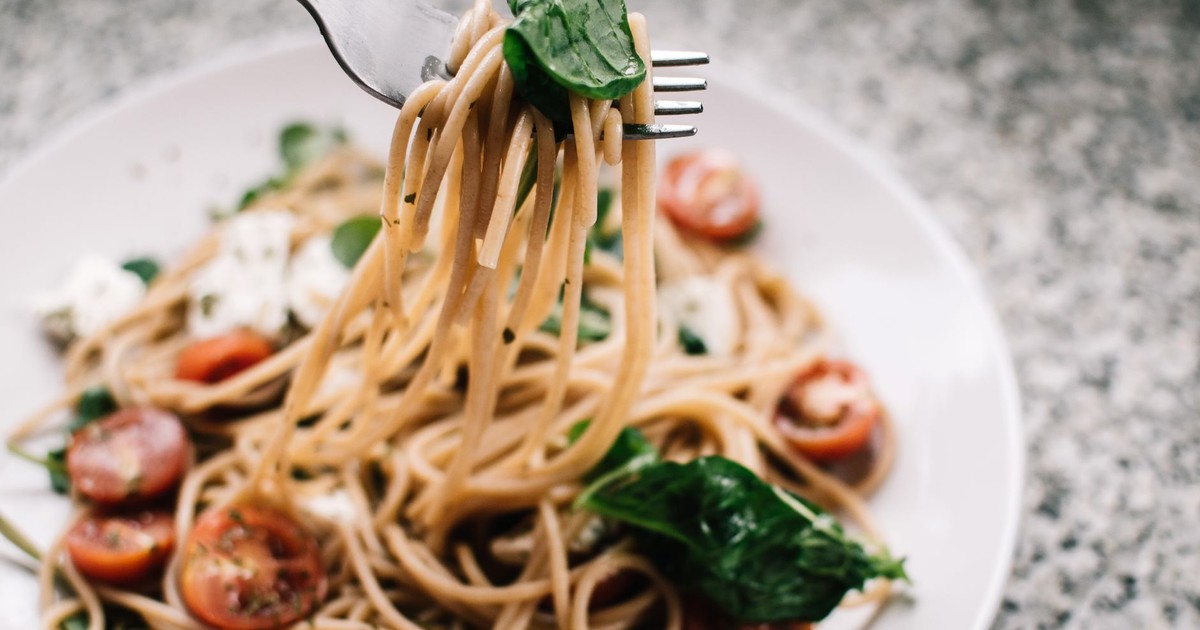
Whole wheat pasta contains roughly twice the fiber of white pasta, meaning you’re starting the meal with a structural advantage before the sauce even touches the bowl. The walnut pesto earns its place because walnuts bring polyphenols, which beneficial gut bacteria ferment into compounds associated with reduced inflammation.
Blend walnuts with fresh basil, a hard aged cheese like Pecorino Romano, olive oil, and a squeeze of lemon. The fat in walnuts slows gastric emptying, which means the fiber in the pasta has more time to do its job in the digestive tract.
Roasted cherry tomatoes add lycopene and a natural sweetness. Roast them at 400°F with olive oil and a pinch of flaky salt until they blister and collapse, then fold them into the pesto right before serving.
2. Chickpea Pasta with Spinach, Garlic, and Lemon
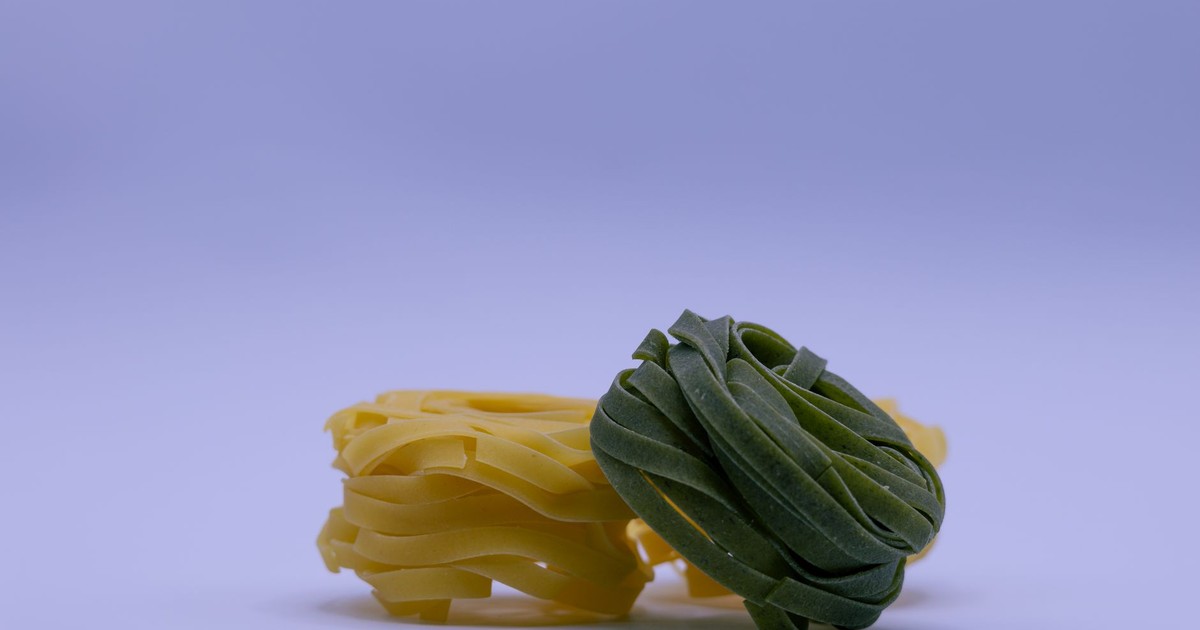
Chickpea pasta has a different nutritional profile than wheat pasta. It’s rich in fiber, and its high complex carbohydrates offer a slower release of energy, making it effective for maintaining stable blood sugar levels. Raffinose oligosaccharides derived from chickpeas have prebiotic properties that can promote probiotic strains.
Pair it with generous handfuls of baby spinach wilted directly into the pan with good olive oil, sliced garlic, red pepper flakes, and a heavy squeeze of lemon at the end. The garlic and olive oil add their own prebiotic and anti-inflammatory credentials.
One practical note: legumes contain oligosaccharides, complex sugars that can be difficult for some people to break down. If your system isn’t used to high levels of legume fiber, these pastas can lead to temporary gas and bloating as your bacteria adjust. Start with a smaller serving if chickpea pasta is new to you.
3. Lentil Pasta with Roasted Red Pepper and Ricotta
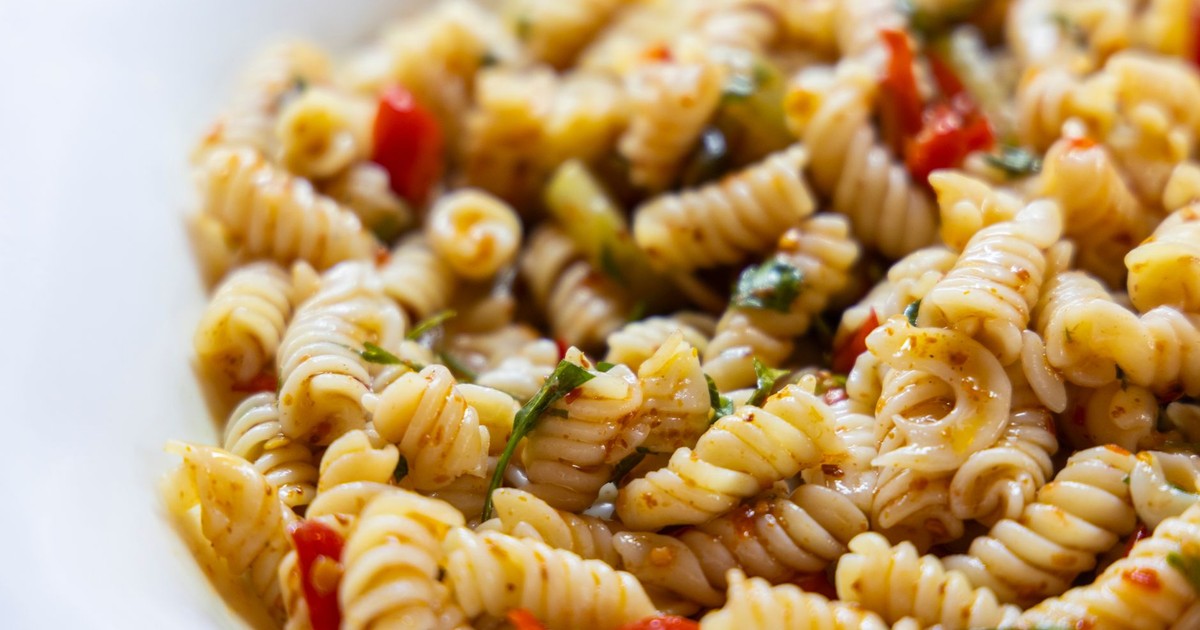
Lentil pasta brings impressive protein content. Lentils are an excellent source of plant-based protein and rich in fiber, iron, folate, and potassium.
A 2024 study published in Current Research in Food Science found that lentil-based pasta decreased food intake and increased satiety compared to traditional pasta in healthy volunteers, which explains why a lentil pasta dinner tends to keep you full well past 9 p.m. in a way that regular spaghetti often doesn’t.
Roast jarred red peppers (or char fresh ones directly over a gas burner and peel them) then blend into a smooth sauce with a splash of pasta water and a clove of roasted garlic. Toss with lentil pasta and finish with a generous dollop of whole-milk ricotta per bowl.
4. Whole Grain Linguine with Miso-Butter Clams
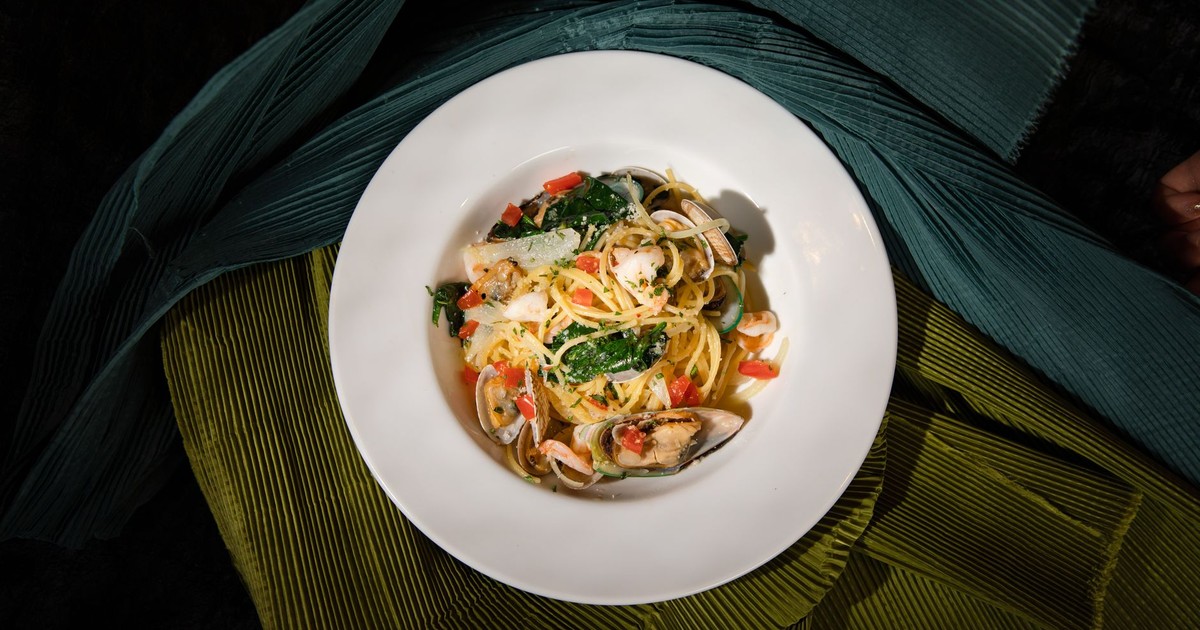
Whole grain linguine gives you the fiber base; the clams bring zinc and B12; and the miso introduces live cultures into the equation. Miso is a fermented paste made from soybeans, often with rice or barley, and it’s one of the most approachable fermented ingredients you can cook with.
Stir a tablespoon of white miso into butter with minced garlic, then add fresh clams, a splash of dry white wine, and a lid. The clams steam open in about five minutes. Toss with the linguine, finish with fresh parsley and a wedge of lemon, and eat immediately.
Add the miso butter off the heat, or at the very end of cooking. High heat kills the live cultures that make fermented foods worth including, so let the pan cool for thirty seconds before stirring the miso in.
5. Soba Noodle Bowl with Edamame, Cucumber, and Sesame-Ginger Dressing
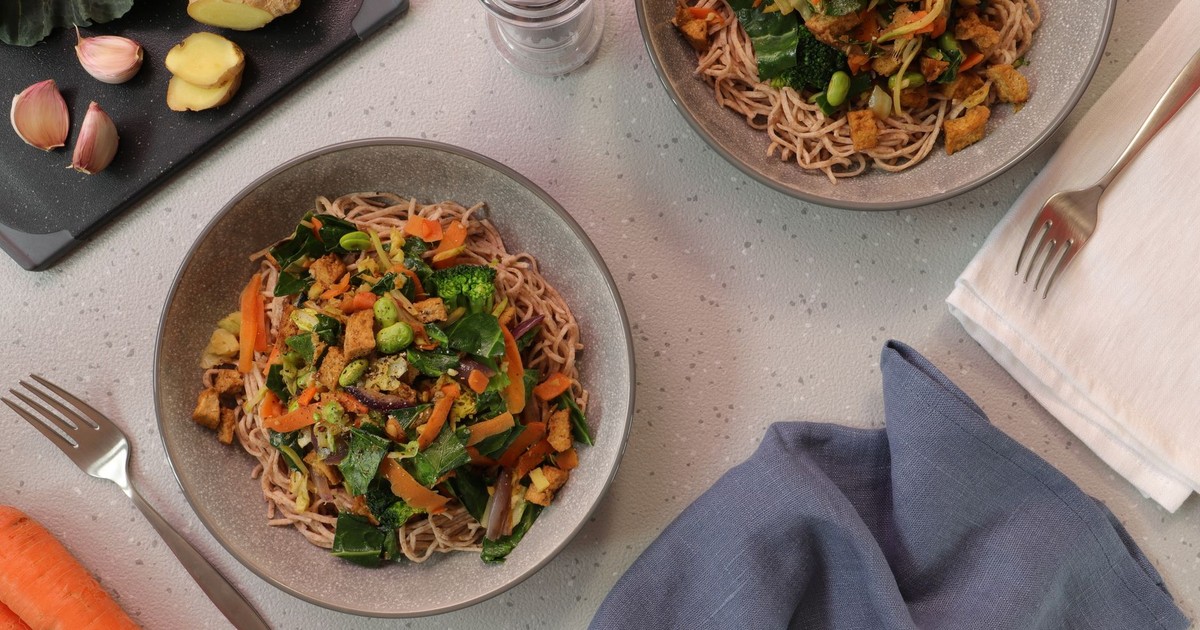
Soba noodles are made from buckwheat, which is naturally gluten-free, but most commercial soba blends contain added wheat flour and are not gluten-free — only varieties labeled 100% buckwheat are safe for those avoiding gluten. Buckwheat contains rutin, a flavonoid compound, and resistant starch, both of which have prebiotic-adjacent effects on gut bacteria.
Cooking soba noodles and chilling them increases their resistant starch content, giving them prebiotic value whether served cold or at room temperature. Cook soba noodles Sunday, refrigerate them, and serve them during the week with barely any effort.
For the dressing, whisk together tamari (or low-sodium soy sauce), fresh grated ginger, toasted sesame oil, rice vinegar, and a small spoon of honey. Toss with cold soba, shelled edamame, thinly sliced cucumber, and shredded carrots. Top with sesame seeds and scallion greens.
6. Whole Wheat Penne with White Beans, Kale, and Anchovy Breadcrumbs
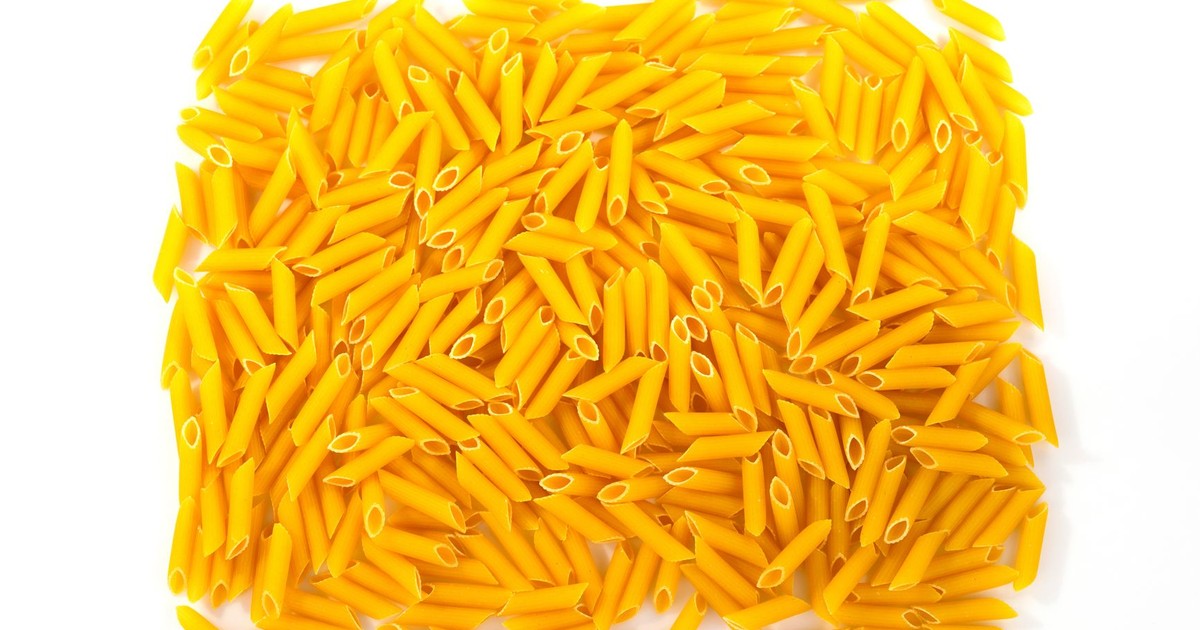
White beans are among the highest-fiber legumes available, bringing both soluble and insoluble fiber that feeds different populations of gut bacteria. Kale adds polyphenols, vitamin C, and prebiotic fiber of its own.
The anchovy breadcrumbs are the move. Toast panko in a pan with olive oil, a crushed anchovy fillet (it will dissolve completely), and a pinch of chili flakes until deeply golden. The result is a crunchy, savory, umami-loaded topping that replaces cheese entirely. Anchovies bring omega-3 fatty acids, which are associated with a more diverse gut microbiome and reduced inflammatory markers when eaten as part of an otherwise fiber-rich diet.
Toss everything with whole wheat penne and a cup of pasta water stirred into the beans to create a loose, silky sauce. Finish with lemon zest.
7. Spelt Pasta with Roasted Beets, Goat Cheese, and Walnuts
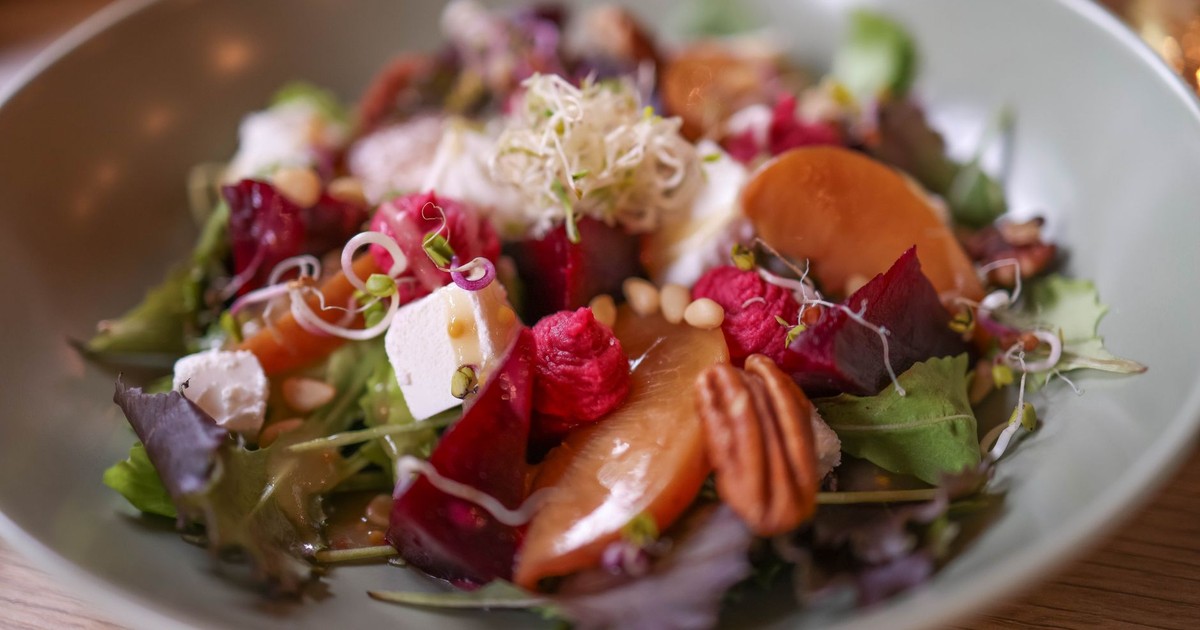
Spelt is an ancient grain (technically a wheat relative) with a slightly nutty, sweet flavor that pairs well with earthy roasted vegetables. Spelt pasta is widely available in whole grain form, and its fiber profile is comparable to whole wheat.
Roasted beets bring dietary fiber for your microbiome and betalains, a type of antioxidant pigment that research increasingly links to anti-inflammatory effects in the gut lining. Roast beets at 400°F wrapped in foil until tender (about 45 minutes for medium beets), then peel and dice them while warm. Toss with cooked spelt pasta, a tablespoon of olive oil, a small splash of balsamic vinegar, crumbled goat cheese, toasted walnuts, and fresh thyme.
The goat cheese contributes some short-chain fatty acids of its own, and its tanginess cuts the sweetness of the beet in exactly the right way.
8. Black Bean Pasta with Avocado Crema and Charred Corn
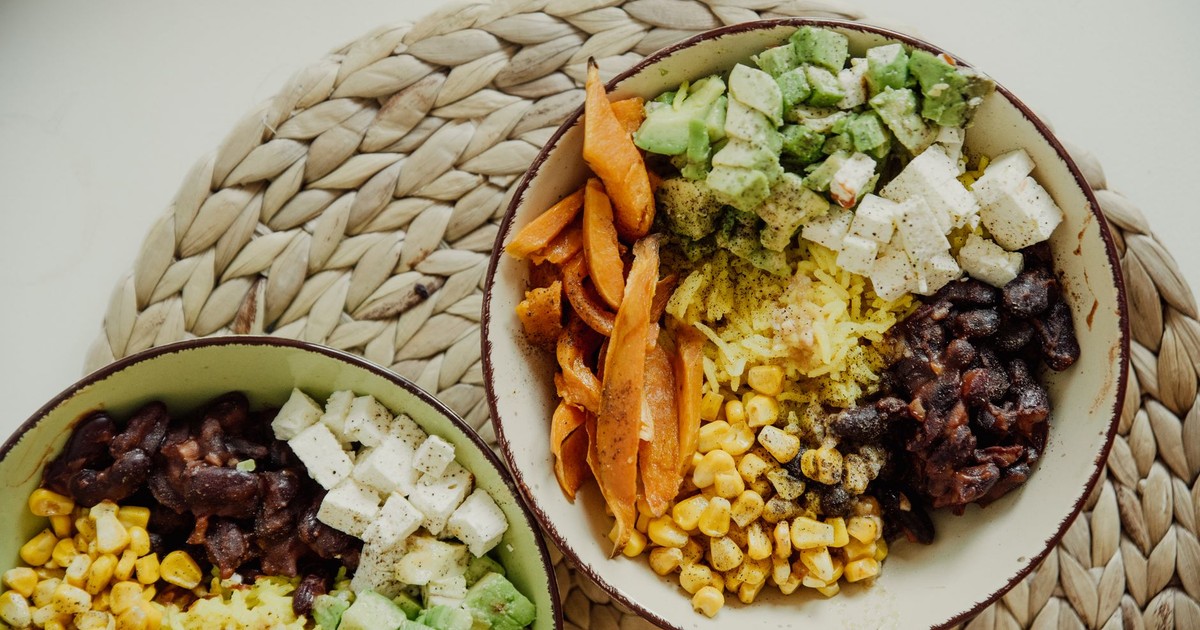
Black bean pasta has a deeper, more robust flavor than chickpea or lentil pasta, which makes it a natural fit for bold southwestern flavors. Fiber acts as a prebiotic, feeding the good bacteria in your gut, and in turn, these bacteria produce short-chain fatty acids (SCFAs), which help lower inflammation and strengthen the intestinal lining.
For the avocado crema, blend a ripe avocado with lime juice, a pinch of cumin, salt, and two tablespoons of plain kefir or Greek yogurt. The kefir adds live cultures to the sauce without turning it into something that reads as a “health food.” Char fresh or thawed frozen corn kernels dry in a very hot pan until they have dark spots, then add them to the tossed pasta along with sliced scallions, cilantro, and a good amount of lime zest.
9. Kamut Pasta with Slow-Roasted Garlic Tomato Sauce and Lentils
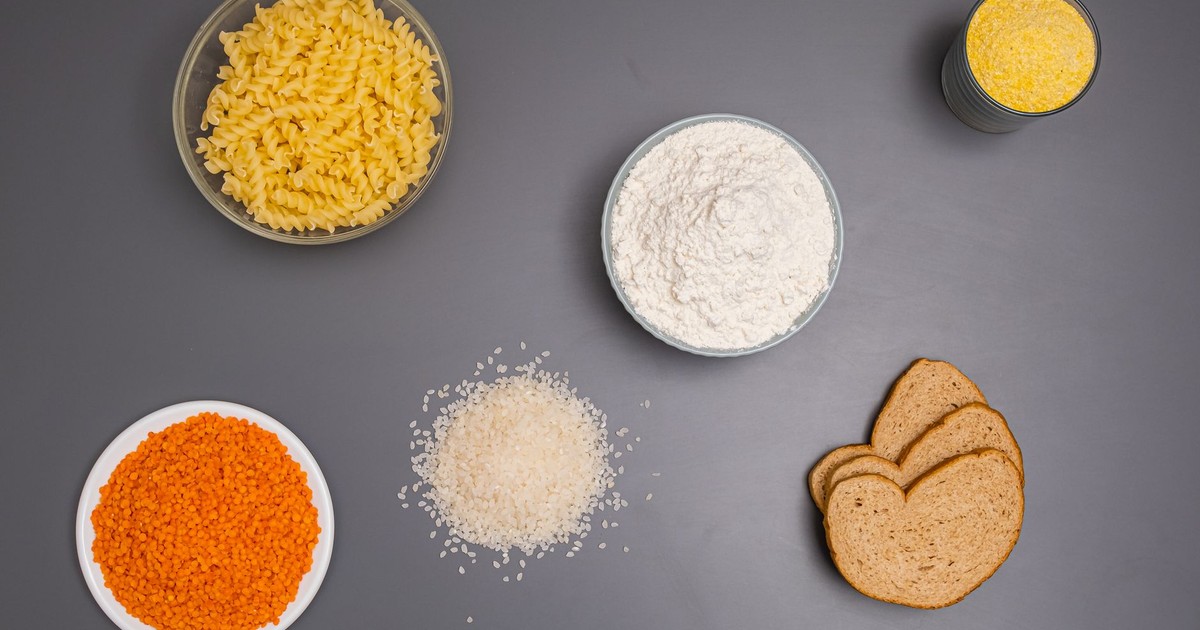
Kamut (also called Khorasan wheat) is an ancient grain variety with a buttery, rich flavor and a higher protein and fiber content than modern durum wheat. Pasta made from Kamut has a satisfying density to it and stands up well to robust sauces.
The sauce here is mostly hands-off. Halve a head of garlic, drizzle with olive oil, wrap in foil, and roast at 375°F for an hour until the cloves are completely soft and caramelized. Squeeze the cloves into crushed San Marzano tomatoes and simmer with a bay leaf, dried oregano, and a pinch of chili flakes for 20 minutes. Stir in cooked green or French lentils right before serving.
The lentils in the sauce double the fiber load and add plant-based protein. The Mediterranean dietary pattern has been associated with beneficial effects on gut microbiome diversity and overall health functionality. Roasted garlic, tomatoes, olive oil, lentils, and whole grain pasta in a single bowl is as close to that pattern as a weeknight dinner realistically gets.
10. Whole Wheat Linguine with Sardines, Fennel, and Golden Raisins
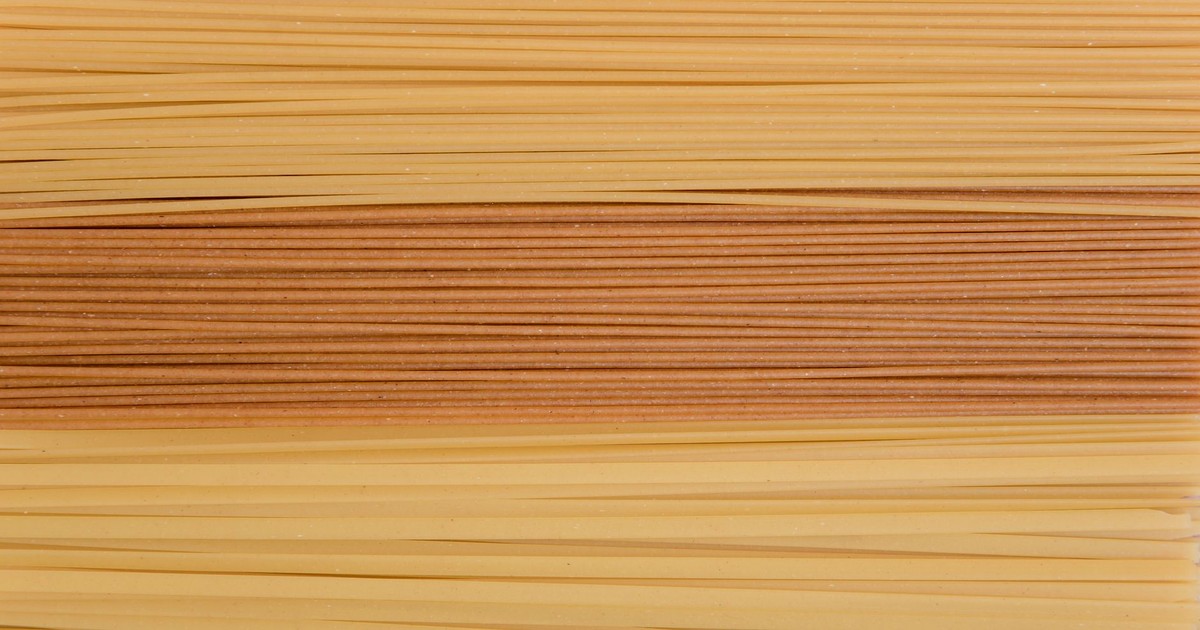
This one is a riff on pasta con le sarde, a Sicilian dish that sounds unusual until you eat it. Sardines are one of the most nutrient-dense things you can open from a tin: omega-3 fatty acids, vitamin D, B12, and selenium, all in a small, affordable, sustainable package.
Toast a pinch of fennel seeds in olive oil with sliced fresh fennel, then add one tin of good sardines in olive oil. Break the sardines up gently with a wooden spoon. Add a small handful of golden raisins (they plump in the sauce and provide a natural sweetness that balances the brine of the sardines), a few strands of saffron if you have it, and a cup of pasta water. Toss with whole wheat linguine and finish with toasted pine nuts and fresh parsley.
Fennel contains inulin, a soluble prebiotic fiber that is readily fermented by gut bacteria, supporting the growth of beneficial bacteria like Bifidobacterium and Lactobacillus.
Frozen vegetables are a useful tool for adding fiber and micronutrients to a weeknight plate without any extra prep, and they pair well alongside any of these pasta dinners.
What Pasta Night Actually Gets Right

Gut-healthy pasta dinners require no special planning beyond a different item in your cart at the grocery store. Swap the white pasta for whole wheat or a legume-based alternative, add a fermented ingredient to the sauce or topping, pile in the vegetables, and you’ve done something genuinely beneficial for your digestive system without turning dinner into a project.
Diets high in saturated fats and refined sugars can lead to dysbiosis, reduced microbial diversity and an increase in pathogenic bacteria, which has been linked to various chronic conditions. The opposite of that isn’t a detox or a supplement stack. It’s a bowl of lentil pasta with roasted peppers on a Wednesday night. The gut responds to consistent, varied inputs, not dramatic interventions.
Disclaimer: This information is not intended to be a substitute for professional medical advice, diagnosis, or treatment and is for information only. Always seek the advice of your physician or another qualified health provider with any questions about your medical condition and/or current medication. Do not disregard professional medical advice or delay seeking advice or treatment because of something you have read here.
AI Disclaimer: This article was created with the assistance of AI tools and reviewed by a human editor.