

Riddles are one of the oldest forms of play, and they are perfect for family time. Kids of all ages love the challenge of puzzling out something tricky, and adults often find themselves stumped too. The fun part is how a simple question can sound impossible, yet the answer makes total sense once revealed. Riddles encourage problem solving, spark laughter, and sometimes even cause groans when the twist is obvious. This list is designed for kids ranging from early elementary to teens, with something for everyone. Grab a cozy seat, gather your little thinkers, and get ready to laugh and scratch your heads together.
1. The Talking Without a Mouth Riddle (Ages 6 to 8)

This riddle is short and mysterious, making it great for kids just starting to enjoy wordplay. The thought of speaking without a mouth feels strange, which instantly catches attention. Younger children may think of ghosts or robots, but the answer is simpler than that. The riddle asks, “I speak without a mouth and hear without ears, I have no body, and I come alive with wind. What am I?” The answer is an echo. An echo happens when sound bounces back from surfaces like cliffs or empty rooms. It repeats your voice without a person speaking, which feels magical to kids.
2. Keys With No Locks (Ages 5 to 7)

This riddle is lighthearted and fun because it plays with the word “keys.” Kids usually picture metal keys that open doors, so this puzzle flips the idea on its head. The question asks, “What has many keys but cannot open a single lock?” Children may guess computers or car keys at first. The correct answer is a piano. A piano has dozens of keys, but none of them can unlock a door. Instead, the keys unlock music and creativity. It is a simple way to show kids that words can carry more than one meaning, which sparks imagination.
3. Getting Wetter While Drying (Ages 6 to 9)

This riddle is a classic because it tricks the brain with an everyday activity. Kids may laugh at the idea of something getting wetter while it dries. The question is, “What gets wetter the more it dries?” It sounds like a contradiction at first. The answer is a towel. Towels dry people and dishes by soaking up water, so the towel itself becomes wetter while it does the job. Children often feel proud when they figure it out, because the answer hides in plain sight. It is a perfect riddle for bath time or beach day laughs.
4. Lots of Teeth, No Bite (Ages 5 to 8)
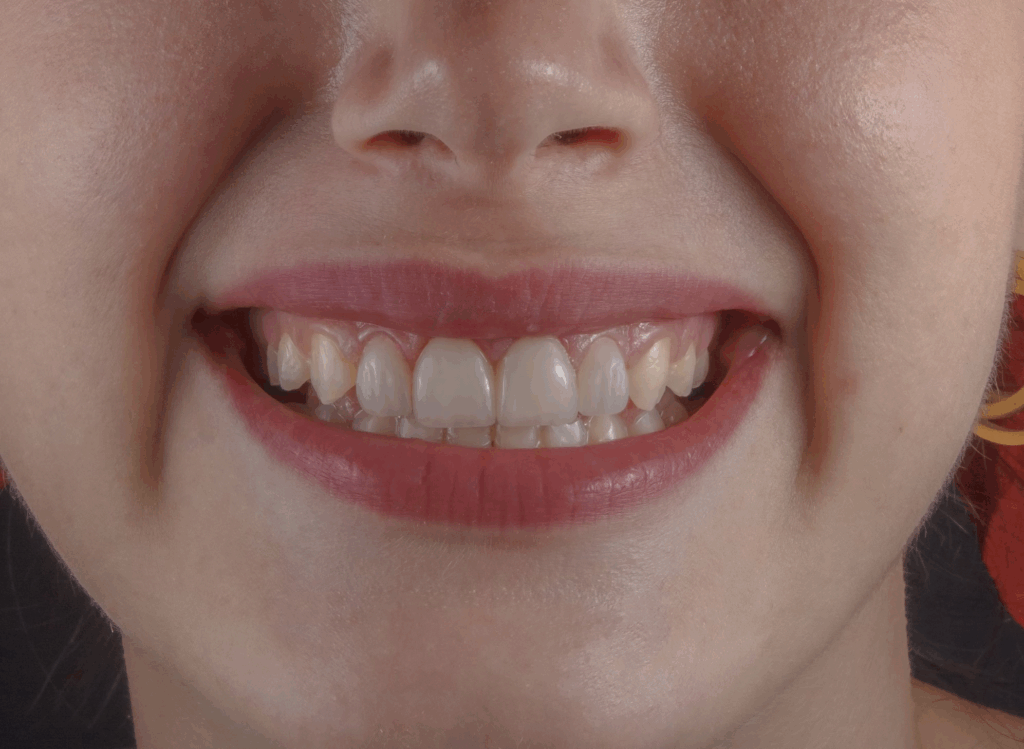
This playful riddle creates a funny picture in a child’s mind. When they hear about teeth, they imagine sharks, dogs, or people. The trick is that these teeth are not in a mouth at all. The riddle goes, “What has many teeth but cannot bite?” The answer is a comb. A comb has rows of “teeth” used for untangling hair, not chewing food. Kids often find this riddle silly because it changes how they think about a familiar word. It is a great way to show that language can be both practical and fun at the same time.
5. A Room You Cannot Enter (Ages 7 to 10)
This riddle teaches kids to look past the obvious meaning of words. At first, children picture rooms like bedrooms or classrooms. The question is, “What kind of room has no doors or windows?” That makes it sound impossible, since every room they know has at least one. The answer is a mushroom. Mushrooms are living organisms, and the word room hides inside their name. This twist helps kids see how words can surprise us. It is a clever way to teach problem solving, as well as a reminder that answers are not always as straightforward as they seem.
6. A Face and Two Hands (Ages 6 to 9)

This riddle is a perfect introduction to wordplay for younger school kids. The idea of something with a face and hands but no arms or legs sparks imagination. Some children guess dolls, toys, or even robots. The question asks, “What has a face and two hands but no arms or legs?” The answer is a clock. A clock face has numbers, and its hands move to point at the time. It is a riddle that connects to something kids see every day, yet most never stop to think about. The cleverness makes it a favorite for classrooms.
7. The More You Take (Ages 8 to 11)
This riddle sounds like a trick, which is why older kids enjoy it so much. It asks, “The more you take, the more you leave behind. What are they?” Children often guess food, money, or toys, thinking about what they take home. The real answer is footsteps. The more steps you take, the more tracks or footprints you leave behind. It is one of those riddles that makes perfect sense once explained, but feels tricky until then. It helps children learn that sometimes the best answers are found by thinking in unexpected directions.
8. A Neck With No Head (Ages 6 to 9)
This riddle uses body words in a different way, which makes it fun for vocabulary building. The question asks, “What has a neck but no head?” Kids usually guess giraffes, chickens, or even dolls. The answer is a bottle. A bottle’s narrow top is called its neck, yet it has no actual head like a living creature. This type of riddle encourages kids to notice how common objects are described. It is a neat way to expand language skills and also a reminder that words can mean many different things depending on the situation.
9. Always Coming but Never Here (Ages 8 to 12)
This is a time riddle that sparks deep thinking in older kids. The question asks, “What is always coming but never arrives?” Children may say birthdays, holidays, or the mail. The correct answer is tomorrow. Tomorrow is always ahead, but once it arrives, it becomes today. This riddle teaches kids a small but important lesson about time. It shows how language can twist ideas in surprising ways. It also reminds them that some things sound like they are always coming, yet they never truly appear.
10. Born in 1975, Died in 1975, Age 22 (Ages 10 to Teens)

This riddle sounds like a puzzle of impossible math, which makes it perfect for teens. It asks, “A woman was born in 1975 and died in 1975, and she was 22 when she died. How is this possible?” At first, the years and her age seem completely contradictory. The trick lies in understanding what 1975 means. The answer is that 1975 is a hospital room number, not a year. She was born in room 1975, and she also died there at the age of 22. It is a great example of how assumptions can lead us off track.
11. A Single Eye That Cannot See (Ages 7 to 10)
This riddle builds a sense of mystery, because the thought of an eye that cannot see feels strange. The question asks, “What has one eye but cannot see?” Kids may guess pirates, cyclops, or potatoes. The answer is a needle. The hole near the top of a needle is called an eye, but it has no vision. This riddle is fun because it blends everyday objects with body part words. Children often enjoy the surprise of realizing that simple things around them can fit into tricky puzzles like this one.
12. So Light, Yet No One Can Hold It Long (Ages 8 to 11)
This riddle takes something we all do every day and turns it into a brain teaser. The question asks, “What is so light that the strongest person cannot hold it for long?” At first, kids may think of feathers, balloons, or bubbles. The real answer is your breath. Even the strongest person can only hold their breath for a short time before they must let it out. This riddle teaches kids to think beyond objects they can see or touch. It is a fun way to remind them that the simplest things can create the hardest puzzles.
13. Always in Front of You (Ages 7 to 10)

This riddle focuses on time and the future, making it thought-provoking for middle-aged kids. The question is, “What is always in front of you but cannot be seen?” Children may guess cars, mirrors, or even dreams. The answer is the future. The future is always ahead of us, yet we cannot see it clearly. This riddle is a great way to spark conversations about time, goals, and imagination. Kids may also connect it to things they are looking forward to, like birthdays or vacations, making it fun and personal at the same time.
14. Full of Holes but Still Holds Water (Ages 7 to 10)

This riddle creates a confusing image at first, because holes usually mean leaks. The question asks, “What is full of holes but still holds water?” Children may think of buckets or nets. The answer is a sponge. Sponges have tiny holes all over them, but they absorb and hold water inside. This riddle helps kids think about how objects work, not just how they look. It is also a fun way to teach about materials and how they can surprise us with hidden abilities. Kids often enjoy testing this one by playing with real sponges.
15. You Can Break It Without Touching It (Ages 8 to 12)

This riddle shifts from physical objects to ideas, which makes it a little deeper. The question asks, “What can you break even without touching it?” Children may guess glass, eggs, or sticks. The correct answer is a promise. A promise can be broken by not keeping your word, even though it is not a physical object. This riddle helps kids understand the importance of trust and honesty. It shows them that not everything that breaks is something you can hold in your hands, which adds a meaningful layer to the puzzle.
16. Travel the World While Staying in a Corner (Ages 9 to 12)

This riddle is playful and clever, making it perfect for kids who enjoy trickier wordplay. The question is, “What can travel around the world while staying in a corner?” Children may guess airplanes, compasses, or even globes. The answer is a stamp. A stamp sits in the corner of an envelope, yet it travels to places all over the world. This riddle helps kids understand that sometimes the least expected objects do the most amazing things. It is also a nice way to connect them to the idea of global travel and communication.
17. The More There Is, the Less You See (Ages 9 to 12)

This riddle works because it uses contrast and trickery. The question is, “The more of me there is, the less you see. What am I?” Kids may guess fog, smoke, or rain. The answer is darkness. The more darkness there is, the less your eyes can see around you. This riddle teaches kids about opposites and conditions in the environment. It is fun because the answer is simple but not always the first thing children think of. It often leads to discussions about night, light, and how our eyes work.
18. I Have Cities and Rivers (Ages 10 to Teens)

This riddle challenges older kids to think symbolically. The question asks, “I have cities, but no houses. I have mountains, but no trees. I have water, but no fish. What am I?” Children may picture imaginary lands or games. The answer is a map. A map shows representations of places, not the real thing. This riddle encourages children to see how images and models stand in for reality. It also helps them think about geography in a fun and creative way. Teens often enjoy this one because it feels a little more intellectual.
19. I Am Not Alive, Yet I Grow (Ages 10 to Teens)
This riddle mixes science with mystery. The question is, “I am not alive, yet I grow. I do not have lungs, but I need air. I do not have a mouth, but water kills me. What am I?” Kids may think of plants, balloons, or even robots. The answer is fire. Fire grows bigger with fuel and oxygen, but water puts it out. This riddle is fun because it feels like fire has human qualities, yet it does not. It is also a simple way to connect puzzles with real science lessons.
20. Feed Me and I Live (Ages 10 to Teens)

This riddle builds on the last one, which makes it a great closer. The question asks, “Feed me and I live, give me a drink and I die. What am I?” Children may guess pets, people, or machines. The correct answer is fire. Fire needs fuel to survive, but water takes away its heat and air. This riddle leaves kids amazed that something so dangerous can be summed up in a playful puzzle. It is a memorable way to end a round of riddles, while also teaching a small science fact.
Wrapping Up With Riddles

Riddles are more than just games, they are little exercises for the brain. They keep kids thinking, laughing, and learning at the same time. Some riddles stretch vocabulary, while others play with science or time. What makes them special is how they bring families together for fun. Whether you try these at bedtime, during car rides, or around the dinner table, they are guaranteed to spark joy. The best part is that even adults get tricked sometimes, which makes the game fair for everyone. Next time you need a quick family activity, riddles are a perfect pick.
Disclaimer: This article was created with AI assistance and edited by a human for accuracy and clarity.
Read More: The First Thing You See Uncovers Surprising Facts About You