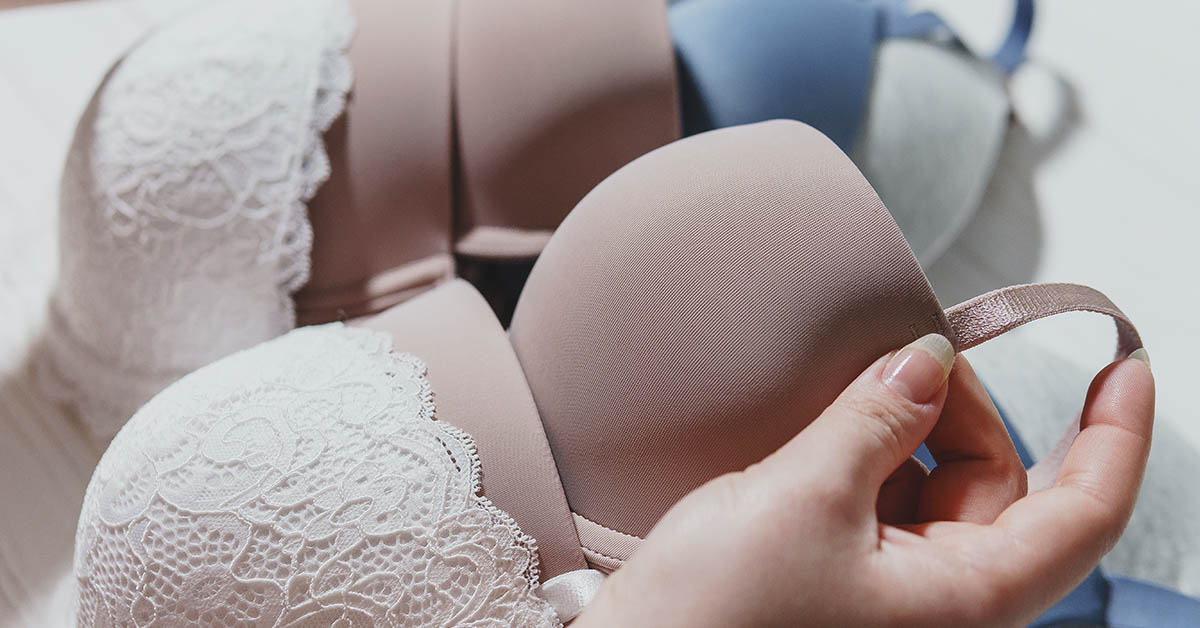

Choosing the right bra is about more than style or fashion. It affects posture, comfort, and even breast health in measurable ways. Many women end up wearing the wrong bra size or type, which can lead to shoulder tension, back pain, or poor support during daily activities. Each bra design is made for a specific situation, whether for exercise, formal wear, or casual comfort. Understanding how different bras function helps women select the right option for their needs. This bra guide explores more than 20 options, explaining when to wear them and what they are best suited for.
T-Shirt Bra

The T-shirt bra creates a smooth outline under fitted tops or dresses. Its lightly padded and molded cups prevent visible lines that can show through thin fabrics. This makes it a reliable everyday choice for women who prefer clean, simple shaping. It is handy under plain shirts where seams or lace details from other bras might show. Comfortable construction and versatile styling keep it a staple for daily wear. Many women use this type as their go-to option when they want minimal effort with maximum smoothness.
Push-Up Bra
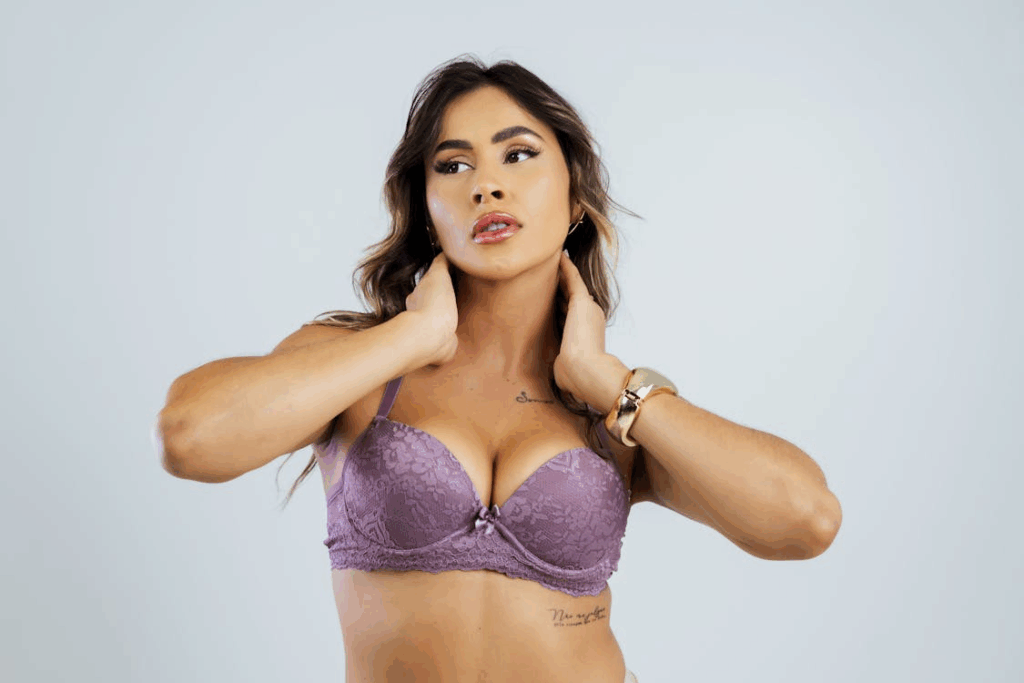
Push-up bras use angled padding to lift and enhance cleavage, creating the appearance of more volume. This style is often chosen for low-cut tops or dresses where a fuller look is preferred. The design shifts breast position gently while maintaining reasonable comfort if the size is correct. Some versions offer a subtle lift while others provide a more noticeable effect. Women often choose this style for social events or outfits that benefit from added shape. It balances support with a defined, lifted profile.
Balconette Bra

The balconette bra has a distinctive horizontal neckline and wide-set straps. Its cups lift from below, creating a rounded look that shows more of the upper bust. While it offers less coverage than a full-cup bra, it still provides moderate support. Many women choose it for outfits with square or wider necklines since the straps stay out of view. This style is typical for formal wear, where presentation and structure matter. It gives a lifted look without overwhelming padding.
Bralette

The bralette prioritizes comfort over shaping or structure. With slight padding and no underwire, it feels lightweight and relaxed. Designs range from simple cotton to decorative lace, making them versatile for lounging and layering. While larger busts may not get as much support, bralettes remain popular for everyday use. They are often used as casual or outerwear in some styles. Their breathable design makes them appealing for warmer weather and light activities.
Strapless Bra
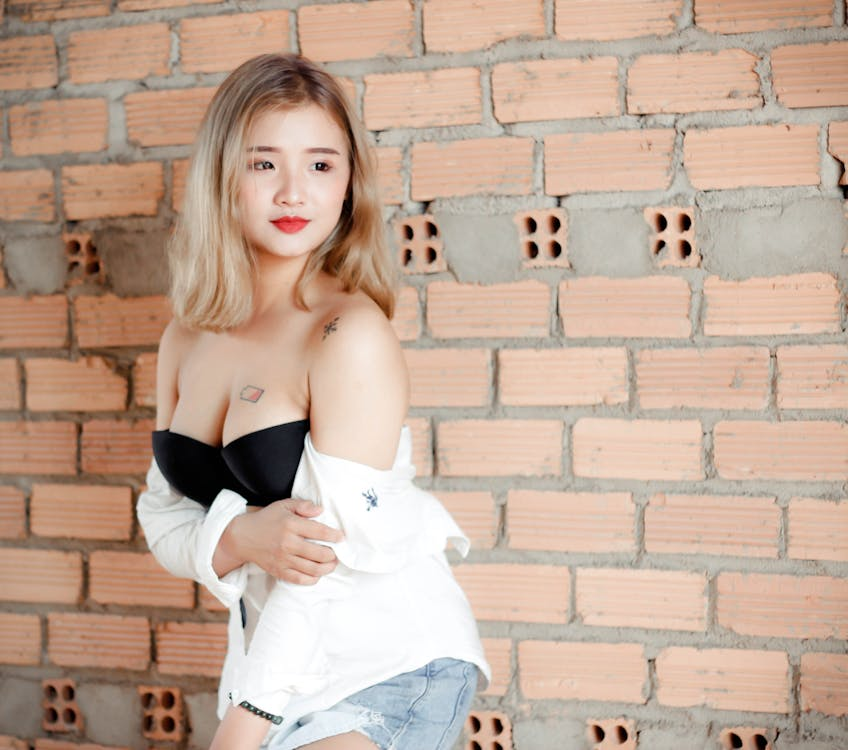
A strapless bra is designed to stay in place using firm bands, underwires, or silicone grips. This type is worn under off-shoulder tops, tube dresses, and strapless gowns. A snug fit is essential, preventing slipping or discomfort during movement. Many strapless bras include detachable straps, adding flexibility for different outfits. Structured cups provide additional support for stability. Choosing the right size ensures comfort and security when straps are not an option.
Convertible Bra
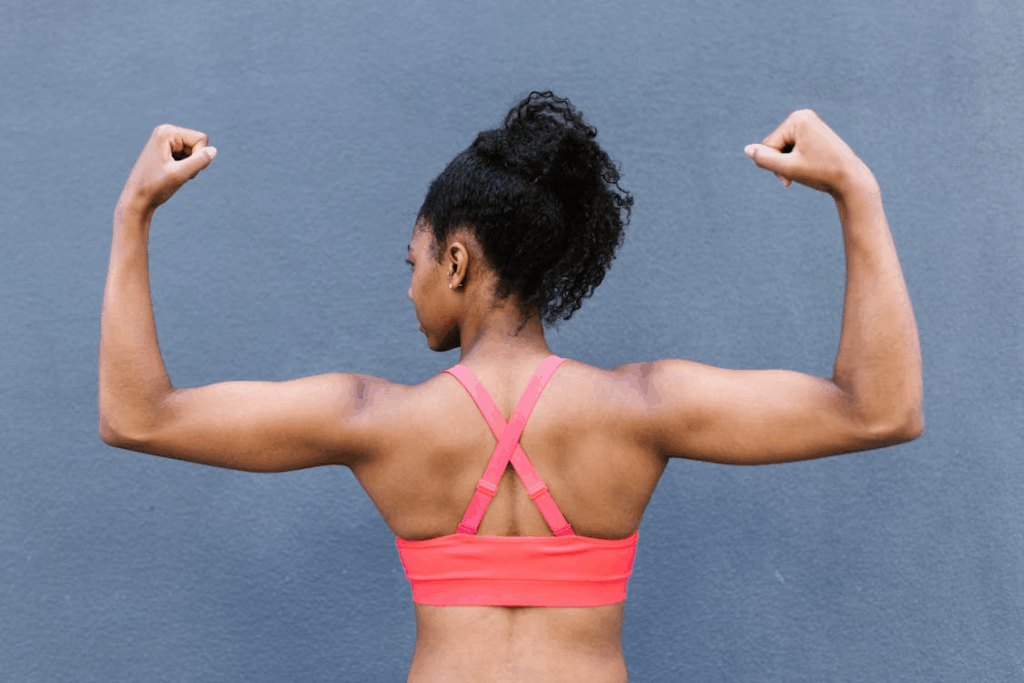
Convertible bras have detachable straps that can be worn in different ways. They can be reconfigured into halter, crisscross, one-shoulder, or traditional styles. This versatility makes them a practical option for changing outfits. Women often rely on them for travel or events since one bra can serve multiple purposes. Support levels depend on how the straps are arranged. They remain a convenient solution for wardrobes that require flexibility.
Sports Bra
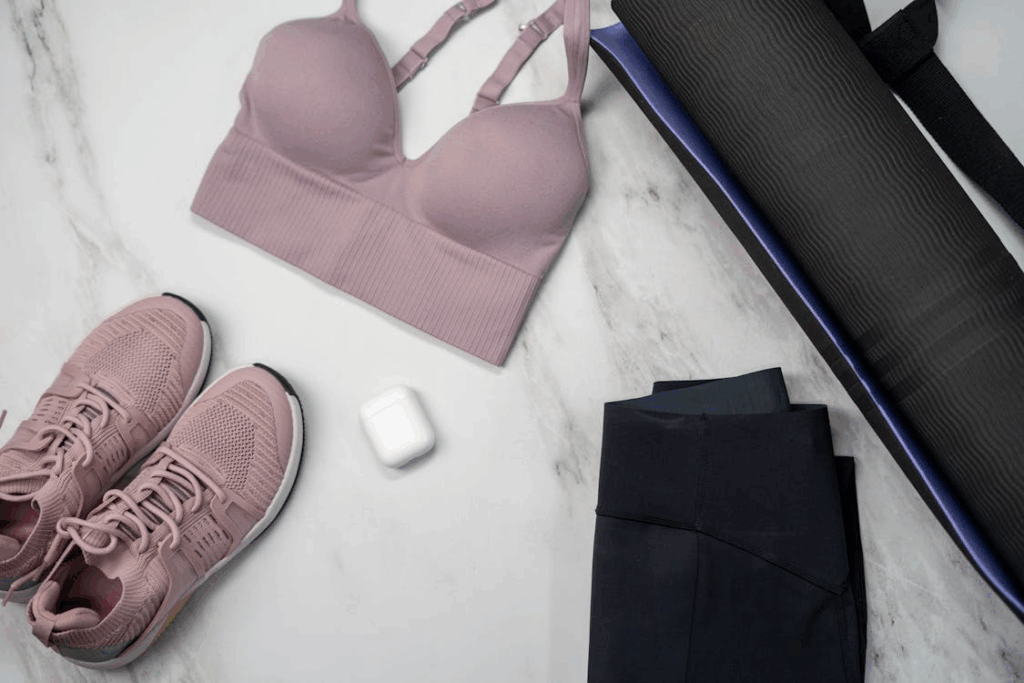
Sports bras are designed to limit breast movement during physical activity. They reduce strain on ligaments, protecting breast tissue from long-term damage. Different versions exist for low, medium, and high-impact activities. Compression styles press the breasts against the chest wall, while encapsulation styles use individual cups for support. Women benefit from choosing the correct type based on their activity. These bras are essential for comfort and injury prevention during workouts.
Demi Bra

A demi bra covers less of the bust, usually around half to three-quarters. This lower cut naturally enhances cleavage without heavy padding. It is often worn under scoop neck or wide-neck clothing where a full-cup bra would be too visible. The style provides a balance of support and elegance. Due to its versatility, women often choose it for both casual and formal wear. It gives natural shaping without adding bulk.
Full-Cup Bra

The full-cup bra offers complete coverage and maximum support. It is invaluable for women with larger busts who need extra stability. The design distributes weight more evenly, reducing strain on the shoulders and back. It creates a rounded, natural silhouette that works well under professional or conservative clothing. Many women use this as their daily choice for comfort. Its design prioritizes practicality while still maintaining a smooth profile under clothes.
Plunge Bra

The plunge bra has a deep V-shaped center with angled cups. It is built for low-cut dresses and tops where other bras might be visible. Unlike push-up bras, it does not rely on heavy padding to create shape. Instead, it gently pushes breasts inward for a defined neckline. Women often choose it for evening wear and special occasions. Its design provides enough support while remaining discreet under revealing outfits.
Longline Bra

The longline bra extends further down the torso than most bras. It provides stability by distributing weight across a larger area, reducing pressure on the shoulders and back while smoothing the waistline. Some designs look similar to corsets, offering shaping along with support. It is often used under formal or bridal wear, where both structure and aesthetics matter. This type is practical for posture support as well as style.
Bandeau Bra
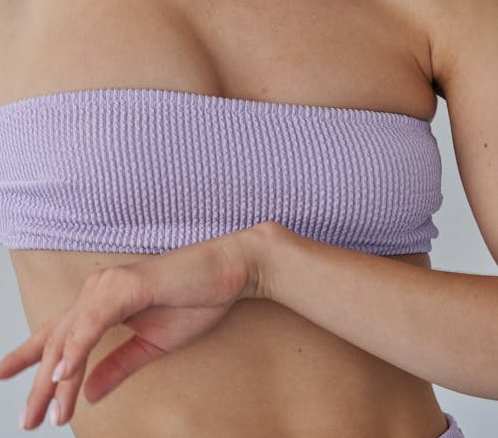
A bandeau bra is a simple fabric band that slips over the chest. It usually has no straps, though some versions include light padding or silicone grips. The support level is minimal, making it better for casual or layered outfits. Women often wear it with strapless tops or under sheer clothing. It provides a clean, simple look but is not ideal for extended wear. Its stretch fabric makes it easy to put on and comfortable for short-term use.
Minimizer Bra
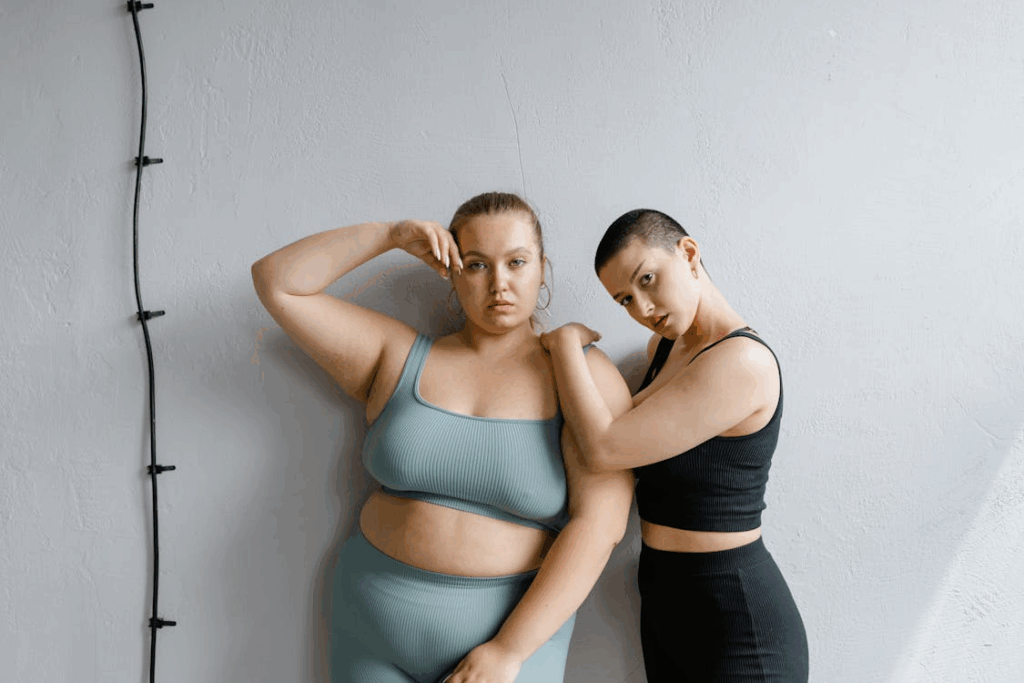
Real Simple states that the minimizer bra is designed to reduce the appearance of breast size. It achieves this by redistributing breast tissue for a less projected shape. Many women with larger busts use it to avoid gaps in button-up shirts. While it does not physically reduce size, it creates a balanced look under fitted clothing. The style is beneficial in professional settings. Its design provides both comfort and smoother outlines.
Nursing Bra

Nursing bras are built with features that make breastfeeding easier. Drop-down cups or side openings allow access without removing the bra. They are usually wire-free to avoid pressure and discomfort. The fabrics are soft to prevent irritation from frequent use. Nursing bras still provide enough support for daily wear. They are an essential garment for new mothers who require convenience and comfort.
Maternity Bra

Maternity bras differ from nursing bras in focusing on breast support during pregnancy. They are wire-free and made from stretchable materials to accommodate growth. Wider straps and full cups add comfort while breasts become more sensitive. Their adjustability ensures ongoing use throughout pregnancy. These bras also help reduce discomfort caused by changes in breast size. They are a staple for expectant mothers looking for long-term comfort.
Adhesive Bra
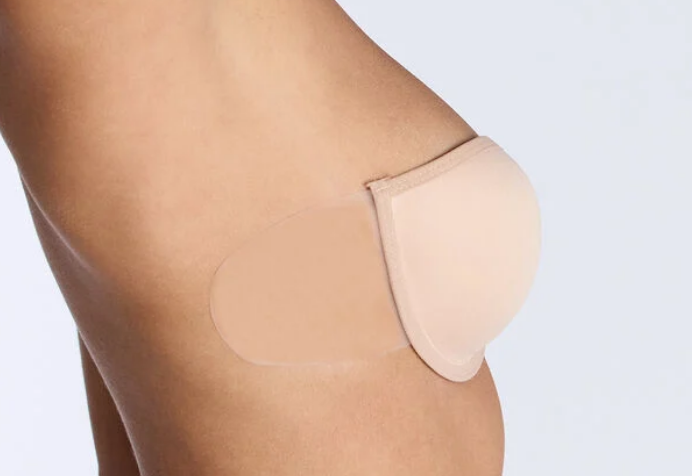
Adhesive bras use medical-grade sticky cups that attach directly to the skin. They are worn under strapless, backless, or low-cut outfits where traditional bras would show. The lightweight cups provide shaping without visible straps or bands. Adhesive bras work best for smaller to medium bust sizes. They are reusable if properly cleaned after each use. This type is practical for special occasions rather than daily wear.
Cage Bra

Cage bras include decorative strap designs across the front or neckline. They can be worn as lingerie or statement pieces under layered clothing. While not always highly supportive, they provide moderate stability depending on construction. The style is chosen more for its unique appearance than for practicality. Some women wear it under sheer tops to highlight the straps as part of the outfit. It combines coverage with modern fashion appeal.
Racerback Bra
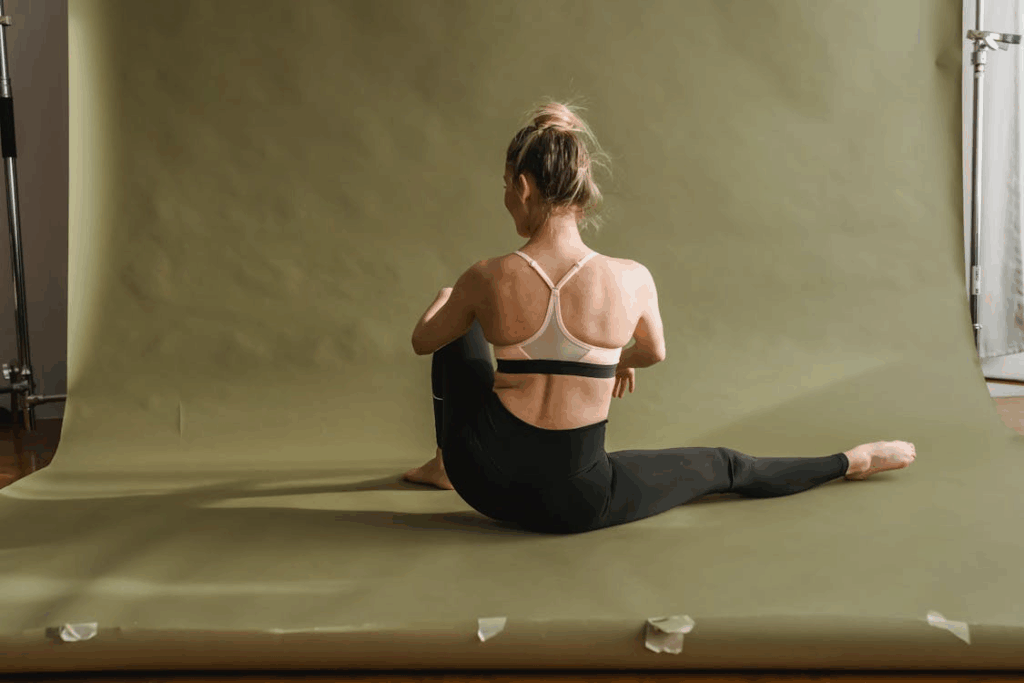
Racerback bras connect their straps between the shoulder blades. This design prevents straps from slipping and improves stability during activity. They are useful under sleeveless tops or sports clothing. The strap position pulls the bra closer to the body, enhancing support. Many women choose racerbacks for both workouts and casual wear. They are practical and reliable for everyday use.
Underwire Bra
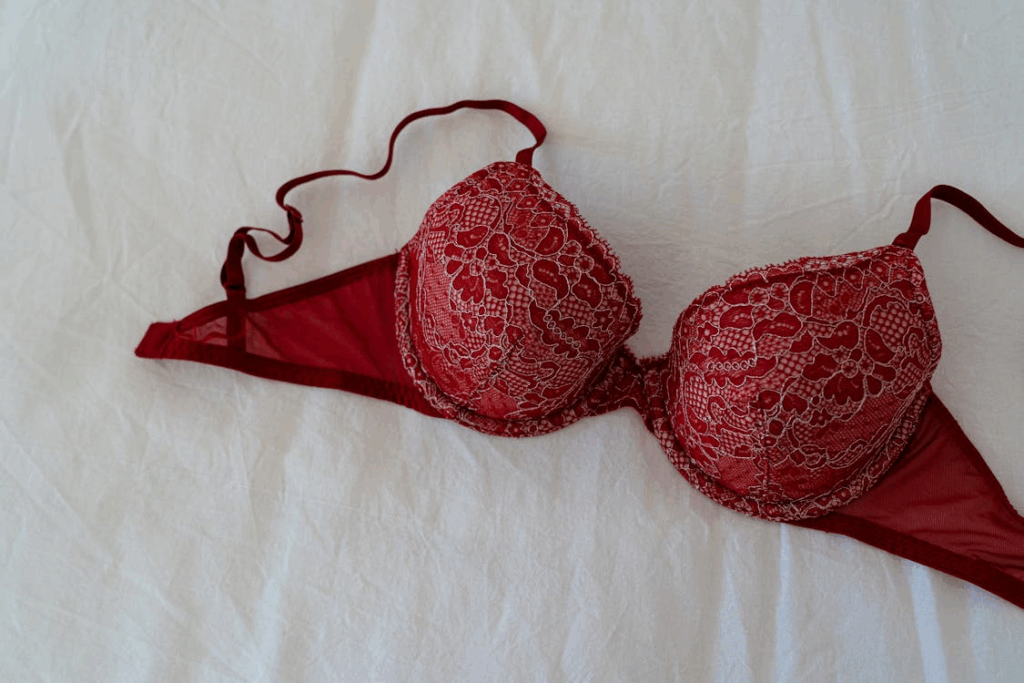
Underwire bras include a thin wire sewn into the base of each cup. This wire shapes and lifts the breasts, offering firm support. They are beneficial for women with medium to larger busts. While some find underwires uncomfortable, correct sizing prevents most issues. Modern underwires use more flexible materials for added comfort. Due to their structure, these bras remain among the most widely used.
Wireless Bra

Wireless bras, also known as soft-cup bras, provide structure without underwires. Foam or reinforced fabric supports the breasts naturally. They are valued for comfort, especially for smaller busts or women who dislike wires. Without rigid parts, they reduce pressure under the bust. Wireless bras are often worn as everyday choices for long hours. They strike a balance between comfort and light shaping.
Shelf Bra

Shelf bras provide under-bust support while leaving the top more exposed. They are typically used in lingerie for aesthetic purposes rather than full coverage. Some athletic tanks include built-in shelf bras for light support. They are not suited for long-term wear but have specific uses. Their design focuses more on styling than structure. For most women, they serve as occasional rather than daily options.
Multiway Bra
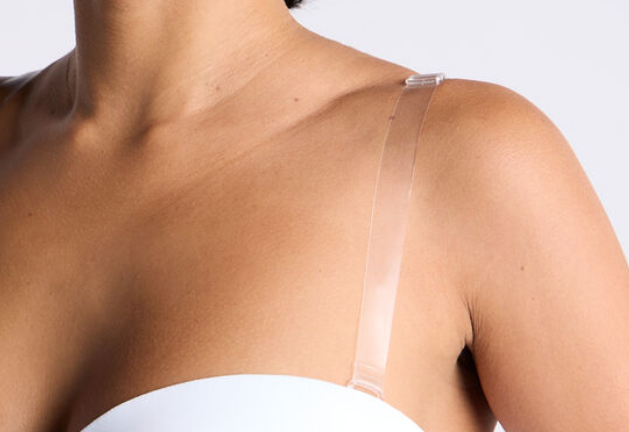
According to Clovia.com, Multiway bras are similar to convertible bras but include even more strap arrangements. Some come with transparent straps or adjustable band designs. They are helpful for clothing that requires creative strap placements. Women often keep one in their wardrobe for versatility. This type combines the benefits of several bra styles into one. It is a practical investment for anyone with varied clothing styles.
A Variety of Purposes Based on Needs

Bras serve various purposes depending on activity, outfit, and body needs. Choosing the correct type improves comfort and supports long-term posture and breast health. Some styles are designed for aesthetics, while others focus on functionality. Many women benefit from keeping a selection of types available to suit different occasions. The right fit and purpose-driven choice make a noticeable difference in daily life. By knowing the uses of over 20 bras with this bra guide, women can better match their clothing with reliable and healthy support.
Disclaimer: This article was created with AI assistance and edited by a human for accuracy and clarity.
Read More: Why Do Some Women’s Underwear Have That Little ‘Pocket’ In The Middle?