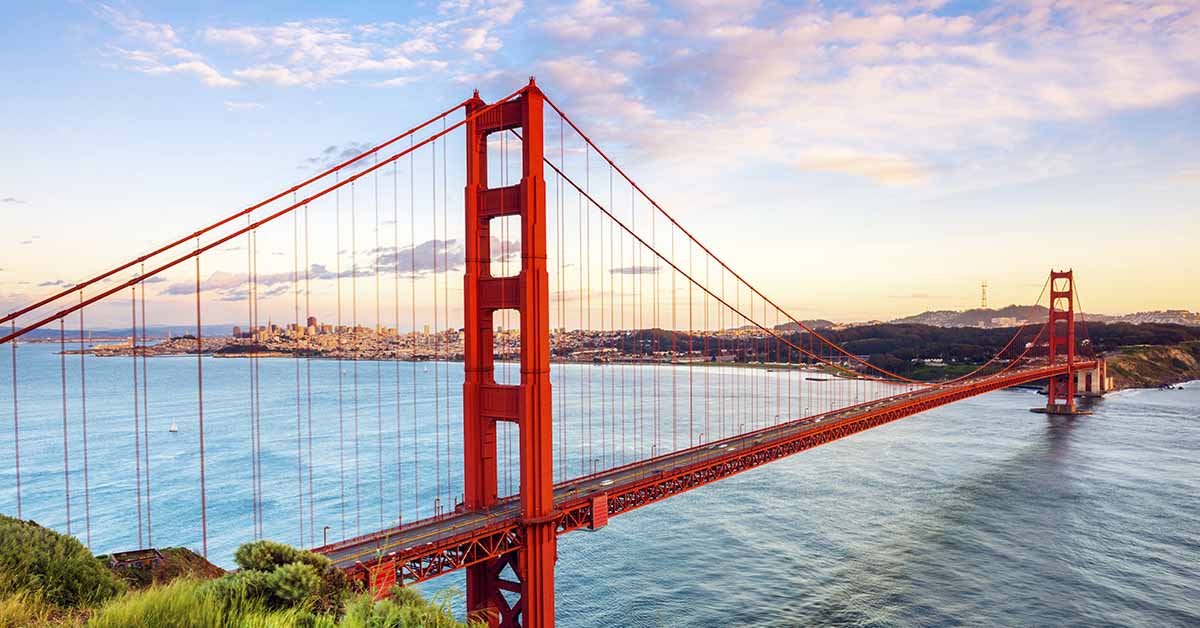

You know that feeling when something amazing gets too popular? That is what has happened to some of America’s most beautiful places. What used to be peaceful escapes now face long lines, traffic jams, and rising prices. Overcrowding has started to wear down trails, wildlife, and even the local way of life. It is called overtourism, and it changes how people experience once-magical destinations. Still, every place tells a story about what happens when beauty meets too much attention. Here are twelve examples, plus a few ideas for traveling better and smarter.
Yosemite National Park, California
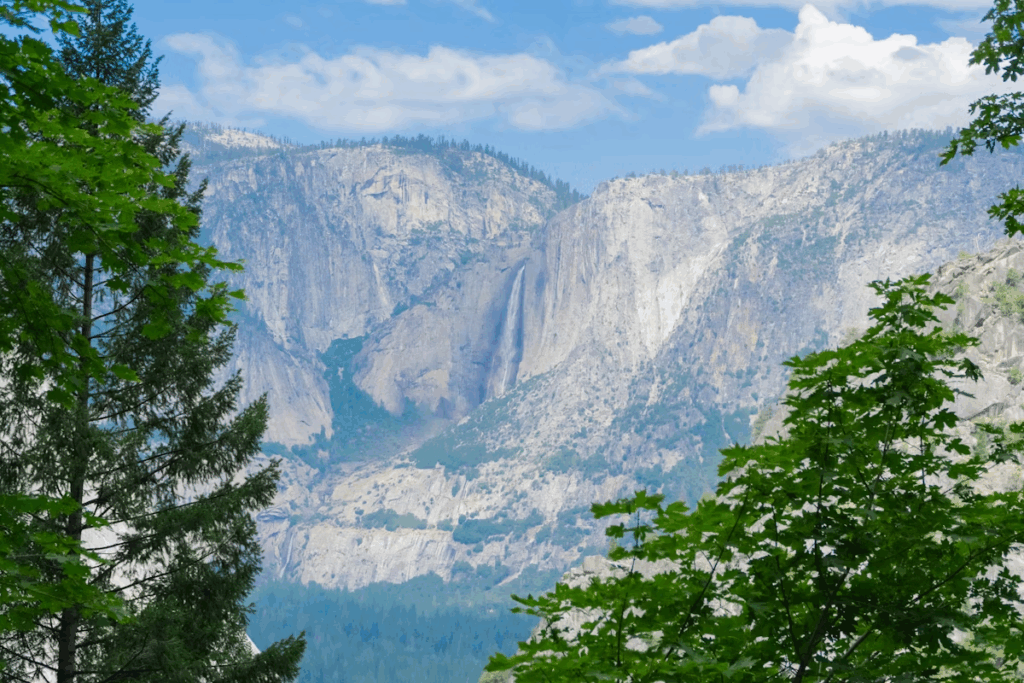
Yosemite is breathtaking, but it is also bursting at the seams. During peak months, traffic crawls through the valleys. Trails suffer from erosion, and the soil struggles to recover. Wildlife faces constant disruption from curious visitors and camera flashes. Park officials now use permits and reservation systems to limit entry. Even with these measures, the ecosystem remains under stress. What was once a quiet natural escape now feels more like a theme park on busy days.
The Grand Canyon, Arizona
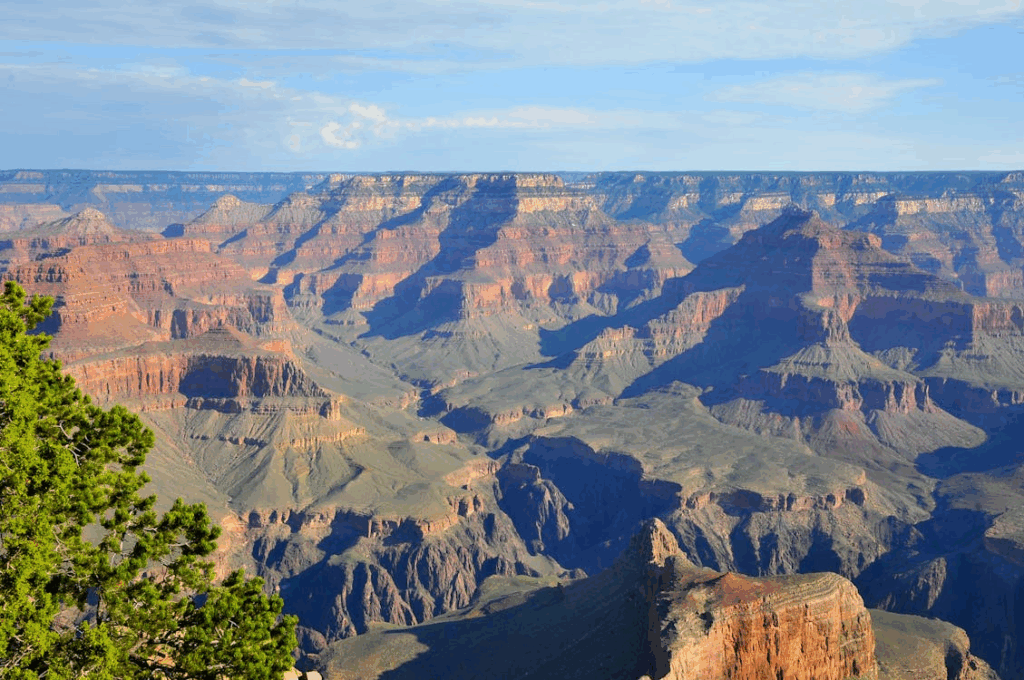
The Grand Canyon still amazes, but its calm is harder to find. Millions visit each year, packing the South Rim with noise and litter. Foot traffic wears down trails faster than rangers can repair them. Overcrowding strains the park’s facilities and natural resources. Some areas are now restricted to protect fragile landscapes. Visitors still chase the same sunrise views, but many leave behind more than footprints. The balance between beauty and protection grows harder each season.
Myrtle Beach, South Carolina
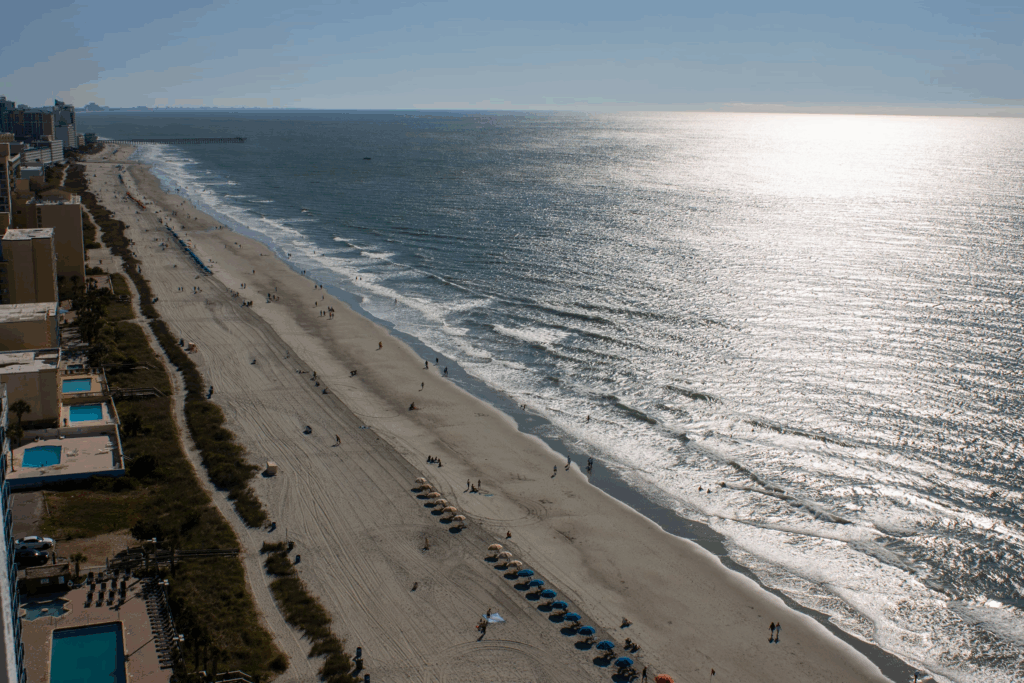
Myrtle Beach once offered a laid-back coastal vibe, but mass tourism changed the rhythm. Beaches fill shoulder to shoulder during summer, leaving little room for quiet relaxation. Traffic clogs every main road, and parking is a constant battle. Water pollution and trash buildup affect the ocean and marine life. Locals say the charm has faded under layers of noise and neon. The town now faces the challenge of keeping its fun spirit without losing its soul.
Venice Beach, California
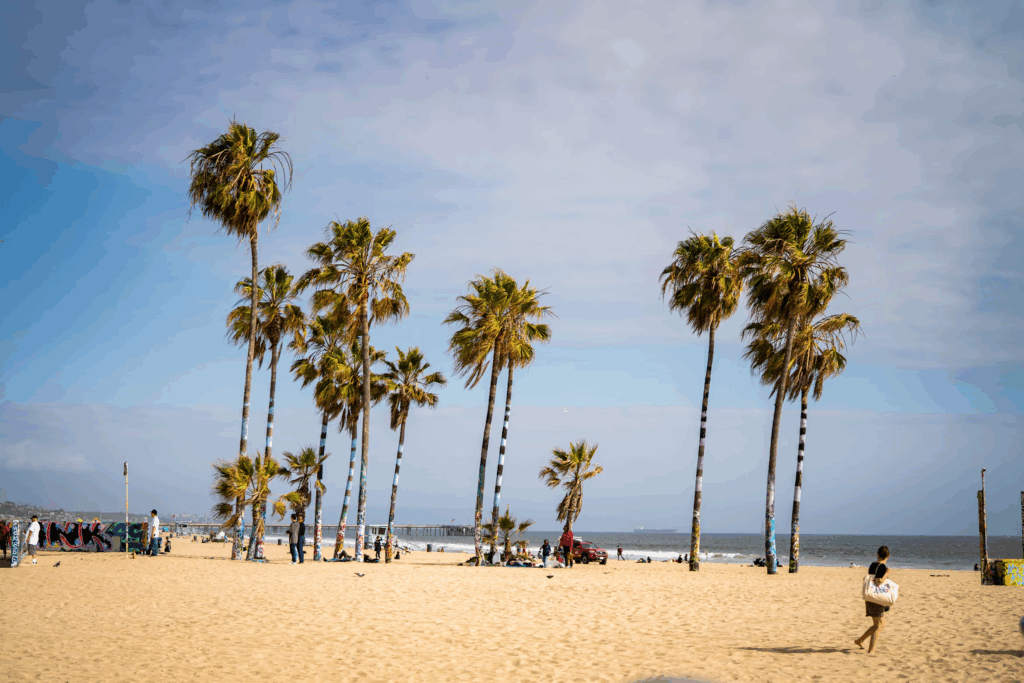
Venice Beach was once an artistic, free-spirited haven. Now it is overwhelmed by crowds, vendors, and commercial noise. Street performers compete for space, and trash often piles up along the boardwalk. The area feels less like a creative hub and more like a nonstop fairground. Longtime residents say the sense of community has weakened. City officials try to regulate vendors and clean-up programs, but the struggle never ends. What was once cool and quirky is now just crowded.
Nantucket Island, Massachusetts
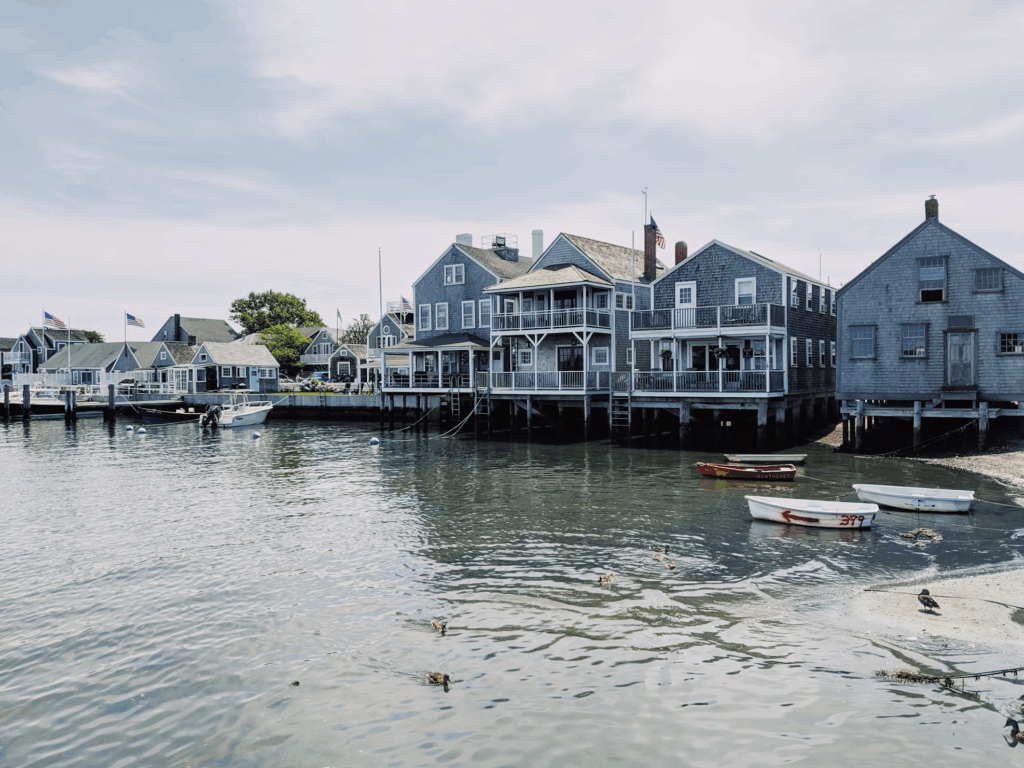
Nantucket’s charm draws wealthy vacationers and day-trippers alike, but that love comes at a cost. Sky-high home prices have pushed locals out, and seasonal rentals dominate neighborhoods. The island’s infrastructure groans under summer crowds and endless ferry lines. Restaurants overflow, and workers commute from miles away due to housing shortages. The traditional island culture has shifted toward catering to short-term guests. Locals worry that Nantucket’s real identity is slowly fading into a postcard version of itself.
Key West, Florida
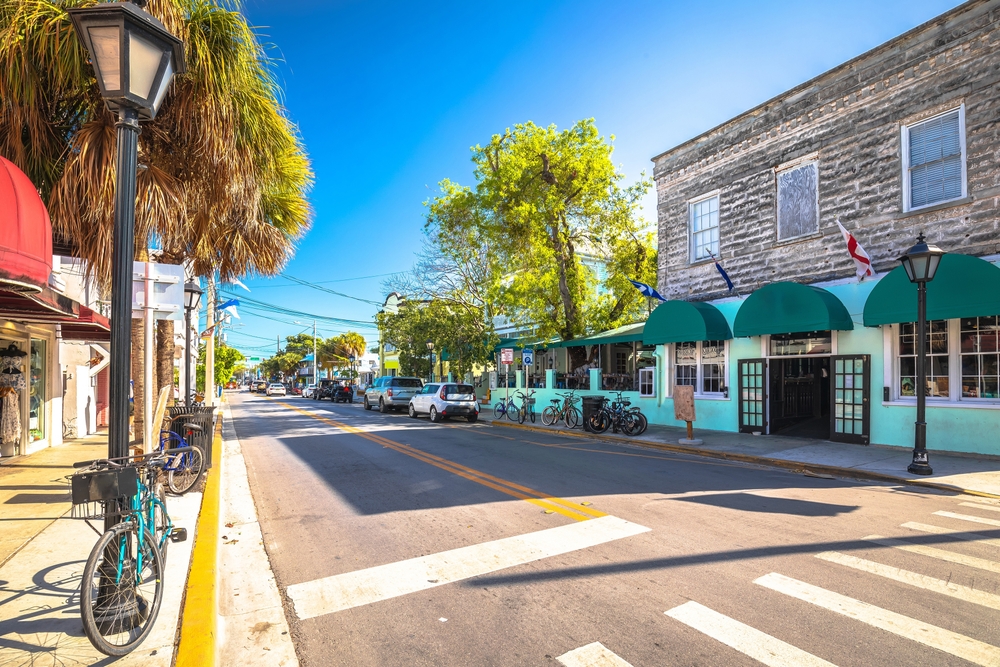
Key West’s turquoise waters and colorful streets have long attracted visitors, but too many can spoil paradise. Cruise ships unload thousands of passengers daily, overwhelming narrow streets. Coral reefs suffer from sunscreen chemicals, boat anchors, and overuse. Noise and congestion wear down both residents and wildlife. Efforts to limit cruise traffic face political and economic pushback. The island’s easygoing charm is still there, but it is buried under crowds and exhaust fumes.
South Padre Island, Texas
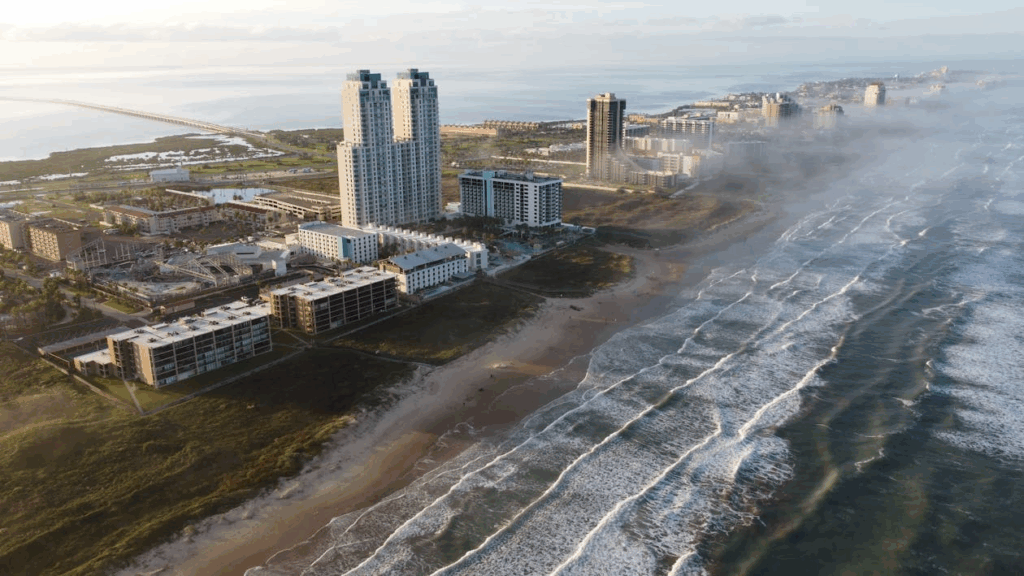
South Padre Island shines with white sands and warm weather, but its spring break reputation overshadows its beauty. Party crowds leave behind bottles, trash, and loud chaos. Sea turtles and shorebirds face stress from constant disruption. Noise spills late into the night, making rest difficult for residents. Beach erosion worsens every year from heavy use. Local groups promote cleanup campaigns, but the cycle repeats when the next wave of visitors arrives.
Sedona, Arizona
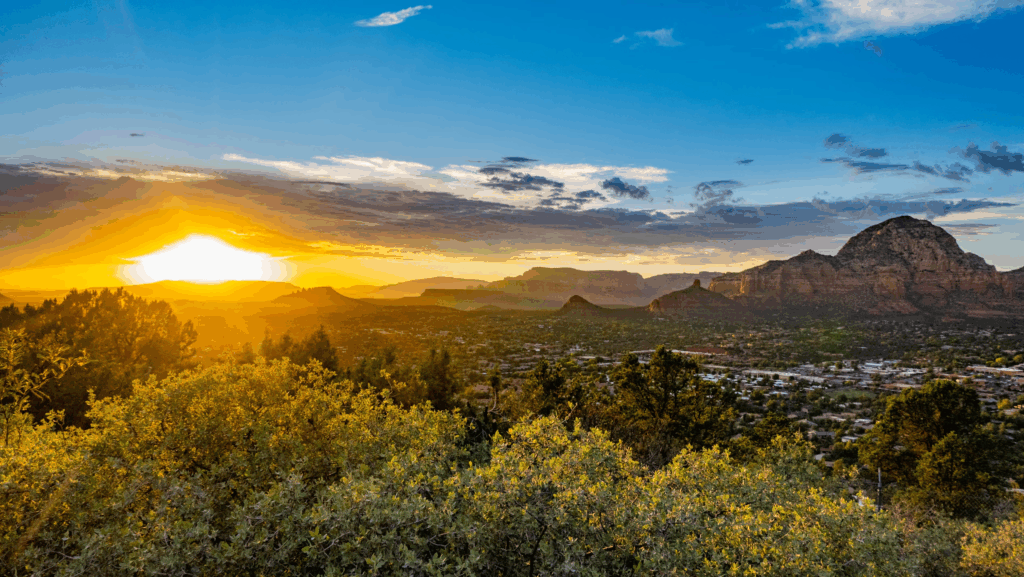
Sedona’s red rocks and spiritual energy attract millions which contributes to overtourism, but that love has turned into overuse. Trailheads overflow with parked cars before sunrise. Footpaths widen as hikers stray off designated routes. Jeep tours and drone noise disrupt the quiet desert atmosphere. Locals say it is harder to find the peace the place was once known for. Conservation groups now call for stricter visitor limits and better public transport. Even beauty needs boundaries to survive.
Mount Rushmore, South Dakota
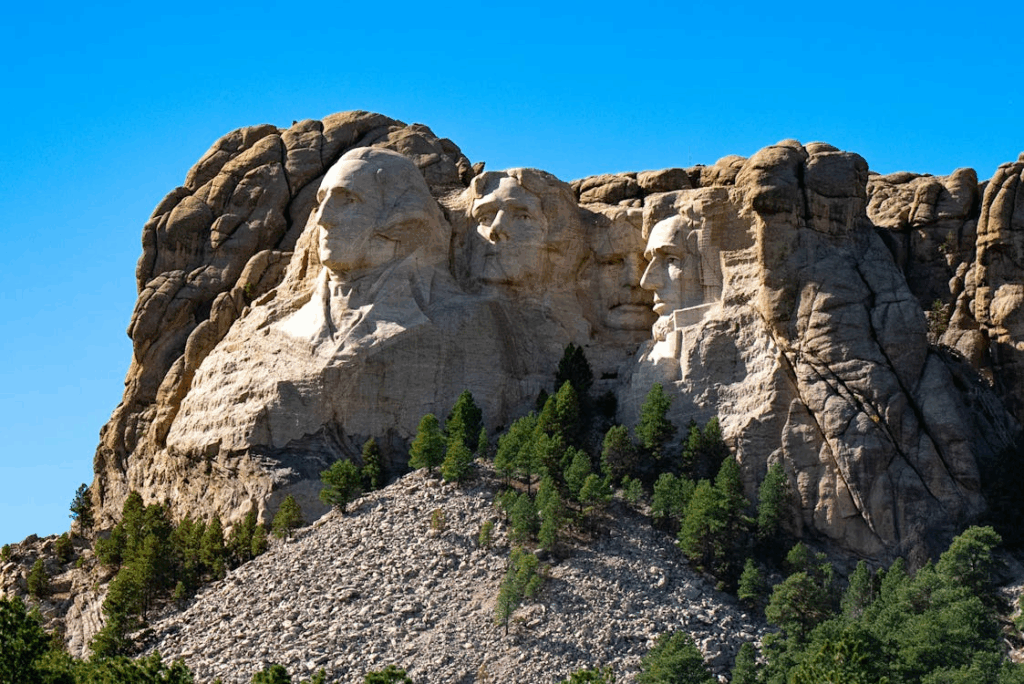
Mount Rushmore remains a proud symbol of American history, but its surroundings now resemble a bustling highway rest stop. Heavy traffic leads to noise, litter, and parking problems. Nearby businesses cater to endless streams of tourists, often overshadowing local traditions. Infrastructure maintenance costs continue to rise. The monument’s solemn spirit is sometimes lost among souvenir stands and selfie crowds. Visitors still come for the view, but they often leave unaware of the toll it takes.
Lake Tahoe, California and Nevada
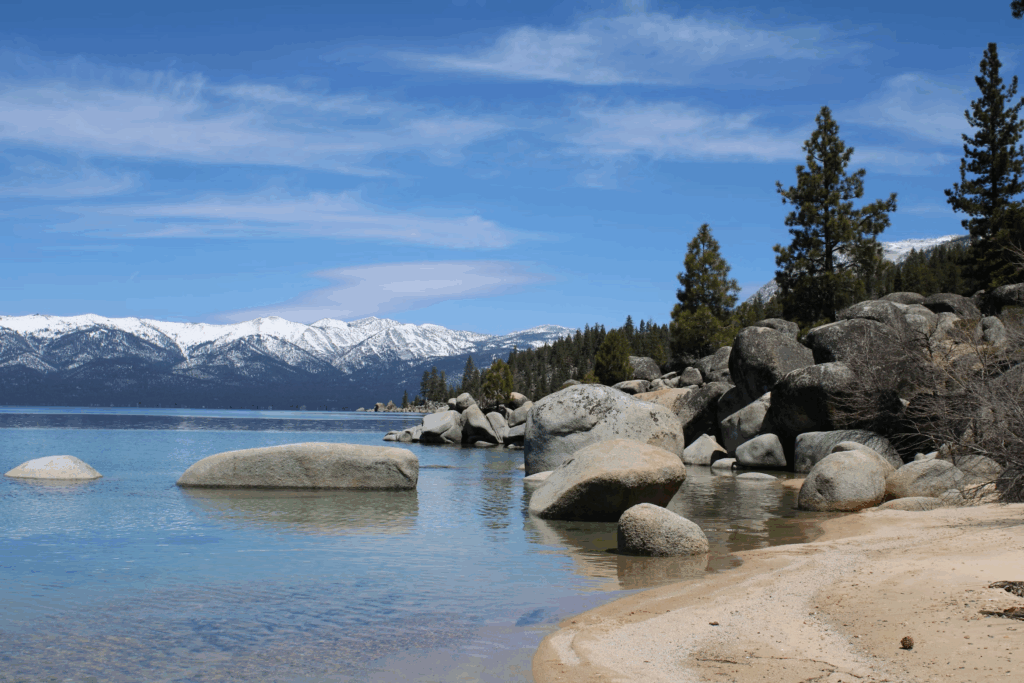
Lake Tahoe’s crystal waters once looked untouched, but now pollution, overtourism, and traffic threaten its clarity. Runoff from roads and development seeps into the lake. Overcrowded beaches leave litter and damage shoreline plants. Residents battle to preserve the environment as housing and tourism grow unchecked. Boating rules and parking restrictions try to ease the strain. Still, the question remains whether Tahoe can stay pristine with so many people chasing its peace.
Savannah Historic District, Georgia
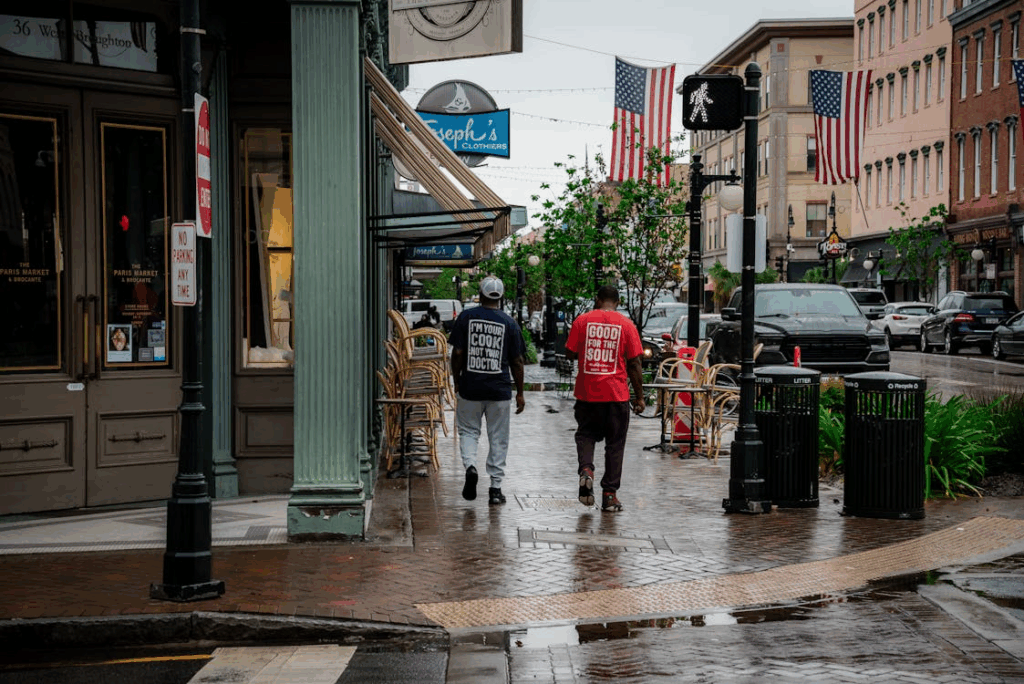
Savannah’s oak-lined streets and antique charm make it a favorite for travelers. Yet those same streets now strain under constant foot traffic. Horse carriages, buses, and walking tours flood the narrow lanes. Short-term rentals push long-term residents farther away. Locals say the city feels more like a stage set than a community. Restoration and preservation efforts continue, but tourism often moves faster than planning can keep up. Savannah’s elegance endures, though it fights to keep its roots.
Las Vegas Strip, Nevada
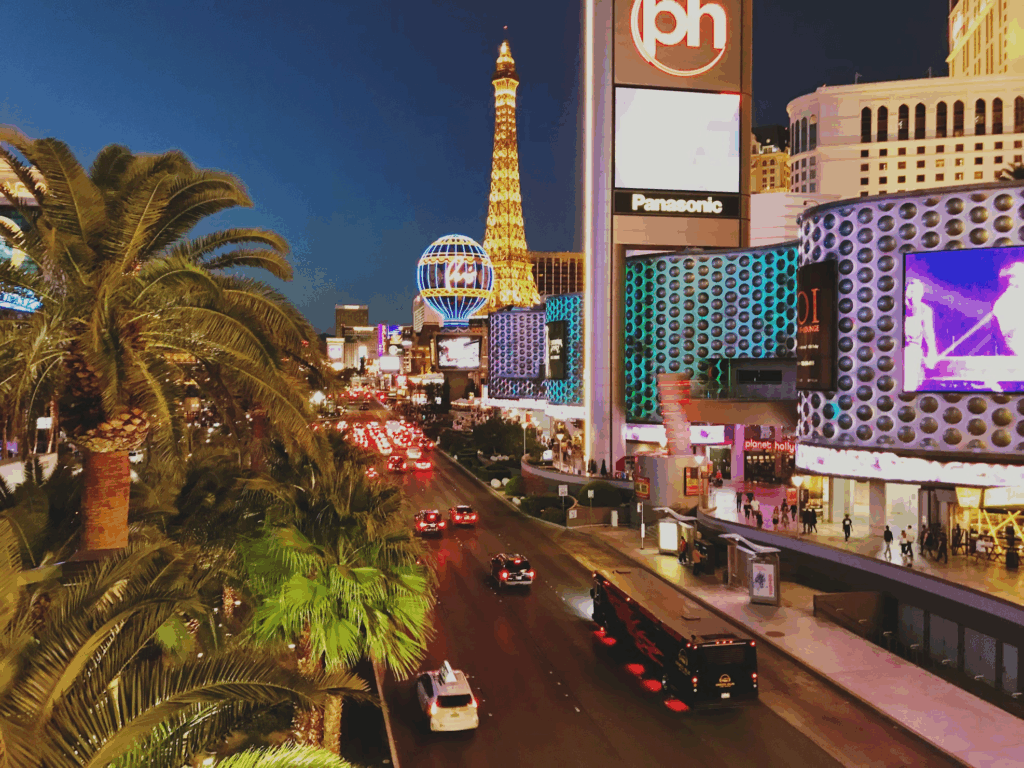
The Strip dazzles brighter than ever, but excess has become exhausting. Hotels rise taller, lights glow hotter, and prices climb higher. Crowds pack every casino floor and sidewalk. Authenticity is hard to find among the spectacle. Locals struggle with cost of living and job instability tied to tourism. The city’s energy is still electric, but many say it feels more chaotic than exciting. What was once thrilling now risks feeling hollow.
Sustainable Travel Alternatives in the USA
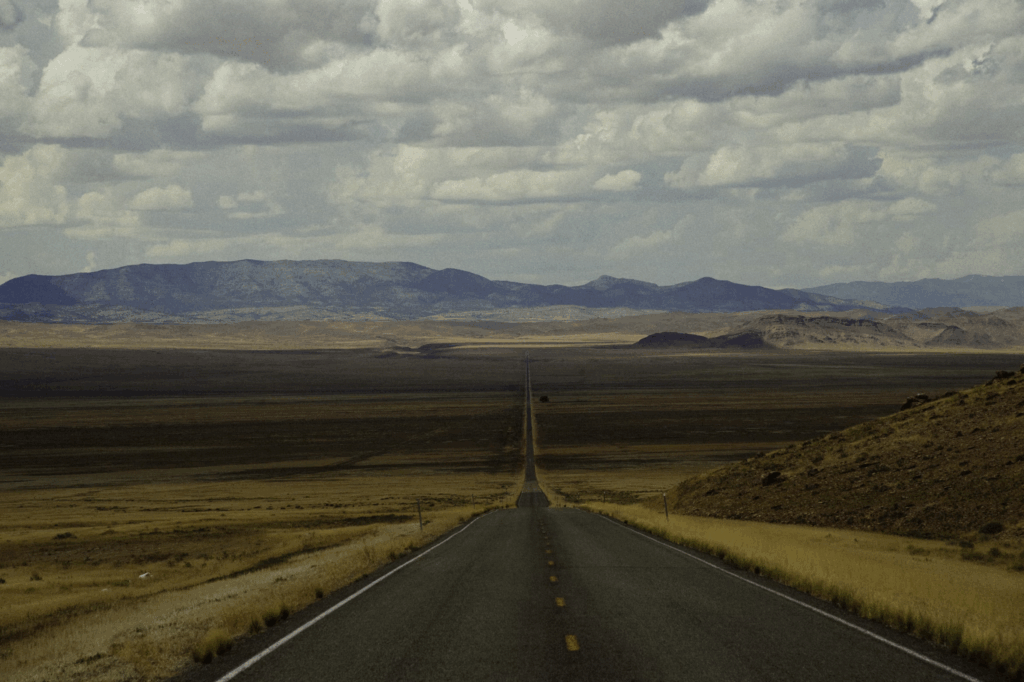
If overtourism sounds discouraging, there are quieter gems waiting. National parks like Great Basin in Nevada and Capitol Reef in Utah offer space without crowds. Appalachian small towns welcome visitors who appreciate simplicity and local culture. Coastal areas like Oregon’s quieter beaches or northern Maine’s parks still feel untouched. Travelers can help by visiting during off-seasons and supporting eco-friendly lodging. Sustainable tourism means leaving a light footprint while still enjoying the view. A calmer trip often turns out to be the most memorable.
What to Pack for the Perfect Road Trip
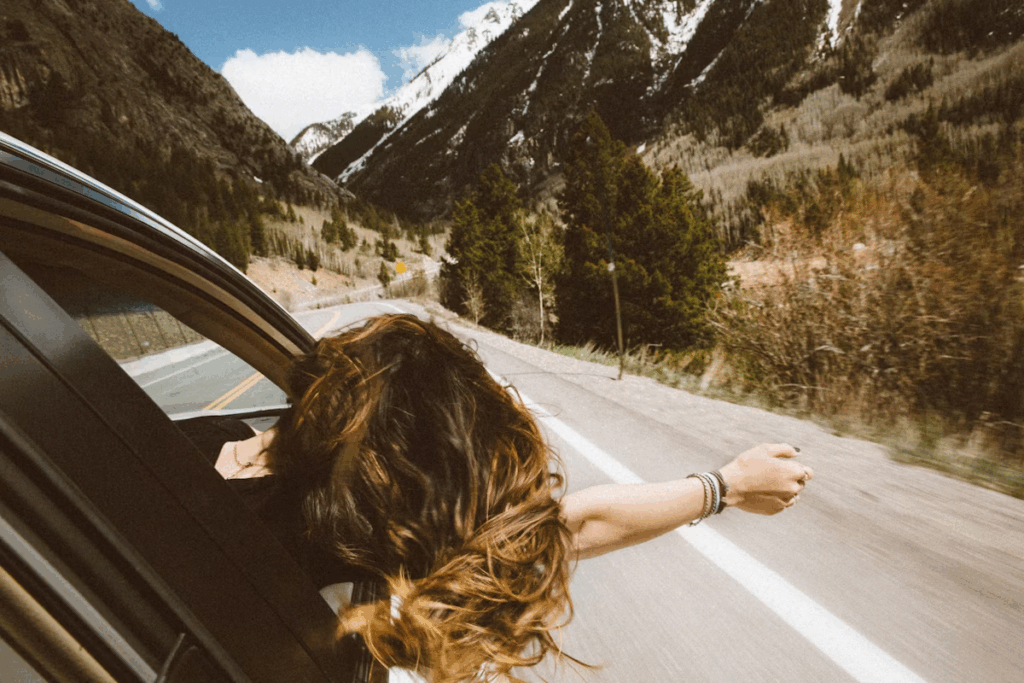
A smart packer is a happy traveler. Bring a reusable water bottle, comfortable walking shoes, and layers for changing weather. Keep snacks, a first aid kit, and a reliable map handy. Reusable bags cut down on plastic waste. A portable charger and flashlight save stress on long drives. Leave space in your bag for souvenirs but skip the clutter. The lighter you pack, the freer you feel on the open road.
Staying Safe While Traveling

Safety matters no matter how spontaneous the journey feels. Always check weather and road conditions before heading out. Keep emergency numbers and copies of important documents with you. Avoid leaving valuables in plain sight inside your car. In nature, stay on marked trails and never feed wild animals. In cities, trust your instincts and stay aware of your surroundings. A bit of caution keeps your adventures fun and worry-free.
Finding Balance in the Way We Travel

Overtourism shows that too much love can hurt what we adore. The key is not to stop exploring, but to travel with awareness. When we choose smaller towns, local stays, and eco-friendly habits, we protect the places we cherish. Beauty deserves to last, not crumble under the weight of crowds. Every traveler holds part of that responsibility. Travel thoughtfully, and the world stays wonderful for those who follow.
Read More: The Best Times to Visit 100 of the Most Famous Tourist Destinations Around the World
Disclaimer: This article was created with AI assistance and edited by a human for accuracy and clarity.