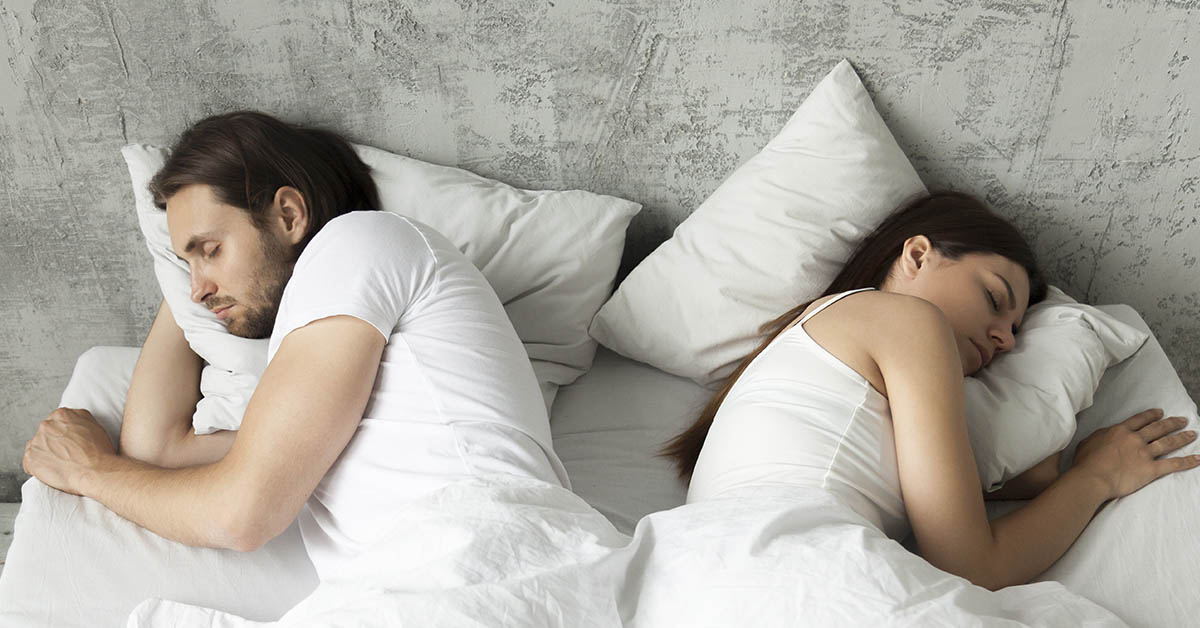

Couples sleeping in separate beds seems like a modern trend. But wealthy couples in earlier centuries often maintained separate bedrooms. The practice fell out of favor in the mid-20th century as shared beds became the romantic ideal. Now the pendulum is swinging back. A sleep study found that one-third of couples sleep apart occasionally or regularly.
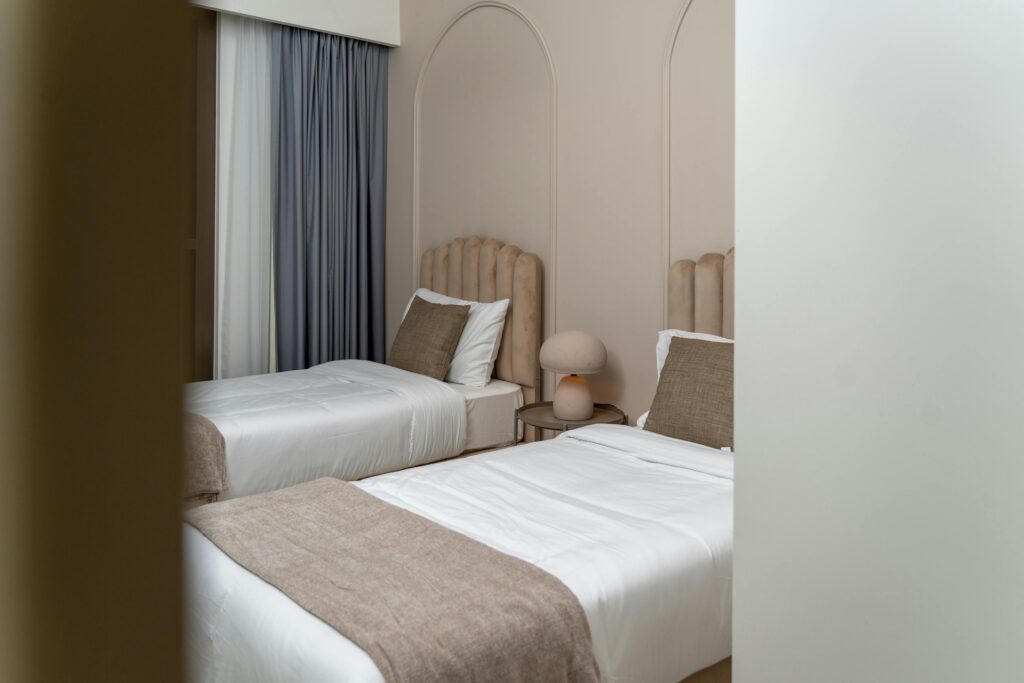
So what is driving couples to make this choice? It’s not always relationship problems. They do it because one or both partners aren’t getting proper rest. Poor sleep affects mood, health, and stress levels. Sometimes protecting your sleep means protecting your relationship. Here are the 12 most common reasons couples give for sleeping in separate beds.
1. One Partner Snores Loudly
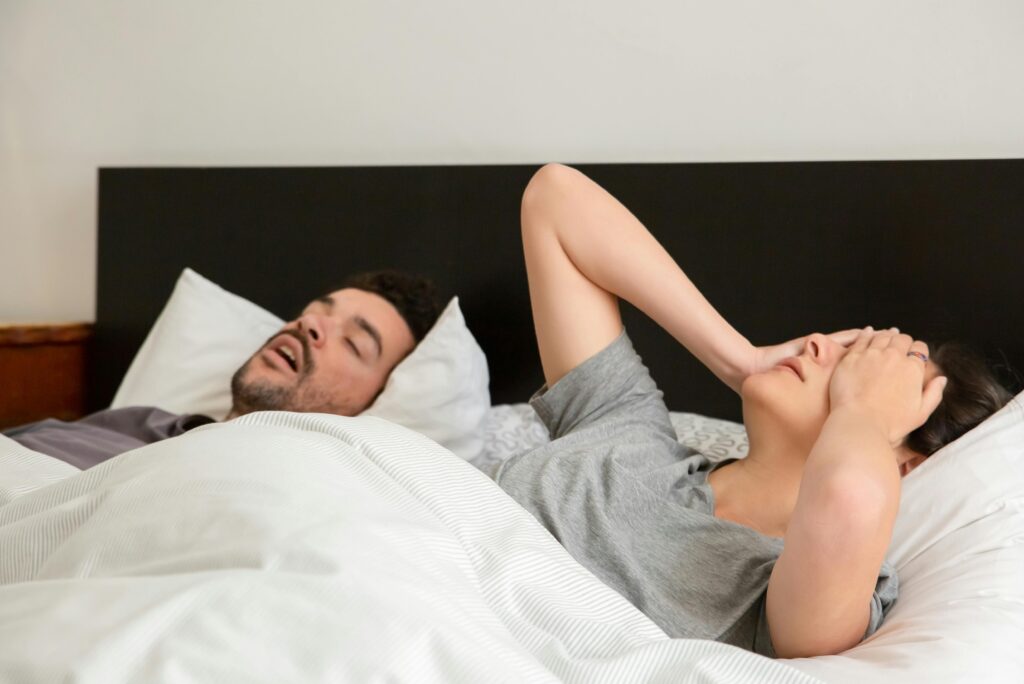
In a 2025 survey by the American Academy of Sleep Medicine, snoring is stated as the top reason couples choose separate beds. 57% of people who sleep apart say snoring made them do it. The noise wrecks sleep for the person lying awake. But the snorer loses out, too. Sharon Bober is an associate professor of psychology at Harvard Medical School. She explains that when you share a bed, you share the other person’s sleep behavior. Snoring makes both partners more tired and cranky. This damages the relationship.
2. Conflicting Sleep Schedules
In the same survey, 56% of people who sleep separately cite conflicting sleep and wake schedules. One person wakes at 5 am while the other stays up until midnight. Someone always gets disturbed. This hits younger couples hardest. Among Millennials, 63% say schedule conflicts pushed them to separate beds. Gen Z comes in close at 62%. Shift work and irregular hours are common for these age groups. Syncing up sleep becomes nearly impossible.
3. One Person Has a Sleep Disorder
Sleep disorders create constant movement throughout the night. Restless leg syndrome, sleep apnea, and periodic limb movement disorder all disrupt a bed partner’s rest. Partners trying to sleep next to someone with these conditions often end up exhausted, too. Millennials cite this reason more than older generations. About 54% of Millennials said sleep disorders pushed them to separate beds. Only 22% of Baby Boomers said the same.
4. Different Temperature Preferences
One person wants the room as cold as the Antarctic. The other just wants not to freeze. This sounds silly until you realize body temperature controls how fast you fall asleep and stay asleep. When neither person can get comfortable, both lose. Temperature battles can wreck relationships. Among couples dealing with this issue, 58% said it was intense enough to make them question whether the relationship could work.
5. They Have Young Children
The survey found that over 82% of people who sleep separately have children. When an infant needs nighttime feeding, one parent rooms with the baby while the other sleeps elsewhere to get enough rest to be able to function the next day. Medical guidelines support this. The American Academy of Pediatrics recommends one parent sleep in the same room as an infant to reduce SIDS risk, though the baby’s mattress should stay separate.
6. Mattress Firmness Disagreements
Some people need firm support for their back. Others want to sink into something soft. Sharing a bed means someone always sleeps on the wrong side. Gen Z cited this more than any other age group in the survey. Compromise comes with a cost of one person waking up aching.
7. One Partner Moves Too Much
Restless sleepers kick, roll, and shift position constantly. Baby Boomers most often cited their partner’s movements throughout the night as the main reason they missed having their own beds. Every time your partner moves, your brain registers the disturbance. You might not fully wake up, but these small interruptions add up and leave you feeling drained despite spending eight hours in bed.
8. Getting Better Sleep Quality Matters More
When asked to rate their sleep quality, 60% of people who sleep separately rated their sleep as good or amazing compared to 51% of those who share a bed. Age makes this difference sharper. Among Baby Boomers who sleep separately, 27% rated their sleep as amazing, versus only 10% who share a bed. Gen X showed the same pattern at 28% versus 9%. As people age and sleep becomes harder to protect, the health benefits of sleeping alone become essential.
9. Reducing Daily Stress
Sleep deprivation wears you down. 60% of people who said they sleep separately said they felt less stressed during the day. When you are tired, you have less patience for annoyances. Your mood dips, making decisions feels harder. When you finally get consistent rest in a separate bed, these symptoms fade. Your baseline emotional state has a chance to improve. You handle daily challenges better simply because your brain has recovered.
10. Falling Asleep Faster
When you share a bed, your partner moves throughout the night. They turn over. They adjust their pillow. Each movement can pull you back from the edge of sleep. For light sleepers, this becomes frustrating. In the survey, 90 people who sleep separately said they fall asleep in 10 minutes or less, compared to 75 bed sharers. Without those disruptions, your brain can finally settle calmly.
Read More: The Pros and Cons of Sleeping With Your Pets
11. More Space in Bed
Most standard mattresses do not give two adults much room to spread out. You might start the night on your side of the bed, but wake up clinging to the edge while your partner sprawls across the middle. The physical constraint affects how deeply you sleep and whether you can find comfortable positions throughout the night. About ⅓ of those who participated in the survey who share a bed said that what they miss most about having their own beds is the space.
12. Health Issues or Recovery
Health issues sometimes force couples to start sleeping in separate beds. An injury, illness, or medical treatment makes shared sleep impossible. The affected partner will often wake from pain or bathroom trips. Medical equipment can also crowd the bed. Medications can also shift body temperature and wreck sleep for both people. Most couples plan to reunite after the recovery. But they sometimes find they sleep so much better apart that separate beds become permanent.
The Trade-Offs and How to Make It Work
Sleeping in separate beds solves real problems but creates others. Couples who share a bed give their relationships higher ratings. The difference shows up even more clearly with physical intimacy. About 72% of bed sharers say their intimate life is good or excellent. Only 55% of separate sleepers say the same. When asked what they missed most, 43% of people who sleep separately said cuddling. This makes sense because physical touch builds emotional connection and releases hormones that strengthen the bond between partners.
Sharon Bober suggests setting a schedule to sleep apart during the week but together on weekends. Spend time together in bed before sleep for cuddling or intimacy, then move to separate beds. Get in bed together in the morning for coffee and conversation.
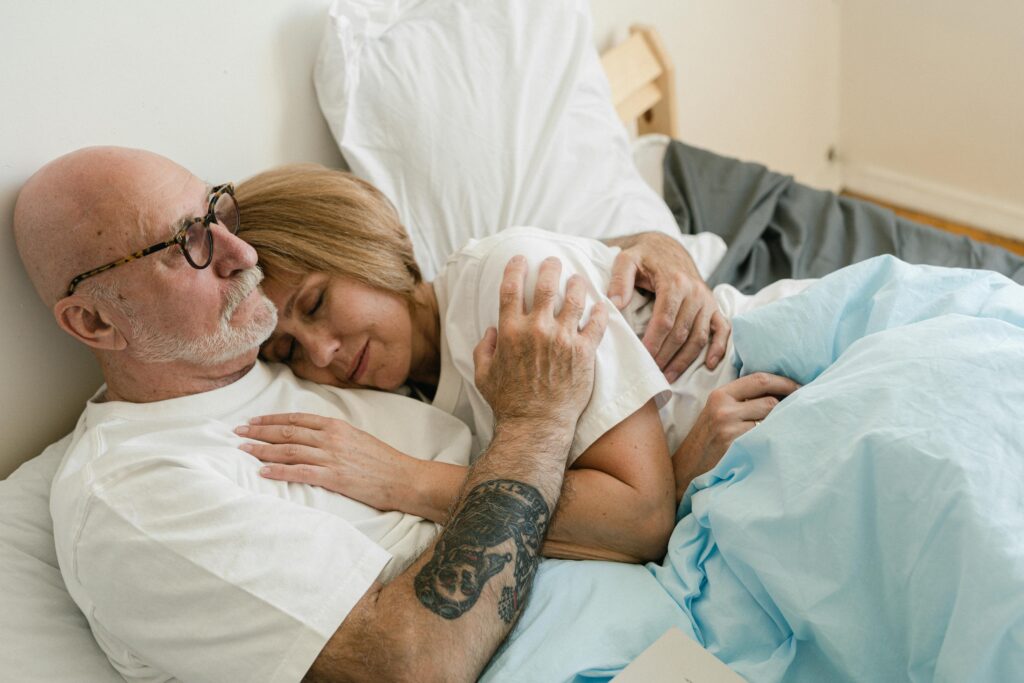
There needs to be intentional effort. Clinical psychologist and life coach Jill Lankler told USA Today that communication remains central to sleeping separately while keeping closeness alive. Partners who choose to sleep in separate beds should express their expectations and intentionally carve out time for intimacy.
When to Consider Separate Beds
Your relationship does not fail when you start sleeping in separate beds. It fails when one or both of you walk through each day exhausted and irritable because you refused to fix a solvable problem. Sleep deprivation strains patience, mood, and your ability to be present with your partner. When lying awake next to someone who snores or kicks all night damages your relationship more than sleeping separately would, you have your answer.
Some couples worry that separate beds signal trouble. The research suggests the opposite. Separate beds do not erase intimacy. They give you the energy and emotional stability to create it. When you sleep well, you show up better for each other during the hours that matter most.
Read More: What a Couple’s Sleep Position Reveals About Their Relationship