

If you have ever wondered what separates good relationships from great ones, science has a few ideas. What makes a good wife – or a good husband? Research shows that certain patterns and behaviors consistently appear in couples who stay connected, even through challenges. These qualities build trust, safety, and emotional closeness that lasts. You do not need to be perfect to be a great partner, but you do need to understand what truly matters. In this article, we will look at the fifteen most important traits that psychology links with relationship satisfaction. After that, we will explore ways to show appreciation, grow together, plan for a lasting relationship, and handle difficulties in healthy ways. Understanding the real qualities of a good partner helps you build something that feels steady and fulfilling.
Emotional Intelligence

Image credit: Pexels
People with strong emotional awareness tend to have steadier relationships. A review of studies found that couples who can recognize and talk about feelings are more satisfied overall. When someone understands their own emotions, they react with calm instead of defensiveness. That same awareness helps them read their partner’s mood before things spiral. Picture a couple disagreeing about money: one partner notices frustration building and says, “Let’s take a breath before this turns into a fight.” That small pause changes everything. Emotional intelligence helps couples stay connected even when conversations get uncomfortable, which is one of the defining qualities of a good partner.
Empathy

Empathy is one of the most powerful forces holding a relationship together. Studies on attachment and bonding show that couples who regularly try to understand each other’s perspective report fewer arguments and recover from tension more quickly. When empathy is present, anger softens and communication shifts from accusation to problem-solving. Picture a husband listening after his partner’s difficult day and saying, “That sounds really stressful, I understand why you feel that way,” instead of offering quick advice. That small response helps the other person feel seen rather than dismissed. Among the traits of a good husband, empathy consistently ranks near the top because it turns emotional distance into understanding and helps both people feel safe being honest.
Effective Communication
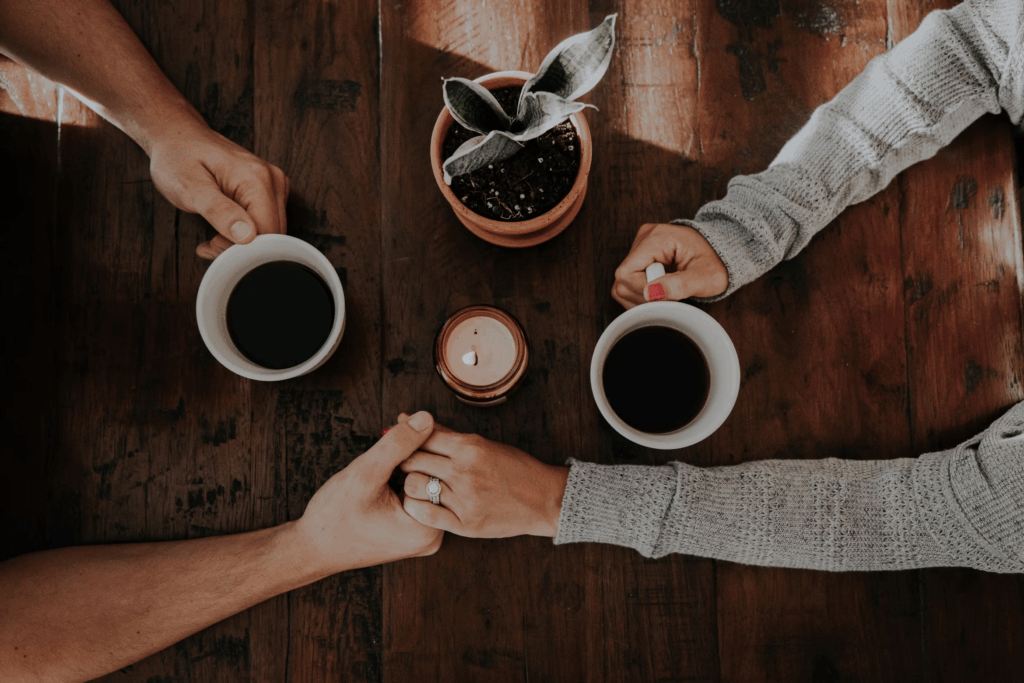
Image credit: Pexels
Couples who know how to communicate clearly stay closer through stress. Relationship studies by Dr. John Gottman show that the way couples talk during conflict can predict how happy they’ll be years later. When conversations start with criticism, they often end in defensiveness. But when someone begins with honesty and respect – “I feel overwhelmed when I do this alone” – the other person is far more likely to listen. Clear communication builds a bridge instead of a wall, and over time that’s what keeps trust alive.
Emotional Availability

Image credit: Pexels
Emotional availability means being reachable, not perfect. Research on intimacy shows that when partners stay open about their feelings instead of shutting down, their bond deepens over time. This doesn’t require constant vulnerability – just honesty when it matters. For example, saying “I’m stressed and need a minute to think” is more connecting than silence or withdrawal. It reassures the other person that you’re still engaged, even when tired or frustrated. Availability tells your partner that your emotions aren’t locked away somewhere they can’t reach.
Reliability and Consistency

Image credit: Pexels
Relationships run on trust, and trust grows through predictable behavior. Studies on long-term satisfaction show that dependability ranks among the strongest indicators of relationship health. When your words match your actions, your partner relaxes instead of waiting for disappointment. Consistency builds a quiet kind of safety that passion alone can’t replace. Whether it’s following through on plans or being emotionally steady, reliability says, “You can count on me,” and that message matters more than any romantic gesture.
Mutual Respect

Image credit: Pexels
Respect gives relationships their balance and steadiness. Couples who hold onto it, even when they disagree, tend to stay closer and more satisfied over time. It shows up in how people speak to each other during ordinary moments, listening without cutting in, treating opinions seriously, and showing restraint when tempers rise. When both partners handle conflict with curiosity instead of judgment, communication stays productive instead of painful. Decades of research by psychologist John Gottman show that one of the defining traits of a good husband is the ability to handle conflict respectfully, without contempt or belittling. Mutual respect allows love to stay honest while keeping dignity intact on both sides.
Shared Responsibility
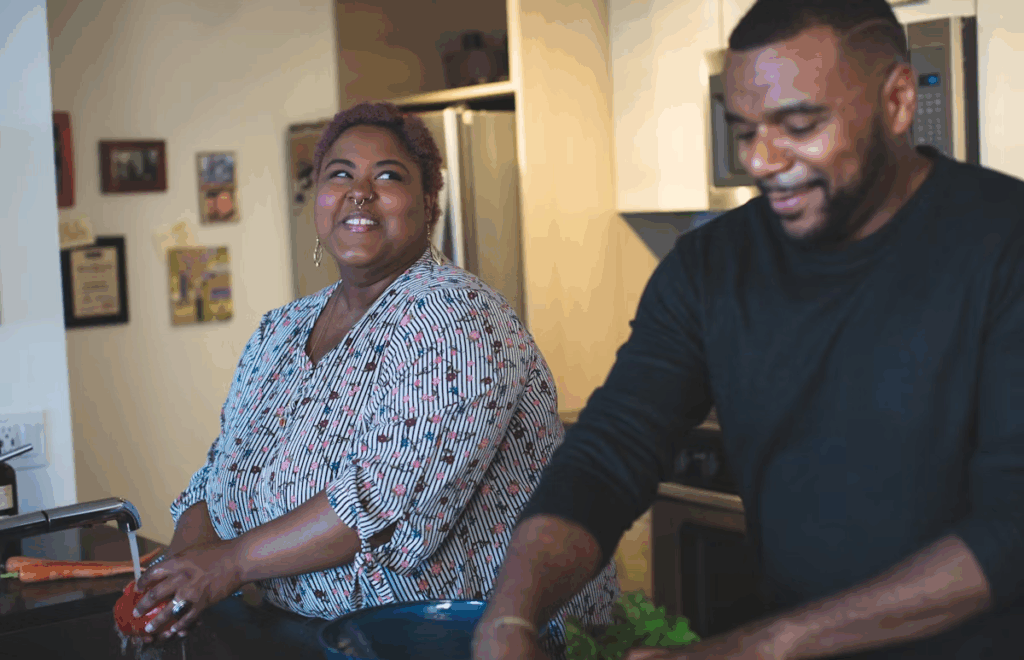
Image credit: Pexels
When both people contribute, resentment has nowhere to grow. Studies from the Pew Research Center show that couples who share household and emotional responsibilities feel more satisfied overall. Fairness creates a sense of partnership instead of pressure. A simple example: when one person handles dinner, the other cleans up. No scoreboard, just teamwork. Sharing the weight of daily life keeps love from feeling one-sided and turns ordinary moments into quiet proof of care.
Supportiveness

Image credit: Pexels
Support is about showing belief in your partner’s strength, not trying to fix them. Research in relationship psychology shows that people feel most connected when their partners encourage personal growth rather than control outcomes. For instance, when one person faces a setback at work, a supportive response is “You’ve handled harder things before, and I believe in you,” rather than “Here’s what you should’ve done.” Encouragement builds confidence and keeps the relationship from turning into a rescue mission.
Humor and Playfulness

Image credit: Pexels
Laughter does more for relationships than most people realize. Studies on relational resilience show that shared humor helps couples recover faster from stress and see each other in a softer light. Playfulness breaks tension and makes hard moments easier to navigate. Imagine two people arguing over directions during a trip, one cracks a joke about their “elite navigation skills,” and suddenly both are laughing instead of fighting. Humor reminds partners they’re on the same team, not opponents keeping score.
Conflict Resolution Skills

Image credit: Pexels
Disagreements are unavoidable, but what matters most is how partners move forward afterward. Studies published in the Journal of Marriage and Family found that couples who use problem-solving and emotional regulation during conflict report higher satisfaction years later. Calm conversations and small repair attempts, like a joke or a soft tone, help tension fade before it hardens into distance. For example, one partner saying, “I know we’re both frustrated, but I want to fix this,” opens the door to understanding instead of blame. Researchers also note that one of the key traits of a good husband is knowing how to stay respectful under pressure. Conflict resolution done with empathy keeps love intact even in difficult moments.
Growth Mindset

Image credit: Pexels
Relationships thrive when both people believe improvement is possible. Studies show that couples who see challenges as opportunities to learn report greater satisfaction and lower breakup rates. This mindset helps partners stay flexible rather than defensive. Think of someone saying, “We’re both learning how to communicate better,” instead of “You never listen.” That shift changes frustration into collaboration. A growth mindset makes love feel like progress, not pressure.
Gratitude and Appreciation

Image credit: Pexels
Gratitude keeps relationships alive long after the excitement fades. Research published in Personality Science found that couples who regularly express appreciation feel more committed and satisfied over time. When people feel noticed, they tend to give more in return. Saying “Thanks for handling that errand” or “I really appreciate how you listened earlier” strengthens the sense of partnership. Gratitude shifts focus from what’s lacking to what’s already working, and that shift quietly changes everything.
Intimacy and Affection

Image credit: Pexels
Intimacy is how partners remind each other they’re safe together. Research on relationship satisfaction shows that consistent affection – touch, attention, and honest conversation – keeps emotional closeness strong even in long marriages. It’s not about constant romance but about staying emotionally available. A hand on the shoulder after a hard day or an “I missed you” text after work reinforces connection more than grand gestures ever could. Intimacy doesn’t demand perfection; it asks for presence.
Secure Attachment

Image credit: Pexels
Secure attachment gives relationships stability when life feels unpredictable. Studies show that securely attached adults tend to handle stress more calmly and trust more deeply. They’re not afraid of closeness, but they don’t lose themselves in it either. For example, one partner might spend a weekend alone to recharge while the other feels comfortable rather than rejected. That balance of independence and trust keeps relationships strong without constant reassurance.
Self-Awareness

Image credit: Pexels
Self-awareness helps partners understand how their own behavior shapes the tone of the relationship. Research on emotional intelligence shows that people who can recognize their triggers and patterns handle stress and disagreements with more empathy and control. For instance, someone might realize they’re snapping at their partner because of work stress, not because of the relationship itself, and take a moment to reset before things escalate. That kind of reflection prevents unnecessary conflict and keeps communication open. Among the traits of a good husband, self-awareness stands out because it replaces defensiveness with responsibility. Over time, that awareness builds a steady kind of trust that keeps the relationship grounded.
Ways to Show Your Appreciation

Image credit: Pexels
Appreciation thrives on attention. Notice effort, not just results. Acknowledge what your partner does, from making coffee to listening when you vent. Write a small note, offer help before being asked, or say something genuine instead of scripted. These gestures show that you’re aware of their contribution to your shared life. Appreciation doesn’t need to be dramatic; it just needs to be real and consistent.
Ways to Grow Together

Image credit: Pexels
Shared growth keeps relationships from feeling stuck. Set goals that excite both of you, like saving for a trip or learning something new together. Talk about what each of you is working on personally and how you can support each other. Growth happens when partners stay curious about each other instead of assuming they already know everything. When couples make a habit of checking in, they adjust before distance builds. Evolving together turns comfort into connection.
Planning for a Lasting Relationship

Image credit: Pexels
Long-term relationships survive because partners plan for them. Discuss finances, boundaries, and expectations before they become problems. Create routines that encourage connection, like regular check-ins or quiet nights with no distractions. Flexibility is part of planning too – life changes, and couples who adapt stay stronger. The most lasting love stories usually belong to people who treat the relationship itself like something to maintain, not something that runs on autopilot.
Handling Difficulties in Healthy Relationships

Image credit: Pexels
Even solid relationships face storms. The difference lies in how partners navigate them. Research shows that couples who handle conflict calmly and express repair attempts early are more likely to stay satisfied. Taking a short break during an argument, returning with a softer tone, or asking, “What do you need right now?” can shift the entire outcome. Struggles aren’t proof that love is failing – they’re part of learning how to stay steady together.
What Love Looks Like in Practice

Image credit: Pexels
Lasting love feels less like a rush and more like rhythm. It grows through patience, small choices, and shared understanding. The qualities of a good partner appear in the ordinary moments, like listening without judgment or showing care without being asked. Real connection depends on how two people handle frustration, rebuild after conflict, and keep choosing each other when it would be easier not to. Love matures through consistency, not perfection. Over time, that steady effort becomes the quiet strength that holds everything together.
Read More: If Your Partner Doesn’t Appreciate You, Here’s the Healthiest Way to Respond
Disclaimer: This article was created with AI assistance and edited by a human for accuracy and clarity.