

A lot of people wonder how to keep someone faithful. They think there’s a formula that makes someone stay loyal no matter what. But real life doesn’t work like that. You can try to build trust, keep things strong, and love deeply, but you can’t force someone to stay true.
Faithfulness depends on choice, maturity, and shared values. When those things line up, loyalty usually follows. When they don’t, even deep love might not hold a person there. You can’t control someone else’s actions, but you can help create an environment that encourages honesty and trust.
So, if you’re trying to figure out how to prevent cheating in a relationship, it starts with understanding what drives loyalty and what causes someone to cheat in a relationship.
What Faithfulness Really Means
Faithfulness isn’t just about avoiding physical cheating. It’s also about staying emotionally and mentally connected to one person. Someone might never cross a physical line, but if they’re secretly messaging another person for attention or sharing private feelings, that can be a betrayal too.
Experts describe loyalty as emotional honesty, respect, and commitment. It’s choosing your partner even when things get messy. It’s not one single choice either; it’s a pattern of small daily decisions that show care and integrity.

Image credit: Shutterstock
When partners feel valued and safe, staying faithful feels natural. Understanding what causes someone to cheat in a relationship helps, because cheating is often about more than temptation. Sometimes it’s emotional disconnection or poor boundaries that open that door.
Faithfulness also connects deeply to self-awareness. People who understand their needs, communicate them clearly, and take responsibility for their emotions are less likely to seek external validation. It’s not about being perfect, it’s about being honest with yourself and your partner when something feels off.
You Can’t Force Loyalty, but You Can Encourage It
You can’t control someone’s actions, but you can influence the kind of relationship you share. When two people feel safe and connected, loyalty grows on its own.
Emotional Safety Comes First
People stay faithful when they feel appreciated and emotionally secure. If one partner feels ignored or constantly criticized, they might become vulnerable to outside attention. Creating safety means listening, showing empathy, and keeping respect alive, even during arguments.
When both people can talk honestly without fear of judgment, it’s easier to stay loyal. Open communication helps fix small cracks before they turn into real damage.
It’s also about emotional maturity. Mature partners don’t run from discomfort. They lean into hard conversations and admit when they’re wrong. That vulnerability builds a stronger bond, one where both people feel like they can be themselves without fear of rejection.

Satisfaction Plays a Big Role
Happy partners rarely cheat. Studies show that satisfied couples are more loyal because they feel emotionally fulfilled. It’s not about perfection, it’s about connection.
Small things matter here. Compliments, shared laughter, and little acts of kindness. Those keep the relationship feeling alive. When people feel seen, they don’t go looking for that feeling elsewhere.
Sometimes, long-term couples forget to keep romance alive. Life gets busy, routines take over, and connection fades without either person meaning for it to. That’s when emotional distance can creep in. Making time for dates, affection, and simple fun isn’t just nice, it’s protective.
Trust Needs to Be Mutual
Trust is fragile. You can’t demand it; you build it. Constant suspicion can poison even a good relationship. Checking phones, setting rules, and assuming the worst usually push people further away.
Healthy trust is built through honesty and transparency, not control. You can talk about your fears, but at some point you need to believe in the person you’re with. When both partners trust each other, loyalty feels like the natural thing to do.

Temptation exists everywhere, but people who feel trusted are less likely to betray that trust. It’s not fear that keeps them loyal, it’s gratitude and respect. Knowing someone believes in you makes you want to protect that bond.
Why People Cheat Even When They Don’t Want To
Sometimes cheating has less to do with love and more to do with personal issues. Understanding what causes someone to cheat in a relationship can make sense of why it happens.

Unmet Emotional Needs
If someone feels lonely or unseen, they may look for validation from someone else. It’s not right, but it’s human. Emotional neglect often hurts more than people admit, and that lack of closeness can lead to dangerous choices.
Emotional needs are complex. Sometimes one person gives love through actions, while the other needs words. Without realizing it, partners can miss each other emotionally. When those differences go unspoken, one person may seek understanding elsewhere instead of trying to fix the disconnection.
Opportunity and Impulse
Cheating doesn’t always come from planning. Sometimes it’s just a mix of bad timing, opportunity, and weak impulse control. With social media and dating apps, temptation is always nearby. People who don’t set boundaries can slip without thinking it through.
Many affairs start with something as innocent as friendship. Over time, personal talks turn intimate, and lines blur. The person may tell themselves, “It’s harmless,” until it’s not. That’s why emotional awareness and clear boundaries matter so much.

Image credit: Shutterstock
Low Self-Esteem
Some cheat because they want to feel attractive or wanted. It’s a form of validation, but it’s shallow and temporary, and usually ends in guilt. Real confidence can’t come from sneaky attention.
Low self-esteem is one of the biggest unspoken reasons behind infidelity. When people don’t feel good about themselves, they sometimes chase external proof that they’re lovable. Healing that insecurity can stop the cycle before it starts.
Attachment Styles
Our upbringing affects how we love. People who are avoidant might cheat to keep emotional distance. Those with anxious attachment might cheat because they fear being abandoned. Learning your attachment pattern helps you understand your behavior.
Therapists often find that people with secure attachment are more likely to talk through issues instead of acting out. They value stability and communication over short-term excitement. Working on attachment security, even as an adult, can dramatically change how you handle temptation and connection.

Image credit: Shutterstock
Weak Moral Boundaries
Not everyone has the same sense of right and wrong. Some convince themselves that cheating isn’t a big deal. When personal ethics are flexible, temptation becomes easier to justify.
Society also plays a role. In a world where hookups and secrecy are normalized online, commitment sometimes feels outdated. That’s why loyalty has to be a conscious, personal choice rather than a social expectation.
Building a Relationship That Encourages Faithfulness
You can’t force loyalty, but you can help it grow. That’s the real key to keeping someone faithful.
Communicate Openly and Often
Talk about your feelings, even the uncomfortable ones. When communication stays open, secrets lose their power. Pretending everything is fine or avoiding serious talks creates distance.
If your partner feels safe enough to admit when they’re struggling, you can work through it before it becomes something worse. Sometimes communication fails because both people assume the other “should know.” But no one reads minds. Speaking your truth out loud, kindly and clearly, prevents resentment from quietly building up.
Stay Connected Physically and Emotionally
Intimacy isn’t only sex. It’s also closeness, shared time, and feeling known. Couples who touch, laugh, and talk often keep that bond alive. When that closeness fades, temptation can creep in.
You don’t need expensive dates to reconnect. Simple things like cooking together or holding hands can make a big difference. Small gestures remind both people that love still lives there, even on ordinary days.

Image credit: Shutterstock
Respect Each Other’s Independence
Trust grows when both people have freedom. Encourage your partner to explore hobbies or friendships outside the relationship. When they feel trusted, they usually value that freedom too much to risk it.
Controlling behavior might seem protective, but it actually breeds resentment. Balance is key.
Healthy independence also keeps attraction alive. When both people have their own interests and confidence, they bring more energy back into the relationship instead of draining it.
Handle Conflict the Right Way
Every couple fights. What matters is how you do it. Blame, yelling, or shutting down only builds walls. Instead, try to listen more, take responsibility when needed, and cool down before saying things you can’t take back. Humor and empathy help, too. They remind you that you’re on the same team, not against each other.

Image credit: Shutterstock
Show Appreciation Often
People cheat less when they feel appreciated. Gratitude might sound simple, but it’s powerful. A thank-you, a compliment, or even a warm smile can make someone feel special. When both people feel valued, loyalty becomes a choice they want to keep making.
Gratitude also has a ripple effect. When you appreciate someone, they tend to mirror that energy back. It builds mutual kindness, and that kindness becomes the quiet glue that keeps people faithful even when life gets tough.
Self-Awareness and Responsibility
You can’t make someone honest by watching their every move. Real faithfulness starts inside each person. Instead of obsessing about your partner’s loyalty, focus on what you can control.
Ask yourself, am I being open about my needs? Do I feel respected here? Am I protecting my peace? When you stay self-aware, you set healthy boundaries that prevent emotional chaos.
Taking responsibility for your feelings doesn’t mean blaming yourself when things go wrong. It just means understanding your role in communication and trust. When both people do that, loyalty becomes the natural outcome of mutual respect.
When Trust Breaks
Even strong relationships can face betrayal. What happens after depends on both people’s willingness to rebuild.
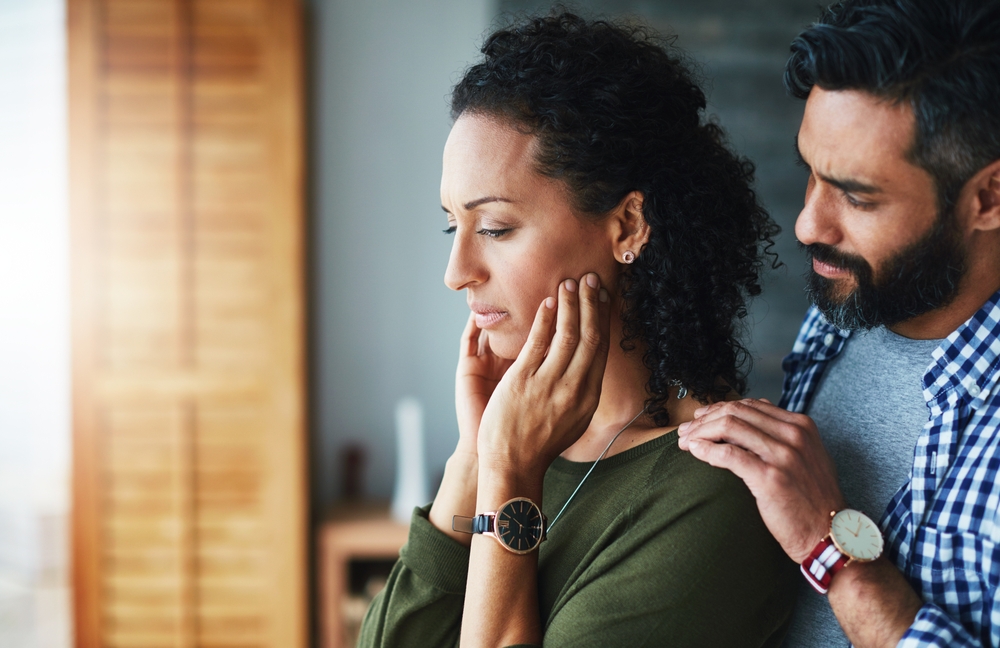
Rebuilding Takes Work
After cheating, everything feels shaky. Healing takes time and brutal honesty. The person who cheated must take full responsibility and answer questions openly. The hurt partner needs space to process emotions without being rushed.
Therapy can help guide that process. Couples who stick with it often rebuild stronger communication and empathy. Rebuilding trust isn’t only about proving faithfulness, it’s about creating safety again. The betrayed partner needs consistent honesty, not grand apologies. The small acts of transparency every day are what eventually rebuild confidence.
Forgiveness Is Not Forgetting
Forgiving isn’t pretending it didn’t happen. It means releasing anger so you can move forward, together or apart. Sometimes forgiveness allows healing as a couple, and sometimes it just lets you find peace on your own.
Knowing When to Leave
If betrayal happens again or your partner refuses to take responsibility, it’s okay to walk away. Love can’t grow without trust. Staying when respect is gone only hurts more in the end.
Leaving isn’t failure, it’s self-respect, and choosing yourself after betrayal is sometimes the most faithful act of all, to your own heart.

Image credit: Shutterstock
Can People Truly Change?
People can change if they really want to. It takes effort, reflection, and a desire to live differently. Some learn from their mistakes, others repeat them.
True change comes from wanting integrity, not from fear of losing someone. It means learning better communication and setting stronger boundaries. Without that inner work, patterns tend to repeat.
The Science Behind Desire and Choice
Attraction doesn’t disappear after commitment, but loyalty is a conscious choice. Science shows that couples who share new experiences keep their emotional bond active. Trying new things together helps your brain connect that excitement to your partner.

Image credit: Shutterstock
Dishonesty, on the other hand, causes stress and guilt. Faithfulness, while sometimes hard, actually supports mental and emotional well-being. It feels peaceful because it’s built on truth.
Read More: 20+ Countries With The Highest Rates of Infidelity
What You Can Control
Learning how to keep someone faithful starts with knowing your limits. You can’t force them to be honest, but you can set the tone.
Try communicating clearly, express love openly, and choose partners who share your values. You can show gratitude, respect boundaries, and stay emotionally aware. Most of all, you can decide what you’ll do if they break your trust. That’s your real power.

Image credit: Shutterstock
It’s Not Always About You
When someone cheats, it’s easy to blame yourself. But often, it’s not about you. It’s about their insecurities or emotional immaturity.
Understanding what causes someone to cheat in a relationship can help you see it’s their problem, not your reflection. You deserve honesty, no matter what they did. Healing means separating your worth from their actions.
The Freedom in Commitment
Real commitment isn’t about control; it’s about choice. The healthiest relationships are where people choose each other freely every day.
When partners feel trusted, respected, and loved, faithfulness feels easy. That’s the heart of how to prevent cheating in a relationship. It’s not about trapping someone, it’s about creating something worth staying for.

Closing Thoughts
So, can you make someone stay faithful? Probably not. You can’t control another human being, but you can create a relationship that makes loyalty natural. Faithfulness grows in trust, gratitude, and shared values. It fades when fear or resentment take over.
In the end, the real answer to how to keep someone faithful lies in connection, not control. Build love that feels like freedom, not an obligation. The right person will choose you, again and again, because they want to, not because they have to.
Read More: These 10 Jobs Come With a Higher Chance of Cheating, According to Research