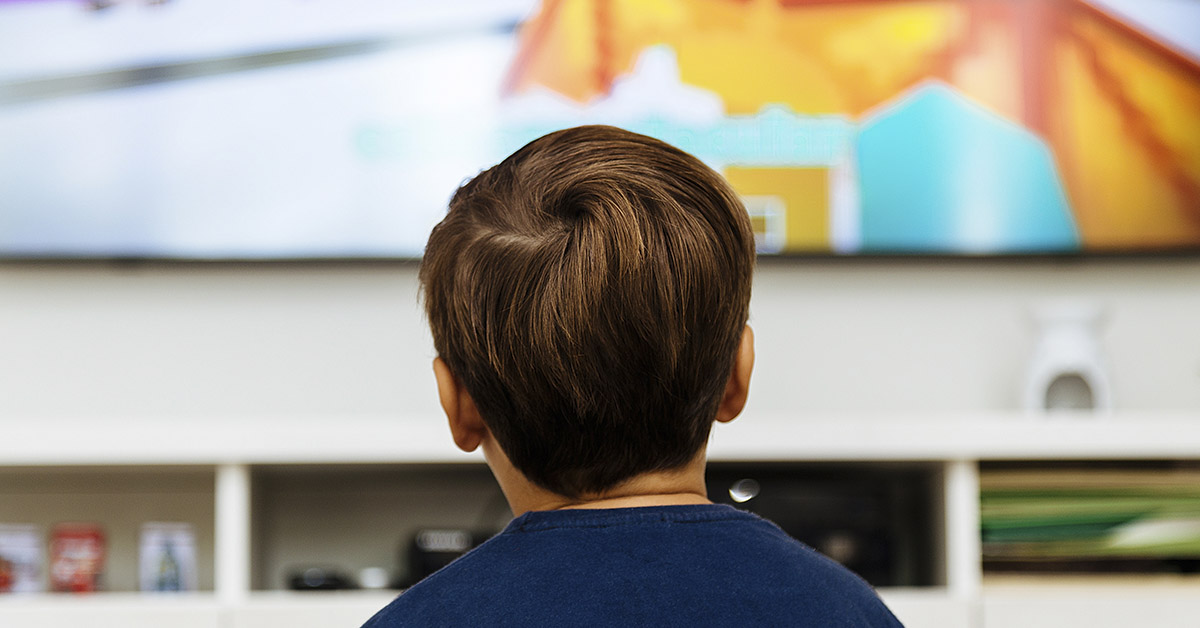

Parents today often feel confused about the shows their kids watch. Everything looks bright and loud and fast. Scenes bounce around with so much energy that even adults feel tired. One mom felt the same way and just wanted something calmer in her house. So she decided to swap her toddler’s usual shows for older ones she remembered from childhood. She didn’t have a grand plan, she just hoped the switch might help a little. To her surprise, she noticed two very clear changes almost right away. The shift to 90s cartoons for kids seemed to settle her child in a way she did not expect.
Her story opened a bigger conversation. Many parents worry about how shows affect their child’s sleep or mood. They see tantrums right after screen time and restlessness before bed. They wonder if the pacing of modern vs 90s cartoons plays a role.
A Simple Swap That Had a Big Effect
The young mother felt overwhelmed by her child’s behavior after screen time. He loved his shows, but the aftermath felt so rough. He became cranky and resisted transitions. Bedtime felt like a wrestling match. She wanted to break out of the cycle. So she put on older shows she remembered feeling calm and slow-paced.
She expected protest, but her toddler accepted the change without complaint. That part alone surprised her. Then she saw the bigger shift. When screen time ended, he did not fight, yell or cry. He just went back to playing. The meltdown she braced for never arrived.
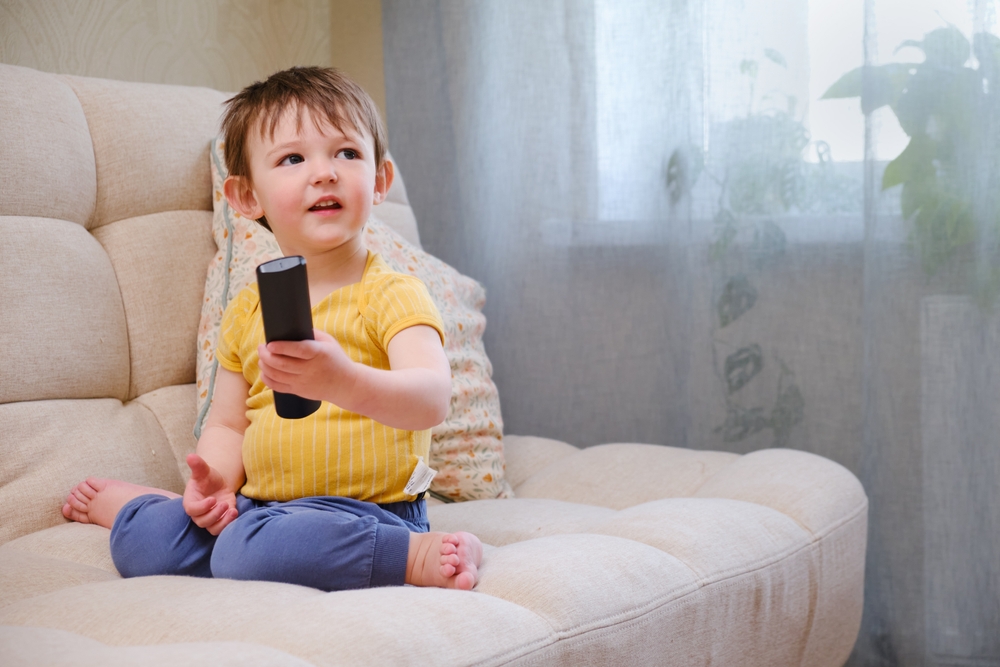
Image credit: Shutterstock
Another major change happened at night. Her son fell asleep faster, and he stayed asleep longer. He seemed more rested in the morning. She believed the slower pacing gave his brain a soft landing instead of a hard stop.
Some parents online said the same thing. They tried low-stimulation shows and noticed calmer behavior. They felt surprised because they expected kids to want only fast and flashy shows. Instead, they found kids often relax into whatever pace they are given.
How Parents React When They Try Slower Shows
Many parents say they feel strange going back to older programs. They think their kids will say they are boring, yet kids often sit and watch quietly. One mom felt silly after realizing her daughter enjoyed the older show more than the modern one. It made her wonder why she waited so long to try it.
Children match the pace they receive. If they watch something fast, they absorb the speed. If the pace slows down, they shift into that rhythm. Parents often figure this out after comparing modern and 90s cartoons in real time. It makes the difference easier to see.
Some families feel relieved when they discover they can keep screen time without stress. They do not have to ban shows completely, they only need the right ones. Parents feel in control again, and that feeling matters.
How Young Children Process Screen Stimulation
Kids take in visual information differently from adults. They absorb more than we expect and filter far less. Their brains do not handle rapid cuts, loud voices, and constant movement easily. Even if they look entertained, that doesn’t mean their brain feels calm. Many modern shows use fast scenes and bright colors that push young nervous systems into high alert.
After the show stops, the brain stays on that high level. That is when kids get restless and fussy. They want more because their brain wants the stimulation to continue. This reaction feels emotional, but it starts in the nervous system.
Older programs, especially many 90s cartoons for kids, use slow scenes, gentle music, and calm dialogue. They give the brain space to process each moment. This slower pace creates calmer transitions. Parents often notice smoother behavior afterward because the child’s brain is not coming down from intense stimulation.
What Happens in the Brain During Fast Cartoons
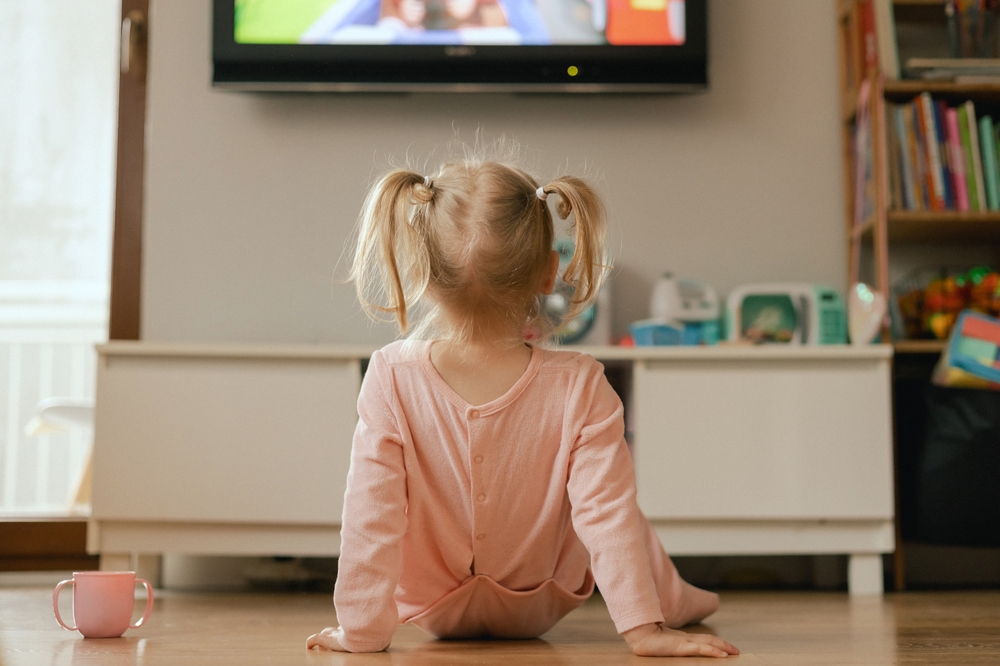
A child’s brain reacts strongly to fast scenes. Every cut sends new information and each bright image demands processing. When too many changes happen quickly, the brain struggles to stay balanced. Kids may look excited, but excitement can hide stress. Their nervous system keeps running even when the show ends.
This leftover stimulation affects everything. Kids resist simple tasks like cleaning up. They feel irritated during dinner, and bedtime becomes a bigger challenge because their brain still runs fast. Parents face these reactions daily without knowing the root might be the content type, not the child’s personality.
Slower shows help the brain slow down. Long scenes and simple actions give kids time to understand what they see and allow the brain to breathe. That is why slower content supports problem-solving and emotional development. It lowers stress instead of adding to it.
Why 90s Shows Feel Different
Many adults feel soothed when rewatching older shows. They remember long pauses and patient storytelling. Characters spoke slowly and explained their thoughts and the background stayed simple instead of flashing. This style supports natural learning.
Older shows also included emotional lessons that unfolded gently. Kids watched characters navigate friendships, sharing, or disagreements. The pacing gave them time to absorb these lessons. This teaching style fits young children better than parents often realize.
Modern shows can offer good lessons too, but the speed may make it harder for toddlers to understand deeper messages. The gentle structure of many older programs works like low-stimulation shows do today. It brings calm rather than intensity.
Emotional Lessons Hidden in Slower Shows
Slow 90s cartoons for kids give space to learn emotional skills. Characters in these programs talk about feelings. They model patience. They show how to fix small problems. Kids see this clearly because nothing rushes. Many parents say their child acts kinder after watching older shows. That change comes from modeling.

Kids copy what they see. When characters speak gently, kids often imitate that tone. When characters solve problems calmly, kids try similar approaches. Modern shows can teach emotional lessons too, but younger children may struggle to follow them when everything moves too fast. Slower pacing allows deeper understanding.
Smoother Transitions After Screen Time
Parents dread turning off screens because children often resist. Kids cry. They beg for more. They negotiate like tiny lawyers. This reaction feels emotional, but most of it comes from the brain’s sudden drop in stimulation.
Fast shows place the brain on a high level of alertness. Switching off brings an abrupt fall. That fall feels uncomfortable, and kids protest. When the mom switched to slow shows, her son no longer felt that crash. His transition stayed smooth.
Parents who try low-stimulation shows often experience the same change. Their children shift to the next activity without distress. It feels like magic, but it comes from matching the brain’s natural rhythm.
Better Sleep Patterns
Sleep reveals the true effect of pacing. Kids who watch fast shows close to bedtime often toss and turn. Their brain replays scenes. Their body stay active. Many parents do not link this to screen pacing, but the connection is strong.
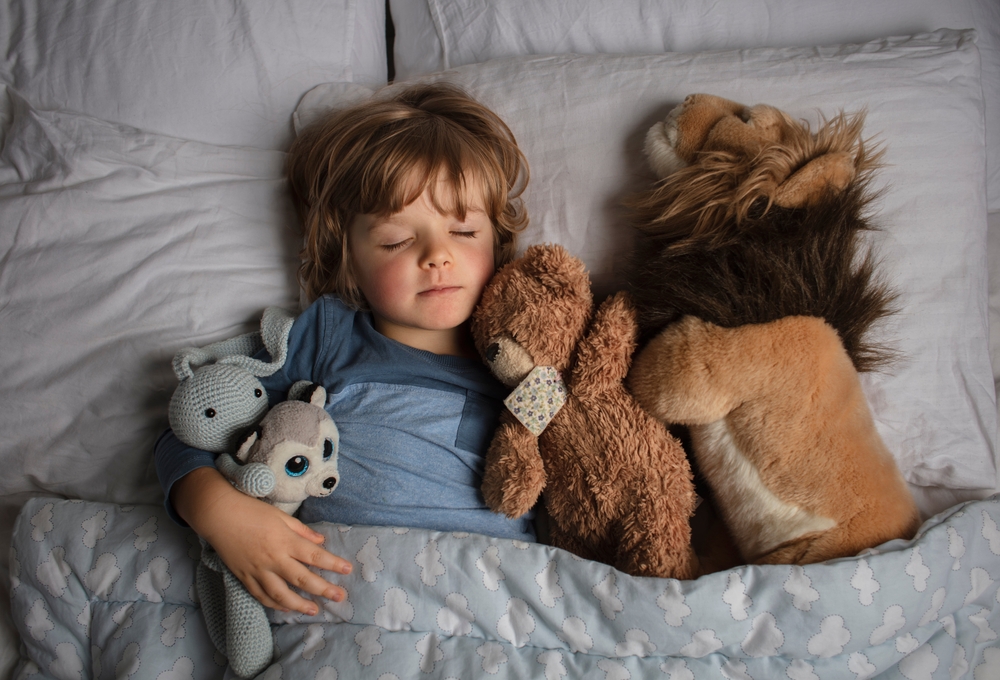
The mom in the story noticed her child fell asleep faster after switching shows and he stayed asleep longer too. Calm programs allow melatonin to rise naturally and th brain does not stay wired. This creates healthier sleep patterns and calmer nights.
Parents who feel stuck in bedtime battles may find relief in using slow content during evening hours. Many families choose 90s cartoons for kids before bed because they create a softer mood.
What Research Says About Pacing and Behavior
Studies show fast cartoons reduce executive function for a short time. Kids become impulsive and less focused. They also become irritable after too much stimulation. This doesn’t mean screens are harmful, but pacing matters more than parents think.
Research also shows that content type affects behavior more than total viewing minutes. A slow 20-minute show has a different effect than a fast 20-minute show. Parents often see this difference when trying modern vs 90s cartoons side by side.
Image credit: Shutterstock
A Practical Guide to Healthy Screen Time
Parents often feel unsure about how to use screens in a way that supports their child instead of overwhelming them. There is no perfect formula and each child responds in a different way. Still, a few simple ideas can make screen time calmer for everyone.
The first step is choosing shows with gentle pacing. Slow programs give kids more time to understand what they see. They also help children stay relaxed during and after viewing. When the pacing stays soft, kids shift back into play without becoming upset. Many families use calm shows in the morning or evening to support a smoother routine.
The viewing environment also matters. A peaceful room with soft lighting keeps stimulation low. Some parents remove extra toys during screen time so the child stays focused without feeling overloaded. Even turning off background noise can make a difference. These small changes often work better than parents expect.
Timing plays a big role too. Kids handle screens better when they feel rested and fed. Tired or hungry children react strongly to stimulation, so screens often work best outside stressful moments like getting ready for school. Planning screen time for a predictable moment each day also helps. A routine lowers arguments because kids understand when screens are allowed.
Talking with kids while they watch can also support learning. Parents can point out emotions or explain situations in simple ways. Children feel more grounded when an adult stays involved, even if they are only nearby.
Finally, parents should pay attention to behavior. If a child becomes irritable or overstimulated, the content may be too fast. Switching to slower shows usually helps. And on some days, a short break from screens feels best for everyone.
Read More: Breaking the Screen-Time Loop: How Tablets Became the New Pacifier
How Families Mix Old and New Shows
Parents do not need to choose between all old or all new shows. Many families mix both styles. Some use newer shows when kids feel energized. Others choose older shows when they need calm.
Some parents save slow shows for mornings so the day begins in a stable way. Others save fast shows for weekends. Many parents pick 90s cartoons for kids before naptime or bedtime because they relax the home. There is no perfect formula. Families figure out what works by watching how their child responds.
Why Parents Should Trust Their Instincts
Parents often doubt themselves because they see other families doing things differently. But instincts matter. If a show feels too loud or too chaotic, it probably is. If a show feels gentle or warm, it likely matches your child’s needs.
Parents who trust their instincts often feel more confident. They make choices based on their child, not trends. They feel proud when transitions improve or sleep becomes easier. Parenting becomes less stressful when instincts guide decisions.
Why This Matters for Families
The mom who made the switch wanted peace, not miracles. Yet she received smoother transitions and better sleep. Many families report similar results. These changes come from matching content to a child’s developing brain.
Small choices make big impacts. Calm shows support for emotional growth, focus, and rest. Fast shows can entertain, but they may also overstimulate. Balancing both helps families feel grounded.
Final Thoughts
The story of this mom shows how simple choices can change daily life. She replaced modern shows with older ones and saw two major improvements. Her child transitioned easier and slept better. These changes came from pacing, not perfection.
Parents do not need to remove screens. They only need to choose content that feels right. Slower programs, especially many 90s cartoons for kids, bring calm into homes. If you want peaceful evenings or gentler days, try slower content. You may see the same results she did, and your home might feel calmer too.
Read More: Study Finds Connection Between Screen Time and Mental Health in Kids Under 10