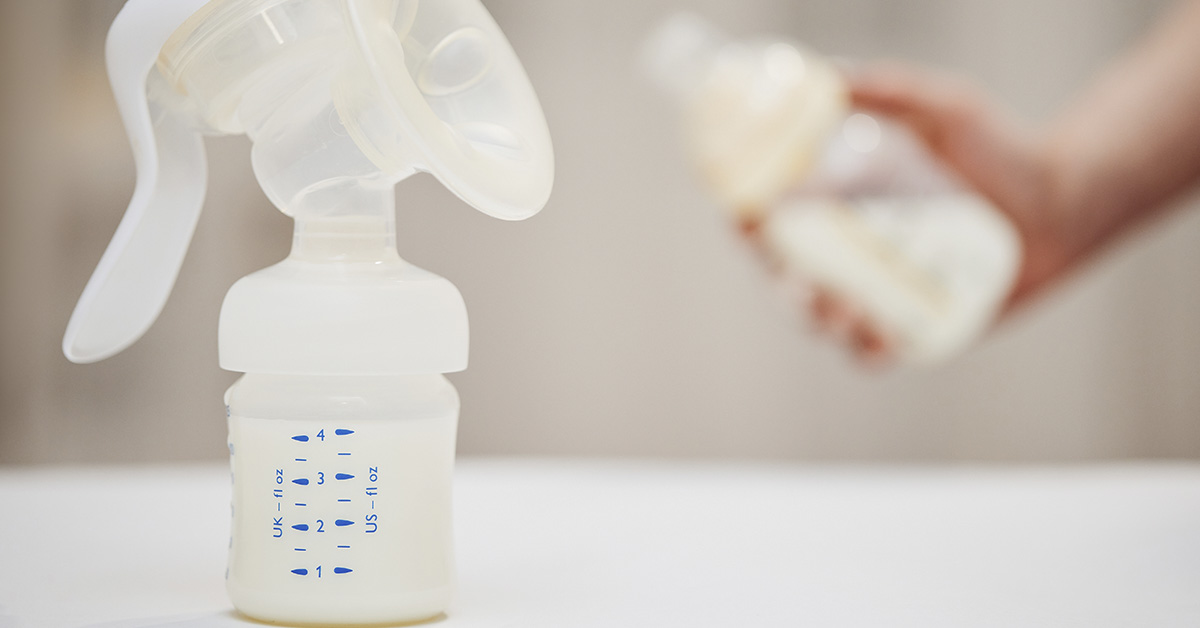

More parents today are sharing breast milk, and this shift feels almost like a movement quietly building from home to home. You see it in online groups, in mother circles, in neighbours chatting over fences, and even in hospital waiting rooms where new moms ask each other for advice. People want the best for their babies, so they search for solutions that feel close to nature and close to the heart.
Parents are exhausted sometimes, stressed other times, and many simply want reassurance that their baby is getting enough nutrition. This is where milk sharing appears. It shows up as generosity between moms, a kind of community caregiving. But while the intent is warm, the questions about safety are often cold and confusing.
Why More Parents Are Turning to Milk Sharing
If you talk to parents directly, many will tell you that milk sharing felt more natural than they expected. One mother might say, “I just trusted my friend, she helped me when my milk suddenly dropped.” Another might share that they joined a small mom group and people offered support quicker than she imagined. These stories spread, and then the practice spreads too.
The internet has played a huge part. Once upon a time, you only knew a few moms around you. Now you know hundreds. Everyone can connect instantly, and people share both their worries and their solutions. Online, you will see posts asking for extra milk, and within minutes, five or six women respond. That speed changes everything.
Many parents also have strong feelings about formula. They do not always dislike it, but they want to use it as a last resort. They believe human milk gives their baby an extra layer of protection, and they try to hold onto that option as long as possible. Because of this, sharing breast milk feels like a lifeline during sudden supply dips or unexpected medical situations.
There is also a quieter emotional layer here. Breastfeeding is tied to identity for many mothers. When their supply drops, some feel embarrassed or like they failed. A donor’s kindness can soften that shame. So milk sharing becomes more than just feeding; it becomes emotional support, too.
What Research Says About How Common It Is
Studies show that milk sharing is slipping into mainstream life without many people noticing. One research review found that most participants used internet networks to find donors, while others used friendships or family groups. That means people trust circles they already belong to.
But the research also shows something interesting. Many parents who share milk never check health records or ask detailed questions. They rely on trust instead of screening. This does not make them irresponsible. It simply means the culture around milk sharing has grown faster than the education around it.

Image credit: Shutterstock
More studies from different countries show that milk sharing is not a new idea at all. It looks a lot like old traditions, just adapted to modern tools. In Nepal, for example, mothers have long shared milk when someone in the neighbourhood is sick or struggling with supply. The idea that families help each other through feeding is not surprising, even if the medical risks today are different.
As these studies stack up, they show how common this practice is becoming. It is not a fringe thing anymore. It is something parents talk about privately, even when they do not say it in public.
Why Parents See Benefits In Breast Milk Sharing
Parents often describe informal donor milk as a mix of relief and gratitude. Some feel like it saved them during stressful weeks. Others say the emotional support mattered just as much as the milk.
Nutrition plays a major role. Breast milk has antibodies, enzymes, and nutrients that formula just cannot copy perfectly. Parents who know this feel comforted when they can offer even small amounts of human milk.
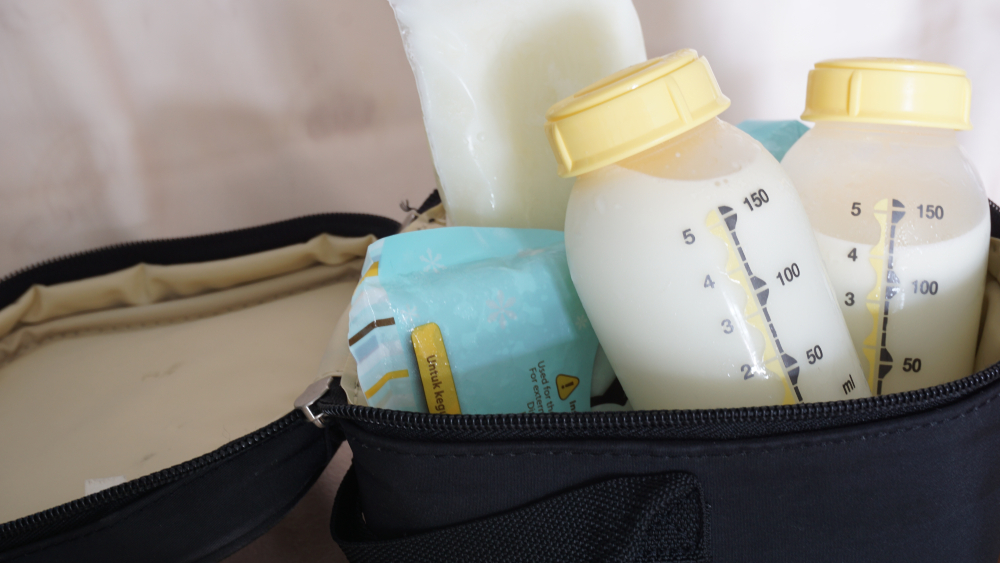
Image credit: Shutterstock
Another benefit is flexibility. Milk banks sometimes have strict rules, fees, or limited supply. Meanwhile, a friend can drop off frozen milk that same day. Parents see this speed and convenience as a real advantage, especially during sudden emergencies.
There is also the simple truth that community care feels good. When another parent hands over a bag of milk, there is a quiet, unspoken message saying, You are not alone in this. That reassurance can hold a struggling mother together on a very hard day.
Some families want to delay or avoid formula, not because they reject it, but because they feel human milk offers something more. So when they hear about breast milk sharing, they think, maybe this is the bridge I need right now.
Understanding The Risks Of Milk Sharing
Even with good intentions, milk sharing holds risks that parents must consider.
Transmission of Illness
Human milk can carry viruses and bacteria that you cannot see or smell. Without medical screening, a donor might unknowingly pass something. HIV, hepatitis, CMV, and bacterial infections are all concerns mentioned by health authorities. A donor might feel healthy but still carry something. That is the tough part. Illness does not always show symptoms right away.
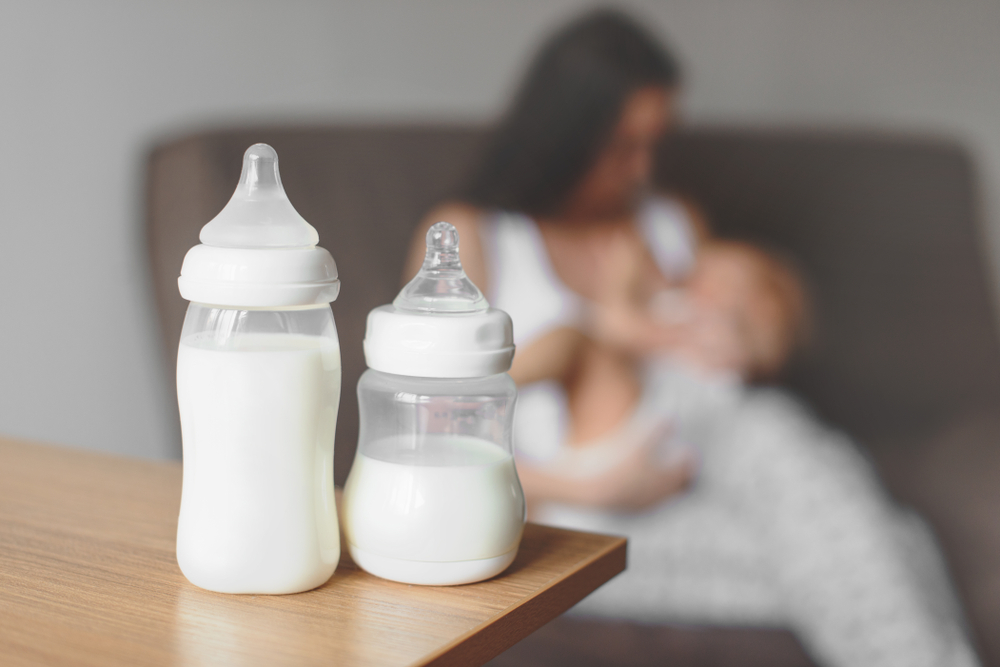
Image credit: Shutterstock
Medication or Substance Exposure
A donor might take medication for anxiety, allergies, infections, or birth control. Some herbs affect milk, too. Nicotine, alcohol or other substances might pass into milk and surprise the recipient parent. In studies, a large group of mothers admitted they never asked donors about these details because they felt awkward. And yet this small conversation can protect a baby from a bad reaction.
Unsafe Storage or Handling
Milk safety has everything to do with hygiene. Clean pump parts, clean hands, safe containers and proper freezing matter more than many parents realise. If milk sits too long at room temperature or gets warm during transport, bacteria grow.
Some mothers pump at work or outdoors where conditions vary. That is why handling is one of the biggest risks in sharing breast milk situations.
Dilution and Contamination
Parents who buy milk from strangers online face the highest risk. Studies found cases of milk mixed with water, cow milk, or even formula powder. These changes can harm a baby, especially infants with allergies or gut issues.
Higher Risk For Fragile Infants
Health experts warn that premature babies are the most vulnerable. Their digestive systems are delicate, and their immune systems are immature. Any contamination can have serious consequences, so informal milk sharing is rarely recommended for these infants.
How Milk Banks Lower These Risks
Milk banks follow strict donor rules to make sure milk is safe. It is not a casual process at all. Donors answer long questionnaires, undergo screenings, and must follow hygiene standards. Milk is then pasteurized, tested and stored at precise temperatures. Every bottle is tracked.
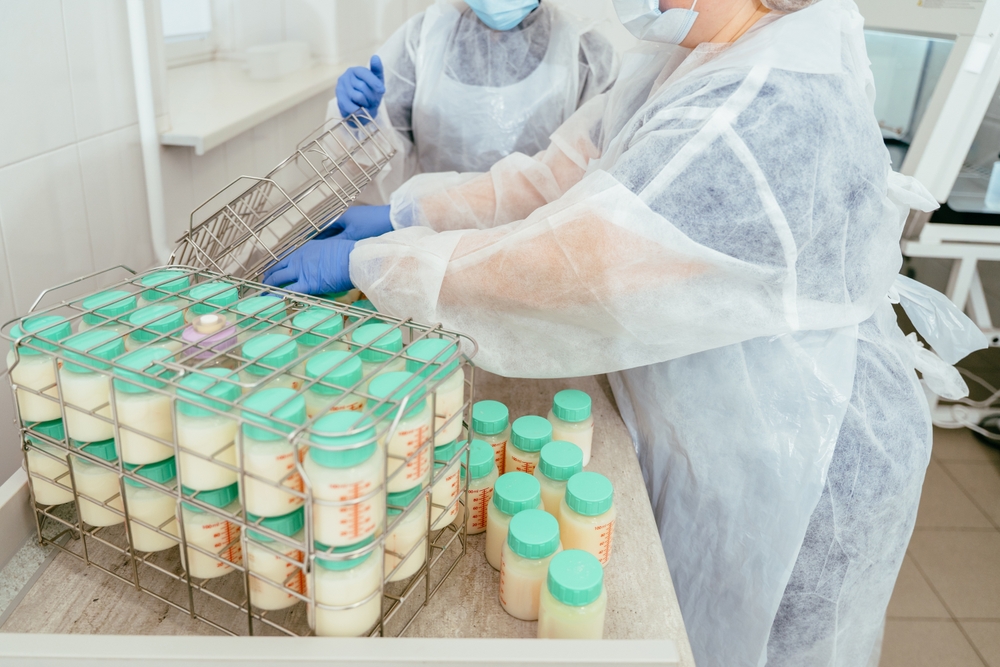
Banks also keep detailed records, so if anything happens, they can trace where a batch came from. Parents do not have these tools at home, which is why banked milk remains the safest non-maternal option.
Still, these banks often prioritise sick or premature infants, so healthy families do not always have access. This pushes parents toward informal donor milk, even when they prefer a regulated option.
Recommended Practices For Parents Considering Milk Sharing
Talk to your baby’s doctor
Doctors see risks parents may not. They can help you decide if your child is safe enough to receive donor milk or if another feeding option is better.
Boost your own supply first
Many mothers increase milk production with more frequent pumping, hydration, or support from a lactation consultant. These steps might feel tedious, but they often help.
Choose a donor you actually know
This lowers uncertainty. Ask donors about health checks, medicines, smoking, alcohol or recent illnesses. A short, honest conversation protects your baby.
Follow safe handling
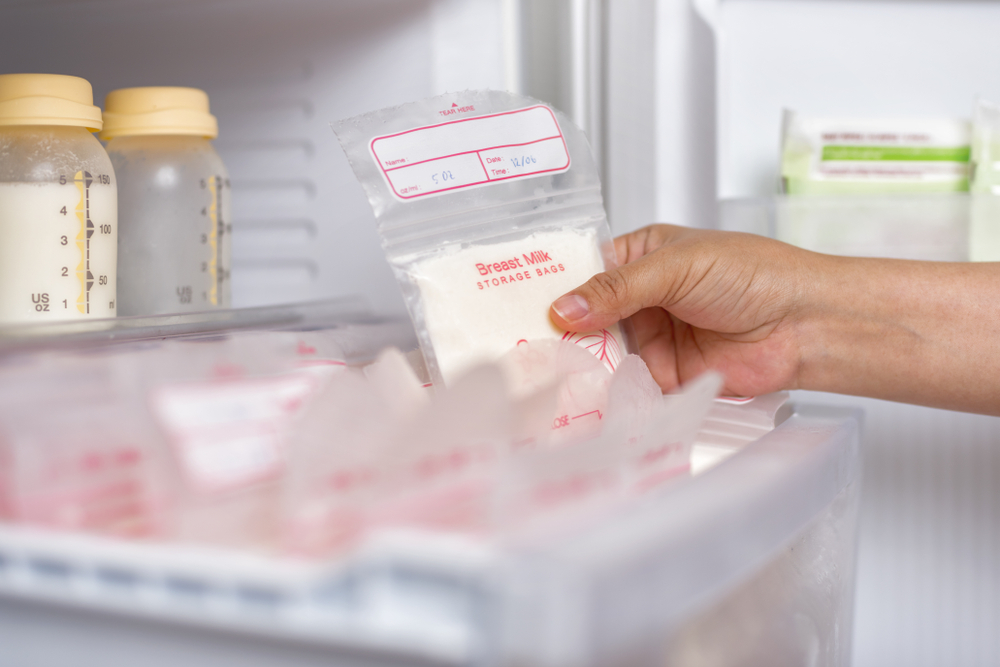
Milk should be pumped with clean equipment, frozen quickly, and transported cold. Label everything with dates. It sounds simple but many people skip steps when busy.
Avoid buying milk from strangers
This option has the most problems, from contamination to dishonesty about lifestyle habits. When milk comes from someone you have never met, you really cannot confirm how they handled it, what they consumed or whether they stored it safely. Buying from strangers adds layers of uncertainty that parents often underestimate during stressful moments.
Remember that some risk always remains
Even careful informal sharing cannot match milk bank safety. No matter how much trust you have in a donor, there are always small unknowns around health, storage, handling and exposure. These risks do not disappear completely, so parents should keep them in mind while deciding what feels safest for their baby.
Keep watching your baby
Your baby may react with tummy trouble, fever or fussiness. Write down any changes and share them with your doctor.
Global And Local Considerations
Feeding traditions differ across countries. In some places, wet nursing is culturally normal. In others, the idea is new or even taboo. Parents should consider:
- how accessible milk banks are
- cultural expectations around shared feeding
- cost, transport and storage challenges
- environmental temperature and travel distance
Some regions have strong milk bank systems. Others rely heavily on peer to peer milk exchange because resources are limited. Understanding your own environment helps make better choices.
Common Myths To Clear Up
A lot of parents hear mixed advice about milk sharing, and honestly, some of it gets repeated so often that people assume it must be true. But many of these beliefs are a bit outdated or just misunderstandings that grew louder online.
“Breast milk is always safe no matter what.”
Many people believe breast milk is a naturally perfect substance. It does have amazing qualities, but it is not automatically safe in every context. Milk can carry viruses or bacteria that the donor does not even know about. A mom might feel perfectly healthy while still passing something through her milk. This is why experts remind parents that sharing breast milk without screening adds risk. The milk itself is not the issue, it is the unknown factors around it.
“If the donor is someone you know, then everything is fine.”
Knowing a donor is a good start, but it is not the whole story. A close friend can still take medication you did not realize affects milk, or forget to wash pump parts the right way, or store milk a little too long in a warm fridge. Most donors have good intentions, but intentions do not kill bacteria. Even the safest feeling situation needs a few honest questions. It does not mean mistrust, it just means being careful.

“Milk banks are unnecessary because informal sharing works just as well.”
This one shows up often in mom groups. Parents see that informal sharing looks simple and warm hearted, so they think regulated banks might be overreacting. But milk banks do things that parents cannot do at home, like detailed screening, lab testing and pasteurizing milk to remove pathogens. Informal sharing might work sometimes, but it is not equal to banked donor milk.
“Formula is harmful and should be avoided at all costs.”
Some parents feel guilty if they use formula, which leads to this myth spreading. But formula is safe, highly regulated and made to meet nutritional standards. It is not the enemy. It is simply another path to feeding your baby when needed. Many babies thrive on formula. Sometimes, mixing feeding methods works best. There is no moral score attached to how you feed your child.
Read More: Concerns Raised Over Breastfeeding Method After Death of Seven-Week-Old Baby
“A baby who looks fine must be fine.”
Symptoms from contaminated milk do not always show up right away. Some reactions are mild at first, like discomfort or unusual fussiness. Others take a bit longer to appear. A baby seeming okay does not guarantee everything went perfectly behind the scenes. This is why parents should still monitor babies after using informal donor milk, even if the first feed goes smoothly.

Image creditL Shutterstock
“Only desperate moms share milk.”
This one is more emotional than scientific. Some people assume milk sharing is only for parents in crisis, but that is not true at all. Many families use milk sharing simply because they value human milk or feel comforted by community support. Others use it during temporary supply dips or stressful periods. It does not say anything negative about the parent. It just means they are doing what feels right at the moment.
“If milk is frozen, it must be safe no matter what happened before.”
Freezing stops bacteria from growing, but it does not erase bacteria already there. If milk is handled in an unclean setting or left warm too long before freezing, bacteria can still survive. Parents often assume the freezer fixes everything, but sadly it does not. Safe handling matters before the milk ever gets cold.
“Donors always know their own health status.”
People assume donors will catch any illness before sharing milk, but some infections show no symptoms at all. Others have long quiet phases before becoming noticeable. A donor who feels perfect might still carry something. That does not make them irresponsible, it is just how biology works. This is why screening is recommended when possible.
A Practical Decision Guide For Parents
Here is a longer, clearer checklist for anxious parents:
- Check your supply, get help early and avoid waiting until you panic.
- Call your local milk bank and ask what they can offer.
- Review your baby’s medical history and risk level honestly.
- If you use sharing breast milk, choose one reliable donor.
- Ask about medications, foods, lifestyle and health screenings.
- Store and thaw milk correctly with proper labels.
- Keep communication open with your doctor.
- Reevaluate your plan every few weeks. Babies change fast.
Closing Thoughts
The rise of sharing breast milk says something beautiful about parents today. It shows that people want to help one another during hard seasons, even while raising their own children. This kindness deserves respect, not shame.
Still, safety matters deeply. With awareness, steady guidance and a little extra caution, parents can navigate milk sharing with more confidence. Whether you use your own milk, donor milk, formula or a mix of everything, the goal is the same. A nourished baby. A calmer parent. A family doing their best in real life, not in a perfect world. You are trying, and that already makes you a good parent.
Disclaimer: This information is not intended to be a substitute for professional medical advice, diagnosis or treatment and is for information only. Always seek the advice of your physician or another qualified health provider with any questions about your medical condition and/or current medication. Do not disregard professional medical advice or delay seeking advice or treatment because of something you have read here.
Read More: Mom Shocked to Learn Daycare Worker Breastfed Her Son Without Permission, And It’s Legal