

In November 2024, 19-year-old Australians Holly Morton-Bowles and Bianca Jones flew to Laos chasing a classic backpacker dream. Within days, both were dead after drinking methanol-tainted alcohol at a Vang Vieng party hostel. One year on, their parents are begging Australians to cross Laos off their bucket lists, warning about serious Laos travel risks. In repeated interviews, they have urged travellers to “remove this country from their bucket list, your life is worth nothing over there, and we have seen this first-hand”.
Their grief is deeply personal, yet the risk they describe is not unique. Tainted spirits have killed tourists and locals in Indonesia, Mexico, Brazil, Costa Rica, and other dangerous travel destinations where cheap alcohol flows freely. Public health agencies warn that methanol poisoning is a recurring, preventable tragedy linked to counterfeit or informally produced alcohol. As more families speak out, the question grows louder. How many lives must be lost before governments and travellers treat this threat with the seriousness it deserves and actively seek safety tips for traveling to Laos and similar hotspots?
Vang Vieng’s Party Scene And The Night Everything Changed
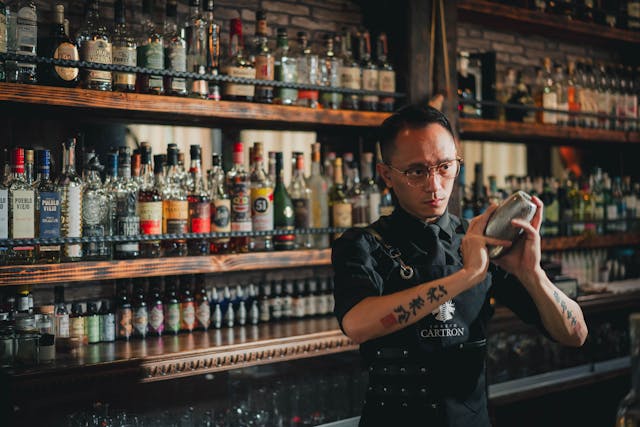
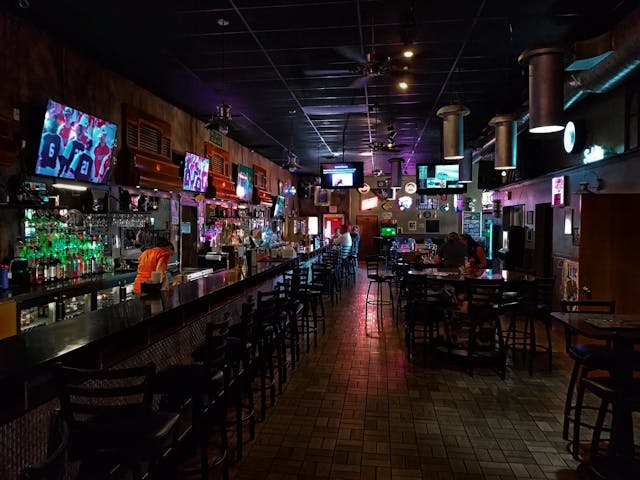
Vang Vieng, once famous for tubing bars and river parties, tried hard to clean up its image. Yet in November 2024, it again made global headlines for the worst possible reason. Six foreign tourists died after drinking contaminated alcohol, with many more rushed to the hospital in critical condition. Best friends Holly and Bianca were staying at Nana Backpackers hostel, where guests described free shots of clear spirits handed out during bar games. Tests later confirmed methanol poisoning in the victims’ systems, turning one town into a global symbol of Laos travel risks.
The dead included 2 Australian teenagers, 2 Danish women, a British lawyer, and an American traveller. Survivors recall that symptoms did not feel like a standard hangover at all. One described “kaleidoscopic blinding light” before losing vision and learning he had been poisoned. Another survivor said of the tainted shots, “You physically can’t move… everything is much, much, much more difficult than it would be ordinarily.” Local police temporarily shut the hostel and detained staff, while the Lao government promised a full investigation and justice for the dead. As months passed and the hostel prepared to reopen, however, the bereaved families felt answers slipping further away, reinforcing their view that some places become dangerous travel destinations overnight.
Families Left In The Dark And Fighting For Justice
For Holly and Bianca’s parents, the pain is sharpened by silence and delay. They say authorities in Laos have refused repeated requests for meetings, either in person or online. Appearing on Australian television, Mark Jones described the investigation as “disgraceful” and “horrendous” and said the families had been “kept in the dark”. The four parents say they were told that several people had been detained, then quietly released without a clear explanation of what evidence had been gathered.
In one interview, Mark Jones voiced a sentence that has since become a rallying cry. “I cannot have my daughter’s passing not mean anything.” The families have joined campaigns with Australian organisations to warn young travellers about the danger of free or unlabelled spirits overseas and broader Laos travel risks. At a recent airport event, Bianca’s mother, Michelle, said, “It’s very raw, very upsetting, but we’ve got to do this for the greater good.” Their message is both specific and broader. They want justice in Laos, yet they also want parents worldwide to talk frankly with teenagers about alcohol risks abroad. Crowdfunded donations now support awareness, education, and prevention work on methanol poisoning, so that their daughters’ names stay linked to concrete change and practical safety tips for traveling to Laos and similar regions.
What Methanol Is And Why It Can Kill So Quickly
Methanol is a clear, colourless alcohol used in products such as solvents, fuels, and antifreeze. Toxicology references note that methanol is a “toxic alcohol” and that exposure can cause “significant morbidity and mortality if left untreated”. In the body, methanol is converted into highly toxic formic acid, which interferes with cellular energy production. Médecins Sans Frontières explains that “methanol poisoning is mainly due to the strong toxicity of formic acid” formed after ingestion. Outbreak data show that most mass poisonings happen when methanol is used to dilute or replace ethanol in illegal or informally produced drinks.
International chemical safety guidance states that outbreaks “most commonly arise from the consumption of adulterated or informally produced spirit drinks”. Symptoms may appear many hours later, when it feels too late to link them to a specific drink. World health guidance describes delayed signs that can include visual disturbances, nausea, abdominal pain, and rapid breathing. Without urgent treatment, the result can be blindness, organ failure, or death after even a small volume. These biochemical details matter because the drinks often look normal and harmless to travellers who have never considered Laos travel risks. Bottles may carry familiar labels, and ice can hide cloudy textures. In Laos, survivors say the spirits came from standard bottles and were poured in full view of guests.
Not Just Laos: Deadly Drinks From Bali To Brazil
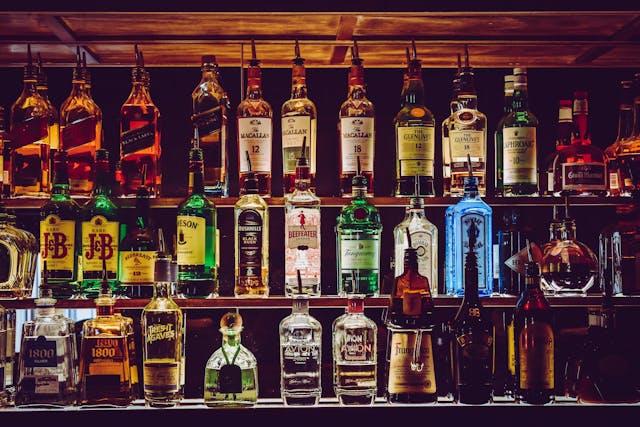
Image Credit: Pexels
Laos is not an isolated case, and travellers have died from tainted alcohol in many popular destinations. In Indonesia, a long series of incidents has linked methanol-laced arak and counterfeit spirits to tourist deaths and severe injuries. British travel alerts have warned that foreigners have died or suffered serious illness after drinking alcohol contaminated with methanol in Indonesia. An analysis supported by Médecins Sans Frontières found that Indonesia has recorded hundreds of methanol poisoning fatalities over recent decades, the worst toll among many monitored countries.
Elsewhere, counterfeit or adulterated alcohol has triggered mass casualties within short periods. In Mexico, an outbreak in Jalisco in 2020 caused dozens of cases and multiple deaths after people drank contaminated spirits. Furthermore, in Costa Rica, tainted liquor killed at least 19 people and sickened many more, prompting national recalls and public warnings. In the Dominican Republic, methanol-related deaths have been recorded after people consumed illegal “backyard” drinks sold in tourist areas. Recent months have brought a fresh crisis in Brazil. Methanol-contaminated vodka has killed several people and poisoned hundreds in São Paulo, and the health minister has described the situation as unprecedented. For many families watching Holly and Bianca’s story, these events confirm that dangerous travel destinations can emerge in any region where enforcement is weak and counterfeit alcohol thrives.
The ‘Forgotten Crisis’ Hitting Local Communities Harder
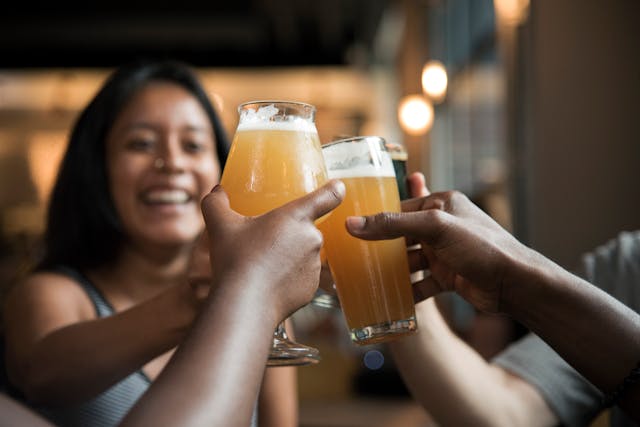
Tourist deaths make headlines, yet most victims of methanol poisoning are local residents who buy cheap or home-distilled spirits. Médecins Sans Frontières’ global methanol initiative notes that in India, adulterated “hooch” regularly kills people who cannot afford commercial brands. Reporting from Laos has pointed out that home-made rice liquor and counterfeit spirits are widely sold with very limited oversight in both rural and tourist areas. These products can move through informal networks, which authorities struggle to monitor effectively. Knut Erik Hovda, a leading researcher on methanol outbreaks, has warned that locals are often the invisible majority of victims.
He has said that “there are many tourists in these regions, but the locals are much more often the ones suffering”. His research shows clusters striking rural communities where illegal alcohol offers the only affordable option and legal enforcement is weak. This imbalance shapes political pressure and public awareness. Foreign ministries react when citizens die abroad, and families turn to the media. Local families grieving in small towns may see little international attention, fewer diplomatic demands, and slower reform. The Laos tragedy briefly pushed Vang Vieng into global focus, but campaigners fear that without sustained attention, authorities may revert to business as usual while local drinkers continue to face lethal risk from unregulated spirits in what many travellers now see as one of several dangerous travel destinations.
Why Investigations Stall And Accountability Proves Elusive
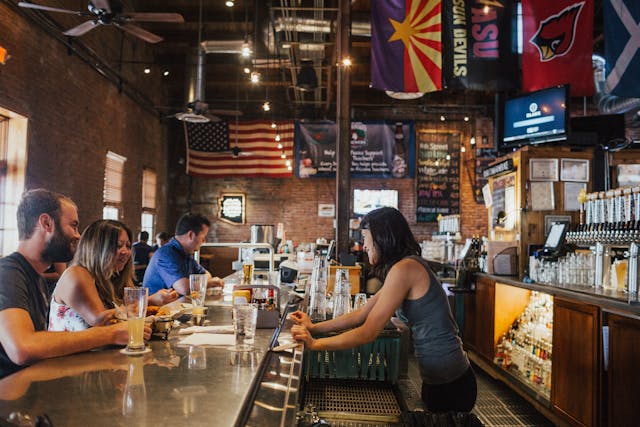
At first, Laotian officials promised a thorough investigation into the Vang Vieng poisonings. A government statement expressed “profound sadness” over the deaths and pledged to bring the perpetrators to justice. Police detained the hostel manager and several staff, closed the bar, and reportedly banned specific local spirit brands linked to the deaths. Yet nearly a year later, families say they have not received clear findings, charges, or trial dates, which would indicate real progress. Mark and Michelle Jones report “no communication” and “no updates”, despite repeated approaches through diplomatic channels in Australia. When journalists sought to enter Laos to follow the story, some were denied visas on the grounds that the case was “still being worked on”.
Deleted online reviews also suggest travellers had tried to warn others about the same hostel long before the deaths, with posts urging people to avoid the venue for safety reasons and to drink only reputable, branded spirits. Similar patterns appear in other methanol cases worldwide. Academic reviews describe how illicit alcohol networks often overlap with criminal groups and corrupt officials, which can mute enforcement and stall prosecutions. When investigations move slowly or stall completely, grieving families are left in limbo. For Holly and Bianca’s parents, that unresolved status drives their unprecedented call for a travel boycott, which they see as the only leverage that remains when they discuss Laos travel risks with the public.
Governments And Health Agencies Scramble To Catch Up
Image Credit: Pexels
As these incidents mount, public health agencies are shifting their language and priorities. A recent alert from the Pan American Health Organization notes that several countries in the Americas have reported cases and deaths related to methanol poisoning within the last few years. The alert urges governments to strengthen surveillance, stock lifesaving antidotes such as fomepizole, and intensify risk communication targeting both sellers and consumers. These recommendations highlight that prevention and rapid treatment must work together. European and Australian authorities have also expanded travel warnings to cover methanol risks. The United Kingdom’s Foreign, Commonwealth and Development Office has extended its warnings about contaminated alcohol to more countries after documented deaths and serious illness.
Australia’s Smartraveller service now tells citizens to be alert to the potential risks of drink spiking and methanol poisoning when consuming alcoholic drinks abroad, especially in regions where travel risks and similar patterns have been identified. Brazil’s recent crisis pushed authorities to speak out on the situation. The health minister has publicly advised people to avoid distilled spirits unless they can verify the source, describing the current situation as unprecedented. International sports bodies now brief staff about methanol risk when staging events in affected cities. These moves show that governments increasingly recognise methanol as a distinct global hazard linked to counterfeit alcohol, not just a rare accident that can be ignored in discussions of dangerous travel destinations.
Read More: Travel Experts Rank the World’s 40 Most Stunning Cities
Staying Safer Abroad: Practical Steps For Travellers And Parents
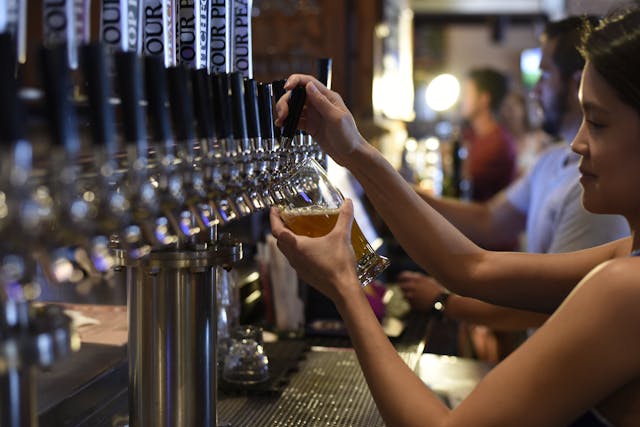
Image credit: Pexels
Experts consistently repeat one simple rule for travellers who drink alcohol. If you drink, stick to sealed, branded products opened in front of you and bought from reputable venues. British travel guidance for Indonesia has warned that bottles may appear genuine when they are not, and urges travellers to seek immediate medical care if they suspect methanol exposure. Health agencies also advise avoiding free shots, shared “bucket” cocktails, and unlabeled spirits poured from large plastic containers or reused bottles, which cannot be traced. These are essential safety tips for traveling to Laos and other regions where counterfeit alcohol is common. Families who lost loved ones abroad now share straightforward messages rooted in their own grief.
Sue White, whose daughter Simone died in the same Laos tragedy, has said, “Please be careful when it comes to drinks. Simone was a university-educated, highly intelligent person. If it can happen to her, it can happen to anybody.” Parents can encourage young travellers to buy their own drinks, keep them in sight, and treat sudden visual changes, heavy vomiting, or severe confusion as emergencies, not funny travel stories. Travel medicine specialists suggest that groups discuss alcohol risks before departure, just as they discuss insurance or visas and passports. They also urge travellers to learn the nearest hospital with intensive care and to carry local emergency numbers. Preparation cannot remove all danger, yet it can turn a vague awareness of “bad drinks” into specific plans that may save lives in countries now viewed as dangerous travel destinations.
Grief, Boycotts, And The Difficult Question Of Where We Travel
The families of Holly and Bianca know that methanol poisoning occurs in many countries, across different regions. They acknowledge that “sadly, methanol poisoning from home-brew liquor can happen in any country”. Yet they argue that Laos’ handling of their daughters’ deaths has crossed a moral line that cannot be ignored, and has created a new conversation about Laos’ travel risks. In their joint statement, they say their “hope is that Australians remove this country from their bucket list, your life is worth nothing over there, and we have seen this first-hand as well as other families that have been involved in this tragedy”. Whether individual travellers choose to boycott Laos is a personal decision that each person must weigh carefully.
Some worry that empty guesthouses and shuttered hostels will mainly hurt ordinary workers, not those who adulterated the alcohol or failed to enforce regulations. Others argue that only sustained pressure on tourism revenue will push governments to regulate illegal spirits more aggressively and treat foreign victims’ families with respect and transparency. What is clear is the determination of these parents. “We must have justice. At the very least, they deserve that,” they have told reporters. For now, their campaign is reshaping how many families think about gap-year travel and backpacking culture. Their daughters’ story now stands as a hard question for every traveller holding a cheap drink in a distant bar. How sure are you about what is actually in the glass, and do you understand the real safety tips for traveling to Laos and other dangerous travel destinations before you go?
Disclaimer: This article was created with AI assistance and edited by a human for accuracy and clarity.
Read More: Teacher Allegedly Drank Alcohol, Insulted Students, and Forced Them to Dance the Macarena