

A Queensland woman’s explosive rant about women wearing tight activewear in public spaces has gone viral and ignited fierce debate across social media platforms. The video, recorded inside a Townsville supermarket, questions why some women wear gym wear that seemingly crosses the line between functional and inappropriate. She argues that some women wear attire that leaves very little to the imagination and highlights inappropriate parts of their bodies in public. Her comments have divided viewers into passionate camps, with some praising her for being frank and straightforward, while others accuse her of ‘internalized misogyny’ as one user commented.
The Viral Rant That Started It All
According to the NYPost, the viral video was filmed by an Australian TikToker named Poppy while she was out shopping in Townsville. In her controversial video, she directly addresses women who wear revealing activewear in public. “Those women who wear that activewear, those short shorts, i think it’s great, you’re confident, you have a great figure” she said, acknowledging other women’s confidence to wear activewear that shows off their figures. “But do you realize when you walk, we can actually see the shape of your f****** vag? Don’t come at me and say why did you look?” she asks, questioning why women wear short or tight leggings that accentuate their private parts. She compared it to men wearing tight clothing that accentuated the male private parts, which resonated with some viewers, while others were offended.
The video accumulated hundreds of comments within hours. Supporters applauded her for saying what many secretly think about revealing gym wear in everyday settings. One commenter wrote, “She’s got a point – there’s such a thing as decency in public,” while another added, “Amen, finally someone said it”. Some commenters went as far as to label women’s activewear attire as “gross”.
Critics quickly labeled her perspective as internalized misogyny, arguing that women should wear whatever makes them comfortable without facing judgment. Some commenters retaliated; “Nothing wrong with seeing the shape… we all came from one,” one commenter argued in defense of women’s activewear. Another commenter stated “I’m not changing clothes. I work hard for this body,” with many mirroring similar sentiments in other comments. Many commenters pointed out practical reasons for wearing activewear to stores, particularly after workout sessions.
Understanding the Athleisure Trends Phenomenon
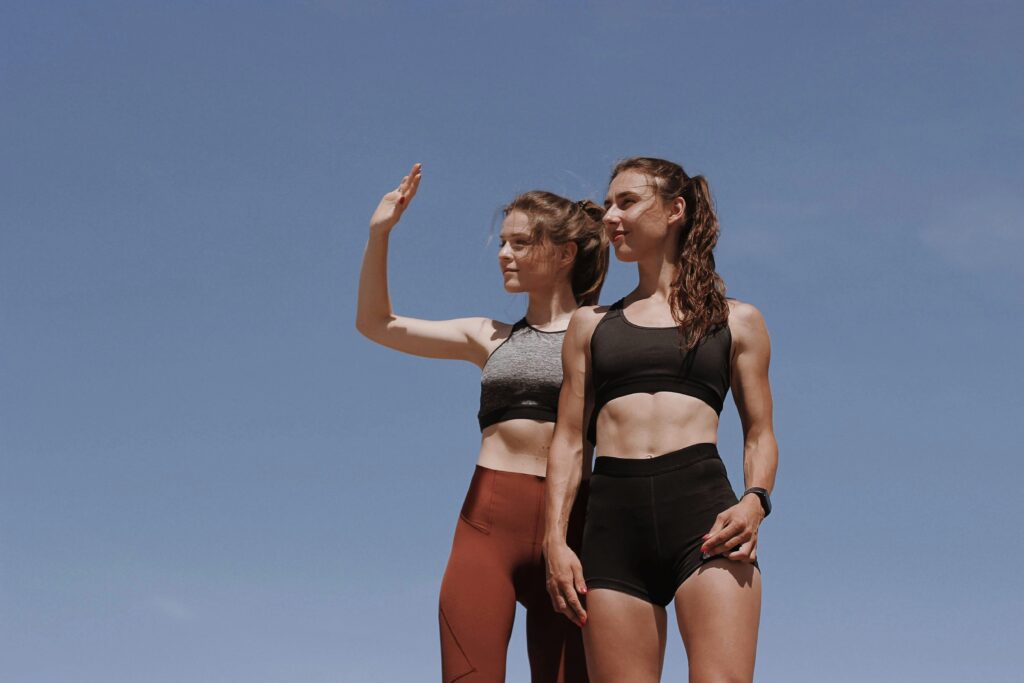
The activewear and now athleisure, which is a blend of active and leisurewear, markets have expanded drastically over the past years. The Australian fitness and athletic clothing store market was valued at $4.2 billion in 2024, with approximately 1,943 retailers operating across Australia. This massive expansion is due to a growing demand for activewear and streetwear, showing a shift in the lifestyles of Australians.
Sports apparel accounts for the largest market share. Industry forecasts predict $2.3 billion in revenue for 2025, representing 55% of total activewear sales. Footwear follows with $1.5 billion, while accessories contribute $308.6 million. The market experienced steady growth between 2019 and 2024 with a 3.0 percent compound annual growth rate. Analysts project this trajectory will continue, expecting 3.4 percent growth annually through 2030. This expansion signals that activewear has become permanently embedded in Australian fashion culture rather than representing a temporary trend.
Survey Reveals How Australians Really Wear Activewear
Chobani, Australia’s number one yoghurt brand, commissioned the first national survey in 2024 to determine what clothing Australians actually wear. The research found that 82% of Australians under 60 wear activewear for exercise, at home, or as casual, everyday wear. Nearly 40% admitted to wearing activewear on most days, if not every single day, even when they were not going to the gym or doing exercise.
The survey exposed surprising patterns about where people wear gym clothes. Shopping topped the list, with 60% of respondents reporting they wore activewear to stores in the previous year. Around 30% chose activewear for cafe or restaurant visits. Unsurprisingly, since COVID, 38% of respondents say they have begun wearing activewear more frequently than in previous years.
The Internalized Misogyny Accusation
Critics of Poppy’s rant quickly called it a form of “internalized misogyny” – a term that describes women who adopt and enforce sexist attitudes towards themselves and other women. Accusers argued that policing women’s clothing choices perpetuates harmful gender dynamics rather than addressing legitimate decency concerns. Gender studies scholars weigh in on this controversy. Einav Rabinovitch-Fox from Case Western Reserve University argues the discussion should not contrast modest versus revealing gym attire. Instead, she suggests society should question why people feel entitled to comment on women’s clothing choices at all.
The internalized misogyny framework highlights double standards in dress code enforcement. Men face minimal scrutiny for their gym attire choices, while women encounter constant commentary about appropriate coverage. This disparity suggests deeper issues beyond simple decency standards.
Research indicates that internalized sexism can lead to psychological distress, body image issues, and reduced self-confidence among women. When women criticize other women’s clothing choices, it may reinforce societal pressures rather than empowering personal freedom. The judgment itself becomes more problematic than the clothing being judged.
Body Confidence and Personal Choice
Defenders of revealing activewear emphasize body confidence and personal achievement. Many women responded that they earned their physiques through hard work and deserve to showcase their results. This perspective frames tight gym clothes as a celebration rather than a provocation.
The confidence argument extends beyond vanity. Women report feeling empowered when wearing activewear that displays their fitness progress. For some, visible muscle definition or curves represent tangible proof of dedication to health and wellness goals.
Looking good in activewear matters significantly to younger consumers. The Chobani survey found that 75% of women under the age of 40 consider appearance extremely or very important when selecting activewear. Around 45% of men surveyed believed women looked more attractive in activewear worn as casual wear.
Interestingly, clothing choices can influence behavior. Approximately 30% of survey respondents reported being more inclined to eat healthier foods when wearing activewear. This psychological connection between athletic clothing and wellness decisions adds another dimension to the debate.
Generational Divide Over Gym Fashion
The activewear debate extends to generational differences in gym fashion preferences. Millennials and Gen Z clash over appropriate workout attire, with each generation defending distinct style philosophies. This divide mirrors larger cultural tensions about body image and self-expression
Millennial women gravitate toward form-fitting activewear. Their preferred gym uniform typically features tight leggings paired with fitted tank tops or sports bras. This aesthetic emphasizes body contours and muscle definition achieved through training.
Gen Z takes a different approach, favoring baggier clothing for workouts. Oversized shirts, loose joggers, and relaxed fits dominate their gym wardrobes. Some describe millennial tight-fitting styles as outdated or giving middle school vibes.
Comfort drives Gen Z’s baggy preference. Many report that loose clothing feels better during sweaty workouts compared to tight fabric clinging to skin. Others appreciate feeling less noticed in oversized pieces versus form-fitting outfits. Millennials counter that tight activewear provides better support and moisture-wicking performance.
When Practicality Meets Criticism
Practical considerations often drive activewear choices for public errands. Women frequently stop at stores immediately after gym sessions, making outfit changes impractical. Busy schedules mean choosing between skipping groceries and shopping in workout clothes.
Time constraints play a major role in these decisions. Many people structure their days around maximizing efficiency, combining exercise with necessary errands. Returning home to change clothes between activities wastes valuable time and energy.
The convenience argument resonates with working parents, particularly. School pickup times often fall shortly after morning workout windows. Parents face choosing between missing exercise, arriving late, or wearing gym clothes to school.
Critics suggest that practicality does not justify every clothing choice in shared spaces. They argue that basic planning could prevent situations where revealing activewear becomes the only option. Keeping alternative clothing in vehicles or selecting less revealing workout gear offers compromise solutions.
The Public Decency Question
Public decency standards vary significantly across individuals and cultures. What one person considers appropriate, another may view as offensive or uncomfortable. This subjectivity makes establishing universal guidelines nearly impossible.
Supporters of stricter standards invoke traditional notions of decency. They suggest that certain body contours should remain private in shared public spaces. This perspective draws parallels to other clothing norms that limit exposure in professional or family settings.
The decency argument faces criticism for applying inconsistent standards. Men regularly appear shirtless in public spaces like beaches, parks, and even some retail environments with minimal controversy. Women wearing sports bras that cover more than bikini tops face greater scrutiny.
Legal and social boundaries differ from personal preferences. While individuals may personally dislike certain clothing styles, activewear generally falls within accepted public dress codes. Stores and gyms establish their own policies, but public spaces typically allow wide latitude in clothing choices.
The Modest Fashion Counter-Trend
An opposing trend toward modest fashion has emerged alongside revealing activewear styles. Some women, particularly those motivated by religious or personal values, embrace covered workout clothing. This counter-movement celebrates modesty without sacrificing style or functionality.
Modest gym wear includes high necklines, longer shorts, and loose-fitting tops. Proponents argue these choices provide comfort while respecting personal boundaries about body exposure. The trend demonstrates that activewear trends can accommodate diverse preferences and values.
Social media features growing modest fitness content. Influencers share outfit ideas showing how to exercise while maintaining coverage. These posts often emphasize that modesty represents personal choice rather than moral superiority. The fashion industry responds to modest wear demand. Major brands now offer extended collections featuring longer lengths and higher coverage options. This expansion recognizes that consumers seek variety in how they express themselves through activewear trends.
Read More: Why Do Some Women’s Underwear Have That Little ‘Pocket’ In The Middle?