

Most people do not think twice about what slips through the openings beneath their feet, yet a bathroom can invite more visitors than you expect. A simple item like a shower drain balloon changes that completely, because it creates a barrier that stops pests from entering through plumbing gaps they normally treat as express lanes. Moisture, warmth, and leftover residue make drains especially welcoming for insects, so blocking the path gives you an advantage before anything crawls or flies inside. The idea seems odd until you see how well it works, and once you add in other strategies that reduce entry points, the entire room becomes easier to manage. Bathrooms stay cleaner, and you stay in control of where those creatures can travel.
How a Balloon Blocks Drain Access
The technique is simple once you see it step by step. You start by removing the shower drain cover and trimming both ends off a regular balloon so it forms a flexible tube. That tube slips over the metal cover and stretches enough to create a tight grip. When you reinstall the cover, the balloon forms a thin layer that acts as a controlled channel, keeping insects from slipping through open gaps that metal alone cannot close. Water still passes through the openings, but pests lose their usual climbing route. People are often surprised by how such a common item can reshape the way a drain protects a bathroom.
You are probably thinking, “there’s no way this will work.” Well, It can work, but only if it is installed in a way that keeps water flowing freely. The balloon trick is not meant to seal the drain. It is meant to narrow the pathway that insects use while keeping the water route open.
Here is the practical version of how it works in real bathrooms:
When you cut both ends off the balloon and stretch that tube around the drain cover, you are creating a thin sleeve, not a plug. The water still moves through the drain holes normally. The balloon sits flush against the underside of the cover, which reduces the open gaps that insects like drain flies and roaches climb through. It narrows their crawl space without interfering with drainage.
If someone accidentally uses too thick of a balloon or pulls it too tight, then yes, it could interfere with flow. The key is choosing a balloon with moderate flexibility, trimming it cleanly, and making sure the sleeve does not sag over the holes. The cover should sit flat, and the balloon should hug its perimeter rather than sag across its openings.
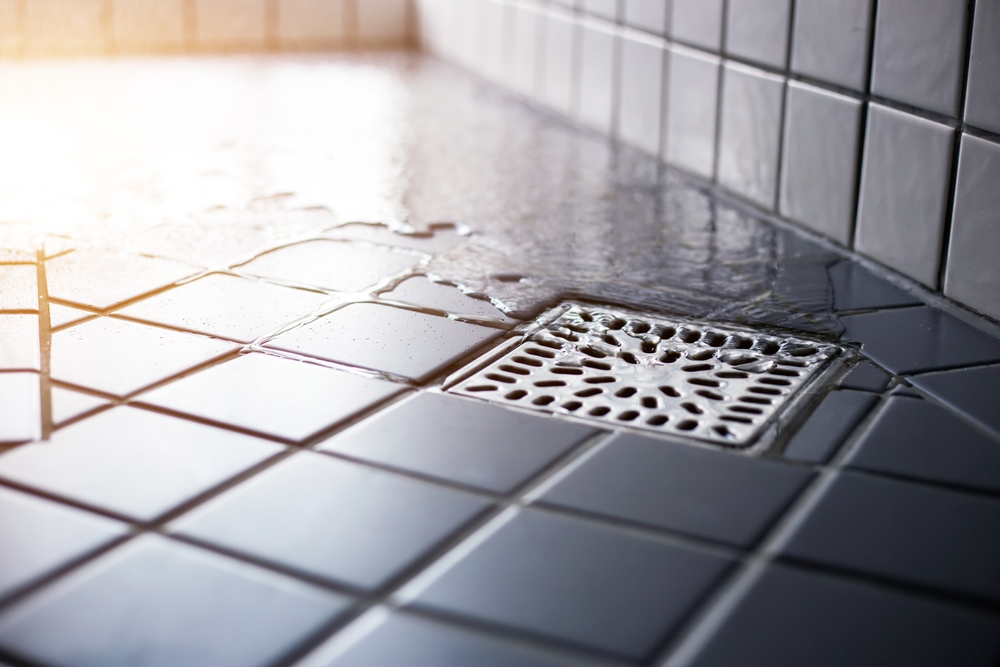
Think of it like adding a soft gasket. It lines the edges, but it does not block the water route. When fitted correctly, water moves normally, and insects lose their usual entry corridor.
If you want extra assurance before committing, you can run the shower for thirty seconds after reinstalling the cover. If water drains at its usual speed, the fit is correct.
Keep Drains Clean to Reduce Insect Activity
Once the balloon sleeve settles into place, the next step is keeping the drain itself clean. Insects thrive on residue that collects inside plumbing, so removing buildup reduces what draws them in. A simple cleaning routine works well. Pour a kettle of hot water down the drain, follow it with a cup of baking soda, then chase it with vinegar. The reaction helps lift grime so insects lose both food and nesting spots. This routine also helps prevent odors that can attract pests from farther down the plumbing line, giving your bathroom one less weakness.
Keep Drains Clean to Reduce Insect Activity
Once the balloon sleeve settles into place, the next step is keeping the drain itself clean. Insects gather around residue that collects inside plumbing, so clearing out buildup removes what attracts them in the first place. A simple cleaning routine helps keep the inside of the drain less inviting. Pour a kettle of hot water down the drain, follow it with a cup of baking soda, then use vinegar to activate the reaction. The fizzing helps loosen grime that clings to pipe walls, making it harder for insects to settle and reproduce. This process also reduces odors that travel upward through the pipe, which can pull pests from deeper in the system. When the drain stays cleaner, insects lose both the material they feed on and the spots they use for breeding. Adding a few extra maintenance steps strengthens this routine even further.
One option is borax, which is commonly used in household cleaning and has been shown to disrupt the environment drain flies rely on. Borax does not harm plumbing when used in modest amounts. Mixing one tablespoon of borax with hot water and pouring it down the drain helps dry out the film that flies need to survive. It is not a pesticide, but it changes the conditions insects depend on, which keeps their numbers down.
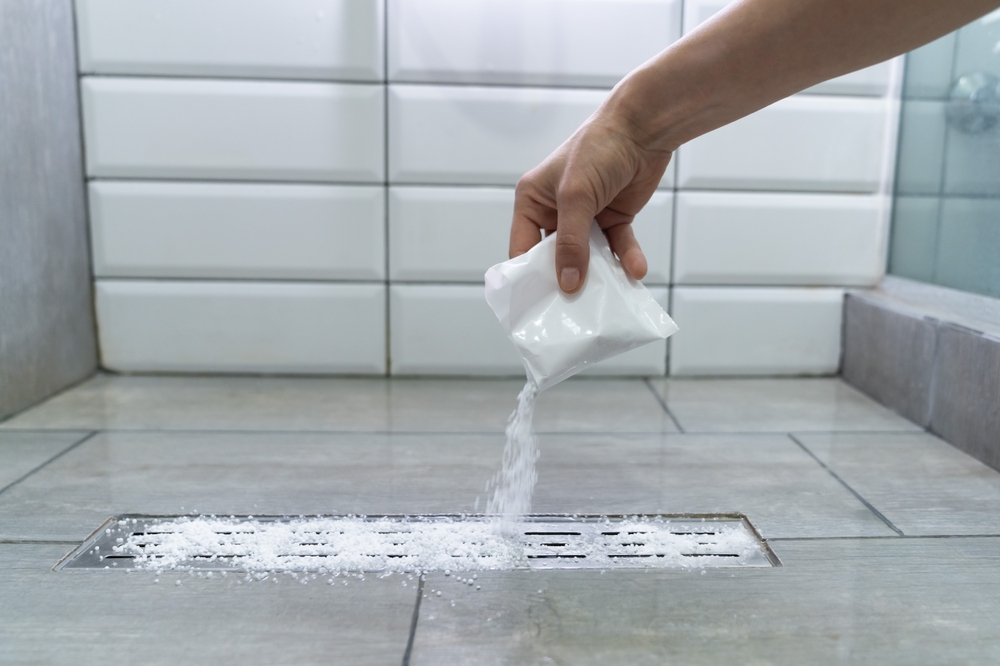
Image credit: Shutterstock
Another effective method is flushing the drain with enzyme based cleaners. These cleaners do not rely on harsh chemicals. Instead, they contain enzymes that break down organic buildup inside pipes. Drain flies lay eggs in that buildup, so removing it limits their ability to grow a colony. Enzyme cleaners are safe for most plumbing systems and work well as part of a weekly routine.
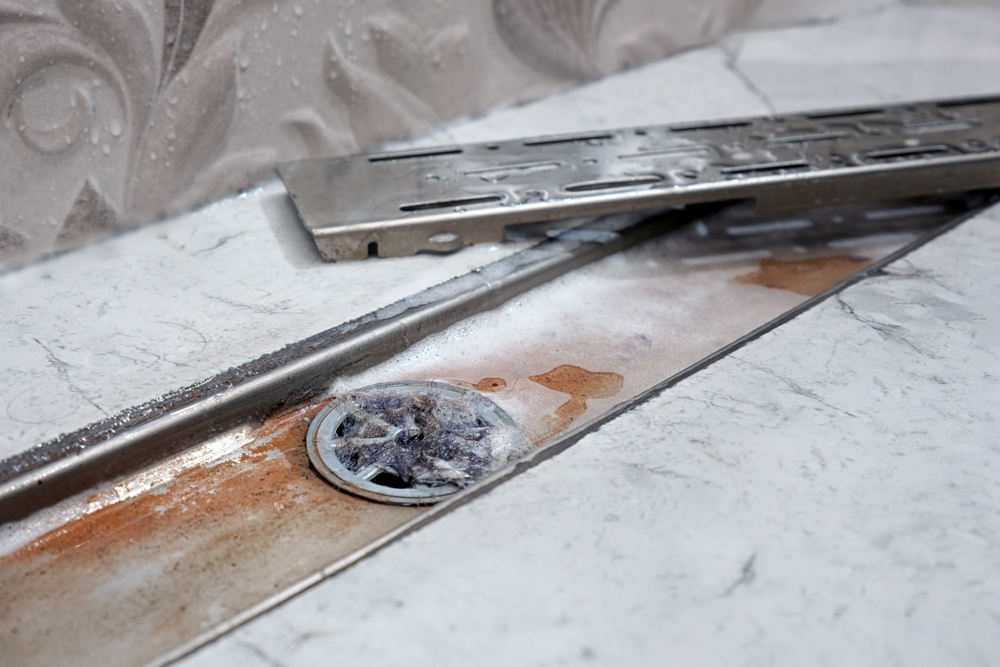
A third step involves maintaining a proper water trap level to prevent sewer gases from drifting into the bathroom. The P trap beneath the drain holds water that blocks odors from traveling upward. If a shower or sink goes unused for long periods, the water inside the trap can evaporate. Pouring a few cups of water into unused drains restores the barrier. Some plumbers also recommend adding a teaspoon of mineral oil after refilling the trap because it slows evaporation. Keeping the trap full not only reduces smells but also prevents certain insects from entering through the plumbing line.
Together, these steps keep the drain cleaner, reduce buildup, and support the barrier that keeps gases and insects from entering the room. When the drain environment changes this way, pests lose access to what they need, and the bathroom becomes easier to manage without constant intervention.
Seal Gaps Around Pipes and Tiles
Bathrooms often have openings that never get attention until pests use them as shortcuts. Look under the sink, near the toilet base, behind the shower, and around any exposed pipe. Even narrow cracks can act as access points for ants, roaches, and silverfish. A bead of silicone caulk works well for most gaps because it resists moisture and adheres firmly to tile. Larger voids benefit from expanding foam, but you apply it lightly so it does not interfere with fixtures. Once these openings are sealed, insects lose hidden pathways that they count on, and the room feels easier to maintain.
Reduce Moisture That Collects in Hidden Areas
Bathrooms stay damp longer than most rooms, which attracts insects that rely on moisture for survival. Ventilating the space helps break that cycle. Turn on the exhaust fan during showers and leave the door open afterward so humidity drops faster. Wipe puddles around faucets and the shower floor instead of letting them linger. If certain corners trap water, place a towel down and rotate it out so it never stays soaked. When moisture becomes less available, pests that depend on it tend to settle elsewhere, and that lowers how often you see them.
Store Personal Items in Ways That Limit Attraction
Items like toothbrushes, razors, and soaps hold residue that insects detect easily. Keeping these items enclosed or elevated reduces the scent trail that lures pests toward counters and cabinets. A toothbrush cover or wall mount works well. Razors stay cleaner when stored away from water runoff. Bar soaps should sit on raised trays so they do not dissolve into films that attract insects. These shifts sound minor, yet they change how appealing the room feels to anything searching for a food source or nesting area.
Address Hidden Food Sources You Do Not Immediately Notice
People think of the bathroom as a place without food, but insects do not view it that way. Toothpaste, lotions, leftover hair, and even microscopic residue from skin care products create enough organic material for many pests to thrive. Rinsing the sink after brushing or shaving helps more than people expect. Throw away hair that collects in the shower instead of letting it drift toward the drain. Wipe down counters after applying skincare products. Each action removes something insects rely on, and the cumulative effect strengthens your entire prevention strategy.
Keep Trash Bins Covered and Emptied Frequently
Open trash bins give insects easy access to moist tissues, discarded packaging, and personal care remnants. A covered bin limits access and keeps scents contained. Emptying the bin regularly prevents buildup that attracts pests searching for easy meals. If you use liners, choose ones that fit snugly so they do not slip inside the bin. Cleaning the inside with warm soapy water every week helps remove residue that insects detect even when you cannot see it. Keeping the bin clean and covered plays a bigger role in pest control than most people realize.
Monitor Plumbing Fixtures for Slow Leaks
Slow drips give insects a dependable moisture source. You can spot leaks by checking under the sink, around valves, and at the base of the toilet. Even a tiny drip creates conditions that attract bugs. Tightening joints or replacing worn washers keeps plumbing secure. If you see signs of mildew, clean the area thoroughly and ensure the fixture is sealed correctly. When leaks disappear, insects have fewer survival spots, and bathroom maintenance becomes easier in general.
Read More: One Very Gross Thing That Can Happen if You Don’t Clean Your Bathroom
Keep Bath Mats, Towels, and Curtains Dry
Fabric absorbs moisture quickly in bathrooms, and pests gravitate toward damp materials. Hang towels so they dry completely instead of bunching them on hooks. Wash bath mats often, especially if they stay wet for long periods. Shower curtains should be pulled closed after use so they dry rather than folding into damp pockets. These decisions help the room stay less appealing to insects that seek damp fabric as a resting place, and they reduce the chance that pests hide in areas you rarely inspect.
Use Light Traps for Flying Insects
Drain flies and gnats respond strongly to light, which makes small adhesive light traps useful for spotting activity early. Place one near the shower or under the sink cabinet. The trap reveals where insects gather, which helps you identify problem areas quickly. Once you understand where they concentrate, you tailor cleaning or sealing efforts more effectively. The goal is not to rely on traps alone, but to use them as indicators that guide other steps. This turns pest control into a proactive routine instead of waiting until you notice insects by accident.
Keep Toiletries and Cleaning Products Organized
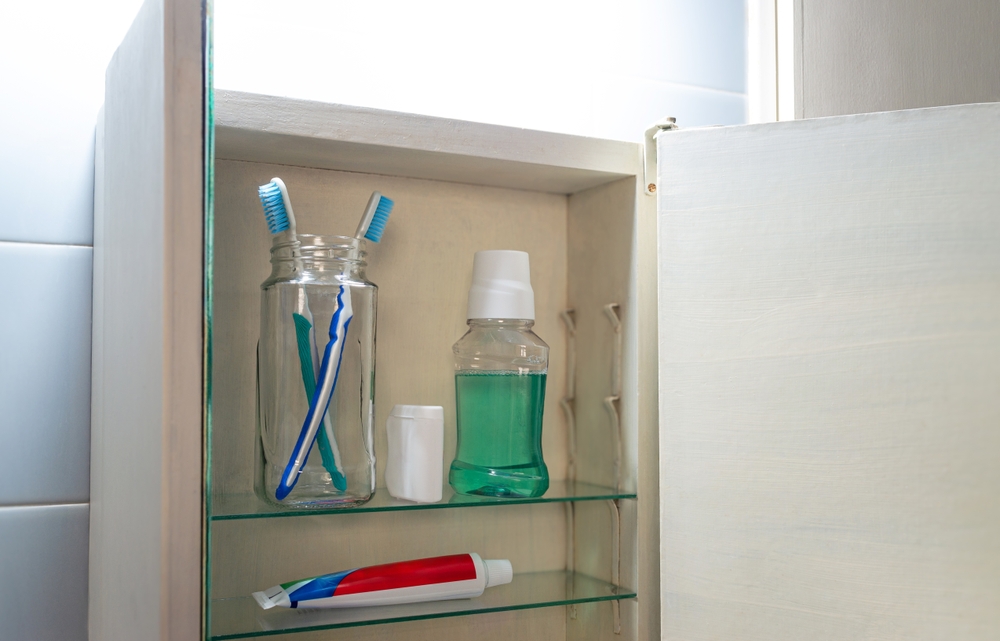
Crowded shelves and cluttered cabinets create hiding spots for insects. Keeping products organized gives you a clear view of the space and exposes anything that does not belong. Group similar items together so you can see spills or leaks easily. Wipe containers before placing them back on shelves so residue does not collect beneath them. A tidy cabinet makes it easier to notice unusual movement or droppings early, which helps you respond before a problem grows.
Clean Shower Walls and Grout More Frequently
Shower walls accumulate soap film that insects feed on. Scrubbing tiles once a week removes buildup and discourages pests that prefer damp, coated surfaces. Grout lines also deserve attention because they trap residue that insects detect. Use a brush with firm bristles and a cleaner designed for bathrooms. Rinse thoroughly and let the walls dry fully. When these surfaces stay cleaner, insects lose interest in the area, and the entire shower feels easier to maintain.
Ventilate Cabinets and Closed Storage Spaces
Moisture collects inside cabinets more easily than most people think. Leaving them shut for long periods traps humidity and gives insects a protected environment. You can ventilate by leaving cabinet doors open for a short time after showers or by using moisture-absorbing packets inside. These packets help draw dampness away from surfaces. When the interior stays dry, insects struggle to establish themselves in those tucked-away spaces. It turns storage areas into neutral zones instead of hiding spots.
Inspect Items Before Bringing Them Into the Bathroom
Sometimes pests arrive through objects rather than drains or cracks. Storage baskets, toilet paper packages, and cleaning supplies can carry insects without you noticing. Before placing anything under the sink or inside cabinets, give it a glance. Check corners, folds, and packaging edges. This habit stops pests from hitching a ride into your most humid room, and it reinforces a preventive mindset that keeps the bathroom in better condition all around.
Keeping Bugs Out With Practical Maintenance

A bathroom stays in better condition when you limit what insects rely on instead of waiting for them to appear. The balloon sleeve takes care of the drain, but the rest comes from simple upkeep that removes openings pests search for. Drying surfaces, storing products properly, and sealing overlooked gaps all play a part in cutting off their access. These steps work because they remove the conditions that allow insects to settle in. Once those conditions change, their interest fades quickly. The room ends up functioning with fewer interruptions, and you spend less time dealing with surprises you never wanted to see.
Disclaimer: This article was written by the author with the assistance of AI and reviewed by an editor for accuracy and clarity.
Read More: How to Deal with 10 Common Bathroom Bugs