

Cheating rarely happens out of nowhere, even though it can feel sudden when it does. In many cases, it follows patterns that researchers have studied for years, sometimes quietly in the background. While no behavior guarantees infidelity, studies do show that certain traits and life situations appear more often among people who stray. These are tendencies, not labels, and they are not destiny. Relationships are layered and emotional. Understanding common risk factors tied to the types of people who cheat can help people notice warning signs earlier and talk about issues before trust starts to crack.
Heavy Social Media Users

Heavy social media use shows up often in research about relationship tension and cheating. Studies suggest that people who spend more time on platforms like Twitter or Instagram may face more temptation than they realize. Social media keeps past partners, strangers, and private conversations only a click away. Over time, boundaries can slowly weaken. This does not mean social media directly causes cheating. Instead, it often magnifies problems that already exist. For some people, endless scrolling becomes an escape from boredom or unmet emotional needs.
When Online Validation Replaces Real Connection

Image credit: Shutterstock.
Likes, comments, and quick replies can feel good, especially when someone feels ignored at home. Research suggests that people who crave outside validation may struggle with commitment during relationship stress. At first, online flirting feels harmless, almost playful. But emotional intimacy can shift before anyone notices. That shift matters more than people expect. Researchers often point out that this behavior reflects deeper dissatisfaction, not sudden desire. Social media becomes a mirror of unmet needs. Because attention feels easy and endless online, validation-seeking behavior often appears, even when no one plans to cross a line.
Men in Midlife Transition Years

Image credit: Shutterstock.
Infidelity rates also change with age, especially for men. Research on cheating demographics shows higher reported infidelity during the late thirties through to the fifties. These years come with career pressure, aging concerns, and long-established routines. Some men quietly question who they are or what they missed. This is not about ages ending in a specific number, despite popular myths. Instead, it reflects midlife transitions that affect identity and confidence. Stress, opportunity, and dissatisfaction all play roles here. Men navigating these years may feel more tempted by novelty, especially when outside attention offers reassurance they no longer feel.
Life Milestones That Trigger Reassessment

Big life moments often shake emotional balance. Promotions, empty nests, health scares, or caring for aging parents can all change how people see their lives. During these periods, some people reassess relationships. Studies suggest infidelity spikes during times of transition, not because people plan it, but because emotional grounding weakens. For many men, pressure around success and aging adds weight. When communication at home feels strained or rushed, outside connections can feel simpler. This pattern explains why major milestones often appear in discussions without blaming age itself or a single event.
People With High Perceived Mate Value

Image credit: Shutterstock.
Another group often discussed includes people with high perceived mate value. This can mean physical attractiveness, charm, social status, or confidence. Research suggests that people who believe they have many romantic options may show higher intentions toward infidelity. It is not about morals, but perception. When alternatives feel plentiful, commitment can feel less urgent. Some people do not actively seek affairs; they just respond when opportunity appears. Over time, that mindset can weaken boundaries. Among the types of people who cheat, those who receive frequent attention may underestimate how risky casual flirting can become, especially when they feel desired everywhere they go.
When Attention Creates False Confidence

Image credit: Shutterstock
Constant attention can create false confidence. Compliments and admiration can blur judgment, especially during relationship conflict. Some people begin to believe they deserve more excitement or validation than one partner can provide. Researchers note that this belief increases risk behavior, not happiness. Instead of fixing issues at home, attention outside feels easier. That shortcut often leads to regret later. This does not mean attractive people cheat more by default. It means opportunity changes decision-making.
Wealthier Men in Unequal Relationships
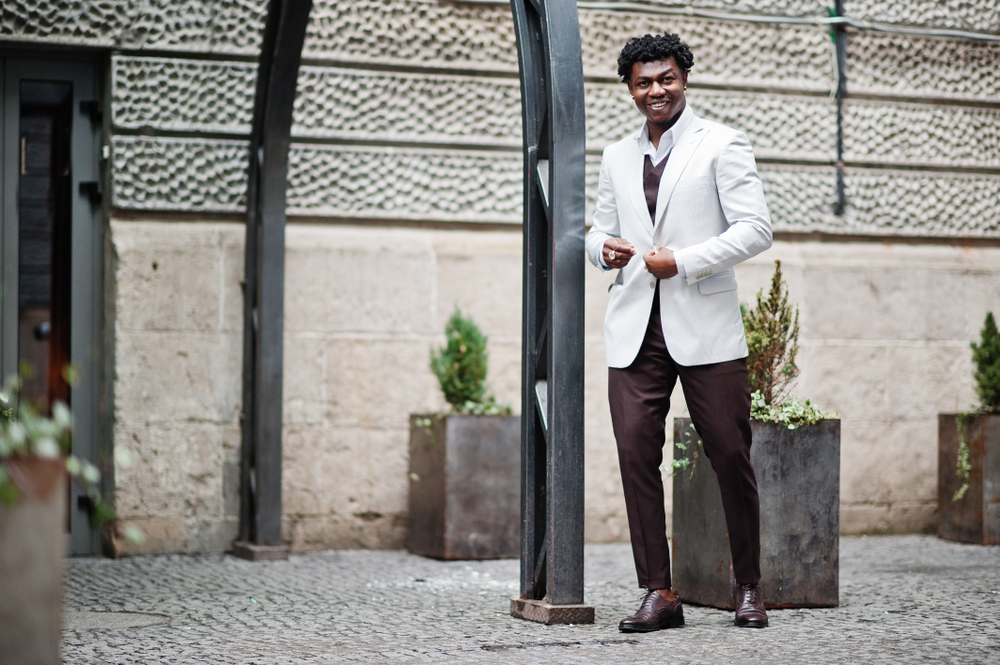
Image credit: Shutterstock.
Economic dynamics also matter. Studies from sociological research show that men who earn significantly more than their partners report higher rates of infidelity in some samples. Financial power can shift the relationship balance in subtle ways. When one partner controls resources, accountability may weaken. Some men feel entitled, while others feel less monitored. This does not apply to all wealthy men, of course. Still, unequal financial power can influence behavior. Wealthier men in imbalanced relationships sometimes face fewer perceived consequences, which can lower internal restraint rather than increase happiness.
Economic Dependence and Hidden Resentment

Image credit: Shutterstock.
On the flip side, economic dependence can also increase cheating risk. Research suggests that financially dependent spouses, both men and women, may cheat as a way to regain autonomy or self-worth. Dependence can create resentment, even when love exists. Some people seek validation or control outside the relationship to balance that feeling. This behavior is rarely planned. It grows quietly from frustration and silence. These dynamics show why money and power appear so often in studies, not because income causes infidelity, but because imbalance changes emotional dynamics fast.
People Who Have Cheated Before

Image credit: Shutterstock.
One of the strongest predictors of future cheating is past behavior. Research consistently shows that people who have cheated in previous relationships are more likely to do it again. This does not mean change is impossible. It does suggest patterns matter. Cheating can become a coping habit when conflict, boredom, or stress appears. Some people justify it by minimizing harm or blaming circumstances. Over time, those justifications get easier to reach for. History matters more than personality labels. Past behavior shows how someone handles temptation and boundaries. Without real accountability and growth, old habits tend to return, even when intentions start out good.
Why Past Cheating Often Repeats

Looking closer, cheating often repeats because the underlying issues stay unresolved. Some people never fully face why they cheated before. Instead, they frame it as a one-time mistake. Research suggests that without reflection and behavior change, the same emotional triggers return. Stress, attention, and opportunity feel familiar. When similar situations appear, old responses follow. This does not mean people are doomed. It means growth requires effort and honesty. Experts often stress that trust is rebuilt through changed actions, not promises. Patterns break only when someone actively learns new ways to handle desire and discomfort.
People Who Avoid Difficult Conversations
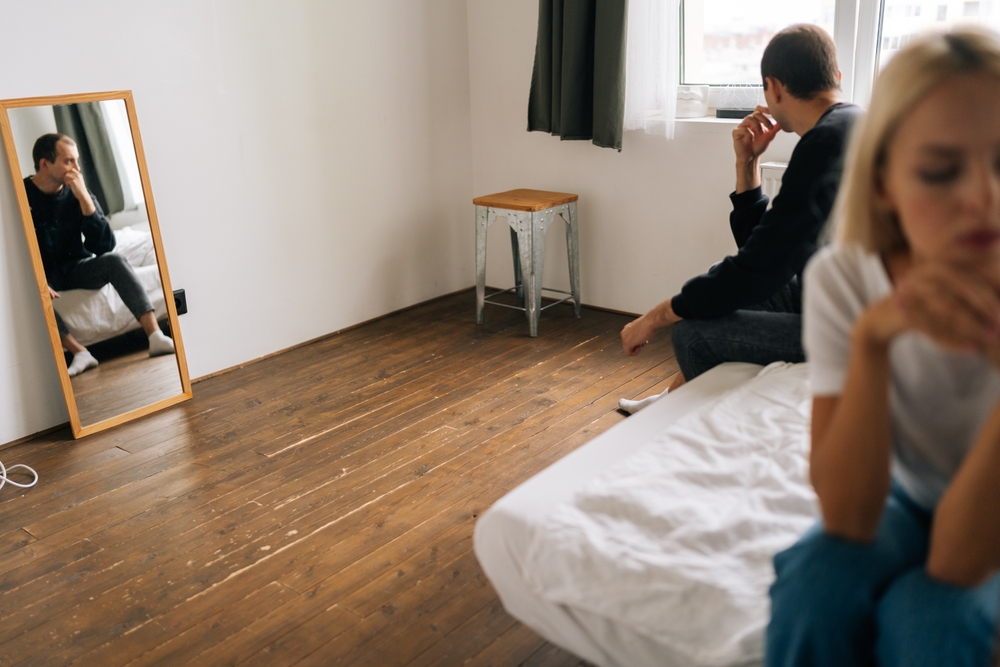
Image credit: Shutterstock.
Avoiding conflict may feel peaceful, but it can create distance over time. Psychological research links avoidant attachment styles to higher infidelity risk. These individuals struggle with emotional closeness and tough conversations. Instead of addressing problems directly, they pull away. When intimacy feels heavy, outside connection can feel lighter. Cheating becomes a form of escape rather than a pursuit. Avoidant communicators often seek distance without confrontation. They may care deeply, but fear vulnerability. Over time, silence creates space where secrecy grows. This pattern shows how emotional avoidance can quietly undermine commitment.
When Avoidance Turns Into Emotional Outsourcing

Image credit: Shutterstock.
Avoidant partners often outsource emotional needs. Instead of talking through conflict, they look elsewhere for validation or comfort. Research suggests this coping style increases infidelity risk, especially in emotional affairs. Outside relationships feel easier because they lack shared history and expectations. Over time, emotional energy shifts away from the primary bond. That shift matters. It weakens trust long before physical cheating happens. Many experts include avoidance in discussions about types of people who cheat, not because avoidance causes infidelity, but because unresolved emotions look for expression somewhere else.
People Who Feel Trapped or Stuck
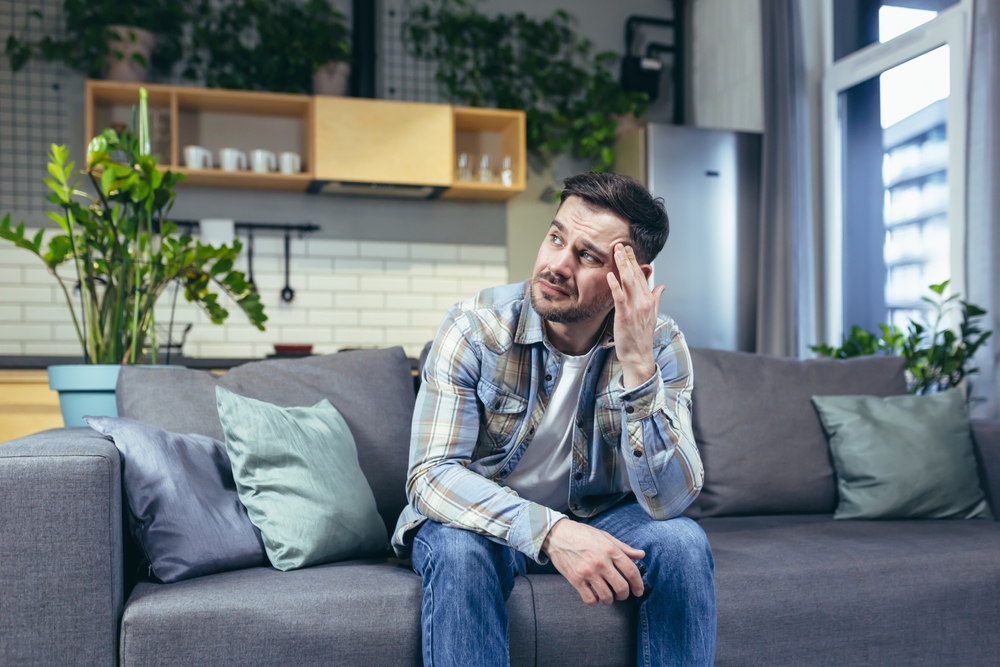
Feeling trapped is another common thread. Some people stay in relationships out of obligation, fear, or convenience. Research suggests that perceived lack of alternatives can increase secretive behavior. When people feel stuck, cheating can feel like reclaiming freedom. This does not excuse the behavior, but it explains the motivation. Instead of leaving or addressing problems, some people seek escape quietly. Feeling trapped often connects with poor communication and low emotional safety. Cheating becomes a way to feel alive again, even if it creates more damage in the long term.
Read More: A New Form of Cheating is Emerging, and Women Are Warning Others
Opportunity Seekers With Weak Boundaries

Opportunity matters more than people like to admit. Some individuals do not plan to cheat, but struggle with boundaries when temptation appears. Research shows that people with weaker impulse control and flexible moral rules are more likely to cross lines when opportunity arises. Travel, work events, and online spaces increase exposure. Without clear personal boundaries, small decisions add up. Opportunity seekers often underestimate risk. They believe they can manage it until they can’t. Strong boundaries protect relationships more than intentions alone ever do.
Emotional Disconnection That Goes Unspoken

Emotional disconnection often sits quietly in the background. When partners stop sharing feelings, loneliness can grow even inside long relationships. Research suggests emotional neglect increases infidelity risk more than frequent conflict does. People crave feeling seen and understood. When that fades, outside connection can feel powerful. Emotional disconnection often precedes betrayal. The affair becomes a symptom, not the starting point. This pattern highlights why emotional maintenance matters just as much as loyalty promises.
Closing Thoughts

Image credit: Shutterstock.
Cheating is complex, emotional, and deeply personal. While research highlights common patterns, it never tells the full story. The types of people who cheat reflect tendencies, not fate. People still make choices, and relationships still evolve. Awareness matters because it opens space for conversation and growth. Recognizing risk factors early can help partners address issues before trust breaks. Healthy relationships depend on communication, boundaries, and accountability. No list can predict behavior with certainty. Still, understanding these patterns offers insight and a chance to do things differently before damage sets in.
Disclaimer: The information provided here is for educational and informational purposes only and is not a substitute for professional psychological, psychiatric, or mental health advice, diagnosis, or treatment. Always seek the guidance of a licensed mental health professional, therapist, psychologist, or psychiatrist with any questions or concerns about your emotional well-being or mental health conditions. Never ignore professional advice or delay seeking support because of something you have read here.
Read More: These 10 Jobs Come With a Higher Chance of Cheating, According to Research