
The internet has always loved labels, especially ones that explain annoying behavior in a single word. That is why the phrase male Karen has taken off online. Gen Z users appear to have settled on a specific name to describe this stereotype. Some people laughed, while others felt uncomfortable. A few were openly irritated that a normal name was suddenly being used as an insult.
What started as a casual joke quickly became a wider conversation, showing how fast online slang can form. To understand why people are reacting so strongly, it helps to look at where the original term came from and why Gen Z felt the need to rename it in the first place.
How “Karen” Became Internet Shorthand
The word Karen did not begin as a serious social label. It started as a joke in the late 2010s, when videos began circulating online that showed people, usually women, confronting service workers or demanding special treatment in public spaces. Over time, viewers began attaching the same name to these clips.
At first, the term felt specific. It described a narrow type of behavior, someone acting entitled, loud, and dismissive. But as more people used it, the meaning loosened. Karen stopped being about one person and became about an attitude. Anyone who complained aggressively or weaponized rules could get the label. Many people pointed out that the term targeted women more than men. Others argued it drifted into ageism or class-based mockery. Even so, the name stuck around because it was easy and emotionally charged.
Why Gen Z Started Looking for a Male Version
As Gen Z became more visible online, they began reshaping older slang. This generation rarely abandons internet language entirely. Instead, they remix it. So rather than rejecting Karen as a concept, they asked why there was no clear male version. That question showed up in comment sections and stitched TikToks. Some users joked that men had always escaped labels for the same behavior. Others argued that men get called worse things already. Still, the idea kept circulating.
Eventually, one name began popping up more often than others. The name David emerged as a popular choice. The reasoning was loose and partly based on aggregated complaint data and anecdotal stories. In meme culture, that is often enough. Once the name took hold, it spread quickly. Screenshots moved from platform to platform. Videos stitched reactions together. People named David suddenly found themselves part of a joke they did not sign up for.
Why People Are Not Happy About It
The pushback online was almost immediate. Many people felt uneasy about turning real names into insults. A name is not a fictional label. It belongs to real people with jobs, families, and online profiles. Seeing your name used as shorthand for entitlement can feel personal, even if the joke is not aimed at you.
Reports pointed out that this keeps happening. First Karen, then jokes about Millennials being Jessica, now David. Each wave follows the same pattern. It starts playful and ends with frustration. There is also a gender angle that never fully disappears. Some critics argue that naming a male Karen does not solve sexism. It simply spreads the same behavior across genders. Instead of questioning entitlement itself, the internet keeps attaching it to names.
How These Trends Spread So Fast Online

Gen Z favors short, repeatable jokes that work anywhere, and a name-based meme fits perfectly. It works in captions, comments, and reaction videos without much explanation. Another reason is familiarity. Almost everyone has dealt with someone who fits the stereotype. Algorithms also play their part. Content that sparks disagreement travels further. The moment people began arguing about fairness and gender, engagement spiked. That pushed the topic into more feeds and kept it alive longer than a simple joke usually would.
What This Says About Gen Z and Internet Culture Today
Gen Z often reuses names because names already carry emotion. They feel personal and familiar, which makes them powerful tools for humor and critique. At the same time, using names avoids complex explanations. It is easier to say someone is acting like a male Karen than to explain social privilege or power dynamics. That simplicity helps jokes spread, even if it flattens the issue.
This debate shows how the internet handles criticism. Humor comes first. Shorthand replaces nuance. That makes ideas accessible, but it also creates tension. The reaction to the male Karen trend shows growing awareness of those limits. More users are questioning whether jokes cross lines, while others are asking who benefits from these labels and who gets hurt.
Trends like this rarely end with agreement. Some people will keep using the term ironically, and others will avoid it completely. Eventually, another name or phrase will take its place. What matters more is the pattern. Each cycle forces a conversation about language and accountability online. Even when the meme fades, the questions it raised tend to come back in new forms.
How Humor Softens Social Criticism
One reason labels like male Karen gain traction is that humor makes criticism easier to swallow. Calling someone out directly for entitlement or arrogance often feels confrontational. Turning that behavior into a joke lowers the emotional risk. People laugh first, then reflect later, or sometimes not at all. This approach has a long history online. Meme culture often wraps serious ideas in casual language. In this case, humor allows people to talk about power, rudeness, and social privilege without sounding academic or preachy. When everything is framed as a joke, it becomes easier to dismiss concerns from people who feel targeted.
The Role of Algorithms and Attention
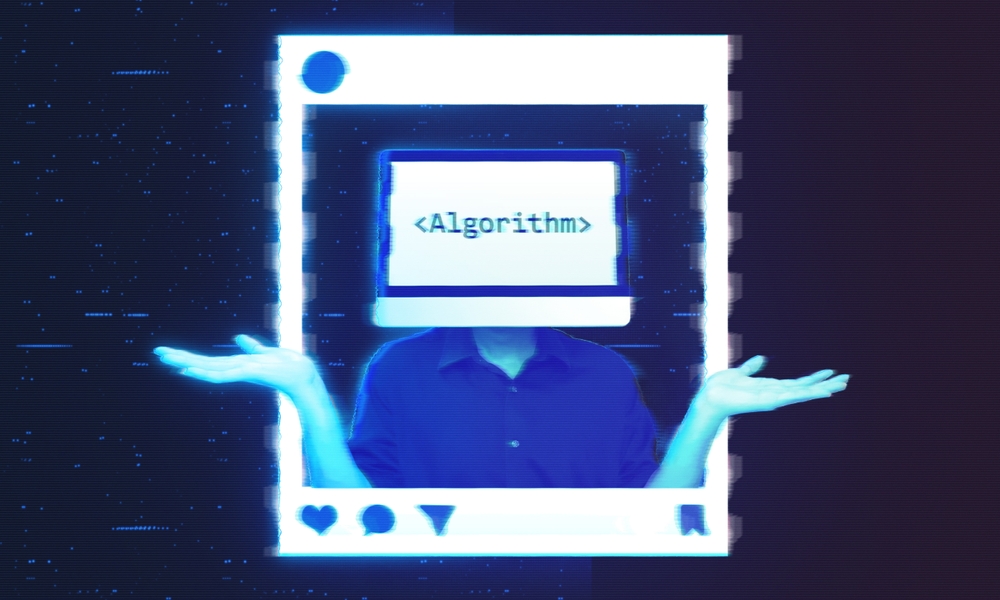
Another layer to this story is how platforms reward certain types of content. Posts that trigger reactions tend to travel further. Anger, laughter, and disagreement all count as engagement. Once the male Karen label sparked backlash, it became algorithmically valuable. People arguing against it unintentionally helped spread it. Videos critiquing the trend often reached larger audiences than the original jokes. This creates a strange loop. The more people object, the more visible the term becomes. Eventually, even those who dislike it end up repeating it, which strengthens the association they are trying to push back against.
Why Real Names Feel Different
Calling someone entitled is one thing. Attaching that behavior to a real name feels different. Names carry identity, and they are personal and often emotional. For people named David, or any name pulled into these trends, the experience can feel uncomfortable. Even if the joke is not aimed at them, the association exists, and that is where humor begins to feel less harmless.
This discomfort explains much of the backlash. People are not necessarily offended by the concept of calling out bad behavior. They are reacting to how casually the internet assigns meaning to something deeply personal.
Male Karen Synonyms and Soft Variations
Interestingly, many users try to soften the impact by using alternative phrases. Instead of directly naming a male Karen, some say things like entitled guy, complaint king, or manager-demanding man. Others lean into irony with phrases like suburban outrage guy or privilege tantrum energy. These softer versions show awareness. People want to describe the behavior without dragging a name through the mud. At the same time, those phrases lack the punch of a single word.
Is This Really About Generations

While the story centers on Gen Z, the reaction cuts across age groups. Millennials often feel defensive because they watched Karen become a punchline attached to their parents or peers. Gen X users sometimes shrug it off as internet nonsense. Older generations may not even notice. Gen Z, however, tends to embrace irony and remixing language. They also grew up watching how quickly words or things go viral. That makes them more comfortable playing with labels, even controversial ones. At the same time, Gen Z is often vocal about fairness and inclusion. They enjoy the joke, but also question whether it aligns with their values.
When Internet Jokes Leave the Screen
One key question is whether these labels stay online or spill into real life. Once a term becomes common, it can influence how people interpret behavior. Someone complaining in public might be mentally labeled before anyone knows the full story. That snap judgment is part of the concern. Labels reduce complex situations into simple narratives. The internet encourages speed over context, which can lead to unfair assumptions.
Despite criticism, some argue that labels like male Karen serve a purpose. They highlight patterns of behavior that might otherwise go unchallenged. Calling something out, even jokingly, can discourage it. From this perspective, the label acts as social pressure. Nobody wants to be seen as the person who mistreats service workers or abuses authority. Humor becomes a form of accountability.
Read More: The ‘Gen Z Gaze’: Why Young Workers Are Ignoring Customers
Why This Debate Keeps Returning
The internet cycles through these conversations repeatedly because the underlying issues never fully resolve. Entitlement and power imbalances still exist. Language becomes the battleground because it is visible and easy to debate. Each new label feels like a fresh start, but it follows the same arc. A joke emerges, it spreads online, and pushback follows. Then the cycle repeats with a new name or phrase. This repetition suggests that the debate is less about names and more about how society handles criticism in public spaces.
Most likely, the male Karen label will fade like many internet trends. It may linger in niche corners, but mainstream attention will move on, and another phrase will take its place. What remains is the conversation it sparked. People are becoming more aware of how language can harm others, even when intentions feel light. That awareness does not end with one meme.
Closing Thoughts
The internet’s reaction to Gen Z settling on a name for the male Karen reveals more than a simple joke gone viral. It exposes how quickly language evolves online and how deeply people care about the words used to describe them. For some, this trend is harmless fun. For others, it feels like another reminder that online humor often forgets the people behind the screen.
In the end, the name matters less than the conversation it started. As long as entitlement and public behavior remain hot topics, the internet will keep searching for shorthand. Whether those labels help or hurt depends on how thoughtfully they are used, and how willing people are to look beyond the joke.
Read More: Gen Z Brings Back ‘Trashy’ Tattoos Millennials Left Behind