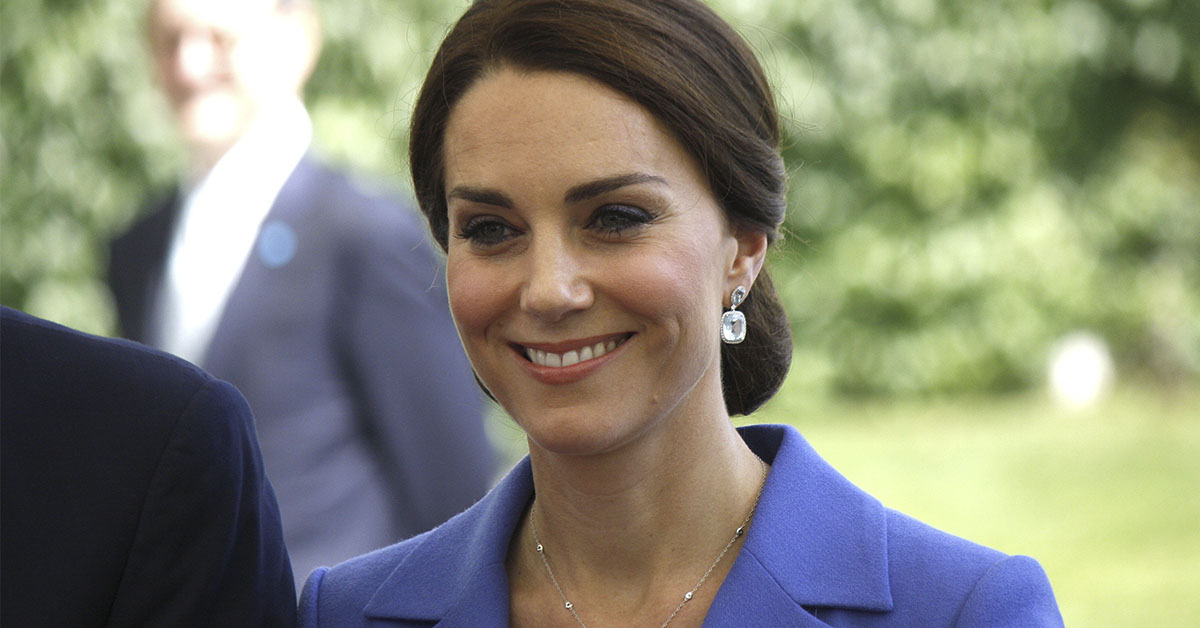

Last month, the Princess of Wales joined the charity Mind Over Mountains for a supported wellbeing walk in the Peak District, as part of her first solo “away day” of the year. The engagement itself had a calm purpose. Mind Over Mountains offers guided mental wellbeing walks and retreats in nature, led by qualified counsellors and wellbeing coaches, with the aim of giving people space to breathe and be supported outside a traditional clinical setting. Yet online, the focus shifted quickly.
A Reddit thread that spread widely framed Kate Middleton’s new photos as alarming, arguing she looked “very thin,” and questioning why admirers were not more openly concerned. That thread triggered various debates, as it appears that not everyone in the conversation is a fan. Still, the worry is real in the sense that many people are visibly reacting with anxiety and speculation. The harder question is what that worry is worth when it is based on appearance alone, and what it turns into when thousands of strangers begin diagnosing a person from a handful of images.
The well-being walk that became a lightning rod
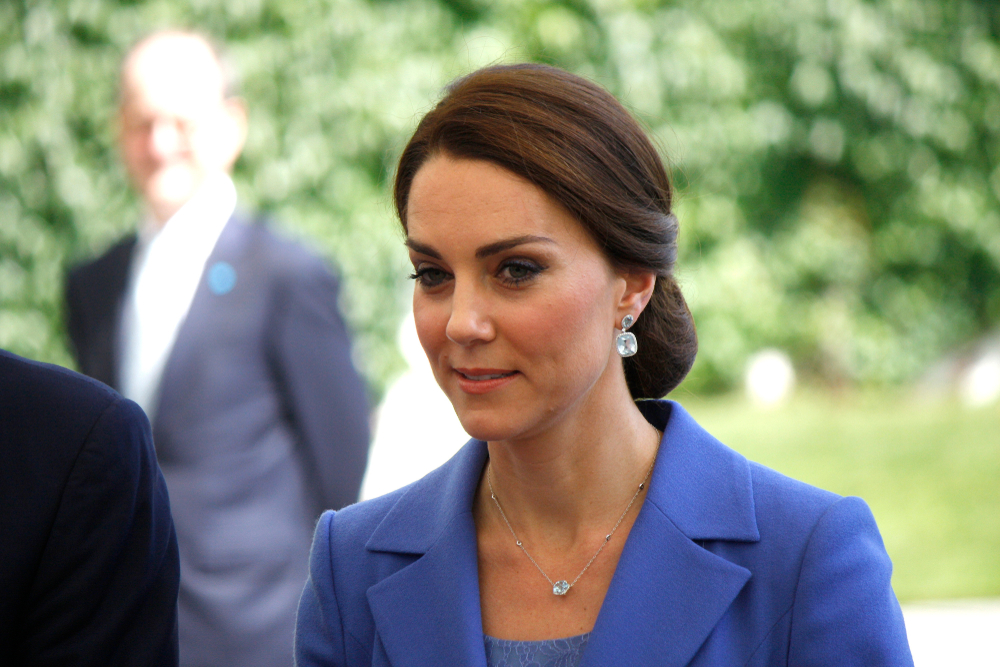
The Peak District walk was not staged as a glamorous moment. It was outdoors, practical, and deliberately linked to mental health and nature-based support. People.com described it as part of a day of visits across northern England focusing on creativity, community, and nature as tools that can bolster mental wellbeing, with the walk as one of the final stops. Harper’s Bazaar likewise framed the outing through the lens of nature and mental health, noting that Kate’s advocacy has increasingly highlighted the restorative value of being outdoors. In the most widely circulated video moment from the hike, she jokingly urged fellow walkers to pick up the pace, a candid clip that reads as energetic and present. On paper, that should have been the story: a senior royal highlighting a charity’s approach to mental health support in nature.
Instead, the images functioned like a Rorschach test. Some viewers saw strength and normality. Others saw frailty. Because the walk produced full-length photographs and casual movement footage, it gave the internet the raw material it loves most: body language, silhouettes, and details that can be looped into a narrative. If this story were built on official statements, it would be short. There was no public medical update attached to the event. The “worried fans” angle comes mainly from social commentary, and the most prominent example is a Reddit discussion in r/RoyaltyTea titled “To Kate lovers: where’s your concern?” The original post argues that new photos show her looking “very thin,” and it frames the perceived thinness as something that deserves more concern than it is receiving from supporters.
The comments then branch into three main streams. One stream is straightforward anxiety. People write that she looks “scary thin,” that they feel disturbed, and that something seems wrong. Another stream turns that anxiety into an amateur diagnosis. Commenters suggest eating disorders, inflammatory bowel diseases, IBS, or other chronic conditions, often grounding the claim in personal experience rather than verifiable information. The third stream pushes back hard, arguing that speculating about someone’s body is invasive, and that online “concern” can become performative and harmful, especially if an eating disorder is involved. This is the key point for a responsible article: the worry exists, but it exists as a social reaction, not as evidence of a specific medical reality. The thread proves many people are concerned. It does not prove why.
Why photographs feel like proof even when they are not
A single photo feels definitive because it looks direct. It feels like seeing. Yet a photo is also a distortion machine. It freezes a split second. It flattens depth. It exaggerates some proportions and hides others. It can also intensify cultural bias. If someone is already associated in the public mind with illness, then any hint of thinness or tiredness becomes a “sign.” Outdoor images amplify this. Walking clothes are often fitted or practical rather than structured. Hair and makeup are less controlled. Wind and posture change how a person reads on camera. Even the way a jacket hangs can make someone look smaller. A few pounds of difference, or no difference at all, can appear dramatic depending on the lens and angle. Online, that distortion gets multiplied. Screenshots get cropped. Zooms isolate knees, collarbones, and cheekbones.
Captions tell viewers what to see. Once a narrative forms, each new image becomes “evidence,” and contradictory images get ignored. That is why body-based speculation thrives in exactly the kind of candid charity walk the Princess attended. The format generates the kind of visuals that encourage people to believe they are witnessing a hidden truth. The public facts and the online theories are not on equal footing. Any responsible version of this story has to keep that line bright. On the confirmed side, the January 27 engagement was real, and it was linked to Mind Over Mountains and its model of wellbeing support in nature.
It is also true that the Princess has previously spoken publicly about her cancer experience, and outlets continue to reference that background when covering her return to duties. On the unconfirmed side are the claims made in comment sections. The Reddit thread contains repeated suggestions of eating disorders and gastrointestinal disease, but there is no public medical documentation to support those ideas. They are interpretations, and they should be presented as such, no matter how confident they sound. The temptation for writers is to turn speculation into a storyline. It pads the narrative, and it keeps readers clicking. The cost is accuracy. A reader deserves to know when the “evidence” is a comment thread rather than a verified source.
Why cancer recovery can still shape how someone looks
Even if you remove speculation, many readers still ask a basic question: is it reasonable to worry based on photos alone? The honest answer is that photos cannot diagnose anything. Yet it is also true that post-treatment recovery can look uneven, and that can be surprising to people who expect a clean “before and after.” Cancer fatigue is one of the most widely documented examples. Cancer Research UK explains that fatigue can continue for weeks, months, or even years after treatment finishes, and it can be different from ordinary tiredness because rest does not always help. Macmillan Cancer Support makes a similar point, noting that fatigue often improves after treatment ends, but for some people it continues for months or sometimes years.
Weight and appetite can also change during and after treatment. The U.S. National Cancer Institute notes that appetite loss and weight loss are common side effects of cancer and cancer treatments. The NHS explains that chemotherapy can cause a range of side effects, and that care teams may monitor weight as part of ensuring correct dosing. None of this tells us what is happening with Kate. It explains why “she looks thin” is not a conclusion. Bodies can reflect stress, schedule, sleep, appetite, and countless non-news factors. They can also reflect the long tail of recovery from serious illness. A photograph cannot tell you which.
The setting of this particular appearance adds another layer. Mind Over Mountains explicitly frames its walks as mental well-being support, “without four walls,” combining nature, movement, and professional support. That language is emotionally potent. It suggests healing, calm, and restoration. When viewers then see images they interpret as frailty, the contrast creates tension. The mind reaches for explanation. The walk also produces a particular kind of symbolism. It positions the Princess in nature, moving forward, doing something purposeful. For supporters, that reads as reassuring. For critics, the same imagery can be read as performative or curated. That split helps explain why the online conversation is not merely “concern” but also conflict about how public figures should be seen. The paradox is that the engagement invites intimacy while also demanding distance. It is intimate because it is candid. It demands distance because it is not an invitation into someone’s private medical file.
The comment-section diagnosis trap
One of the most striking aspects of the Reddit thread is how quickly it moves from observation to diagnosis. People mention Crohn’s disease, ulcerative colitis, IBS, and eating disorders, often tying those suggestions to personal history. There are also comments describing how cultural admiration for thinness can blur the line between praising a body and recognising suffering. Personal experience can be valuable in many conversations. Here, it can become a trap. Seeing your own history in someone else’s photo does not make it true. It makes it emotionally plausible. Plausibility is not proof. The diagnosis trap matters because it spreads fast. A reader sees a thread full of confident claims and assumes someone must know something. Then those claims get reposted as if they are sourced, and suddenly a rumour has the texture of a report.
If you want to cover this topic without sensationalism, the clean way to do it is to report what is actually happening: people are speculating, and the speculation itself has become the story. The most uncomfortable truth in this cycle is that worry often expresses itself as body policing. People zoom in on bones, shape, and clothing fit. They describe someone as a “skeleton” or compare them to “thinspo,” and they justify it as caring. The intent may vary, but the effect can still be harmful. The National Eating Disorders Association argues that comments about size, shape, and weight are not as “innocent” as they sound, because they encourage assumptions and can cause harm even when framed as concern.
Beat, a UK eating disorders charity, similarly emphasises supporting someone by encouraging them to seek treatment and approaching the issue carefully, rather than turning a person’s body into public debate. This guidance is not meant to shut down empathy. It is meant to improve it. If someone genuinely believes a person may be suffering, turning their appearance into viral content rarely helps. It can reinforce shame, increase scrutiny, and make recovery harder if an eating disorder is present. It can also create a chilling effect where people feel pressured to look “well enough” for public consumption. A healthier framing is to separate the feeling from the claim. People can say they hope she is okay. They cannot honestly say they know she is unwell.
The privacy paradox that keeps repeating
Public figures live inside a privacy paradox. They are expected to represent continuity, duty, and stability. Yet they are also human, with bodies that change and lives that include illness. When a public figure chooses privacy, audiences fill the gap. When they share a limited update, audiences ask for more. When they appear, audiences treat appearance as evidence. The Peak District walk shows how that paradox operates at speed. The event is designed to communicate wellbeing support in nature. The images then trigger worry and diagnosis speculation. The pushback arrives, accusing others of being invasive or cruel. The cycle becomes content. This cycle is not unique to royals. It is how internet attention works. The difference is scale.
With someone as globally visible as the Princess of Wales, the scale turns a normal human fluctuation into a worldwide argument. If the question is, “Are fans worried?” the answer is yes, in the sense that many people online are openly anxious and are saying so. The Reddit thread alone shows sustained concern, debate, and strong emotional reactions to the new images. If the question is, “Does this prove something is medically wrong?” the honest answer is no. Photos do not provide a diagnosis. Recovery from serious illness can be uneven, and fatigue can last months or even years for some people, according to major cancer organisations. If the question is, “How should concern be expressed?” then the best guidance is restraint.
It is possible to hope someone is well without turning their body into a public case study. It is possible to discuss the ethics of speculation while still acknowledging that many people’s reactions are shaped by personal experience and fear. The Peak District walk was meant to highlight programmes that help people reconnect with themselves and find support in nature. In a way, the public reaction shows why that message matters. Anxiety looks for certainty. The internet offers it cheaply. Real wellbeing tends to require the opposite: patience, humility, and the ability to live with what you do not know.
A.I. Disclaimer: This article was created with AI assistance and edited by a human for accuracy and clarity.
Read More: Polio Couldn’t Stop Her: How Cyd Charisse Became Hollywood Royalty