
You have probably seen a viral personality quiz floating around online asking simple questions. If you had to give up one comfort forever, which would you choose? These kinds of personality test questions are popular for a reason. They force you to rank what matters most in your daily life. Your phone, coffee, junk food, social media, air conditioning. Most of these items we can survive without, still, the idea of losing one forever can feel oddly stressful.
What you choose is not random. It says something about what your brain sees as essential. And no, this is not a clinical evaluation, but it does connect to real research in behavioral science and personality psychology. So even if it is framed as a fun self-discovery quiz, there is more going on underneath.
Why “Giving Up” Feels So Personal
Humans struggle with the idea of loss, as we are wired to hate losing things. Psychologists call this loss aversion. Daniel Kahneman and Amos Tversky studied it decades ago, and the findings still hold up. Losing something hurts more than gaining something feels good, and that imbalance shapes many of our decisions.
Think about money. Losing one hundred dollars feels worse than finding one hundred dollars feels exciting. The same pattern applies to comfort. When you imagine giving up your phone forever, your brain reacts as if the loss is real. Now here is where it gets interesting. Comforts are rarely just objects; they represent needs. A smartphone can mean connection. Social media can mean belonging or a sense of identity. Coffee can mean routine and control. Junk food might represent emotional soothing after a hard day. So when a personality quiz asks you to eliminate one, you are not choosing between objects. You are choosing between psychological supports in your day-to-day life.
Some people read these options and answer quickly. Others overthink it for five minutes. That difference alone says something. People who struggle to choose often have strong attachments to multiple coping tools, and people who decide fast may have clearer internal priorities.
Also, personality traits play a role. Research on the Big Five traits shows that conscientious people often value structure and routine. Highly extraverted individuals prioritize social interaction. Emotionally stable people may tolerate loss better than those high in anxiety. So while this is not a scientific diagnostic tool, it loosely reflects real personality patterns. In a way, the discomfort of the question is the point. It forces self-reflection, and sometimes that reflection is a bit uncomfortable.
The Comfort of Connection, Phones, and Social Media
Imagine waking up tomorrow, and your phone is gone forever. No messages, no navigation, no instant information. For some people, that thought feels freeing. For others, it feels almost frightening. Smartphones are more than devices now. They hold conversations, memories, photos, work emails, and directions. They act as portable safety nets. So if someone chooses to give up their phone in a viral personality test, it might suggest they value mental quiet over constant connectivity. It could also mean they are confident in face-to-face interaction. However, it could mean something else, too. Some people are simply exhausted by notifications. Research on digital overload shows that constant alerts can increase stress levels. So giving up a phone might reflect a craving for calm rather than independence.
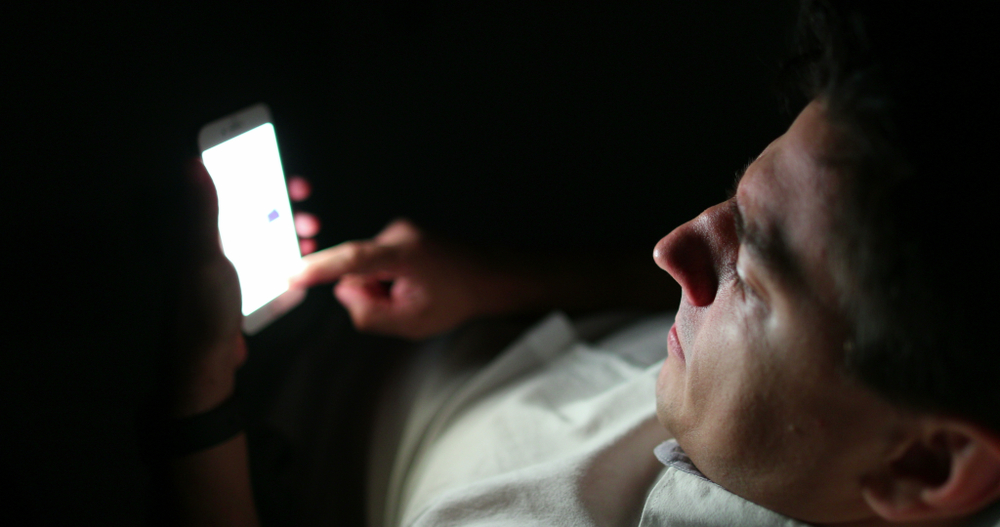
Now consider social media specifically. If you keep your phone but delete social platforms, that signals something different. Studies have linked heavy social media use to social comparison and dips in self-esteem. Choosing to remove that element might suggest emotional awareness. Maybe you know comparison drains you. But if you refuse to give up social media, that does not make you shallow. Humans evolved in groups, and belonging kept our ancestors alive. Social platforms may be modern, but the need for connection is ancient, and protecting that connection can reflect strong relational values.
The Comfort of Routine, Coffee, and Daily Rituals
Now let’s move away from screens and talk about something that feels smaller, but really is not. Coffee. Or tea. Or that one morning ritual you swear you could skip, but probably could not. At first glance, giving up coffee forever sounds manageable. People do it all the time. But when you imagine never having it again, something shifts. Caffeine is a stimulant that increases alertness and reduces fatigue by blocking adenosine receptors in the brain. So if someone refuses to give up coffee, part of that choice is biological. They like feeling awake, and they rely on that boost.
But coffee is rarely just about caffeine. It’s more about rhythm and routine, and the quiet time holding something warm while gathering your thoughts for the day. For some people, that ritual feels grounding. It creates a predictable starting point, and predictability helps lower stress. Psychologists often talk about decision fatigue. The more choices you make, the more mentally tired you become. Daily rituals reduce that burden since you do not have to decide how to start your day. It is already decided. So if someone refuses to give up coffee, they may be protecting structure rather than flavor.

On the other hand, if someone quickly says they would eliminate coffee without hesitation, that can reflect flexibility. People high in openness to experience often tolerate routine changes better. They are less attached to repetition and may even enjoy disrupting habits. There is also an identity layer here. Many people joke that they are not themselves without coffee. Over time, routines become part of self concept. When you remove them, you are not just changing behavior; you are adjusting identity, even in small ways. So this choice, simple as it sounds, may reveal how much you rely on external structure to feel stable. It may also show how adaptable you are when patterns shift.
The Comfort of Food and Emotional Soothing
This is where things get a bit more personal. Imagine being told you must give up comfort food forever. No late-night snacks or favorite desserts. No emotional eating after a stressful week. For some people, that is not a big deal, but for others, it feels like losing a coping mechanism. Food is deeply tied to emotion. Research in psychology shows that many individuals use food to regulate mood. Sugary or high-fat foods trigger dopamine release in the brain. That chemical response creates temporary pleasure, and it can also create habit loops. So if someone refuses to give up comfort food, it does not automatically mean they lack discipline. It may simply mean food plays a strong emotional role in their life. Maybe it connects to childhood memories, or maybe it offers relief after long days.

However, if someone chooses to eliminate junk food without much struggle, that may reflect long-term thinking. People high in conscientiousness often prioritize future health over short-term pleasure. They focus on goals and tolerate small discomfort now for bigger rewards later. There is also self-control involved. Studies on delayed gratification show that individuals who can postpone immediate rewards often perform better in various life outcomes. So giving up comfort food might reflect strong impulse regulation.
Still, we should be careful not to oversimplify. Humans are complex. Someone might give up junk food easily but cling tightly to social media. Another person might surrender coffee but refuse to lose physical comfort like air conditioning. Each choice highlights a different vulnerability. In the end, comfort food choices often reveal how you handle stress. Do you soothe externally? Or do you rely more on internal coping skills? The answer is rarely black and white.
The Comfort of Physical Ease, Temperature, Space, and Material Stability
Some people may choose something less emotional and more physical. Air conditioning. Heating. A soft bed. Hot showers. These comforts do not usually feel like a huge loss until you picture life without them. Physical comfort plays a powerful role in psychological well-being. Research shows that chronic physical discomfort can increase irritability and reduce emotional regulation. When you are too hot, too cold, or sleep-deprived, your patience shrinks, and your stress tolerance drops. So choosing to protect physical comfort can reflect an understanding of your own limits. If someone says they would give up air conditioning forever, that might suggest resilience. Maybe they grew up without it, or they value emotional comforts more than material ones. It can also signal adaptability. People who tolerate physical discomfort often believe they can handle hardship.

However, if someone refuses to give up physical comfort, that does not make them weak. It may simply mean they prioritize stability. Our physical environment affects our mental state more than we admit. A consistent temperature, a reliable bed, and a safe home all reduce background stress. There is also a socioeconomic layer here. For many people, physical comfort represents security. It reflects hard-earned progress, so protecting it can reflect a desire to maintain safety and control.
Interestingly, studies in environmental psychology show that even small changes in physical surroundings can influence mood and productivity. Lighting, temperature, and noise all shape cognitive performance. So giving up physical ease may feel like giving up efficiency and peace. This choice often reveals how much discomfort you are willing to tolerate for the sake of emotional or social needs. Some people can sweat through a summer but cannot stand social isolation. Others need climate control but can easily live without digital validation.
How Your Comfort Choice Connects to Coping Styles
The comfort you refuse to lose often connects directly to your coping style. In psychology, coping strategies usually fall into two broad categories, problem-focused coping and emotion-focused coping. Neither one is wrong; they just work differently.
Problem-focused coping means you deal with stress by trying to fix the source. You make a plan and take action. People who rely on routine, structure, or physical stability often fall into this category. Keeping coffee, keeping air conditioning, keeping predictable rituals, these choices may reflect a desire for control. When life feels uncertain, structure feels safe.
Emotion-focused coping is different. It centers on managing feelings rather than changing the situation. Comfort food, social media scrolling, and constant connection can all serve this purpose. They help regulate mood and soften anxiety by creating a distraction. If you struggled most with giving up something that soothes you emotionally, that may reveal how you process stress.

Attachment style can also play a role. People with more anxious attachment patterns often value connection intensely. Giving up social media or a phone may feel threatening because it removes access to reassurance. Meanwhile, people with more avoidant tendencies might surrender digital connection easily but protect independence or routine instead. Resilience also plays a part. Research shows that individuals who have faced adversity sometimes develop a higher tolerance for discomfort. They may feel less attached to material comforts. But that does not mean they do not need support. It just means they learned to adapt.
What Your Final Choice Reveals
So, can your answer in a personality quiz really say a lot about you? Well, yes and no. No, it cannot summarize your entire character. Human personality is shaped by genetics, upbringing, culture, and life experiences. One choice cannot capture all that complexity. But yes, it can highlight patterns. Your decision reveals which comfort feels most protective, which is closely tied to personality.
If you protect connection, you likely value belonging. If you protect routine, you may crave structure. If you protect food, you may rely on emotional soothing. If you protect physical comfort, you likely prioritize stability. And if you surrender all of them easily, you might lean toward independence or high adaptability. What matters most is your first instinct, as that gut reaction often bypasses overthinking. It reveals where you feel most vulnerable.
Moreover, this type of self-assessment works because it forces trade-offs. You cannot keep everything. You must rank needs, and ranking needs exposes priorities. In daily life, we rarely examine our comforts; we just use them. But when asked to lose one forever, we suddenly see how much it anchors us. So if you had to give up one comfort forever, which would you choose? And maybe more importantly, why does that choice feel easier than the others?
A.I. Disclaimer: This article was created with AI assistance and edited by a human for accuracy and clarity.