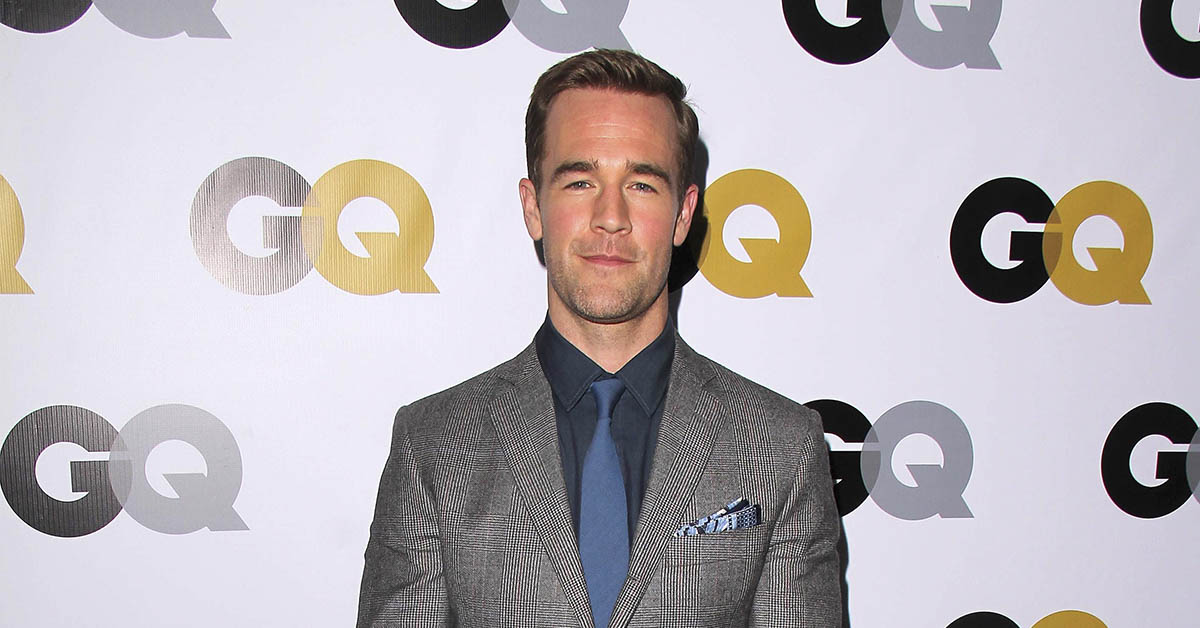

James Van Der Beek spent decades in the public eye, and for many people, he was part of their teenage years. The name James Van Der Beek still brings up memories of late 90s television, emotional storylines, and a generation that felt seen through fictional characters. Yet his final chapter looked very different from the roles that made him famous. The actor, widely known for Dawson’s Creek, died after battling stage 3 colorectal cancer. In the days following his passing, a GoFundMe campaign created for his wife and their children has raised over $2 million.
Although he became a teen idol in the late 1990s, his life was much bigger than one television role. Over the years, he worked steadily in film and television. He evolved from heartthrob to character actor. More importantly, he became a husband and father of six. Behind the scenes, however, his family was dealing with an escalating health crisis. Medical bills were increasing, and treatments were intense. The emotional toll was heavy, and as time passed, the financial strain grew alongside the physical battle.
When James Van Der Beek publicly revealed his diagnosis in 2024, many were surprised. He had kept most of his struggle private, and once he shared the news, he did so in a measured and calm way. He explained that he had stage 3 colorectal cancer, which means the cancer has spread to nearby lymph nodes, but not to distant organs. It is serious and requires aggressive treatment. Still, survival is possible with proper care.
Colorectal cancer develops in the colon or rectum, often beginning as polyps that slowly become cancerous. According to major cancer research organizations, early detection through screening dramatically improves outcomes. However, stage 3 cases usually require a combination of surgery and chemotherapy. Sometimes radiation therapy is also recommended. Each phase of treatment brings side effects. Chemotherapy can lead to nausea, extreme fatigue, neuropathy, and increased infection risk. Surgery requires recovery time and close monitoring, and follow-up scans are necessary to track progress.
James spoke openly about focusing on his family during treatment. In interviews and social posts, he emphasized gratitude and resilience. At the same time, he did not pretend everything was easy. Cancer changes daily routines and alters priorities. It introduces fear into ordinary moments. For a father of six young children, that fear must have felt magnified.
Meanwhile, the financial burden of cancer treatment continued to build. In the United States, advanced cancer care can cost hundreds of thousands of dollars over time. Even families with insurance face deductibles, co-payments, and uncovered services. Travel to specialists also adds cost. Prescription medications, supportive therapies, and diagnostic imaging compound the expenses. Over months and years, the totals become staggering.
James Van Der Beek had experienced professional success, yet acting income can fluctuate widely. Television residuals have changed in the streaming era, and projects are not always consistent. Long-term illness can quickly erode savings. Reports have revealed that his family had faced significant medical expenses. That detail shocked many supporters who assumed a well-known actor would be financially secure.
When his wife Kimberly confirmed his passing, tributes poured in from fans and colleagues. Former co-stars shared their memories, and social media was filled with clips from his earlier work. Yet alongside the grief came concern about how the family would manage ongoing costs and daily living expenses. Soon after, a GoFundMe campaign appeared online to provide support.
The GoFundMe That Surpassed $2 Million
The fundraiser gained attention almost immediately. Supporters shared the link across platforms, and donations flowed in from people who had grown up watching him. Within hours, the campaign surpassed $1 million, and the number continued to rise as the story spread.
The campaign description explained that the funds would help cover outstanding medical bills, household expenses, and the needs of their children. Kimberly expressed both gratitude and heartbreak in her message. She acknowledged the pain of losing her husband while thanking strangers for their generosity. Her words felt personal and reflected the reality of sudden loss.
The rapid success of the fundraiser highlighted the connection many still felt to James Van Der Beek. For some, he represented adolescence and emotional vulnerability on screen. For others, he symbolized growth as he transitioned into more mature roles and openly shared aspects of fatherhood. Over time, his public persona shifted as he seemed more grounded and reflective.

Image credit: Shutterstock.
At the same time, the campaign sparked debate online. Some questioned why a recognizable television actor would need financial assistance. The answer is complicated, as fame does not guarantee lifelong wealth. Earnings can decline, and investments can fluctuate. Medical crises can drain even carefully managed finances. Cancer treatment, especially, can be financially devastating for many families.
Additionally, long-term illness often limits a person’s ability to work. Acting schedules can be demanding, and recovery periods may require stepping away from projects. Even short gaps in employment can impact income significantly. When combined with large medical bills, the strain multiplies.
Still, the overwhelming majority of responses were supportive. Donors left messages describing their own experiences with cancer. Many shared stories of losing loved ones. Others wrote about how his work had shaped their youth. Some simply offered condolences. The comment section became a space for collective mourning.
As the donation total climbed beyond the initial goal, it became clear that his impact extended far beyond entertainment. People were not just donating to a celebrity’s family; they were contributing because they felt connected to a human story of illness, love, and loss.
The story of James Van Der Beek is about more than television fame. It is about a man who faced a serious illness with honesty. It is about a family navigating unimaginable grief, and it is about a public that responded with generosity when the true cost of cancer came into view.
From Teen Idol to Enduring Television Presence
Long before headlines focused on illness and fundraising, James Van Der Beek was a defining face of late 1990s television. He rose to fame as Dawson Leery on Dawson’s Creek, a series that became a cultural touchstone for young audiences. The show explored friendship, first love, ambition, and heartbreak. At the center of it all was Van Der Beek’s earnest performance. He portrayed vulnerability in a way that resonated deeply with viewers.
Dawson’s Creek premiered in 1998 and quickly gained a devoted following. Teen dramas were popular at the time, yet this one felt different to many fans. The dialogue was introspective, and the characters wrestled with identity and purpose. As a result, Van Der Beek became closely associated with emotional sincerity. For some, he represented a generation learning how to articulate complicated feelings.
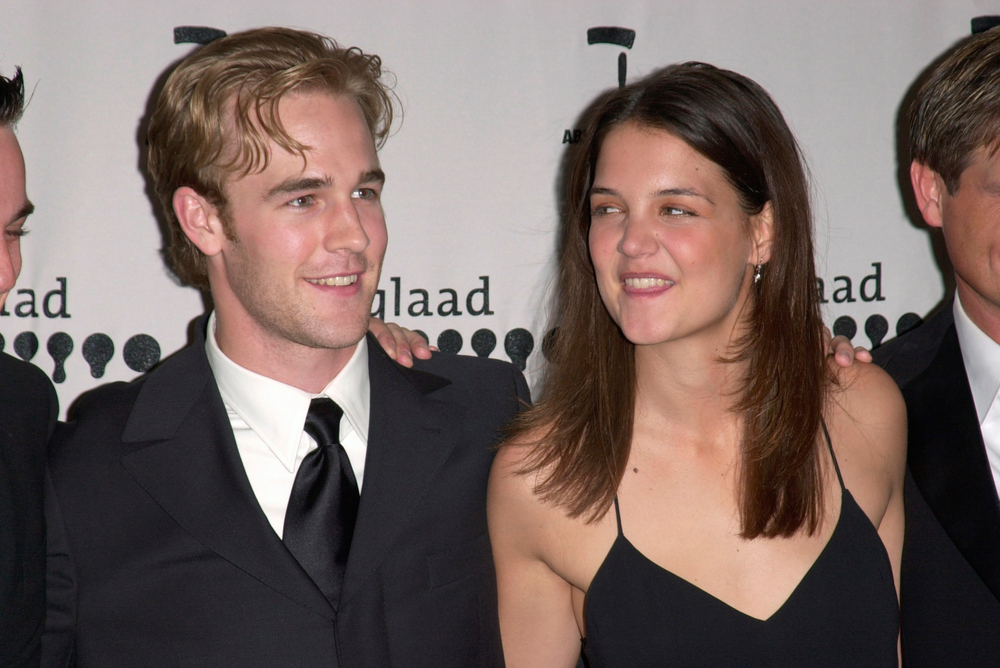
After the series ended in 2003, he faced the challenge many young stars encounter: stepping beyond a defining role. Instead of fading away, he gradually reshaped his career. He appeared in films such as Varsity Blues, which showed a tougher, more rebellious side. Later, he took on guest roles in comedies and dramas. Over time, he leaned into self-awareness, even poking fun at his earlier image in projects like Don’t Trust the B—- in Apartment 23, which revealed a different layer of his personality.
Meanwhile, he continued working steadily in television. He joined ensemble casts and explored darker themes. He accepted supporting roles rather than chasing only leading parts. This evolution allowed him to stay relevant without clinging to past fame. In interviews, he often spoke about growth, both professionally and personally.
Outside of acting, he increasingly focused on family life. He married Kimberly in 2010, and together they built a large household filled with children. He frequently shared glimpses of fatherhood online, talking about parenting struggles and joys with honesty. That openness shifted public perception. He no longer seemed just like a former teen star. He seemed like a relatable dad navigating everyday chaos.
As years passed, audiences saw him mature. He did not rely solely on nostalgia. Instead, he embraced change. That willingness to adapt may explain why so many people responded emotionally to news of his illness. They felt like they had grown up alongside him.
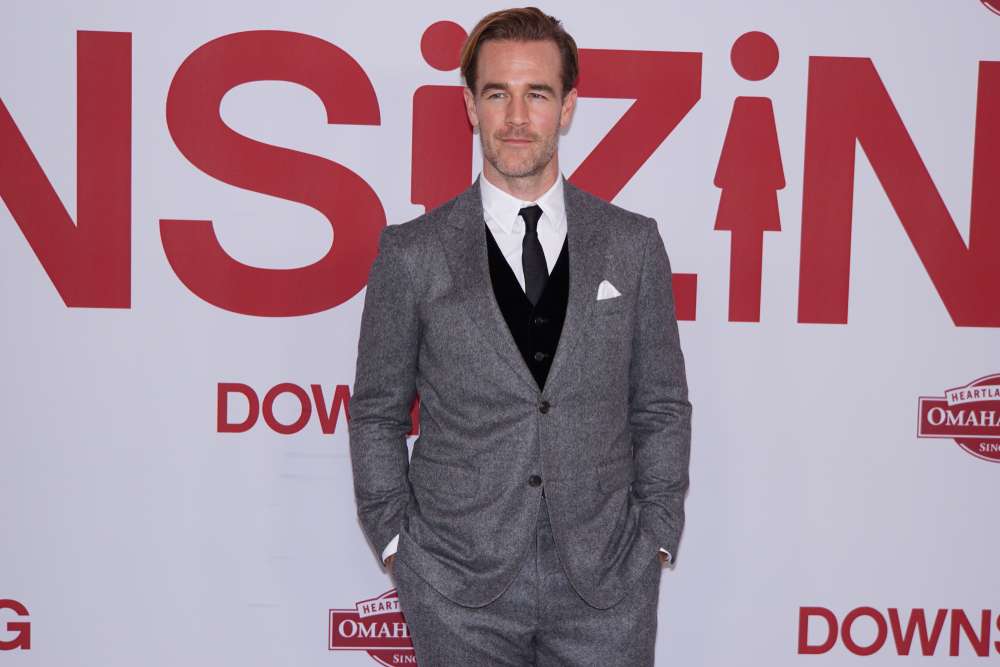
When he announced his colorectal cancer diagnosis, fans were already invested in his life beyond Hollywood. They understood that he had young children as they had watched him talk about family priorities. Therefore, the news carried weight. It was not just about losing a celebrity; it felt personal to many.
Looking back, his legacy is layered. He will always be remembered for Dawson’s Creek. Yet he also leaves behind a record of resilience, reinvention, and authenticity. Those qualities stand out just as much as awards or ratings.
Public Grief, Private Loss, and the Power of Community
In the days following his passing, the public mourning did not slow down. Clips from Dawson’s Creek resurfaced online, and old interviews circulated again. Fans shared favorite scenes and quotes. For many, revisiting his early work felt like reconnecting with a part of their own youth. Nostalgia can be powerful in moments of loss.
However, while the public remembered the actor, Kimberly and the children were navigating something far more personal. Grief inside a home looks different from grief online.
At the same time, Kimberly has spoken about gratitude. She acknowledged the financial relief the fundraiser has provided. More importantly, she recognized the emotional support behind every donation. Each contribution carried a message. Some donors gave five dollars, others gave more. The amount seemed less important than the intention behind it.
Furthermore, the conversation around his illness sparked renewed awareness about colorectal cancer screening. Medical experts consistently stress that early detection saves lives. Colonoscopies can identify and remove precancerous polyps before they become dangerous. Symptoms such as persistent abdominal pain, blood in stool, and unexplained weight loss should never be ignored. By speaking openly about his diagnosis, James Van Der Beek may have encouraged others to seek medical advice sooner.
Colorectal cancer remains one of the more common cancers in the United States, especially for adults over 45. When caught early, survival rates improve significantly. However, stage 3 diagnoses require extensive intervention. Surgery often removes part of the colon. Chemotherapy may last for months. Follow-up care can stretch for years. Even when treatment works, monitoring never fully stops.
Public figures often hesitate to discuss health struggles, so when someone chooses transparency, it can create ripple effects. In this case, fans reported scheduling screenings after learning about his condition. That kind of impact goes beyond entertainment.
Meanwhile, industry colleagues continued to share tributes. Former co-stars described his kindness on set. Others mentioned his sense of humor and humility. Those stories painted a fuller picture and reminded people that fame was only one part of his identity. Behind the scenes, he was a coworker and friend who valued connection.
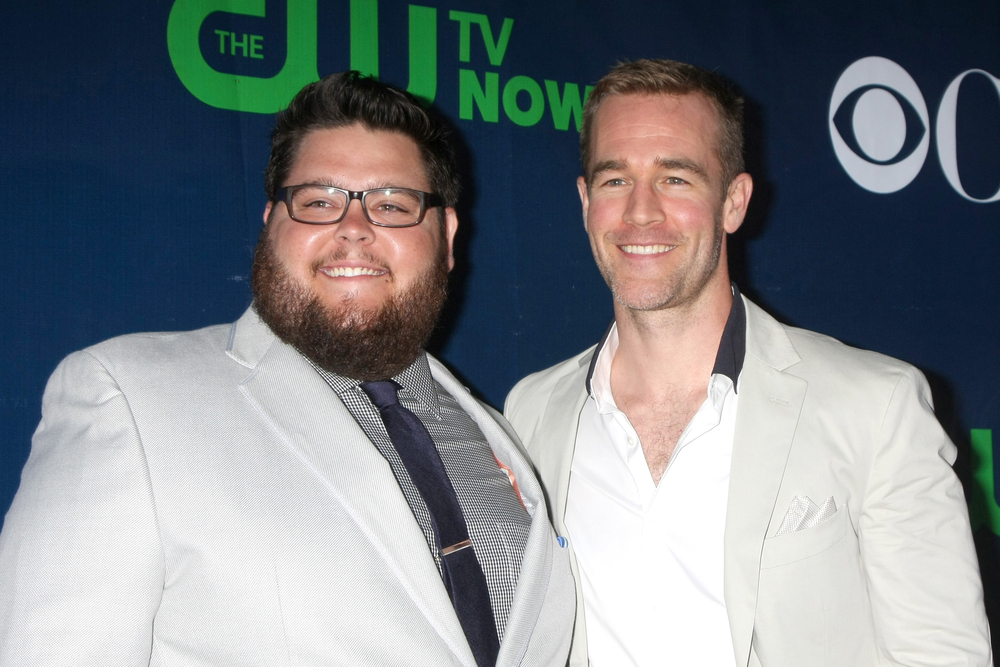
The entertainment industry can be unpredictable. Careers rise and fall, and trends shift. Still, certain performances remain timeless. Dawson’s Creek introduced him to the world, while later projects showed his range. Over time, he built a career marked by adaptability. That ability to evolve kept him present in audiences’ minds long after his breakout role ended.
As months pass, the headlines will fade. New stories will replace old ones. Yet for his family, the loss remains permanent. The support they received may ease financial stress, but it cannot fill the emotional void. What it does offer is breathing room. It provides stability during an unstable period.
In the end, the story of James Van Der Beek blends fame, illness, and community in a way that feels deeply human. He was an actor who once defined a generation of television. He was also a husband and father who faced cancer with courage. His widow’s fundraiser revealed the hidden costs of that fight. It also revealed how quickly people can unite when moved by compassion.
That duality, public and private, glamorous and painful, is what makes this story resonate. It reminds us that behind every headline is a family trying to heal. And sometimes, in the midst of grief, strangers step forward to help carry the weight.
Read More: Columbo Was Brilliant on Screen, Yet Peter Falk Battled Personal Struggles in Real Life