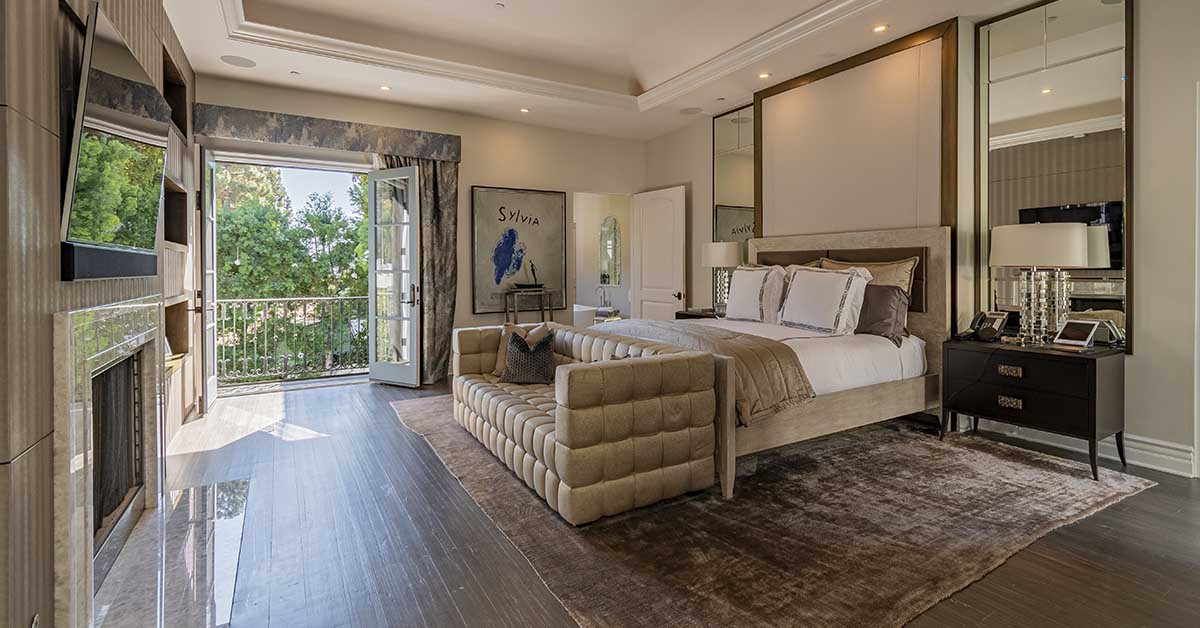

If you had to choose one bed to sleep in for the rest of your life, which would it be? Questions like this tap into something deeper than we realize. Our preferences often reflect our values, habits, and even long-term goals. While this may feel like light entertainment, psychology shows that our choices are rarely random, even the small ones.
At first glance, picking a bed seems simple enough. You might choose the coziest option without thinking too hard. Or maybe you’d go straight for luxury because why not? However, the type of space where you imagine resting every night says a lot about how you see comfort, security, and success. Bedrooms are private spaces, and they represent safety and identity. Because of that, the bed you select in a lifestyle personality test can connect to how you manage stress, relationships, and ambition, even if you do not notice it right away.
Research in environmental psychology suggests that people choose spaces that align with their internal needs. Studies show that physical surroundings can reflect personality traits. Introverts often prefer calm, low-stimulus spaces. Extroverts may gravitate toward bold and open designs. Meanwhile, people high in openness to experience enjoy creative or unique environments, sometimes even chaotic ones.
That does not mean one choice defines you forever. Personality is layered and sometimes contradictory. Psychologists often use the Big Five model to explain traits, openness, conscientiousness, extraversion, agreeableness, and neuroticism. Each person scores differently across these dimensions. You might be high in openness but also high in conscientiousness, which can create interesting combinations. Still, symbolic decisions can hint at which traits stand out the most in everyday life.
When you picture yourself living with one of these beds forever, you are not just choosing furniture. You are choosing a lifestyle. You are deciding what home means to you personally. Do you crave stability and tradition? Do you dream of influence and legacy? Or do you prefer freedom and simplicity above all else?
Psychologists call this process self-projection. We project our desires onto imagined scenarios without even realizing it. A decision in a fun personality quiz can uncover emotional priorities. For example, someone drawn to a beachfront bed might value flexibility and experience over structure. In contrast, a person who selects a mansion suite may prioritize achievement and status, even if they would never admit that out loud.
Additionally, our sleep environment does affect mental health more than people think. Research from sleep science shows that comfort, lighting, and noise influence mood and productivity. People who value order may prefer minimalist bedrooms with clean lines. Those who seek nostalgia may choose soft and layered designs that remind them of childhood. Your preference can reveal how you recharge and what makes you feel safe at the end of the day.
These choices reflect themes in identity psychology supported by real research. We tend to build environments that reinforce who we believe we are, and sometimes who we want to become.
The Cozy Cottage or Cabin
If your mind immediately drifted to either the cozy cottage or the rustic cabin, that says you are not dramatic or flashy. Both spaces feel warm in different ways. The cottage wraps you in softness and light. The cabin offers clean air and quiet strength. Neither is trying to impress anyone.
The cottage image often includes soft blankets, warm lighting, and maybe wooden beams overhead. It feels lived in, safe, and familiar. Meanwhile, the cabin leans toward crisp mountain air, sturdy wood, and stillness. One is layered and nostalgic. The other is simple and grounded. Yet both suggest the same core value, emotional security.
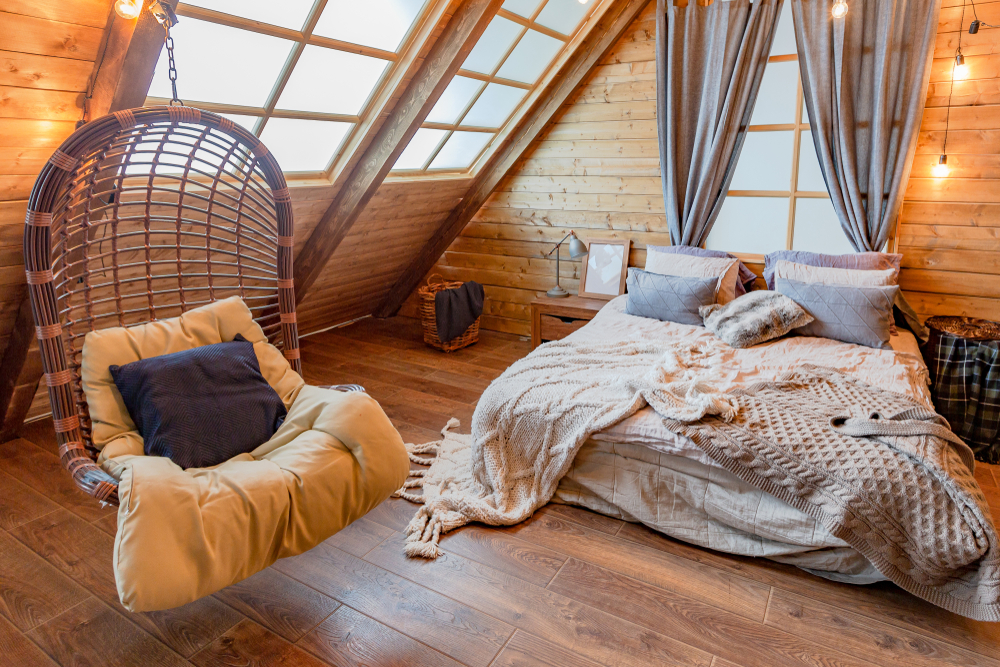
People who choose these spaces in a fun personality quiz often value stability over status. According to attachment theory research, individuals who prioritize security tend to seek environments that feel predictable and calming. They like knowing where they stand, and they want a space that restores them rather than challenges them.
You probably care deeply about close relationships. Your circle may be small, but it matters. Studies on agreeableness show that highly agreeable individuals value harmony and connection. That aligns strongly with the cottage choice. At the same time, the cabin reflects emotional independence. You might enjoy solitude without feeling lonely.
There is also something practical about both options. Research on minimalism and well-being suggests that simpler environments can reduce stress and decision fatigue. Fewer distractions allow clearer thinking. If either space feels right to you, you may instinctively prefer calm over chaos.
However, comfort has two sides. It nurtures, but it can also limit. If you strongly identify with the cottage or cabin energy, you might resist change more than you realize. Growth sometimes requires discomfort. And stepping beyond familiar spaces can feel risky.
Imagine waking up there every morning. In the cottage, sunlight filters softly through the curtains. In the cabin, cool air slips in through a cracked window. Both environments encourage reflection and slow the pace of life. They remind you that not everything needs to be loud to be meaningful.
Interestingly, research in environmental psychology shows that natural materials like wood and soft textures can lower stress responses. People drawn to these environments may be more sensitive to overstimulation. Loud cities or highly competitive settings drain them faster, and they may need intentional quiet to recharge.
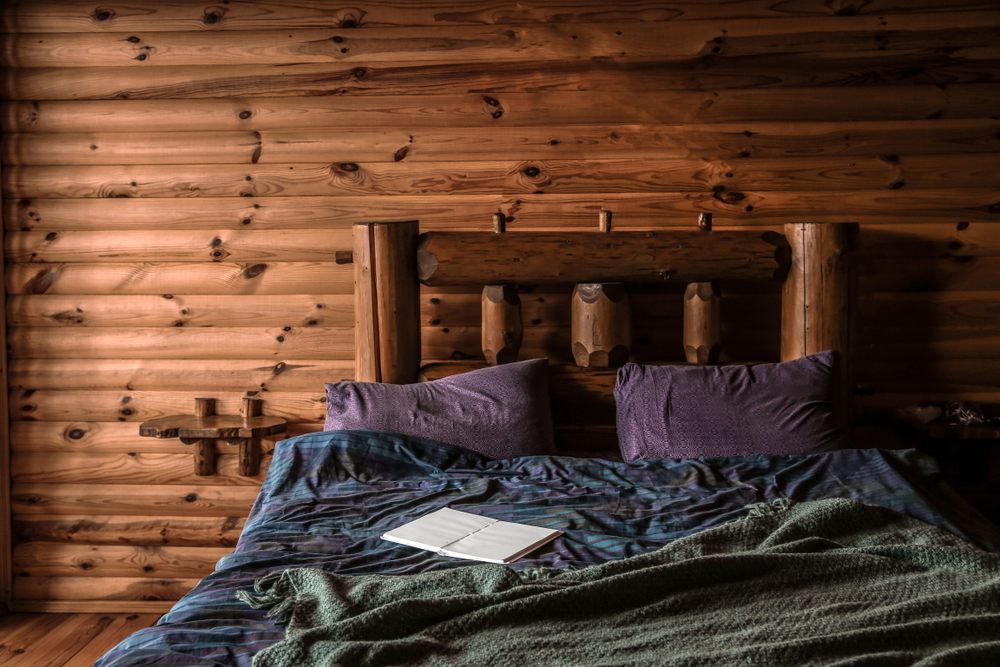
There is also resilience here. Cabins withstand weather, and cottages endure time. If this were your choice, you may handle challenges quietly. You do not broadcast your strength, but it shows. You rely on internal values more than external applause.
Still, one thing remains important. Even grounded individuals need connection. Psychology consistently shows that social bonds improve long-term mental health. So while you may love solitude, staying open to support matters too.
Choosing the cottage or cabin in this personality test suggests you define success differently. Not through grand displays or through skyline views. But through emotional safety, authenticity, and steady inner strength.
The Castle or Mansion
Maybe the cottage felt too small for you. Maybe your eyes went straight to the castle towers or the polished mansion suite. High ceilings, dramatic windows, marble floors, and space that echoes when you walk. If that was your instinct, there is probably a strong achievement streak in your personality.
Castles represent legacy. They stand for power, history, and influence. People who feel drawn to that setting often think big. They imagine impact, not just comfort. In personality psychology, this can connect to high openness and high extraversion. You may enjoy leadership roles or being seen and heard, and you probably do not shrink yourself in group settings.
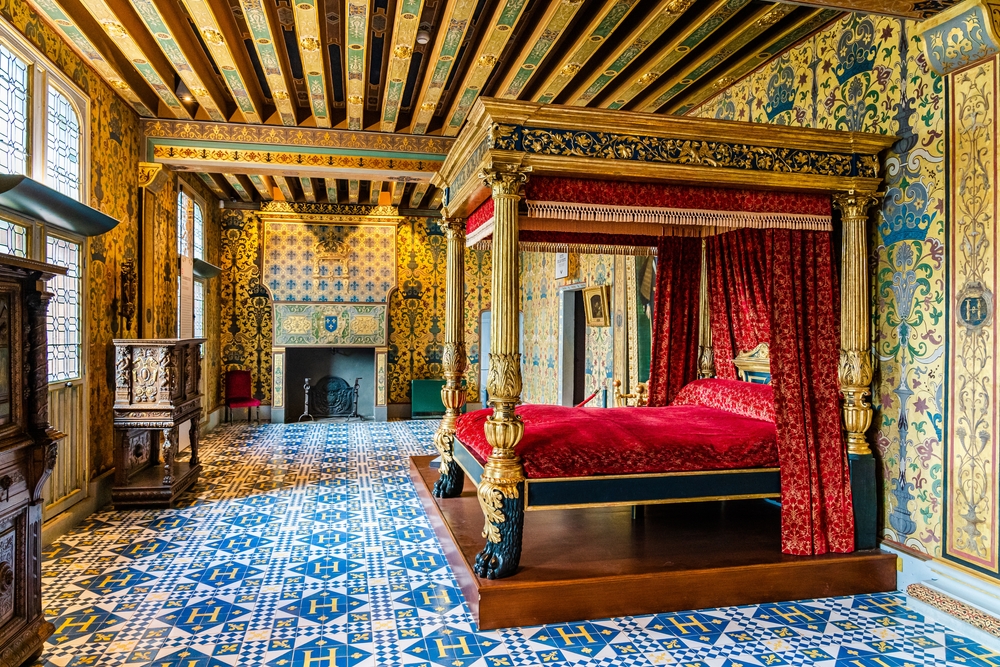
Image credit: Shutterstock.
Research on achievement motivation, especially work by psychologist David McClelland, shows that some individuals have a strong need for accomplishment. They set goals, measure progress, and feel energized by success. The castle choice reflects that internal drive. It suggests you want your life to mean something beyond routine.
The mansion option, while similar, has a slightly different tone. A mansion feels structured and refined. It is less about fantasy and more about visible success. If you chose this one, you may value order and control. Conscientiousness, another Big Five trait, plays a role here. Highly conscientious people tend to be disciplined and future-focused. They often delay short-term comfort for long-term gain.
Choosing a castle or mansion does not mean you are shallow or obsessed with status. Studies in social psychology show that symbols of success can also represent safety and stability. Financial security reduces stress. Spacious environments reduce feelings of crowding. Sometimes what looks like ego is actually a desire for control and certainty.
When identity is tied too tightly to achievement, burnout becomes a real risk. Research on work-related stress shows that high achievers often struggle with rest. They link self-worth to productivity. So if you imagine sleeping in a mansion bedroom but secretly checking emails before bed, that tells a fuller story.
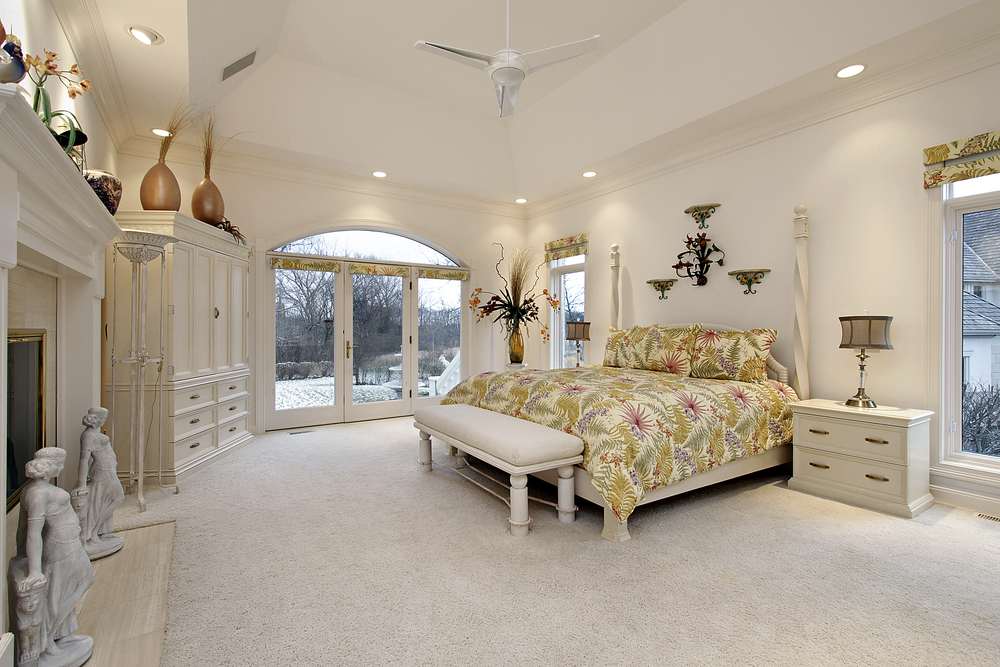
Image credit: Shutterstock.
Picture waking up in that space every day. The view is impressive, and the room feels grand. You might feel inspired, but also responsible. You probably expect a lot from yourself and hold high standards in relationships, too. Excellence matters to you.
Interestingly, people who score high in extraversion and conscientiousness often thrive in competitive environments. They enjoy growth and want to build something lasting. In a fun personality quiz, the mansion or castle pick often reflects that outward orientation. If this were your choice, you probably see life as something to shape and elevate. Comfort matters, but achievement matters more. And that ambition, when balanced, can become a powerful strength.
The Beach House or Penthouse
If neither the cottage nor the castle felt right, maybe your mind drifted somewhere else. Maybe you pictured a beach house with open windows and salt in the air. Or a sleek penthouse high above the city lights. These two options look different, but they share something important: autonomy.
The beach house has waves, wind, and sunlight shifting across the floor. People who gravitate toward this setting often value flexibility and may resist rigid schedules. Research on openness to experience shows that individuals high in this trait seek novelty and variety. A beachfront bedroom reflects that restless curiosity.
You likely enjoy experiences more than possessions. Studies in positive psychology have found that spending on experiences often brings more lasting happiness than spending on material goods. Travel, memories, stories, those things stick. So choosing the beach house in this personality test may reveal someone who chases moments rather than milestones.
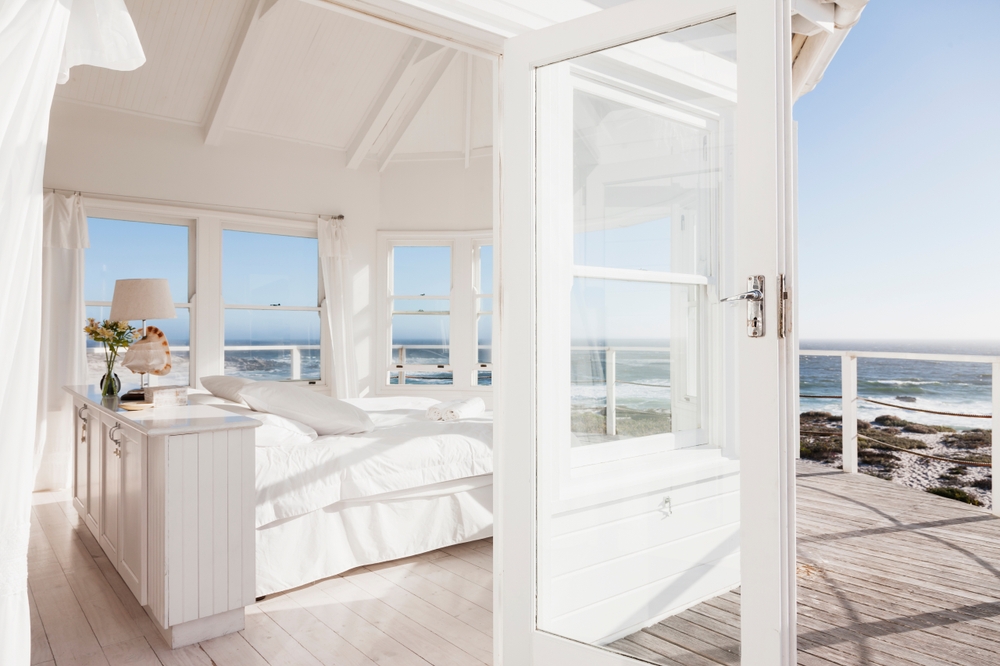
At the same time, beach lovers are not careless. Many simply regulate stress differently. Natural environments have been shown to lower cortisol levels, and ocean sounds can calm the nervous system. If you feel pulled toward that setting, you may instinctively prioritize mental balance. You know you function better when you feel free.
The penthouse feels controlled and intentional, with clean lines and minimal clutter. A skyline view that suggests movement and progress. If this was your choice, independence likely ranks high in your value system. You want space, not just physically but emotionally.
Psychologists studying self-determination theory explain that autonomy is a core human need. People who feel in control of their lives report higher well-being. The penthouse symbolizes that self-direction. You may enjoy urban energy, innovation, and forward-thinking environments.
However, there is nuance here. The penthouse is modern and efficient, but it can also feel isolating. If you identify strongly with this choice, you might pride yourself on self-sufficiency. You may hesitate to rely on others, and that independence can be empowering, but it can also create distance in close relationships.
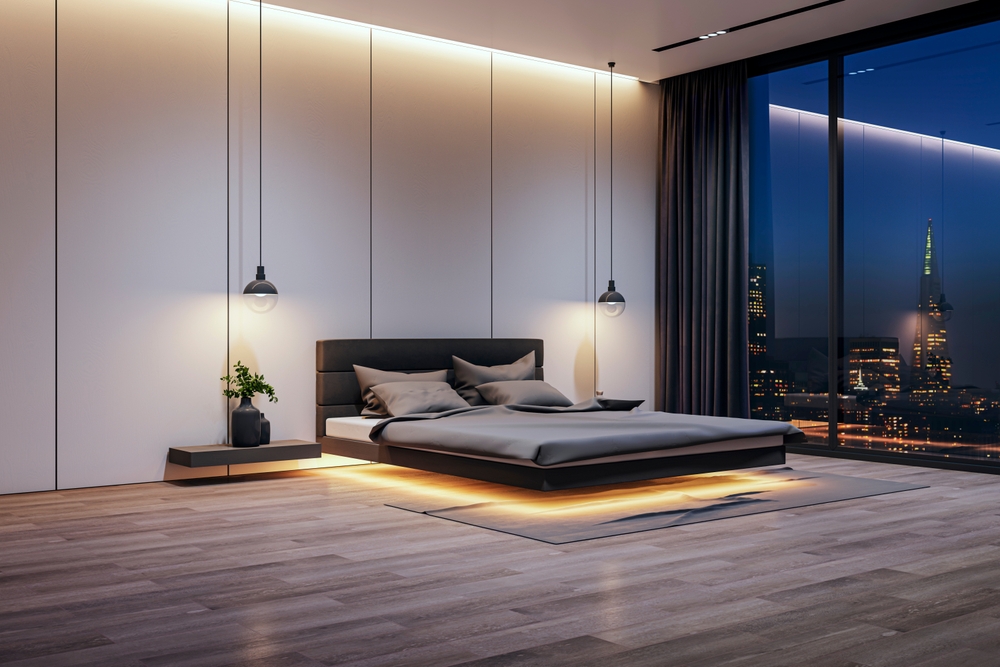
Image credit: Shutterstock.
Picture waking up in either setting. In the beach house, you open the door and feel the wind on your skin. In the penthouse, you look down at a city that never fully sleeps. Both reflect motion and growth. The difference lies in how you define freedom.
Interestingly, research on personality and living environments suggests that urban dwellers often score higher on openness, while those drawn to natural retreats score higher on emotional sensitivity. Neither is better; they simply represent different ways of recharging.
So if you chose the beach house or penthouse, you probably see life as movement, and you value independence. You want your surroundings to reflect who you are becoming, not just who you have been.
Read More: Spot the Threes. A Simple Quiz That Could Say Something About Your Personality
What Your Choice Really Says About You

Image credit: Shutterstock.
This personality test is not really about a bed. It is more about how you define comfort, success, freedom, and security. When you picture sleeping in one space forever, your brain is predicting where you would function best. That prediction reflects your personality traits, past experiences, and emotional needs.
Psychologists call this person-environment fit. People tend to thrive in settings that match their temperament. Someone high in openness may crave novelty and movement. A highly conscientious person may prefer structure and control. Those who value emotional closeness often lean toward warmer, more intimate spaces.
Your answer is not fixed, as our personality shifts over time, and life stages change priorities. The bed you would choose today may not be the one you choose ten years from now. That does not mean you changed completely; it means you evolved.
The real value of this fun personality quiz lies in reflection. If you chose the castle or mansion, maybe achievement drives you, or if you picked the cottage or cabin, stability may matter more. If the beach house or penthouse called to you, freedom could be central to your identity. Each option highlights strengths, but also blind spots.
In the end, your choice reveals how you want to feel every day. Calm. Powerful. Free. Secure. That emotional preference says more about your personality than the furniture ever could.
A.I. Disclaimer: This article was created with AI assistance and edited by a human for accuracy and clarity.
Read More: Your Zodiac Sign’s Darkest, Creepiest Personality Trait