
Some plants bring life, color, and calm into a space. Others, at least according to tradition, carry a very different reputation. Across cultures and belief systems, certain plants have long been labeled as unlucky, tied to ideas about energy, symbolism, and even spiritual presence. Whether those beliefs come from feng shui, folklore, or generational stories, they still shape how people decorate their homes today.
There is no scientific evidence that any plant can literally bring bad luck. However, cultural beliefs and environmental psychology do influence how a space feels. A plant’s shape, condition, or symbolism can subtly affect mood, perception, and how welcoming a room feels.
In this article, we’ll explore plants often considered unlucky. Some come from traditional lists, while others reflect broader global beliefs.
The Role of Feng Shui, Superstition, and Cultural Beliefs
Feng shui, an ancient Chinese practice, focuses on how energy, or “chi,” flows through a space. According to its principles, certain shapes and objects can either support or disrupt that flow. For example, sharp or spiky plants are often believed to create “cutting energy,” which may feel harsh in living spaces.
Superstition also plays a role. Many beliefs about unlucky plants come from symbolism rather than fact. A plant that wilts easily might represent neglect or loss. A plant with thorns might symbolize conflict or defensiveness.
Cultural context also matters. What’s considered unlucky in one culture may be completely neutral, or even positive, somewhere else. For instance, a plant linked to hardship in one region might represent resilience in another.
Dieffenbachia (Dumb Cane)
Dieffenbachia, also known as dumb cane, has a reputation that comes from both symbolism and biology. The plant contains compounds that can irritate the mouth if ingested, which is where its name comes from. Because of this, it’s sometimes associated with silence or suppression. In symbolic terms, that can translate to communication issues or tension in a household. Many people still keep this plant for its striking appearance. As long as it’s handled safely and kept out of reach of pets or children, it’s perfectly manageable.
Lucky Bamboo (When Misplaced)
Lucky bamboo sounds like it belongs on the opposite list. In feng shui, this plant symbolizes prosperity, growth, and good fortune. However, when you place it incorrectly, it can lose that meaning. If you put lucky bamboo in a bathroom or a dark corner, you weaken its energy. Instead of encouraging growth, it may reflect stagnation or blocked opportunities.
Cotton Plant
The cotton plant carries historical associations that influence its reputation. In some cultures, it’s linked to hardship or poverty, likely due to its connection with labor-intensive work. Because of this, some people avoid using cotton plants or decorative cotton stems indoors. They worry it might symbolically invite financial struggle. In modern interiors, cotton is often used for its soft, natural look. It’s especially popular in minimalist and rustic spaces.
Snake Plant (Mother-in-Law’s Tongue)
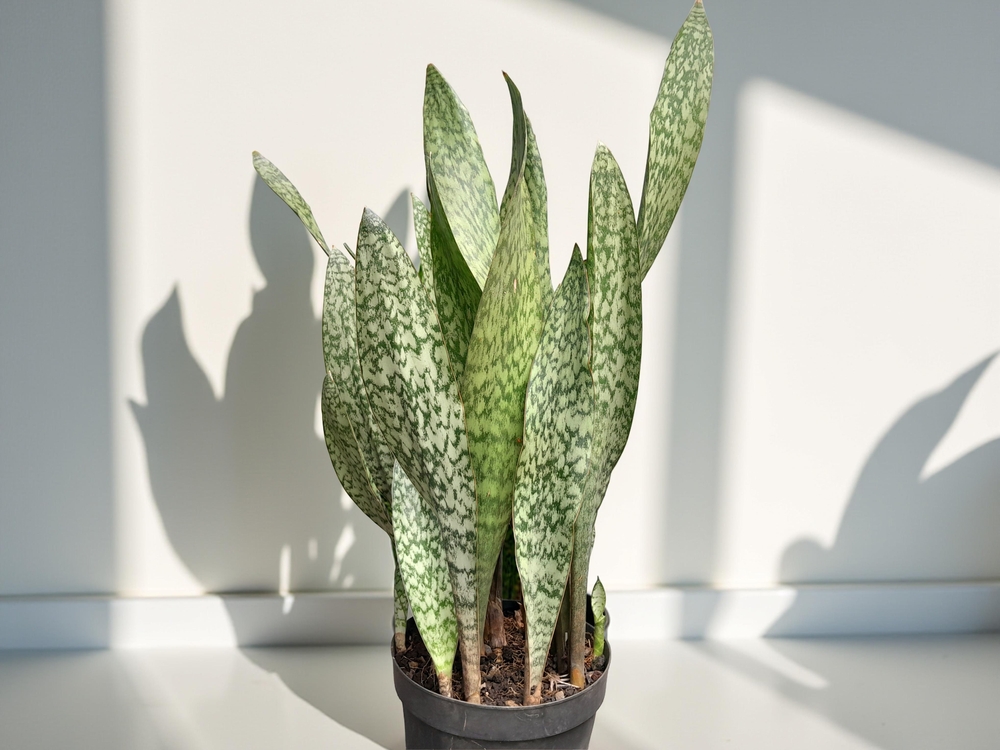
The snake plant is a favorite for beginners. It’s hardy, low-maintenance, and known for improving air quality. Yet, it still appears on many lists of unlucky plants. The concern comes from its shape. The long, upright leaves can appear sharp, which in feng shui may symbolize tension or conflict. Some even link it to strained relationships, partly because of its nickname. That said, placement often matters more than the plant itself. Keeping it in less social areas, like hallways or offices, can help balance its presence.
Dead or Dying Plants
Dead or dying plants can make a space feel neglected. They may create a sense of stagnation or lack of care. In feng shui, they’re believed to block positive energy and disrupt flow. From a psychological perspective, this makes sense. People tend to feel better in environments that look fresh and alive. A struggling plant can subtly affect mood, even if it goes unnoticed at first. For that reason, it’s always best to remove or revive plants that are no longer thriving.
English Ivy
English ivy often gets labeled as unlucky because of how it grows. It spreads quickly, clings to surfaces, and can feel invasive if left unchecked. In some traditions, this aggressive growth is linked to ideas of control, dependency, or emotional entanglement. There’s also an old belief that ivy can bring tension into relationships, especially if it takes over a shared space. The symbolism leans toward something that slowly creeps in and becomes hard to manage.
That said, ivy is also associated with loyalty and connection in other cultures. It really depends on how you interpret it. Indoors, keeping it trimmed and well-maintained can shift the energy from overwhelming to balanced.
Cactus
Cactus plants are often linked to unlucky energy because of their sharp spines. In feng shui, pointed shapes are believed to create aggressive or disruptive energy. This is why many people avoid placing cacti in shared living areas.
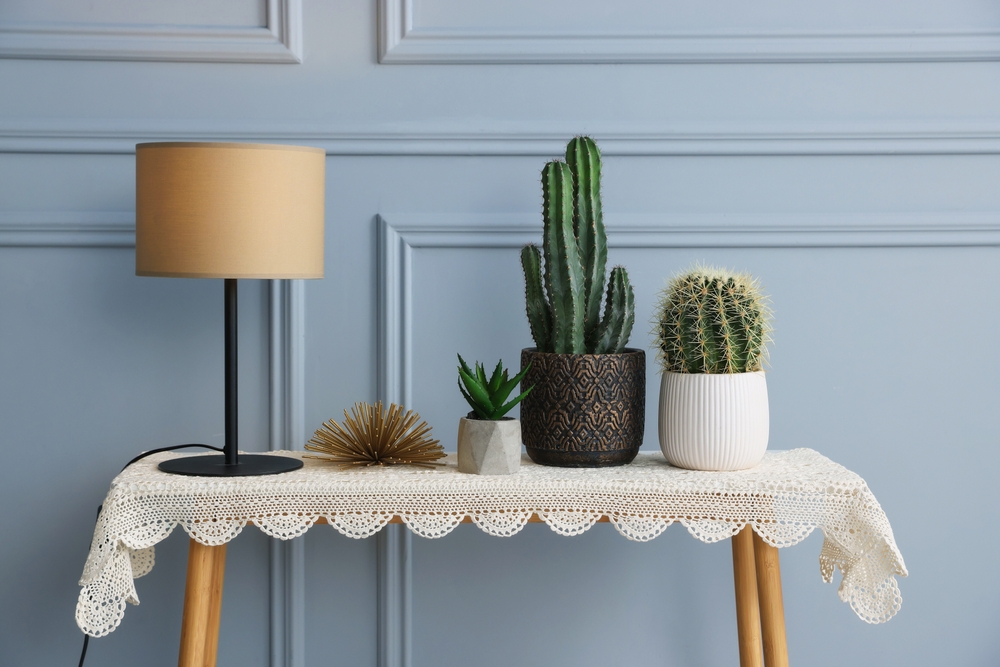
Some interpretations suggest the opposite. When placed near entrances, cacti are thought to act as protectors, blocking negative energy from entering. From a practical standpoint, cacti are easy to care for and widely loved.
Eucalyptus
Eucalyptus has a fresh scent and a calming appearance, but it also carries mixed symbolism. In some traditions, it’s linked to emotional heaviness or lingering energy, especially when dried. Because eucalyptus is often used in rituals or healing practices, some people associate it with processing difficult emotions. That connection can make it feel less suitable for everyday indoor spaces.
Still, many people love eucalyptus for its aesthetic and scent. If used thoughtfully, especially in well-lit and ventilated areas, it can feel refreshing rather than overwhelming.
Hanging Plants (General Belief)
Interestingly, it’s not always about a specific plant. In some traditions, hanging plants in general are considered unlucky, especially when placed directly above seating or sleeping areas. The idea is that downward-hanging growth can create pressure or a sense of weight. In feng shui, this may disrupt the natural flow of energy and create discomfort. That doesn’t mean you should avoid them completely. Instead, it’s about placement. Keeping hanging plants away from areas where you rest or gather can help maintain a more balanced feel.
Thorny Roses
Roses are usually associated with love and beauty, but their thorns tell a different story. In symbolic terms, thorns can represent conflict, pain, or emotional barriers. Some people avoid keeping thorny plants indoors. They worry that the sharp edges may reflect tension in relationships or create a harsher atmosphere. At the same time, roses have strong positive symbolism in many cultures. If you choose to keep them, trimming the thorns or placing them thoughtfully can help balance their presence.
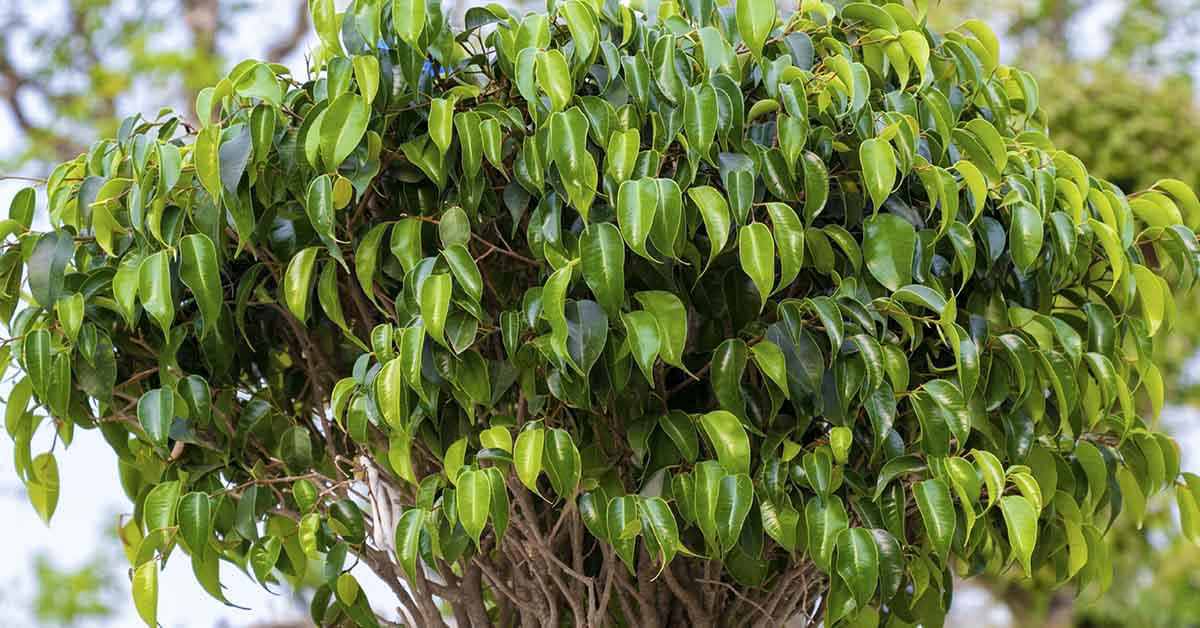
Weeping Fig (Ficus Benjamina)
The weeping fig gets its name from its drooping leaves, and that alone influences how people perceive it. In symbolism, downward growth or “weeping” forms can be associated with sadness or emotional weight. In feng shui, plants that appear to droop may represent low or stagnant energy. This can make the weeping fig feel less ideal for spaces meant to be lively or uplifting.
However, this plant is also known for its elegance and air-purifying qualities. With proper care and placement, it can still enhance a space without carrying that negative association.
Bonsai Tree
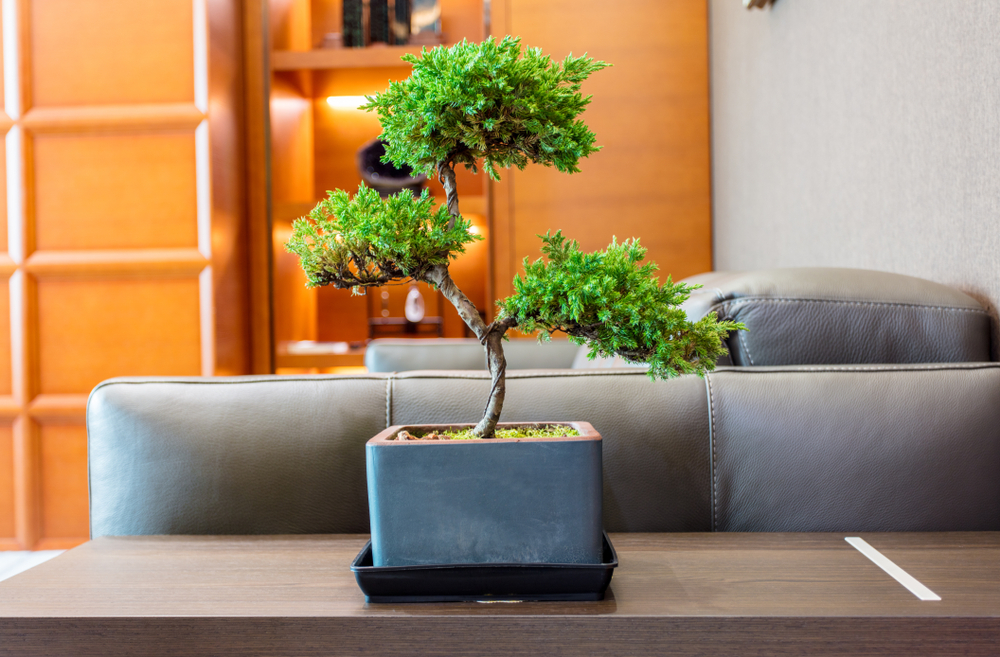
The bonsai tree often sparks debate. Some believe it represents restricted growth because it’s intentionally kept small. This has led to the idea that it may symbolize limitations in personal or financial progress. However, bonsai has deep cultural roots in Japan. There, it represents patience, balance, and harmony. The careful shaping of the tree reflects discipline rather than restriction. This contrast shows how interpretation can completely change meaning. What feels unlucky in one context may be meaningful in another.
Artificial Plants
While not technically plants, artificial greenery often comes up in discussions about unlucky decor. In feng shui, fake plants are sometimes seen as stagnant because they don’t grow or change. They lack the life force that real plants bring into a space. As a result, they may not contribute to a sense of freshness or movement. However, they can still serve a purpose in areas where real plants struggle to survive. The key is to keep them clean and realistic-looking, so they don’t feel neglected or lifeless.
Tamarillo Plant
The tamarillo plant, sometimes called a tree tomato, carries certain cultural beliefs that link it to instability or unpredictability. This may come from its fast growth and sensitivity to environmental changes. In some traditions, plants that react strongly to their surroundings are thought to mirror instability within the home. Plants that seem difficult to manage are often associated with imbalance, even if that perception isn’t entirely fair
Black Roses (Rare but Symbolic)
Black roses aren’t commonly grown as houseplants, but they appear frequently in discussions about unlucky plants. Their dark color is often linked to endings, loss, or mystery. In many cultures, black flowers symbolize transition or closure rather than something negative. Still, their dramatic appearance can feel heavy in a home setting. This is more about visual and emotional impact than any real influence. Choosing lighter, brighter plants can create a more uplifting atmosphere.
Tamarind Plant
In certain parts of Asia, tamarind trees are tied to spiritual folklore. Some traditions suggest they attract spirits or carry lingering energy, especially when planted near homes. These beliefs are rooted in culture rather than evidence. Tamarind is simply a fruit-bearing tree with no inherent negative qualities. Still, because of these associations, many people choose not to keep it indoors.
Aloe Vera
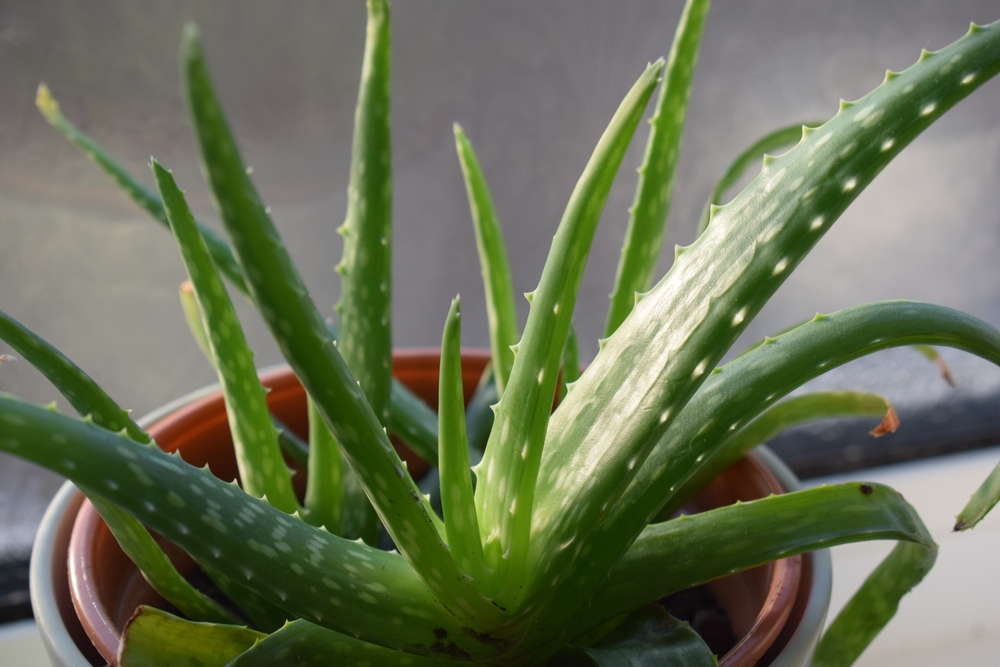
Aloe vera is widely known for its healing properties, which makes its “unlucky” reputation a bit surprising. In some belief systems, it’s thought to absorb negative energy from its surroundings. While that might sound positive, the idea is that once it absorbs too much, it can start to reflect that energy back into the space. Some people believe this can lead to tension or low moods in the home.
In many cultures, aloe is seen as protective. It’s often placed near entrances to ward off negativity. This is another example of how the same plant can carry completely different meanings depending on the perspective.
Lily Plants
Lilies look elegant and often represent peace and purity. However, many cultures strongly link them to funerals and mourning. Because of this, some people avoid keeping lilies indoors. They associate the flowers with grief, which can affect how a space feels. That said, lilies can also represent renewal and calm. If the symbolism doesn’t bother you, they can still brighten a room and create a soft, peaceful atmosphere.
Rubber Plant (Ficus Elastica)
The rubber plant stands out with its bold, glossy leaves. Still, some people consider it unlucky because its large, dark foliage can feel heavy in a room. In feng shui, oversized plants can disrupt balance, especially in smaller spaces. They may make the room feel crowded or uneven. However, when you place a rubber plant in a larger space, it often enhances the room. It adds structure and presence without overwhelming the environment.
Orchid (When Neglected)
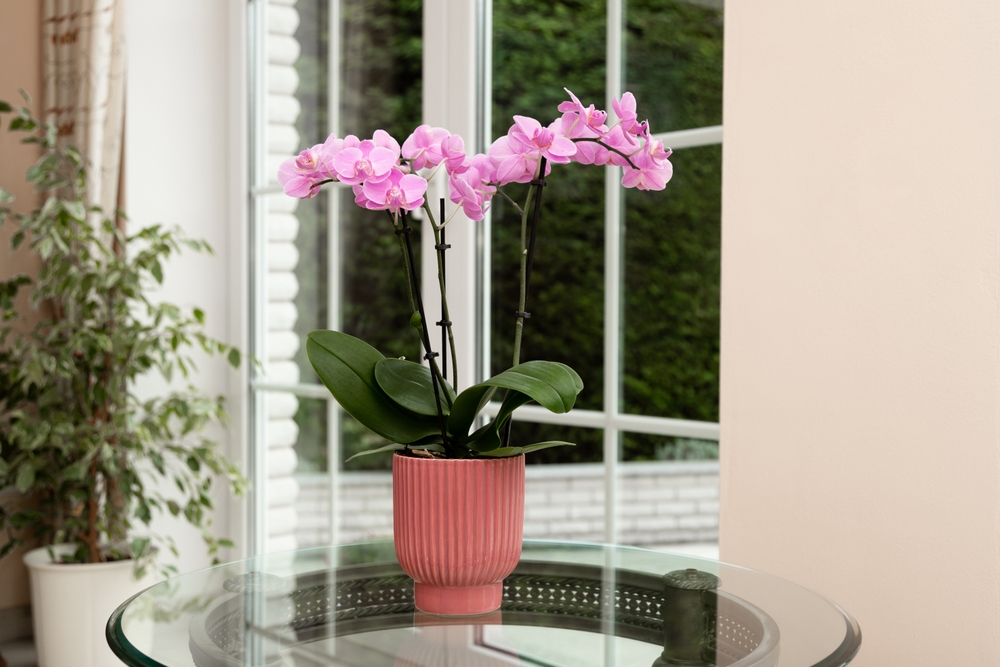
Image credit: Shutterstock.
Orchids bring elegance and beauty into a space. People often associate them with love and luxury. However, they need consistent care. When you neglect an orchid, it quickly loses its flowers and starts to look lifeless. That change an symbolize fading relationships or lost potential. If you care for it properly, though, an orchid can lift the energy of a room. It becomes a focal point that feels refined and alive.
Ferns (When Overgrown)
Ferns usually create a soft, calming look. But when they grow out of control, they can quickly feel messy and overwhelming. Some traditions link excessive growth to chaos or a lack of structure. Even if you don’t notice it right away, an overgrown plant can make a space feel unsettled. To keep the energy balanced, trim your ferns regularly. A well-shaped plant feels more intentional and easier on the eye.
Morning Glory (Indoor Growth)
Morning glory grows quickly and produces vibrant flowers. However, its blooms don’t last long. Because of this, some traditions connect it to fleeting beauty or short-lived success. This symbolism can make it feel less suitable for indoor spaces where people want stability and consistency. But many people still enjoy its color and energy.
Read More: The Year of the Horse Brings Major Luck to These 4 Zodiac Signs
Benefits of Indoor Plants for Mental Health
Indoor plants do more than improve how a space looks. They can also support your mental well-being in simple, noticeable ways. Studies suggest that being around greenery can help reduce stress, improve mood, and create a calming environment.
Plants also give you something to care for. Even small routines, like watering or trimming leaves, can add structure to your day and create a sense of purpose. Over time, this can help reduce feelings of anxiety or overwhelm. Greenery can also make a space feel more alive and inviting. A well-kept plant can lift the energy of a room, making it easier to relax and focus.
So while some plants carry “unlucky” symbolism, healthy and well-placed plants often have the opposite effect. They help create a space that feels balanced and comfortable.
It’s Less About Luck, More About Meaning
When you look at these plants, a clear pattern stands out. Most of them aren’t really unlucky. Instead, people assign meaning based on culture, symbolism, and tradition.
Feng shui focuses on balance and flow, not strict rules. Superstitions often reflect deeper concerns about control and emotional well-being. Cultural beliefs also tie in with history and shared experiences.
Instead of avoiding certain plants completely, think about how they fit into your space. Your home should feel comfortable and personal, and plants play a role in that. Whether someone calls them lucky or unlucky, what matters most is how they make you feel.
Disclaimer: Articles exploring faith and spirituality are intended to encourage reflection and understanding, not to define doctrine or assert factual certainty. Spiritual beliefs and experiences differ across individuals and traditions and exist alongside scientific and real-world perspectives. Readers are invited to approach these topics with openness, discernment, and respect for differing viewpoints.
A.I. Disclaimer: This article was created with AI assistance and edited by a human for accuracy and clarity.
Read More: 30 Unlucky Souls Having a Worse Work Day Than You