

Planning a cruise sounds simple at first. You pick a destination, board the ship, and relax. However, seasoned crew members say many travelers unknowingly make the same avoidable errors. These cruise ship mistakes can lead to wasted money, missed experiences, or even unnecessary stress. After working on ships for years, insiders often notice patterns in passenger behavior that separate smooth vacations from frustrating ones.
What makes cruising unique is its structure. Unlike a typical holiday, you cannot easily change plans once you are on board. Ships follow strict schedules, operate like floating cities, and require a bit more strategy than people expect. That said, with the right mindset and a little preparation, your trip can feel effortless.
1. Booking the Cheapest Cabin Without Research
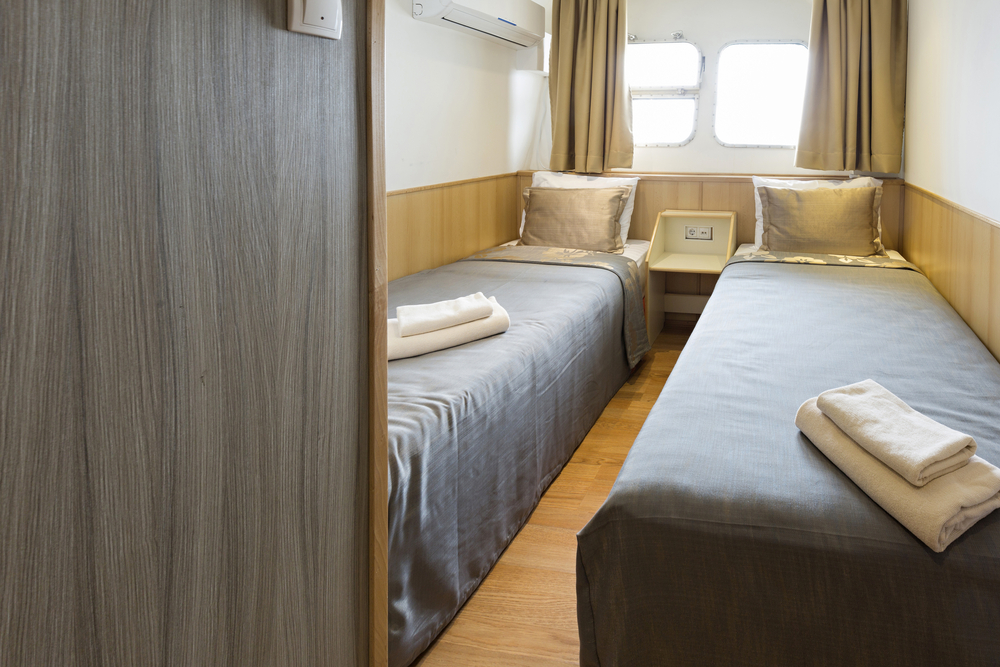
It is tempting to choose the lowest-priced cabin, especially when trying to stay within a budget. But not all cabins offer the same experience. Some are located near noisy areas like nightclubs, elevators, or engine rooms. Others may lack natural light or feel more cramped than expected.
Crew members often hear complaints from guests who did not realize how much cabin location affects comfort. Noise, motion, and accessibility all play a role in how well you sleep and relax.
Before booking, take time to review deck plans and read cabin reviews. Consider factors like proximity to amenities, potential noise levels, and whether you prefer a balcony or interior space. Spending a bit more on the right cabin can significantly improve your experience.
2. Not Arriving at the Port a Day Early

One of the most costly mistakes travelers make happens before the cruise even begins. Many people schedule their flight to arrive on the same day the ship departs. While this might seem efficient, it leaves zero room for delays. Flights get canceled, luggage goes missing, and weather can quickly disrupt plans.
Often, passengers are seen rushing through terminals or, worse, missing the ship entirely. Unlike flights, cruise ships rarely wait. Once departure time arrives, they leave, whether you are onboard or not. That means a delayed flight could turn into a missed vacation.
Arriving at least one day early gives you a buffer. It allows time to rest, adjust to the location, and handle unexpected issues calmly. Many experienced cruisers treat this as one of the most important cruise vacation tips. It may add a small cost upfront, but it protects a much larger investment in your trip.
3. Assuming Everything Is Included

Cruises are often marketed as all-inclusive, which can be misleading. While your fare usually covers meals, accommodation, and basic entertainment, many extras come at an additional cost. Drinks, specialty dining, excursions, Wi-Fi, and even gratuities can quickly add up.
Passengers who do not research these details often feel surprised when their final bill arrives. Crew members frequently encounter guests who did not expect these charges and feel frustrated by the end of the trip.
Understanding what is included and what is not helps you budget more effectively. For example, drink packages or dining upgrades may save money if you plan to use them regularly. On the other hand, skipping unnecessary extras can keep your costs under control.
4. Missing Out on Ship Exploration Early On
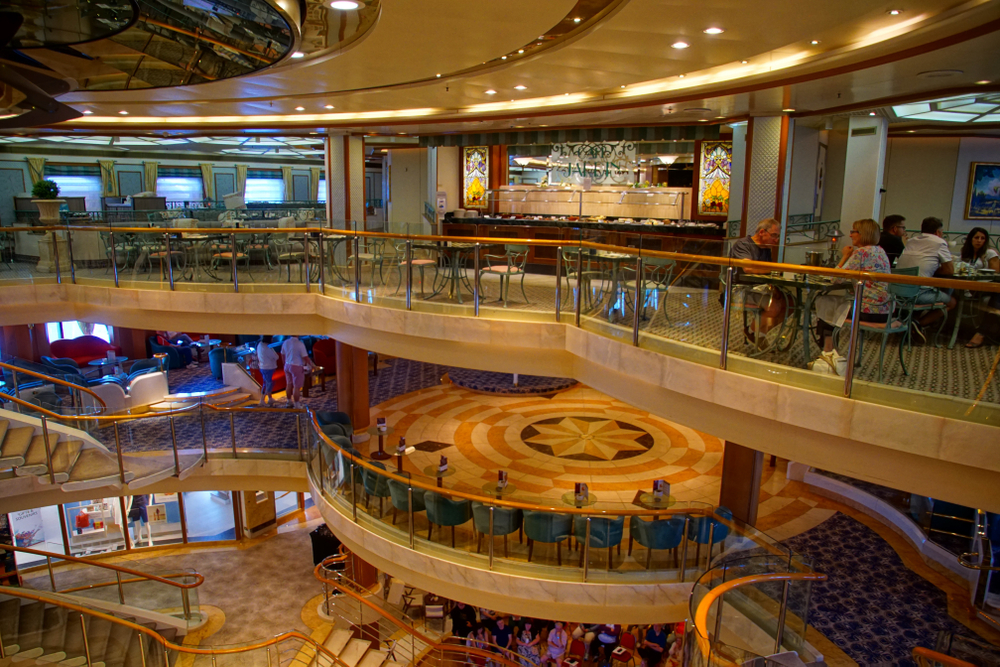
The first day of a cruise is more important than many passengers realize. Instead of exploring the ship, some travelers head straight to crowded buffets or relax in their cabins. While there is nothing wrong with easing into your trip, skipping early exploration can mean missing out on valuable opportunities.
Cruise ships are large and often packed with hidden features, from quiet lounges to lesser-known dining spots. Crew members recommend walking around the ship as soon as you board. This helps you understand the layout, avoid crowds later, and discover areas that match your preferences.
Exploring early also allows you to make reservations for popular activities or restaurants before they fill up. In a sense, it sets the tone for the entire trip. Think of the first day as your chance to get oriented. A little curiosity upfront can lead to a much smoother and more enjoyable cruise experience.
5. Ignoring the Daily Schedule
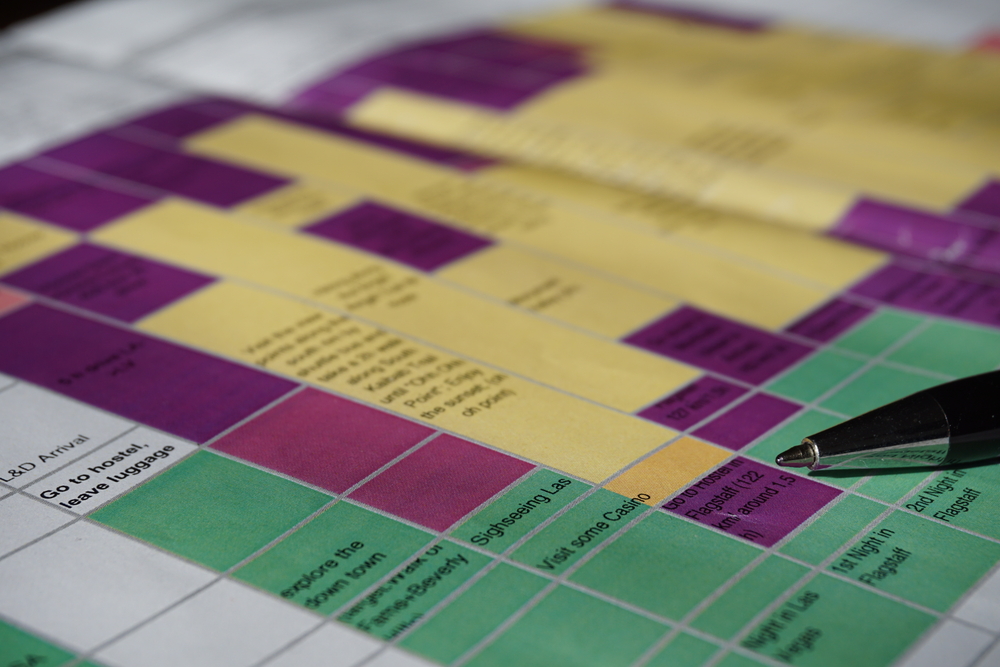
Every cruise ship provides a daily schedule, often delivered to your cabin or available through an app. Surprisingly, many passengers overlook it. This small booklet or digital guide outlines everything happening onboard, from shows and activities to dining times and special events.
When travelers ignore the schedule, they often miss out on experiences they would have loved. Crew members frequently hear guests say they only discovered something exciting after it had already happened. That can feel frustrating, especially on shorter cruises where time is limited.
Checking the schedule each morning helps you plan your day without feeling rushed. It also allows you to balance relaxation with entertainment. Some of the best onboard experiences, like themed parties or limited-capacity shows, require early awareness.
6. Waiting Too Long to Book Excursions
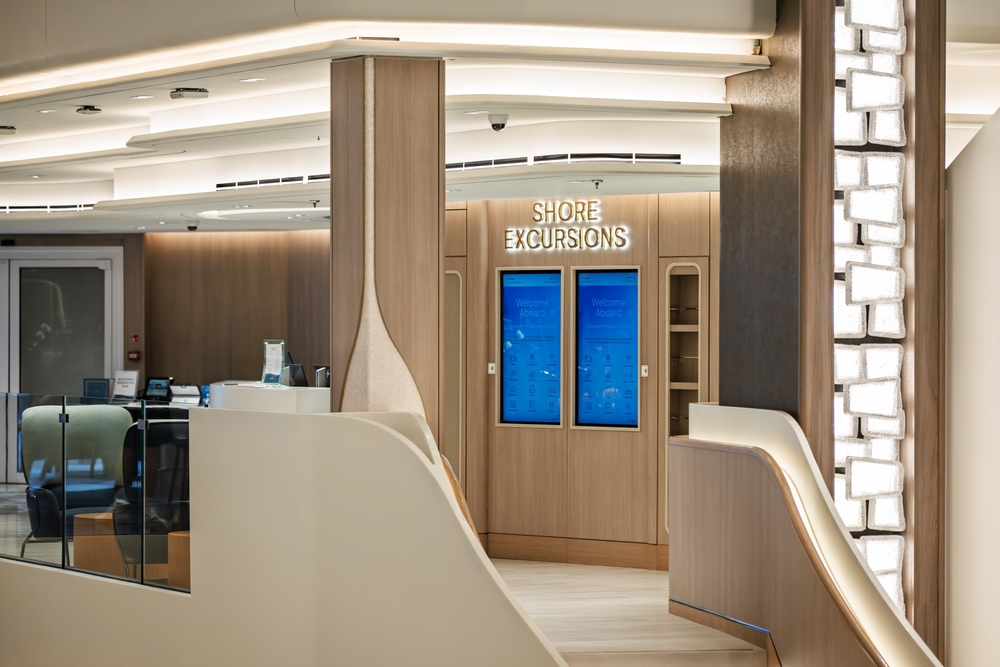
Shore excursions are often the highlight of a cruise, yet many passengers delay booking them. They assume availability will remain open throughout the trip, only to find that popular tours sell out quickly.
Crew members regularly see disappointed travelers scrambling for last-minute options. By then, only limited or less appealing excursions may remain. This can mean missing out on once-in-a-lifetime experiences like snorkeling trips, guided cultural tours, or wildlife encounters.
Booking excursions early, either before boarding or on the first day, gives you the best selection. It also allows you to plan your time in port more effectively.
7. Losing Track of Time at Port Stops

Port days can feel relaxed, but they come with strict deadlines. One of the most serious cruise ship mistakes is misjudging time while exploring a destination. Unlike land-based travel, the ship will not wait if you are late returning.
Passengers are often seen sprinting down docks or, in worst cases, being left behind entirely. This can turn a dream vacation into a logistical nightmare, involving flights, hotels, and unexpected expenses.
To avoid this, always keep track of “all aboard” times, not just departure times. It is also wise to set alarms and allow extra buffer time. Traffic delays, long lines, or unexpected issues can easily eat into your schedule. Staying mindful of time ensures you enjoy your port visit without unnecessary stress.
8. Overpacking or Packing the Wrong Items

Packing for a cruise requires a bit more strategy than many travelers expect. Some passengers bring far too much, while others forget essentials. Both can create unnecessary inconvenience.
Cabins are typically compact, which means limited storage space. Overpacking can make your room feel cluttered and uncomfortable. On the other hand, forgetting key items like medications, sunscreen, or motion sickness remedies can lead to expensive onboard purchases.
It’s often suggested to pack versatile clothing and focus on essentials. It is also important to check the cruise line’s prohibited items list, as some everyday objects are not allowed onboard. Packing smart helps you stay organized and comfortable throughout your trip. It also saves time and stress once you are on board.
9. Eating Only at the Buffet

The buffet is one of the most popular dining options on a cruise, especially on the first day. However, many passengers rely on it exclusively and miss out on other dining experiences available onboard.
Cruise ships often feature multiple restaurants, including main dining rooms and specialty venues. These spaces usually offer higher-quality meals, better service, and a more relaxed atmosphere compared to the busy buffet.
Often, guests who explore different dining options tend to enjoy their trips more. They experience a wider variety of flavors and avoid the crowds that often gather at peak buffet times. Trying different restaurants not only enhances your meals but also adds variety to your daily routine. It turns dining into an experience rather than just a necessity.
10. Skipping Travel Insurance

Travel insurance often feels like an unnecessary extra, especially when everything seems straightforward. However, experienced crew members strongly recommend it. Cruises involve multiple moving parts, including flights, transfers, and strict boarding times.
Without insurance, unexpected events can become very expensive. Medical care at sea, missed departures, or canceled trips can cost far more than the price of a policy. Crew members have seen passengers face large bills simply because they chose to skip this step.
Insurance also provides peace of mind. It allows you to enjoy your vacation without constantly worrying about “what if” scenarios. While it may not seem exciting, it is one of the most practical decisions you can make before setting sail.
11. Not Preparing for Seasickness
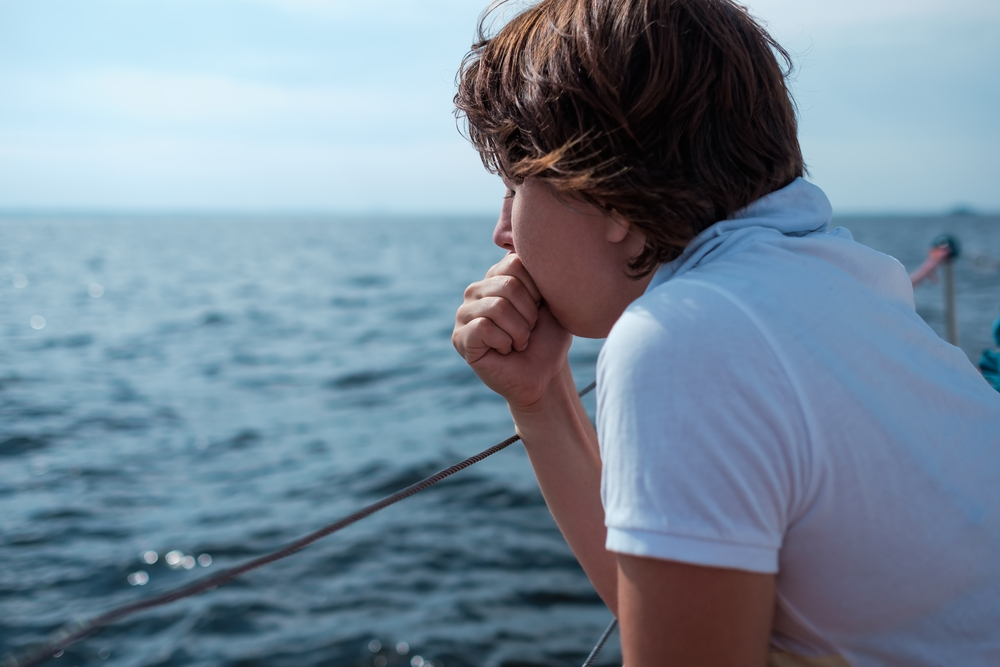
Even travelers who rarely experience motion sickness can feel the effects of the ocean. Rough seas, smaller ships, or certain cabin locations can all contribute to discomfort. Passengers often assume they will be fine, only to spend part of their trip feeling unwell. Crew members regularly suggest bringing remedies just in case. Options include over-the-counter medication, wristbands, or natural solutions like ginger. Also, choosing a mid-ship cabin on a lower deck can help reduce motion. These areas tend to feel more stable compared to higher or forward sections of the ship.
12. Overscheduling Every Moment

It is easy to feel like you need to do everything on a cruise. With so many activities, shows, and excursions available, some passengers pack their schedules from morning to night. While enthusiasm is great, overplanning can lead to exhaustion. Crew members often notice that guests who try to do too much end up feeling drained instead of relaxed.
A better approach is to prioritize a few key experiences each day and leave room for downtime. Whether it is enjoying the view from the deck or relaxing by the pool, those quiet moments are part of what makes a cruise special. Balance is key. A well-paced schedule allows you to fully enjoy each activity without feeling rushed.
13. Forgetting to Turn On Airplane Mode or Manage Connectivity
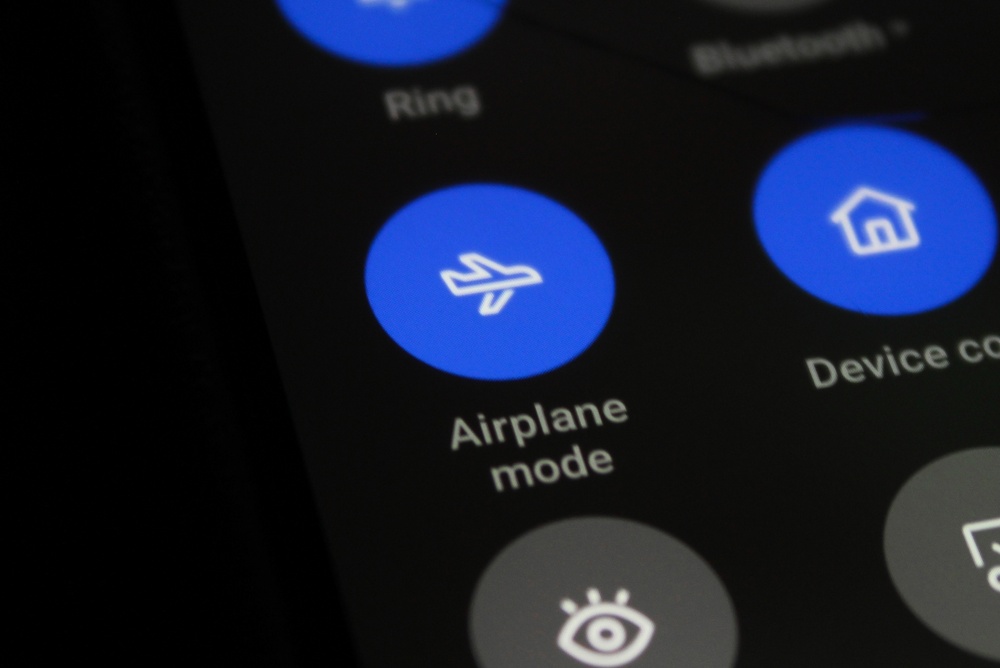
Staying connected at sea can be tricky. Many passengers forget to switch their phones to airplane mode, which can result in unexpected roaming charges. Maritime networks can be expensive, and costs can add up quickly without warning. Guests are sometimes shocked by their phone bills after the trip. To avoid this, it is best to enable airplane mode as soon as you board. From there, you can connect to the ship’s Wi-Fi if needed.
Planning your connectivity ahead of time also helps. Some travelers choose to disconnect entirely, while others purchase Wi-Fi packages for convenience. Managing this early prevents unnecessary expenses and allows you to stay in control of how connected you want to be.
14. Not Taking Advantage of Lesser-Known Areas on the Ship

Cruise ships are designed with a variety of spaces, but many passengers stick to the most obvious and crowded areas. Pools, buffets, and main lounges tend to fill up quickly, especially during peak hours.
Meanwhile, quieter spots often go unnoticed. These can include hidden decks, smaller lounges, or alternative dining venues. Crew members know that these areas often provide a more relaxed and enjoyable atmosphere. Exploring beyond the main attractions allows you to find your own favorite spaces onboard. It also helps you avoid crowds and enjoy a more peaceful experience.
15. Waiting Until the Last Minute for Shows and Reservations
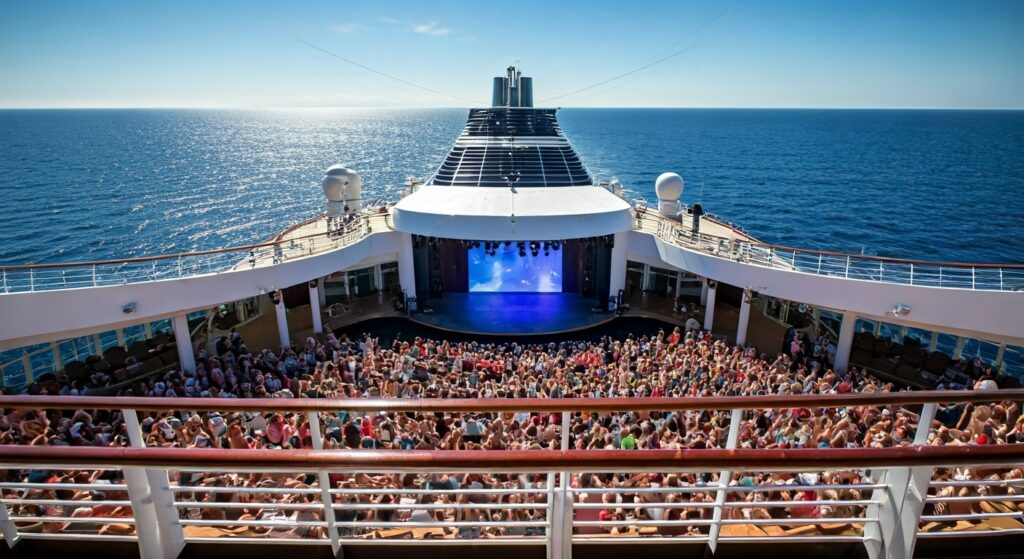
Entertainment is a major part of the cruise experience, but many passengers underestimate how quickly popular shows and dining reservations fill up. They assume they can book later in the trip, only to discover everything is already fully booked.
To avoid this, make reservations as early as possible. Many cruise lines allow you to book before boarding, which gives you a clear advantage. If that is not an option, prioritize reservations on your first day onboard.
16. Ignoring Safety Briefings and Guidelines
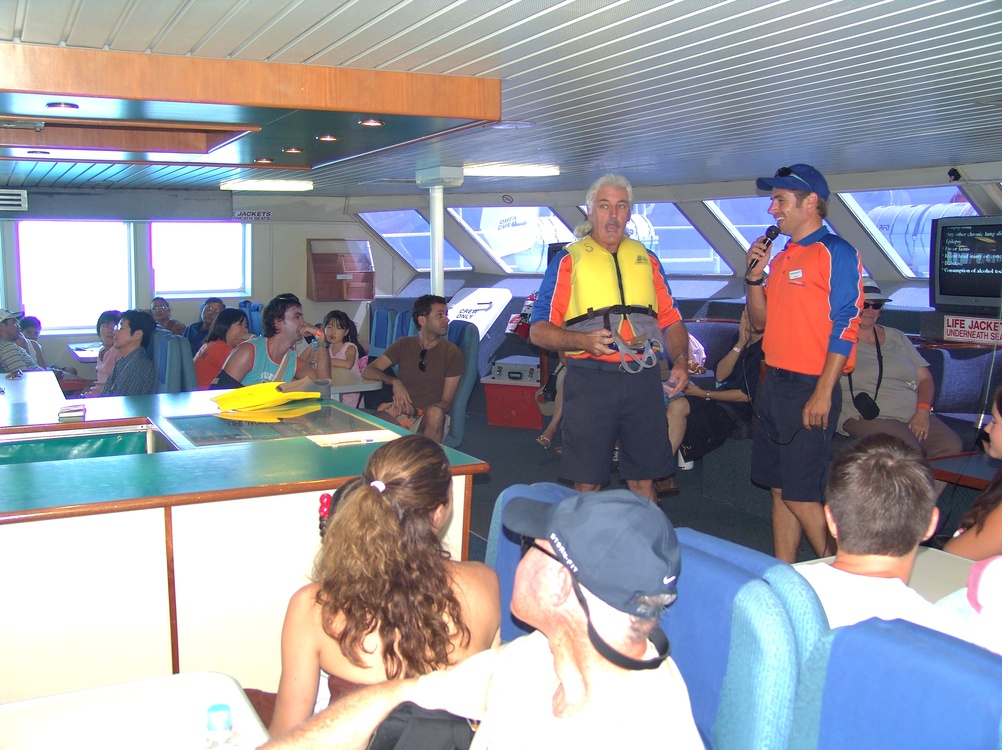
Safety briefings may not be the most exciting part of a cruise, but they are essential. Some passengers treat them as a formality and do not pay attention. However, these briefings provide important information about emergency procedures and onboard safety. Crew members emphasize that knowing where to go and what to do in an emergency can make a critical difference. Cruise ships are highly regulated, and safety protocols are taken seriously for a reason.
Even though emergencies are rare, being informed adds an extra layer of confidence. It also ensures you can respond quickly if needed. Taking a few minutes to focus during the safety briefing is a simple step that should never be skipped.
17. Overlooking Gratuities and Service Culture
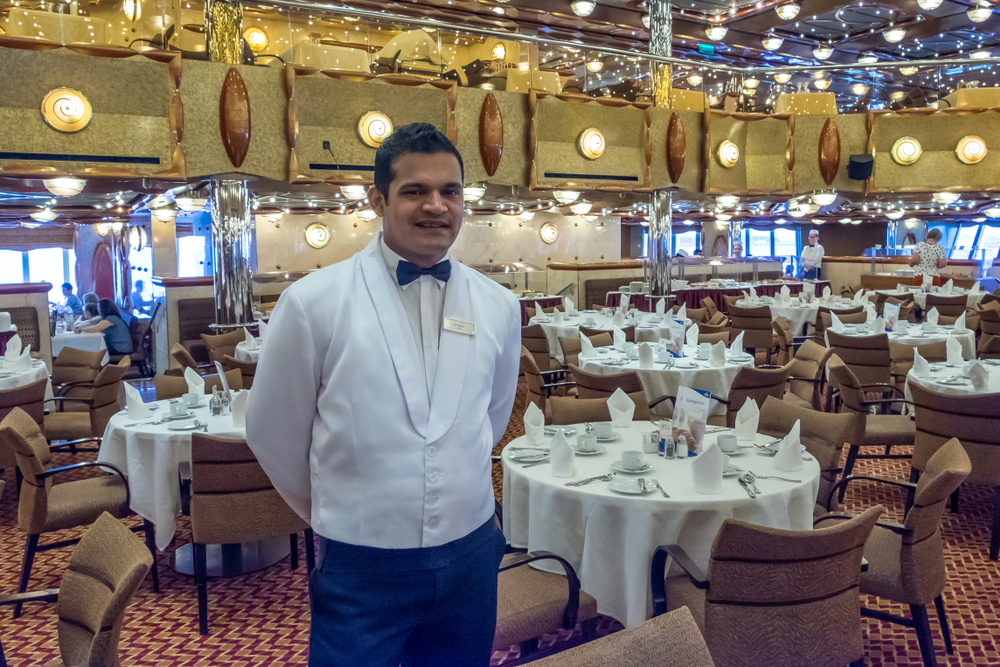
Gratuities are a standard part of cruising, yet many passengers do not fully understand how they work. These charges often go toward the crew members who provide daily service, including housekeeping and dining staff.
Some travelers feel confused or surprised when they see these charges added to their accounts. Crew members often rely on these tips as part of their income, which makes them an important aspect of the onboard experience.
Understanding this system helps set expectations from the start. It also encourages respectful interactions with the staff who work hard to ensure your comfort. Recognizing the service culture onboard can enhance your experience and create a more positive atmosphere for everyone.
Read More: 20 Must-Know Tips Before You Board a Cruise Ship
Small Changes That Make a Big Difference

Cruising offers a unique way to travel, combining relaxation, adventure, and convenience in one experience. However, as cruise ship employees often point out, small mistakes can quickly impact your trip if you are not prepared.
The good news is that most of these missteps are easy to avoid. A little planning and flexibility can go a long way. From arriving early to exploring beyond the obvious, each decision contributes to a smoother and more enjoyable journey.
Ultimately, the goal is not to plan every second but to travel with intention. When you understand how cruising works, you can relax more fully and focus on what truly matters: making memories, exploring new places, and enjoying the experience from start to finish.
A.I. Disclaimer: This article was created with AI assistance and edited by a human for accuracy and clarity.
Read More: People Are Freaking Out After Seeing What Cruise Ships Look Like at Night