
Registered dietitian Cassandra Padula Burke, RDN, CPT – owner of Catalyst Performance Lab – has a clear message for anyone standing in the produce aisle feeling virtuous about their fresh broccoli: check the freezer section first. Burke is among a growing number of nutrition professionals who argue that for certain everyday vegetables, the frozen version is not just “good enough” – it’s genuinely the smarter choice. Her guidance, backed by a body of comparative nutrition research, points to six specific vegetables where the frozen vs fresh produce debate tips firmly in the freezer aisle’s favor.
This recommendation runs counter to the deeply held belief that fresh is always best. To understand why Burke and other registered dietitians push back on that idea, it helps to know how frozen vegetables are made. Vegetables destined for freezing are typically harvested at full ripeness, then flash-frozen – a process that rapidly drops the temperature to lock in the vegetable’s nutrient content within hours of picking. “Flash-freezing” essentially acts as a pause button on the natural breakdown that begins the moment any vegetable is harvested. Vegetables sold as “fresh” in supermarkets, by contrast, can spend days or even weeks in transit and cold storage before they reach your refrigerator.
That difference in journey time matters more than most shoppers realize. Once harvested, fruits and vegetables begin losing nutrients through natural degradation. Fresh produce often travels long distances before reaching supermarkets and may be picked before full ripeness to withstand shipping – and during transportation and storage, vitamin levels can decline. So the broccoli sitting in your crisper drawer may have less nutritional value than the florets in the bag at the back of your freezer. That’s the real argument for frozen vegetables vs fresh, and it’s supported by some compelling science.
What the Research Actually Shows
The frozen vs fresh produce debate has been studied seriously enough that the findings now carry real weight. In some situations, frozen produce is more nutritious than its 5-day fresh-stored counterpart, according to a two-year study that compared the status of targeted nutrients in selected fresh and frozen fruits and vegetables. That same study, published in the journal Food Chemistry, found that in the majority of comparisons between nutrients within the categories of fresh, frozen, and “fresh-stored,” the findings showed no significant differences in assessed vitamin contents – and in the cases where significant differences did appear, frozen produce outperformed “fresh-stored” more frequently than the reverse.
A separate study published in the Journal of Agricultural and Food Chemistry looked specifically at vitamin C, riboflavin (a B vitamin), vitamin E, and beta-carotene across eight commonly consumed fruits and vegetables. Vitamin C showed no significant difference for five of the eight tested foods, and was actually higher in frozen samples than fresh for the remaining three. Frozen broccoli had higher riboflavin levels than fresh broccoli. Overall, the vitamin content of the frozen foods tested was comparable to – and occasionally higher than – that of their fresh counterparts.
Ronald Pegg, PhD, the lead researcher and associate professor in the department of food science and technology at the University of Georgia, described freezing technology as “nature’s pause button.” His point is important: the process doesn’t destroy nutrition, it preserves it. Professor Tim Spector, ZOE’s scientific co-founder and a professor of epidemiology at King’s College London, has stated that “frozen fruits and vegetables contain just as many nutrients as fresh produce, and sometimes more.” This is not a fringe view. The British Heart Foundation, the American Heart Association, and Harvard Medical School all agree that frozen produce is a healthy choice because it is usually frozen shortly after harvesting, which helps lock in nutrients.
It’s worth being clear about the limits of this research, though. Most studies compare frozen vegetables to fresh ones that have been stored for several days – the real-world scenario for most households. If you’re picking vegetables from your own garden and eating them within hours, fresh truly wins. The advantage of frozen is specifically against the version that’s been sitting in a refrigerator for four or five days, which is how most families actually eat “fresh” produce.
Are Frozen Vegetables as Nutritious as Fresh Vegetables?
People ask this question constantly, and the short answer is: yes, often equally so – and sometimes more so for specific nutrients, depending on how long your “fresh” vegetables have been stored. The longer fresh produce sits after picking, the more its nutritional value drops. American consumers typically store fresh fruits and vegetables for up to five days in the refrigerator before eating them, and the longer fresh produce is stored, the more nutrients it can lose through enzymatic and oxidative degradation. Enzymatic degradation, put simply, is the natural chemical breakdown that happens inside a vegetable after it’s harvested – freezing stops that process almost completely.
When vegetables are harvested, there is often a several-week-long storage period while they are transported from the farm to your grocery store. Some nutrients, like B vitamins and vitamin C, are lost during this process due to oxidation and light exposure. The freezing process preserves the vegetables for long periods of time and slows this nutrient loss.
That said, freezing isn’t a perfect nutritional seal. Frozen peas, carrots, and spinach can show lower levels of beta-carotene – a pigment the body converts to vitamin A – compared to fresh. Overall, nutrient levels tend to be similar in fresh and frozen green beans and spinach. So the picture is nuanced: some nutrients hold up better in frozen form, others may be slightly reduced. The overall takeaway from the science, as GoodRx’s 2024 nutrition review notes, is that the nutritional differences between fresh and frozen vegetables are so minor that they’re unlikely to affect your health.
The 6 Vegetables Worth Buying Frozen
So which vegetables specifically benefit from being frozen? Registered dietitian Cassandra Padula Burke identifies six varieties where the frozen version holds its own nutritionally – and often wins on convenience, cost, and shelf life too.
1. Broccoli
Broccoli is arguably the star of the frozen vegetable aisle. Broccoli is part of the ultra-nutritious cruciferous vegetable family, rich in beneficial antioxidants and plant compounds with anti-inflammatory properties. Frozen broccoli delivers a hefty dose of gut-healthy fiber, vitamins C and K, and folate to any meal. Research has actually found measurable nutritional advantages for the frozen version in some areas. One study found that frozen broccoli was higher in riboflavin compared with fresh broccoli. Riboflavin is a B vitamin that helps the body convert food into energy.
Fresh broccoli also has a relatively short window in the fridge – typically three to five days before it starts to yellow and go soft. Frozen broccoli stays usable for months. The quick-freezing process helps retain water-soluble vitamins such as vitamin C and B vitamins that are often lost during the prolonged storage and transport of fresh vegetables, making frozen broccoli not only budget-friendly but also a nutritionally sound option. Toss it straight into pasta, soups, or a sheet pan roast from frozen – no thawing needed.
2. Spinach
Fresh spinach has a deceptively short shelf life. Buy it on Monday, and you may find a wilted, slimy mess by Thursday. Frozen spinach sidesteps that problem entirely while holding on to most of its impressive nutritional profile. Spinach is a strong source of iron (which helps carry oxygen through the blood), folate (important for cell growth and particularly during pregnancy), vitamins A and K, and magnesium.
Overall, nutrient levels are similar in fresh and frozen spinach. The frozen version is already washed, blanched, and prepped, which means you can drop it into smoothies, pasta sauces, soups, or scrambled eggs with zero prep time. For recipes where texture matters – like a fresh salad – you’d obviously choose the fresh leaves. But for cooking purposes, frozen spinach is the more practical and often equally nutritious option.
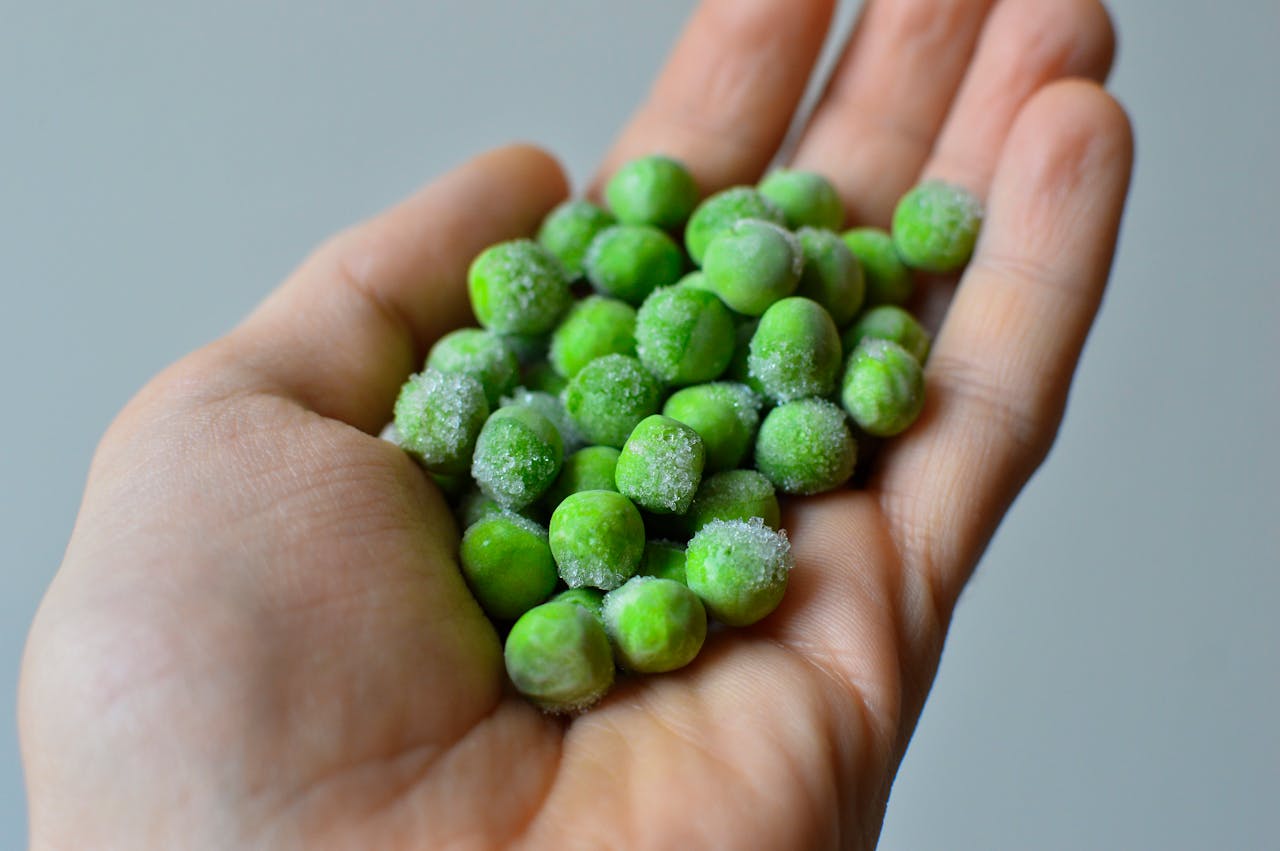
3. Peas
Peas are one of the few vegetables that are almost universally recommended as a freezer staple by dietitians. Frozen fruits and vegetables, including peas, are picked at the peak of ripeness and then flash-frozen to preserve optimal nutrition, and they can last for several months in the freezer as a very economical choice. Fresh peas in their pods have an extremely narrow window of peak sweetness – often just a day or two – and shelling them takes time most parents don’t have. Frozen peas require no prep and cook in under two minutes from frozen.
Peas offer a genuinely useful nutritional punch. They’re a plant-based protein source, provide significant dietary fiber, and contain vitamins C, K, and several B vitamins. They’re also one of the vegetables that today’s registered dietitians consistently stock in their own freezers, precisely because they function as a quick, cheap nutritional add-on to almost any meal. Think soups, pasta dishes, rice bowls, or even stirred into mac and cheese for a kids’ dinner upgrade.
4. Cauliflower

Cauliflower has had a major cultural moment over the last several years – cauliflower rice, cauliflower pizza crust, cauliflower mashed “potatoes.” The frozen version makes all of these shortcuts significantly easier. Researchers at the University of Georgia included cauliflower in a study comparing fresh and frozen produce and found that its nutritional properties held up well after freezing.
Cauliflower is high in fiber and vitamin C, and contains glucosinolates – compounds found in cruciferous vegetables that have been studied for potential anti-inflammatory effects. Fresh cauliflower can sit in a fridge for about a week before deteriorating, but frozen cauliflower gives you months of availability. Frozen riced cauliflower in particular is a practical time-saver – it eliminates the chopping and grating involved with fresh cauliflower and cooks in minutes. For anyone using it as a lower-carbohydrate rice substitute, the frozen version is a consistently useful pantry staple.
5. Bell Peppers
Bell peppers are one of the more surprising entries on this list because fresh bell peppers feel like a staple in so many kitchens. But here’s the thing: frozen produce is frequently less expensive than out-of-season fresh items, providing a budget-friendly way to incorporate a variety of fruits and vegetables into meals. Fresh bell peppers, especially red and yellow varieties, can be pricey year-round – and out of season, the price and the quality both drop. Frozen sliced peppers, on the other hand, are typically pre-chopped and available at a stable price all year.
Nutritionally, bell peppers are outstanding. They’re one of the richest sources of vitamin C found in any vegetable – a single serving provides well over the recommended daily intake. They also contain vitamin B6, folate, and various antioxidants. The frozen version preserves these well. Frozen peppers are ideal for cooked applications: stir-fries, fajitas, pasta, egg dishes, soups. They won’t have the crunch of a fresh raw pepper, but for anything that involves heat, they work just as well and save you prep time.
6. Mixed Vegetables
The humble bag of frozen mixed vegetables – typically a blend of peas, carrots, corn, and green beans – deserves far more credit than it usually gets. Choosing frozen vegetables is a healthy, affordable, and convenient option that may help you eat more vegetables overall. And eating more vegetables, in any form, is the real goal. Almost 90% of Americans do not eat the recommended amount of 2 to 4 cups of vegetables per day. A bag of frozen mixed vegetables sitting in your freezer removes the barrier of prep work entirely.
Mixed vegetable blends tend to include varieties harvested at different peak points throughout the year, then combined and frozen together – meaning each component was processed at its nutritional best. They’re ready in minutes, require no washing or chopping, and the cost per serving is among the lowest of any vegetable option. One study looking at 20 vegetables found that minerals and fiber remained generally stable after blanching and freezing – which is good news for the kinds of vegetables that dominate most frozen mixed blends.
Do Frozen Vegetables Lose Nutrients During Freezing?
This is probably the most common concern people have about frozen vegetables, and it’s fair to ask. The short answer is: some minimal nutrient loss can occur during blanching (the brief heat treatment most vegetables undergo before freezing to deactivate enzymes), but the overall effect is small. Frozen produce retains fiber, a crucial element for maintaining digestive health, at rates ranging from 90% to 95% in comparison to fresh produce, according to a review published in the International Journal of Applied Home Science.
Generally speaking, freezing helps retain the nutrient content of fruits and vegetables. However, some nutrients begin to break down when frozen produce is stored for more than a year, and certain nutrients are also lost during the blanching process. The practical upshot is that you should use your frozen vegetables within 8 to 12 months for best nutritional quality, even though they remain safe to eat beyond that point. Your cooking method also affects nutritional value, regardless of whether your vegetables are fresh or frozen. A research review that assessed how preparation and cooking changed nutrient levels in a range of vegetables concluded that steaming was generally best at preserving nutritional quality. Avoid boiling frozen vegetables in lots of water if you can – the water-soluble vitamins (like vitamin C and folate) can leach out. Steaming, microwaving, roasting, or stir-frying are better choices.
What Dietitians Recommend for Frozen vs Fresh Produce
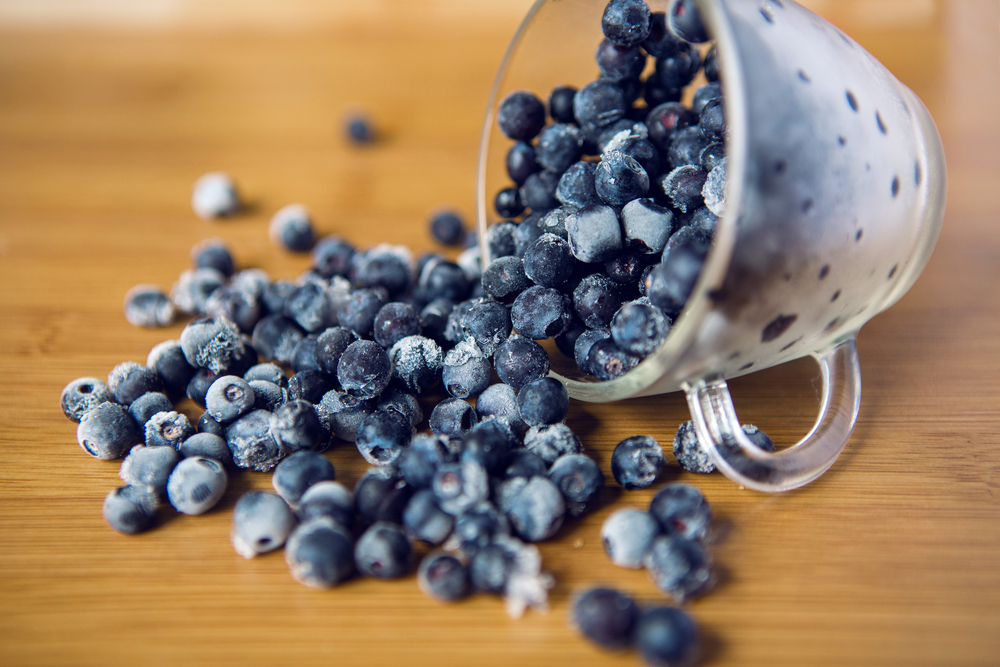
Registered dietitian Natalie Rizzo, nutrition editor at TODAY.com, sums up the registered dietitian perspective on frozen vs fresh vegetables succinctly: “Many people assume that ‘fresh’ automatically means ‘healthier’… but frozen food can be just as nutritious.” Frozen produce like vegetables, fruits, and legumes are harvested at peak ripeness and flash-frozen within hours, which locks in vitamins and minerals.
The practical advice from most registered dietitians on this topic is not to treat it as an either-or choice. Fresh, locally grown produce – especially from a farmers market in season – remains the gold standard nutritionally. But for everyday cooking and family meals, the realistic comparison is between frozen vegetables and “fresh” supermarket vegetables that have spent time in transit and in your fridge. In that real-world comparison, frozen often holds its own.
Frozen vegetables can often be prepared with minimal effort, making them a quick and convenient alternative to fresh vegetables. They’re typically cheaper than fresh and tend to have a longer shelf life. They’re also available year-round, meaning you can enjoy your favorite vegetables regardless of whether they’re in season.
One smart label-reading tip: when buying frozen vegetables, go for plain, single-ingredient bags wherever possible. When selecting frozen vegetables, it’s important to check the ingredient label carefully. Though most frozen vegetables are free of additives and preservatives, some may contain added sugar or salt. Some frozen vegetables may also be paired with premade sauces or seasoning mixes, which can add flavor but may increase the amount of sodium, fat, or calories in the final product. The ingredient list on the healthiest frozen vegetables should read: “broccoli.” Full stop.
Is Frozen Spinach Healthier Than Fresh Spinach?
This specific question comes up often, and it’s a useful one to look at directly. Overall, nutrient levels are similar in fresh and frozen spinach – and when vitamin C was measured across produce types, levels were either the same or higher in the frozen versions compared with fresh. So frozen spinach is not categorically healthier than fresh spinach. But it’s nutritionally comparable, significantly cheaper, has a much longer shelf life, and is already washed and prepped.
The texture difference is the main practical consideration. Frozen spinach has a softer texture once cooked because the freezing process breaks down cell walls. That makes it ideal for cooked dishes – soups, sauces, egg dishes, smoothies, pasta, and rice dishes – where texture is less important. For dishes where you want visible, leafy spinach with some texture (like a salad or a wilted spinach side), fresh is the better choice. For everything else, frozen delivers the same nutrition at a lower cost and with no risk of finding a bag of goop in the back of your crisper.
Read More: Using an Electric Kettle to Boil Water, 9 Out of 10 Households Make This Mistake
What This Means for Your Grocery Cart

The case for the best frozen vegetables is not about abandoning fresh produce entirely – it’s about being strategic. The science, from the USDA FoodData Central to peer-reviewed nutrition journals, consistently shows that frozen vegetables are a nutritionally reliable option, often equal to and sometimes better than fresh varieties that have spent days in transit and refrigeration. For the six vegetables Cassandra Padula Burke recommends – broccoli, spinach, peas, cauliflower, bell peppers, and mixed vegetables – keeping frozen versions in your freezer is a practical, evidence-backed decision that serves your family’s health goals without adding to your grocery bill or your weeknight prep time.
The bigger picture is simply this: eating enough vegetables matters far more than whether they came from the freezer aisle or the produce section. Plain frozen vegetables with no added ingredients are just as nutritious as fresh vegetables – and research shows that people who eat frozen vegetables have an overall higher vegetable intake than those who avoid frozen produce. So stock your freezer, spend less, waste less, and eat more vegetables. That’s the whole recommendation, really – and it’s a pretty good one.
Disclaimer: This article was written by the author with the assistance of AI and reviewed by an editor for accuracy and clarity.