
Late-night television has long been filled with commercials and infomercials touting miraculous products proudly bearing the stamp “As Seen on TV.” These glossy advertisements promise revolutionary solutions to everyday problems—from kitchen gadgets that supposedly cut prep time in half to beauty products that claim to deliver instant transformations. But behind the catchy jingles and enthusiastic testimonials lies a darker reality: many of these products have sparked massive lawsuits that cost companies millions, sometimes hundreds of millions, of dollars.
From exploding blenders and dangerous sealants to brazen patent theft and outrageous scams, these infomercial products caused way more trouble than they were worth. This article examines the ten most notorious “As Seen on TV” products that ended up sparking massive lawsuits, revealing the legal battles that changed consumer protection forever.
1. NutriBullet: The Exploding Blender Lawsuit
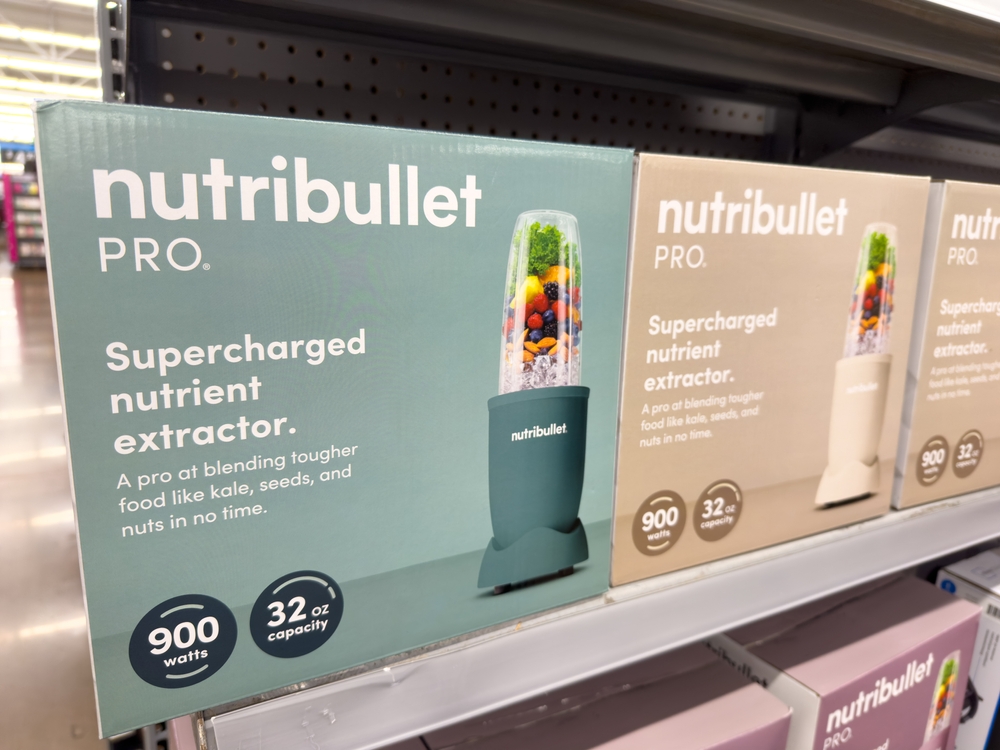
Perhaps no “As Seen on TV” product has generated as much fear as the NutriBullet after multiple class-action lawsuits revealed its disturbing tendency to explode without warning. The high-speed blender became the subject of a 64-page court filing in 2018 accusing its makers—Capital Brands, Homeland Housewares, and NutriBullet, LLC—of ignoring a dangerous defect for years.
The lawsuit, filed by plaintiff Deveta White of South Carolina, alleges that the blender’s canister can pressurize and separate, spewing scalding contents. Heat from the fast-moving blades can make ingredients scalding hot in less than 60 seconds, even when making cold smoothies. White suffered second-degree burns on her chest and first-degree burns on her arms, missed work, and incurred nearly $6,000 in medical expenses.
By 2018, at least 14 people had sued the company claiming cuts or burns, including one Georgia woman whose burns caused a miscarriage. The pressure buildup can send the blade assembly flying when the lid is removed, endangering users and bystanders, including children. Despite knowing these dangers, the company allegedly failed to issue a recall or warn consumers adequately, violating consumer protection laws. Though the product warns against running it over 60 seconds, the lawsuit claims dangerous heating occurs even within that timeframe.
Consumer Reports urged readers not to buy the NutriBullet Pro 900 in 2014 after blades cracked during testing. Despite the defects, more than 14 million NutriBullets have been sold worldwide. In 2022, NutriBullet agreed to pay $10 million to settle claims about overheating and exploding blenders, though the company admitted no wrongdoing.
A similar case by Johanna Suarez from 2017 remains pending, and a new lawsuit was filed in 2025 alleging additional explosion injuries. The contrast between infomercial promises and the reality of emergency room visits created one of the most concerning product liability cases in the “As Seen on TV” industry.
2. Flex Seal: Dangerous Mishaps and Toxic Exposure
Flex Seal, the liquid rubber sealant that promised to fix any leak instantly, became embroiled in controversy when reports emerged of dangerous mishaps and toxic exposure. The product, which gained fame through aggressive infomercial campaigns showing it sealing everything from leaky roofs to punctured pools, faced scrutiny after consumers reported severe injuries.
According to saferproducts.gov reports, at least one can of Flex Seal spontaneously ignited during use, burning the face, hands, and arms of the consumer. The product’s chemical composition raised additional concerns, with experts warning that Flex Seal can be toxic to humans, especially young children. Overexposure to the product may compromise the central nervous system, according to safety experts.
These dangerous incidents prompted lawsuits alleging that the company failed to provide adequate warnings about the product’s flammability and toxic properties. The contrast between the infomercial’s cheerful demonstrations and the reality of chemical burns and respiratory problems created a legal nightmare for the manufacturer.
3. Bunch O Balloons: Telebrands’ $31 Million Patent Theft Disaster
Telebrands, one of the most prominent “As Seen on TV” companies, faced a devastating $31 million judgment for patent infringement related to Bunch O Balloons. The water balloon gadget, which allows users to fill multiple water balloons simultaneously, became the center of a four-year legal battle that ended in a costly truce.
The inventors of Bunch O Balloons, represented by law firm Dunlap Bennett & Ludwig, filed lawsuits alleging that Telebrands deliberately copied their product to produce a competing item called “Battle Balloons.” In the second lawsuit, plaintiffs proved that Telebrands willfully infringed on their patents.
CBS News discovered nearly 100 lawsuits filed against Telebrands and its sister company Ontel over the past three decades, alleging infringement on intellectual property rights. A 2008 lawsuit characterized Telebrands as “scam artists” with a “long history of palming off and stealing other people’s ideas”. Ultimately, a jury ruled in favor of the original inventors, with a judge agreeing that Telebrands was not only liable but willful in infringing. The judge awarded a total of $31 million in damages and attorney’s fees, one of the largest patent infringement judgments in the “As Seen on TV” industry.
4. Kevin Trudeau’s Weight Loss Cure: The Infamous $37 Million Scam
Kevin Trudeau’s infomercial selling “The Weight Loss Cure ‘They’ Don’t Want You to Know About” became one of the most infamous scams in infomercial history. The FTC sued Trudeau for making false claims in infomercials about his book, which ran between December 2006 and November 2007.
The infomercials promised a miraculous weight loss solution, but the court ruled that Trudeau’s television infomercials constituted false advertising. In January 2009, a federal judge ordered Kevin Trudeau to pay more than $37 million for violating a 2004 stipulated order by misrepresenting the content of his book. Because the infomercials broke the law, the court ordered Trudeau to refund many people who bought the book.
This case became a landmark example of the FTC’s efforts to crack down on deceptive weight loss marketing. Trudeau’s elaborate scheme, which included celebrity endorsements and fabricated testimonials, fooled countless consumers looking for a quick fix to their weight problems.
5. Get-Rich-Quick Schemes: The Record $478 Million Judgment
In 2012, federal regulators won a record $478 million court judgment against infomercial marketers of three “get-rich-quick” schemes, including “John Beck’s Free & Clear Real Estate System.” This judgment represented the largest penalty ever imposed on infomercial marketers at that time.
The schemes deceived close to one million consumers with phony claims that they could make easy money using their programs. According to the CBS News report, nearly all of the million or so consumers who bought the programs suffered financial losses. The Federal Trade Commission’s request for the judgment highlighted the brazen nature of the deception, as marketers used professional production values and persuasive testimonials to sell programs that delivered nothing but financial disappointment.
This case demonstrated the FTC’s commitment to cracking down on infomercial fraud and sending a message to marketers that deceptive get-rich-quick schemes would face severe consequences.
6. Miss Cleo’s Psychic Readers Network: The $500 Million Settlement
Perhaps the most headline-grabbing “As Seen on TV” lawsuit involved Miss Cleo, the psychic who became a cultural phenomenon through her aggressive infomercial campaigns. The operators of Miss Cleo’s psychic hotline agreed to forgive $500 million in outstanding customer charges in a settlement with the Federal Trade Commission.
The FTC charged that the Psychic Readers Network fleeced callers by promising mystical insights into love and money while operating an elaborate scam. Under the settlement, the companies did not admit to breaking any law but agreed to stop trying to collect money from customers and forgive about $500 million in outstanding charges. The companies also paid a $5 million fine to the FTC.
Miss Cleo’s character, with her distinctive Jamaican accent and claims of psychic powers, became one of the most memorable infomercial figures of the early 2000s. The settlement represented one of the largest consumer fraud resolutions in FTC history and exposed the elaborate deception behind the psychic reading business.
7. Power Balance Bracelet: The Pseudoscience Lawsuit
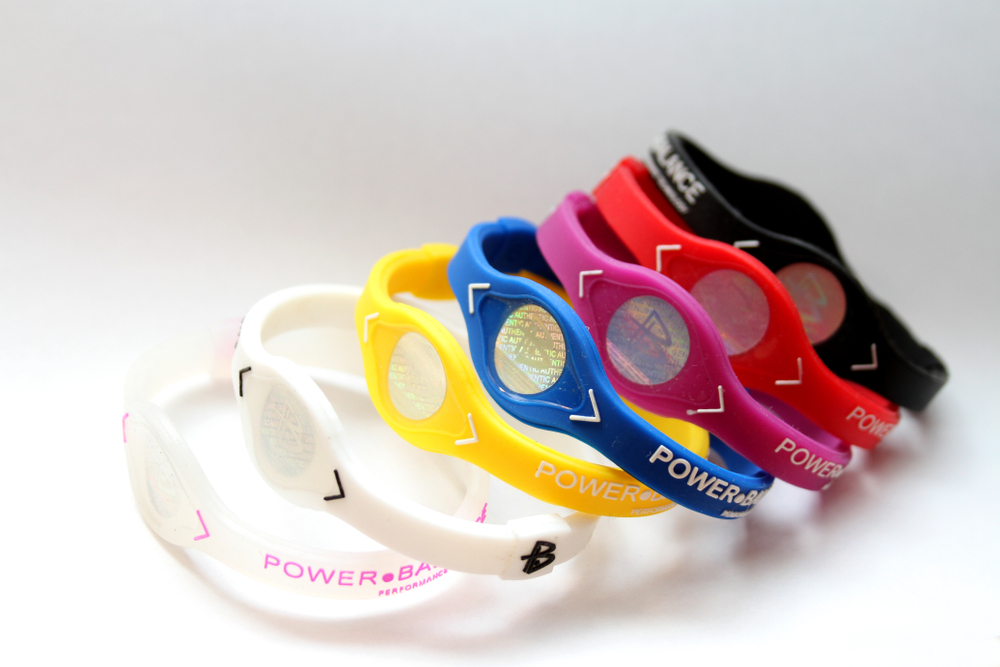
The Power Balance bracelet, worn by numerous athletes and celebrities, became the subject of a class-action lawsuit alleging that consumers were duped into believing the hologram-embedded accessories were scientifically proven to enhance balance, flexibility, and strength.
The class-action lawsuit alleged that Power Balance sold 3 million units in just three years despite having no credible scientific evidence supporting their representations. Even the company’s head honchos admitted they had “no credible scientific evidence that supported the representations,” yet they continued to mislead the public.
In December 2010, responding to investigations by the Australian government, Power Balance issued a corrective advertisement stating: “We admit that there is no credible scientific evidence that supports our claims.” The company had claimed that their Mylar Holograms “react with your body’s natural energy flow” and yield physiological benefits, claims that were completely fabricated.
The lawsuit, filed by Brian Casserly of Greenwood Lake, New York, sought damages exceeding $5 million on behalf of over 100 individuals and accused Power Balance of fraud, false advertising, and unjust enrichment. NBA stars Shaquille O’Neal and Lamar Odom were even named in the lawsuit for their endorsements of the product.
8. Ontel Products’ Bait-and-Switch Class Action
In September 2020, a class-action lawsuit was filed against Ontel Products Corp. for allegedly misleadingly marketing multiple “As Seen on TV” products using a bait-and-switch scheme. The lawsuit claimed that Ontel offers products at low prices but tricks consumers into paying for additional products and add-on features.
The products included in this class action lawsuit include Micro Mechanic, Huggle Hoodie, Magic Pad, Piggy Pop, Artic Air Ultra, Chill Chest, Dust Daddy, Thermapulse Relief Wrap, and Miracle Teeth Whitener. This case highlighted a common deceptive practice in the “As Seen on TV” industry, where companies use attractive entry-level pricing to lure consumers into complex checkout processes with hidden fees and unwanted add-ons.
9. CarShield and False Promises
CarShield, an automotive protection plan marketed heavily through “As Seen on TV” infomercials, faced lawsuits over false promises about coverage and claims processing. Consumers alleged that the company misrepresented what their plans covered and made it nearly impossible to file successful claims.
The lawsuits alleged that CarShield’s infomercials created unrealistic expectations about protection against repair costs while the actual contract contained numerous exclusions and limitations that significantly reduced coverage. This pattern of aggressive marketing coupled with restrictive contract terms became a template for consumer protection enforcement in the automotive protection industry.
The Pattern of Deception
These ten cases reveal a disturbing pattern in the “As Seen on TV” industry. Companies repeatedly make exaggerated or false claims about product capabilities, fail to warn consumers about dangers, steal intellectual property, and use deceptive marketing tactics. The total financial impact of these lawsuits runs into hundreds of millions of dollars, yet new infomercial products continue to hit the market with similar promises.
The Federal Trade Commission has increasingly stepped up enforcement actions against deceptive infomercial marketers, as evidenced by the record $478 million judgment against get-rich-quick schemes and the $37 million penalty against Kevin Trudeau. However, consumers must remain vigilant and remember that if something sounds too good to be true, it probably is.
What Consumers Should Know
Before purchasing any “As Seen on TV” product, consumers should: Research the company’s litigation history. Look for independent reviews beyond the infomercial testimonials. Be skeptical of dramatic before-and-after claims. Read the fine print about warranties and return policies. Check for any FTC enforcement actions or class-action lawsuits.
The legal battles discussed in this article demonstrate that the “As Seen on TV” stamp is no guarantee of quality, safety, or honesty. In many cases, it’s become shorthand for products that prioritize flashy marketing over actual value or safety.
Final Thoughts
From exploding blenders to fraudulent psychics, these ten “As Seen on TV” products prove that infomercial disasters can have lasting legal and financial consequences. The massive lawsuits ranging from $31 million in patent damages to $500 million in consumer fraud settlements show that the legal system is increasingly holding infomercial marketers accountable for deception and dangerous products.
As consumer protection laws continue to evolve and enforcement becomes more aggressive, the “As Seen on TV” industry faces a reckoning. For now, buyers beware: the most revolutionary product you see on late-night television might just be the one that ends up in court.