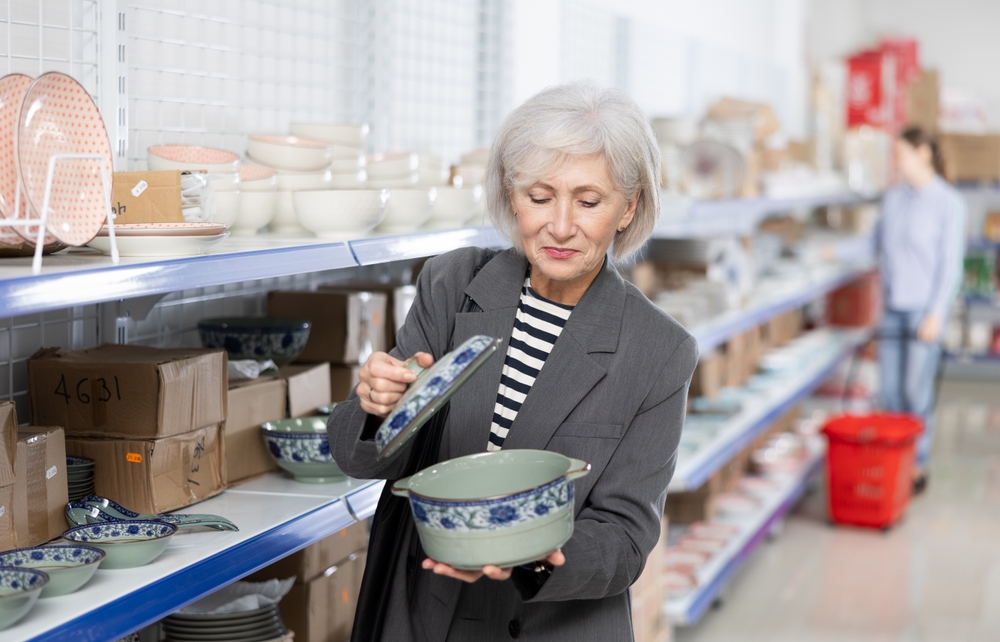

Secondhand shopping is one of the smartest habits you can build, and I say that with full conviction. The thrill of finding a designer blazer for twelve dollars, a barely-used kitchen table for forty, or a stack of kids’ books that cost less than a single new one – none of that is up for debate. Thrifting is good for your wallet, good for the planet, and good for the particular kind of satisfaction that comes from finding something nobody else thought to look twice at. I am genuinely, unambiguously pro-secondhand.
And precisely because I’m pro-secondhand, I think it’s worth being honest about the items where the logic breaks down entirely. Not because thrift stores are dangerous, and not because saving money is somehow suspect, but because a handful of specific categories carry real hygiene risks, real safety consequences, or both – and the savings on those items are not savings at all. They are debts you pay later, in itching, in injury, or in regret.
The counterargument is real and I want to acknowledge it: new isn’t automatically better, and the anxiety around secondhand goods is sometimes exaggerated to push people toward buying new. That’s true. A secondhand wool coat is not going to give you a disease. A vintage ceramic vase is not a health crisis. A gently used hardcover from the bargain bin is, obviously, fine. The list of things you should worry about is actually quite short. Here it is.
1. Intimate Apparel and Swimwear
This one is the easiest call on the list, and yet thrift stores still carry it, and people still buy it. Undergarments at the thrift store are a hard pass, and not just for the obvious reasons. Even with thorough washing, they can harbor bacteria that washing machines don’t fully eliminate. They’re also designed to mold to one person’s body, which means they rarely provide the same fit or support for the next person who wears them. The same goes for swimwear. Swimwear bottoms in particular can harbor bacteria in ways that make secondhand versions genuinely unhygienic, regardless of how they were stored. There is no price point that makes this a good trade.
2. Helmets
I understand the appeal – a bike helmet at the thrift store for three dollars looks exactly like a bike helmet at the sporting goods store for forty. The outside looks intact. Maybe it even looks pristine. But helmets exist to protect your head in an accident, and they are specifically engineered to absorb a single serious impact. Once that happens, the internal structure is compromised – and you cannot see the damage from the outside, even when the shell looks perfect. You have no idea what that helmet has already absorbed, or how long it sat in someone’s garage slowly degrading past its manufacturer’s recommended lifespan. This is the category where the savings are most obviously illusory, because what you are buying is the appearance of protection, not the thing itself.
3. Car Seats
A car seat at a garage sale is tempting because car seats are expensive and they look so durable. Heavy plastic, thick padding, all those buckles. They are built to last, aren’t they? According to the NHTSA, car seats should be replaced following a moderate or severe crash – but they do not automatically need to be replaced after a minor one. The problem is that when you buy a car seat from a stranger, you have absolutely no way of knowing whether it has been in a crash of any kind, minor or severe. You can look up recalls, but you cannot know the seat’s history. Even a relatively minor fender bender could have compromised it in ways that prevent it from protecting a child the way it was designed to.
There is also an expiration issue. Car seats expire, typically between six and ten years from their manufacture date, and that date is often printed in a location that’s easy to miss or misread on a secondhand seat. The NHTSA requires that all car seats sold after December 5, 2026, meet updated federal safety standards, including new side-impact crash protections. A seat purchased used could be years behind those standards and you would have no reliable way to confirm otherwise. This is one of the very few categories where I would say: buy new, even if it means buying a more affordable new model.
4. Athletic and Everyday Shoes
This one comes with more nuance than the others, but the nuance only goes so far. Thrift store shelves are routinely lined with shoes of every kind, and while the discount is real, buying used footwear carries genuine risk. The issue with everyday shoes is wear patterns – when a shoe molds to someone else’s gait, the support structure breaks down in ways specific to how they walk. Wearing those same deformations in the sole puts persistent stress on joints, knees, and hips that weren’t responsible for creating them. Athletic shoes in particular are a poor secondhand buy because the support structure is already gone by the time they reach a thrift rack. Dressy shoes worn only occasionally are a different story – those are generally fine to buy used, since the wear is minimal. The distinction is worth keeping in mind rather than applying a blanket rule to all footwear.
5. Mattresses and Pillows
A used mattress presents problems on multiple fronts. The most immediate is that you cannot wash an entire mattress, and they can harbor pests, allergens, mold, mildew, and bacteria accumulated over years of use. The pest risk deserves specific attention: a bed bug infestation introduced through a secondhand mattress is one of the most difficult and expensive household problems to resolve, often requiring professional treatment across multiple visits and the disposal of other furniture. Beyond the hygiene concerns, mattresses are designed to provide specific structural support for the body during sleep, and a used mattress may have degraded internal structures that no longer deliver that support – meaning someone wakes up in pain from a mattress that was never built for their body in the first place.
Pillows carry similar concerns on a smaller scale. Pillows absorb sweat, skin oils, and dust mites across their lifespan, and even those that can be machine washed often cannot be fully restored – they frequently end up lumpy and uneven after washing. These are items where the retail price is rarely so high that the secondhand savings justify the trade.
6. Nonstick Cookware
This is the one on the list that most people don’t think about, and I’d argue it’s the most important one for anyone who cooks regularly. Used nonstick pans at thrift stores are almost always visibly scratched – light surface marks from metal utensils, a bit of flaking along the rim. That damage matters significantly more than most people realize. According to a 2025 study reported by NC Health News, damage to a nonstick coating increases the risk of PFAS (per- and polyfluoroalkyl substances, a class of synthetic “forever chemicals”) and other chemicals leaching into food during cooking. Health experts advise against using scratched, flaking, or worn nonstick cookware precisely because the coating damage accelerates chemical migration into food.
PFAS are not a small concern. They are persistent compounds that accumulate in the body and have been linked to hormonal disruption and other serious health effects. A scratched ten-dollar pan from the thrift store is not a deal – it is a chemical delivery system. If you want secondhand cookware, cast iron and stainless steel are the right call. They improve with age and carry none of the coating concerns.
7. Personal Care Items and Cosmetics
Personal hygiene products – razors, toothbrushes, nail clippers, loofahs, and even opened lotions and skincare products – are best purchased new. They can harbor bacteria and fungi that cause health problems, and they may also be well past their expiration dates by the time they reach a thrift shelf. Cosmetics carry the same concern: they can harbor bacteria and may be expired even when they appear unopened or barely used. The markup on these items at retail is generally low enough that buying new is not a meaningful financial sacrifice.
8. Upholstered Furniture
This is the category that gets the most pushback, because a good vintage sofa or armchair can genuinely be a fantastic find – and sometimes it is. But upholstered furniture requires a level of inspection and confidence that most thrift store purchases simply don’t allow. Bed bugs can live inside cushions, in seams, and deep within the frame, invisible to a casual look-over in a crowded shop. The question of whether a used couch is worth the risk of a bed bug infestation is not rhetorical. The buyer has no way of knowing the full history of what the piece has been exposed to. If you are buying upholstered furniture secondhand, do it from someone you know, in a home you can see, with time to inspect the seams and underneath the cushions in good light. A curbside pickup is a different kind of gamble entirely.
9. Electric Blankets and Small Appliances with Heating Elements
Used electric blankets are a specific safety hazard worth naming. While new electric blankets are safe when used as directed, even those require testing every two years and replacement after ten years. When you buy one secondhand, you have no way of knowing its age or whether the internal wiring has been damaged – damage that can cause overheating and fire. The same logic extends to lamps, space heaters, and other small appliances with heating elements: outdated wiring and unknown wear can turn any of them into a fire risk. The secondhand price on a space heater is never worth introducing an unknown fire hazard into a home.
10. Designer Items Without Verifiable Authentication
This one is about a different kind of risk – not health or safety, but money. Spotting what looks like a luxury item at a thrift store is exciting, but authenticity cannot be assumed. Designer resale can be a smart way to add quality pieces to a wardrobe, but only when authenticity can be verified through a reputable reseller or authentication service – otherwise, the risk is not worth taking. A thrift store cannot authenticate a handbag, and the staff have no obligation to do so. Buyers should research how well a desired item retains its value and verify authenticity before making any significant purchase, especially for items that command high resale prices. If you are a bargain hunter who loves the thrill of the find, knowing when a deal is real versus too good to be true is the most useful skill you can develop. If the tag reads a famous name and the price is suspiciously low even by thrift store standards, the most likely explanation is the obvious one.
The Line You Choose to Draw
The joy of secondhand shopping is real, and nothing on this list is meant to talk anyone out of the habit. Vintage clothing, books, furniture with solid wood frames, toys that can be cleaned, kitchen gadgets made of glass or cast iron, decorative objects, art – the thrift store wins decisively on all of it. The categories above are not a referendum on secondhand culture. They are the exceptions, not the rule.
What the ten items above share is something specific: they are all cases where either the history of the object is invisible and consequential, or the wear cannot be undone by washing, or the structural and chemical integrity of the item is precisely what you’re paying for and cannot be assessed without information you simply don’t have. That’s not a general suspicion of secondhand goods. That’s knowing which categories the logic applies to and which ones it doesn’t. The archive of things worth buying used is enormous. These ten are the ones worth leaving on the shelf.
AI Disclaimer: This article was created with the assistance of AI tools and reviewed by a human editor.