

When a narcissist decides they don’t like you, the dislike tends to have a particular quality to it. It isn’t the dull friction of personality clashes or the ordinary fallout from a disagreement. It has an edge to it, something almost vigilant, as though your presence requires active management. Most people who’ve experienced this eventually arrive at the same question: what exactly is it about me that bothers them so much?
That reaction is not random. Narcissists don’t dislike people for the reasons most of us dislike people. They dislike people who make it harder to maintain the image, harder to stay in control, harder to extract the admiration they need like oxygen. The dislike is structural before it is personal. It tells you far more about what you have than about anything you’ve done wrong.
The traits below are not flaws. They are the exact qualities that make a narcissist uncomfortable, that disrupt the dynamic they depend on, that represent everything the architecture of their personality is built to suppress. If someone with narcissistic tendencies has ever made you feel like something was wrong with you, read this as the correction.
1. Genuine Confidence That Doesn’t Need an Audience

Confidence that requires applause is something a narcissist can work with. They understand that game. But the person who is simply secure, who doesn’t perform their confidence, who doesn’t need the room to validate them, who can disagree with a group and not lose a night’s sleep over it, that person is deeply unsettling to a narcissist.
According to the LSE Psychology Blog, narcissists don’t actually care about being liked. What they want is to be admired. So when they encounter someone whose self-worth clearly doesn’t depend on external admiration at all, they don’t know what to do with that. There’s no lever to pull. Praise doesn’t hook you. Criticism doesn’t crumble you. The narcissist’s entire toolkit is suddenly useless.
This is why confident people so often attract a strange, disproportionate hostility from narcissists. The contempt isn’t really about you. It’s about the fact that you represent something they’ve spent their whole life constructing a substitute for, and you make the substitute look shabby. If any of this sounds like a dynamic you’ve lived up close, the experience of narcissistic mothers and the particular way they target daughters who develop real confidence is one of the most documented versions of this pattern.
2. Clear, Consistent Personal Limits

A narcissist’s operating model requires access, to your time, your emotional labor, your willingness to bend. Someone who sets clear, consistent limits on what they will and won’t accept doesn’t just inconvenience that model. They break it.
HelpGuide notes that people with narcissistic personality disorder often carry an inflated sense of self-worth, expecting favorable treatment to an unreasonable degree and reacting badly even to the slightest criticisms or perceived slights. That reaction is almost always loudest when directed at someone who declines to provide the expected favorable treatment. A “no” from a person with firm limits isn’t experienced by the narcissist as a reasonable response. It’s experienced as a personal attack.
The cruel irony is that the person with the clearest limits often gets the most pushback, because the narcissist can sense they mean it. Someone who wavers or eventually capitulates is far less threatening. The person who says no and means it is the one who earns the real resentment.
3. High Emotional Intelligence
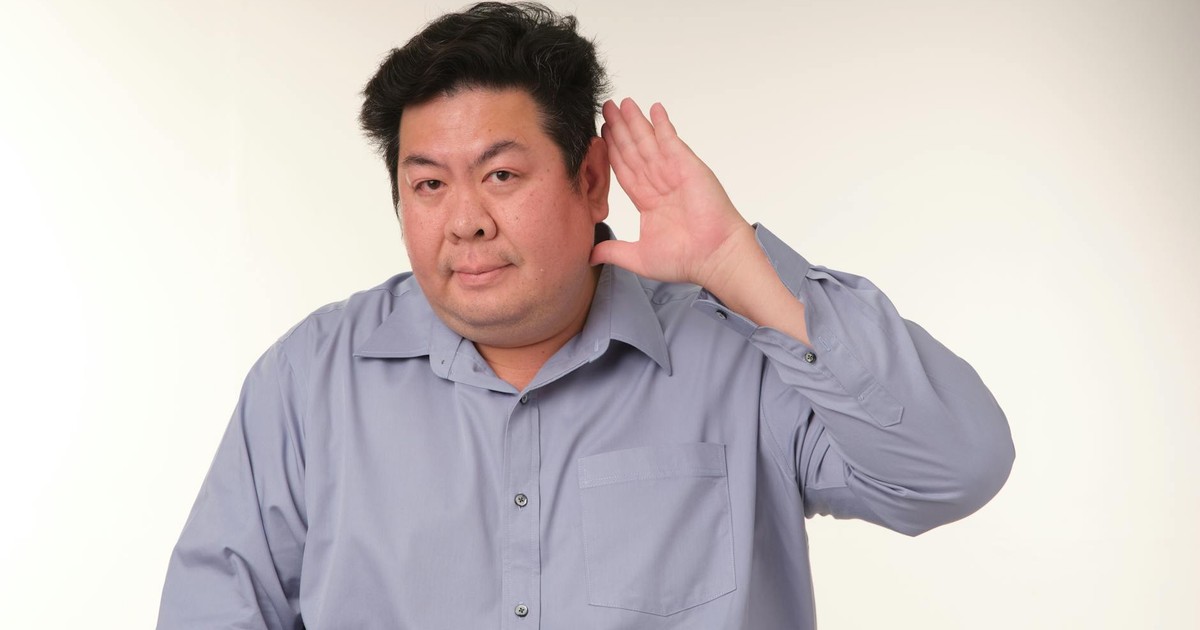
Being able to read a room, to name what’s actually happening in a conversation, to notice when someone’s stated feelings don’t match their behavior – these are skills that make a narcissist feel exposed. Their tactics depend, to a significant degree, on other people not quite seeing what they’re doing.
Overt narcissists rely on an exaggerated self-image and high self-esteem to project confidence and assertiveness. However, they’re also likely to overestimate their own emotional intelligence. That overestimation creates a blind spot. When someone with genuinely high emotional intelligence is in the room, they can often see precisely where the narcissist’s self-serving narrative falls apart, where the story doesn’t track, where the emotion being performed doesn’t match what’s actually going on underneath.
Narcissists often respond to this with dismissiveness rather than engagement: “you’re too sensitive,” “you’re reading into things,” “you always make everything complicated.” What they mean, roughly translated, is: you can see me, and that is intolerable.
4. A Stable, Positive Sense of Self-Worth

There’s a distinction between confidence as performance and self-worth as a settled, internal fact – the kind of self-regard that doesn’t spike or crash depending on how a conversation went. The narcissist’s dislike of this trait runs deep, because research published on PubMed found that narcissists have many negative interpersonal characteristics, including a lack of empathy, exploitativeness, a sense of entitlement, and antagonism, and that they are known to aggress against and derogate others when their ego is threatened.
A person with genuinely stable self-worth doesn’t give the narcissist anything to threaten. Derogation bounces off. The usual tactics, subtle put-downs designed to chip away at someone’s confidence, backhanded compliments, manufactured comparisons to other people, don’t land the way they’re supposed to. The narcissist keeps swinging and nothing connects.
What makes this particularly aggravating to them is that people with stable self-worth often don’t even notice the attempts. They’re not braced for impact, because they’re not living on the edge of their own self-image. That obliviousness, entirely genuine, reads to the narcissist as an act of defiance.
5. Accountability Without Drama

Most people find accountability uncomfortable. The narcissist finds it intolerable. Narcissistic leaders externalize blame while accepting credit, are exceedingly critical of others, and expect things to bend to their version of reality. The inverse of this – someone who can say “I was wrong about that” without it becoming a crisis, who owns their mistakes without needing to be punished for them, who moves on rather than rehearsing the offense – is a living rebuke to how the narcissist operates.
It’s not that the narcissist admires accountability in others and simply can’t do it themselves. It’s that someone who practices it consistently makes the refusal to do so look like a choice. Which, of course, it is. The person who apologizes easily and genuinely demonstrates that apology is possible, that it won’t kill you, that it doesn’t require you to collapse. The narcissist doesn’t want to know this.
6. Genuine Empathy

Empathy toward a narcissist tends to function as a resource they want to extract, not a quality they appreciate. Narcissism involves common features including self-centeredness, a sense of entitlement, and disregard of others, while grandiose narcissists also display a tendency toward exploitativeness and a need to be admired. Genuine empathy, particularly the kind that doesn’t get weaponized or exhausted, threatens that dynamic in a specific way: it makes the narcissist’s lack of it visible by contrast.
When someone around them demonstrates real care for other people, real attentiveness to how others are feeling, real willingness to sit with someone else’s pain without steering it back toward themselves, it throws the narcissist’s transactional version of care into relief. Their empathy, such as it is, tends to be selective and strategic. Yours isn’t. And they know the difference even if they’d never admit it.
7. Independence

Someone who is self-sufficient, who doesn’t need the narcissist’s approval, company, validation, or resources, is someone the narcissist can’t control. Control is the operating currency of the narcissistic dynamic, and independence withdraws it without ceremony. If you have your own income, your own friends, your own plans, your own opinions, you’ve eliminated most of the leverage.
This is partly why narcissists often work, consciously or not, to erode the independence of people around them. The patterns in narcissistic relationships tend to follow a predictable arc: early admiration for someone’s strength and self-sufficiency, followed by a sustained effort to dismantle both. The independence they were drawn to becomes the thing they most want to neutralize.
What the narcissist rarely admits, even to themselves, is that the independence is threatening precisely because they lack it. Their self-worth is entirely contingent on external input. The person who can walk through a day unbothered by whether they were admired is someone they cannot fully understand.
8. Intellectual Honesty

A narcissist builds their reality on a foundation of narrative, and that narrative must stay intact. Facts that contradict it are not interesting data points. They are threats. Someone who prioritizes getting things right over being right – who will update their position when they encounter new information, who says “I don’t know” without embarrassment, who doesn’t need to win the argument to feel okay about themselves – is someone who will casually destabilize the narcissist’s entire construction.
Research on narcissistic self-awareness has found that narcissists do have an accurate understanding of how they are negatively viewed by others but either do not care or believe those views are wrong. The intellectually honest person, by contrast, actively wants to know where they’re wrong. That orientation, curiosity over ego protection, is genuinely alien to a narcissist’s framework. They experience it as dangerous naivete at best, and as a kind of judgment at worst.
Intellectual honesty also makes you a terrible audience for the narcissist’s revisionist storytelling. You remember what actually happened. You’ll say so. That, more than almost anything, earns their particular brand of dislike.
9. A Consistent Value System

Narcissists are not known for rigid ethical consistency. They operate situationally, adjusting their stated principles to accommodate whatever serves them in the moment. Individuals with narcissistic traits often disregard consequences for their behavior and view accountability as something that applies to others but not to themselves. Someone with a consistent value system, who applies the same standards to themselves as to others, who doesn’t move the goalposts depending on whose ox is being gored, is an ongoing inconvenience.
The narcissist can’t appeal to your values selectively. They can’t point to a principle when it suits them and expect you to ignore it when it doesn’t. You’ll notice. Worse, you might say something. A consistent ethical framework in someone else is a mirror the narcissist actively doesn’t want to look into.
10. Comfort With Silence and Solitude

The narcissist’s inner world is not a comfortable place to spend time alone. A 2024 study in Frontiers in Behavioral Neuroscience found that fragile self-esteem in narcissism leads to frequent self-doubt and preoccupation with others’ opinions, driving a constant need for admiration and compliments. That constant need means that silence, real silence, chosen silence, silence that isn’t anxious or punishing, is almost incomprehensible to them. Someone who can sit comfortably with their own thoughts, who doesn’t fill every quiet moment with stimulation or validation-seeking, who finds their own company enough, is operating on entirely different psychological terrain.
This is one of those traits the narcissist will often reframe as unfriendliness, coldness, or arrogance. The person who doesn’t need the room is clearly withholding something. Clearly judging. The idea that they might simply be at ease with themselves, not performing, not calculating, genuinely at rest, doesn’t fit the narcissist’s model of how people work.
11. Directness

A narcissist prefers an environment where things are implied, suggested, left ambiguous. Ambiguity is manipulable. Directness isn’t. The person who says what they mean, who asks clarifying questions instead of playing the guessing game, who names the dynamic in a conversation rather than dancing around it, is someone who keeps collapsing the narcissist’s carefully constructed vagueness.
Gaslighting, one of the most common tools in the narcissistic arsenal, depends on the target being uncertain about their own perceptions. A direct person with a clear read on the situation is far harder to gaslight. They say “that’s not what happened” without the requisite trailing off, without the “but maybe I’m wrong,” without the self-doubt the narcissist needs to insert themselves into. Directness, in this context, is an accidental form of armor.
12. Social Groundedness

Narcissists are keenly aware of social dynamics and status, and they don’t like people who are well-liked for the right reasons. Narcissists show keen attention to cues related to status, constantly seeking ways to improve theirs. Someone who is genuinely liked, not because they performed, not because they worked the room strategically, but because they’re kind and real and people trust them, represents a kind of social currency the narcissist can’t manufacture on demand.
Popularity built on charm and image management is something a narcissist can compete with. Genuine social warmth, the kind that comes from actually caring about people and remembering what they told you last time and being there when it counts, is something else entirely. It doesn’t respond to the same tactics. You can’t undercut it with better PR. The narcissist’s usual path to social dominance, strategic alliance, triangulation, subtle undermining, tends to just slide off the genuinely grounded person and land wrong.
13. The Ability to Walk Away

Of all the narcissists dislike traits in a person, this one tends to provoke the strongest response. The person who can actually leave, who doesn’t need the relationship badly enough to stay in a version of it that isn’t working, who won’t be hoovered back in with sudden warmth and promises, removes the narcissist’s most powerful source of leverage: the threat of withdrawal.
The narcissist depends on the other person wanting the relationship enough to absorb the cost of it. When that calculus changes, when the person across from them has genuinely decided they can walk away and mean it, the dynamic collapses. Scholars have theorized that narcissists’ tendencies to act in a self-interested and dominant manner predispose them to engage in abusive or destructive behavior precisely because it has historically worked, because people stayed. The person who doesn’t stay is not just leaving. They’re dismantling the whole system.
What You’re Actually Looking At

The common thread running through every trait on this list is that they all represent some version of the same thing: a self that isn’t available to be controlled. Confidence, honest limits, intellectual integrity, the ability to leave – all of these reduce the narcissist’s ability to manage the situation, to keep the narrative stable, to extract what they need without cost. The dislike is not personal in the way it presents itself. It’s structural. You’re not being disliked for who you are. You’re being disliked for what you won’t do.
Pause on that for a moment, not to congratulate yourself, but to recognize that being targeted by a narcissist’s contempt is not a sign that something is wrong with you. A narcissist who knows exactly how they are perceived and simply doesn’t care, or believes everyone else is wrong, is not giving you useful character feedback. The dislike means you made yourself un-usable. That is not a flaw. That’s the whole point.
Disclaimer: This information is not intended to be a substitute for professional medical advice, diagnosis, or treatment and is for information only. Always seek the advice of your physician or another qualified health provider with any questions about your medical condition and/or current medication. Do not disregard professional medical advice or delay seeking advice or treatment because of something you have read here.
AI Disclaimer: This article was created with the assistance of AI tools and reviewed by a human editor.