

That little label stitched inside the collar of your favorite blazer has probably cost you more money than you realize. You find it at the bottom of the pile right before a work trip, realize you skipped the dry cleaner again, and spend three minutes staring at it like it owes you an explanation. Dry clean only. Four words that have sent perfectly reasonable adults to their closet floor wondering whether to risk the delicate cycle or just wear something else.
The frustrating part is that the label does not always mean what you think it means. Some people hand over money for professional cleaning on garments that a bowl of cold water and a gentle squeeze would handle just fine. Others trust a YouTube tutorial, pull a silk blouse out of the machine looking like a dishcloth, and learn an expensive lesson about the difference between confidence and information. Both things happen, which is exactly why understanding the label is more useful than either ignoring it or obeying it without question.
The actual answer to “can I wash this at home?” depends on three things: what the label literally says, what the fabric is made of, and how the garment is constructed. Once you understand all three, the decision stops being a gamble and starts being a choice you can make with your eyes open.
What “Dry Clean Only” Actually Means, Legally
The Federal Trade Commission enforces the Care Labeling Rule, which requires manufacturers and importers to attach care instructions to garments and have a reasonable basis to substantiate them – meaning a manufacturer can’t slap a dry clean only label on something to cover themselves without actually testing the fabric. What most people don’t realize is that the rule also gives manufacturers genuine flexibility: they may provide more than one set of care instructions, if they have a reasonable basis for each. Some manufacturers include instructions for both methods but add, “For best results, dryclean.” This tells consumers that the garment can be washed without damage, but dry cleaning may be better for appearance and durability.
The label you receive represents one verified safe method, not necessarily the only safe method. A manufacturer who tested only the dry cleaning route is required to tell you that, but they are not required to test and list every other option that might also work. That silence is not a warning – it’s incomplete information.
The Critical Difference Between “Dry Clean” and “Dry Clean Only”
These two phrases look almost identical on a label and mean something quite different in practice. Experts stress the importance of reading care labels carefully before cleaning clothes, and the dry clean only instruction is a big reason why – certain fabrics can shrink or distort when submerged in water. Often, though, you’ll see both “hand wash” and “dry clean” listed as options on the same label.
According to health and beauty expert Tonya Mann, as cited in a 2024 Reader’s Digest article, many items marked as “dry clean” can actually be safely and effectively treated at home. “If a garment’s label doesn’t have the word ‘only’ in front of ‘dry clean,’ it’s more of a recommendation of the safest way to care for it,” she says, “but if it specifies ‘dry clean only’ or ‘professionally dry clean,’ you should take heed.”
“Dry clean” is a recommendation. “Dry clean only” is a warning. Treating them as identical is one of the most common and costly mistakes people make when sorting laundry. If your label says “dry clean,” you have room to experiment carefully. If it says “dry clean only,” you’re in different territory – and whether you can bend that rule depends almost entirely on the fabric.
The Fabrics That Genuinely Need Professional Cleaning
Some fabrics aren’t labeled dry clean only because a manufacturer wanted to be cautious. They’re labeled that way because water and heat will destroy them, reliably and irreversibly. Fabrics like silk, wool, rayon, or acetate shrink, stretch, or lose their sheen when exposed to water. Dry cleaning uses special solvents that clean without soaking the fabric, preserving its original look and feel.
Polyamide, a synthetic fiber, can expand or warp when exposed to water and heat. Leather marked “not washable” or “dry clean only” should never be washed with water – it can become stiff, cracked, and discolored.
Construction matters just as much as fiber content. Garments with detailed stitching, pleats, or structured shapes – like blazers or formal dresses – are often labeled dry clean only. The agitation of a washing machine can distort or ruin these designs. A wool blend that would survive a gentle hand wash in its flat, simple form becomes a completely different proposition once it’s been cut and sewn into a tailored jacket with shoulder pads, a structured chest, and an internal canvas. Every one of those elements responds to water differently, and not in ways that cancel each other out. When a garment contains several components, reliable evidence is required that the garment as a whole will not be damaged when cleaned as directed – care instructions must include all components of the product, including non-detachable linings, trim, and other details.
The Fabrics You Can Often Wash at Home
Not all garments labeled “dry clean only” strictly require professional cleaning. Modern fabric technology has made some delicate fabrics more durable, and the key is knowing which category your garment belongs to before you run water over it.
Check the label to ensure it reads “dry clean” or “dry clean recommended” rather than “dry clean only” before you move to the next step. According to Whirlpool, cotton, linens, and durable polyesters are typically safe to machine wash on a gentle cycle. Cashmere, despite its precious reputation, is another fabric many people clean successfully at home – the key is cold water, a gentle detergent formulated for delicates, no agitation, and laying it flat to dry rather than hanging it. Hanging a wet cashmere sweater is what turns a medium into a long.
In general, items that can be handled at home are those that are unstructured and may just require ironing or steaming to get them back into shape. An unlined silk scarf is a very different proposition from a silk-lined evening gown with boning and a zip. One of those you can hand wash in a bathroom sink. The other you cannot, and the silk fiber content alone does not tell you which is which.
The Perchloroethylene Problem

There’s a reason beyond convenience to know when home washing is genuinely an option. The most common chemical used by dry cleaners is perchloroethylene, known as “perc,” which is highly effective but considered a likely human carcinogen by the Environmental Protection Agency. That classification has driven a slow industry shift toward alternative solvents and professional wet cleaning methods, but perchloroethylene is still in active use at many conventional dry cleaners across the country.
For garments that do require professional cleaning, it’s worth asking your cleaner whether they use perc or an alternative solvent. Many cities now have green dry cleaners operating with hydrocarbon or silicone-based solvents, or professional wet cleaning methods that work on a wider range of fabrics than most people realize.
How to Test Before You Commit

Before washing anything you’re uncertain about, dampen a hidden section of the fabric – an inside seam, the hem allowance, a spot under the collar – and blot it gently with a clean white cloth. Wait for it to dry. If the color transfers to the cloth, if the fabric stiffens or distorts, or if the texture changes in any way, you have your answer before the whole garment goes in the water.
Some clothes and fabrics labeled as “dry clean” can be washed at home with cold water and delicate detergents. The patch test won’t tell you everything – structure, lining, and dye stability all need to be factored in separately – but it will tell you the one thing you most need to know before hand washing: whether the color is stable. For knit garments, laying them flat as they dry helps prevent stretching, while other delicate fabrics do well hung to dry away from direct heat. High heat can set wrinkles in fabrics like silk or lace, while leather or suede may become distorted, and natural fibers like wool are prone to shrinkage.
When the Label Is Just Manufacturer Caution
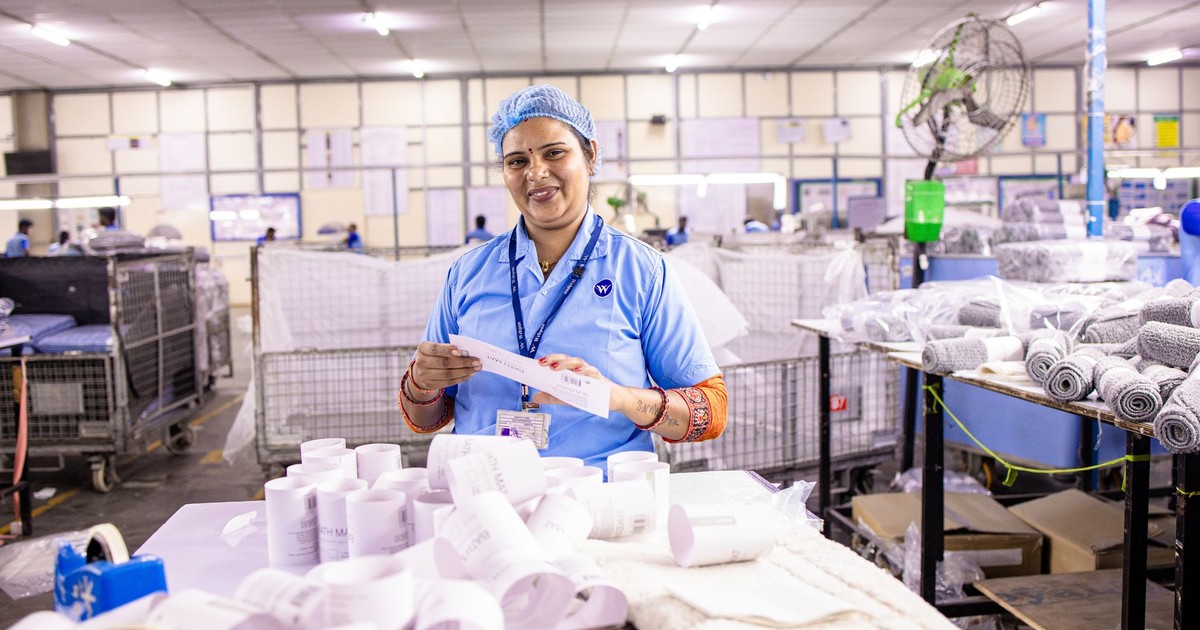
Most people think dry clean only labels are a hard and fast rule, but the truth behind many of them is less about fabric limitations and more about clothing manufacturers avoiding unhappy customers and laundry mishaps.
Manufacturers are not required to tell you about every safe cleaning method, only to verify at least one. A brand that tested only professional cleaning doesn’t have to go back and test hand washing too – so they often don’t. This means the label can say “dry clean only” not because home washing would ruin the garment, but because the manufacturer never ran that test. According to the American Dry Cleaning Company, the label is often a guideline designed to protect delicate fibers, and the record suggests that a legal mandate may not be necessary to ensure manufacturers provide clear, accurate care instructions on garments – which is a diplomatic way of saying that care labels, as a system, are imperfect.
This is especially common on mid-range clothing, where the cost of comprehensive testing isn’t worth it to the manufacturer but the cost of unhappy customers is something they’d prefer to avoid. The label becomes a liability shield as much as a genuine instruction.
What Happens If You Get It Wrong
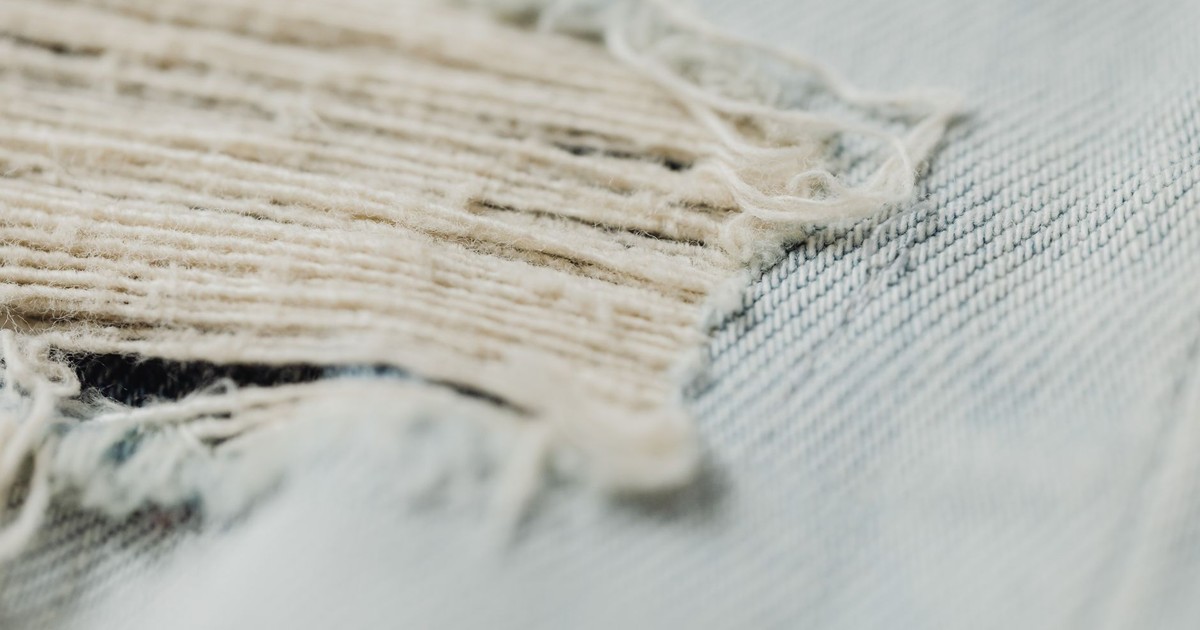
It’s worth being honest about the actual risk here, because it varies enormously. A cotton dress that shrinks half a size is a disappointment. A silk blouse that loses its sheen or develops water rings is more upsetting. A structured blazer that comes out of even a gentle hand wash with a collapsed chest, a distorted collar, and a lining that no longer sits flat is, in most cases, unfixable. Dry cleaners have pressing equipment and expertise that can coax a lot back into shape, but a blazer that went through a machine cycle is usually gone.
Ignoring a “dry clean only” label can lead to irreversible damage to your garments – the fabric may shrink significantly and become unwearable, or lose its original shape entirely. The risk is proportional to both the fabric and the construction. Simple, unstructured garments in washable fibers that happen to carry a dry clean only label carry low risk. Complex, structured, or embellished garments in genuinely delicate fibers carry high risk. The label tells you the category but not always which side of that line you’re on – which is why knowing your fabric matters more than knowing the label.
Where to Actually Draw the Line
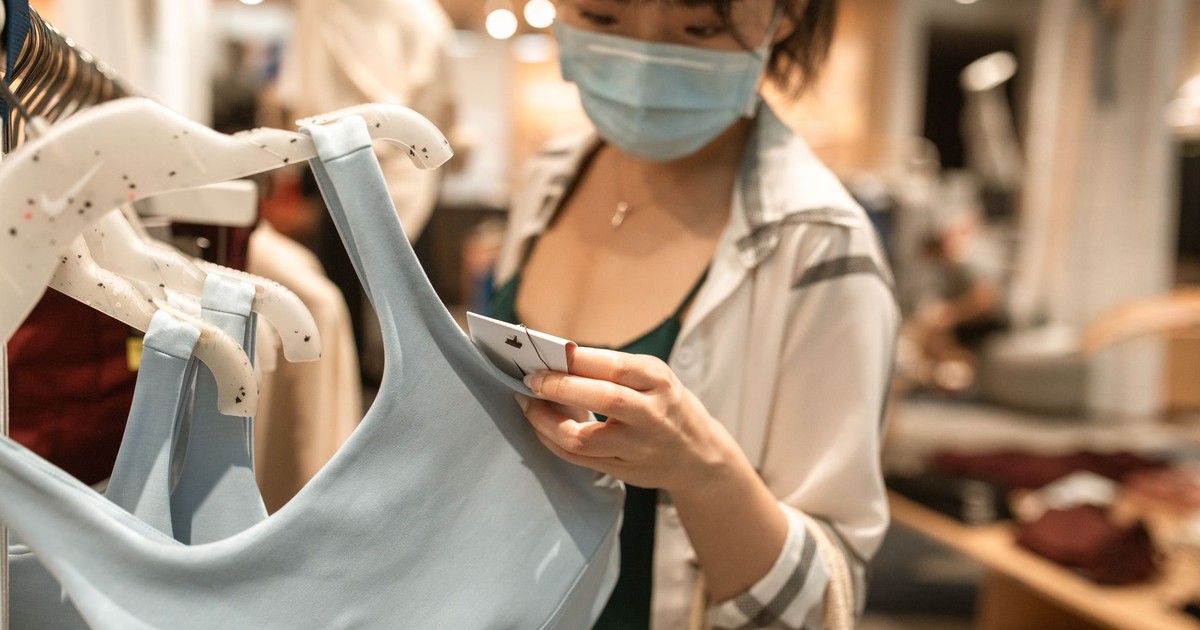
The honest framework is this: if the garment is structured, embellished, or made from silk, acetate, rayon, velvet, or genuine leather, send it to the cleaner. The label is right. If the garment is simple, unstructured, and made from a washable fiber like cotton, linen, cashmere, or durable polyester, and the label says “dry clean” rather than “dry clean only,” a careful hand wash with cold water is a reasonable experiment worth trying.
Where it gets genuinely ambiguous is in the middle: a rayon blouse that is simple and unstructured, a linen blazer, a cashmere cardigan in a delicate dye. These are the pieces where the patch test earns its keep, where cold water and a gentle touch get a fair trial, and where the answer is honestly “it depends” in a way that no single label can resolve for you.
The archive of garments that didn’t survive someone’s optimism at the washing machine is long. But so is the archive of things that got cleaned perfectly well at home while their owners worried unnecessarily. Knowing which pile your dress belongs in isn’t about bravery or recklessness. Some of these patterns of fabric damage go back to how a garment was constructed, not how you washed it – and knowing the difference is usually where the expensive surprises stop. Read the fabric, read the label carefully enough to notice whether that word “only” is actually there, and make a decision with the information you actually have. That’s all any of us are doing, with laundry or anything else.
AI Disclaimer: This article was created with the assistance of AI tools and reviewed by a human editor.