
Something changes between your late fifties and your early sixties, and it isn’t what people told you it would be. It isn’t that you care less about your appearance. It’s that you care differently – with more precision, less patience for things that don’t work, and a very specific kind of frustration with a mirror that has somehow stopped cooperating. The hair doesn’t behave the way it used to. It’s finer, or drier, or growing in places it shouldn’t and retreating from places it should. So you’re not looking for a cut that makes you look “for your age.” You’re looking for one that actually makes you look like yourself again.
The good news – and it is genuinely good news – is that the hairstyle options available to women over 60 in 2026 have almost nothing to do with the short, set, and sensible looks that were handed down to your mother’s generation like a uniform. Pixies with real personality. Bobs that swing. Layers that move the way your hair hasn’t moved in years. Silver worn on purpose, like jewelry. Long cuts that look lush rather than tired. The full range is available to you, and the choices are better than they’ve ever been.
What actually makes a hairstyle feel younger isn’t about length or color alone. It’s about whether the cut is working with your hair’s current texture, framing your face at its strongest angles, and giving you something that looks intentional rather than managed. Twelve hairstyles women over 60 consistently name as the ones that made a real difference – not just in how they looked, but in how they felt walking out of the salon.
1. The Soft Layered Bob
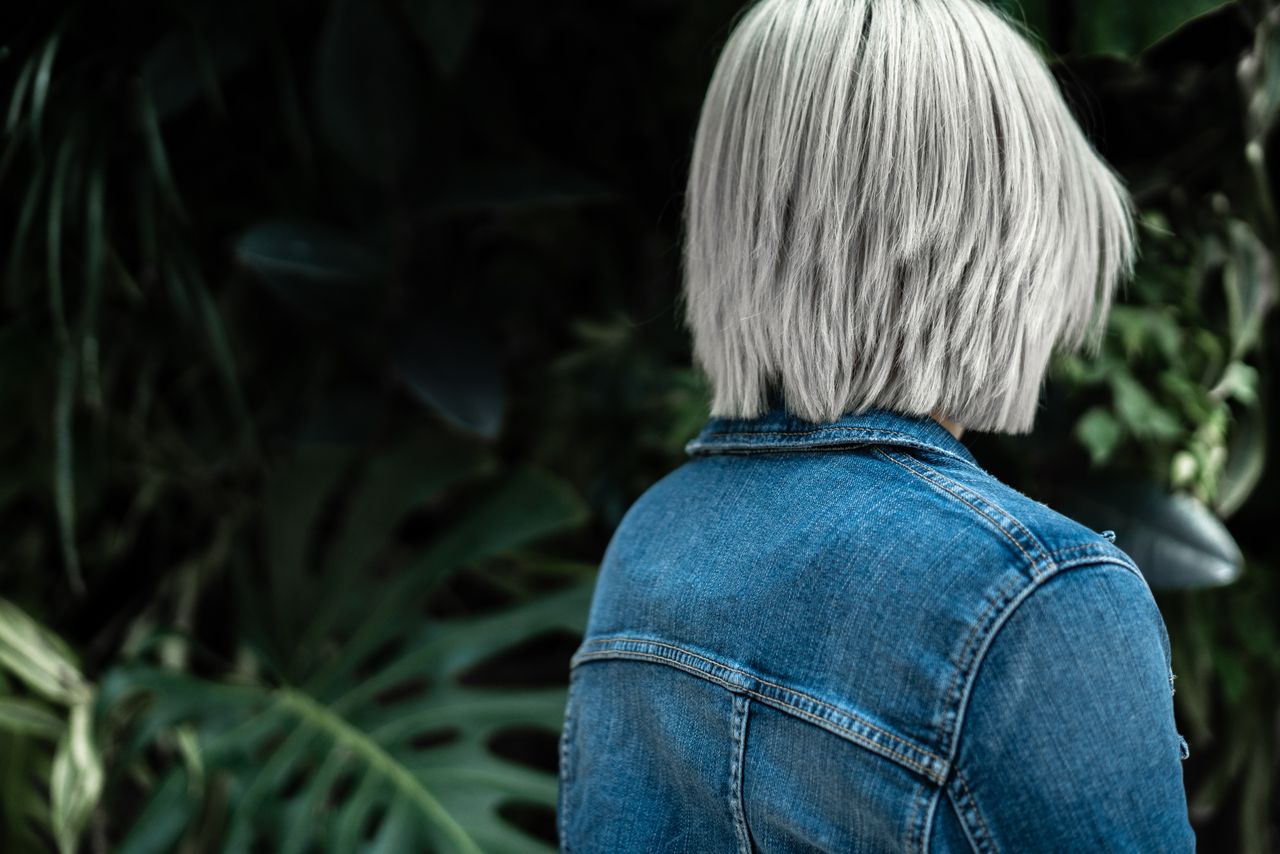
Few cuts have the staying power of the layered bob, and for women over 60, it earns that reputation over and over. Celebrity hairstylist Becca Raziuddin notes that the jaw-to-shoulder range is where you’ll want to hover, explaining that “short to mid-length cuts that sit at or just below the jawline tend to balance features, add volume, and are easy to maintain.” The layered bob occupies this zone perfectly, and the layers are doing more than just adding movement – they’re creating the appearance of density that finer hair loses with age.
The key to getting this right is in the layering technique. Soft, graduated layers through the mid-lengths and ends allow the hair to stack naturally, giving the illusion of a fuller, bouncier texture without requiring a lot of product. You don’t want razor-sharp bluntness here, and you don’t want so many layers that the ends start to look thin. Ask your stylist for a rounded shape with soft graduation and ends that have just enough weight to keep the bob swinging.
Raziuddin recommends chopping a bob at the jawline or slightly below and styling with polished ends, advising to “focus on shine and smooth ends, trim regularly to avoid split ends.” This isn’t maintenance advice for its own sake – shine reads as health, and health reads as youth, and the two together are doing a lot of work without a single product claim.
2. The Textured Pixie
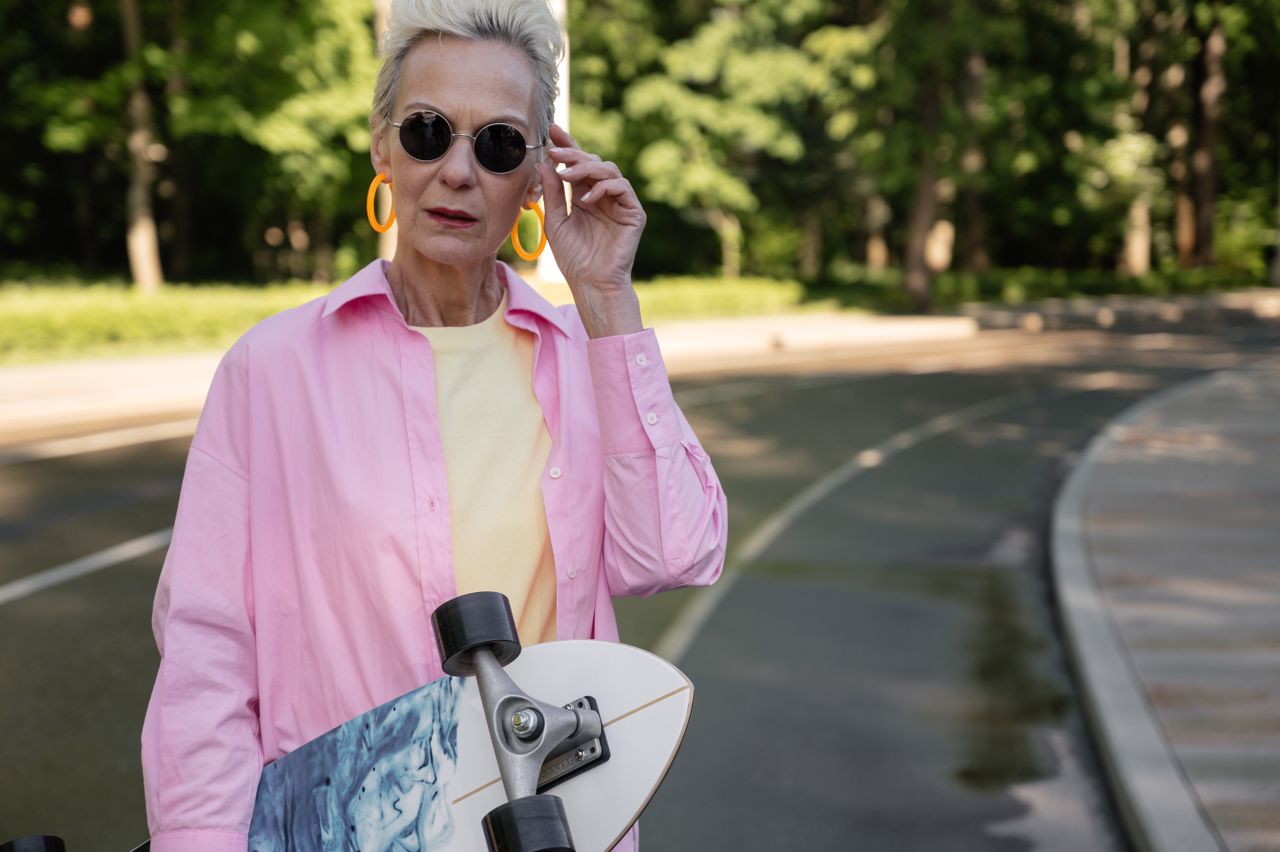
The pixie has been in and out of fashion for decades, but the version that works for women over 60 in 2026 is not the severe, close-cropped style that once felt like a mandatory surrender to practicality. Pixie haircuts are a great choice for older women as they offer low-maintenance, stylish, and youthful options, and women over 60 can opt for short pixie haircuts with layers that add volume and texture to fine hair. The difference is in what the stylist does with the top and the crown.
A textured pixie for this age group tends to feature longer layers through the crown and top, which the stylist then cuts with a point-cutting or razor technique to create separation and movement. This soft pixie cut features wispy bangs and layered texture with a feathered definition that works beautifully for women with fine to medium hair. The short length, combined with the light layers, adds volume and fullness, perfect for thinning hair. The bangs gently frame the face, offering a youthful appearance while softening any harsher facial lines.
The style is genuinely low-effort once it’s cut correctly, and it photographs beautifully, which is not nothing. Ask your stylist for razored layers through the top and a slightly longer fringe that can be swept to one side. The finished shape should look like you’ve run your fingers through it once, not like it’s been pressed flat or teased up into a helmet.
3. The Wispy Shag
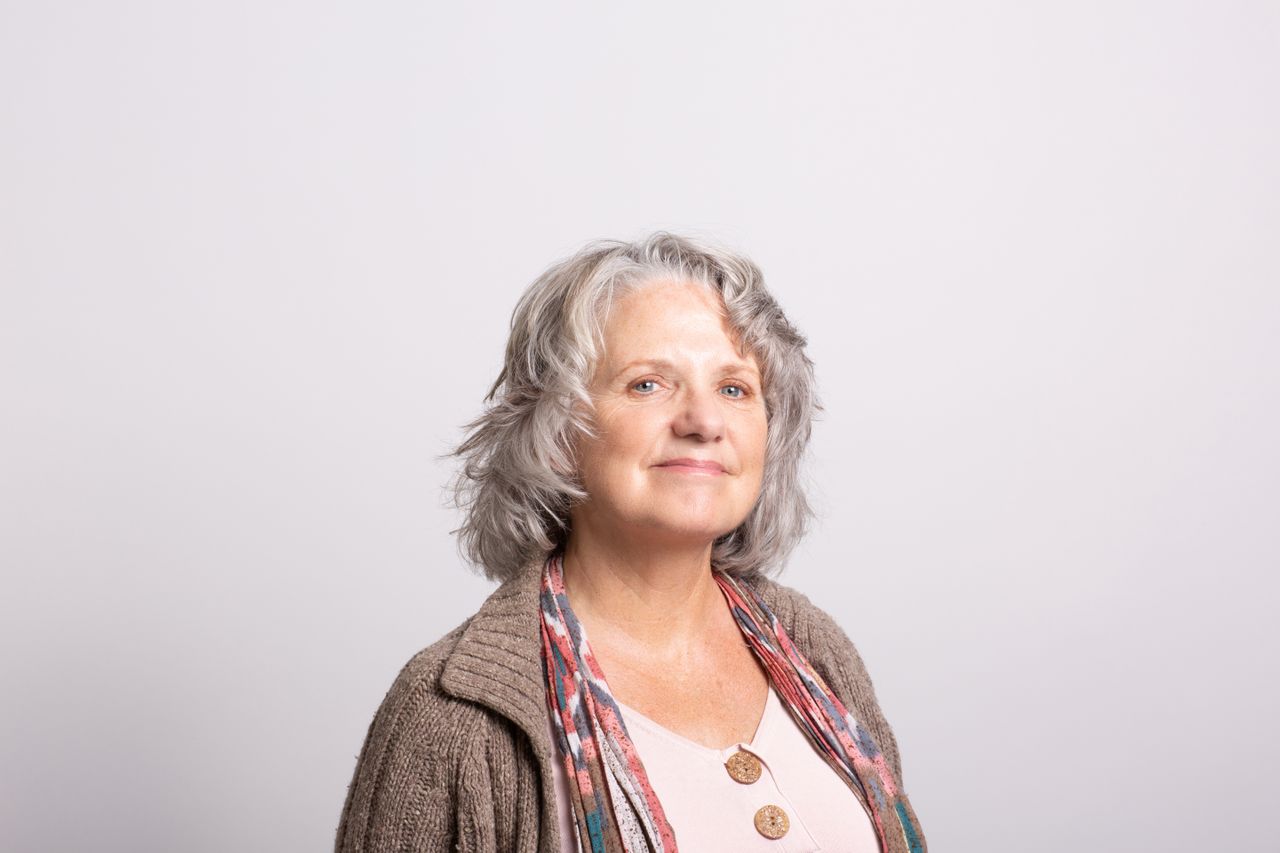
The shag has had a full revival across every age bracket, and the version that flatters women over 60 most is not the heavily layered, high-volume shag of the 1970s but a softer, more refined interpretation. A light, tousled shag cut with wispy bangs adds texture and volume, which is especially flattering for women with fine hair and naturally wavy texture. It’s the kind of cut that makes hair look like it has more of everything – more body, more movement, more personality – without any of those results requiring heroic effort to achieve.
The signature feature of the wispy shag is its curtain bangs and feathered ends. Both work together to frame the face softly, drawing the eye toward the cheekbones and away from any areas where volume has thinned. The layers through the mid-section lift the hair away from the scalp, and the wispy ends at the bottom prevent the cut from looking blocky or heavy. For women with any natural wave or curl, this cut is particularly good news – the texture the shag requires is texture you already have.
Styling is minimal: a sea salt spray on damp hair, scrunched through and left to air-dry, or a diffuser on low heat for five minutes. The cut does the rest. If your hair tends toward the straight side, a few passes with a large-barrel curling iron through the mid-lengths will give the shag the movement it’s after.
4. The Classic Chin-Length Bob

The chin-length bob is one of those cuts with a near-universal success rate. At the chin, the hair skims the jaw at exactly the point where the face needs a horizontal line to create the impression of lift. It’s structural in the best way – the hemline acts as a visual anchor that pulls the eye outward and upward, rather than letting it fall straight down. Celebrity stylist Jennifer Korab specifically calls mid-length cuts like this the most ideal for mature hair because they add “volume and movement, which helps hair look fuller as it naturally thins with age.”
What distinguishes the current version of this cut from the one your grandmother might have worn is the absence of set ends. A modern chin-length bob for women over 60 has ends that are slightly point-cut or texturized, so that when the hair moves, it moves freely. The blunt bob is also a strong option here – blunt ends create the visual impression of thickness, which is genuinely useful when hair has become finer – but only if it’s paired with a shine-forward styling routine that keeps the ends looking polished rather than heavy.
Color can do significant work alongside this cut. A soft balayage in tones close to your natural shade, or a classic gloss treatment to enhance shine, will make the bob look richer and more dimensional than a flat all-over color would. The shape is classic; the finish is what makes it current.
5. The Silver Balayage
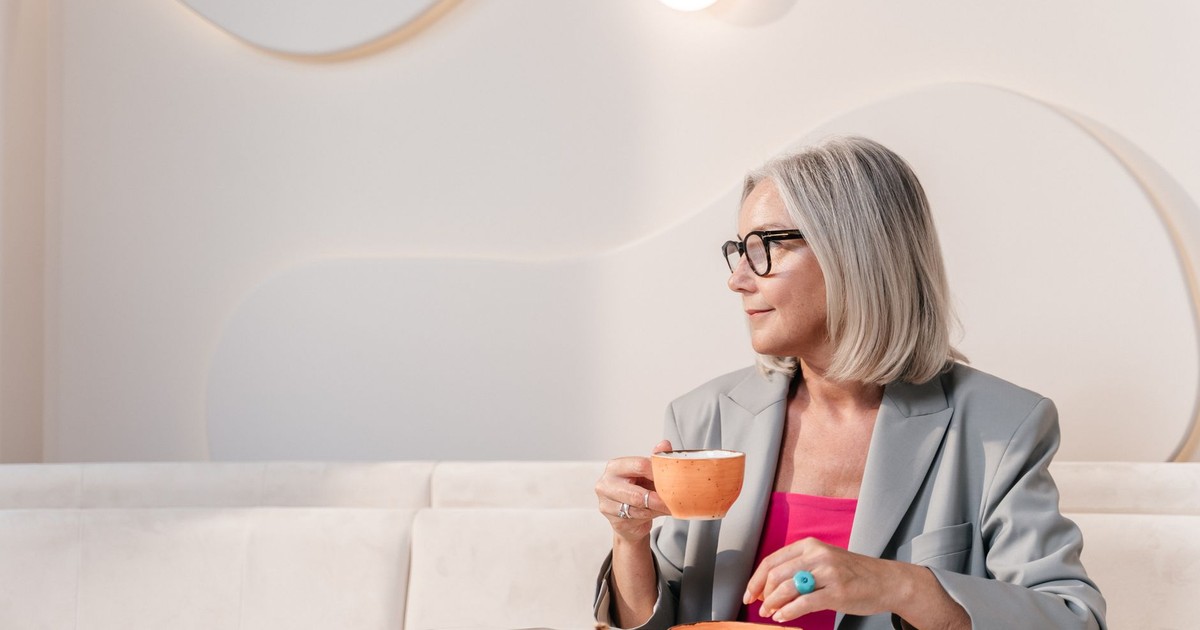
The relationship between women over 60 and their gray hair has quietly shifted over the past several years, and the shift has produced one of the most genuinely flattering color trends available. Mid-length layers paired with soft silver balayage create a dimensional, sunlit effect that gives life and shine to naturally graying hair. The key word there is dimensional – the reason this color approach works so well is that it doesn’t fight the gray, it plays with it, creating contrast and depth rather than flatness.
Balayage on silver and gray tones works by taking the varying shades already present in your hair – the true silvers, the cooler whites, the warmer pewter tones – and working with them rather than against them. Your colorist will hand-paint lighter or slightly cooler tones through the areas where natural highlights would have fallen when your hair was its original shade, which produces a result that looks both deliberate and entirely natural. The effect is a color that looks like good fortune rather than a salon appointment.
The maintenance is also far more reasonable than a full highlight or color treatment. Because the balayage blends with your natural regrowth rather than creating a hard line of contrast, you can go twelve to sixteen weeks between salon visits without the grow-out becoming obvious. For women who are still maintaining a full color routine every six weeks, the switch to silver balayage alone can feel like a genuine lifestyle improvement.
6. The Long Bob (Lob)
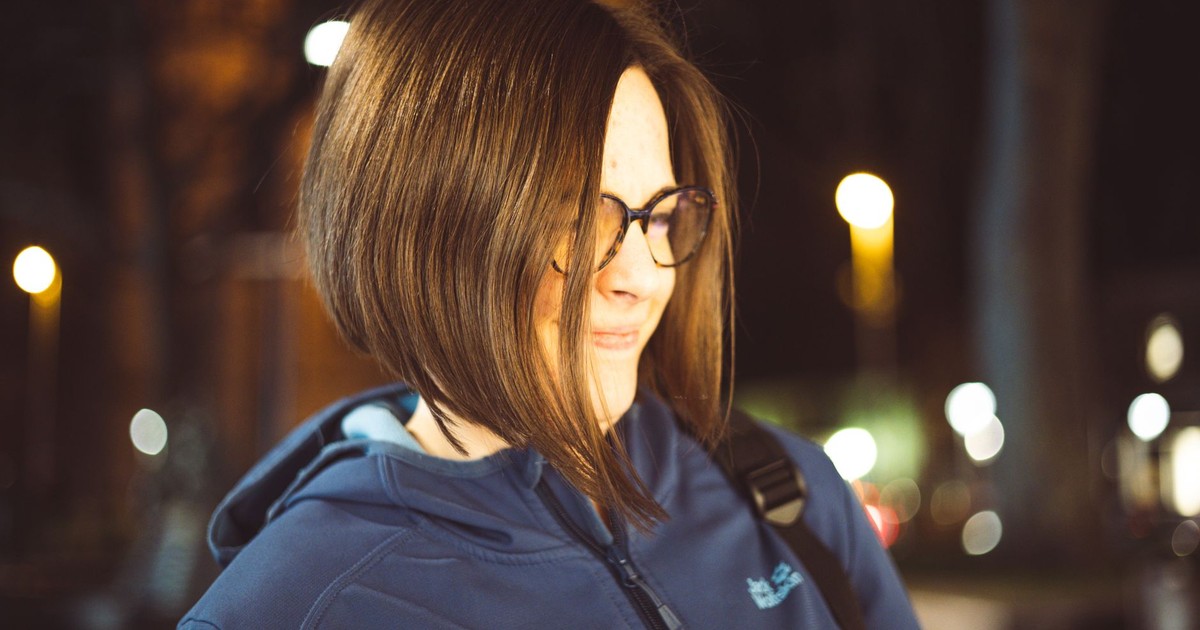
When it comes to choosing a hairstyle, opting for a modern-classic cut like a lob can ensure you feel polished and on-trend without a ton of fuss. A longer version of a bob, the style is effortless and elegant, but it also has range. That range is particularly relevant for women over 60 who aren’t ready to go short but have found that very long hair has become more effort than reward. The lob, sitting somewhere between the collarbone and the shoulder, is a genuinely useful middle ground.
The lob works because it gives the face enough framing length to create movement and shape, while being short enough that the hair doesn’t pull itself flat against the head the way longer lengths can when hair has thinned. Layers are essential here – a blunt lob on thin or fine hair can look flat and lifeless, while the same length with soft internal layering suddenly has body and direction. The best lobs for older women draw from the strongest current trends: side-swept bangs, deliberate texture, and cuts that work with the hair’s natural body rather than fighting it.
Side-swept bangs alongside a lob deserve their own mention. They aren’t mandatory – but for women with a higher forehead or anyone who finds that their face looks longer than they’d like, bangs that fall across one eye and sweep gently to the side will do considerable work. They add a horizontal line to the top third of the face and create softness around the temples, which is one of the first areas to change as the face ages.
7. The Feathered Pixie with Highlights
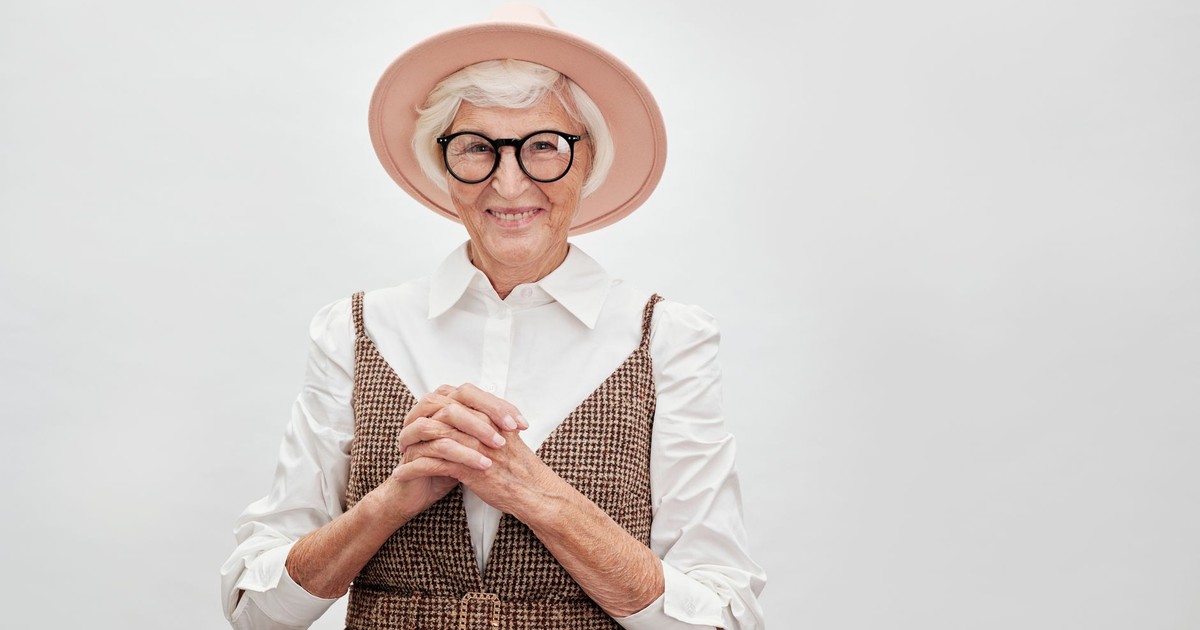
This is the pixie’s more dressed-up cousin, and it earns a separate entry because the technique involved produces a noticeably different result. The feathered pixie features layered, textured ends that create a feather-like appearance and is often paired with highlights to add depth and dimension. The feathering adds movement and lift at the crown and through the sides in a way that a standard uniform-layer pixie doesn’t always achieve – there’s direction to the feathered cut, a sense that the hair is going somewhere rather than just sitting there.
To achieve this look, a stylist will likely use angled cutting techniques to create the feathered layers, which give hair more volume and movement. The highlights are typically concentrated around the crown and face-framing layers to draw attention to these areas and enhance facial features. This is a more considered, slightly higher-investment version of a short cut, and it shows. The highlights catch the light in a way that a single all-over color cannot replicate, and the movement they create in the layered feathering gives the whole style more life than a flat, uniform shade ever could.
It’s a great choice for women who have been wearing the same practical short cut for several years and want to refresh it without making a dramatic structural change. The difference between a standard short cut and a well-executed feathered pixie with strategic highlights can be significant, even if the length remains almost identical.
8. The Side-Parted Pixie
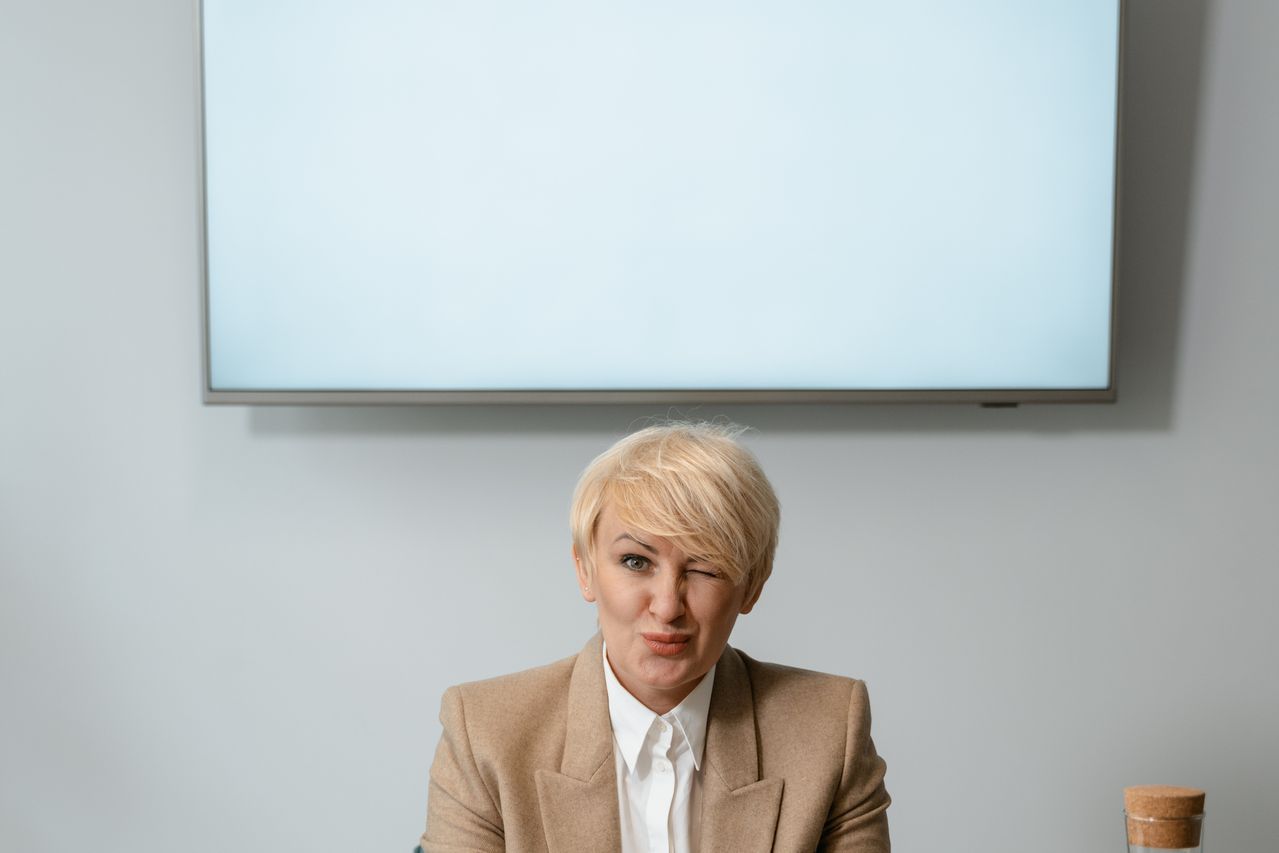
A deep side part sounds like a small detail, but it changes a short cut’s entire relationship with your face. When hair starts thinning or losing its oomph, a deep side part is an easy tweak that can change everything. Celebrity hairstylist Gregory Patterson calls it a genius way to “enhance forehead and cheek contours,” giving your face an instant lift.
The side-parted pixie works because the asymmetry breaks up the flatness that can settle into a short cut as the months and years of the same centered part accumulate. By directing more hair across the forehead to one side, the part creates a diagonal line that lifts the entire top half of the face. It’s one of the structural tricks that hairstylists use to visually reshape facial proportions without cutting a single hair differently – it’s purely about direction. For women whose faces have become more angular or whose temples have thinned noticeably, the side part provides a degree of coverage and softness that a centered part cannot.
Styling is simple: blow-dry the hair forward and to the side you prefer, using a round brush or your fingers under the roots to build a little lift. Finish with a lightweight pomade or texturizing paste worked through the longer side to keep it in place. The result should look effortless, not cemented.
9. The Tapered Natural Curls
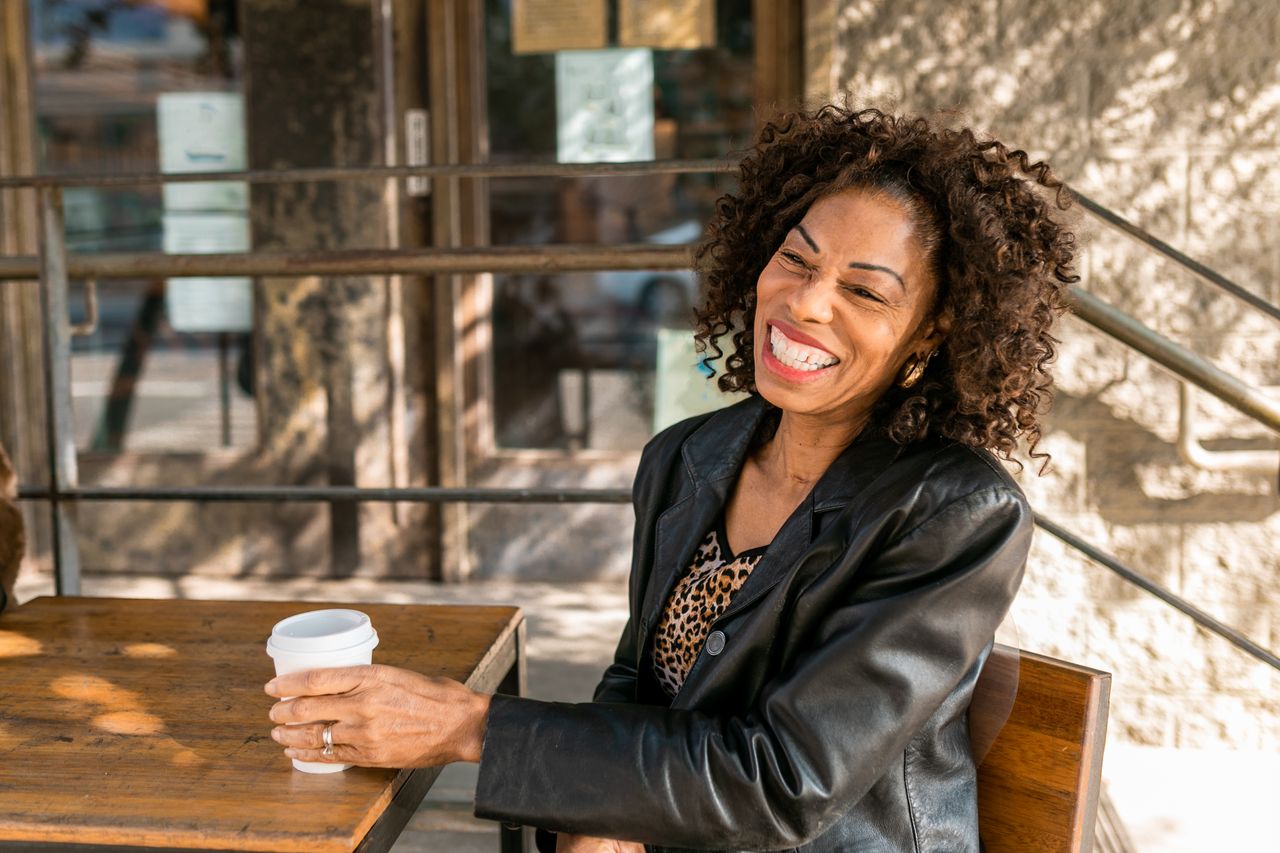
For women with naturally curly hair, the tendency after 60 is often to work against the curl rather than with it – to smooth it, blow it out, or keep it long enough that the weight pulls the curls looser. Letting go of that impulse and instead committing to a cut that genuinely works with the curl pattern tends to produce dramatically better results. A tapered shape, shorter at the nape and fuller through the crown, gives natural curls the structure they need to look intentional and beautiful rather than unpredictable.
The reason this works so well at this age is that curly hair often retains its texture long after other hair types have thinned, which is a real advantage. A tapered cut takes that existing texture and gives it a shape, so that rather than volume expanding in all directions, it’s directed upward and outward in a way that lifts and opens the face. Defined curls shaped with layering add bounce and charm, giving the style a playful, polished finish.
Maintenance is mostly product-based: a curl-defining cream applied to damp hair, diffused dry, and refreshed with a water-and-conditioner spray on subsequent days. The cut itself needs trimming every eight to ten weeks to keep the taper clean, but the day-to-day styling time on this type of cut is genuinely shorter than most people expect.
10. The Shoulder-Length Layered Cut
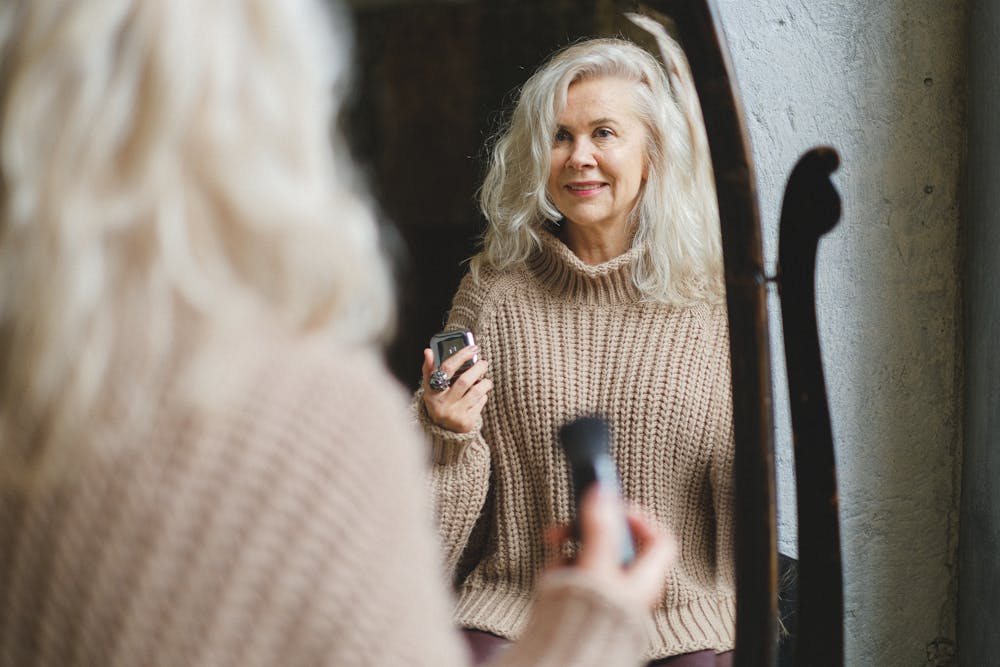
The shoulder-length layered cut is perhaps the most versatile entry on this list – long enough to feel like “real length,” short enough to be manageable, and layered in a way that adds the movement and body that hair at this stage genuinely needs. While hair can become finer, drier, or thinner with age, that doesn’t mean saying goodbye to length. With a little extra care and the right cut, long hair can become even more powerful and intentional in your 60s and beyond.
The layers are what prevent this cut from looking dated. Without them, shoulder-length hair can collapse flat against the head and sit heavy, which draws the face down rather than lifting it. With soft internal layers through the mid-section and face-framing pieces around the front, the same length suddenly has direction and movement. The face-framing layers deserve particular attention – pieces that fall from the cheekbone forward add softness to the front of the face and create the impression that the haircut was designed around your specific features, because it was.
This length also offers more styling options than shorter cuts: a loose low ponytail, a half-up twist, worn down with a slight wave, or pinned back on one side for an evening. The versatility matters more than people acknowledge when choosing a cut. A style you can wear five different ways is a style you’ll actually enjoy wearing.
11. The Blunt Long Bob with Gloss
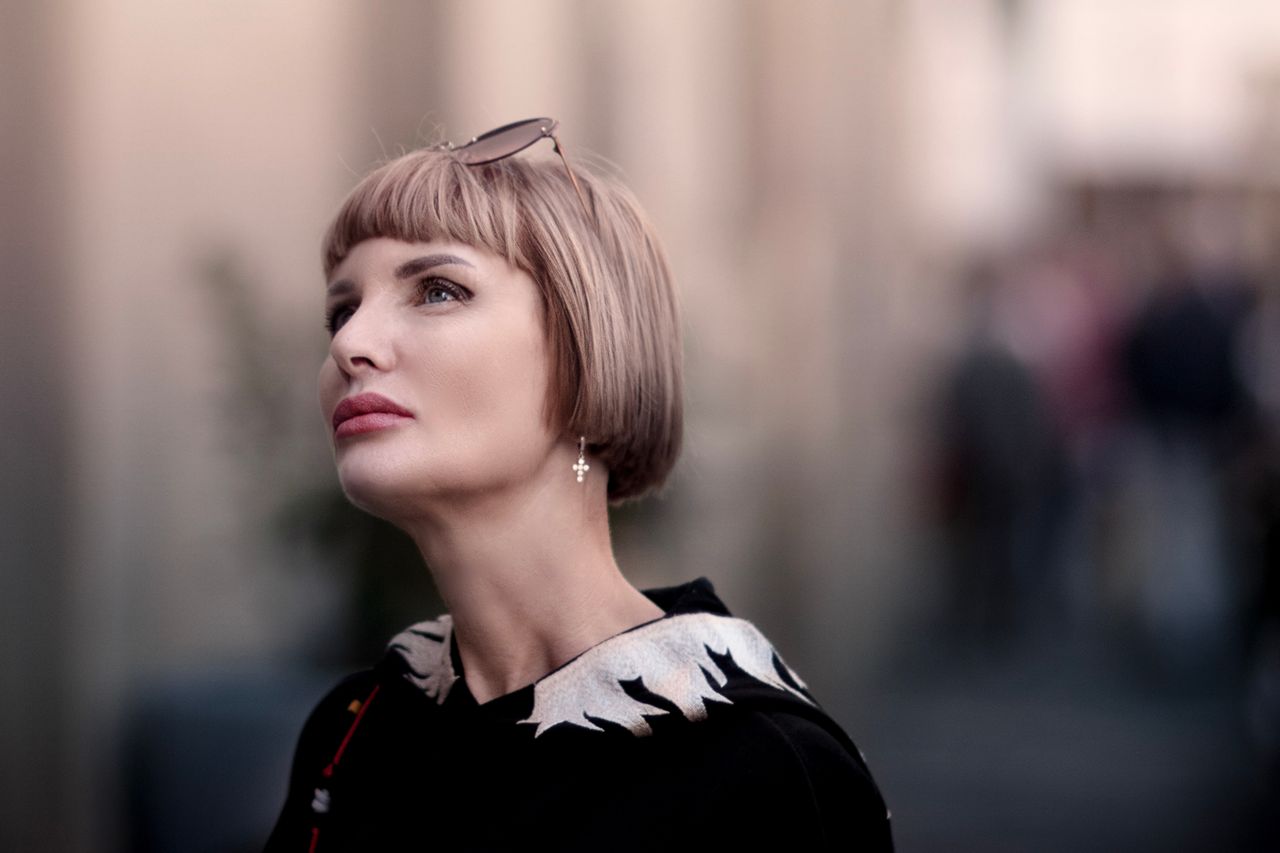
Where the classic lob is soft and layered, the blunt long bob is architectural. The ends are cut in a straight line with minimal graduation, creating a look that’s clean, modern, and more editorial than the softer versions. The clean, sharp lines help to visually elongate and frame the face, creating a striking silhouette. Blunt ends can also help conceal thinning or fine hair by giving the illusion of thicker, healthier strands, especially when the hair is well-maintained and styled with smooth, sleek finishes.
The gloss is the essential companion to this cut, and it isn’t optional. A blunt hemline reads flat and lifeless on dull hair. On hair that has been treated with a clear or tinted gloss – a treatment that adds a coating of shine to each strand without altering the color – the same hemline looks polished and intentional. Gloss treatments at the salon take about twenty minutes and last six to eight weeks, making them one of the most efficient investments available to anyone committed to this style.
For women with salt-and-pepper or silver hair, a clear gloss with a slightly cool tone will amplify the natural luminosity of the gray in a way that makes the entire cut look more expensive. If the thought of visiting the salon every month for a treatment feels unsustainable, at-home shine serums applied to dry hair can fill the gap between appointments reasonably well.
12. The Soft Waves with Face-Framing Layers
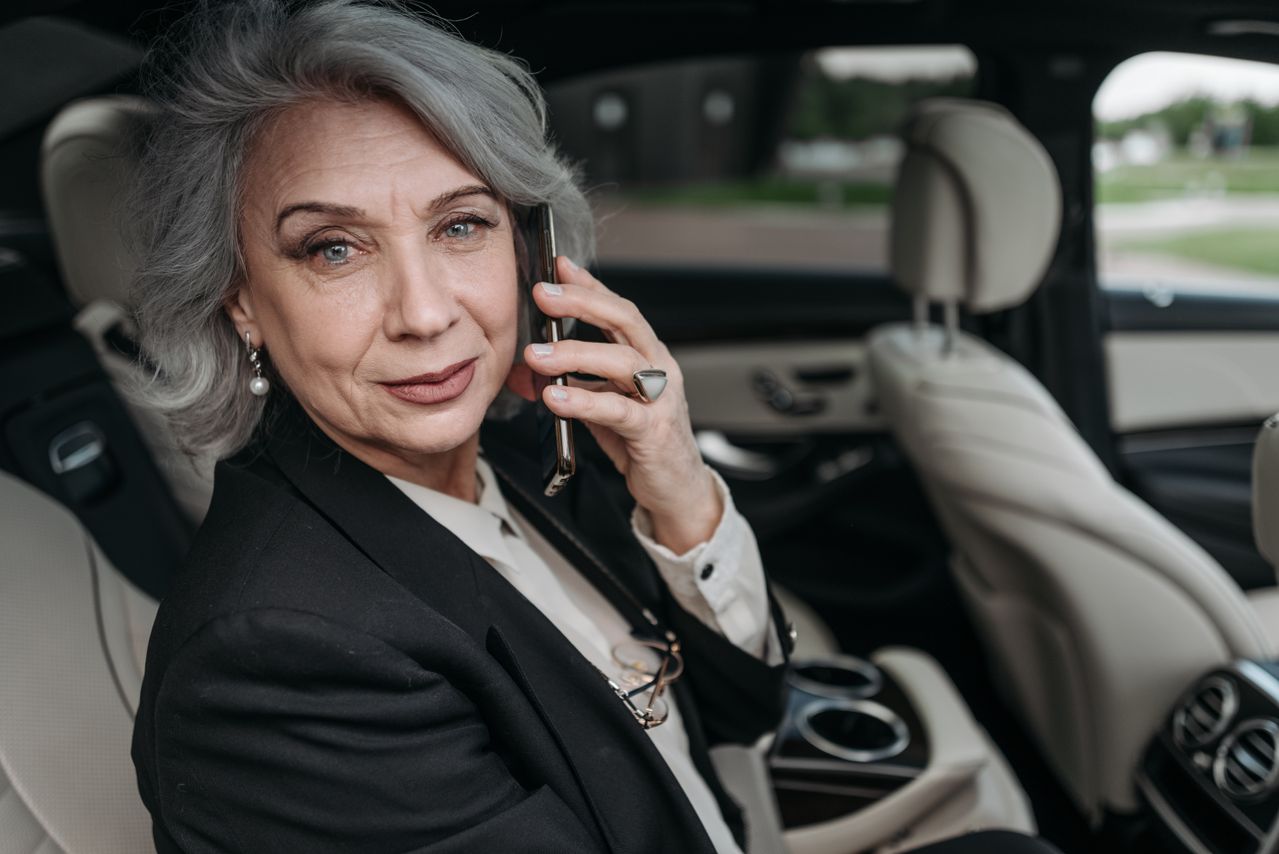
The last style on this list is less a specific cut and more a finishing approach that works with almost any medium to long length. Soft layered waves add the perfect amount of movement and dimension, giving hair a lively bounce without ever feeling stiff or overdone. The “soft waves” here are not tightly curled ringlets or a stiff blow-dry wave – they’re loose, undulating movement through the mid-lengths and ends that reads as effortless rather than styled.
The face-framing layers are the cut; the waves are the finish. Layers cut to fall from just below the cheekbone forward add a soft diagonal line to the front of the face, drawing the eye toward the eyes and cheekbones and away from the jawline, which tends to lose definition with age. These layers also give you something to work with when you pick up the curling iron – they’re cut specifically to look good with a loose wave on them, so the styling is almost impossible to get wrong.
A large-barrel curling iron (38mm or wider), wrapping sections away from the face and holding for eight to ten seconds, gives you the loose wave. Allow each section to cool fully before running your fingers through, which breaks the wave into something natural-looking rather than perfectly uniform. The result is a style that manages to look like you did nothing and also looks completely put-together, which is essentially the goal of every hairstyle on this list.
What Your Next Salon Appointment Is Really About
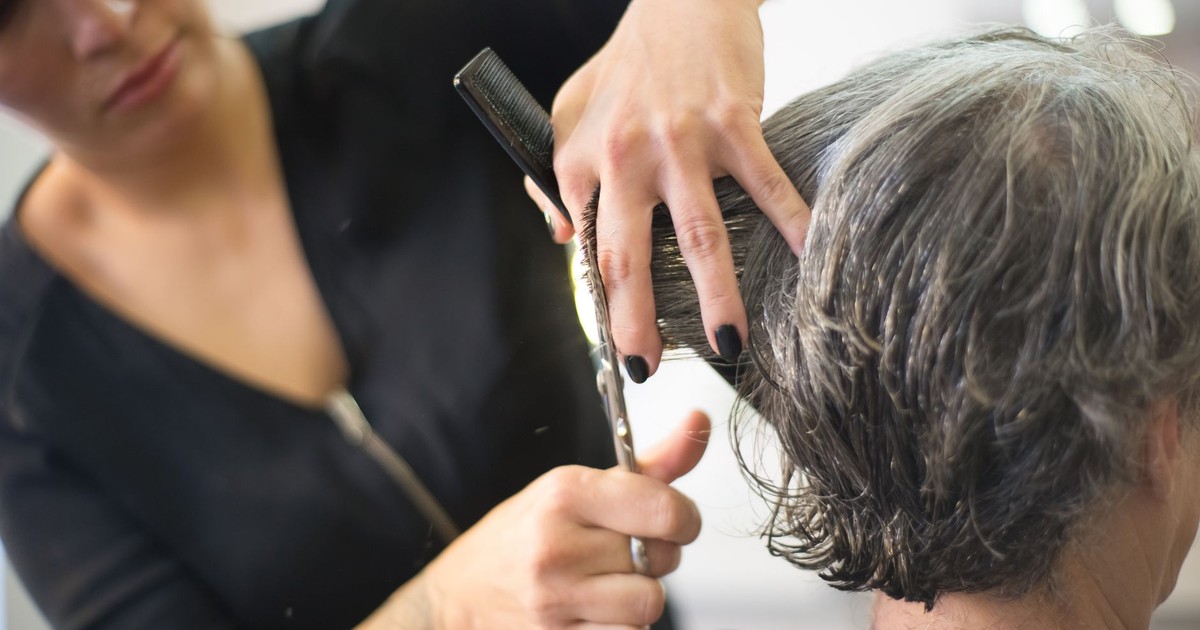
The best hairstyle for any woman over 60 is the one that stops requiring her to work around it. Not the cut her stylist recommended because it’s “easier at your age.” Not the style she’s been wearing for fifteen years out of a combination of loyalty and avoidance. The one that makes her look in the mirror and see her face again, not the hair around it.
Hairstyles for women over 60 have never had this much range, and the most useful thing you can do before your next appointment is arrive with a specific image of what you actually want rather than an apology for what you’re asking for. Bring photos. Describe how much time you’re willing to spend on styling. Ask directly whether the cut will work with your specific texture and density. The conversation your stylist wants to have with you is the honest one, and you’re old enough to have it. Some of these cuts will ask very little of you once the right one is found. The work of finding it is the whole appointment – and it starts with walking in ready to be specific.
AI Disclaimer: This article was created with the assistance of AI tools and reviewed by a human editor.