

There comes a point in a well-lived life when the house starts to tell on you. Not in a bad way, exactly. More like the way a photo album does, each drawer and cabinet holding a record of who you used to be, what you used to need, and what you were absolutely certain you’d use again someday. A camcorder from 2003. A filing cabinet so stuffed with bank statements that the drawer barely closes. Four treadmills across two decades, none of them currently operational. The house isn’t judging you. But it is getting crowded.
For Baby Boomers especially, the accumulated weight of decades of responsible homeownership has a way of filling every available surface. This generation grew up being told not to waste, to save for later, to hold on because things might come back in fashion or come in handy. Some of that was genuinely wise. Some of it has produced a spare bedroom that is no longer a bedroom, and a garage that will never again fit a car. The good news is that clearing out what no longer serves you is not an act of surrender. It’s one of the more decisive things a person can do.
The following Boomer decluttering tips aren’t about achieving a minimalist aesthetic or channeling Marie Kondo. They’re about identifying the specific categories of stuff that most households in this generation have in abundance and that nobody needs anymore – least of all you.
1. Filing Cabinets Stuffed With Old Financial Paperwork
Most Boomers have at least one filing cabinet, and most of those filing cabinets contain paper that is older than it needs to be. The drawer labeled “Taxes” is usually the worst offender. People assume they should keep everything forever, because financial documents feel important, and tossing something that turns out to be needed later seems like a catastrophic kind of wrong.
According to the IRS, taxpayers should generally keep records for three years from the date they filed their return, which aligns with the standard audit window. The IRS extends that to six years if income was underreported by more than 25 percent of gross income, and to seven years if you claimed a loss from worthless securities or a bad debt deduction. Outside of those specific situations, anything older than seven years is almost certainly safe to shred.
According to Bank of America’s Better Money Habits guidance, documents that define your personal and financial life, like your birth certificate, marriage license, and tax returns themselves, should be kept permanently – but the supporting paperwork stuffed behind them can almost certainly go. If you are keeping thirty years of monthly bank statements out of vague anxiety, know that anxiety and legal necessity are different things. Scan what you want to preserve, shred the rest, and enjoy the strange lightness of a filing cabinet with room in it.
2. The Landline Phone
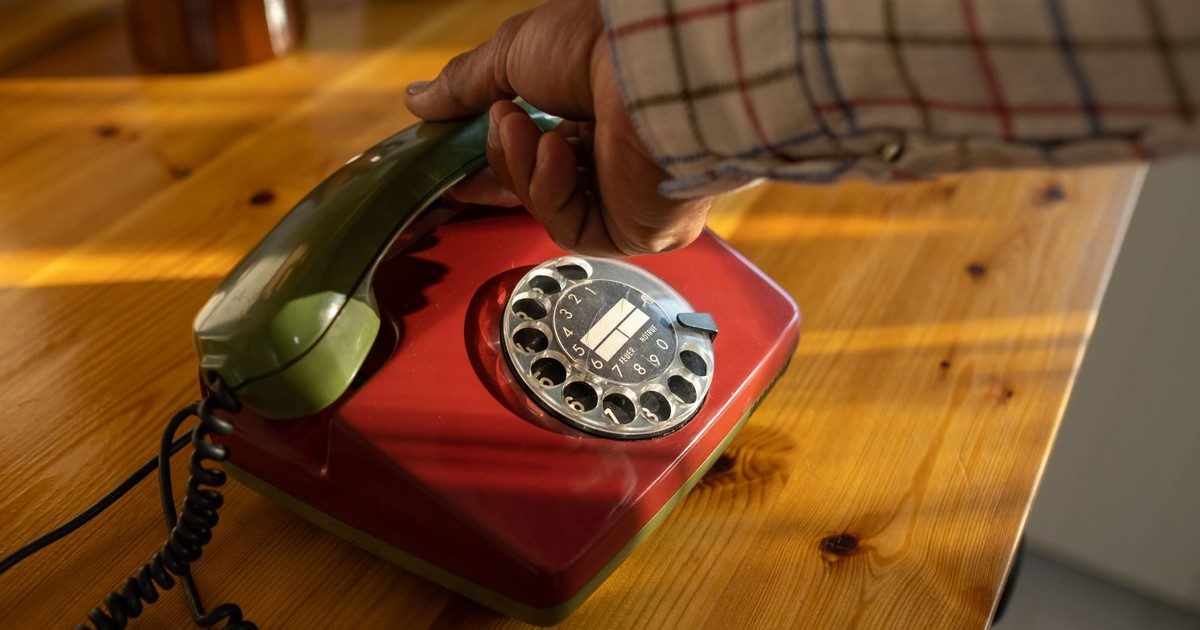
Many Boomers still have a landline because they got one when they moved into the house, kept it because kids or parents might call, and never thought too carefully about the decision after that. But the math has shifted significantly. According to CDC/NCHS data from 2025, 78 percent of U.S. households are now wireless-only, a figure that has climbed steadily for more than a decade.
The calls still coming in on that line are not the ones you want. Telemarketers and robocallers account for the overwhelming majority of landline traffic at this point. If you are keeping the phone because it feels more reliable in an emergency, your smartphone has largely closed that gap. If you are keeping it out of habit, that is a completely understandable reason, and also not a reason.
Canceling a landline also means canceling a monthly bill, which adds up across years. The phone itself – especially if it’s a chunky cordless model from the early 2000s with a charging base that takes up half the counter – is not an object that needs to follow you into the next chapter.
3. Bulky Old Camcorders
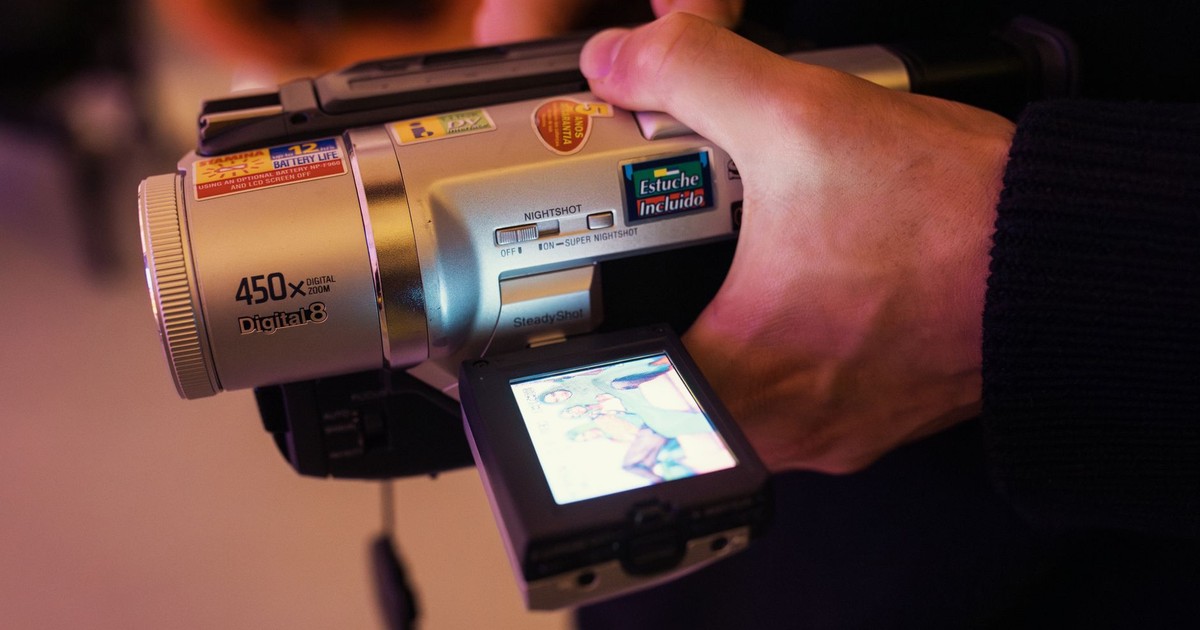
The camcorders that Boomers used to document holidays, vacations, graduations, and school plays were genuinely impressive technology at the time. They were also enormous. A standard consumer camcorder from the 1990s or early 2000s weighed several pounds, required its own dedicated bag, and recorded onto tapes or discs that are now essentially unplayable without separate hardware that is also gathering dust in a closet somewhere.
The footage on those tapes matters. The camcorder itself does not. If the tapes contain home videos you want to keep, a local media transfer service or online digitization company can convert them to digital files, often for a reasonable per-tape fee. Once that’s done, the camcorder and its library of specialty accessories serve no purpose at all.
The broader category here is any older consumer electronics made redundant by smartphones. Smartphones now record video in 4K with built-in stabilization and automatic cloud backup. The camcorder in its original bag at the top of a closet shelf is not competing with that.
4. CD and DVD Collections
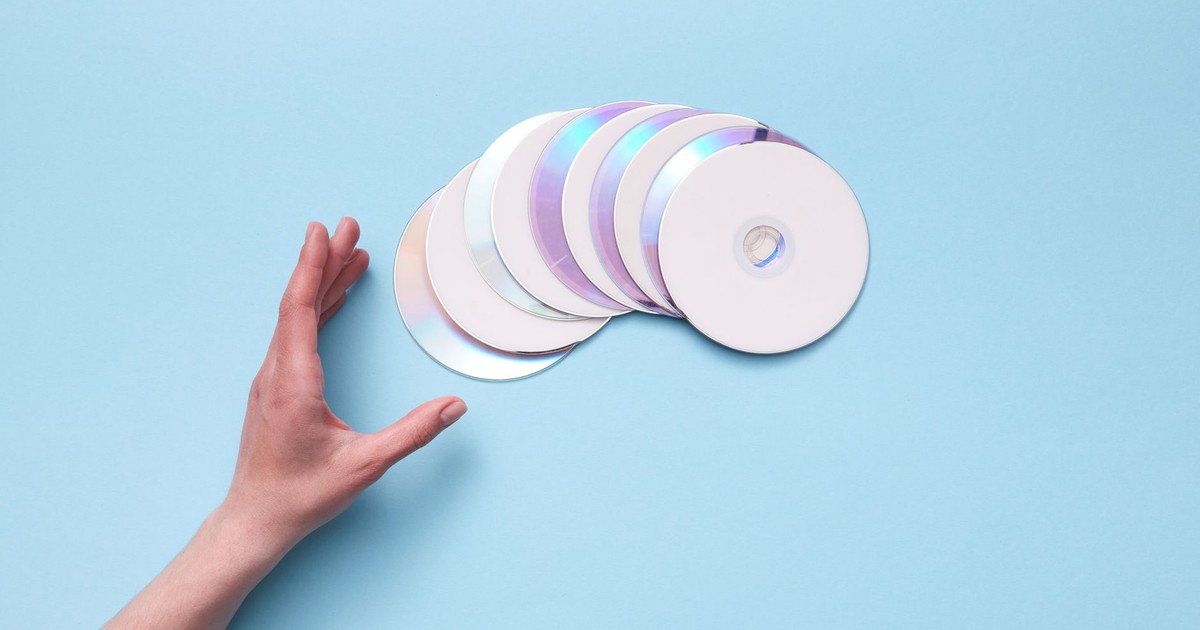
This is a tender one, because CDs in particular carry real emotional weight. The albums that defined your twenties and thirties, burned onto plastic, stored in jewel cases in a tower you bought specifically to hold them. Letting go of that feels like letting go of something more than music. But the music itself has not gone anywhere.
Streaming services and digital downloads have made CDs nearly obsolete, and if you haven’t touched your collection in years, it may be time to let them go. Services like Spotify, Apple Music, and Amazon Music give subscribers access to libraries of tens of millions of tracks, and most of what is on those CDs is available to stream today. DVDs face the same reality: most films and television series that were on disc are now on at least one streaming platform.
The practical reality is a shelf or tower of CDs and DVDs takes up significant space and collects significant dust, and the physical media players needed to use them are increasingly rare in the home. Thrift stores still accept them, and some dedicated buyers on eBay or Decluttr will pay for collections in bulk. Sentimental favorites are worth keeping. The forty-seven discs you’ve never actually opened are not.
5. Encyclopedia Sets
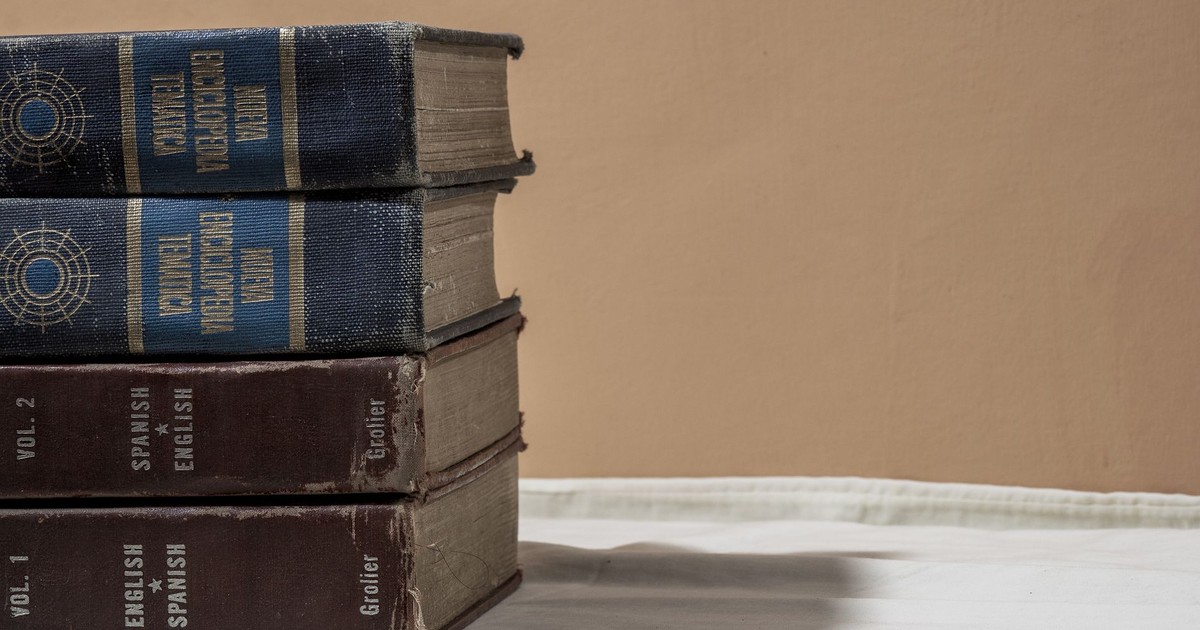
Few things were more impressive in a 1970s or 1980s living room than a full set of encyclopedias, spines perfectly aligned on a built-in shelf. They were expensive, they were heavy, and owning them said something about a family’s values. They also stop being updated the moment they’re printed, which means that the 1987 set still in your study has information that is now nearly four decades out of date, including a map of a world with countries that no longer exist.
No one is coming to use them. Your grandchildren are not going to sit down with a physical volume to look up ancient Rome. Every fact inside those books is available, updated and verified, through a phone that fits in a pocket. The encyclopedias themselves are very difficult to donate, because most thrift stores and libraries stopped accepting them years ago. Calling your local library before hauling them in is always worth doing, but recycling them may ultimately be the most realistic outcome.
This is genuinely one of the more difficult items to let go because it carries so much meaning, and that meaning is worth acknowledging. Taking a photo of the set on the shelf before dismantling it is not a silly thing to do.
6. Unused Exercise Equipment
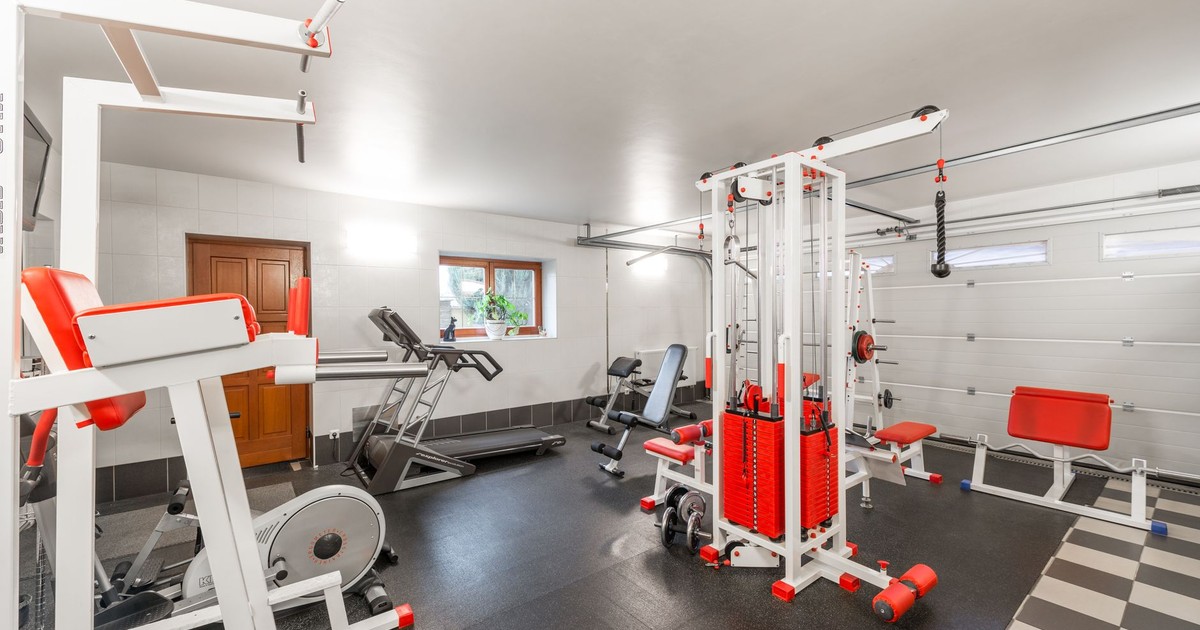
Every generation buys exercise equipment with the best of intentions, and Boomers did it with particular commitment. The stationary bike from 1998. The treadmill that was a January decision. The elliptical that was definitely going to be used regularly. Many people buy exercise equipment with good intentions, only to let it collect dust, and if you have a treadmill that has become a clothes rack or resistance bands still in the packaging, it may be time to reassess.
Unused gym equipment is one of the more expensive categories of clutter because it was expensive to acquire, takes up a disproportionate amount of floor space, and carries a psychological weight on top of the literal one. Every time you walk past a treadmill you’re not using, it registers as a small failure. Selling it removes the object and releases you from that daily accounting.
Facebook Marketplace and Craigslist both move used exercise equipment quickly, often for a reasonable fraction of the original price. Anyone who has ever tried to buy a used treadmill knows there is a constant supply of them, which tells you something about the universal nature of this particular category of hope over practice.
7. Wedding China and Formal Dinnerware

The good china has been in the cabinet since the wedding. It came out at Christmas, maybe at Easter, possibly for one dinner party somewhere in the nineties. For many Boomers, it has been untouched for years, behind glass, in a display cabinet that itself takes up a significant portion of a dining room. The intention was always to use it more. The occasion never quite arrived.
The honest conversation is that formal, hand-wash-only china does not fit the way most households eat now. Casual dining, dishwasher-safe everything, fewer formal gatherings than previous generations expected – the lifestyle the china was designed for has largely passed. And the next generation, generally speaking, does not want it. Not out of ingratitude, but because their kitchens and lives are calibrated differently.
Selling fine china through an estate sale company, a consignment shop, or a dedicated china matching service is genuinely possible, particularly for well-known patterns. Some pieces have real collector value. The goal isn’t to dismiss what the china represented – it’s to let it find someone who will actually use it, rather than letting it continue its decades-long vigil behind glass.
8. Mystery Cords and Cables
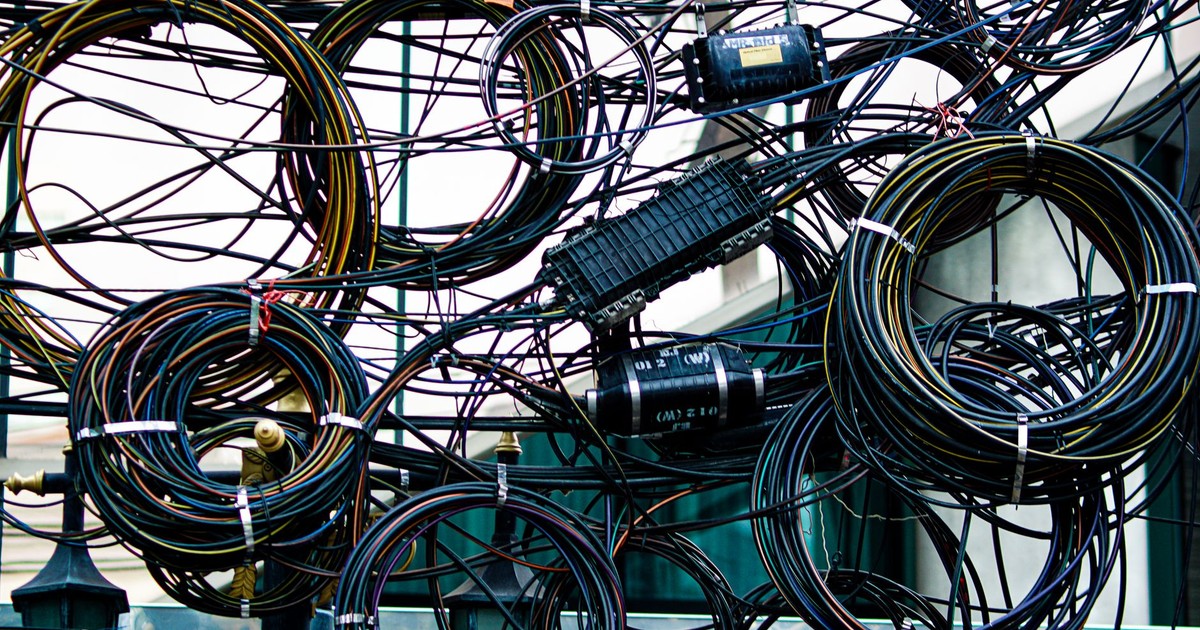
There is a drawer, or a box, or a zip-lock bag in most Boomer homes that contains fifteen to twenty cords of unknown provenance. Some have connectors that haven’t been standard since 2008. Some belong to devices that no longer exist. A few might still be useful, though it’s genuinely impossible to know which ones without plugging them into things and testing them, which nobody has time to do.
Electronic waste has become a problem of enormous scale. A 2024 United Nations report found that 62 million tonnes of electronic waste were produced globally in 2022, making e-waste one of the fastest-growing waste streams on the planet. Cords and cables are a significant part of that total. Many electronics retailers, including Best Buy, offer e-waste recycling programs for cables and chargers specifically.
The honest test is this: if you cannot identify what a cord belongs to, and you have not needed it in the past year, it goes. The one time you desperately need a mini-USB cable in 2026, you can order one for under five dollars in two days. The drawer of mystery cords is not saving you from that.
9. VHS Tapes
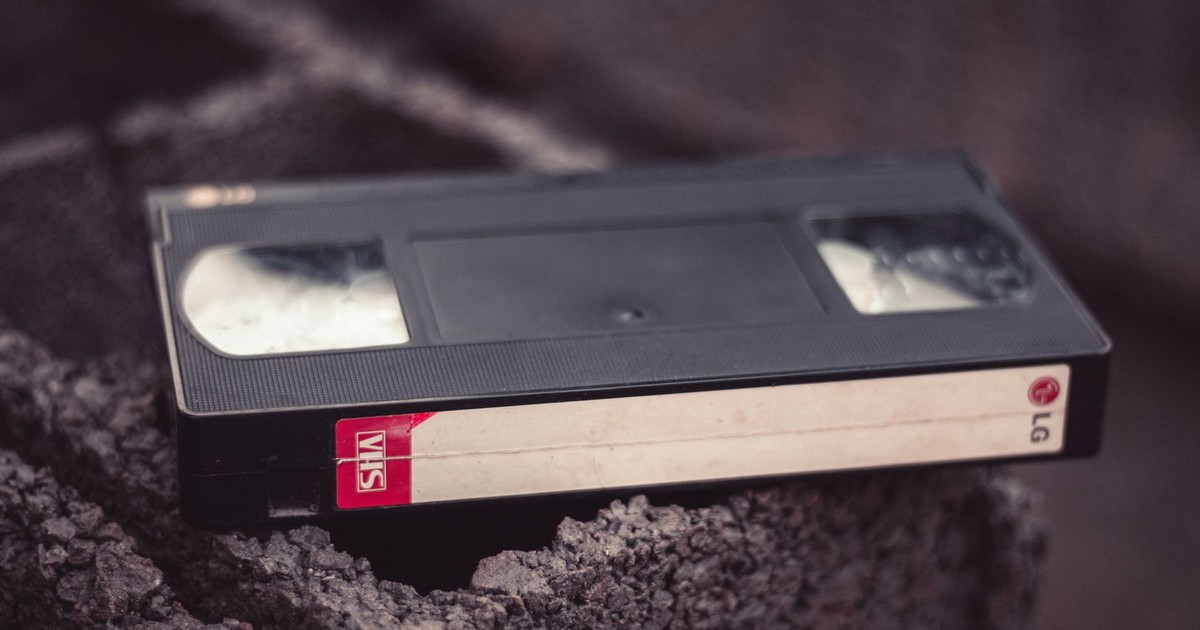
Related to the camcorder problem, but distinct from it: many Boomers have boxes of recorded VHS tapes, a mix of commercial movies taped off television and home recordings of events that genuinely matter. The commercial tapes are worth nothing and the technology to play any of them is increasingly hard to find. A working VCR in 2026 is an antique.
The home recordings are the exception. Births, Christmases, graduation parties, anniversaries – those tapes may hold footage that exists nowhere else. The same digitization services that handle camcorder tapes will convert VHS to digital files, and this is absolutely worth doing before the tapes deteriorate further. VHS tape degrades. The window for converting is not unlimited.
Once the recordings you care about are safely digital, the tapes themselves and the VCR can go without any ambivalence at all. The movies you recorded off television in 1991 do not need a retirement home.
10. Phone Books and Paper Takeout Menus
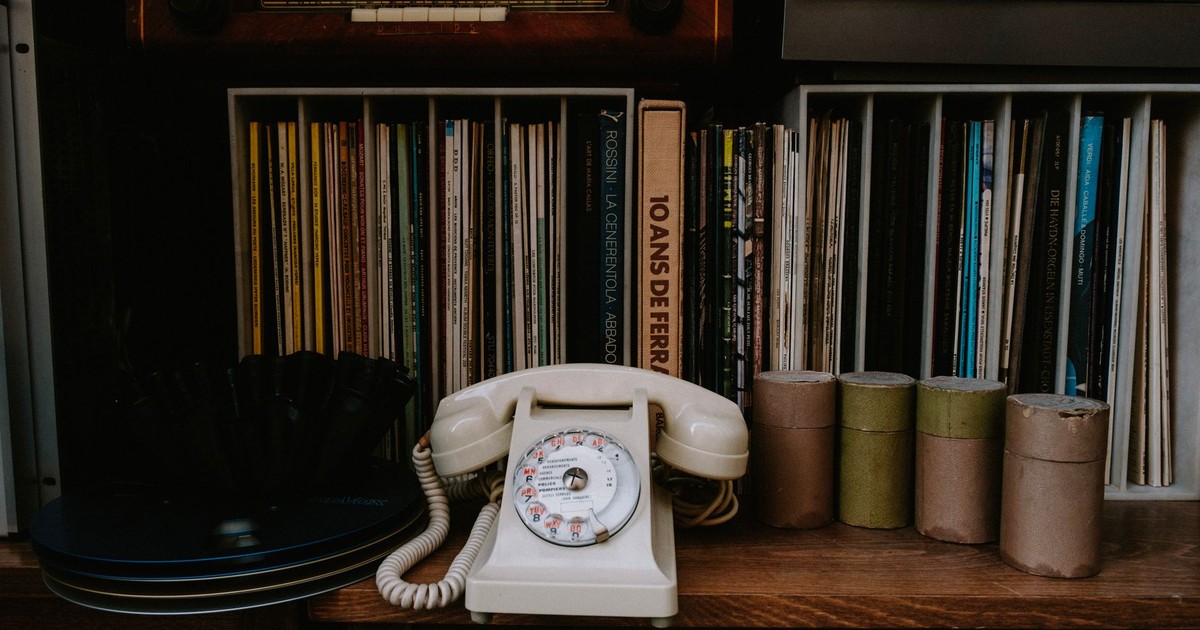
Phone books are still delivered in some areas, which means some households have accumulated a small stack of them without ever making a deliberate decision to keep them. They are large, heavy, and contain information that was already being superseded by the internet when the most recent ones were printed. If you need a number, a quick online search will get you there faster than flipping through a bulky book.
The drawer full of takeout menus falls into the same category. Every restaurant has their menu online, and there is no need to keep stacks of old takeout menus in a drawer. Most menus in that drawer are for restaurants whose current prices and offerings have changed completely since the menu was printed, which makes the paper version worse than useless – it’s actively misleading.
This one takes about four minutes to address. The phone books go in recycling. The menus go in the bin. The drawer, now empty, can hold something you actually look for.
11. Outdated Medications
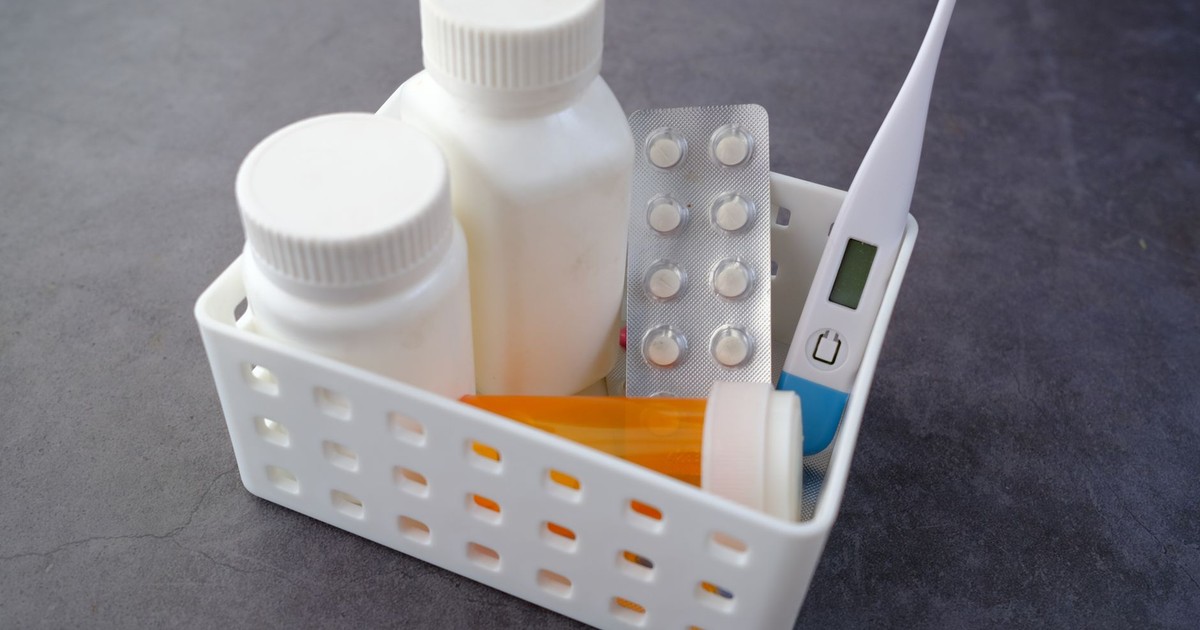
Medicine cabinets and bathroom drawers in many homes contain prescription bottles from years ago, over-the-counter products well past their expiration, and vitamins from a health kick that lasted about six weeks. The impulse to keep medication is understandable: what if you need it? But medications degrade, lose potency, and in some cases become actively unsafe past their expiration dates.
The right place to dispose of medications is not the toilet or the trash, both of which create environmental contamination problems. The FDA maintains a list of approved drug take-back locations, and most chain pharmacies, including CVS and Walgreens, have in-store disposal kiosks where unused medications can be dropped off anonymously and safely at no cost.
Going through the medicine cabinet once a year and clearing anything expired is a genuinely practical habit, and one that also gives you an accurate picture of what’s actually in there. A cabinet full of outdated medications is not a safety net – it’s just clutter with a medical label on it.
12. Heavy, Oversized Furniture
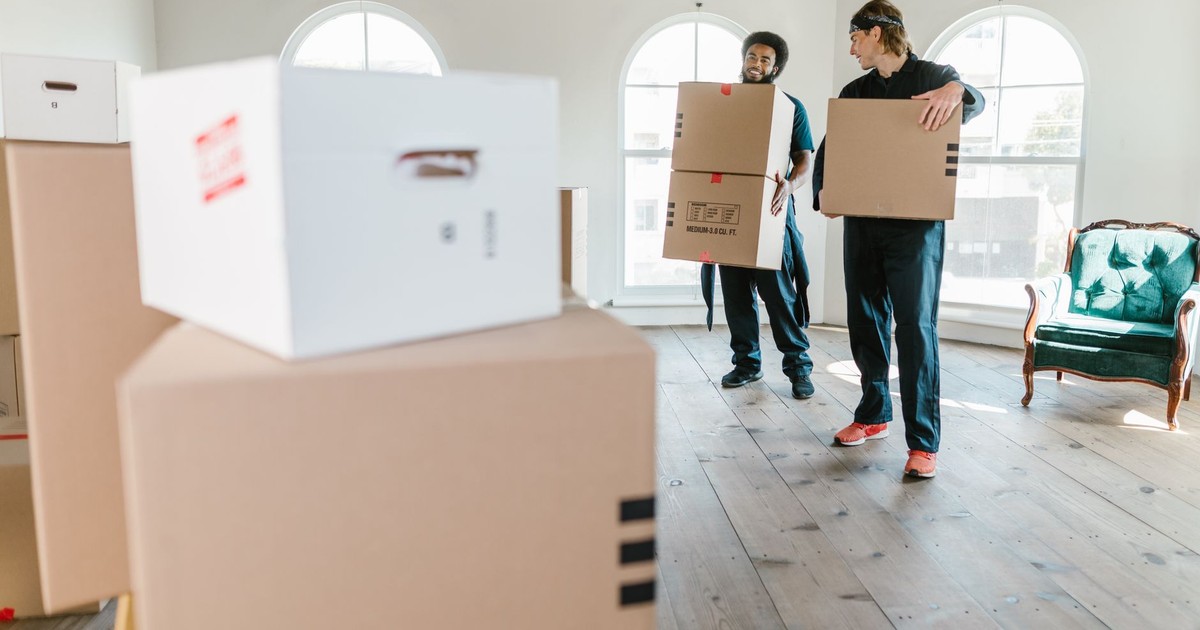
This one requires honesty about the next ten to twenty years. The massive oak entertainment unit that houses a television no one owns anymore. The mahogany sideboard that takes four people to move and dominates the dining room. The bedroom set purchased in 1985 that still functions perfectly well but weighs approximately the same as a compact car. Modern living favors lighter, multi-functional pieces that are easy to move, and trying to move heavy oversized furniture to a smaller condo or different living situation down the line will be a significant logistical challenge.
The argument for keeping heavy furniture is often that it’s good quality. That’s true. It’s also true that quality and usefulness are different things, and furniture that cannot be moved without hiring professionals is furniture that limits your options. Estate sale companies handle large furniture regularly. Habitat for Humanity’s ReStores accept furniture donations and will sometimes arrange pickup for larger pieces.
The bedroom set that still works is not the same as the bedroom set that serves you. Clearing it now, while the decision is yours to make on your own timeline, is different from clearing it under the pressure of a move.
13. Stacks of Old Magazines and Newspapers
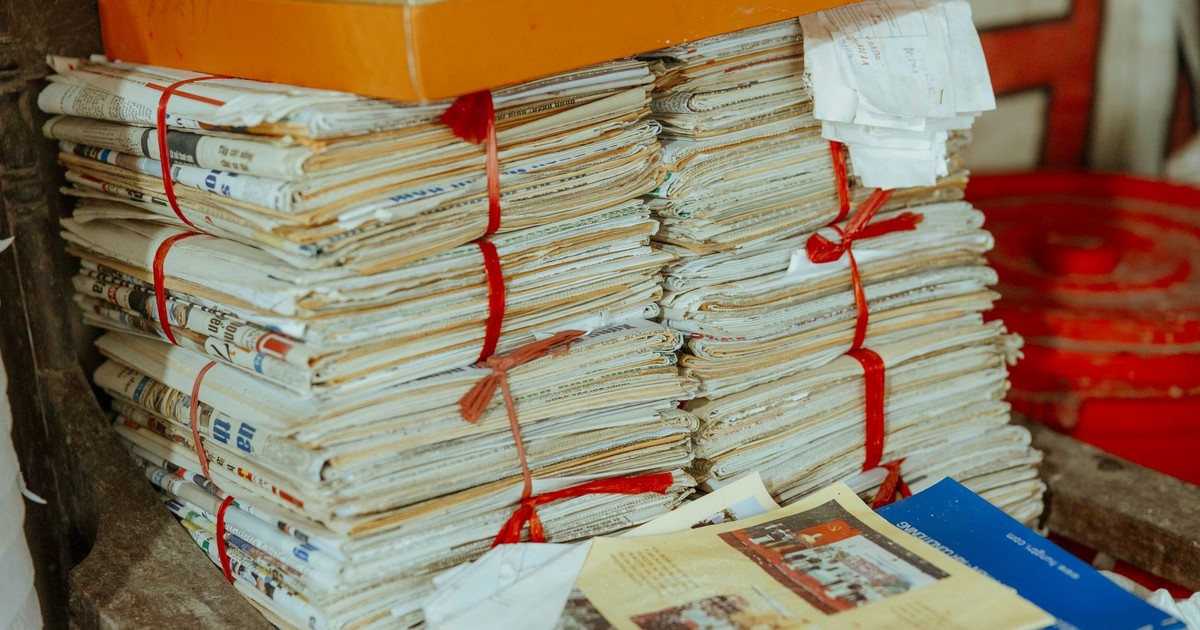
Magazines and newspapers pile up quickly, making a home look cluttered and chaotic. For Boomers who subscribed to magazines for decades, the accumulated back issues can fill an entire closet or take over a section of the basement. The National Geographic collection. Years of Consumer Reports. A run of home decor magazines from the nineties. The reasoning for keeping them is always that they contain useful information, but any specific article from any of those magazines is more easily found through a web search than through excavating a stack.
Libraries and schools occasionally accept recent magazine donations, particularly for art and education programs. Specific back issues of certain publications do have collector value – a copy of a major news magazine from a significant historical event, for example. But the general accumulation of years of general-interest publications should go to recycling, and probably already should have years ago.
If you want more guidance on what to keep and what to toss across every room in your home, this bedroom and bathroom declutter guide covers 26 specific categories worth revisiting. The newspapers do not need a separate analysis. They can go immediately.
14. Expired Pantry and Freezer Items

This is the category that reveals itself most dramatically when someone else opens the cabinet. A can of something from 2019. A spice jar so old the label has faded. Freezer items sealed inside a glacier of accumulated frost that have been in there long enough that identifying them requires a forensic approach. Most households allow this to accumulate not because they’re careless, but because the pantry and freezer are not places people look at carefully – they’re places people look into quickly.
Checking pantry items for expiration dates and pulling anything that has passed them is a few hours of work that results in a cleaner, more functional kitchen. Anything in the freezer that cannot be identified or has been there more than a year should be considered done. The energy to keep running a freezer full of things you’ll never eat is not nothing, and neither is the mental effort of planning around a pantry full of items you’re not actually using.
15. Old Paint Cans and Garage Chemicals
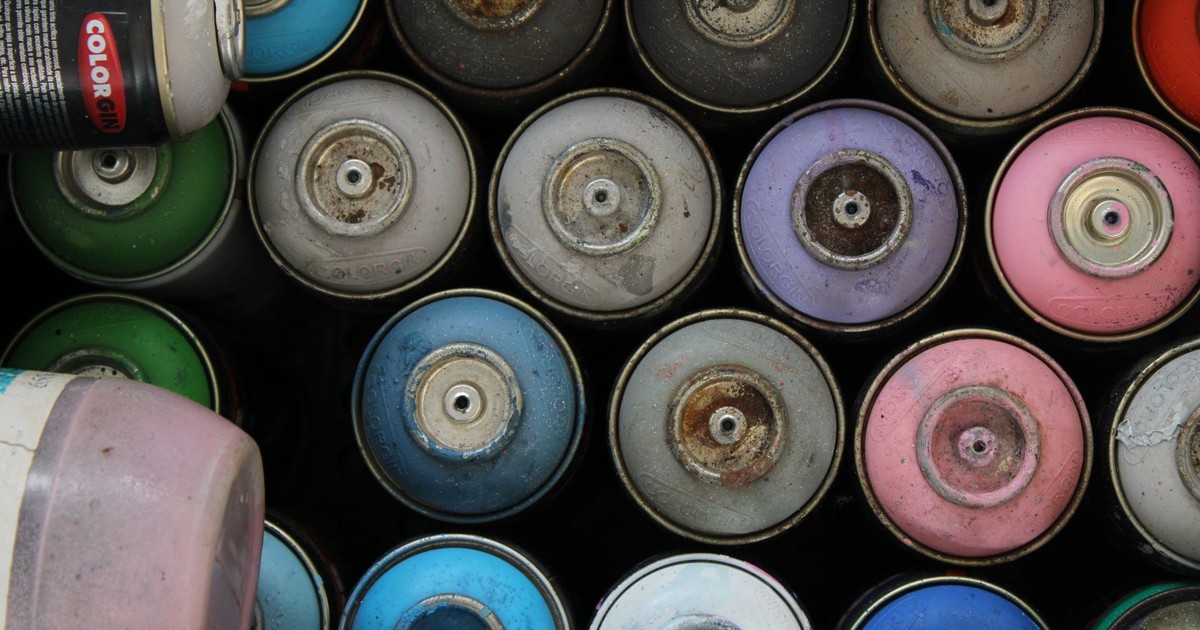
The garage or basement of most older homes contains a population of paint cans in various states. Some are completely dried out. Some contain colors from rooms that were repainted a decade ago. Some are half-full of something that seemed like it might be useful someday, though what that day would look like has never been entirely clear. Alongside those paint cans: old pesticides, automotive fluids, cleaning chemicals from discontinued products, and containers of things that have been sitting on a shelf so long the labels are no longer legible.
This is genuinely the most logistically complicated category because none of it should go in the regular trash. Most municipalities have designated household hazardous waste disposal programs that accept paint, chemicals, solvents, and automotive fluids at no charge. Many run collection events several times per year, and the EPA’s website allows you to search for local disposal options by zip code. A quick search for your city’s name plus “household hazardous waste drop-off” will find the nearest program.
Paint cans that contain dried, fully solidified paint can often go in regular trash once the lid is removed and the contents are confirmed completely dry. Anything liquid, chemical, or hard to identify needs the proper route. It’s worth making a single trip to get this handled, because the alternative is that someone else will have to deal with it eventually, and that someone is usually a person you love.
The Stuff You Kept for Them

Here is the thing that sits underneath most Boomer decluttering tips, the part that doesn’t get said often enough: a lot of this stuff was kept for someone else. The china, for the grandchildren. The encyclopedias, for anyone who might need them. The spare bedroom full of things that might come in handy, for a future that would probably require them. The decision to let these things go isn’t a failure to plan. It’s a recognition that the plan changed, as plans do.
Clearing a home isn’t an erasure of what happened in it. The filing cabinet didn’t hold your professional life – you did. The china cabinet didn’t hold the marriages and holidays – the people did. Getting rid of the object doesn’t touch the meaning, and in most cases the meaning was never really in the object to begin with. What’s left when a room clears out is space, and space is something you’re allowed to want for yourself.
AI Disclaimer: This article was created with the assistance of AI tools and reviewed by a human editor.