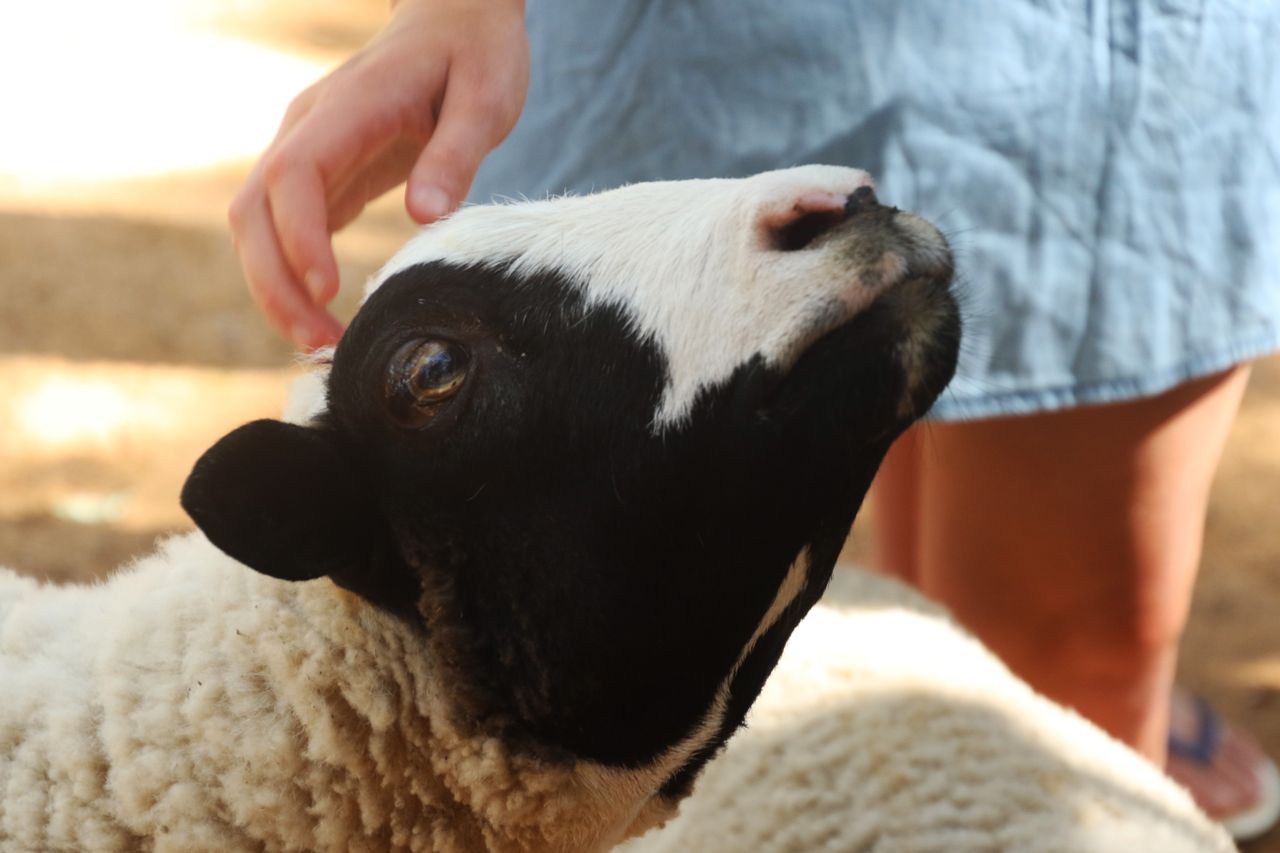

Most people can remember at least one animal they desperately wanted to touch and, for a few uncomfortable seconds, couldn’t tell you exactly why. Not a pet. Not an animal they knew. A stranger’s dog at a café, a rabbit someone was holding at a farmer’s market, a fat squirrel sitting very still on a park bench. The wanting was immediate, almost irresistible. The hand moved before the thought did.
This is not a personality quirk. It is not softness, or immaturity, or an inability to function around animals. The urge to reach out and touch another creature – to make contact, to stroke fur or feel warmth through it – is one of the most thoroughly studied impulses in human psychology, and scientists have spent decades unpacking what is actually happening when it takes hold. The answers turn out to be more layered, and more interesting, than “animals are cute.” Though that is also, technically, part of it.
Understanding why humans pet animals means pulling on several threads at once: evolutionary biology, brain chemistry, a ninety-year-old theory from an Austrian ethologist, and a phenomenon researchers named “cute aggression” that sounds alarming but is, as we will get to, completely normal. Pull them all together and what emerges is a portrait of a species that is hardwired, at a genuinely neurological level, to seek contact with living things.
Your Brain Was Built to Notice Animals
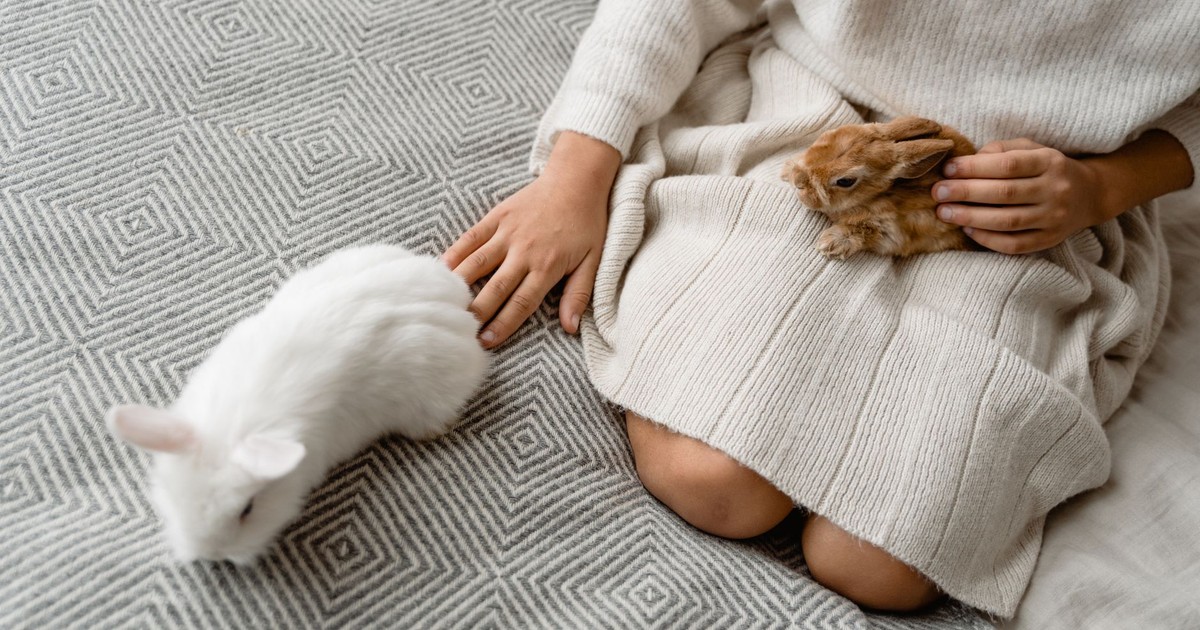
Long before humans domesticated dogs or kept cats to manage grain stores, they lived inside ecosystems where paying close attention to other animals was a survival skill. Predators needed tracking. Prey needed stalking. The behavior of nearby creatures told you whether a waterhole was safe or a storm was coming. The human brain evolved in that context, and it still carries the evidence.
Researchers found that neurons in the right amygdala – an area of the brain involved in processing emotions – respond preferentially to images of animals, a finding published in Nature Neuroscience and led by Christof Koch of the Allen Institute for Brain Science. That 2011 finding points toward a neural basis for the powerful emotional reactions animals reliably produce in us. The amygdala is not a subtle structure. It is the part of your brain that registers threat, reward, and social significance, and the fact that dedicated neurons there light up specifically for animals tells you something about how deeply that attentiveness runs.
This is where the biophilia hypothesis becomes relevant. The term biophilia was used by American biologist Edward O. Wilson in his work Biophilia (1984), which proposed that the tendency of humans to focus on and affiliate with nature and other life-forms has, in part, a genetic basis. Wilson’s argument was not sentimental. He was making a claim about evolutionary history: that humans co-evolved alongside living systems, that our cognitive and emotional architecture developed in direct relationship with the natural world, and that the result is a deep, inherited draw toward other living things. The fascination with animals does not have to be taught – children appear primed to respond with feeling, whether attraction, fascination, fear, or disgust. That draw arrives on its own, without instruction.
The Baby with the Big Eyes Problem
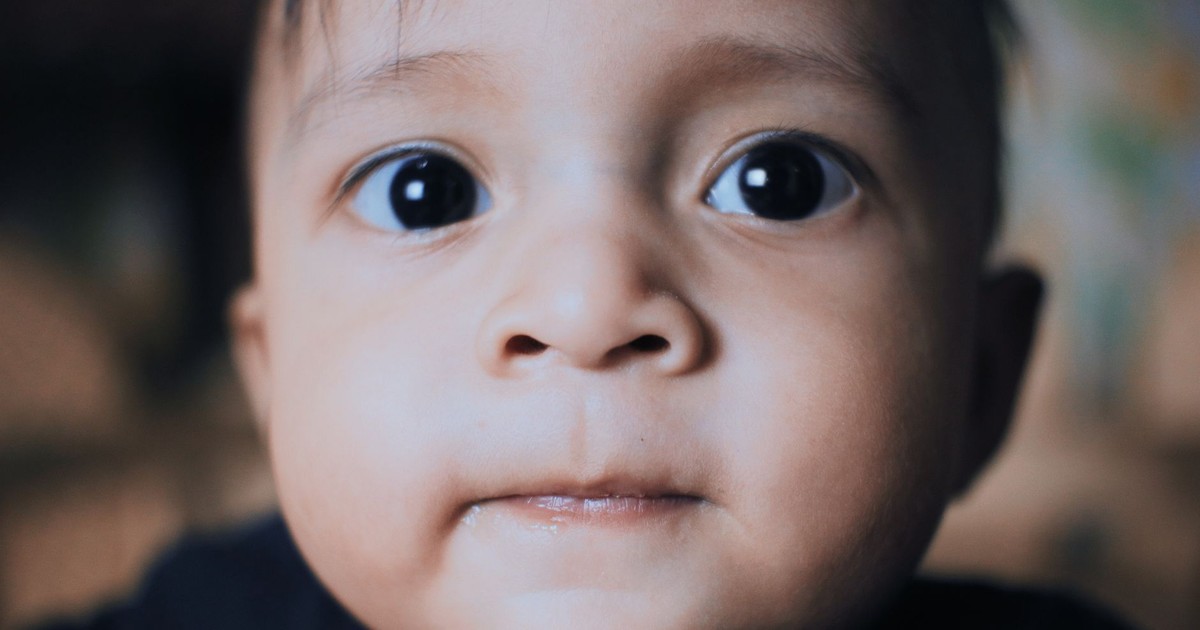
Here is where the science gets precise in a way that is slightly undignified for everyone involved. The reason a golden retriever puppy makes you want to drop everything and sit down on the floor with it has a name, and that name is the Kindchenschema – or baby schema.
Ethologist Konrad Lorenz defined the baby schema (“Kindchenschema”) as a set of infantile physical features – large head, big eyes, high and protruding forehead, chubby cheeks, small nose and mouth, short and thick extremities, and plump body shape – that is perceived as cute and motivates caretaking behavior in humans. Lorenz identified this in the 1940s as a kind of built-in social shortcut: features that signal vulnerability and immaturity trigger an automatic caregiving response. The original insight was about human infants. The complication, which Lorenz also noted and which has been confirmed by research ever since, is that the same features in other species trip exactly the same wire.
The original idea of the baby schema proposed that human cuteness perception is not limited to one’s own species but is instead invoked when humans view other animals too, and several studies have since investigated human cuteness perception toward non-human animal stimuli. A dog’s puppy-dog eyes, a kitten’s rounded head, a baby deer’s wobbly proportions – these are not just aesthetically appealing. They are hitting a specific neurological target. A PNAS study using functional MRI scans with controlled manipulation of baby schema features in infant faces found that baby schema activates the nucleus accumbens – a key structure of the reward system that mediates motivation and appetitive behavior – and those findings suggest this is the neurophysiologic process by which baby schema promotes caregiving behavior, regardless of kinship. Your brain does not stop to verify whether the creature in front of you is your child. It just responds to the shape of vulnerability.
This matters for understanding why humans pet animals, because it means the impulse is not purely emotional or social – it is partly a reflex. The features of young and small creatures activate a caregiving circuit that predates rational thought. The hand moves before the thought does, because neurologically speaking, it was designed to.
Cute Aggression Is a Real Thing and You Probably Have It
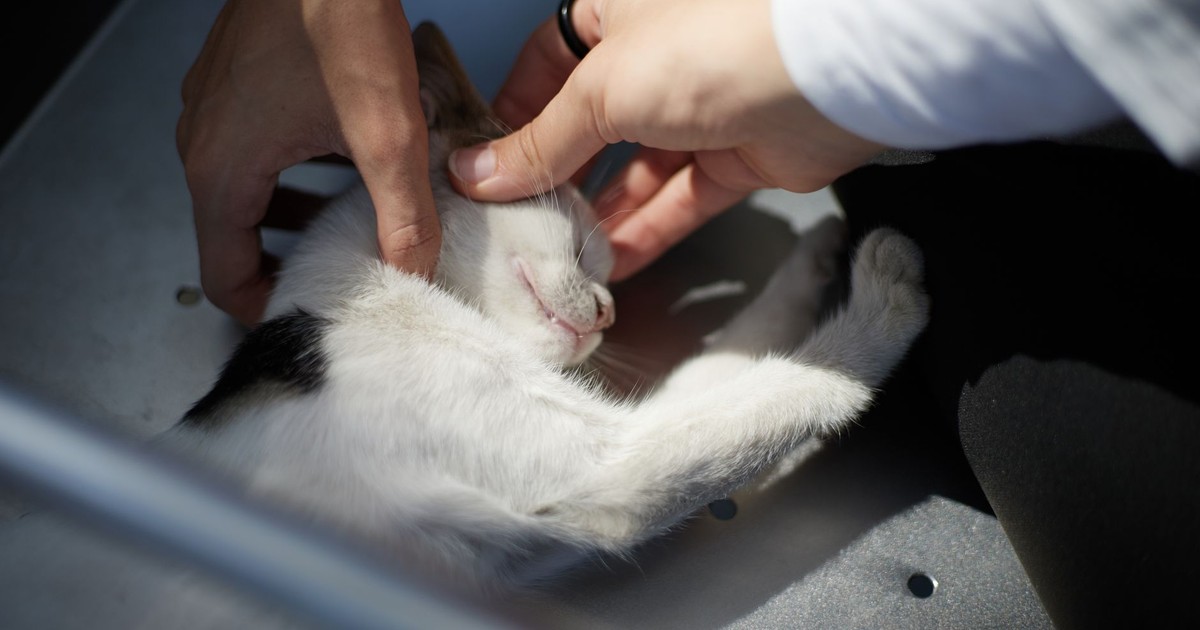
There is a phenomenon that happens to people around animals that is more extreme than gentle affection, and most people who have experienced it have never had a name for it. You see a very small puppy, and something in you wants to squeeze it. Not harm it – the desire to harm is entirely absent. Just squeeze it, bite it a little, press it into your face. The cuteness is somehow too much.
The urge people get to squeeze or bite cute things, without any desire to cause harm, is formally known as “cute aggression.” It is not a disorder. It is not a red flag about your character. According to Katherine Stavropoulos, an assistant professor at the University of California, Riverside, we sometimes get so overwhelmed by cuteness that cute aggression becomes “the brain’s way of bringing us back down.” She first explored the phenomenon after a team of Yale University psychologists released related research in 2015.
Results from subsequent EEG research indicate that feelings of cute aggression relate to feeling overwhelmed and to feelings of caretaking, and that in terms of neural responses, cute aggression is related to both reward processing and emotional salience. In other words, your brain floods with reward signals when it encounters something that activates the baby schema hard enough, and the motor urge – the impulse to touch, squeeze, hold – is what the brain produces to manage that flood. The aggression is a pressure valve. It is not hostility dressed up as sweetness. It is the overflow of a caregiving system that got more input than it expected.
A PMC study by Stavropoulos found “an especially strong correlation between ratings of cute aggression experienced toward cute animals and the reward response in the brain toward cute animals.” Baby animals specifically, more than adult animals, produce this response – which tracks with the baby schema theory. The rounder the face, the bigger the eyes, the more the circuits fire.
What Happens in Your Body When You Actually Do It
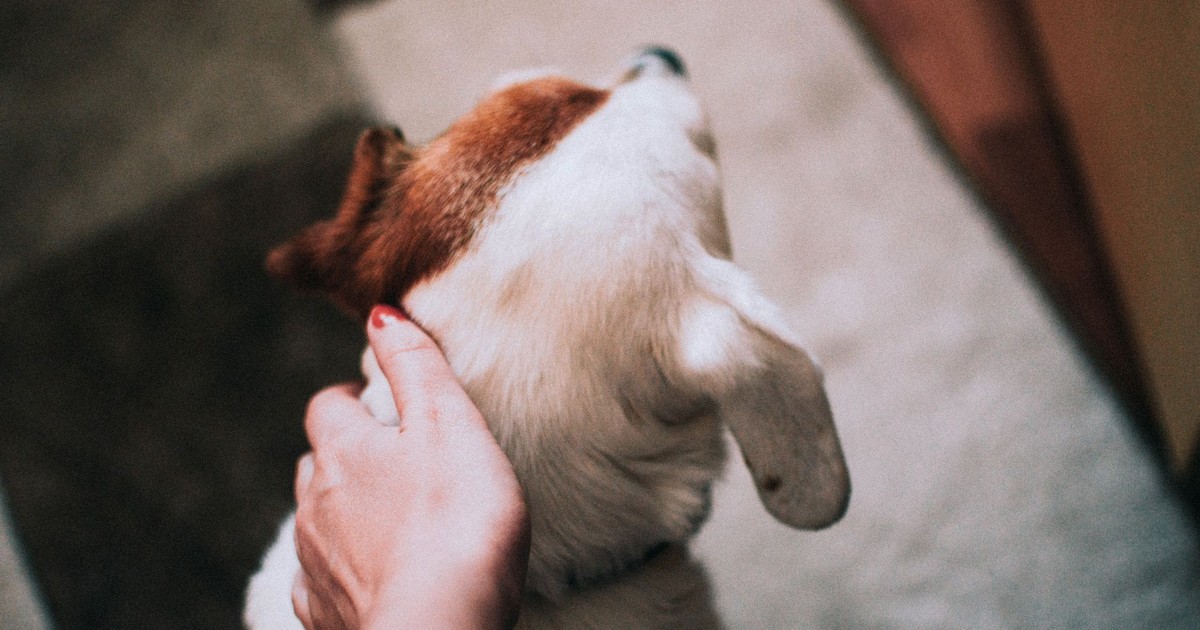
There is also the matter of what petting an animal does to you physiologically once you stop fighting the urge and just reach out. The short answer is: quite a lot.
Evidence reported by NPR Health is accumulating that levels of the stress hormone cortisol drop in people after just 5 to 20 minutes spent interacting with dogs – even if it’s not their own pet – and that interactions also produce increases in oxytocin, the feel-good bonding hormone. Oxytocin is sometimes called the “love hormone” because of its role in social bonding, mother-infant attachment, and the trust that forms between people in close relationships. The fact that petting a stranger’s dog releases it is remarkable when you think about it. You are not bonded to that dog. You have no relationship with it. But the body responds to the contact itself, to the warmth and the texture and the reciprocal attention of a creature that is, in its way, also responding to you.
Oxytocin is closely associated with anti-stress properties, including decreased blood pressure and lower levels of cortisol, and this effect appears to extend to encounters with unfamiliar animals as well as owned pets – the hormone is released by gentle touch in any calm encounter, regardless of prior relationship. Which means the person who crouches down on the sidewalk to pet a stranger’s dog for forty-five seconds and then gets up and keeps walking is not just being indulgent. They are briefly and measurably less stressed than they were before they did it.
Research demonstrates that companion animals contribute to reducing depression, anxiety, and stress in humans, and recent studies have revealed significant changes in the activity of human emotion-related brain areas – including the frontal cortex and amygdala – and in neurotransmitter levels such as oxytocin and cortisol, during interactions with companion animals. The brain moves, measurably, in the direction of calm.
The Social Animal Reaching for Another Social Animal
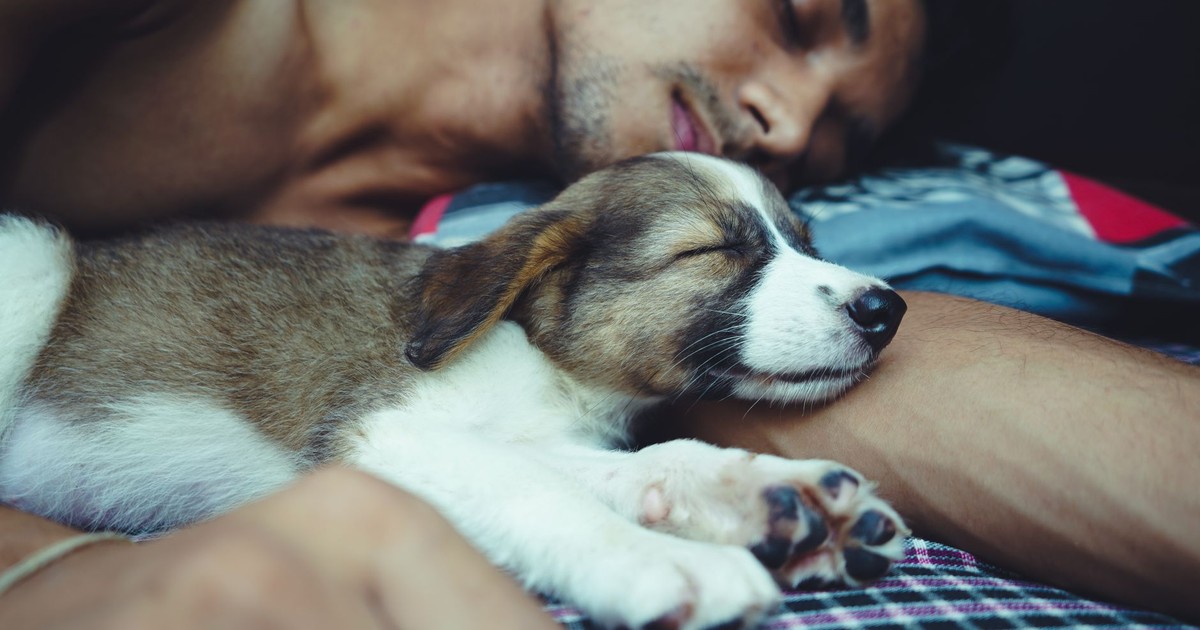
One more layer worth naming: touch itself, independent of which species is on the receiving end, is a fundamental human need. Humans are social primates. Physical contact was and is a primary channel for communicating safety, affiliation, and care. In the absence of sufficient human touch – which is, for many adults, more common than it should be – contact with an animal fills some of that same need.
Pets frequently fulfill the criteria for attachment figures, and research has examined whether the associations among human attachment, empathy, and prosocial behavior observed in human-to-human relationships also extend to human-animal relationships. The body does not always distinguish as cleanly as the mind might between a hand on a human shoulder and a hand stroking warm fur. Warmth is warmth. Presence is presence. A creature that leans into your touch and stays there is communicating something, even if neither of you has words for it.
This also helps explain why the urge to pet animals is not limited to domesticated ones, and not limited to animals that are obviously safe. The desire to reach toward a deer standing at the edge of a clearing, toward the fox that wanders onto a suburban lawn, toward the enormous dog you absolutely know is going to knock you over – it is the same system running. The biophilia hypothesis holds that humans co-evolved with the broader living world, not just the domesticated fraction of it, and the desire to make contact with living creatures seems to operate without a strong filter for practicality. The brain sees features that activate its systems, and the hand follows.
What You’re Actually Doing When You Reach Out
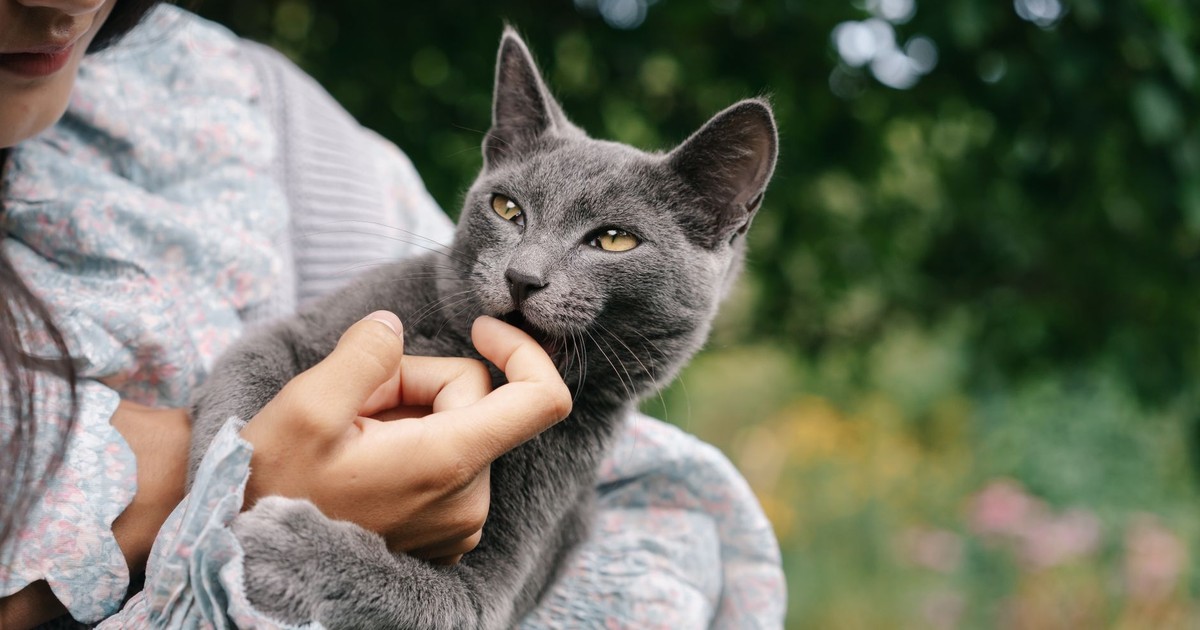
The impulse to pet an animal, when you trace it all the way back, is several things at once. It is a caregiving reflex triggered by the shape of vulnerability. It is a reward-seeking behavior driven by a brain that has dedicated circuitry for responding to animal life. It is a stress-regulation strategy that works, biochemically, even when you know nothing about the animal and will never see it again. And it is a social touch need finding an outlet that costs nothing and carries no complicated emotional history.
None of this makes the feeling smaller. If anything, knowing that the reaching out is this old and this deeply wired makes it feel more honest. The person who cannot walk past a dog without stopping, who sits on the floor with cats at parties, who presses their face into the warm neck of a horse with a kind of relief they cannot quite explain – they are not being distracted or undignified. They are doing something the human brain has been set up to do for longer than there have been words to describe it.
The archive of reasons why humans pet animals is substantial. The animals, for their part, mostly seem to feel the same.
AI Disclaimer: This article was created with the assistance of AI tools and reviewed by a human editor.