

Nobody writes down the list. That’s the thing about wife expectations husbands often miss entirely – the expectations aren’t handed over in a document at the altar. They arrive carried in from childhood kitchens and old movies and the specific way a woman’s father handled a crisis at 2 a.m. They are inherited, assumed, and deeply felt, even when they’re almost impossible to articulate out loud.
And here’s where it gets interesting: the conversation around traditional marriage has gotten louder in recent years, not quieter. The “tradwife” aesthetic is everywhere on social media, women are reconsidering what they actually want from a partnership, and researchers are consistently finding that what makes wives genuinely happy in marriage looks a lot more old-fashioned than anyone expected. This is not a nostalgic fantasy. The data keeps confirming it.
The ten expectations below aren’t fringe or retrograde. They’re the ones that surface again and again when researchers study marital satisfaction, when women describe their happiest marriages, and when old-fashioned wives – the kind who take partnership seriously rather than ironically – talk honestly about what they need from their husbands. Some of these might feel obvious. A few might sting a little.
1. Genuine Protectiveness
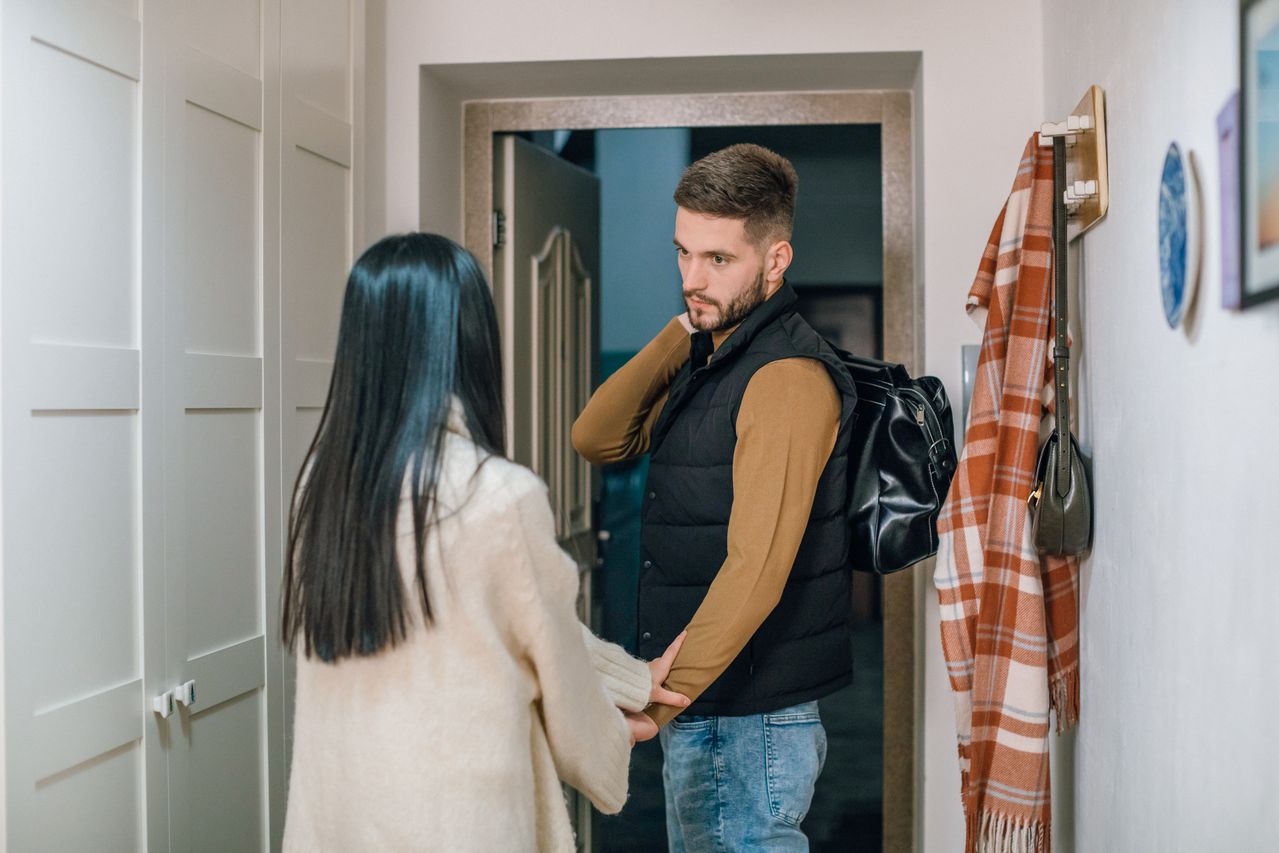
This one gets dismissed quickly in modern conversation, but the research doesn’t let you dismiss it so easily. According to the State of Our Unions survey, wives who gave their husbands top ratings for “protectiveness” were more likely to be happy in their marriages and less likely to report that divorce might be in their future. That’s not a small finding to tuck away.
Protectiveness doesn’t mean hovering or controlling. It means a husband who notices when something feels off in a room and positions himself accordingly. It means the one who walks on the traffic side of the sidewalk without being asked, who checks the locks before bed, who takes the call when a situation feels unsafe. It’s attentiveness with weight behind it.
Research found that 74% of wives who describe themselves as “very happy” in their marriage also rate their husband as “very masculine” – and protectiveness is a core part of what that masculinity means to them. The connection between feeling protected and feeling loved is not a cultural artifact that modern women have evolved past. For a lot of women, it’s the bedrock.
2. Consistent Attentiveness

There’s a specific kind of feeling that accumulates when a husband stops paying attention – not dramatically, not all at once, but in small increments. The questions he used to ask. The way he’d notice when you were tired. The fact that he remembered the name of your difficult coworker. Traditional wives expect this attentiveness to be a constant, not a honeymoon-phase phenomenon.
Research from the State of Our Unions survey found that 9 in 10 wives are very happy in their marriage when their husbands are very attentive toward them – even if they aren’t good providers. Read that again. Even if they aren’t good providers. Attentiveness outranked financial provision as a driver of marital happiness in that data, which should recalibrate a lot of assumptions about what wives are actually prioritizing.
Attentiveness is not the same as being available. A husband can be physically present in a room and miles away in every meaningful sense. What traditional wives expect is presence that actually registers: the kind that catches the change in your voice before you’ve said anything is wrong.
3. Financial Responsibility and Provision

The expectation of financial provision hasn’t disappeared – it has evolved. Many women who identify with traditional values in their marriages are fully employed themselves, but they still carry a deep expectation that their husband functions as a financial anchor. Not necessarily the only earner, but a reliable, engaged, and responsible one.
Among married couples in the U.S., women’s financial contributions have grown steadily over the last half century – yet even when earnings are similar, husbands spend more time on paid work, while wives devote more time to caregiving and housework. That persistent gap matters because it means the old-fashioned expectation of the husband as primary financial steward doesn’t exist in a vacuum – it exists alongside an unequal distribution of domestic labor that wives are still carrying.
Traditional wives expect their husbands to be genuinely plugged in to the family’s financial life: tracking what’s coming in, planning ahead, having difficult conversations about money before they become crises. Outsourcing that responsibility entirely – leaving the wife to manage every bill and future-plan alone while he earns – doesn’t fulfill the expectation. The provision is both material and managerial.
4. Loyalty That Goes Without Saying
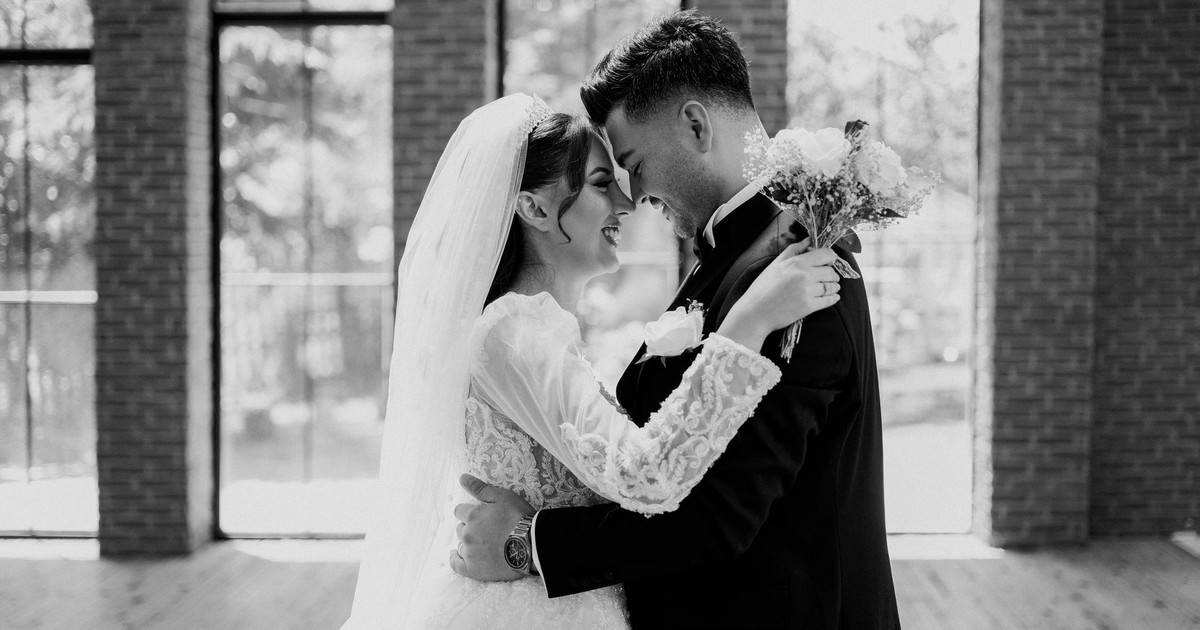
This is the expectation so fundamental that many wives never speak it aloud, which is exactly why it creates such devastation when it’s broken. Old-fashioned wives expect fidelity as a floor, not a ceiling. Not as the bare minimum to acknowledge, but as something so assumed it shouldn’t need to be said – which means the moment it does need to be said, something has already gone wrong.
But loyalty in this context extends past the obvious. It means not undermining your wife in front of other people. It means not complaining about your marriage to your coworkers. It means not keeping friendships with people who disrespect your relationship. An old-fashioned wife’s expectation of loyalty is total – it covers her reputation, her dignity, and her standing in his eyes even when she’s not in the room.
The expectation isn’t possessive. It’s structural. A marriage that operates with complete loyalty at its center has a different foundation than one that treats loyalty as aspirational. Traditional wives feel this difference viscerally, even when they’d never frame it in those terms.
5. Active Fatherhood, Not Just Presence

This is where the wife expectations of husbands have shifted most dramatically in the last generation – and where old-fashioned wives, interestingly, often hold the highest standards. They’re not looking for a father who attends games and calls it done. They want a father who is emotionally engaged, who knows which teacher their child struggles with, who handles the bath-time routine without being asked.
Women today expect their husbands to be providers, emotionally engaged partners, involved fathers, and active participants in household responsibilities. That last part – “active participants” – is the operative phrase. Traditional wives often describe this as the husband taking genuine ownership of fatherhood, not deputizing for his wife when she’s unavailable. There’s a difference between a father who steps in and a father who is already there.
The load that falls on a mother when a father remains emotionally disengaged from their children is enormous. Traditional wives who expect active fatherhood aren’t asking for help. They’re asking for a co-owner of the family’s emotional life.
6. Leadership in the Hard Moments

An old-fashioned wife often wants her husband to be the person who doesn’t panic first. When the car breaks down in the rain. When the medical diagnosis is unclear and frightening. When a family conflict requires someone to make a decision and live with it. Traditional marriage, at its core, tends to hold an expectation of the husband as the person who steadies the room in moments of genuine difficulty.
This isn’t about control or hierarchy in daily life – many traditionally-minded wives make household decisions independently and confidently. It’s about who takes the weight when something genuinely heavy arrives. Research into spousal role expectations found that a husband is expected to provide for the material needs of the family while also taking care of his wife and children’s psychological needs by giving them time and attention. The psychological dimension matters as much as the practical one: being present and grounded in a crisis is its own form of care.
Leadership in marriage doesn’t require dominance. It requires the willingness to be the one who carries something forward when carrying it forward is hard.
7. Respect That’s Visible to Everyone

A traditional wife notices, immediately and acutely, whether her husband speaks about her with respect in public. Not performative flattery – that’s easy to spot and means nothing – but the consistent way he refers to her in conversation, defers to her expertise, and treats her opinion as worth something when they’re standing in a room full of other people.
Laura Doyle’s 2025 State of Marriage industry study found that financial stress ranked among the top cited challenges in marriage, with 41 respondents naming it the biggest struggle – but running beneath all of that is the expectation that a husband’s support comes wrapped in genuine respect. A husband who provides financially but talks over his wife at dinner has missed something essential.
Visible respect also means not treating the wife as the family manager who runs logistics while he performs expertise to the outside world. Old-fashioned wives, for all the assumptions made about their priorities, are acutely aware of whether they are being treated as a partner or a background operator. The expectation is to be seen – not just at home, but in front of others.
8. Chivalry, Small and Sustained
The gestures matter more than people who’ve stopped doing them tend to think. Opening the car door. Walking her to the entrance in the rain. Pulling out the chair. Carrying the heavy bags without making it a comment. Traditional wives hold onto the expectation of small chivalrous acts not because they can’t manage those things themselves – they obviously can – but because those acts are a language, and they say something specific: I’m paying attention to you, and this is how I show it.
What makes chivalry an expectation rather than a pleasant surprise in a traditional marriage is its consistency. A husband who opens doors for the first three years and then gradually stops has communicated something, even if he never intended to. The archive of small gestures either grows or shrinks, and an old-fashioned wife is keeping track – not bitterly, but the way anyone keeps track of whether they are being cared for.
Chivalry in 2026 doesn’t require a script from 1952. It just requires a husband who is still paying attention to the person he married and still finding small, regular ways to make that legible.
9. Spiritual or Moral Partnership
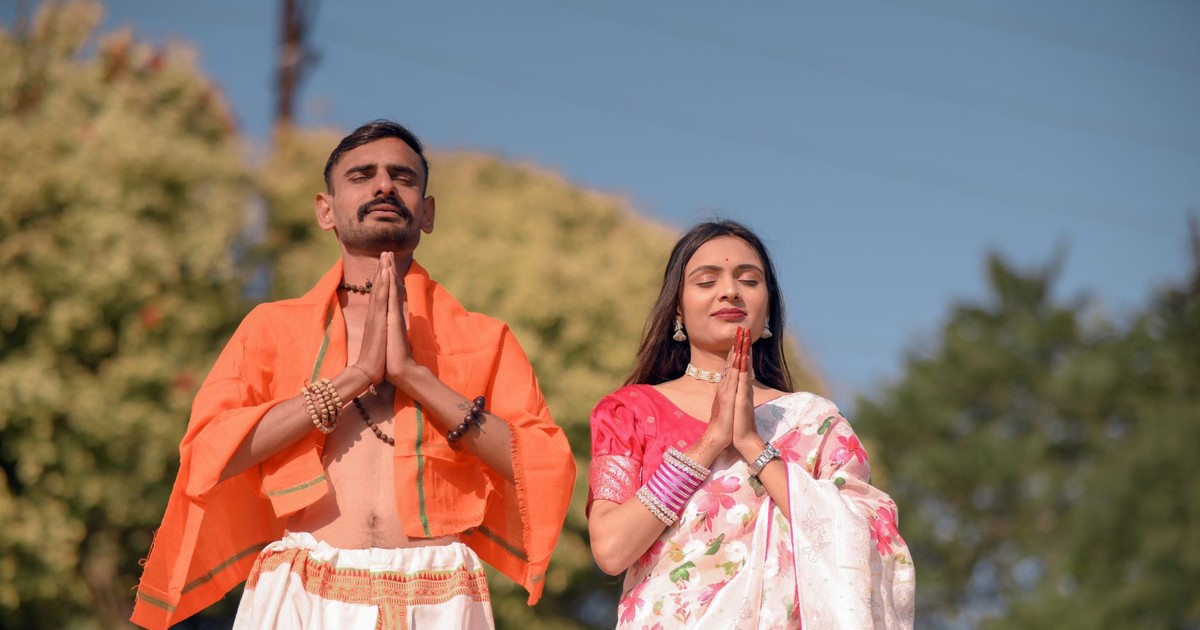
For many traditional wives, the expectation isn’t simply that a husband shares their religious beliefs – it’s that he takes the moral and spiritual life of the family seriously. That he’s invested in questions of character, of values, of what kind of people they’re raising their children to be. That the home has an ethical center, and he cares about it.
This can look very different family to family. For some, it means shared faith and regular worship. For others, it means a husband who takes seriously the question of what they stand for and how they live it. What old-fashioned wives tend to share across all those variations is the expectation that moral leadership in the home is not something she carries alone. If she’s the only one thinking about what kind of people they are and what kind of home they’re building, that weight becomes exhausting in a way that’s hard to name but very easy to feel.
Shared values don’t automatically produce a happy marriage, but a marriage where one partner is deeply invested in the family’s character and the other is indifferent to it tends to run into friction sooner or later – often in the form of parenting disagreements that turn out not to be about the kids at all.
10. Being Chosen, Repeatedly
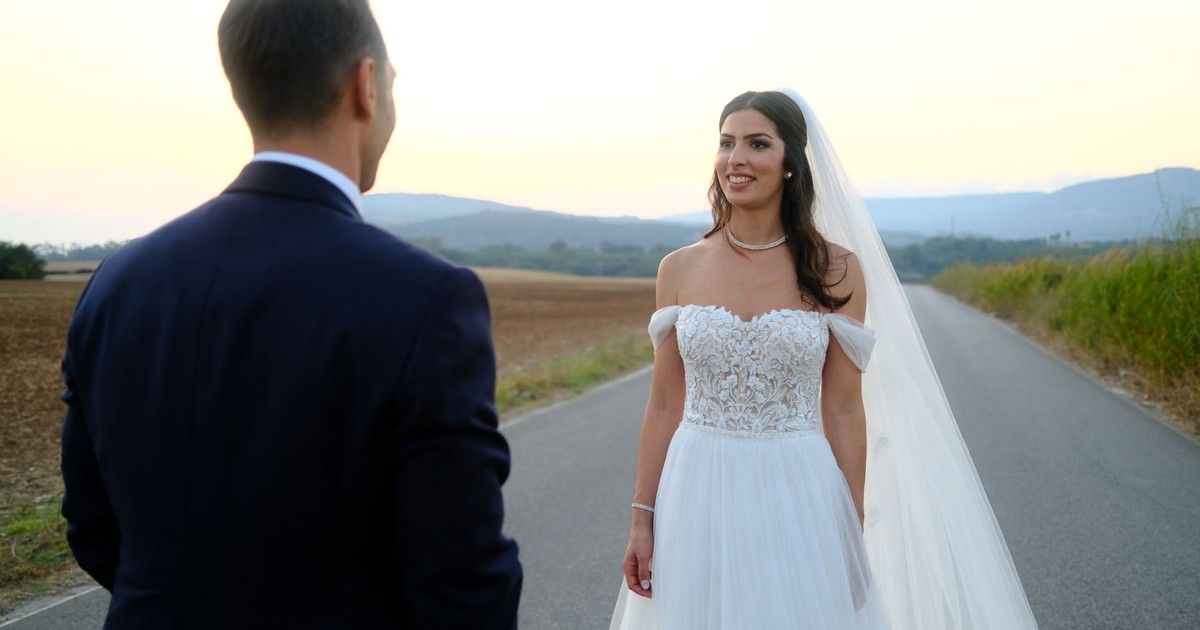
This is the one that lives underneath all the others. Old-fashioned wives expect to be chosen – not once, at the altar, but consistently, in small and large ways, across the whole arc of the marriage. Chosen over the easier alternative. Chosen when there’s a conflict that could just be ignored. Chosen when life gets genuinely difficult and walking away would be simpler than staying.
Research from the Institute for Family Studies found that nearly two-thirds of wives who rate their husbands as very masculine also say that divorce is not at all likely – and embedded in that finding is something about the feeling of security that comes from being with someone who is fully, consistently committed. The feeling of being chosen is not a romantic abstraction. It’s a daily lived experience built from a thousand small acts of attention, deliberate presence, and making the marriage the priority when it competes with other things for a husband’s time and energy.
An old-fashioned wife doesn’t expect perfection. She expects to be someone her husband would choose again – and to be able to feel that in the way he moves through the marriage, not just in what he says about it.
Read More: Men Who Make Great Husbands and Partners Display These 11 Traits
What This Is Really About

These ten expectations aren’t a contract, and they aren’t a checklist that gets completed and filed away. They’re a description of what it looks and feels like to be deeply, consistently invested in a marriage – from a wife’s perspective, and particularly from the perspective of women who take the old-fashioned dimensions of partnership seriously even when the culture around them is skeptical of those dimensions.
Some of these expectations are ones the researchers keep finding make a measurable difference in marital happiness. Some are quieter – more about dignity and being seen than about any measurable variable. None of them are as simple as they sound, and none of them are fully met all the time in any real marriage. What makes them worth holding onto is not that they’re always achievable but that they point toward something true about what partnership requires: attentiveness, loyalty, presence, and the willingness to keep choosing the person you married, even on the days when that takes real effort.
The list was never written down because the women carrying it never needed to write it down. They’ve known it for a long time. The question is always whether the person they married knows it too – and is paying enough attention to act on it without being asked.
Disclaimer: This information is not intended to be a substitute for professional medical advice, diagnosis, or treatment and is for information only. Always seek the advice of your physician or another qualified health provider with any questions about your medical condition and/or current medication. Do not disregard professional medical advice or delay seeking advice or treatment because of something you have read here.
AI Disclaimer: This article was created with the assistance of AI tools and reviewed by a human editor.