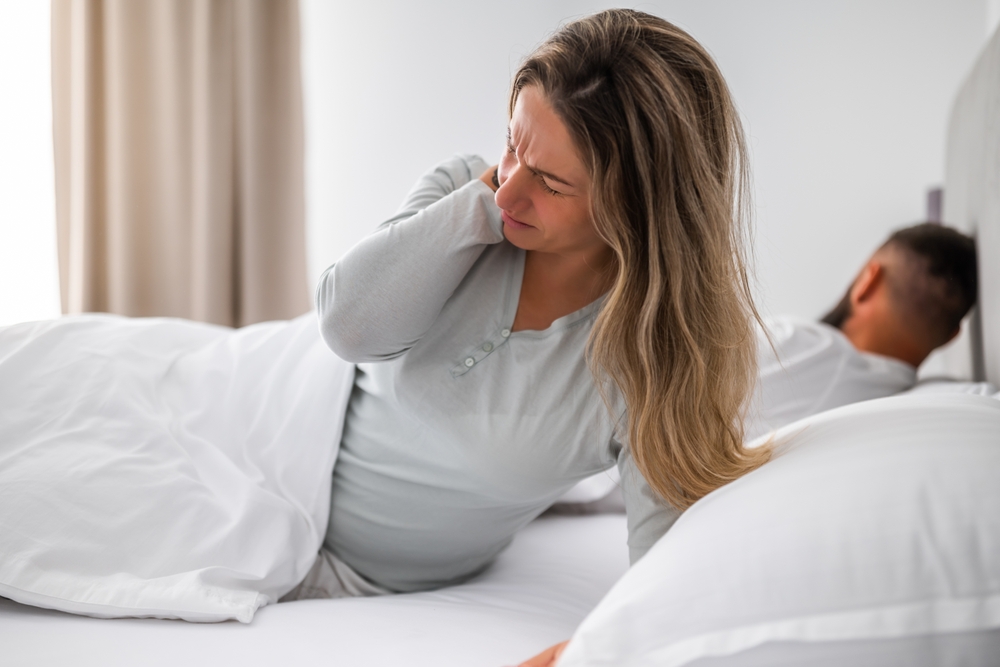

You’ve probably never given a second thought to how you land in bed at night. You collapse, you curl up however your body decides, and somewhere between the last scroll and the alarm you weren’t ready for, you’re out. The position you sleep in feels like a private, unconscious thing – like a preference that doesn’t really matter, the way it doesn’t matter which sock you put on first. Except it does matter, in ways that accumulate slowly: the neck that never quite stops aching, the lower back that greets you before the coffee does, the tingling arm you shake awake three mornings a week without thinking much of it.
What sleep researchers and doctors have been saying with increasing urgency is that the position you hold your body in for seven or eight hours a night is one of the highest-leverage variables in your long-term physical health. Not in a dramatic, single-event way, but in the slow-accumulation way – where the damage is so gradual it looks like getting older, looks like stress, looks like anything except the simple fact that you’ve been torquing your neck at a hard angle for decades while unconscious.
The sleeping position health warning making rounds in medical circles right now is specific: some positions are not just less comfortable than others. Depending on your age, your existing health conditions, and how long you’ve been doing it, certain ways of sleeping carry real, documented risks. And unlike most health warnings, this one is completely actionable – because you can change it tonight, even if it takes a few weeks to stick.
The Position Doctors Are Most Worried About
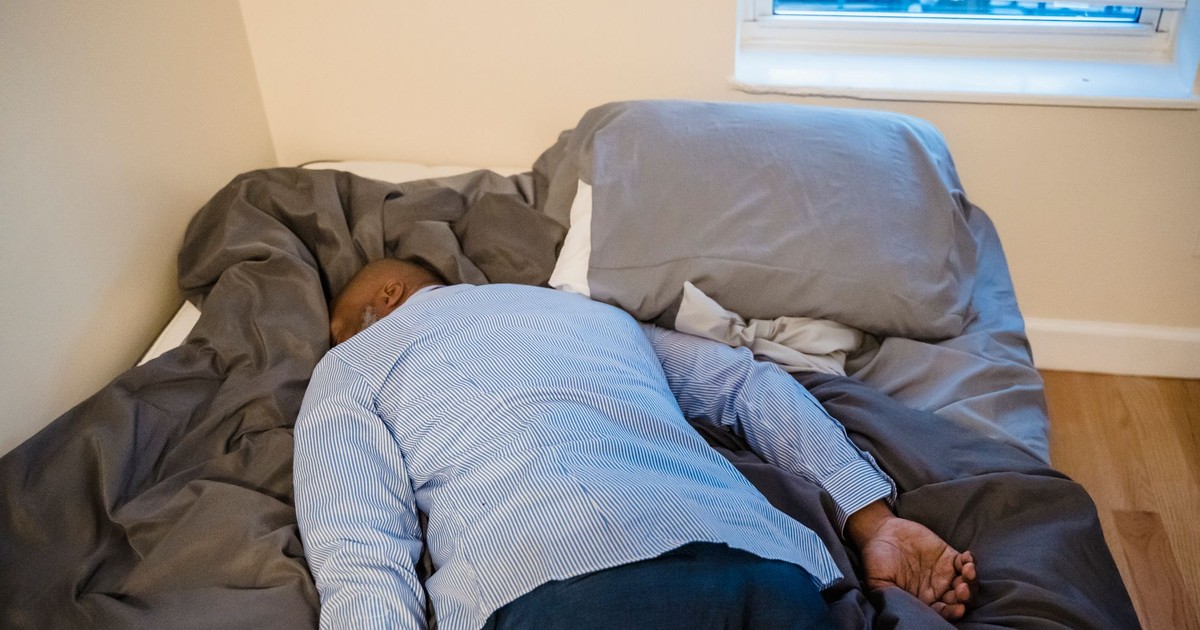
Stomach sleeping, known in medical terminology as the prone position, is consistently flagged by spine specialists as the most problematic of the common sleeping positions. According to the Cleveland Clinic, sleeping on your stomach throws spinal alignment off by flattening and abnormally twisting the spine’s ideal curve, puts added stress on the lower back, and forces the head to turn to one side in order to avoid suffocating in the pillow. You can’t breathe face-down into a mattress, which means your neck is rotated hard to one side for the entire duration of your sleep. Every single night.
This creates sustained cervical rotation – your neck twisted at an angle for the entire sleep period. The cervical spine has significant rotation capacity in its normal range of motion, but that range is designed for dynamic use, not sustained static loading over hours. The distinction matters because it’s the sustained, static nature of sleep that converts a normally harmless position into a cumulative injury. If you rotated your neck to the same position for thirty seconds, nothing would happen. Do it for seven hours, every night, for years, and you’ve created a different situation entirely.
Stomach sleeping also typically requires lumbar extension – an anterior pelvic tilt – to allow comfortable breathing and chest clearance. Combined with the cervical rotation, this creates a full-spine alignment problem: excessive arch at the bottom, sustained rotation at the top. People who sleep predominantly on their stomachs often wake with morning neck stiffness that takes an hour or more to resolve, recurring headaches that begin at the base of the skull, asymmetric shoulder tension tighter on the side the head rotates toward, and lower back pain that is worse in the morning than later in the day.
That last detail – pain that’s worst immediately after waking – is worth paying attention to. Pain that decreases as the day goes on often points to sleep posture rather than activity or injury. The body has been loaded in a bad position and takes time to recover, which is roughly the opposite of how restorative sleep is supposed to work.
What Back Sleeping Does to Your Breathing
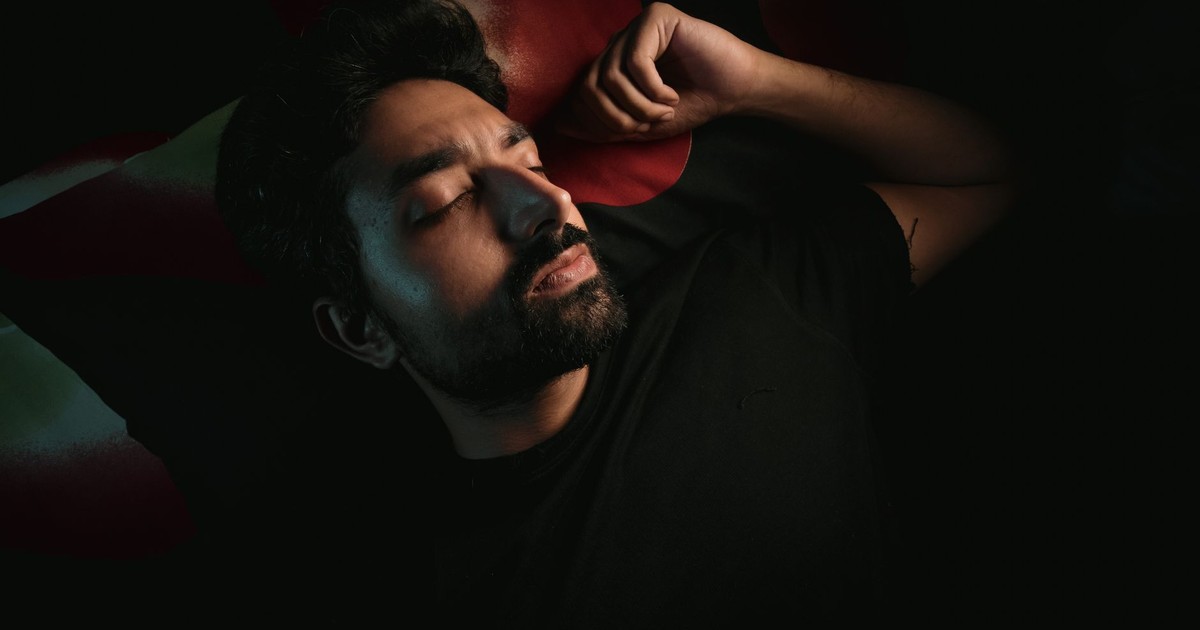
Back sleeping, or the supine position, is widely regarded as neutral for spinal alignment, and for healthy adults it often is. As Johns Hopkins Medicine explains, for young, healthy people sleep position is less important – but as you get older and develop more medical issues, sleep position can shift from positive to negative. Back sleeping is where that shift tends to catch people off guard.
Sleep apnea affects approximately 34 percent of middle-aged men and 17 percent of middle-aged women, with many cases undiagnosed. Some people have what specialists call positional obstructive sleep apnea, meaning they only experience apnea in certain positions. Back sleeping is the position most associated with worsening obstructive sleep apnea because gravity causes the tongue and soft tissues at the back of the throat to relax and drop backward, partially blocking the airway. For someone who doesn’t know they have apnea, back sleeping is a reliable way to make undiagnosed breathing disruption worse every single night.
A 2025 American Heart Association scientific statement addressed the role that optimal sleep may have on brain health, and one of the threads running through that research is the relationship between position, airway health, and neurological risk. The connection isn’t just about snoring or daytime fatigue. Sustained, untreated sleep apnea has been linked to elevated blood pressure, cardiovascular stress, and impaired brain waste clearance – the process by which the brain flushes out potentially toxic proteins during sleep.
On that last point, the research has taken an unexpected turn. A Medical News Today report on a study presented at the Alzheimer’s Association International Conference 2024 found a possible link between supine sleep and neurodegeneration, with previous research also associating back sleeping with other adverse health effects. The researchers are careful to note this is associative, not causal – while the research has established a strong association between supine sleep and neurodegeneration, it has not yet been proven that supine sleep causes neurodegeneration. But the association is there, and it’s attracting serious scientific attention.
The T-Rex Problem Nobody Talks About
There’s a specific arm configuration that has been getting attention from sleep medicine doctors lately. It has an unofficial name – the “T-Rex position” – and it refers to sleeping with the arms bent and curled in close to the chest, the way a person might curl up tightly for warmth or comfort. Most people have never considered whether this could be doing anything harmful, because arms don’t feel like a structural concern the way a spine does. Turns out, they are.
When sleeping with arms bent and tucked in, the pressure can fall directly on the nerves in the elbows or wrists. This can slow blood flow and make the arms feel numb or tingly. Done regularly, it can also strain the shoulders and make them stiff or sore.
The real concern, though, is what happens when the habit persists. While doctors acknowledge that the tingling is often temporary, they warn that doing it night after night can turn temporary pins and needles into lasting nerve damage. Warning signs include shooting pain down the arm, trouble gripping things, or dropping objects more frequently. These aren’t trivial annoyances or clumsiness – they’re the body signaling that the damage is progressing.
The good news on this one is genuinely good: if caught early, the fix is simple. Change the arm position. If the pressure on the nerves has only been happening for a short time, it’s usually temporary and resolves once the sleeping position changes – though if sustained for weeks or months, it can cause lasting damage. Wrapping a soft towel loosely around the elbow before sleep can create enough of a cue to prevent the bend from happening without waking you. A body pillow, something to hold rather than curl against, accomplishes the same thing more comfortably.
Side Sleeping: The Best Option With Caveats

Side sleeping is the position most people default to, and it comes with the most medical support as a default choice. Sleeping on the side or back is considered more beneficial than sleeping on the stomach. In either of these positions, it’s easier to keep the spine supported and balanced, which relieves pressure and enables muscles to relax and recover.
Side sleeping gets particular endorsement for people with acid reflux. If you deal with heartburn or gastroesophageal reflux disease – GERD – sleeping on the left side is usually the best position. It makes it harder for stomach acid to reach the junction between the stomach and esophagus. Sleeping on the right side or flat on the back, conversely, can make GERD symptoms worse. That specific left-versus-right distinction is not splitting hairs. The stomach’s anatomy means the left side uses gravity to your advantage; the right side works against it.
For pregnancy, side sleeping isn’t just a preference – it’s a clinical recommendation. Sleeping on the side is considered safer and more comfortable during pregnancy, as it helps promote optimal blood flow and may lower the risk of certain complications.
The caveats for side sleeping are real, though minor. It can be difficult to keep the spine aligned when side sleeping, which can put pressure on the neck, back, or hips. Side sleeping may exacerbate pain, especially in the neck or shoulders on the side slept on. The fix here is mostly about pillow thickness: side sleepers need a firmer, taller pillow than back sleepers do to fill the gap between the ear and the mattress and keep the head level with the spine. Back sleepers typically need thinner pillows, while side sleepers benefit from thicker, firm pillows to fill the space between the head and the mattress.
How to Actually Change a Sleeping Position
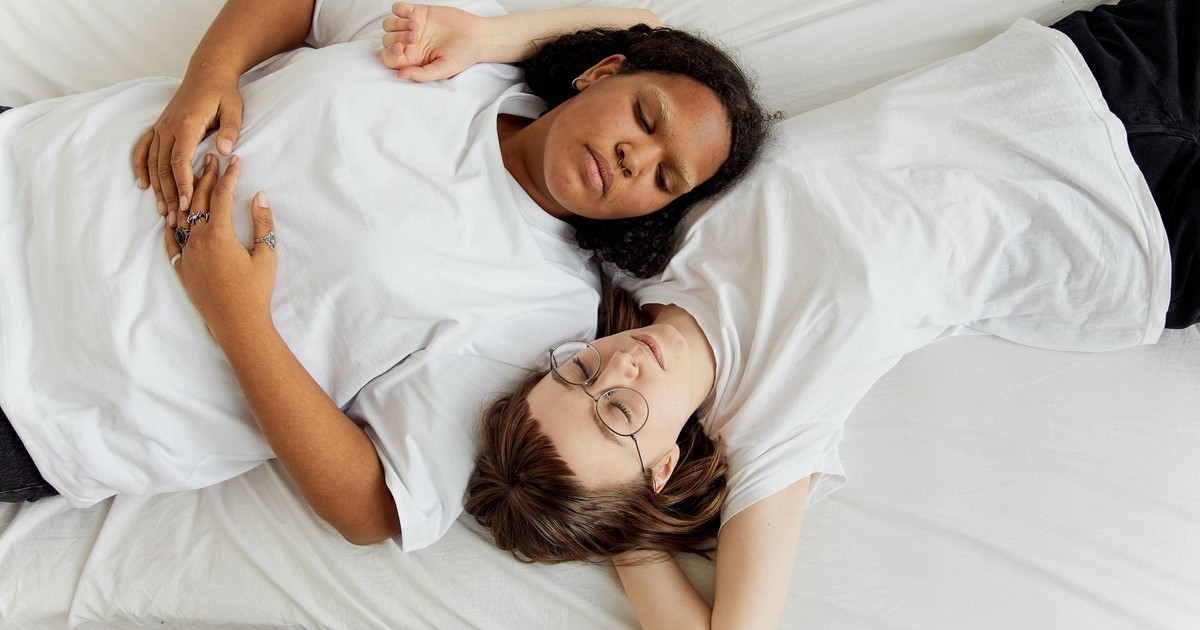
This is where most advice falls apart, because telling someone to “just sleep differently” is about as useful as telling someone to “just stop grinding their teeth.” Sleeping positions are largely involuntary. You set yourself up in one position, and somewhere in the transition to unconsciousness, your body does what it wants.
The practical workarounds are, happily, specific. For stomach sleepers trying to migrate to their sides, a body pillow placed along the front of the body gives the torso something to rest against, which approximates the pressed, grounded feeling that makes stomach sleeping appealing without requiring the prone position. A tennis ball or rolled-up sock sewn into the front of a sleep shirt creates physical resistance to rolling forward – uncomfortable enough to redirect, not uncomfortable enough to wake. For back sleepers who want to avoid the apnea risks, positioning a pillow under the knees takes pressure off the lumbar spine and makes the position more tolerable, while a wedge pillow under the upper back can slightly elevate the chest, which helps keep the airway open.
Mattress and pillow choice also matter more than most people account for. A medium-firm mattress provides adequate support for the spine without creating pressure points. A mattress that’s too soft causes the body to sink and fall out of alignment, while one that’s too firm may create discomfort at pressure points like the hips and shoulders.
Position change also tends to work best in stages rather than overnight. If you’ve been a stomach sleeper for thirty years, going straight to your back will feel alien enough that you’ll abandon it by 2 a.m. Side sleeping is usually the more accessible transition, and even imperfect side sleeping – with a knee dropping forward, with the arms not quite right – is meaningfully better for the neck and spine than prone.
What This Is Really About

The conversation around sleeping position health warnings tends to get treated as a niche concern, the province of people who already have back problems or who are deep into optimization culture. But the reason doctors are raising it with more urgency is simpler than that: most people have no idea their sleep position is doing anything at all, and by the time the damage is noticeable, it has usually been accumulating for years.
The body is remarkably good at adapting to poor conditions. That’s what makes chronic low-level damage so easy to miss. A neck that stiffens every morning, a shoulder that never quite loosens up, a hand that goes numb often enough that you’ve named it a quirk – these aren’t just things that happen. They’re often the body’s incremental response to sustained physical load applied for eight hours a night, seven nights a week, year after year. The archive of that load never gets smaller.
None of this requires a perfect solution, because perfect solutions don’t exist in a body that’s tired and just wants to fall asleep. What it does require is knowing what the options cost. Stomach sleeping, done habitually, costs the neck and the lower back. Bent arms cost the ulnar nerve. Back sleeping, for a significant portion of the population, costs the airway in ways they may not even be aware of. Side sleeping, done with reasonable support, is the position that comes closest to costing the least. That’s not a dramatic revelation. It’s just useful to finally know it.
Disclaimer: This information is not intended to be a substitute for professional medical advice, diagnosis, or treatment and is for information only. Always seek the advice of your physician or another qualified health provider with any questions about your medical condition and/or current medication. Do not disregard professional medical advice or delay seeking advice or treatment because of something you have read here.
AI Disclaimer: This article was created with the assistance of AI tools and reviewed by a human editor.