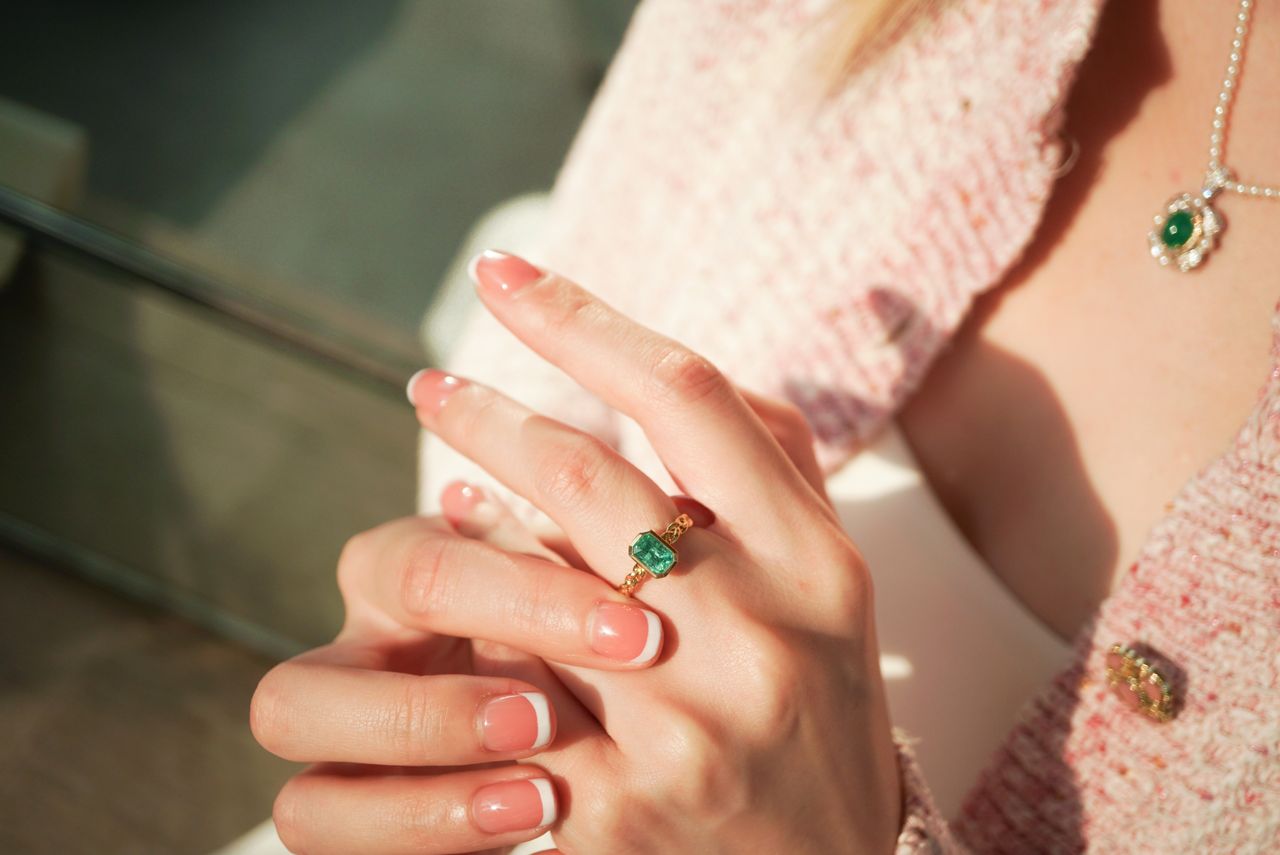

Pick up any piece of jewelry you wear every single day – the one you put on without thinking, the one that feels wrong to leave behind – and you will probably notice it features a particular stone. Not a style you were talked into, not something a gift-giver chose for you, but one you reached for yourself, repeatedly, across years. Across thousands of years of human history, the stones people have chosen to carry on their bodies have been understood as far more than decoration. They have been read as declarations: of values, of strength, of the self a person aspires to inhabit.
The language of gemstones is older than most written languages. Before jewelers set them into rings and before miners catalogued their hardness on the Mohs scale, precious stones were already doing serious cultural work. They adorned the death masks of pharaohs, sealed the political alliances of emperors, and marked the spiritual status of priests. The gemstone personality meaning embedded in each stone did not begin with internet quizzes or crystal shops on Instagram – it began with civilizations trying to make sense of power, identity, and the interior life. Much of that original meaning has remained coherent across the millennia, passed down through trade routes, religious texts, and royal collections, until it arrived remarkably intact in the twenty-first century.
The Ancient Foundations of Gemstone Meaning
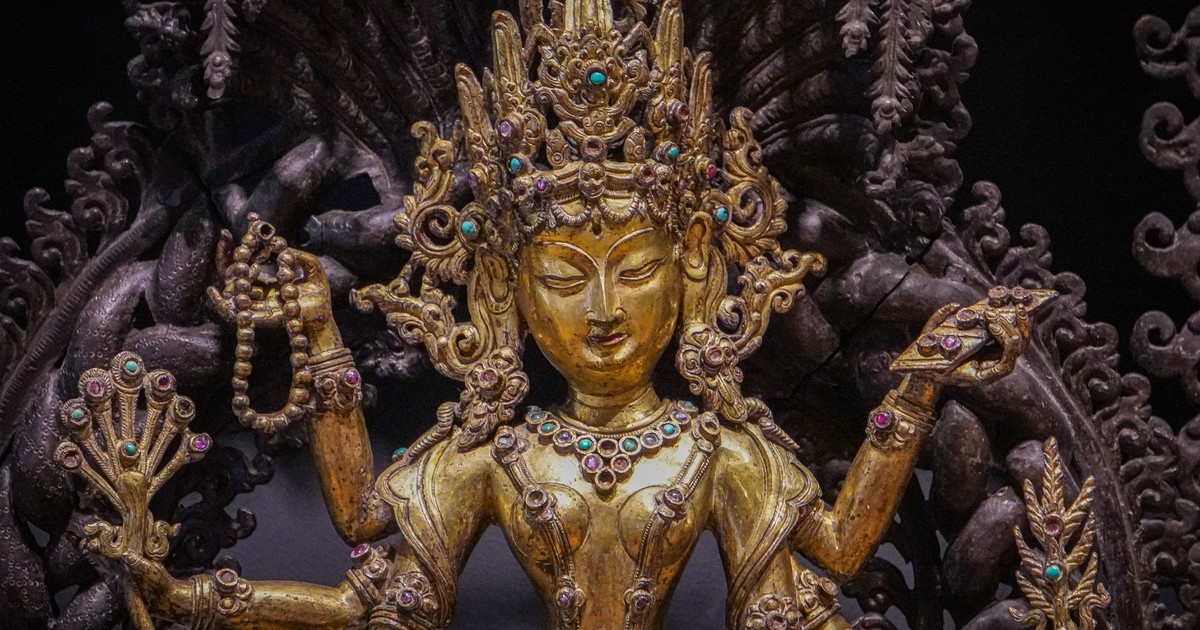
What follows is a stone-by-stone examination of what the world’s most significant gemstones have been understood to mean – not only in ancient contexts, but in terms of the personality traits and inner strengths that people drawn to each stone tend to embody. According to Grand View Research, the global gemstones market was estimated at USD 101.73 billion in 2024 and is projected to reach USD 183.17 billion by 2033, growing at a compound annual growth rate of 7.0%. A market of that size is not sustained by casual interest. It is sustained by people who believe, in one way or another, that the stones they choose say something true about who they are.
The meanings that attach to diamonds, rubies, amethysts, and emeralds today were not invented by modern wellness culture. They were assembled across thousands of years by societies that took these associations seriously as matters of spiritual, political, and personal identity.
Throughout history, gemstones have been more than decorative ornaments. In ancient civilizations, they were revered for their spiritual, mystical, and symbolic properties, with different cultures assigning unique meanings based on a stone’s color, rarity, and perceived energy – beliefs that shaped their use in royal regalia, religious rituals, and daily life.
Ancient Egypt is one of the earliest civilizations known for its sophisticated use of gemstones. Egyptians believed these stones were gifts from the gods, imbued with protective and spiritual energy – lapis lazuli, for instance, with its deep blue hue flecked with golden pyrite, symbolized the heavens and the cosmos and was understood as a bridge between the divine sky and the earthly realm.
In ancient China, no gemstone held greater importance than jade. Revered as the “Stone of Heaven,” jade was a symbol of immortality, purity, and harmony, and the Chinese associated it with Confucian virtues including wisdom, courage, and righteousness. The moral dimension here is striking: jade was not simply beautiful, it was considered an emblem of character. Choosing jade was a statement about the kind of person you believed yourself to be.
In Mesopotamia, gemstones were considered powerful tools for divination and protection. Agate and lapis lazuli were set into amulets and talismans to guard against evil spirits, and the Mesopotamians also engraved symbols into crystals to enhance their magical properties, believing the stones could communicate with the gods.
In the ancient Indus Valley civilization, gemstones were believed to possess healing properties and were used in various rituals and ceremonies. The green emerald was associated with Venus, the goddess of love and beauty, and was believed to promote harmony and fertility, while the ruby, with its fiery red hue, was a symbol of power and passion thought to protect its wearer from evil spirits.
Societies that had no contact with one another arrived at remarkably similar conclusions about specific stones. Red stones meant vitality and courage. Blue stones meant wisdom and the heavens. Green stones meant growth, health, and abundance. The meanings were not arbitrary – they were drawn from the observable world and mapped onto the inner life of the people who chose them.
Diamond: Clarity, Resilience, and Unshakeable Purpose
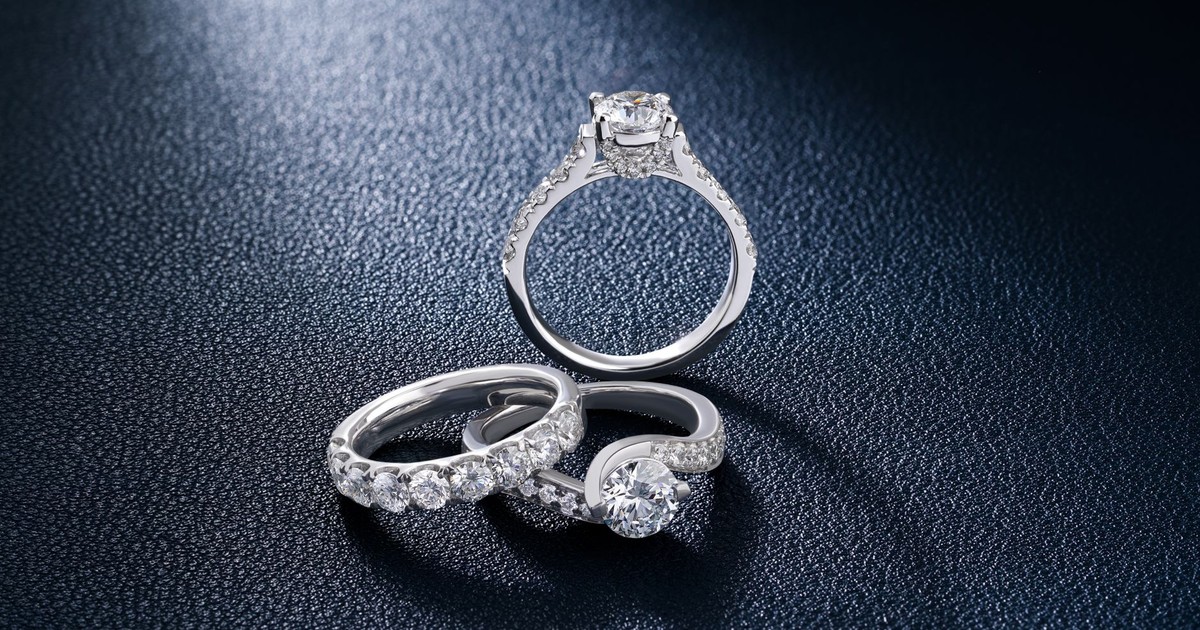
No stone in the world carries as much cultural freight as the diamond, and that weight is not entirely a product of modern marketing. Those drawn to diamonds tend to be individuals who value strength, resilience, and clarity. Diamonds are one of the hardest materials on Earth, and the people who gravitate toward them often possess an unshakeable spirit and a clear sense of purpose, perceived by others as dependable, trustworthy, and ambitious.
The diamond personality is not showy about its strength. It does not need to announce itself. The clarity is the point. People who choose diamonds as their primary stone often have an internal life ordered around precision – they know what they believe, they know who they love, and they do not require external validation to confirm either. The diamond traditionally represents strength, everlasting love, and unaltered determination. Those drawn to it tend to wear their hearts on their sleeves, transparent with their love and at ease with being unambiguously devoted.
The inner strength embedded in the diamond is not aggression or dominance. It is permanence. The person who reaches for a diamond is someone who intends to stay.
Ruby: Passion, Leadership, and the Courage to Be Seen
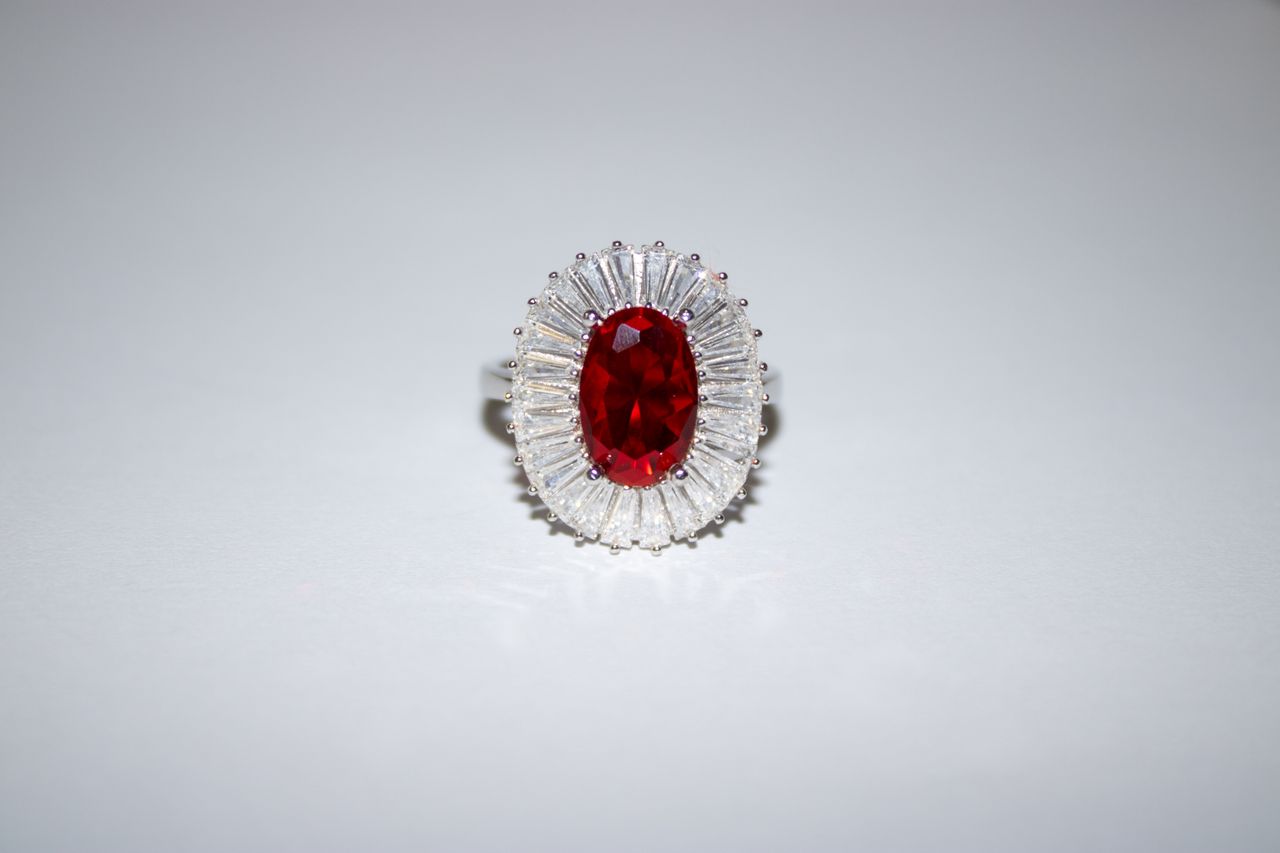
The ruby has never been subtle, and the people drawn to it are not either. A deep red ruby speaks volumes about the wearer’s personality, conveying passion, vitality, and confidence. People who favor rubies are often outgoing, charismatic, and fearless in their pursuits. Historically, this stone was a marker of royalty specifically because the traits it represented – courage, decisive authority, willingness to act – were the traits ancient cultures associated with those who lead.
The ruby’s fiery red hue made it a symbol of power and passion across ancient civilizations, where it was thought to protect its wearer from evil spirits. The ruby personality is not simply bold, it is also a guardian. People drawn to this stone often take on the emotional burden of leadership without complaint, absorbing difficulty so that others around them do not have to.
The shadow side of the ruby personality is the same quality that makes it magnetic: it can exhaust itself in the service of others’ battles. The courage to be seen has to be matched, eventually, by the discipline to rest.
Sapphire: Wisdom, Integrity, and the Long View
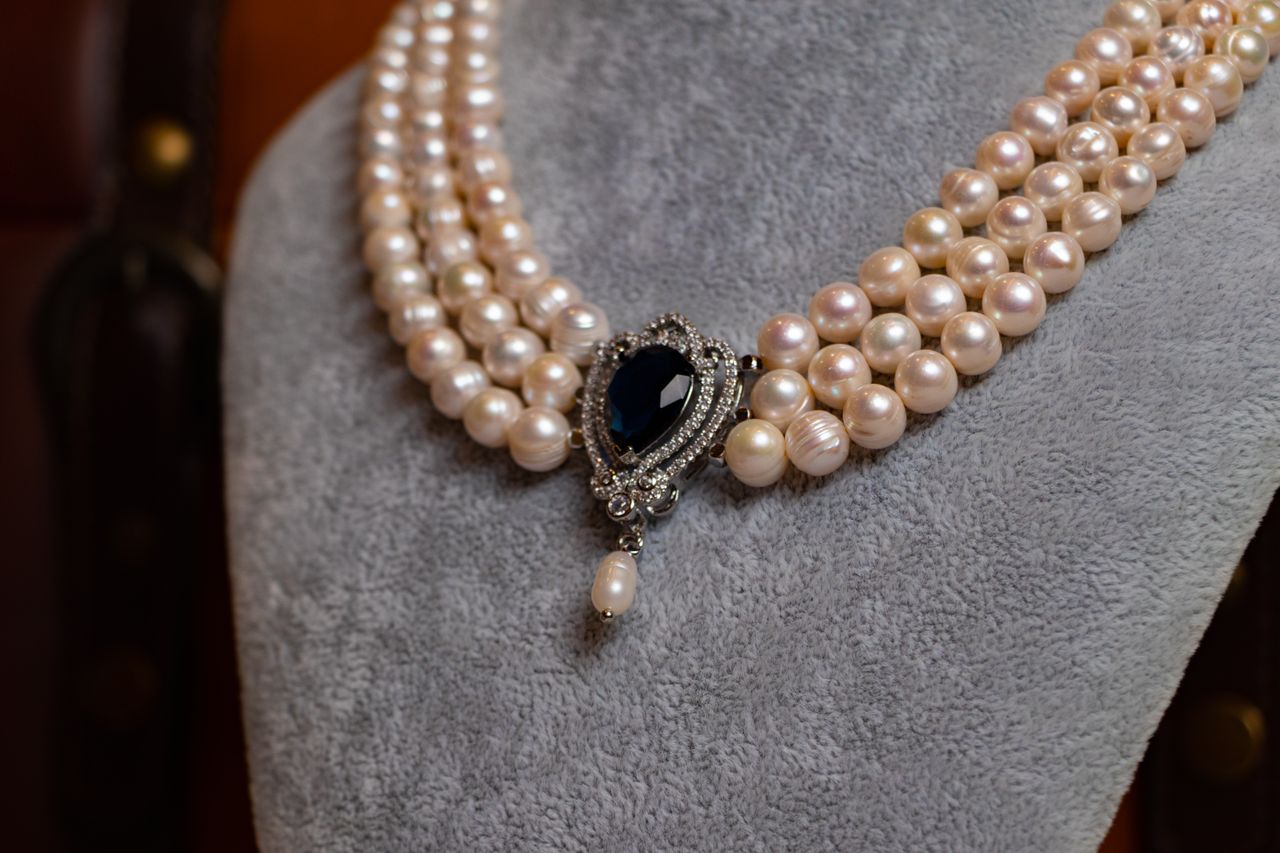
The sapphire has been associated with wisdom across more cultures and more centuries than almost any other stone. Blue sapphire is associated with dignity, loyalty, serenity, faith, wisdom, and purity, and personalities connected to this stone tend to be industrious, honest, and mentally strong, though they often prefer not to display their emotions publicly. That last detail is accurate to the type. Sapphire people do not lack feeling – they simply see emotional restraint as a form of respect for the weight of serious situations.
Sapphires held immense spiritual and political importance across ancient civilizations, worn by priests and monarchs who needed to project not passion but judgment. The sapphire personality is the one in the room who waits until everyone else has spoken before offering an assessment – and whose assessment, when it arrives, tends to end the argument.
Those who choose sapphire as their stone of choice are often wise, calm, and focused individuals, drawn to a stone long associated with clarity and measured thought. The inner strength here is patience – not the passive kind, but the deliberate decision to allow time to clarify what urgency would obscure.
Emerald: Renewal, Intuition, and the Healing Impulse
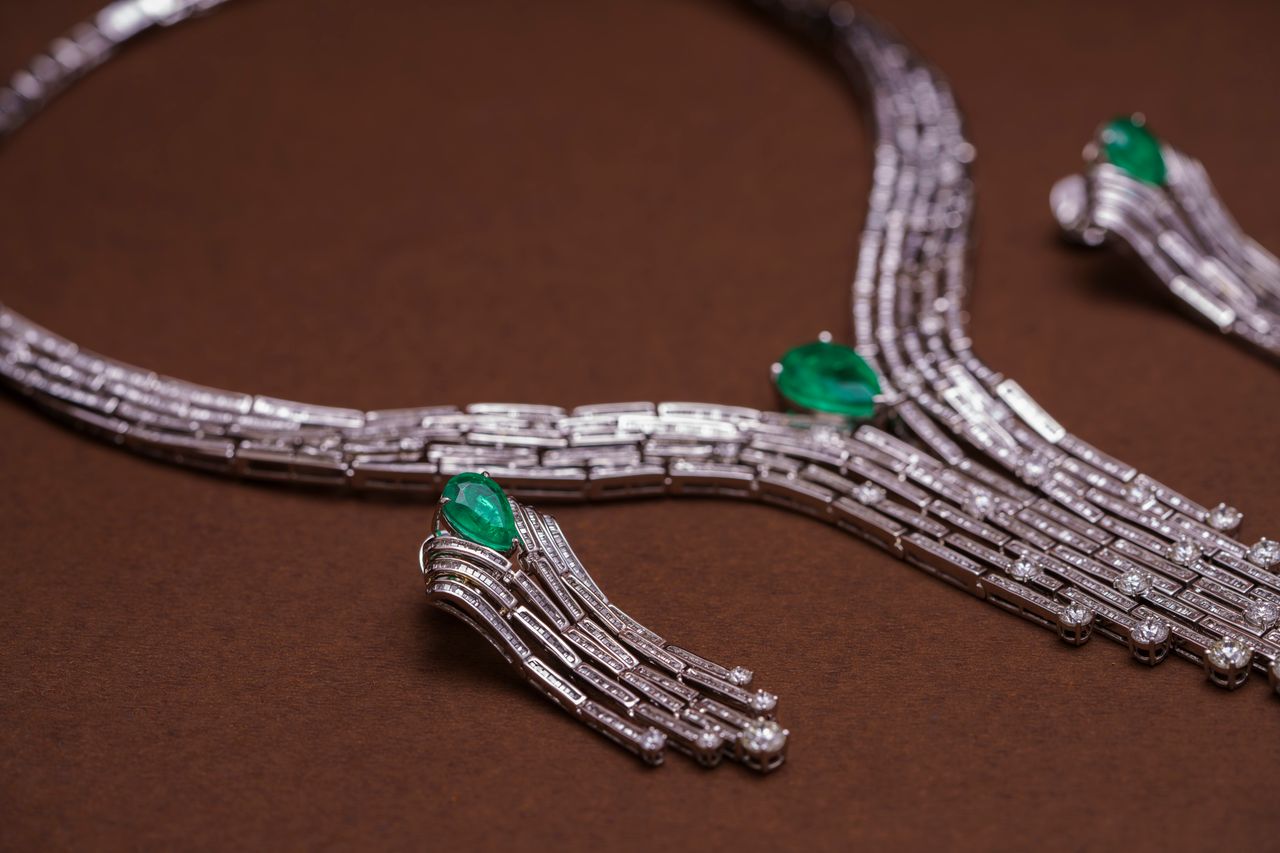
Green has always meant growth, and the emerald is the most concentrated form of that meaning. The emerald speaks of health, faithfulness, fertility, and a comforting spirit, and those drawn to it may experience heightened intuition and a natural inclination toward understanding in its deepest forms.
The green emerald was associated with Venus, the goddess of love and beauty, and was connected to themes of harmony and abundance. Across many ancient traditions, the emerald was specifically a healer’s stone – not in the sense of dramatic intervention, but in the sense of patient, enduring restoration. The emerald personality is the one who notices when someone in the room is struggling before that person has said a word.
People who gravitate toward emeralds often find themselves in roles they did not seek out – the friend everyone calls at 2 a.m., the family member others lean on during transitions, the colleague who keeps the team emotionally functional while appearing to do nothing at all. Their inner strength is almost invisible from the outside, which is precisely what makes it formidable.
Amethyst: Depth, Intuition, and the Interior Life
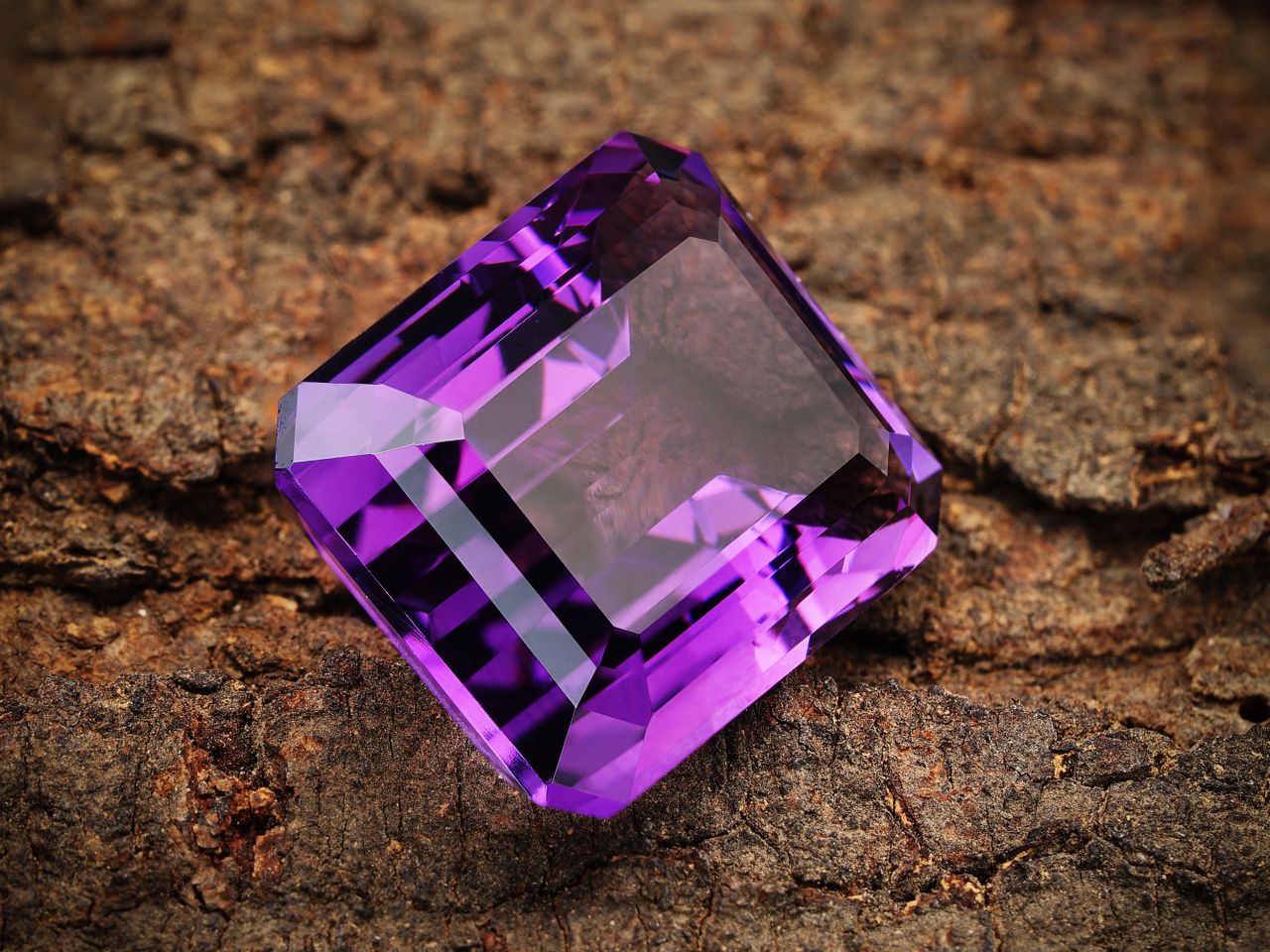
The amethyst personality is the most complex entry on this list, and the most easily underestimated. Amethyst’s rich purple tones have long been associated with peace, spirituality, and intuition. Those drawn to amethyst likely have a creative mind and a deeply compassionate spirit, with an introspective nature that seeks harmony in life and values inner peace over material wealth.
In ancient Greece, amethyst was believed to protect against drunkenness – a detail that sounds odd until you understand what it actually means. Amethyst was the stone of clarity in the face of intoxicating pressure. The amethyst personality is the one who stays clear-eyed when everyone around them is swept up in panic, groupthink, or collective emotion. They are often wrongly described as aloof when they are actually simply processing at a depth most people never reach.
Amethyst is frequently understood as a stone of stress relief and spiritual connection, its purple hue associated with intuition and higher consciousness. People drawn to it often have a rich inner world that finds expression in creative work, in spiritual practice, or in conversations that quickly become more honest than the other person expected.
Rose Quartz: Empathy, Emotional Courage, and Self-Possession

Rose quartz is sometimes dismissed as the softest stone in the collection, both literally and metaphorically, which is a significant misreading of what empathy actually requires. Rose quartz, known as the stone of unconditional love, is often associated with attracting love and strengthening relationships.
This soft pink stone is the crystal of love and emotional healing, believed to open the heart to self-love and to attract harmonious relationships. Self-love is the operative concept. The rose quartz personality is not simply loving toward others – it has learned, often through considerable difficulty, to extend that same quality inward. Arriving at genuine self-compassion, after years of prioritizing everyone else, is among the rarest forms of human strength.
People drawn to rose quartz often have a history of prioritizing others at their own expense before arriving, sometimes slowly and sometimes abruptly, at the understanding that the love they give outward has to be built on something solid inside. The rose quartz personality is warm, but it is not a pushover. It has simply done the internal work – genuinely, not as a performance – to know the difference between care and self-erasure.
Citrine: Optimism, Creative Force, and the Refusal to Stagnate
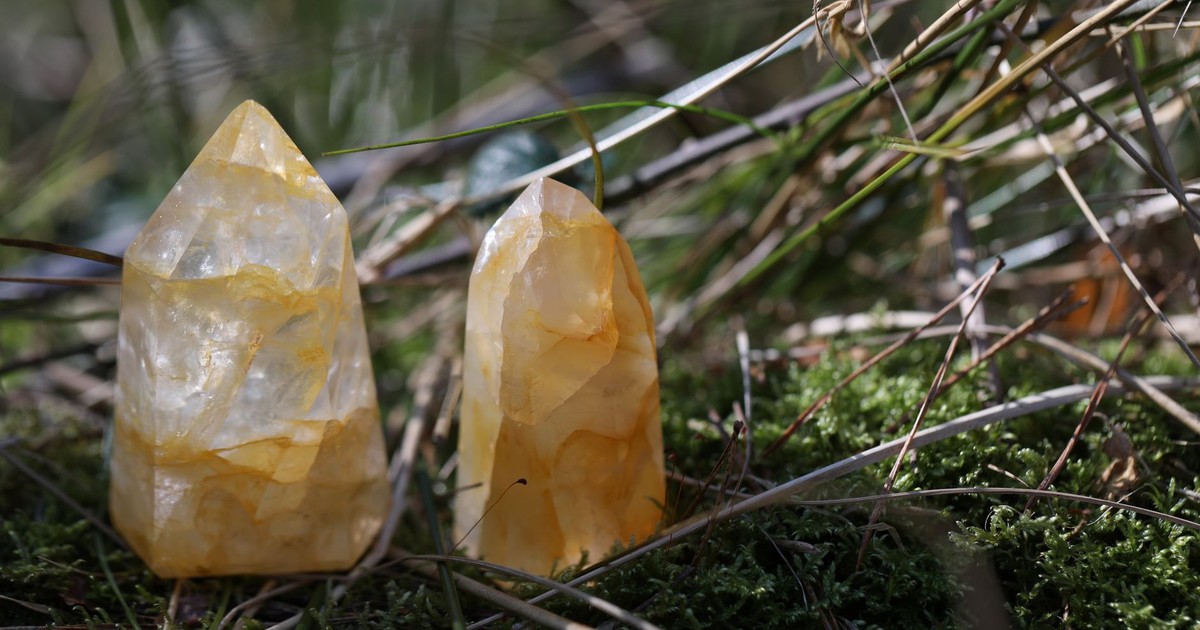
Citrine is the stone of forward momentum, and the people who choose it reflect that quality consistently. With its sunny yellow color, citrine is associated with abundance, prosperity, and success, and is thought to attract positive energy while promoting feelings of joy and optimism.
The citrine personality is not naively cheerful. Their optimism is not the absence of awareness about difficulty – it is a refusal to let difficulty become the organizing principle of their life. They have usually been through something real, and they have decided, consciously, to orient themselves toward what is possible rather than what was lost. That decision has to be remade repeatedly, which is why the inner strength of the citrine personality is more disciplined than it appears.
Citrine, known as the stone of positivity and radiating with a sunny yellow hue, is understood to bring a sense of joy and prosperity into whatever environment its carrier moves through. In practice, this means the citrine person is frequently the one who gets a team unstuck, who reframes a problem in a way that makes the solution visible, and who leaves a conversation feeling lighter than when they arrived.
Lapis Lazuli: Truth, Authority, and the Wisdom of Experience
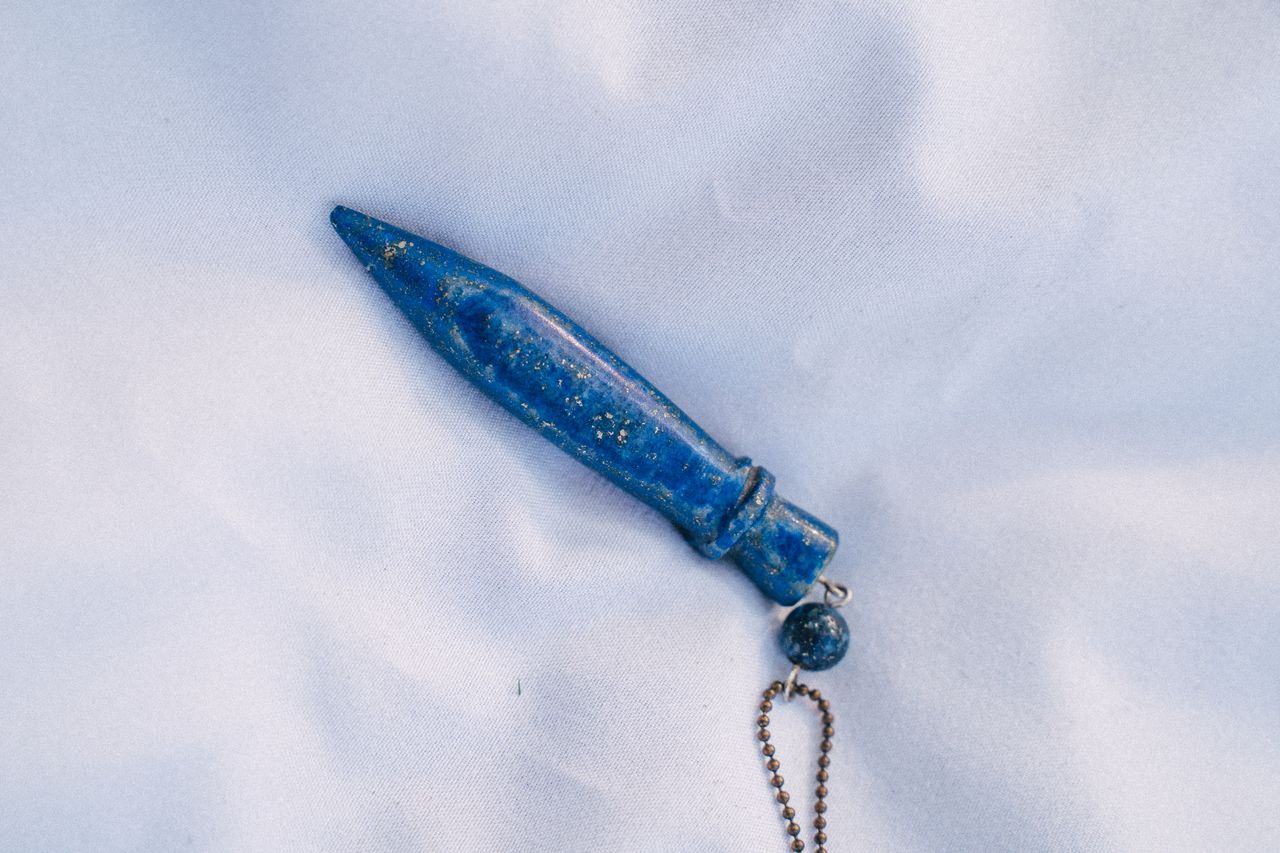
Lapis lazuli has been a stone of power for longer than almost any other gem on earth. Ancient civilizations from Mesopotamia to Egypt, China, Greece, and Rome all coveted this rich ocean-blue gem, with Egyptians believing lapis could improve sight and understanding, while across the classical world it was seen as a symbol of royalty, strength, courage, wisdom, friendship, and truth.
The lapis personality carries that history in the way it engages with the world: directly, without unnecessary ornamentation, and with a strong sense of what it knows to be true. Lapis lazuli, symbolizing the heavens, was associated with divine knowledge, and pharaohs and high priests wore it to enhance spiritual enlightenment and to facilitate communication with the divine. In contemporary terms, the lapis personality is the one in any room who brings accumulated knowledge to bear on present situations – who has read enough, lived enough, and reflected enough to see patterns that others miss.
Their inner strength is authority – not the positional kind, but the earned kind. They are rarely the loudest voice, but they are the one people remember.
Garnet: Loyalty, Regeneration, and Steadfast Devotion
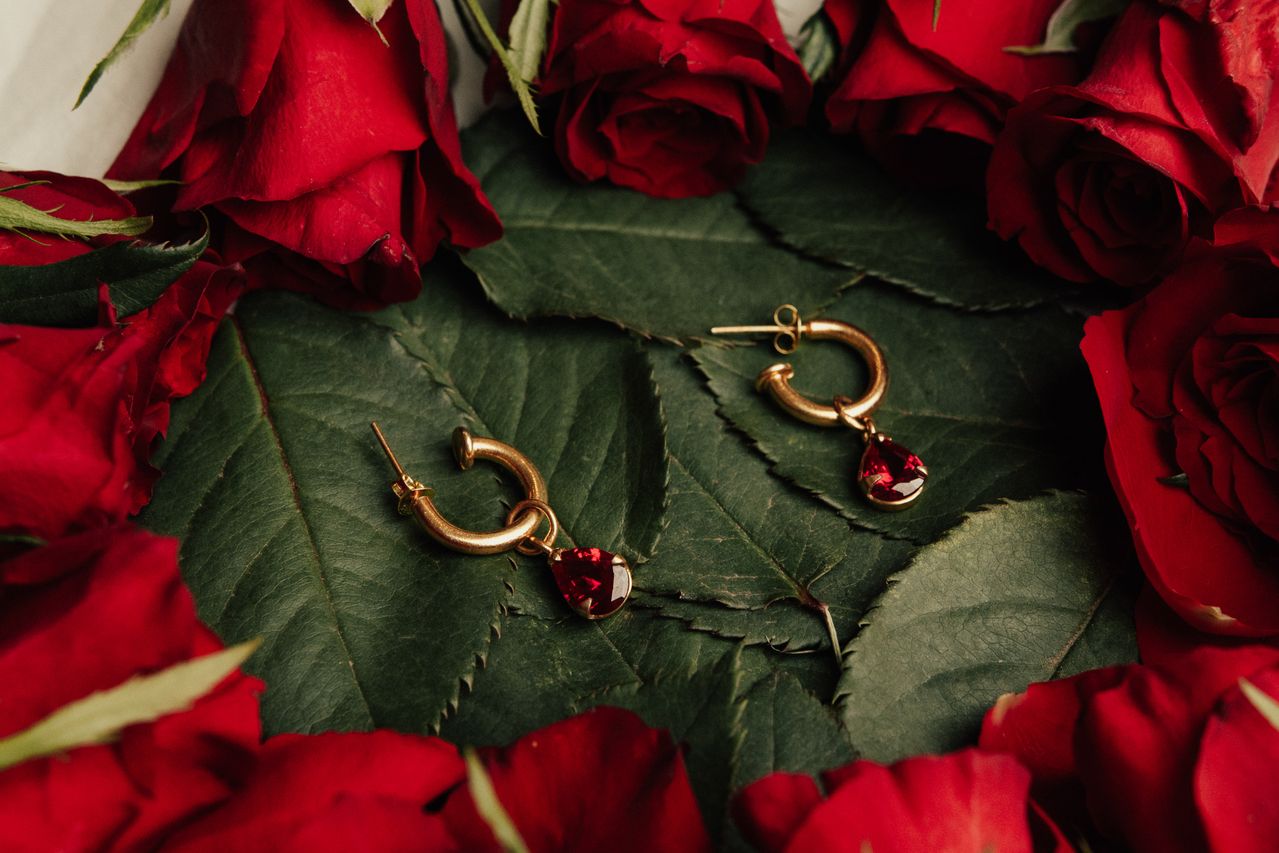
The garnet is a stone that rewards a second look. In deep red, it resembles the ruby, but where the ruby is all fire and outward display, the garnet burns more inward. Wearing garnet symbolizes love, consistency, faith, and loyalty, and those drawn to it tend to place deep value on friendship and on the relationships they have chosen to keep.
The garnet personality is one of the most reliable archetypes in the entire lexicon of gemstone meaning. They do not make promises lightly, but the ones they make are iron. They are not the person who arrives with a dramatic gesture at a crucial moment – they are the person who has been present, without announcement, for years before the crucial moment arrives. That consistency is its own form of courage, and it is rarer than most people acknowledge.
The inner strength of the garnet personality is durability. Where more visible personalities may burn brilliantly and briefly, the garnet holds the fire longer.
Moonstone: Intuition, Adaptability, and Feminine Strength
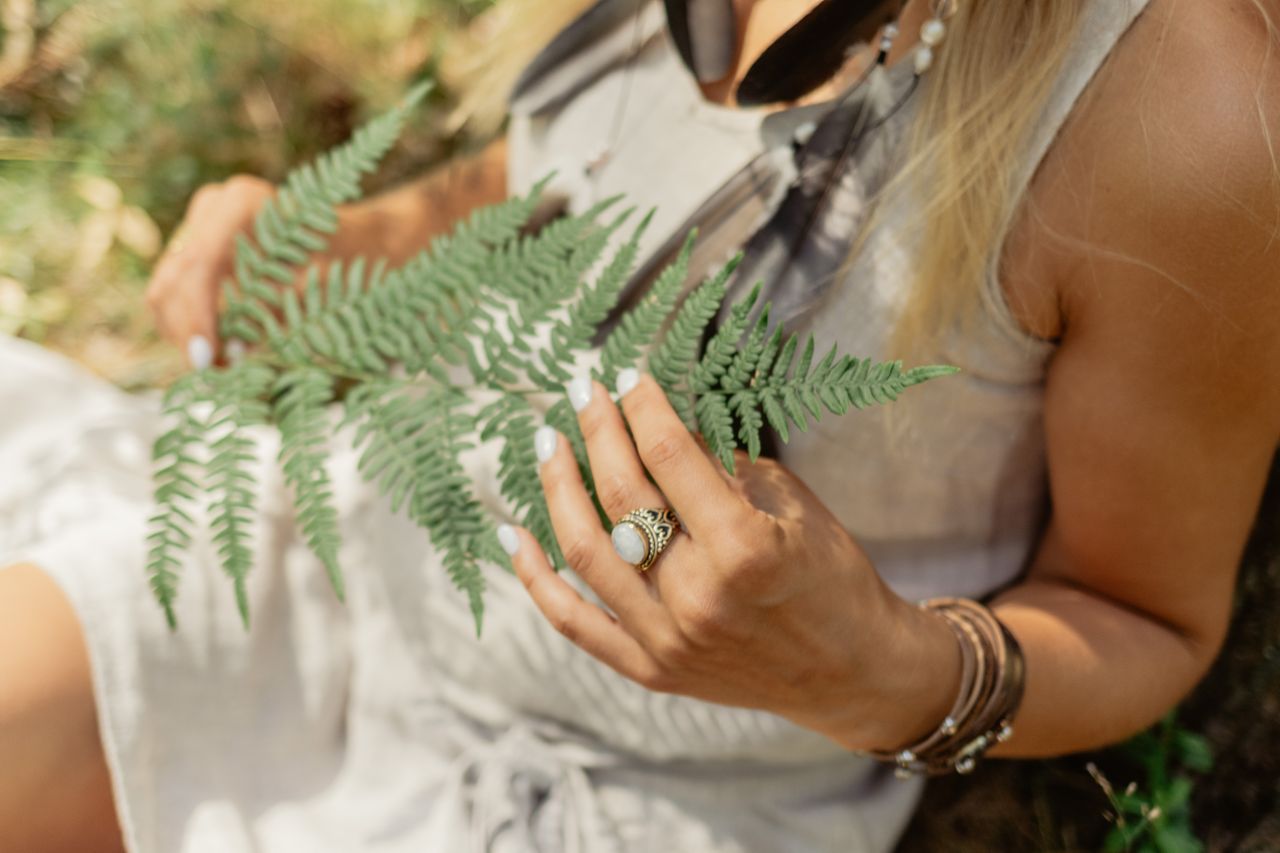
Moonstone occupies a category of its own in the gemstone personality meaning framework because its defining trait is not a fixed quality but a fluid one. Moonstone has long been associated with intuition and patience. Those are not passive virtues. Intuition at its most developed is a form of expertise that bypasses the slow logic of sequential reasoning, and patience is the architecture that allows insight to arrive without being forced.
The moonstone personality reads rooms. They read people. They notice the shift in someone’s energy before that person has said a word, and they wait – patiently, without pushing – for the moment when it becomes useful to act on what they have perceived. They are often underestimated precisely because their intelligence operates through observation and timing rather than declaration.
Their inner strength is the capacity to change without losing themselves. Moonstone people adapt readily to circumstance, not because they have no fixed values, but because they understand that form should follow function, and that the same values can be expressed in very different contexts.
Turquoise: Resilience, Protection, and Cross-Cultural Belonging
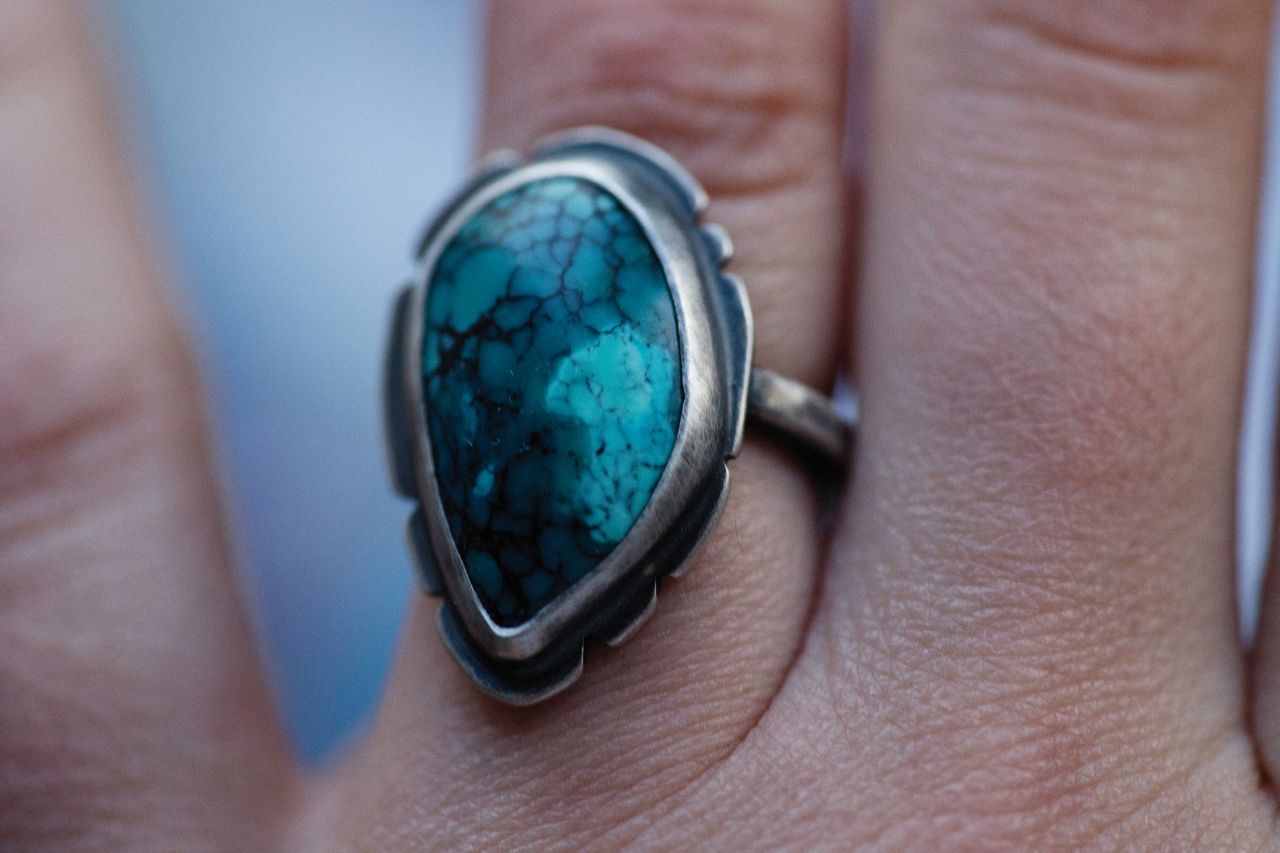
Turquoise is perhaps the most democratic stone in this entire collection – revered not by one tradition but by nearly all of them simultaneously. In Native American culture, turquoise is highly revered as a symbol of the sky and water, as well as a connector of the spiritual and physical worlds, often used in ceremonial jewelry and believed to offer protection and healing.
Across ancient Egypt, turquoise represented protection, joy, and rebirth, frequently appearing in amulets and burial objects. The consistent thread across all these traditions is protection – not the aggressive kind, but the kind that comes from deep rootedness. The turquoise personality has usually survived something that should have broken them, and emerged from it not hardened but more themselves than before.
Their inner strength is resilience – not the Instagram-caption version, but the genuine article: the ability to sustain a sense of self through conditions that would erode someone less grounded.
Why Attraction to a Stone Is Worth Understanding
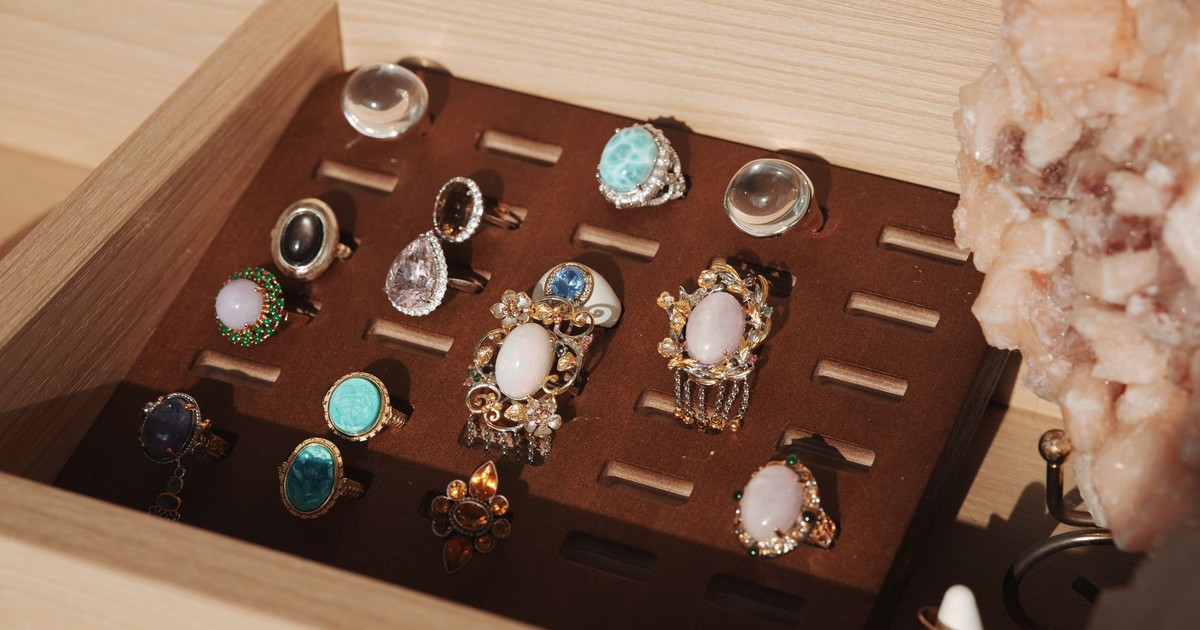
The idea that a person’s instinctive attraction to a stone reveals something about their inner life is not simply ancient mysticism. There is real psychological territory here. The placebo effect is a well-documented phenomenon in which belief in a treatment can produce genuine improvements in a person’s condition. When it comes to gemstones, this same process can play a meaningful role – those who believe in the power of their stone may experience reduced stress, increased self-awareness, and a greater sense of emotional balance.
Modern research acknowledges that different colors impact human psychology, with each hue affecting mood, behavior, and even certain physiological functions. Color psychology is a well-established field with measurable applications in environments from hospitals to schools. The color of a stone you choose to carry on your body every day is not a neutral choice.
Even for those skeptical of metaphysical explanations, crystals and gemstones can be used in a reflective manner: they can act as a mirror, illuminating parts of oneself, connecting a person with their desires, and helping to manifest a desired life based on that self-knowledge. The stone you reach for, again and again, may simply be the form your self-knowledge takes when it bypasses language entirely.
What the Stone Already Knows
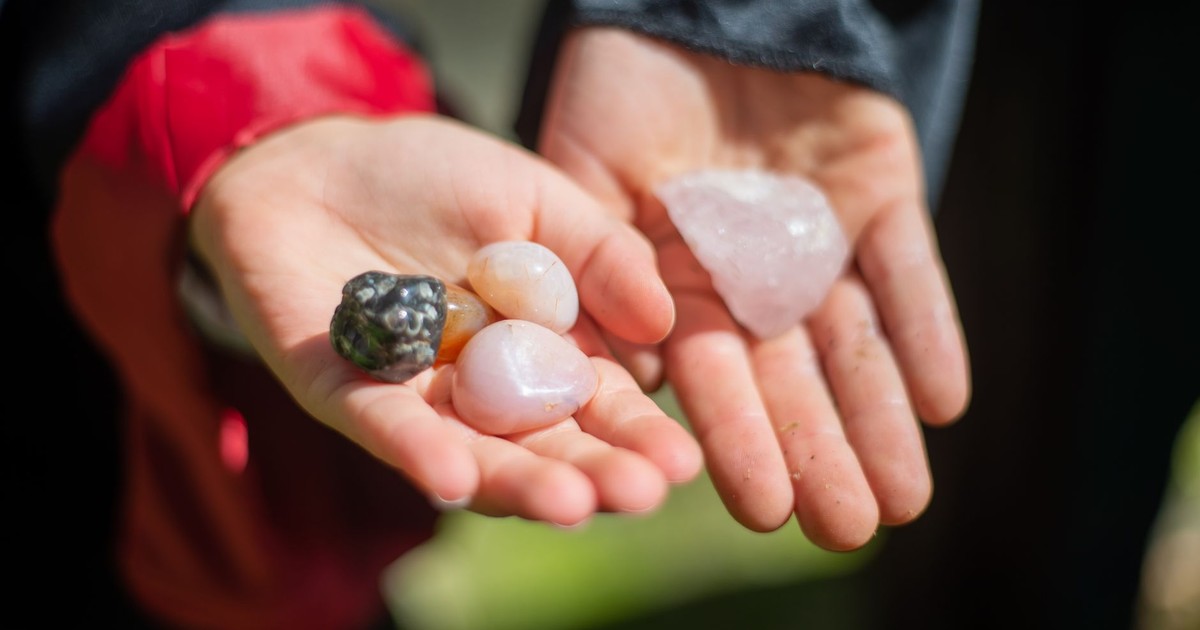
The real question is not which stone best describes you, but why you were already drawn to it before you could articulate why. The selection instinct tends to be faster than the explanation. Most people, when they encounter a list like this, do not feel surprised by their stone – they feel confirmed. That experience of recognition is the whole point.
What makes gemstone personality meaning enduring across such radically different centuries and cultures is precisely that it is not a system imposed from the outside. It is a system of organized self-reflection. You choose the stone that mirrors the values you already hold, the strengths you have already developed through actual lived difficulty, the qualities you aspire to more fully embody. The stone does not create those things. It names them.
And sometimes, being seen clearly – even by a rock – is exactly enough.
AI Disclaimer: This article was created with the assistance of AI tools and reviewed by a human editor.