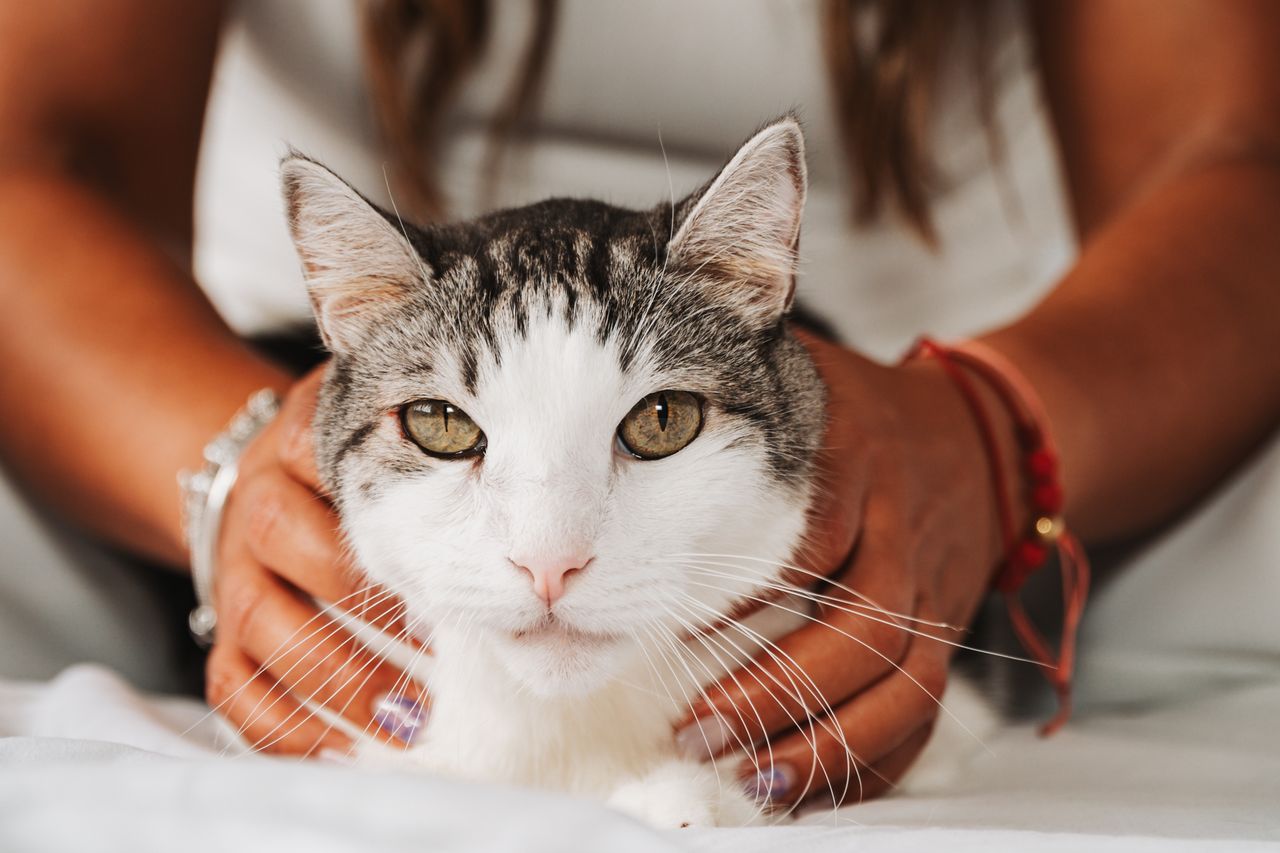

Every cat owner has, at some point, watched their pet observe a crisis with the serene detachment of a tenured professor watching someone else’s meeting run long. You drop something, you call out, you make obvious distress sounds – and the cat blinks, yawns, and returns to whatever it was doing before you interrupted the afternoon. Dog owners, meanwhile, will tell you their animals came running. Now a cat behavior study out of one of Europe’s most respected research universities has put formal data behind what millions of pet owners have quietly suspected: cats do not, as a general rule, help you unless there is something in it for them.
The finding comes from a rigorous comparative study conducted by psychologists at Hungary’s Eötvös Loránd University – home to one of the world’s most productive animal cognition research departments – and it pits cats, dogs, and human toddlers against each other in the same controlled task. The results are, depending on your relationship with your own cat, either a vindication or a betrayal. Either way, they are fascinating.
What makes this research worth examining carefully is not just the headline about feline self-interest. It is what the data reveals about the evolutionary roots of cooperative behavior, what separates a dog’s social cognition from a cat’s, and why the cat’s apparent indifference is not a character flaw but a consequence of tens of thousands of years of going it alone. The story of why your cat did not help you find your keys is, at its core, a story about where animals came from and what domestication actually did – and did not – change.
The Experiment: A Hidden Object, Three Subjects, and One Very Patient Caregiver
Psychologists at Eötvös Loránd University designed their study around a core question: how does the capacity for prosocial behavior compare across humans, cats, and dogs? Prosocial tendencies, unlike more self-interested interactions, arise when an animal or human participates in a way that benefits others without the expectation of a direct reward or compensation. In other words, the researchers wanted to know which species would voluntarily pitch in to help someone else – not because they were asked, not because they were trained, but simply because they perceived a need and responded to it.
The experiment itself was straightforward: a toddler parent or pet owner was tasked with searching for an object hidden in plain view of their child, cat, or dog. The caregiver never directly asked for assistance but instead looked for the target on their own. The design was deliberate. By removing any explicit request, the researchers isolated spontaneous helping – the kind that emerges from genuinely reading someone else’s situation, not from following a verbal command or responding to a cue.
Researchers then noted whether the pet or 18- to 24-month-old child took it upon themselves to direct the adult toward the object’s location. Examples of help included looking back and forth between the target and the caregiver, approaching the object, or even retrieving it themselves.
Sample Size, Setting, and Methodological Controls
The test was always conducted at a predetermined time of day at the caregiver’s home, agreed upon in advance, and researchers chose a time when the subject was relatively active but not engaged in any specific routine activity such as feeding or walking time. Taking the study into the home environment rather than a clinical lab was a significant methodological choice: it reduces performance anxiety in animals and mirrors the conditions under which natural helping behavior would actually occur.
Because cats are generally more challenging to motivate during behavior tests than dogs, cat owners were asked to refrain from feeding their cats for approximately three hours before the test. That detail alone speaks to the complexity of cross-species comparative research – the researchers had to level the motivational playing field before they could meaningfully compare outcomes. All experimental protocols were approved for children by the United Ethical Review Committee for Research in Psychology, and for dogs and cats by the University Institutional Animal Care and Use Committee.
The Results: Dogs and Toddlers Help. Cats Negotiate.
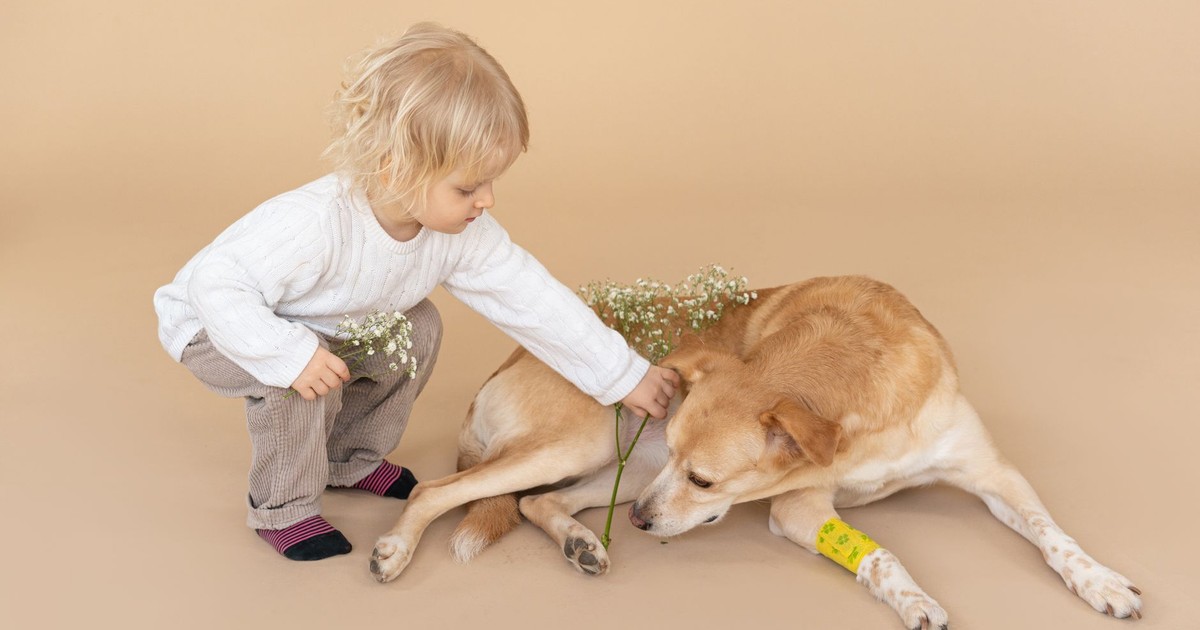
The data broke cleanly along lines that will surprise almost no dog owner and disappoint almost no cat owner who has been paying attention. Dogs and toddlers spontaneously helped. They redirected their attention toward the caregiver, moved toward the hidden object, and in many cases actively guided the adult to it. Their behavior was unprompted, unrewarded, and consistent. They read the situation and responded to it.
Cats, not so much.
The cat behavior study found that felines largely did not engage in the same spontaneous helping behavior. Cats would, however, assist when a reward was on offer – reframing what looks like indifference as something closer to negotiation. This distinction matters enormously. It is not that cats failed to understand what was happening. It is that understanding the situation and choosing to act on it without personal incentive are two different cognitive and motivational steps, and cats, as a species, appear to approach the second one as optional.
For researchers focused on the origins of cooperative behavior, this result carries significant implications. The question is not whether cats are smart enough to help – the question is why helping, in the spontaneous and unconditional form observed in dogs and young children, never became part of their behavioral repertoire in the first place. The answer requires a detour into evolutionary history.
Why Dogs Help and Cats Don’t: A Divergence Written in Deep Time
The behavioral gap between dogs and cats in this study is not a matter of training, socialization, or personality. It is the product of two fundamentally different domestication stories. Cats in general are unlikely candidates for domestication. The ancestors of most domesticated animals lived in herds or packs with clear dominance hierarchies, whereas cats are solitary hunters that defend their home ranges fiercely from others of the same sex.
Dogs come from wolves, and wolves are intensely social pack animals whose survival depended on cooperative hunting, coordinated behavior, and reading the intentions of other group members. Wolf domestication was initiated late in the Mesolithic when humans were nomadic hunter-gatherers. Those wolves less afraid of humans scavenged nomadic hunting camps and, across generations of natural selection, developed utility – initially as guards warning of approaching animals or other bands, and soon thereafter as hunters, an attribute tuned by artificial selection. Every step of the domestication process reinforced the social, cooperative, and human-attuned instincts that were already embedded in wolf cognition.
The first domestic cats, by contrast, had limited utility and initiated their domestication among the earliest agricultural Neolithic settlements in the Near East. They were not selected for cooperation with humans. They were tolerated – and ultimately welcomed – because they controlled rodent populations near grain stores. That is a transactional relationship from the very beginning. Cat helps human with pest problem; human provides food and shelter. The incentive structure was baked in at the origin.
The Solitary Hunter Problem
Unlike the domestic dog, which has undergone strong artificial selection, the domestic cat remains largely a product of natural selection. It remains physiologically and behaviorally similar in most respects to its progenitor: a solitary, territorial, obligate carnivore. That profile – solitary, territorial, self-reliant – is essentially the opposite of the social profile that produces spontaneous helping behavior. An animal that evolved to hunt alone, defend territory alone, and survive alone does not have strong evolutionary pressure to develop the neural machinery for reading another’s distress and acting on it without personal gain.
Cats are the only domesticate that is social under domestication yet solitary in the wild. That single observation is one of the most clarifying facts in the entire debate about feline behavior. Domestic cats have adapted to live alongside humans and other animals in ways their wild ancestors could not tolerate, but the adaptation has limits. Tolerance of proximity is not the same thing as the cognitive orientation toward others’ needs that drives spontaneous helping.
Modern cats display the inherited influence of their wild ancestors on morphology, physiology, and behavior. The most apparent elements of this evolutionary legacy relate to feeding, comprising their obligate carnivorous diet, solitary hunting activity, and feeding patterns. The cat sitting on your lap while you watch television is still running, at the level of instinct and evolutionary history, the behavioral software of a solitary apex predator. The lap part is new. The rest is ancient.
What This Means for the Science of Prosocial Behavior

Comparative studies like this one are valuable precisely because they separate the social capacity of a species from its intelligence. Cat intelligence refers to a cat’s ability to solve problems, adapt to its environment, learn new behaviors, and communicate its needs. Structurally, a cat’s brain shares similarities with the human brain, containing around 250 million neurons in the cerebral cortex, which is responsible for complex processing. Cats have well-developed memory, retaining information for a decade or longer, and these memories are often intertwined with emotions, allowing cats to recall both positive and negative experiences associated with specific places.
None of that cognitive capacity is in question. What this cat behavior study isolates is not intelligence but motivation – specifically, the motivation to use cognitive capacity in service of someone else’s needs without an explicit reward. That motivation appears to be deeply tied to evolutionary social history, not raw processing power.
Research into cat behavior is extremely limited, and according to veterinary behavior expert Carlo Siracusa and animal ethics and welfare professor James Serpell of Penn’s School of Veterinary Medicine, the mainstream media – and sometimes scientists themselves – have a habit of overinterpreting such studies. That caution is worth holding onto. The Eötvös Loránd findings are compelling, but they describe a pattern across a sample – not a verdict on every individual cat. Individual variation in feline behavior is substantial, and the study’s design, conducted in home environments with real caregivers, was specifically built to capture naturalistic behavior rather than lab-condition performance.
The Toddler Comparison and What It Tells Us About Development
The inclusion of toddlers in the study is not incidental. The fact that 18- to 24-month-old children spontaneously helped – before language is fully developed, before extensive social conditioning has taken hold – points to something about the early emergence of prosocial behavior in humans. Prosocial behavior is a social behavior that “benefits other people or society as a whole,” encompassing actions such as helping, sharing, donating, cooperating, and volunteering. Empathy is a strong motive in eliciting prosocial behavior and has deep evolutionary roots.
The toddler data suggests that spontaneous helping is not a learned sophistication in humans – it is an early-emerging instinct. Dogs share something functionally similar, which is why the researchers’ framing of dogs as behaviorally closer to children than to cats is more than just a vivid headline. It reflects a genuine convergence in the motivational structures that produce cooperative behavior, likely shaped by thousands of years of dogs and humans co-evolving together.
What This Study Does Not Say About Affection
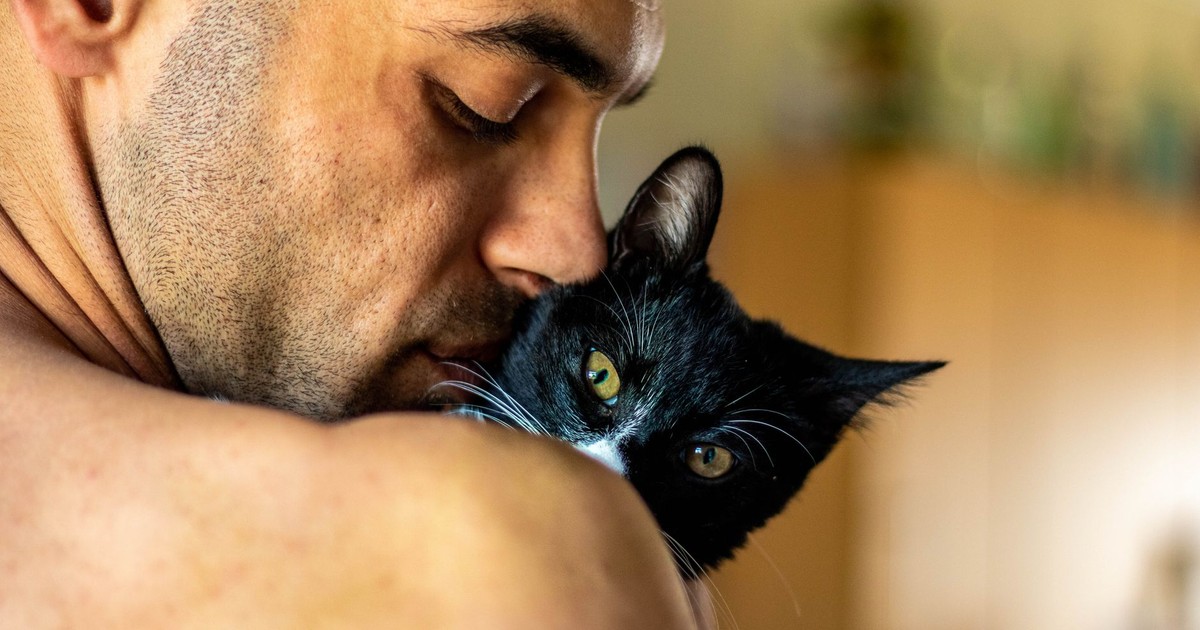
It would be a mistake to read this research as evidence that cats do not form genuine bonds with their owners. The cat behavior study measures one specific type of behavior – spontaneous, unrewarded helping in response to a perceived need – and finds that cats do not reliably produce it. That is a narrow and specific finding, not a comprehensive assessment of feline emotional life.
Cats display neuroplasticity, allowing their brains to reorganize based on experiences. They do form attachments. They do show preferences for specific people. They do demonstrate stress responses when separated from owners they are bonded to. None of that is contradicted by the helping study. What the study establishes is that a cat’s attachment to you does not automatically translate into the kind of unprompted cooperative behavior that characterizes your toddler or your Labrador. The emotional architecture is present; the motivational wiring to express it through helping behavior under unrewarded conditions is not reliably there.
The researchers themselves noted that the findings reflect cats’ evolutionary history as solitary hunters rather than any deficit of intelligence or affection. That framing is important. The cat is not cold. The cat is ancient, and it is operating precisely as its evolutionary past shaped it to operate.
Key Takeaways
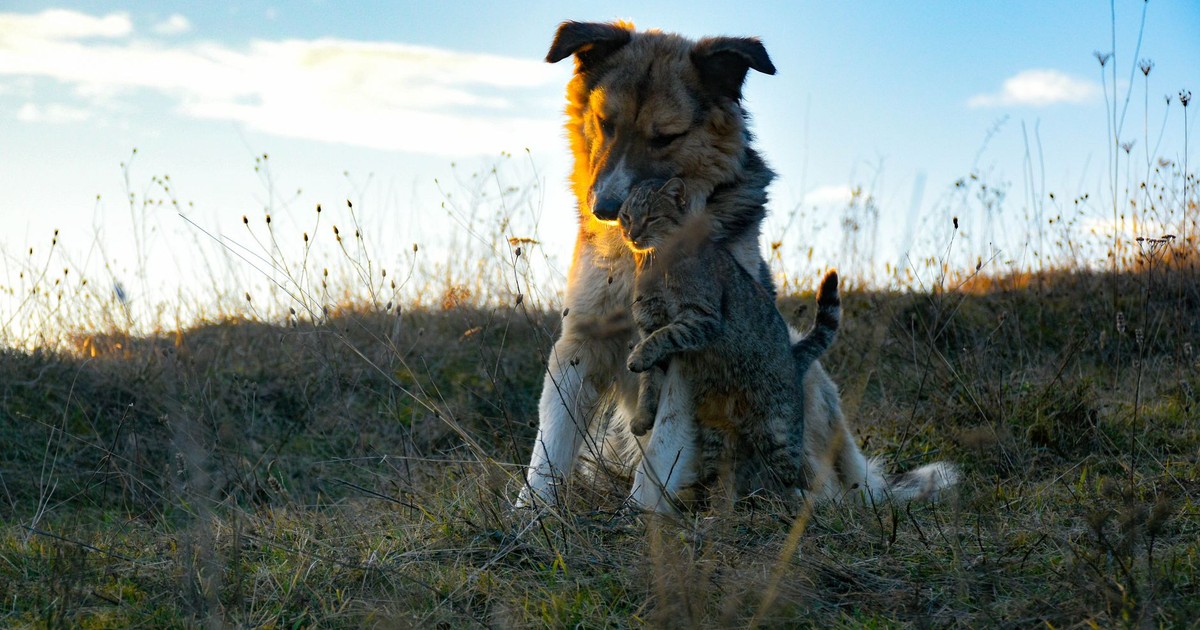
The research from Eötvös Loránd University does not close the book on cat cognition or feline social bonds. It opens a more precise chapter in a field where precise questions are surprisingly rare. What it confirms, with controlled data rather than anecdote, is that the behavioral profile of dogs – their instinct to pitch in, to follow the caregiver’s distress, to retrieve the object and bring it back – emerges from a domestication pathway fundamentally different from the one that produced the domestic cat. Dogs were shaped by millennia of selection for cooperative behavior with humans. Cats were shaped by millennia of going it alone, and domestication, while significant, did not fully rewrite that inheritance.
For the millions of people who share their homes with cats, the practical implication is not that their animals do not care. It is that care, for a cat, expresses itself through a different set of behavioral channels than it does for a dog or a child. The helping instinct that a dog produces reflexively requires, in a cat, an incentive structure – and there is no shame in that. Evolutionary history is not a personality flaw. Your cat watched you search for your keys because watching things is what solitary hunters do. The fact that it will help you when motivated is, in its own way, a kind of honesty that the rest of the animal kingdom might do well to match.
What Your Cat Is Actually Telling You
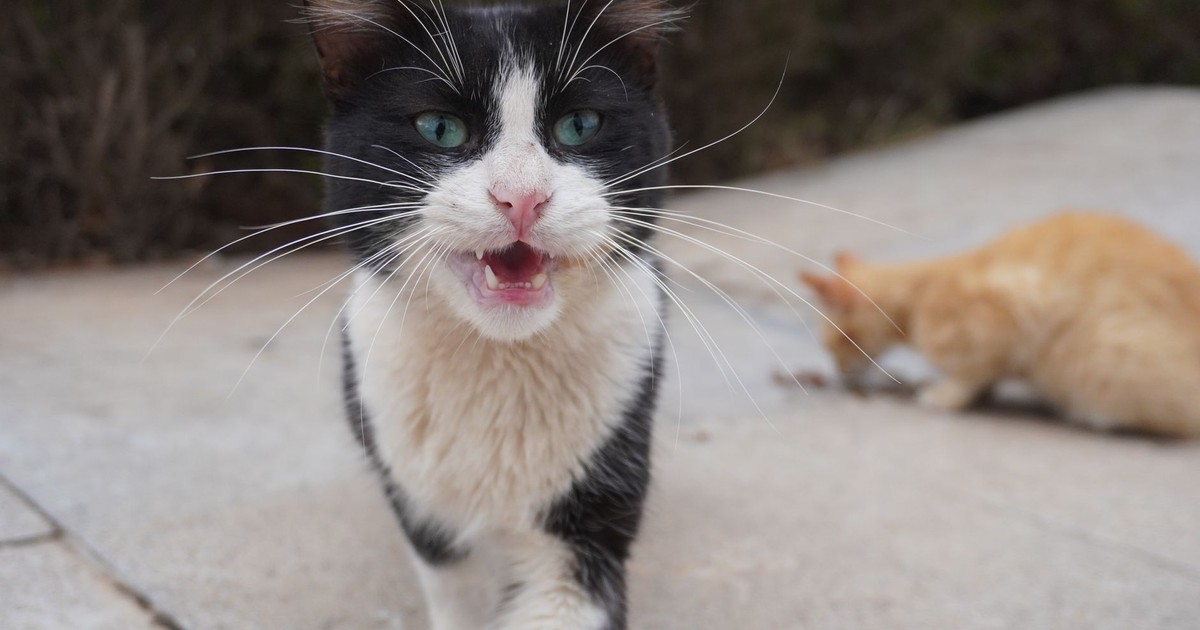
The cats-don’t-help finding lands differently depending on how long you’ve lived with one. For new cat owners, it reads like a warning. For veterans, it reads like a shrug – yes, obviously, we knew this, thank you, science. But the study’s real contribution is not the headline; it is the precision it brings to a question that has mostly been answered with jokes and resignation.
Your cat is not withholding help out of spite or indifference. It is operating from a completely coherent internal logic that has nothing to do with you and everything to do with hundreds of generations of natural selection that had no use for cooperative instincts. The helping study, taken alongside what we know about feline memory, attachment, and neuroplasticity, draws a clearer picture than the either/or debate usually allows: cats are capable of more than they demonstrate under unrewarded conditions, and what they choose to demonstrate is itself meaningful information. An animal that assists when there is something in it for them is not broken. It is honest in a way that is almost clarifying, once you stop expecting it to behave like a dog. The relationship you have with your cat is real. It just has different terms than the one your neighbor has with her golden retriever, and those terms were written long before either of you showed up.
AI Disclaimer: This article was created with the assistance of AI tools and reviewed by a human editor.