

Turmeric has been sitting in the back of spice cabinets across the country for years, often pulled out for a curry and then forgotten until it starts to look dusty. The jar gets restocked, the recipes come and go, and somewhere in the back of most people’s minds is a vague awareness that this particular orange-yellow powder is supposed to be good for you – in the way that everything seems to be, until the studies stop replicating and the wellness world moves on to the next thing. Turmeric has not moved on. The research, instead, has quietly built into something worth paying attention to.
The active compound in turmeric, curcumin, has been studied in relation to brain aging, cardiovascular risk, gut microbial balance, and chronic inflammation – and the findings keep pointing in the same direction, even when researchers go looking for reasons to be skeptical. The spice has been used medicinally in Ayurvedic and traditional Chinese medicine for centuries, but it is the last few years of peer-reviewed science that have started to make the case in terms modern medicine can work with. Curcumin affects multiple biological systems, which makes the findings more robust across different research designs, but also makes it genuinely difficult to isolate exactly which pathway is doing the most work in any given study.
There are real caveats to understand here, starting with bioavailability – because it turns out your body does not absorb curcumin particularly well on its own, and that detail matters a lot for how you actually use it. But the bigger picture is genuinely compelling, and it covers three systems that, for most adults in midlife, are exactly the ones worth worrying about.
1. It Supports Brain Health and Cognitive Function
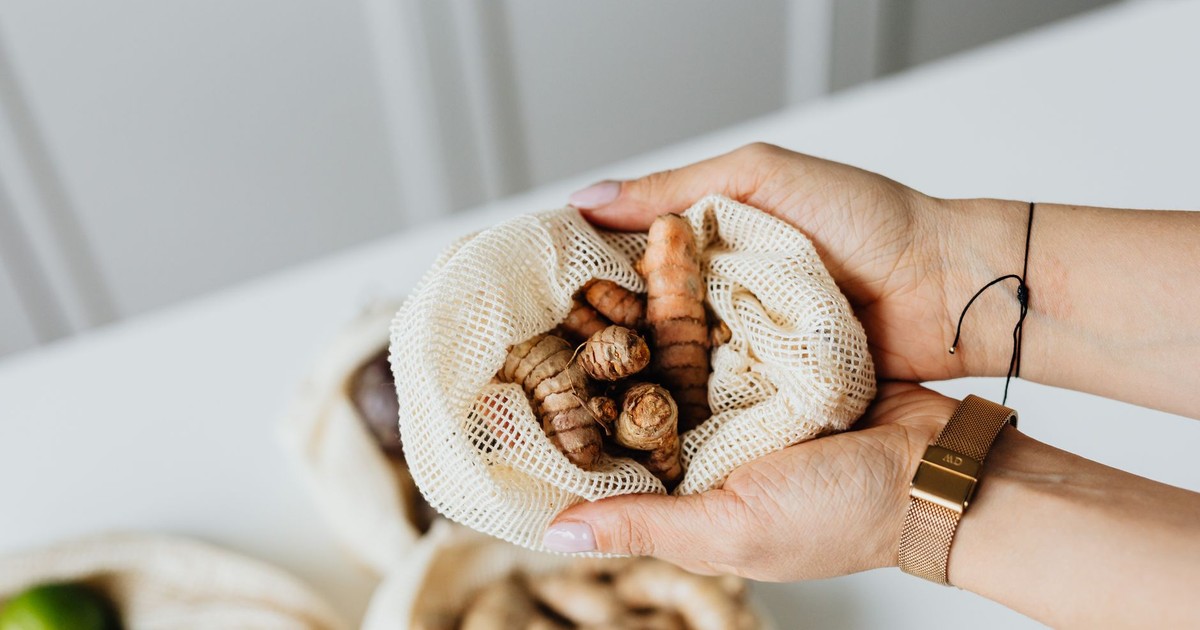
Chronic, low-grade inflammation in the brain is one of the primary suspects in cognitive decline, and curcumin has been studied specifically for its ability to cross the blood-brain barrier – the selective membrane that separates the brain from the bloodstream and keeps out a lot of substances that get absorbed everywhere else. Clinical research indicates that curcumin can penetrate the blood-brain barrier, making it a relevant compound in the context of neurodegenerative diseases. That ability to directly reach brain tissue is part of why researchers keep coming back to it.
Curcumin regulates several signaling pathways linked to neuroprotection, such as those that reduce oxidative stress, prevent amyloid-beta formation, and decrease neuroinflammation. Amyloid-beta is the protein that accumulates in plaques in Alzheimer’s disease. Curcumin also supports autophagy and neurotrophic factor expression, facilitating the removal of harmful protein aggregates – essentially supporting the brain’s own housekeeping systems, which tend to slow down with age.
The human trial data is where the story gets particularly interesting. A 2025 meta-analysis published in Frontiers in Nutrition looked specifically at randomized controlled trials – the kind where people actually get a placebo, not just an observational study where turmeric eaters happen to live differently – and pulled together nine such trials covering 501 subjects. Compared with placebo, curcumin supplementation significantly improved global cognitive function across those trials. That is not a small-scale finding, and it is not coming from rat models. It represents real human subjects, randomized, with placebo controls. The effect size was meaningful enough to shift the consensus among researchers who had previously been skeptical.
Curcumin’s cognitive benefits have also been linked to its anti-inflammatory and antioxidant properties, which operate through multiple pathways simultaneously. It suppresses the NF-kB pathway while activating Nrf2, reducing neuroinflammation from two directions at once – and that dual action across brain tissue is part of why the cognitive findings have held up across different study populations and designs.
2. It Benefits Heart Health and Cardiovascular Risk
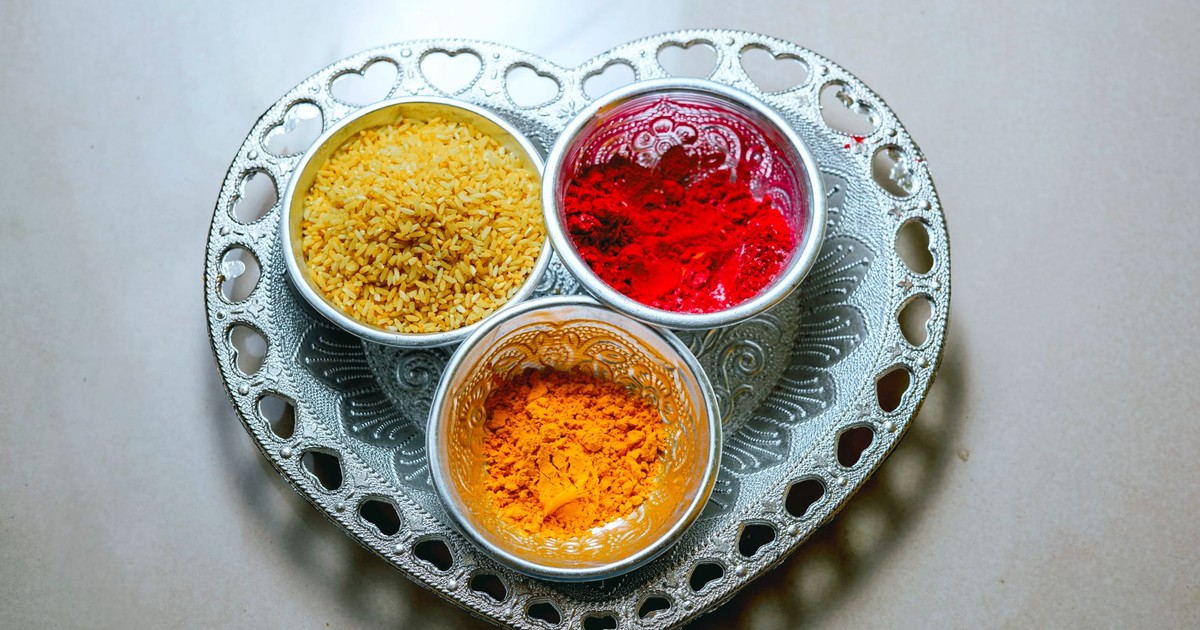
Cardiovascular disease remains the leading cause of death globally, which means any compound with a credible claim on heart health gets studied seriously. Curcumin has attracted that attention for its effects on blood pressure, cholesterol, and arterial inflammation – three of the primary drivers of cardiovascular risk.
A 2025 randomized controlled trial published in Scientific Reports put curcumin supplementation directly to the test in a group of diabetic patients who already had elevated cardiovascular risk. Seventy-two diabetic patients with an atherosclerotic cardiovascular disease risk score of 5 percent or higher were randomly assigned to a curcumin group or a control group, and curcumin significantly reduced both systolic and diastolic blood pressure while improving ASCVD risk classification. LDL cholesterol, TNF-alpha, and oxidative stress markers decreased, while HDL cholesterol increased in the curcumin group compared to controls. The bad numbers went down and the good ones went up, in a properly controlled human trial.
Curcumin, a polyphenol derived from turmeric, shows promise as an alternative to traditional lipid-lowering therapies, and turmeric has been used therapeutically for centuries across Asia, with its health-promoting effects largely attributed to curcumin’s polyphenolic structure. Chronic inflammation is now understood to be a key driver of atherosclerosis – the buildup of plaques inside arteries – not merely a byproduct of it. By suppressing the NF-kB pathway (a molecular switch that triggers inflammatory responses throughout the body), curcumin appears to interrupt that process at a foundational level.
Population-level data adds another dimension to the picture. A large cohort study published in the Journal of the American Heart Association followed more than 50,000 adults in Iran over 11 years and found that turmeric consumption was associated with a significantly reduced risk of overall mortality and cardiovascular mortality in that population. Cohort data like this cannot prove cause and effect the way a randomized trial can – the turmeric eaters might differ from non-eaters in other ways – but when population signals align with clinical trial findings, the combined picture becomes harder to dismiss.
3. It Shapes Gut Health and the Microbiome
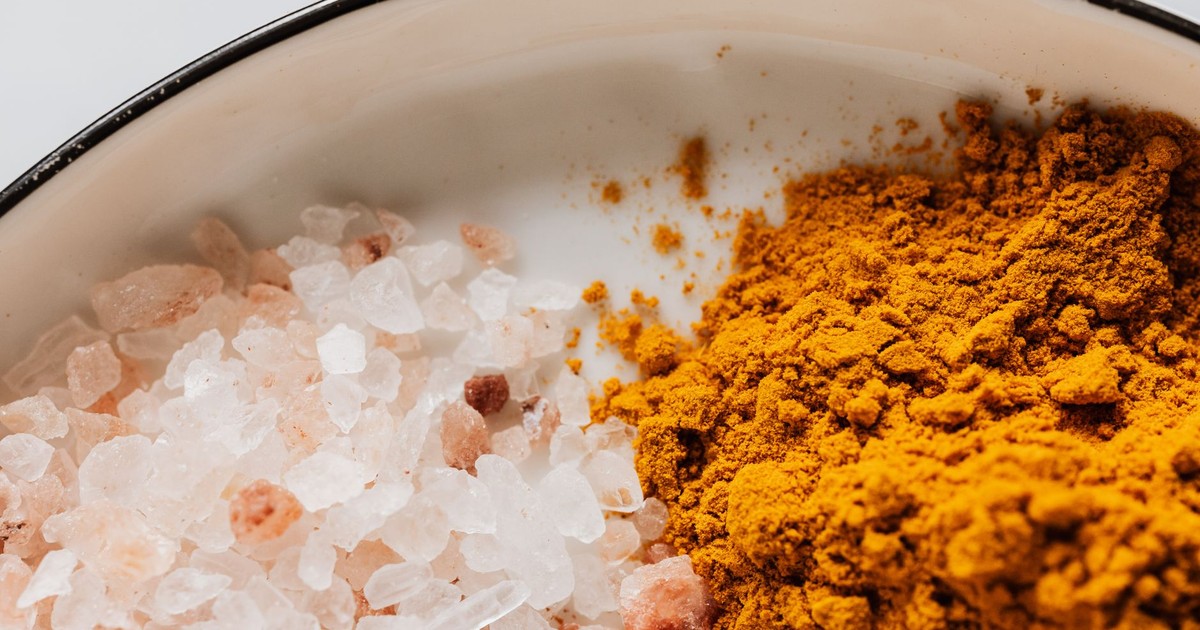
Most of the curcumin you swallow never makes it into systemic circulation. Its oral bioavailability is low, which means it gets metabolized and excreted before it can reach the bloodstream at meaningful levels. For a long time, this was treated purely as a limitation. More recent research suggests it might also be part of how curcumin works: much of it stays in the gut, and that local concentration appears to have substantial effects on the microbial ecosystem living there.
A 2025 review published in the World Journal of Experimental Medicine found that curcumin modulates gut microbial composition, immune responses, and inflammation, and while challenges such as bioavailability persist, curcumin holds promise for diverse therapeutic applications. The gut microbiome – the vast community of bacteria, fungi, and other organisms living in the digestive tract – influences everything from immune function and metabolic rate to mood and brain health through the gut-brain axis. Keeping it balanced matters in ways that extend well beyond digestion.
While most available research has focused on the curcuminoid compounds of turmeric, the non-curcuminoid compounds hold promise to offer therapeutic benefits while synergistically enhancing the absorption of curcumin and supporting the gut microbiome, and disruption in the gut microbial balance leads to inflammation and increased risk of chronic disease. Whole turmeric root, in other words, may do more than the isolated curcumin extract, because the full matrix of compounds works together in ways that purified supplements cannot fully replicate. That is a useful thing to know if you are deciding between cooking with the spice and taking a capsule.
Curcumin shows promise in the treatment of inflammatory bowel disease due to its anti-inflammatory and antioxidant properties, and its anti-obesity effects make it a potential therapeutic agent in the management of obesity. These are not fringe claims – inflammatory bowel disease affects millions of adults, and the search for dietary interventions that can reduce flare severity and support remission is active and ongoing. Curcumin’s ability to reduce intestinal inflammation without the side effect profile of pharmaceutical options makes it a genuinely interesting research target.
4. It Works as a Whole-Body Anti-Inflammatory
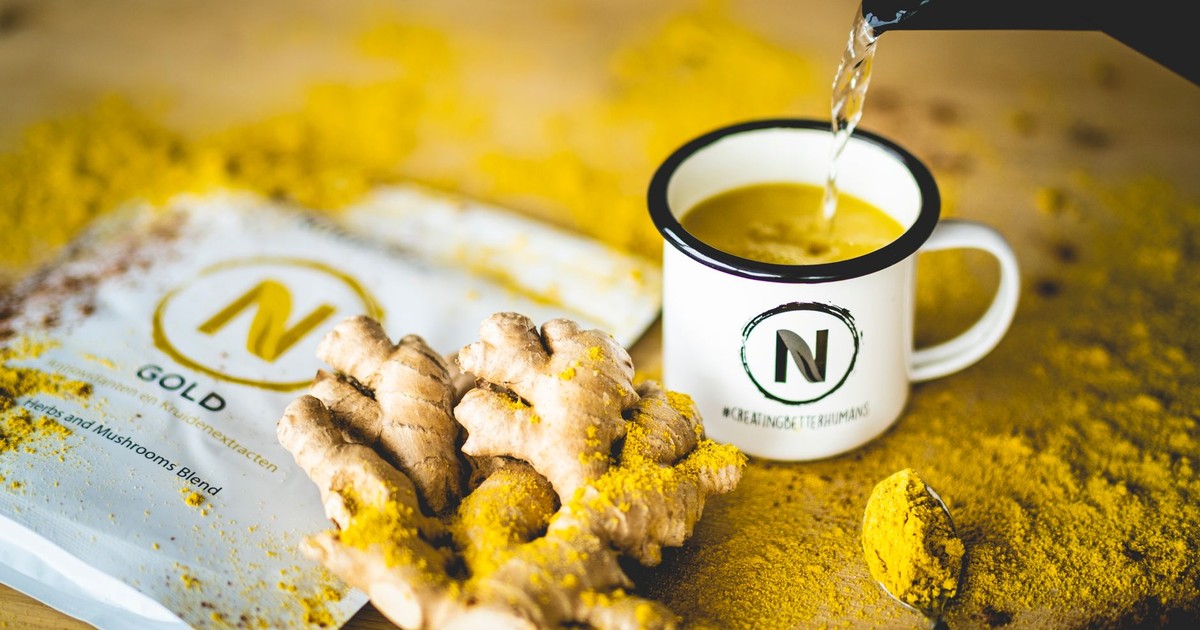
Chronic low-grade inflammation is the kind that hums along in the background for years, driving atherosclerosis, neurodegeneration, metabolic dysfunction, and immune dysregulation simultaneously. It is not the swelling you get from a sprained ankle – it is a systemic condition with no visible symptoms until something downstream goes wrong. Curcumin targets it at its source by suppressing the biological pathways that keep inflammation switched on when it no longer needs to be.
Turmeric’s safety profile and efficacy as an antioxidant, anti-inflammatory, antimicrobial, antitumor, antidiabetic, and anti-obesity agent have led to extensive research into its potential role in preventing and treating metabolic diseases. Most pharmaceuticals that touch inflammation have narrow targets and significant side effects. Curcumin’s multi-pathway action is part of what makes it interesting to researchers and frustrating to study cleanly – when something affects eight systems at once, isolating the effect on any one of them requires careful design.
Curcumin regulates signaling pathways linked to anti-inflammation, including NF-kB suppression, which reduces inflammatory responses, while Nrf2 activation boosts antioxidant response element expression. These two pathways – NF-kB (the inflammatory trigger) and Nrf2 (the antioxidant response) – are among the most studied in chronic disease research. Suppressing the first and activating the second in the same compound is, to put it in plain terms, a fairly impressive double play.
5. The Bioavailability Problem (and the Simple Fix)
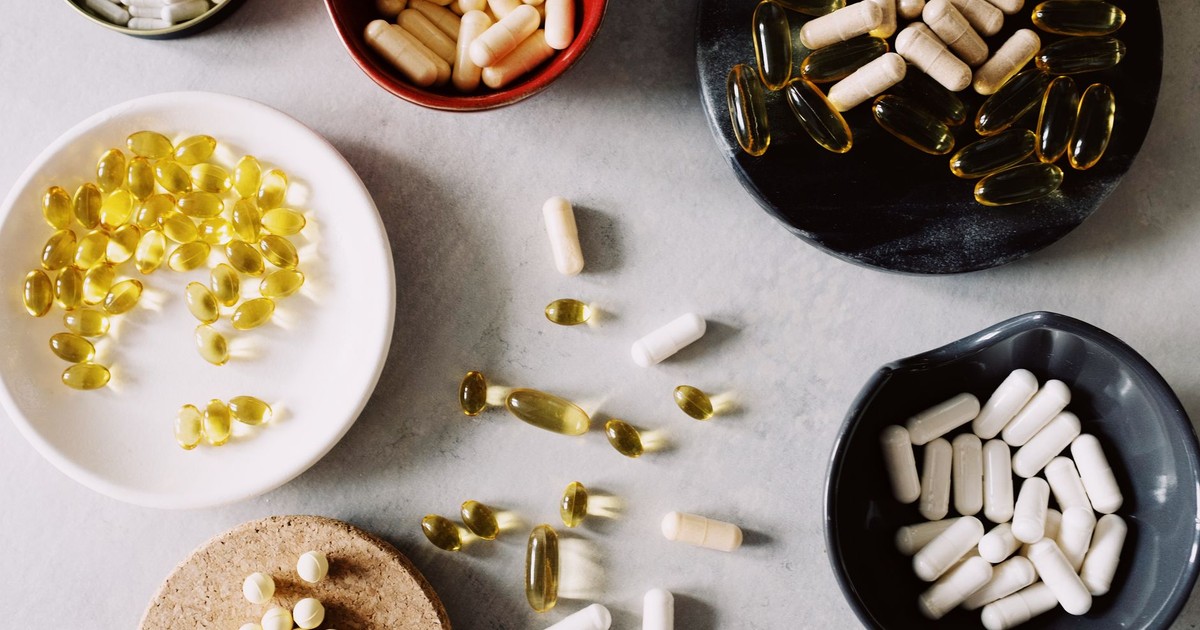
None of this matters much if the curcumin does not actually reach the tissues where it needs to work. Curcumin exhibits low systemic bioavailability after oral administration, which is the polite scientific way of saying that most of what you eat passes right through without being absorbed. Studies have consistently found that plain curcumin supplementation results in very low plasma concentrations, limiting its pharmacological potential.
The most practical and well-documented fix is also the cheapest: black pepper. Piperine, the active compound in black pepper, inhibits the enzymes responsible for curcumin’s rapid metabolism, and co-administration of natural UDP-glucuronyl transferase inhibitors, such as piperine, may increase curcumin bioavailability. The traditional turmeric-and-black-pepper combination found in South Asian cooking turns out to have a solid biochemical rationale behind it. Consuming turmeric with a fat source – olive oil, coconut milk, ghee – also increases absorption, since curcumin is fat-soluble. The golden milk latte with a pinch of pepper is not just aesthetic. It is working with your biology.
New formulations have been designed to improve curcumin’s bioavailability, including delivery systems such as micelles, nanoparticles, liposomes, nanoemulsions, phospholipid complexes, and nanobubbles. These enhanced supplement forms – which you will find labeled as things like phytosome-bound curcumin or micellar curcumin on supplement packaging – genuinely do increase absorption compared to plain curcumin powder. If you are supplementing rather than cooking with the spice, they are worth looking for.
6. How to Actually Use It
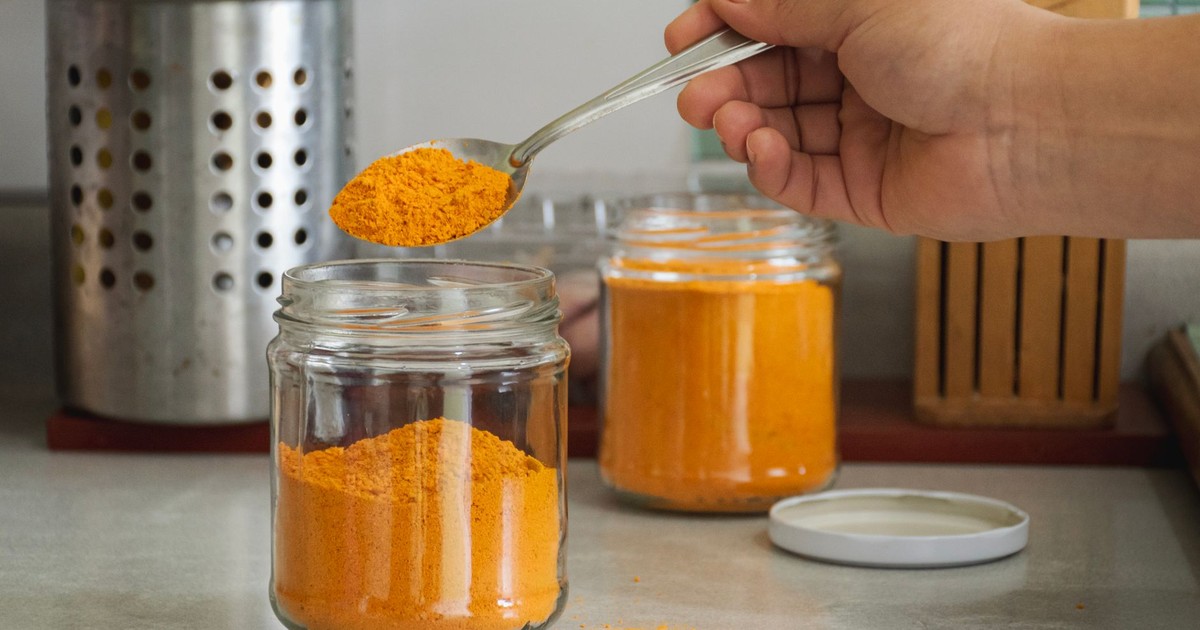
Turmeric is one of those ingredients where the gap between “I know it’s good for me” and “I actually use it regularly” can stretch out for years. The powder form is the most common and sits well in smoothies, scrambled eggs, soups, and rice dishes without dramatically altering flavor at small amounts – a half teaspoon disappears into a pot of lentil soup. Golden milk, made by warming milk with turmeric, black pepper, and a small amount of a fat source, has become something of a standard vehicle for daily use precisely because it is easy and genuinely palatable once you have made it a few times.
Turmeric is a safe medicinal herb with mild gastrointestinal side effects in some cases, and can help improve glycemic status, lipid profile, and blood pressure, though food processing and fermentation can affect the bioavailability of its effective components, including curcumin. This matters practically: heavily processed turmeric products, or those subjected to high heat for long periods, may deliver less active curcumin than fresh or lightly processed forms. Whole root, when you can find it, is ideal. Quality ground powder stored away from light and heat is a reasonable everyday option.
Dosing in the clinical trials that found cognitive and cardiovascular benefits has varied considerably, generally ranging from 500 mg to 2,000 mg of curcumin per day in supplement form. A teaspoon of ground turmeric contains roughly 200 mg of curcumin, so dietary use alone is unlikely to replicate clinical doses, but dietary use combined with a quality bioavailable supplement form comes closer. The honest position is that more research is still needed to establish definitive dosing guidelines – but the safety profile, even at higher doses, is consistently favorable in the research.
Read More: What Loading Your Body With Ibuprofen for 30 Days Actually Does
What the Science Is Really Saying
The story around turmeric health benefits is not one of miracle cures or single-ingredient salvation. The research does not support that framing, and anyone telling you otherwise is selling something. What it does support is this: curcumin is a biologically active compound with credible, replicated, peer-reviewed evidence for anti-inflammatory, neuroprotective, cardiovascular, and gut-microbiome effects in humans – not just in rodents, not just in test tubes.
The honest version of the story is that curcumin is one of the few natural compounds where the accumulated evidence across multiple organ systems and multiple study designs points consistently in the same direction, with a safety profile that raises very few red flags. That is not nothing. In a research landscape littered with supplements that peaked at one compelling mouse study, turmeric has built a genuinely substantial body of evidence behind it.
Using it daily, in food or in a bioavailable supplement form with piperine, is one of the lower-stakes, higher-upside additions to a health routine that exists right now. There is no dramatic commitment required – no overhauling a diet, no expensive protocol to follow. You probably have the jar already. It is worth actually using it.
Disclaimer: This information is not intended to be a substitute for professional medical advice, diagnosis, or treatment and is for information only. Always seek the advice of your physician or another qualified health provider with any questions about your medical condition and/or current medication. Do not disregard professional medical advice or delay seeking advice or treatment because of something you have read here.
AI Disclaimer: This article was created with the assistance of AI tools and reviewed by a human editor.