

The first brutal week of July doesn’t care that you forgot to change the filter or that you’ve been blasting the thermostat down to 68 every time you walk through the door. It will just keep sending 95-degree air into a unit that’s struggling, until one afternoon the whole thing gives up and you’re on hold with an HVAC company that can get someone out to you in four to six business days.
Most AC failures during peak summer are entirely avoidable. The mistakes that take systems down aren’t dramatic. They’re the habitual things homeowners repeat every year without realizing the cumulative damage. HVAC pros, the people who get called in after the breakdown, almost universally say the same thing: we see the same HVAC summer mistakes, over and over, in house after house.
1. Waiting Until Summer to Schedule a Tune-Up

Waiting until the middle of summer to schedule service means long wait times, and many companies charge more during peak season. Everyone calls in June. The queue fills up. The technician who could have caught a failing capacitor in April is now booked two weeks out while your house climbs to 84 degrees.
An AC tune-up is one of the lowest-cost steps a homeowner can take to protect one of the most expensive systems in the house. From dirty coils to weak capacitors, the problems that cause mid-summer failures are almost always preventable with a single spring visit. According to a 2026 report from the Daily Inter Lake, a spring inspection covers the components that degrade gradually and invisibly: refrigerant levels, electrical connections, evaporator coils, and the smaller parts that will fail under sustained heat load if nobody checks them first.
Many manufacturers include a maintenance requirement in their warranty terms. If a covered component fails and the unit has no service history on record, the manufacturer may deny the claim. Keeping records of annual service visits protects that coverage. A skipped tune-up doesn’t just risk a breakdown – it can also void the financial protection you thought you had on a unit that cost several thousand dollars to install.
2. Cranking the Thermostat Way Down to Cool the House Faster
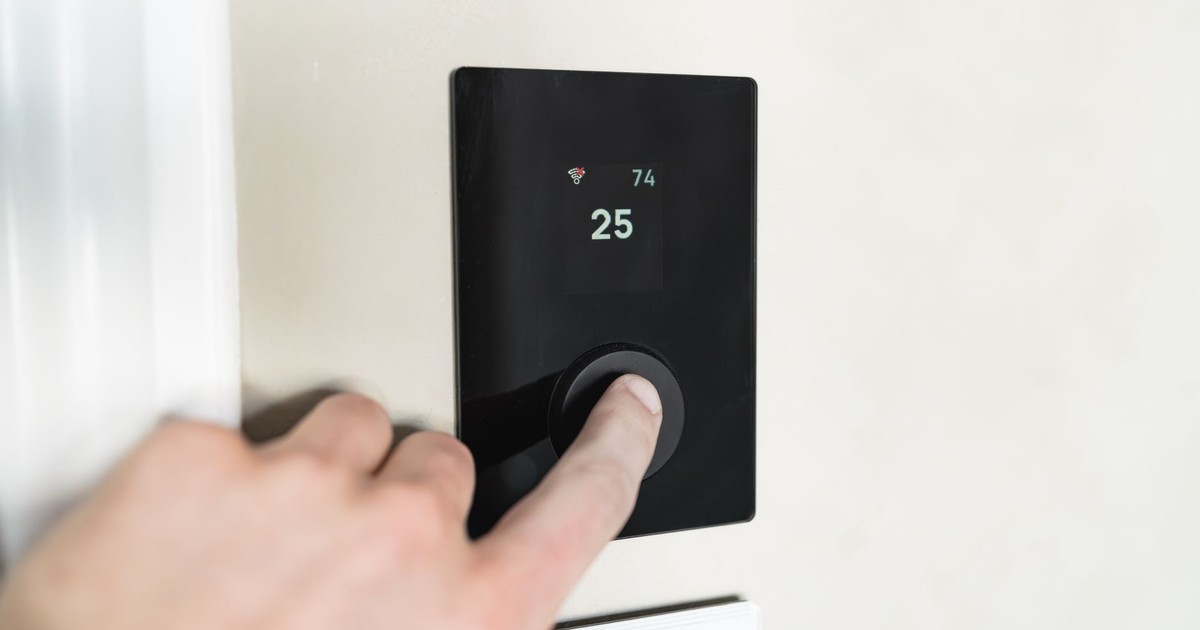
This is one of the most persistent misconceptions in home cooling. The logic feels sound: the house is hot, so you set the thermostat to 60 to get it down to 72 faster. Setting your thermostat lower than normal when you first turn on your AC will not cool your home any faster and will result in excessive cooling and unnecessary expense. The AC doesn’t have a speed you can dial up. It runs at its capacity until the air temperature reaches the target, so a 60-degree setting just means it runs longer, not faster, and then overshoots into territory that costs more and stresses the system.
The U.S. Department of Energy found that you can save as much as 10 percent a year on heating and cooling by turning your thermostat back 7 to 10 degrees Fahrenheit for 8 hours a day from its normal setting. If letting the temperature drift up by 7 degrees while you’re at work saves 10 percent annually, forcing it 10 degrees below your comfort point every evening adds a corresponding cost with no benefit to how quickly you feel cool.
The DOE recommends 78 degrees as the benchmark for efficient cooling when you’re home and awake. A ceiling fan spinning counterclockwise in summer can make a room feel up to four degrees cooler than it actually is, which means a 78-degree room with a fan running can feel like 74 without the compressor working any harder.
3. Ignoring the Air Filter Until Something Goes Wrong
The air filter is the most talked-about piece of HVAC maintenance precisely because it’s the most commonly skipped. People change it when they remember, which often means every six months if they’re lucky, and never if they’re not. Dirty filters are the number one cause of airflow restriction in HVAC systems, and restricted airflow makes your unit work harder, increasing wear and tear while decreasing performance.
The knock-on effects go beyond energy efficiency. A clogged filter strains the blower motor and reduces cooling output as the system compensates for lost airflow. According to Service Experts, a frozen air conditioner is often caused by low airflow or leaking refrigerant, and a frozen coil interrupts the cooling process while potentially causing permanent damage. A neglected $10 filter can end in a repair bill that runs to the hundreds.
Most HVAC technicians recommend replacing or cleaning filters every one to three months during periods of heavy use. If you have pets, live in a dusty area, or run the AC nearly around the clock during summer, lean toward the shorter end of that range. The filter does its job right up until it doesn’t, and by then the rest of the system has already been compensating for it for weeks.
4. Blocking Vents or Closing Registers to “Direct” Airflow

The logic here is intuitive: close the vent in the guest room nobody uses, and all that cool air goes to the rooms where people actually are. It sounds like basic efficiency. In practice, it’s the opposite. Airflow can get weaker if you have a clogged air filter, damaged ductwork, or a clogged condensing unit, and routine maintenance such as changing the air filter and leaving all air registers clear will often improve airflow.
Central air systems are designed as closed, balanced systems. The ductwork is sized and configured at installation to move a specific volume of air through the house. When you close registers, you don’t redirect that air – you create back pressure in the system, which forces the blower to work against resistance it wasn’t built to handle. Ducts leak under pressure, seals weaken, and the system works harder for less cooling output in the rooms you actually care about.
If you want to understand how your duct system is configured and where you might genuinely be losing conditioned air, a licensed HVAC technician can perform a duct leakage test and identify problem areas. In a two-story home especially, the adjustment that makes a real difference is how the supply dampers are set seasonally, not which vents you close off manually.
5. Assuming a Refrigerant “Top-Off” Is Routine Maintenance
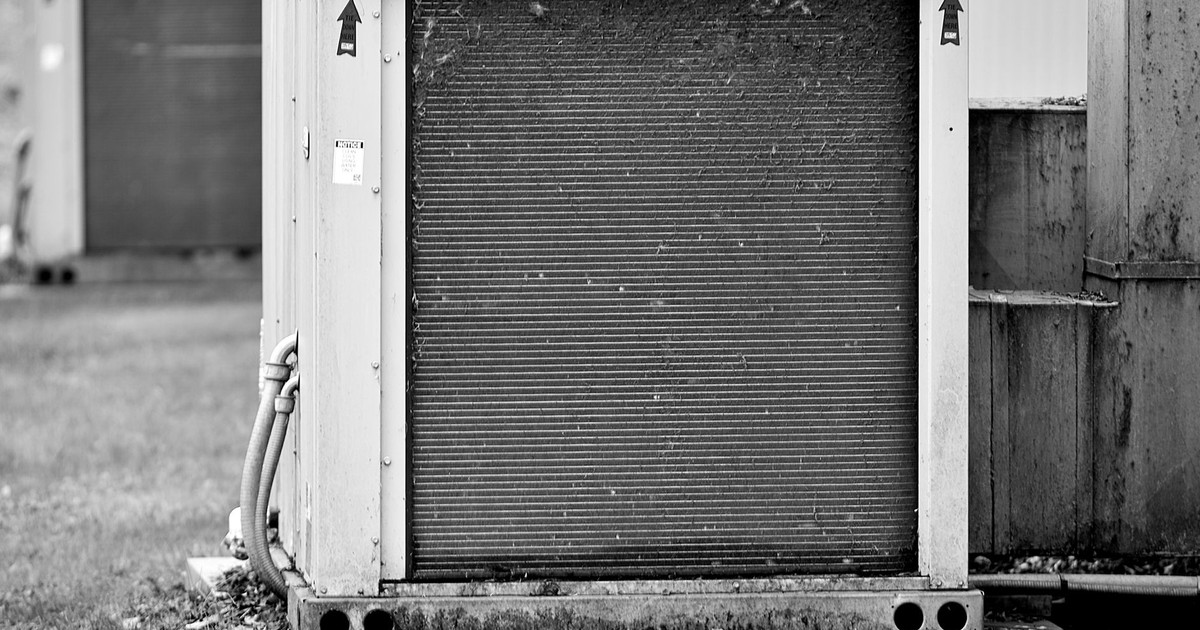
Refrigerant – the chemical compound that cycles through your AC system to absorb and release heat – is not a consumable. HVAC experts advise against assuming refrigerant needs a refill, because low refrigerant almost always signals a leak. Refrigerant operates in a closed system, and a system that needs refrigerant added isn’t low because the summer was hot. It’s low because something is wrong.
A refrigerant leak reduces the amount of refrigerant available to absorb and release heat, forcing the system to work harder even as its cooling effectiveness falls. Signs of a leak include warm air blowing from your vents and unexpectedly high cooling bills. The pattern is gradual and easy to miss: the house feels a little warmer, the AC runs a little longer, the bill goes up a little. By the time the leak is obvious, the compressor has been running under strain for months.
Only HVAC professionals can fix a refrigerant leak, as handling refrigerant requires EPA certification. This is not a DIY repair and not a problem that gets solved by buying a can of refrigerant from a hardware store. If your system is being charged repeatedly and nobody is finding the source of the loss, push for a leak detection. The refrigerant isn’t the problem – it’s the symptom.
The Real Cost of Getting This Wrong
Most HVAC summer mistakes share a common shape: they feel harmless in the moment and expensive in July. A filter you didn’t change, a thermostat setting you cranked too low, a service appointment you kept meaning to book – none of these feel like decisions at the time. The system runs, the house cools (mostly), and the bill arrives and you assume that’s just what summer costs.
The difference between a well-maintained system and a neglected one isn’t usually a dramatic breakdown, though those happen too. It’s the compressor that fails at year twelve instead of year seventeen. It’s the energy bill that’s $40 higher every month for three summers before anyone looks into why. It’s the repair appointment that would have been a $150 tune-up in April and became a $900 emergency call in August. None of these outcomes is inevitable – they’re just what happens when a system that runs on physics and maintenance gets treated like it runs on faith.
AI Disclaimer: This article was created with the assistance of AI tools and reviewed by a human editor.