
People get sick with a stomach bug all the time, ride it out for a few days, and assume it’s over. The ones who catch cyclosporiasis don’t always get that exit. The diarrhea backs off, they think they’re through it, and then it comes back – sometimes for weeks, sometimes longer. That relapsing pattern is what separates this illness from a bad weekend with a stomach virus, and it’s what makes the current outbreak across 17 US states worth understanding in detail.
One state – Michigan – is experiencing a spike so far outside its historical norm that officials there are describing it as a large and growing outbreak, even as the source remains unidentified. The geographic spread is wide, the food source is unknown, and the CDC reports that routine chemical disinfection or sanitization practices likely won’t kill Cyclospora. The Detroit News reports that Michigan’s current case numbers have already blown past its entire annual average in less than two weeks.
What Cyclospora Actually Is
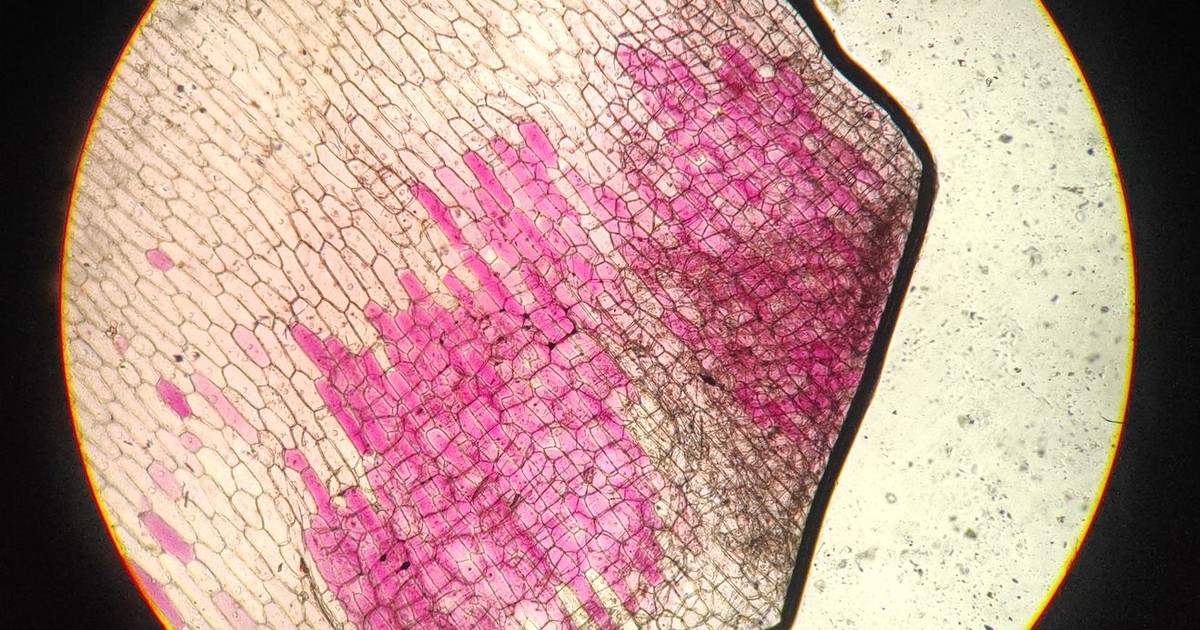
The Centers for Disease Control and Prevention is investigating the source of a cyclosporiasis outbreak that has sickened at least 145 people across 17 states. The illness is an aggressive intestinal condition caused by a parasite. The CDC notes that the true number of people sick with cyclosporiasis was likely higher than reported, because plenty of people ride out a stomach illness without ever getting a formal diagnosis or submitting a stool sample to a lab. Today.com and Newsweek have both covered the outbreak’s spread across multiple states.
The parasite behind this outbreak is called Cyclospora cayetanensis, and it lives in a category that’s hard to explain quickly to someone who asks why you’re scrubbing the herbs before putting them in the salad. It is not a bacterium like Salmonella, not a virus like norovirus. It belongs to a group of single-celled organisms called coccidians – parasites that require a living host to reproduce – and it specifically targets the small intestine.
The illness spreads through food or water contaminated with feces, and is commonly found in developing countries, according to health officials. That means the contamination usually happened somewhere along the supply chain, far upstream from your kitchen – on a farm, during harvest, during processing or transit. By the time the produce reaches a grocery store, there’s no visible sign anything is wrong.
Because Cyclospora cayetanensis requires one to two weeks outside the body to become infectious, direct person-to-person transmission is considered unlikely. For households with sick family members, you are not going to catch it from your child or your partner the way you’d catch a stomach virus. The vector is almost certainly something all of you ate, which is cold comfort when you’re trying to figure out what that was.
The Scope of the Outbreak

The CDC has received reports of 145 cases of cyclosporiasis acquired in the United States among people who became sick from May 1, 2026, through June 16, 2026. There is currently no evidence of a single, multistate Cyclospora outbreak linking all cases. Investigators are dealing with a surveillance count – multiple clusters that may or may not share a common food source – with the investigation to identify potential sources still ongoing.
Cases have been confirmed in Alaska, Colorado, Connecticut, Florida, Georgia, Illinois, Louisiana, Massachusetts, New Jersey, New York, North Carolina, Ohio, Pennsylvania, Tennessee, Texas, Virginia, and Wisconsin. New York has been the hardest hit, with between 31 and 80 people sickened there since the outbreak began. Twenty people have been hospitalized after suffering severe symptoms, and public health teams are investigating several clusters of cases reported in New York, Illinois, and Texas.
Among those who acquired the illness domestically, patients ranged in age from 5 to 86 years, with a median age of 42, and 61 percent were female. The median illness onset date was May 13, 2026. All 145 domestic cases involved people who became sick between May 1 and June 6, 2026, and none had traveled internationally in the two weeks before falling ill. Because no one in the domestic case group had been abroad recently, the infection almost certainly came from something grown or processed within the United States.
Michigan: A Separate Alarm

Even before the national numbers had fully taken shape, something was going wrong in southeast Michigan on a different scale entirely. The Michigan Department of Health and Human Services is investigating a sudden and large increase in cases of cyclosporiasis. Since June 22, 2026, more than 170 cases have been reported in southeast Michigan. Michigan typically identifies 50 cases a year, according to an MDHHS spokesperson.
Michigan reported 56 such cases in 2022, 43 in 2023, 41 in 2024, and 54 in 2025, according to the Michigan Disease Surveillance System weekly disease report. The 174 cases reported in Michigan between June 22 and June 30 include 70 in Monroe County, 33 in Lenawee, 21 in Washtenaw, 12 in Wayne, 7 in Jackson, 7 in Shiawassee, and 24 cases in 11 other counties and the city of Detroit.
Michigan wasn’t even among the 17 states in the CDC’s original count – that data cut off on June 16, before the Michigan numbers had fully accumulated. The true combined picture, as of early July 2026, is considerably larger than the 145 figure suggests. Investigators at the state and county level are working to identify a common exposure point, but as of this writing, none has been confirmed.
What the Illness Feels Like

Most foodborne illness bears down hard for 24 to 72 hours and then recedes. Cyclospora doesn’t work that way.
The parasite can trigger prolonged bouts of watery diarrhea, stomach cramps, nausea, and fatigue. The diarrhea can be frequent enough – sometimes five to fifteen episodes per day – to cause significant dehydration. It takes anywhere from two to 14 days after ingesting the Cyclospora parasite to show signs of illness. That incubation window makes identifying the food source genuinely difficult, because by the time someone feels sick, they’re trying to recall everything they ate nearly two weeks ago.
Symptoms can disappear and reappear if the parasite is not treated. Someone feels better for a few days, assumes they’ve recovered, and then the diarrhea and fatigue return – sometimes for more than a month total. The illness is typically not life-threatening, but it can cause prolonged gastrointestinal symptoms. For anyone caring for young children, an elderly parent, or a person with a compromised immune system, several weeks of recurring symptoms is a serious disruption.
Why Fresh Produce Keeps Coming Up
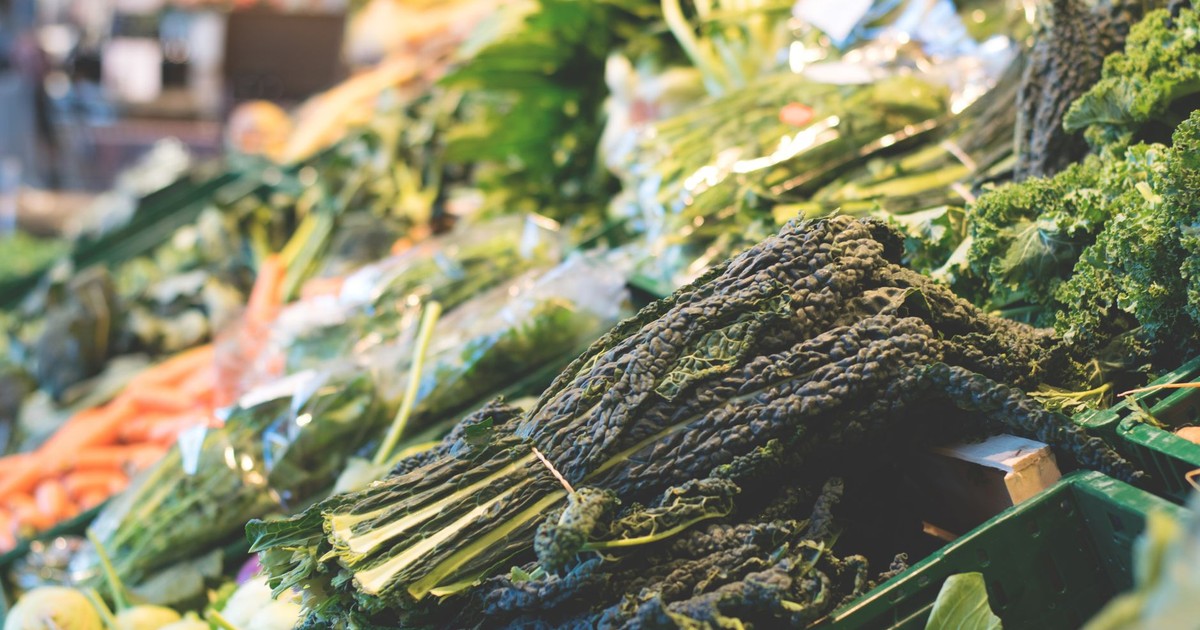
In the United States, outbreaks are frequently detected during the spring and summer months, when the CDC has previously traced infections to items such as cilantro, basil, raspberries, snow peas, mesclun lettuce, and bagged salads. Cilantro and basil – herbs that are almost never cooked before eating – have been implicated in past outbreaks. Raspberries are a staple of every July cookout, and they almost never get cooked before they’re eaten either.
Fresh produce is often grown in regions where water quality and sanitation standards differ from US norms. The CDC reports that how the microscopic parasite gets into food and water is unknown, but notes that routine chemical disinfection or sanitization practices likely won’t kill Cyclospora. Standard sanitizers and chlorine washes – the kind used in commercial food processing – don’t reliably eliminate this particular organism. Heat does, which means thoroughly cooking produce is protective, but most of the foods implicated in past outbreaks are things people eat raw.
For practical food safety at home, this connects to what’s already good practice for raw produce handling and kitchen hygiene more broadly: the pathogens that cause real harm almost never announce themselves with a smell or a change in appearance. Cyclospora is invisible, odorless, and entirely tasteless on contaminated food.
How It’s Diagnosed and Treated
Cyclosporiasis is not a diagnosis that comes easily from a standard stool test. Laboratory diagnosis is based on microscopic identification of oocysts – the parasite’s egg-like structures – in stool, duodenal aspirates, or small bowel biopsy specimens. Laboratory tests can have a hard time detecting Cyclospora even when patients have symptoms, and patients may have to submit several stool samples on different days to detect the parasite.
Walking into urgent care and saying “I have diarrhea” is unlikely to get you a cyclosporiasis diagnosis on the first visit. The illness mimics other gastrointestinal conditions closely enough that it can be misidentified – or simply not identified at all – especially in areas where clinicians aren’t expecting to see it. Telling your doctor where you’ve been and what you’ve eaten in the two weeks before symptoms started, and specifically asking about Cyclospora testing, gives you a better chance of getting the right answer.
The infection is typically treated with the antibiotic combination trimethoprim-sulfamethoxazole, commonly sold under the brand name Bactrim, which the CDC says is highly effective. There is no proven alternative treatment for people who cannot take sulfa drugs, although health care providers may recommend supportive care or consult an infectious disease specialist in those cases. Most healthy people recover fully, but symptoms can last for several weeks or return if the infection is left untreated.
Cyclosporiasis is a nationally notifiable disease, meaning healthcare providers are required to report confirmed cases to local health departments. That reporting requirement exists so that clusters can be detected and traced quickly. If you get a confirmed diagnosis, your doctor is obligated to report it, and that report becomes part of the data investigators use to narrow down the source.
What to Do Right Now

There is no recall to avoid, no single food to throw out, no package to check for a lot number. Investigators haven’t identified the source. That is frustrating, and it’s also the reality of where the investigation stands. What remains is the general guidance that public health officials have been repeating throughout this outbreak.
Wash all fresh produce – including herbs – thoroughly under running water before eating. Scrub firm fruits and vegetables, including melons and cucumbers, with a clean produce brush. Cut, peeled, or cooked fruits and vegetables should be refrigerated within two hours. Washing won’t guarantee elimination of Cyclospora – chemical sanitizers remain ineffective against it – but it reduces the overall contamination load and removes surface debris where parasites can be present. Cooking produce to safe internal temperatures remains the most reliable protection.
The CDC also recommends drinking plenty of fluids to prevent dehydration, one of the most common complications caused by prolonged diarrhea. Anyone experiencing severe symptoms, signs of dehydration, or illness that does not improve should seek medical attention promptly.
What the Investigation Still Doesn’t Know

Cyclospora has turned up in cilantro, in basil, in raspberries, in prepackaged salads – ordinary things, summer things, the kind of food that sits in a bowl on the counter looking wholesome. There’s no way to look at contaminated produce and know it’s contaminated.
The CDC and the FDA are working with state health departments to identify whether one food source connects all or most of the 17-state cluster, or whether what they’re looking at is several separate contamination events running concurrently during peak season. Either answer would have different implications for what a recall would look like, which is part of why one hasn’t been issued yet. The absence of a recall isn’t reassurance that the source is safe – it’s a reflection of how much investigators still don’t know.
If you’ve been sick with prolonged diarrhea, fatigue, and cramping in the past two months and didn’t seek care, it’s worth mentioning to your doctor – not because treatment is urgent at this point, but because a confirmed case contributes to the data that eventually tells investigators where this started. The parasite outbreak CDC investigators are tracking won’t resolve through silence. Every confirmed case is a data point, and data points are how outbreaks end.
Disclaimer: The author is not a licensed medical professional. The information provided is for general informational and educational purposes only and is based on research from publicly available, reputable sources. It is not intended to constitute, and should not be relied upon as, medical advice, diagnosis, or treatment. Always consult a licensed physician or other qualified healthcare provider regarding any medical condition, symptoms, or medications. Do not disregard, avoid, or delay seeking professional medical advice or treatment because of information contained herein.
AI Disclaimer: This article was created with the assistance of AI tools and reviewed by a human editor.