

The house can look completely undone by three things that take no time to fix: a fogged mirror, a sticky kitchen counter, and a sink basin with last night’s toothpaste still in it. None of those require a cleaning session. All of them take about sixty seconds each. What separates people who always seem to have a reasonably clean home from people who are constantly doing marathon cleans isn’t willpower or standards or a better vacuum. It’s that they’ve figured out which tasks punch above their weight – the ones that create a perception of cleanliness wildly disproportionate to the effort involved.
Professional cleaners have known this for a long time. When they walk into a home and need to assess where to start, they aren’t thinking about every surface equally. They prioritize the areas and tasks that will have the most significant impact on the overall cleanliness of a home. A gleaming bathroom mirror and a clear kitchen counter communicate “clean home” to a visitor’s brain in a way that a freshly wiped baseboard – all two hours of it – simply does not.
You don’t need a professional’s schedule or a professional’s cleaning caddy to borrow this logic. You need a list of the quick cleaning tasks that return the most for the least, and the habit of doing them before the mess has a chance to announce itself.
Clear Counters Before You Clean Them
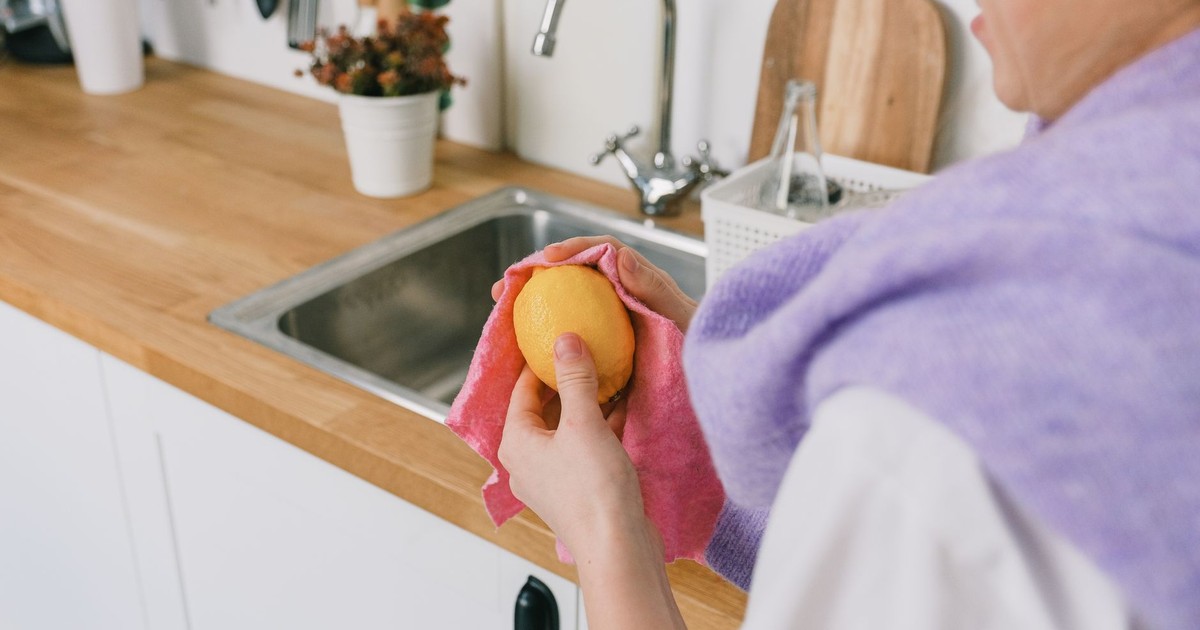
The single fastest way to make a kitchen or bathroom look better is to get things off the counter before you wipe it. Large flat areas like countertops and tables attract clutter – stray mail, random items, things that landed there days ago – and clearing them makes a room instantly look more organized and easier to clean.
The wipe-down itself is genuinely a one-minute task once the surface is clear. A damp microfiber cloth across a bare kitchen counter takes thirty seconds and removes crumbs, dried spills, and the general greasiness that accumulates near a stovetop. A clear, clean counter reads as a tidy kitchen even when the rest of the room hasn’t been touched. Remove visual clutter and everything in the remaining space looks more intentional.
Pair the counter wipe with a single other micro-task while you’re already standing there – rinsing the sink, wiping the stovetop burners, or running a cloth over the outside of the microwave door. Two minutes, two surfaces, two pieces of the room that now look deliberate.
The Mirror Gets Done First in the Bathroom
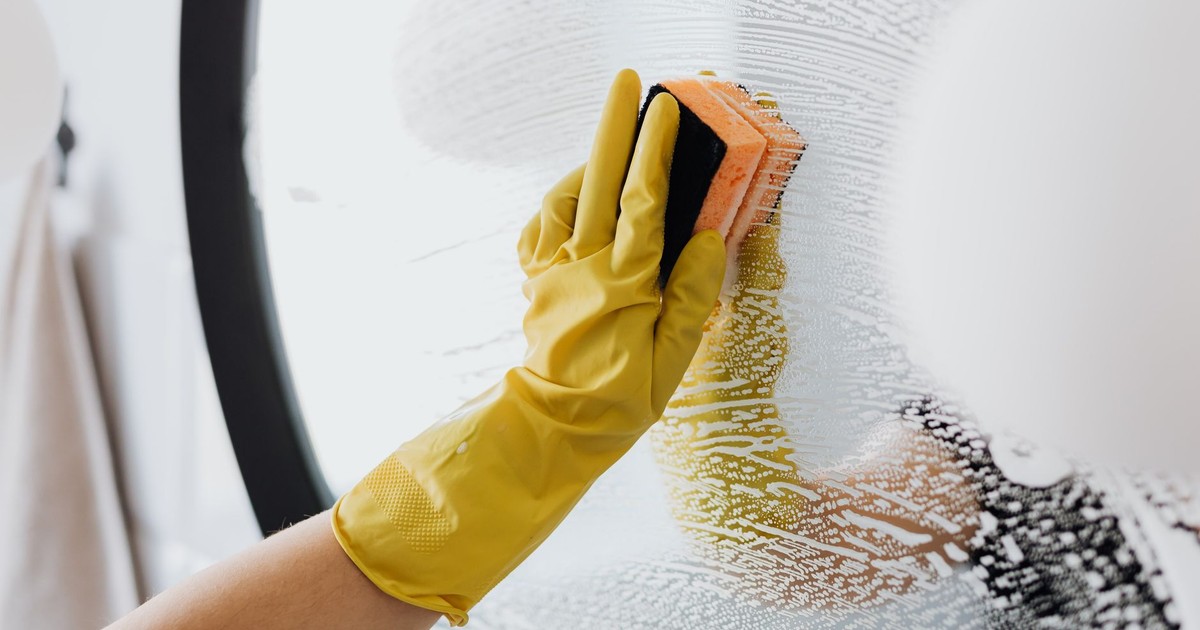
Of all the quick cleaning tasks available in a bathroom, a streak-free mirror produces the most disproportionate result. According to HGTV, wiping down the sink and faucets every day makes a big difference. The mirror, though, is where the bathroom announces itself. A toothpaste-splattered mirror makes the whole room look neglected in a way that a clean mirror almost entirely cancels out.
Apartment Therapy recommends lightly misting your mirror, then wiping it down with a microfiber cloth or other lint-free material – an old T-shirt or coffee filter works – then switching sides on your cloth and buffing to a dry shine. That sequence takes under a minute and produces a result that looks like something a cleaning crew did. The dry buff at the end matters: a single swipe with a damp cloth leaves behind its own streaks. Microfiber cloths work across almost every surface in your home, including glass, wood, stainless steel, and tile, and their fine fibers capture dust, dirt, and grime with little effort, often reducing the amount of cleaning product required.
The faucet gets the same treatment: a quick wipe with the dry side of the cloth picks up water spots and toothpaste drips and leaves the hardware looking polished. Nobody consciously examines a faucet, but a grimy one next to a clean sink registers as “not quite clean,” and a shining faucet next to a wiped sink registers as “done.”
The Sink Is the Room’s Handshake
Kitchen sink or bathroom sink – both function as the first thing eyes land on in those rooms, and both accumulate grime in ways that are obvious and immediate. A bathroom sink with a hair sitting in the drain and dried toothpaste around the basin tells a story even if everything else in the room is in order. The fix is thirty seconds and a cloth.
Get in the habit of running water in the sink for a few seconds after you brush your teeth. Toothpaste that washes down the drain immediately doesn’t have the chance to set like cement to the basin by the end of the day. For clumps and hairs that don’t rinse away, wipe them off – keeping a small cotton cloth nearby makes it easy, with no need for a full spray-and-disinfect routine daily.
For the kitchen sink, the same principle applies but with the added layer of smell. A sink that has bits of food sitting near the drain creates an ambient odor that no amount of countertop cleaning will address. A thirty-second rinse and wipe after dishes, every time, is the actual fix. Running the garbage disposal with a halved lemon every couple of days adds another thirty seconds and takes care of whatever the rinse doesn’t catch. The cost of skipping the sink is higher than the cost of maintaining it.
Top-Down Dusting for the Living Room
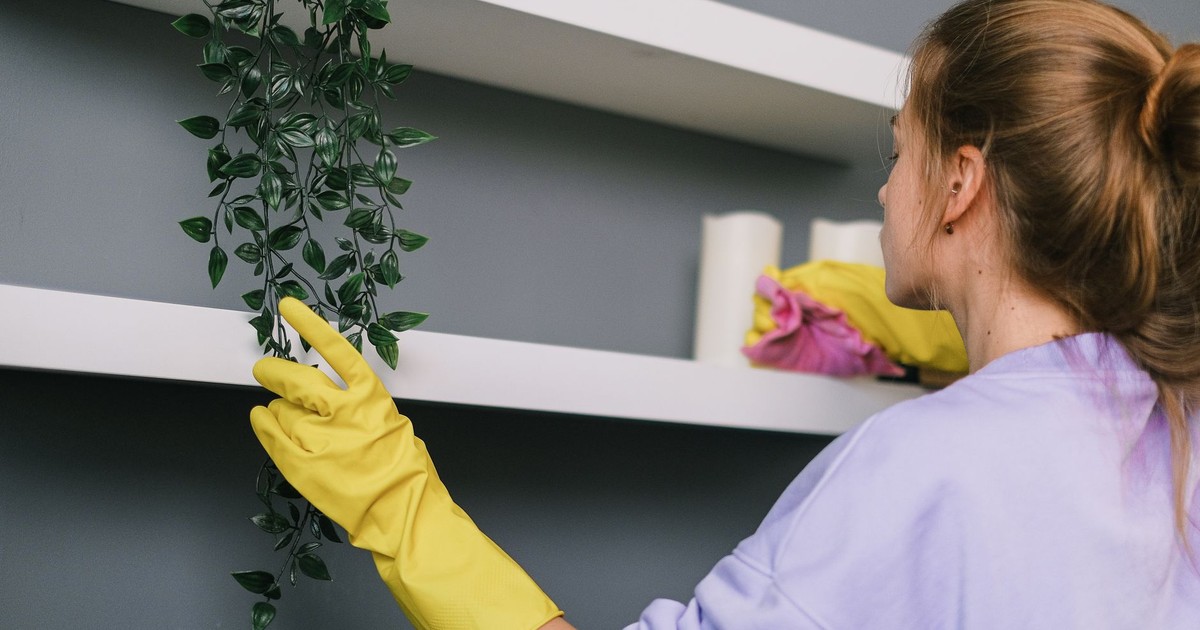
Professional cleaners start at the highest point in each room – ceiling fans, crown molding, top shelves – before cleaning anything below, to avoid undoing their work. The logic is airtight: if you dust the coffee table and then wipe the shelves above it, you’ve just re-dusted the coffee table.
A one-minute dusting pass with a microfiber cloth starting at the top of a bookshelf or entertainment unit and working down covers the surfaces that accumulate the most visible dust. Shelving edges, the top of the television, decorative objects – these are the places guests scan without meaning to, and where dust telegraphs that cleaning hasn’t happened recently. Baseboards collect dust too, but they sit at an angle that doesn’t catch the eye the way a dusty shelf at eye height does.
Ceiling fans deserve a special mention because they are one of the most efficient dust delivery systems in any home. A pass across the fan blades with a pillowcase or microfiber sleeve takes about forty-five seconds and prevents the next time the fan is turned on from dusting every horizontal surface in the room simultaneously. Not glamorous. Extremely effective.
High-Touch Surfaces and the Logic of Visible Grime
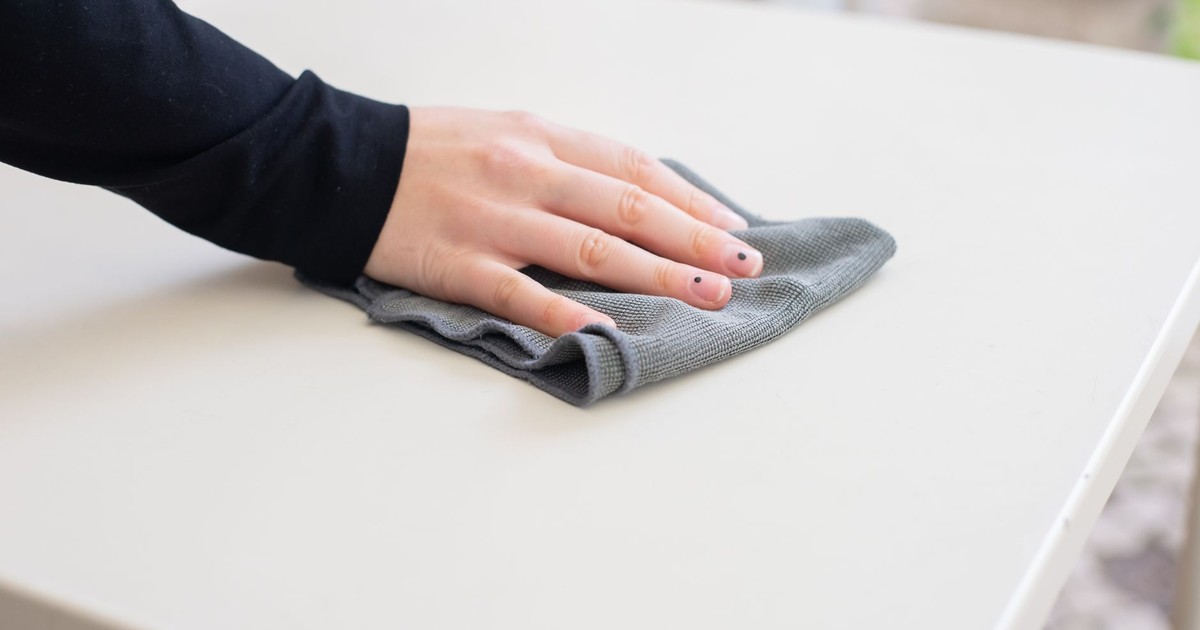
Light switches, door handles, and countertops are not only noticeable but accumulate grime quickly. A light switch touched by slightly-sticky hands a hundred times looks grimy in a way that registers even peripherally. A disinfectant wipe across a light switch and a door handle takes fifteen seconds and removes both the visual evidence and the actual bacterial load – which matters in a household with kids or pets.
The front door handle and the interior door handles to the bathroom and kitchen are the highest priority. These are the surfaces that hands touch on the way to and from food preparation and the bathroom, and they are cleaned almost never in most homes. A wipe-down once a week as part of a set of quick cleaning tasks takes under two minutes total for an average home. Fingerprint smudges on stainless steel appliances fall into the same category – a dry microfiber cloth, thirty seconds, and the refrigerator front stops looking like it was used to sort mail.
Floors: The Fast Sweep That Changes the Whole Room
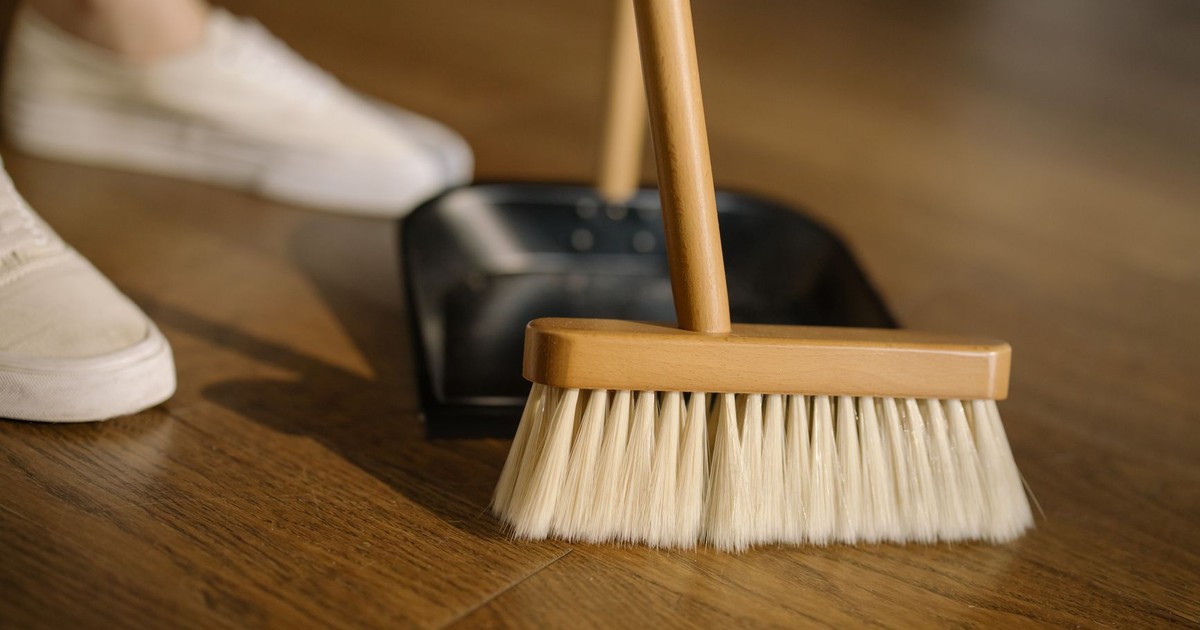
Full-floor mopping and steam cleaning are not quick tasks. A targeted sweep of high-traffic zones, though, produces a result that registers as “the floor has been cleaned” even when only a portion of the floor area has been touched.
For most homes, the high-traffic zones are the entry path from the front door, the area in front of the kitchen sink, and the path between the kitchen and the dining area. A quick sweep or a fast pass with a cordless vacuum across those strips takes about two minutes and removes the visible debris – tracked-in dirt, crumbs, dog hair – that communicates “floor hasn’t been dealt with.” The rest of the floor tends to look fine to the naked eye even if it hasn’t been fully mopped. Many people who keep a clean house understand this intuitively: they’re not cleaning the whole floor every day, they’re maintaining the parts that show.
Spot-mopping is the professional’s version of this habit – a spray bottle of diluted floor cleaner lives under the kitchen sink and gets pulled out for sticky patches as they appear rather than during a scheduled session. To spot mop, spray the cleaner directly onto the spot and wipe it with a microfiber cloth or mop. This saves cleaning solution and water, reduces wear on your floor, and cuts down the time spent on chores.
Spray and Sit: The Bathroom’s Biggest Shortcut
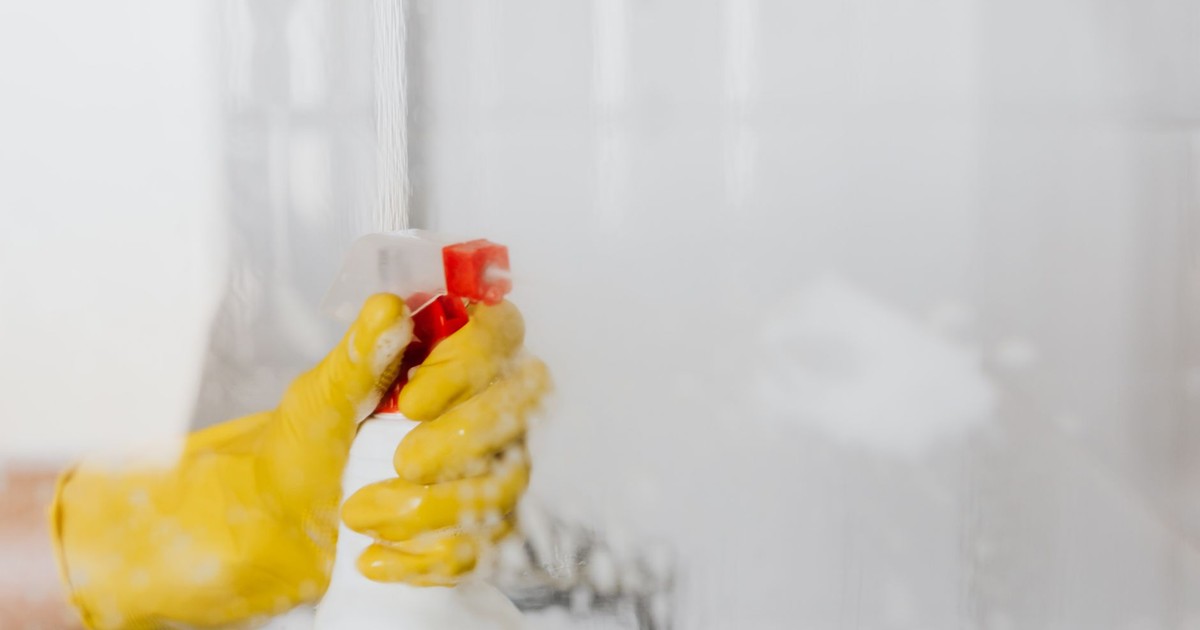
The bathroom takes longer than it should in most cleaning routines because people spray, immediately wipe, scrub, and repeat. Professional cleaners skip the scrubbing almost entirely by using dwell time – the period when a cleaning product is allowed to do its work before anything is wiped. The technique is straightforward: apply the cleaning agent and let it work while moving on to another task.
The practical version for a quick clean: spray the toilet bowl cleaner and the shower surround, then walk away for three minutes and do the mirror and sink in the meantime. When you come back, the cleaner has already loosened whatever grime was in the bowl and on the tile – actual scrubbing time drops by more than half. The toilet brush takes thirty seconds, the shower walls take a single wipe, and you haven’t spent more than five minutes total in the bathroom. That’s a maintained bathroom, not a deep-cleaned one, but without visible soap scum and without a ring in the toilet bowl, the difference is invisible to anyone but you.
Bedrooms: Two Minutes That End the Chaos
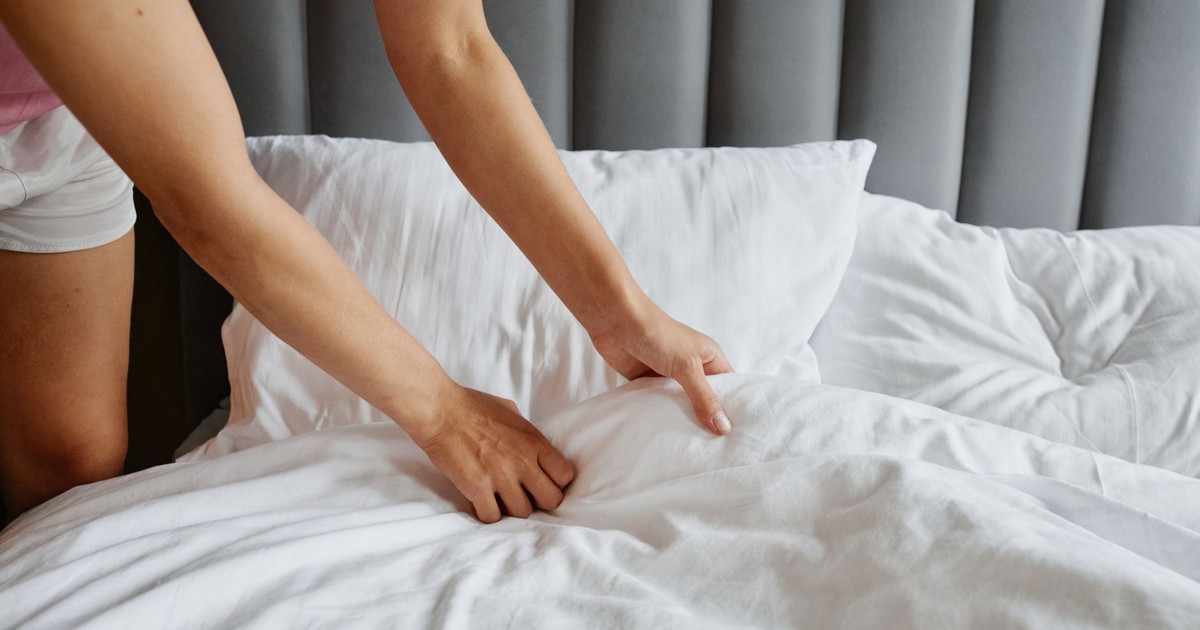
Bedroom cleaning tends to bifurcate hard: either the room is in a state of general catastrophe or it’s been deep-cleaned recently. The quick daily task that prevents the catastrophe from developing is not making the bed in a full hotel-housekeeping way. It’s pulling the duvet straight, fluffing the pillows, and picking up any clothes from the floor.
A bedroom with a straight bed and a floor you can see reads as “clean enough” even with a full hamper in the corner and a nightstand covered in books. The bed is the largest surface in the room and the most visually dominant element, and its state sets the tone for everything else. Two minutes on the bed and a sweep of floor items into their designated spots costs almost nothing and prevents the room from reaching the point of feeling genuinely overwhelming.
Read More: The Ultimate Room-By-Room Spring Cleaning Checklist
The Part Nobody Talks About
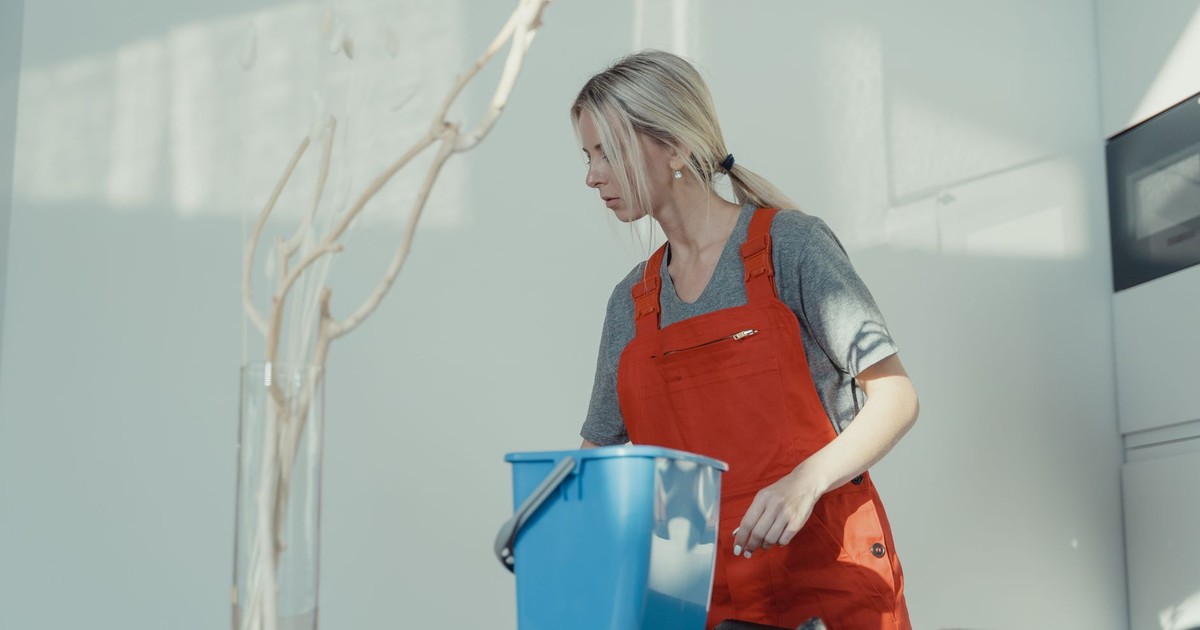
Quick cleaning tasks work best when they happen before the cleaning is obviously needed, not after. A countertop wiped down at 9 PM after dinner takes forty-five seconds. The same countertop wiped down at 7 AM with dried food that spent the night cementing itself to the surface takes four minutes and actual effort.
What professional cleaners understand – and what most cleaning advice glosses over – is that the primary skill isn’t knowing which products to use or which room to start in. It’s the decision to do the sixty-second version of something right now instead of waiting until it becomes the twenty-minute version. That’s not a cleaning insight. That’s a deeply annoying truth about maintenance in general, applied to the specific and relentless reality of keeping a home in a condition you can live comfortably inside.
The tasks themselves are not the hard part. Most of them clock in well under two minutes, require nothing but a damp cloth, and produce results that are immediately visible. The part that trips people up is the distance between seeing the mess and deciding it’s worth addressing before it grows. That’s where the marathon cleans are born. Closing it, one sixty-second task at a time, is the entire secret – and it turns out that secret was never really about cleaning at all.
AI Disclaimer: This article was created with the assistance of AI tools and reviewed by a human editor.