

In 1958, 73 percent of Americans trusted the federal government to do the right thing almost always or most of the time. Today it barely clears 20 percent on a good polling day. That’s not a bad news cycle or a rough patch. That’s a structural rupture.
American faith decline is not a partisan story, even though partisans have tried to own it from both directions. The distrust is too broad, too consistent across demographics, and too persistent across administrations to be explained by whoever happens to be in office. It predates social media. It predates Trump. It’s been building since the mid-1960s, and what we’re living through now is the accumulated weight of decades of disappointment.
What follows is a clear-eyed look at the specific, documented reasons why Americans across political lines are losing faith in the country they were raised to believe in.
1. Trust in Government Has Hit a Near-Seven-Decade Low
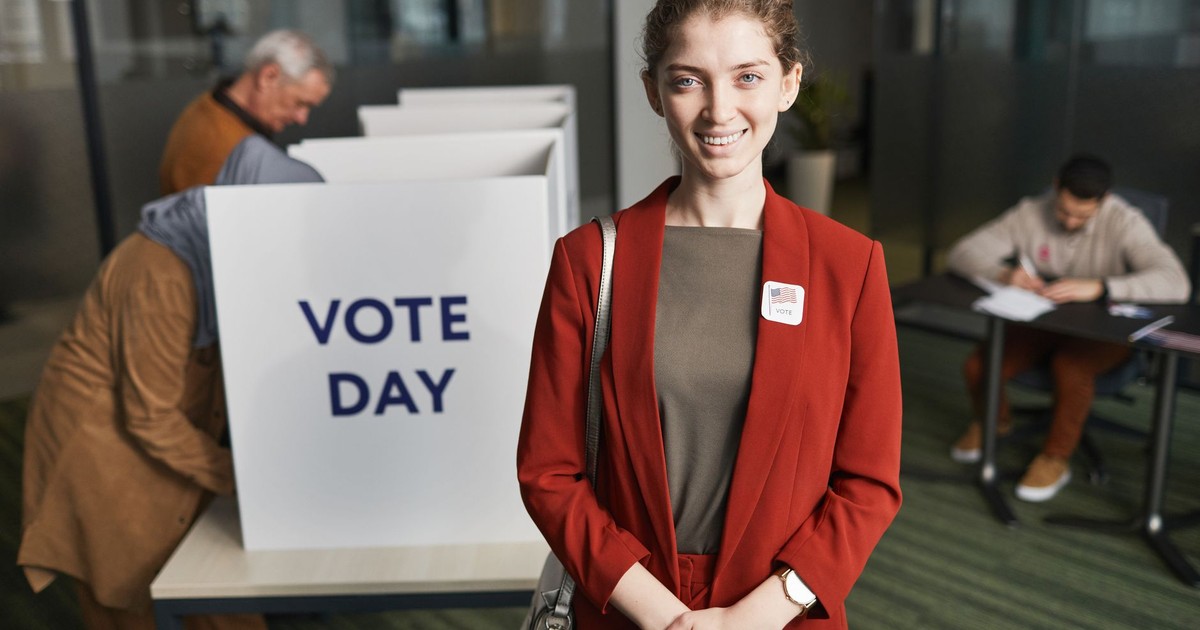
While trust in government has been low for decades, the current measure is one of the lowest in the nearly seven decades since the question was first asked by the American National Election Studies. The number fluctuates slightly depending on which party controls the White House, but the underlying floor keeps dropping. What used to be a temporary dip caused by a specific scandal or a specific war has become the permanent resting state.
Pew Research found that Democrats’ trust in the government has never been lower: just 9 percent say they trust the federal government just about always or most of the time. That is not a rounding error. That is a near-total collapse of confidence among a group that represents roughly half the country.
The asymmetry runs the other way too, depending on who’s in office, but the takeaway is the same: no matter which party wins, roughly half the country ends up in a state of near-zero institutional trust. When people don’t trust government, they don’t comply with public health measures, don’t cooperate with public institutions, and don’t participate in civic life. The erosion appears in lower vaccination rates, lower voter turnout in local elections, and a general withdrawal from the idea that collective action through democratic institutions can solve anything.
2. Congress Has Become the Country’s Most Reliable Disappointment

Congress and television news ranked at the bottom of Gallup’s confidence survey, each receiving confidence ratings around 10 percent. Congress has ranked at the bottom every year since 2010. That’s fifteen straight years at the bottom.
Around 7 in 10 Americans have an unfavorable view of Congress, and a whopping 85 percent of Americans say they don’t think elected officials care what people like them think. That second number is the one that stings. It’s not just that Congress is unpopular. It’s that most Americans have concluded that the people who represent them are not, in any meaningful sense, representing them.
When people think elected officials don’t care what they think, they stop trying to make their voices heard. They stop voting in primaries, stop calling their representatives, stop engaging with the mechanisms of representative democracy. The institution then becomes less responsive as a result, which confirms the original suspicion, and the cycle tightens.
3. The Economy Doesn’t Work for Most People Anymore
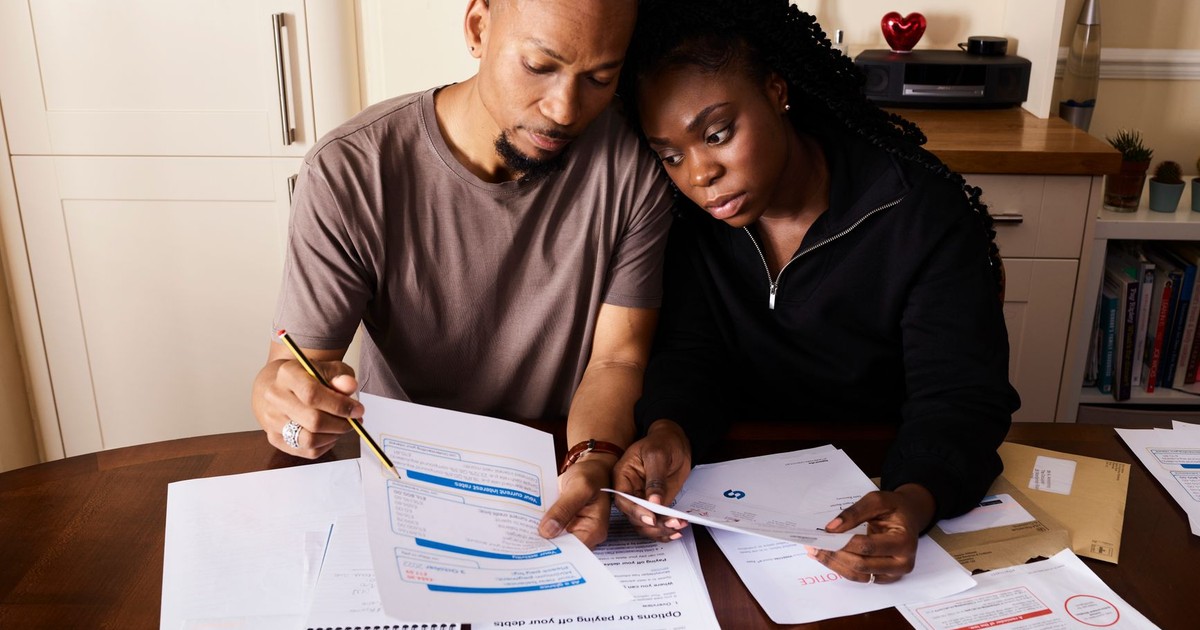
A record 55 percent of Americans say their financial situation is getting worse, up from 47 percent in 2024, marking the fifth consecutive year more Americans say their finances are worsening rather than improving. The only comparable period was the Great Recession. Yet official economic indicators have not reflected the depth of hardship that most households report feeling.
Marist poll data show seven in ten residents nationally say the cost of living in their area is not very affordable or not affordable at all, and about one in three say their personal finances have deteriorated in the past year. When a working person earns more money than they did five years ago but can afford less of their life, the official narrative about economic health becomes impossible to believe. The person sitting across from an unaffordable grocery bill doesn’t feel like she’s living through a strong economy. She feels like she’s been lied to.
4. Homeownership Has Become a Fantasy for a Generation

The median sale price of a newly built home bought with an FHA mortgage went from about $240,000 in 2019 to around $356,000 in late 2025, up roughly 48 percent. One nationwide survey found 62 percent of Americans believe buying a home is unrealistic in 2026. Homeownership was never just about property. It was the pathway by which ordinary Americans built wealth, stability, and a foothold in the middle class. When that pathway closes, what the country promised and what it delivers come apart.
A full-time worker in 2025 would need to earn $28.17 per hour to afford a one-bedroom apartment and $33.63 per hour to rent a two-bedroom home, figures that far exceed the federal minimum wage and sit well above what a majority of American workers actually earn. For younger Americans especially, this isn’t a temporary challenge to be waited out. It’s the shape of their adult lives.
5. Young Americans Have Lost Faith Fastest
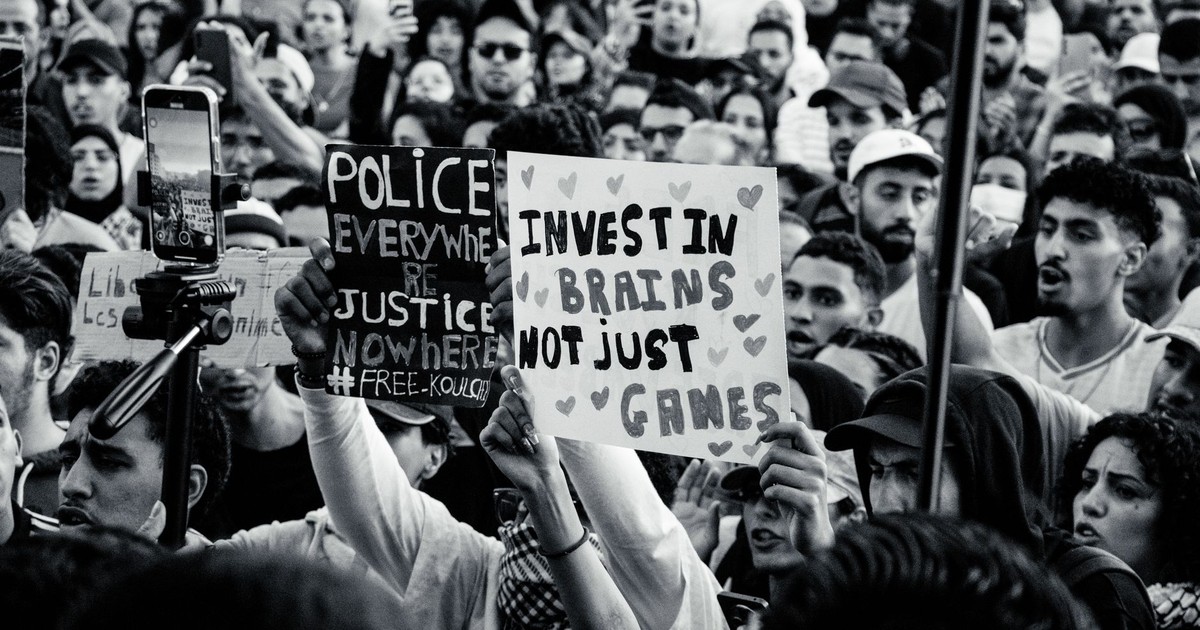
A national poll from the Institute of Politics at Harvard Kennedy School reveals a generation under profound strain, as young Americans report deep economic insecurity, eroding trust in democratic institutions, and growing social fragmentation.
Among 18- to 29-year-olds, only 13 percent say the country is headed in the right direction. That means 87 percent of the youngest adult generation has essentially written off the current trajectory. That’s not apathy. That’s active pessimism, rooted in the concrete experience of entering adulthood during a period of record housing costs, an uncertain job market, compounding student debt, and institutions that have consistently failed to deliver on their stated purpose.
Young people are not rallying behind either party with any conviction. They’re watching from a distance, skeptical of all of it, and increasingly drawn to candidates and movements that explicitly reject the existing system rather than try to reform it.
6. The Partisan Trust Gap Has Never Been Wider
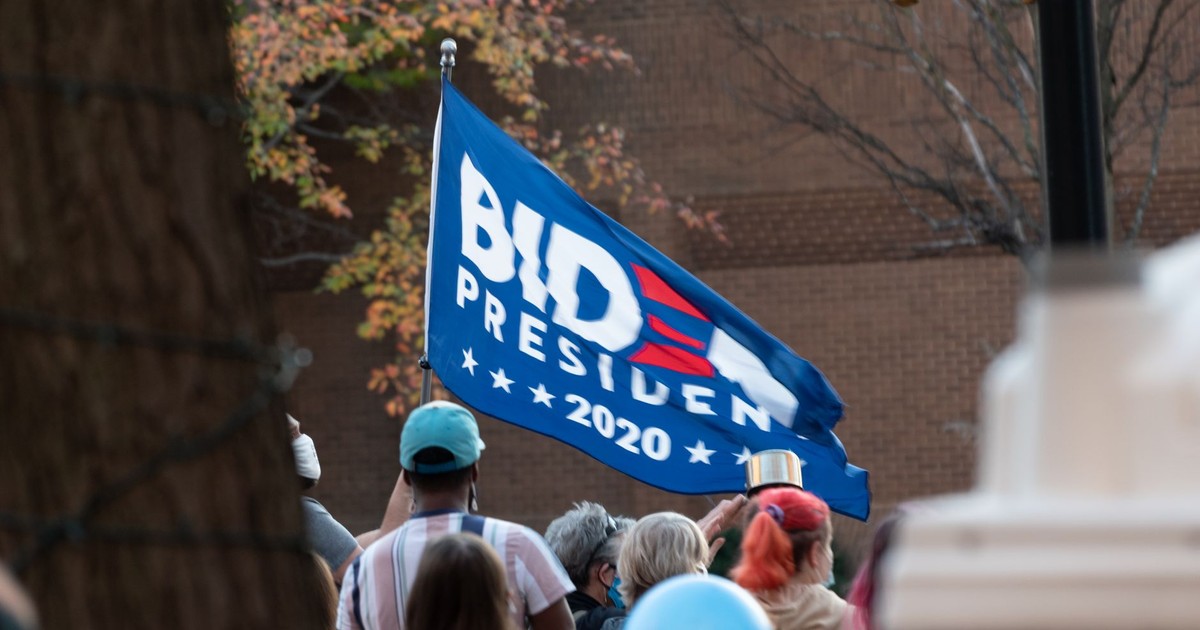
The partisan trust gap is now the widest since Gallup began tracking it in 1979. Republicans and Democrats are no longer operating from a shared baseline of institutional legitimacy. Each side experiences the same government, the same courts, the same media ecosystem as fundamentally adversarial depending on who holds power. When your confidence in every institution rises and falls by double digits based purely on which party won the last election, you’re not actually trusting the institutions. You’re just rooting for a team.
Trust has collapsed among those opposed to the president’s party, and this tracks alongside a persistent decline in trust among independents, who generally do not have a high degree of faith in either party to run the government. Independents are now the largest single group in American political self-identification, and they’re the most chronically disillusioned. They’re not swinging between parties because they’re persuadable. They’re swinging because they’ve concluded neither option represents them.
7. Most Americans Think the System Is Rigged
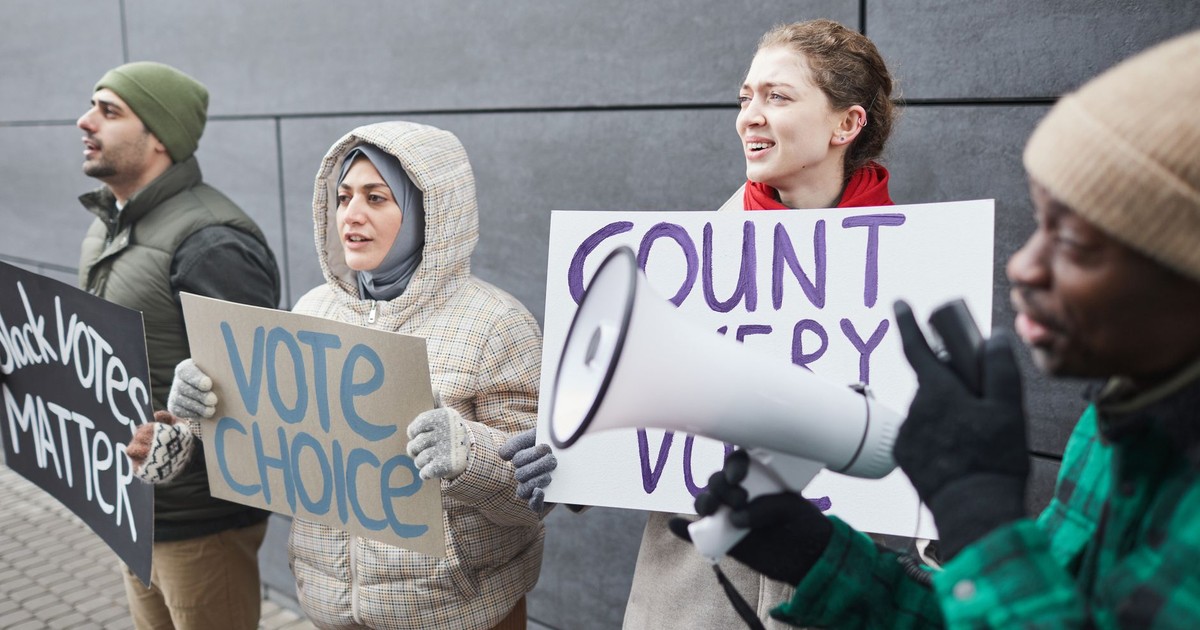
Most voters, 62 percent, think that the government is beset by corruption and is mostly working for itself or to benefit elites. That belief, whether or not it’s provable in any specific instance, has enormous consequences for how people engage with civic life. When you believe the game is fundamentally rigged, you stop playing by the rules, you stop casting votes in elections that feel pointless to you, and you become susceptible to anyone who promises to blow the whole thing up.
This belief crosses party lines in ways that more specific political opinions don’t. Across the ideological spectrum, Americans share a basic conviction that the people running things are primarily serving themselves or a small class of connected insiders. Disagreements about which specific people or interests are to blame vary widely. The underlying diagnosis is remarkably consistent.
8. The Media Has Lost the Room
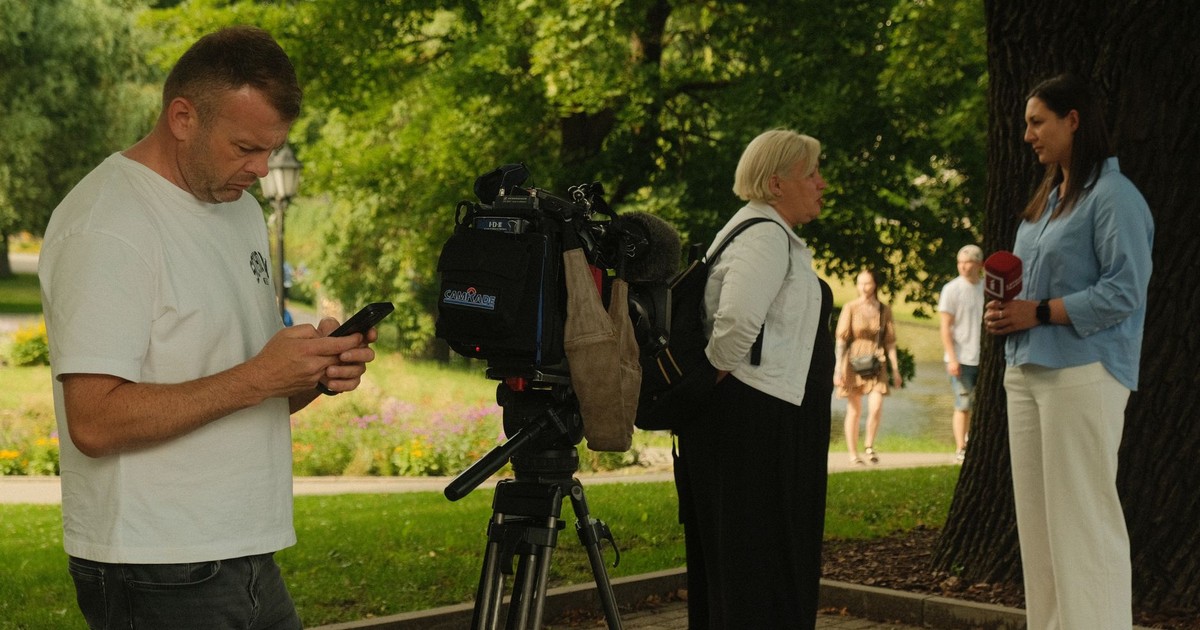
The collapse of media trust runs parallel to the collapse of government trust and isn’t entirely separable from it. A 2024 Pew Research survey found that the CDC had a 78 percent favorable rating among Democrats but only a 33 percent approval rating among Republicans, a gap that reflects not just different assessments of the agency, but entirely different information environments that have led people to opposing conclusions about the same events.
Americans now have no shared source of ground truth. When a fact is reported, roughly half the country immediately filters it through the assumption that the outlet reporting it has a political motive. That’s not healthy skepticism. That’s a world in which shared reality becomes nearly impossible to maintain, and in which any institution can be delegitimized almost instantly by a coordinated campaign across the right information channels.
9. The Supreme Court Has Lost Its Standing as a Neutral Arbiter

Forty-three percent of Americans describe the U.S. Supreme Court as being “too conservative,” the highest in Gallup’s trend. The court was designed to function as the branch least susceptible to political pressure. Whether or not one agrees with recent decisions, the widespread public perception that the court operates as a political institution rather than a legal one does serious damage to its capacity to function as a settling force in American life.
Once people stop believing that judicial rulings emerge from neutral legal reasoning rather than political outcomes determined in advance, the authority of every ruling becomes contestable. A court whose legitimacy is believed in only by the half of the country that agrees with its recent decisions is not functioning as a co-equal branch of government. It’s functioning as a very powerful, very unaccountable political actor.
10. The Workforce and Job Security Feel Precarious
One in three Americans worry about falling behind in paying their rent or mortgage. One in three employed adults worry about losing their job in the next 12 months, including 15 percent who are “very worried.” The rise of AI-driven automation, widespread corporate restructuring, and the erosion of employer-employee loyalty have created a workforce where even people who currently have jobs cannot confidently plan their financial futures.
Young adults specifically expect fewer opportunities, greater threats to job security, and diminished meaning in their careers as AI reshapes the employment landscape. This is a generation that did everything right and is now watching the promised stability fail to materialize. The faith that the country rewards effort and preparation is one of the foundational beliefs of American identity, and it is getting harder to hold onto.
11. National Pride Has Reached Record Lows
Americans have a bleak outlook on the nation’s future ahead of its 250th birthday, with most saying the U.S. has already seen its best days and a record-low number saying they are extremely proud to be Americans. The post-9/11 moment saw as many as 70 percent of Americans saying they felt extremely proud of their country. That number has been in decline for over two decades.
The lack of trust in institutions is taking a toll on American pride. National pride, faith in major institutions, and belief in the “American Dream” have all declined together. These aren’t separate trends. When you stop believing that your government is competent and honest, when you can’t afford the life you were promised, and when you watch a decade of economic, political, and public health failures pile up, the pride eventually follows those other things into the floor.
12. The Promise of Reform Keeps Getting Broken
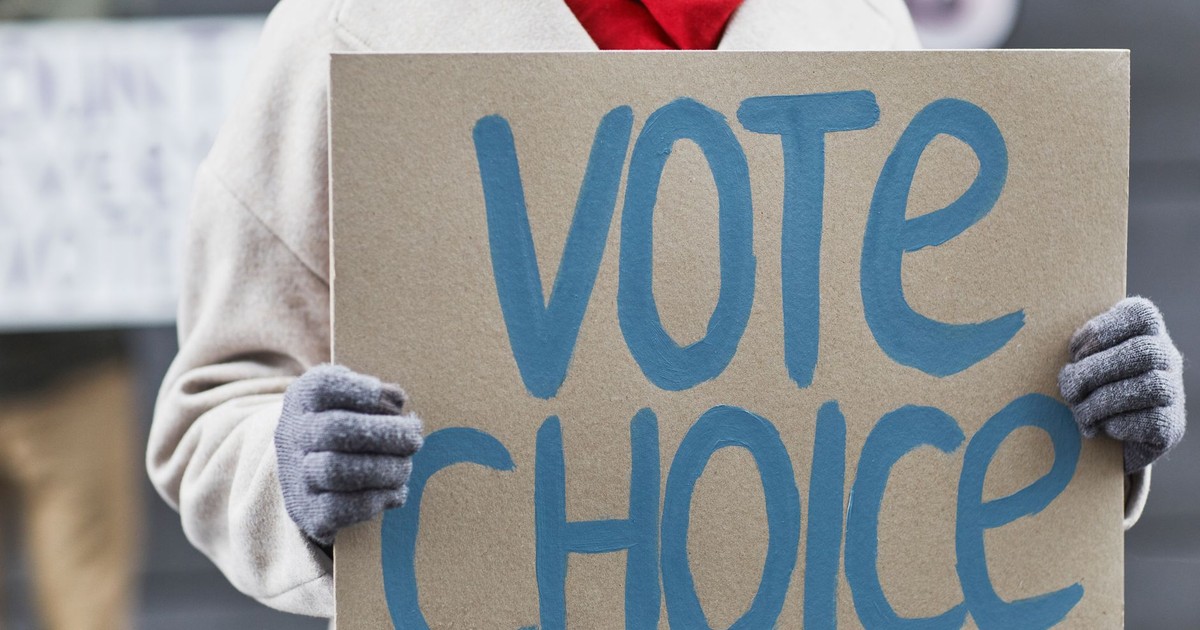
In a 2025 Pew survey of 25 countries, roughly half or more of the public in seven of them, including the U.S., said the political system needs significant change and that they are not confident the system can change. That combination, knowing the system needs to change while believing it can’t, is the specific emotional posture of long-term disillusionment. It’s different from apathy. People who are apathetic don’t have opinions about what needs fixing. People who are disillusioned have detailed, specific opinions. They’ve just stopped believing their opinions will lead anywhere.
Every election cycle brings candidates promising to fix the thing. The thing does not get fixed. Voters who arrived optimistically in one cycle reach the next one slightly more certain that their enthusiasm was naive. Enough cycles of this and the optimism calcifies into something harder, not quite cynicism, more like a weary realism that the incentive structures of the existing system reliably defeat anyone who genuinely tries to change them.
What the Numbers Miss

The data above is real and current, and it describes a country in a genuinely troubled relationship with its own institutions. But numbers only capture what people tell pollsters. They don’t fully capture the specific flavor of disillusionment that comes from living in a country you were taught to love, watching it fall short of its own stated values across multiple consecutive decades, and still waking up the next morning and trying to build a life inside it anyway.
American faith decline is not the same thing as Americans losing faith in each other. Small business leads institutional confidence surveys at 70 percent, and it’s one of only three institutions to receive majority support. People trust their neighbors, their local businesses, and their immediate communities far more than they trust the systems that are supposed to organize and protect those communities. The gap between what people believe about each other and what they believe about their institutions is actually one of the more hopeful findings in the data. The problem isn’t that Americans have given up on people. It’s that the structures meant to channel that goodwill into collective action have lost the right to claim it.
That doesn’t resolve into anything tidy. The arc of this story doesn’t bend automatically toward anything. What it does do is locate the problem with some precision: not in American character, not in American values, but in institutions that have been failing to live up to those values for long enough that the gap between the promise and the reality is now too wide to ignore.
Disclaimer: This information is not intended to be a substitute for professional medical advice, diagnosis, or treatment and is for information only. Always seek the advice of your physician or another qualified health provider with any questions about your medical condition and/or current medication. Do not disregard professional medical advice or delay seeking advice or treatment because of something you have read here.
AI Disclaimer: This article was created with the assistance of AI tools and reviewed by a human editor.