
Every conversation about cancer tends to start in the same place: smoking, alcohol, sun damage, processed food. The list is familiar, reassuring in a way, because these are things you can theoretically control. Avoid the cigarettes, limit the wine, wear the SPF 50. And yet the majority of cancer diagnoses keep happening to people who did most things right, people who ate well and didn’t smoke and still found themselves sitting in a doctor’s office hearing words they’d spent years trying to outrun.
The single biggest risk factor for developing cancer is not something you can change with a lifestyle overhaul. It is not a habit you can quit or a food you can eliminate. It is simply getting older.
The Number That Changes Everything

Aging is the most significant risk factor for developing cancer, with approximately 60% of all cancer cases occurring in individuals aged 65 and older. Six out of ten cancer diagnoses happen in people over 65. Not because older people smoked more, or drank more, or had worse diets, but because aging itself creates the biological conditions in which cancer is far more likely to develop.
The incidence of cancer rises dramatically with age, most likely due to cumulative exposure to risk factors that increase with age. The total weight of everything your cells have been through, year after year, begins to overwhelm the body’s repair systems.
The incidence of tissue dysfunction, diseases, and many types of cancer, including colorectal cancer and some types of leukemia, exponentially increases with age, and aging represents the single biggest risk factor for most cancers. Not a contributing factor. Not one item on a list. The single biggest one.
What’s Actually Happening Inside Aging Cells
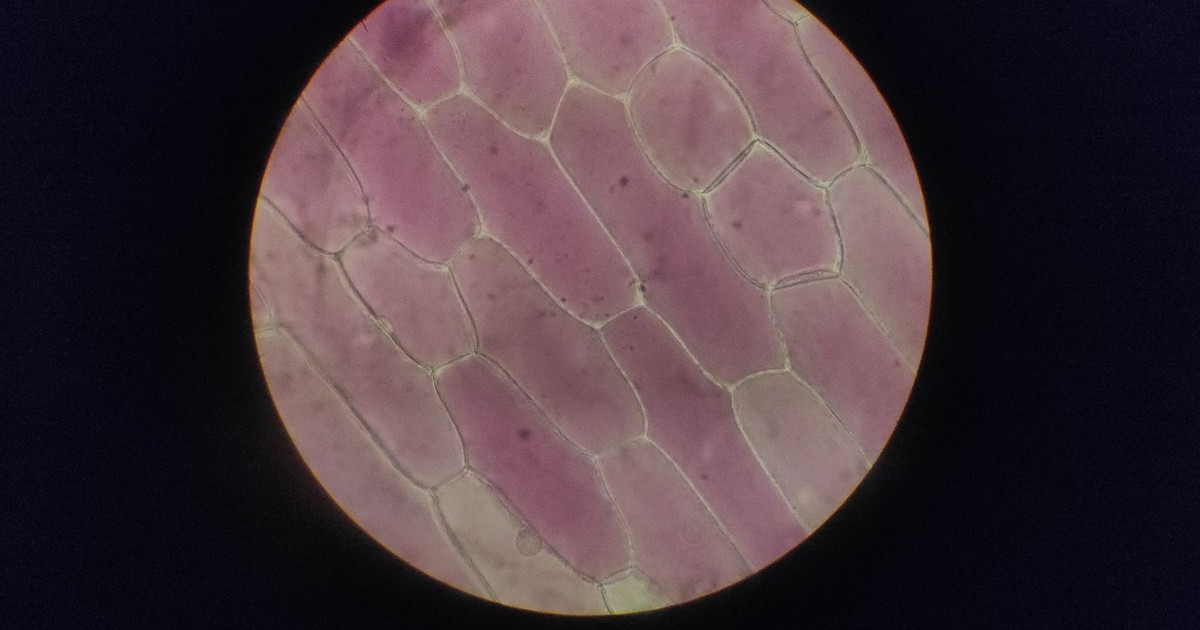
Every time a cell divides, it copies its DNA. Over the course of a lifetime, that happens billions of times. Errors creep in. The body has repair systems to catch those errors, and for decades those systems work well. But the accumulation of DNA mutations affects tumorigenesis and tissue function during aging, and age-related telomere dysfunction and cellular senescence intricately modulate tumor development through processes involving genomic instability and inflammation.
Telomeres shorten with every cell division. The initiation triggers of senescence include DNA damage, telomere shortening, and oncogene activation, which activate a protective response, preventing the propagation of mutations. In younger bodies, this protective response works reliably. Cells that have accumulated too many errors are stopped from dividing, or they die off. In older bodies, that checkpoint system becomes less reliable. The errors start getting through.
Cellular senescence is another compounding problem: aging cells that stop dividing but don’t die, instead staying in the body and releasing inflammatory signals that can encourage neighboring cells to become cancerous. When components of key cellular pathways are mutated or silenced, cells can bypass senescence, leading to uncontrolled proliferation and tumor development. The older the body, the more of these senescent cells have accumulated, and the more inflammatory the cellular environment becomes.
None of this is a malfunction, exactly. It is biology doing what biology does across a long lifespan.
Where the Other Risk Factors Fit In

Smoking, alcohol, obesity, UV exposure, and the other well-documented cancer risk factors accelerate, compound, and layer onto the exact same biological processes that aging drives.
Tobacco is the clearest example. Tobacco use remains the leading preventable cause of cancer death, responsible for approximately 30% of all cancer deaths, according to Cancer Facts & Figures 2025. Smoking causes cancer because it drives the same DNA damage and mutation accumulation that aging drives, only faster, and in specific tissues. A 60-year-old who has smoked for decades has a body that has been running the aging-of-cells process in fast-forward in their lungs and throat for years.
Alcohol operates similarly. It is metabolized in the body into acetaldehyde, a compound that directly damages DNA, adding to the mutation burden that cells are already accumulating through the ordinary passage of time.
Infections are another significant component of the cancer risk factors picture. According to the WHO, approximately 10% of cancers diagnosed in 2022 globally were attributed to carcinogenic infections, including Helicobacter pylori, human papillomavirus (HPV), hepatitis B virus, hepatitis C virus, and Epstein-Barr virus. These pathogens drive cancer through chronic inflammation and direct interference with cellular DNA. An older immune system is also less capable of clearing these infections before they do lasting damage.
Indoor air quality is one of the cancer risk factors that often gets overlooked. Carcinogens like benzene from gas stoves and volatile organic compounds from household products add to the cumulative cellular burden in exactly the way other environmental exposures do: small doses, repeated exposure, building on each other with every passing year.
The Biological Age Complication

Chronological age and biological age are not always the same thing. Your passport says one thing. Your cells may be running on a different timeline.
Research presented at the AACR Annual Meeting 2024 found that accelerated aging was more common in recent birth cohorts and was associated with increased incidence of early-onset solid tumors. Unlike chronological age, biological age may be influenced by factors such as diet, physical activity, mental health, and environmental stressors.
Poor diet, chronic stress, sleep deprivation, and heavy alcohol use don’t just cause harm in the obvious ways. They also accelerate the cellular aging process that makes cancer more likely.
Accumulating evidence suggests that younger generations may be aging more swiftly than anticipated, likely due to earlier exposure to various risk factors and environmental insults. The choices we make in our thirties and forties are not just about how we feel now. They are writing the biological conditions of our sixties and seventies.
What Risk Really Means for Real People

Knowing that your cells are accumulating damage across time is not a reason to stop caring about how you treat your body. It is the reason the other risk factors matter so much. Tobacco, alcohol, poor diet, and environmental carcinogens are all accelerants. They take the slow burn of biological aging and pour fuel on specific parts of it. Eliminating or reducing those accelerants does not make you immune to cancer, but it does mean your cells are not fighting on multiple fronts simultaneously.
It also changes how we should think about screening. This age group experiences the highest mortality rates, often accompanied by additional chronic medical conditions that complicate treatment and care. As the US population ages, with Americans over 65 projected to reach roughly 1 in 5 of the total population by 2030, healthcare systems face mounting challenges in managing the complex interplay between aging and cancer. Earlier and more consistent screening is not just a precaution. In the context of an aging population, it is the most reliable tool available for catching the damage before it reaches the stage where treatment becomes much harder.
Read More: Mother of 10 Reveals Rare Cancer Symptoms Before Passing Weeks After Diagnosis
What This Means for You
The body is doing something extraordinarily complex across an entire lifetime, and sometimes the complexity fails. That is not a personal failing. It is not evidence that someone smoked the wrong cigarette or ate the wrong diet or didn’t try hard enough. For the majority of cancer diagnoses, aging is doing most of the heavy lifting in terms of risk, and no amount of clean living fully cancels that out.
What you actually control is the rate at which you add to the burden your cells are already carrying. You don’t control everything, but you are not powerless either. The cancer risk factors that are modifiable – tobacco, alcohol, chronic infection, environmental carcinogens, excess body weight – matter precisely because they are cumulative and because they interact with aging biology in ways that accelerate damage. Addressing them is not about achieving perfect safety. It is about not giving an already complex system more to contend with than it needs to.
Disclaimer: This information is not intended to be a substitute for professional medical advice, diagnosis, or treatment and is for information only. Always seek the advice of your physician or another qualified health provider with any questions about your medical condition and/or current medication. Do not disregard professional medical advice or delay seeking advice or treatment because of something you have read here.
AI Disclaimer: This article was created with the assistance of AI tools and reviewed by a human editor.