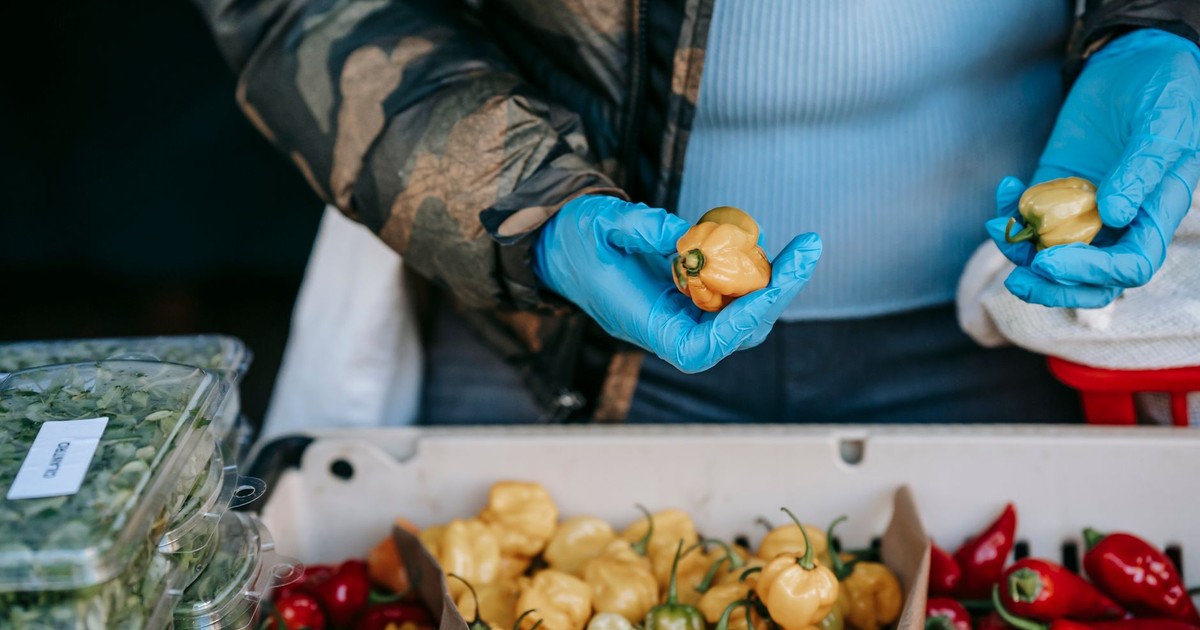

Almost 23,000 confirmed and probable cases of cyclosporiasis have been reported across 47 states since May 1, 2026. The parasite behind them, Cyclospora cayetanensis, has a documented affinity for the kinds of fresh produce that end up in summer salads. What started as a cluster of gastrointestinal cases has become one of the largest food safety events the country has seen in years.
Cyclosporiasis is a gastrointestinal disease that spreads through contaminated food or water, not person to person. The parasite causes diarrhea, cramps, nausea, and fatigue, with an incubation period that averages about one week, with onset ranging from 2 days to 2 weeks or longer after exposure. Untreated, the illness can last from a few days to a month or longer, often following a remitting-relapsing course: symptoms fade, you think you’re better, then they return.
The vast majority of fresh produce at your grocery store is not implicated in the current outbreak. Fruits and vegetables with thick, inedible peels, cooked produce, commercially frozen items, and canned goods sit in a different risk category than the raw delicate greens and herbs that have consistently appeared in Cyclospora traceback investigations.
The Lettuce Question (Yes, You Have to Ask It)
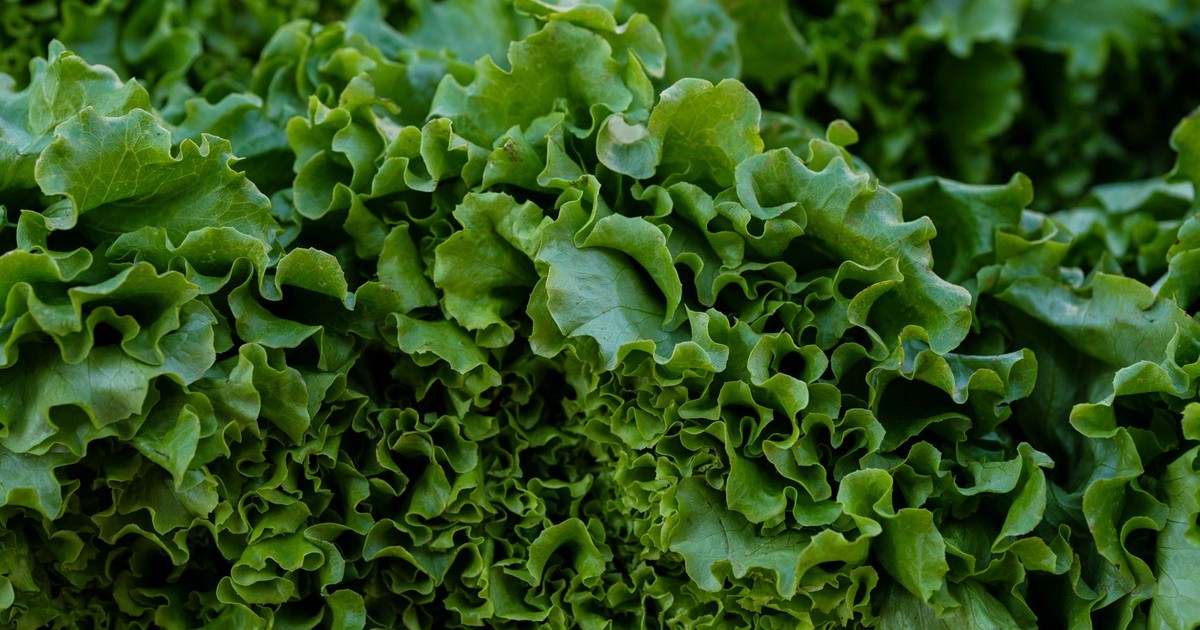
Epidemiologic and traceback data from the CDC confirm that iceberg lettuce from Taylor Farms de Mexico was contaminated with Cyclospora and made people sick. On July 17, 2026, Taylor Farms de Mexico announced a voluntary removal of all iceberg lettuce sourced from central Mexico from the U.S. market. The total case count associated with this multistate Cyclospora outbreak produce investigation is 6,358 illnesses reported from 15 states, including Arkansas, Iowa, Missouri, Nebraska, New Hampshire, and North Carolina. Illnesses linked to this outbreak began on June 22 and continued through July 31, 2026. At least 278 hospitalizations have been reported overall, and two deaths have been reported in Michigan.
The recalled products have passed their best-by dates and should no longer be on store shelves. Do not eat recalled iceberg lettuce from Taylor Farms de Mexico. If you purchased recalled lettuce, throw it out or return it. Beyond the specific recall, investigators are still working. The CDC is aware of more than 12,255 additional cases of cyclosporiasis that are not laboratory confirmed or require further investigation.
Consumer Reports notes that products which often pose a higher risk for Cyclospora based on historical data include packaged salads, romaine lettuce, raspberries, basil, cilantro, and green onions. No additional brands of iceberg or other leafy greens have been formally linked to the current outbreak. The Taylor Farms products remain the only food that federal health officials have linked to cyclosporiasis cases. But given that investigators are still working to identify the sources of multiple other clusters, leafy greens served raw warrant caution, particularly if you are immunocompromised, pregnant, elderly, or managing a serious chronic illness.
1. Thick-Skinned Fruits You Peel Yourself
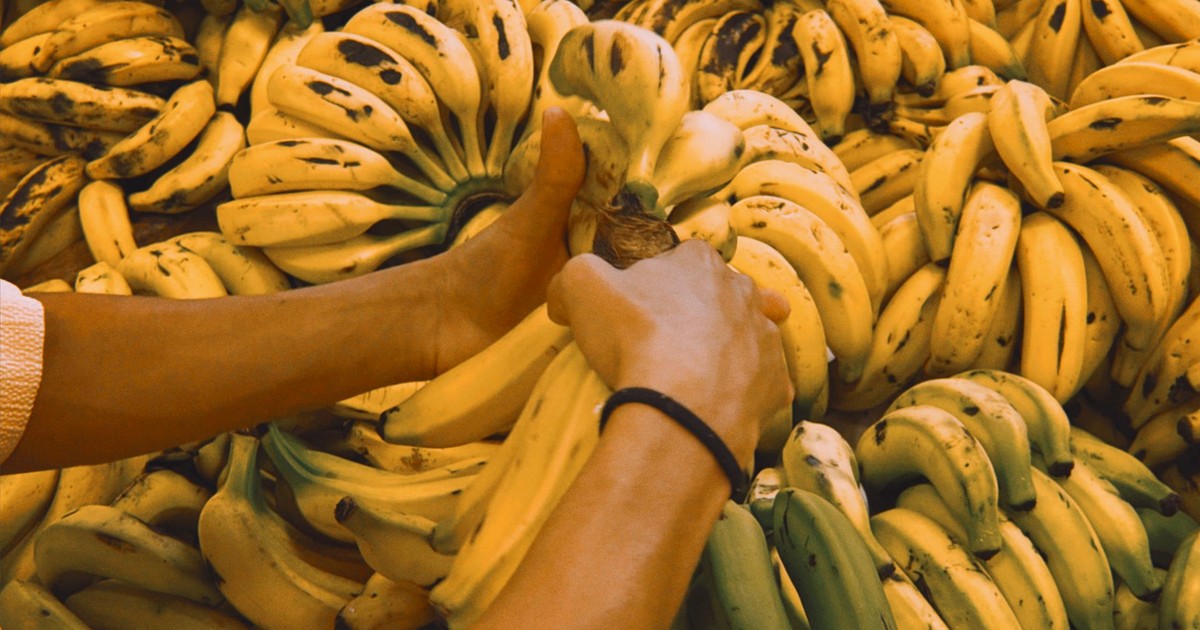
Avocados, bananas, oranges, grapefruits, mangoes, pineapples, cantaloupes carry the lowest risk among raw produce. Even if the outer surface were contaminated, the edible flesh is shielded. You’re not eating the part that was in contact with the environment, water, or handling.
The lowest-risk choices are generally fruits with thick, inedible peels, since the edible part is naturally protected. This is why an avocado on your counter is a very different risk calculation from a bag of pre-washed arugula.
Wash the outside before you cut into it. Cross-contamination from the rind to the flesh during slicing is a real pathway. A quick scrub under running water before you slice your cantaloupe or halve your avocado keeps that risk extremely low.
2. Cooked Vegetables (Any Kind)
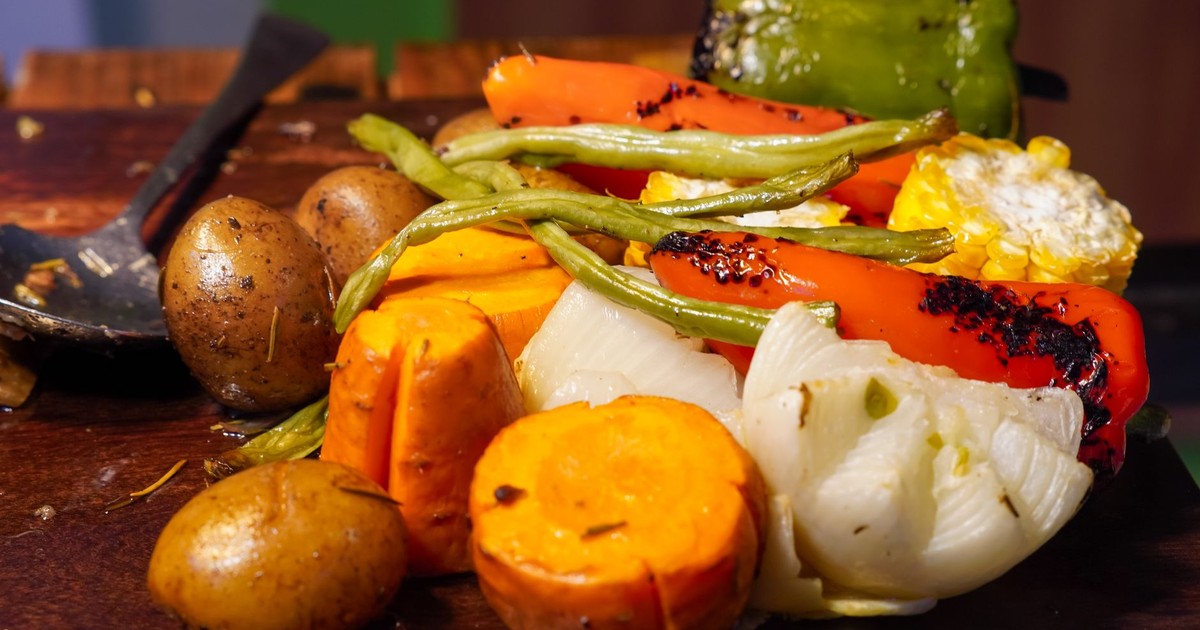
Cooking kills Cyclospora; freezing does not. If you’re roasting broccoli, sautéing zucchini, steaming green beans, or simmering tomatoes in a sauce, the parasite is not surviving the process.
Penn State Extension confirms that the U.S. Food and Drug Administration states that cooking foods to at least 158°F (70°C) is required to inactivate the parasite. A roasted carrot or sautéed spinach will reach temperatures far above that. If you’ve been avoiding produce altogether because the outbreak news has felt overwhelming, cooking is the most reliable way to continue eating vegetables without worrying about what the CDC is currently investigating.
Leaning toward cooked preparations for vegetables is a completely reasonable choice, and you don’t have to give up any nutritional value to do it.
3. Canned Fruits and Vegetables
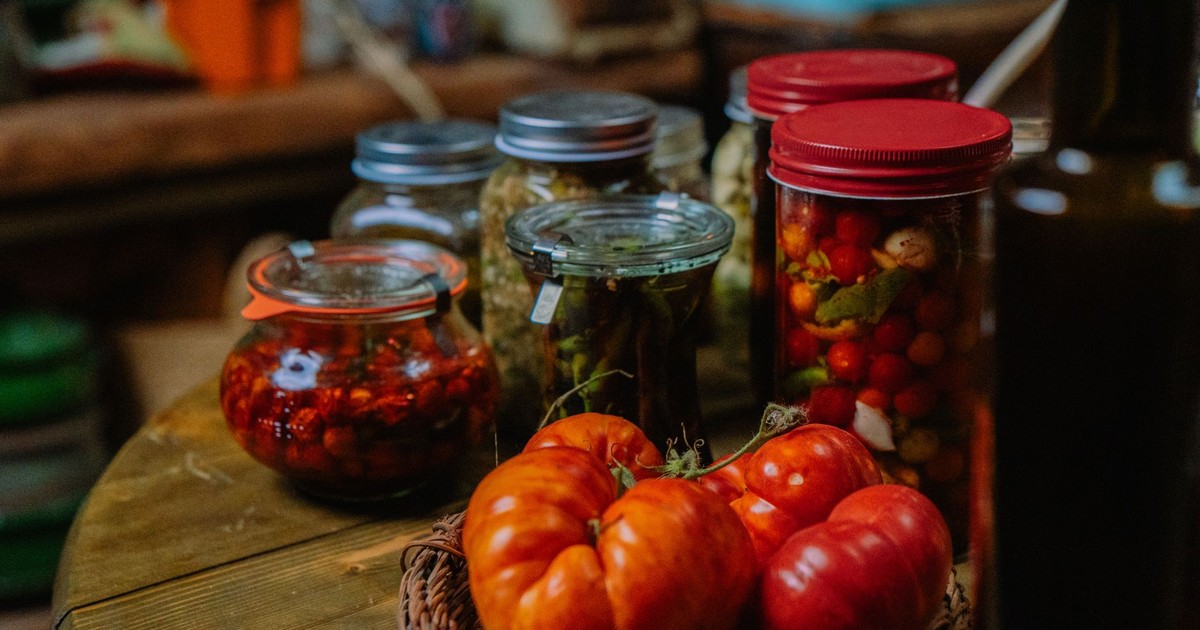
The canning process uses high heat to kill pathogens and parasites before the can is sealed. By the time a can of diced tomatoes or corn reaches your shelf, it has already been heated under pressure at temperatures that eliminate any parasitic contamination. The sealed environment then ensures nothing new gets in.
If you’re cooking for someone who is immunocompromised, elderly, pregnant, or dealing with a serious health condition, canned vegetables and fruits fit naturally into precaution without requiring complicated substitutions or major changes to how you cook.
The one thing to watch with canned goods is sodium content (many canned vegetables are packed in salted water). Rinsing them before use addresses most of that. From a food safety standpoint during this outbreak specifically, a can of chickpeas or black beans or peaches is about as worry-free as produce gets.
4. Frozen Produce (With One Important Note)
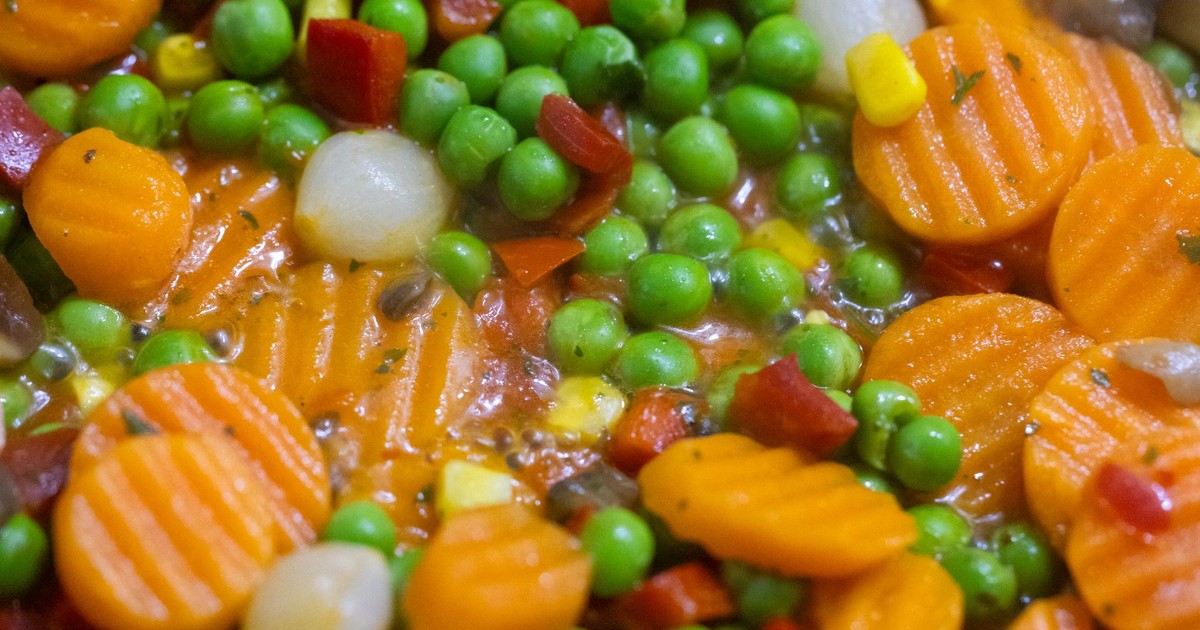
Every Cyclospora outbreak on record has been linked to fresh, raw produce, not frozen. No frozen produce has been implicated in the current outbreak or in prior cyclosporiasis investigations.
Freezing is not the same as cooking. Cooking kills Cyclospora; freezing does not. If you buy a bag of frozen berries and eat them straight from the freezer, still frozen or thawed but unheated, that is not the same risk-reduction as cooking them. The reason frozen produce has not been linked to outbreaks is most likely because the blanching process (brief exposure to boiling water) that most commercial produce undergoes before freezing inactivates the parasite, but that step happens before the produce is frozen, not because of the freezing itself.
Commercially frozen vegetables and fruits remain a very safe choice. A bag of frozen broccoli, edamame, or blueberries from a reputable brand carries negligible Cyclospora risk based on the current evidence. Once you cook those frozen vegetables (stir-fried, roasted from frozen, or simmered in a soup), you’ve added another layer of reassurance.
5. Produce You Grow at Home From Domestic Soil
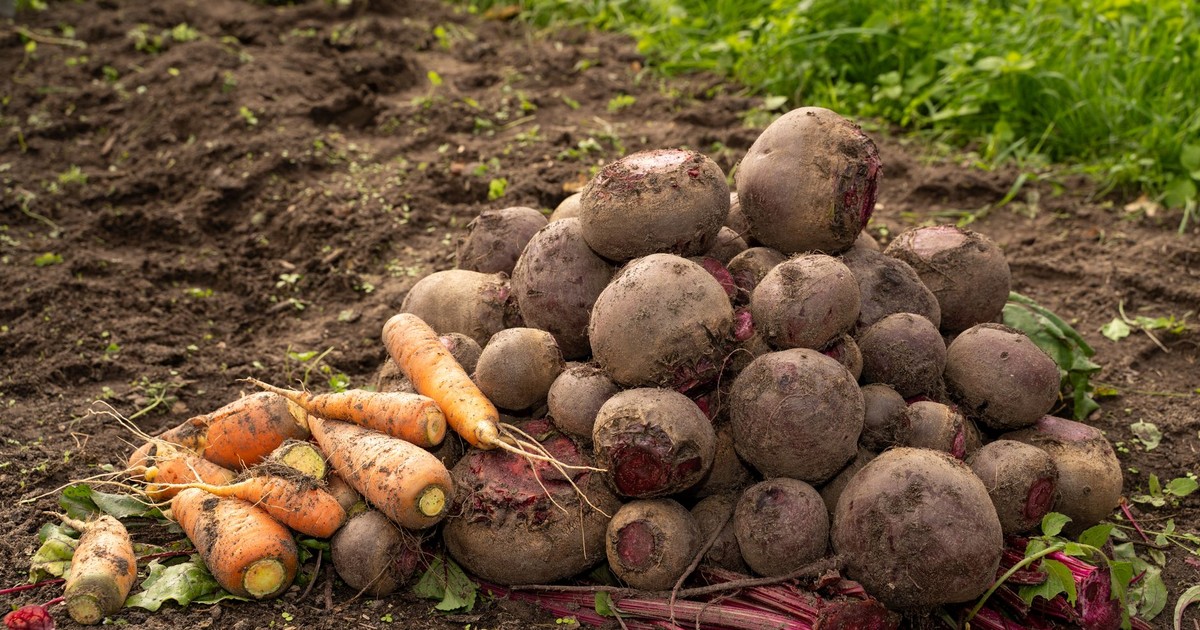
Home-grown vegetables (backyard tomatoes, garden cucumbers, herbs you’ve potted yourself with domestic soil and clean water) sit in a different risk category than imported fresh produce because of how Cyclospora contamination typically occurs. Cyclospora cayetanensis is endemic in many tropical and subtropical regions, especially those lacking access to toilets and clean water. People get infected by consuming food or water contaminated with the parasite. The contamination pathway almost always traces back to fecally contaminated water or soil in regions where the parasite is endemic, which includes much of Central America, where a significant portion of U.S. imported fresh produce originates.
Consumption of raw produce imported from an endemic country is a well-documented exposure pathway. Penn State University food science researchers note that contamination can happen on any farm (large or small) when infected workers handle food, when handwashing is inadequate, or when agricultural water sources are compromised. Home-grown produce using clean domestic water and locally sourced potting soil doesn’t carry the same contamination risk as commercially imported produce that has traveled through a supply chain with multiple points of potential exposure.
U.S.-grown produce has been found to be contaminated with Cyclospora only rarely. Home gardeners irrigating with standard tap or hose water and using commercially purchased domestic soil are working from a fundamentally different risk baseline than the imported supply chains that have driven every major cyclosporiasis outbreak on record.
Read More: 10 Toxic Kitchen Items That Could Be Harmful to Your Health
Making Sense of It All
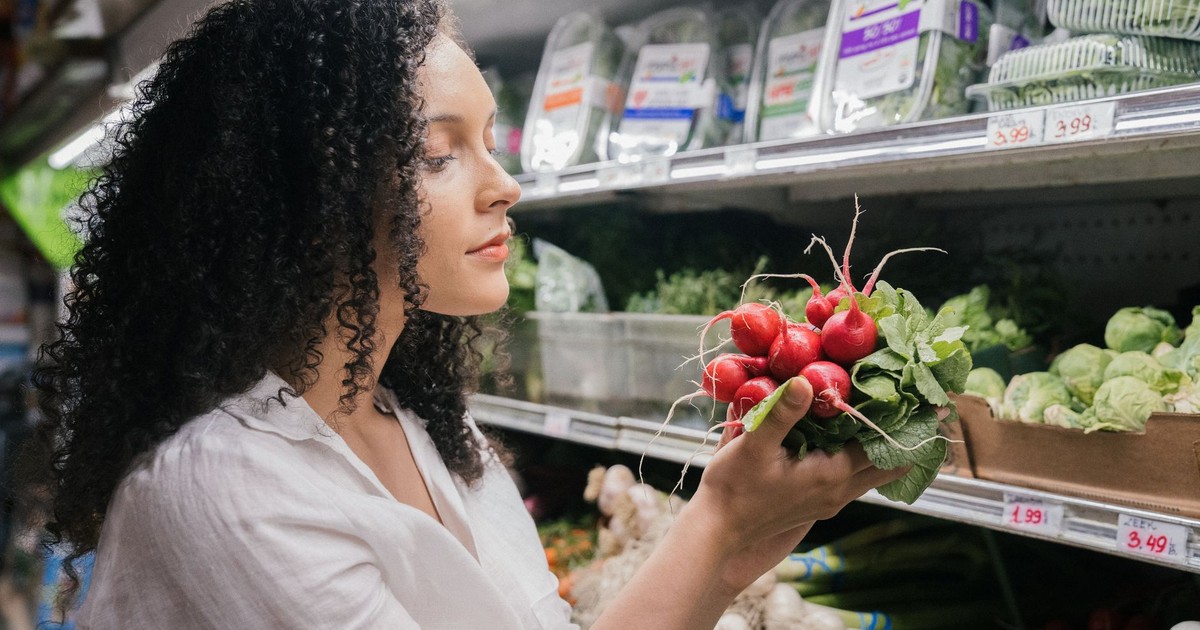
The Cyclospora outbreak in 2026 is serious (the CDC is publishing weekly surveillance data updates due to the increase in cases compared to the same period in 2025), but it is not a reason to stop eating produce altogether. The foods consistently implicated in Cyclospora outbreaks, year after year, are a specific category: raw, imported, delicate items that are difficult to wash thoroughly. Foods that have caused cyclosporiasis outbreaks in the past include imported raspberries, herbs such as cilantro and basil, leafy greens including salad mixes and mesclun lettuce, and snow peas.
Fruits with thick peels, cooked vegetables, commercially frozen produce, and canned goods all carry very low risk. Home-grown produce using clean water sits in a reasonable category of its own. The items that warrant the most caution (raw leafy greens and delicate fresh herbs from commercial supply chains) are specific enough that you can make targeted decisions rather than abandoning summer eating entirely. The situation is still evolving, the case counts are still being tallied, and the sources of several clusters remain unidentified. Check the CDC’s current investigation page for the most recent updates as they come in.
The same delicate raw herbs and loosely packed greens that drove outbreaks in 2018 and earlier are showing up again in 2026. The caution around raw leafy greens and fresh herb garnishes from commercial supply chains is not new, and it is not going away once this specific outbreak is resolved. Staying informed and making specific choices, rather than blanket avoidance of all produce, is the most practical thing you can do between now and whenever investigators close the last open cluster.
Disclaimer: This information is not intended to be a substitute for professional medical advice, diagnosis, or treatment and is for information only. Always seek the advice of your physician or another qualified health provider with any questions about your medical condition and/or current medication. Do not disregard professional medical advice or delay seeking advice or treatment because of something you have read here.
AI Disclaimer: This article was created with the assistance of AI tools and reviewed by a human editor.