
At first glance, a porch light appears to be a simple design choice. Still, many homeowners now use porch light colors to share quiet messages. These messages can show support, awareness, or even personal beliefs. Over the years, interest in different-colored porch lights has slowly grown. People notice unusual shades while walking dogs or driving at night. Some colors connect to national campaigns, while others come from local traditions.
At the same time, not every colored light means something serious. In many cases, people just like how a color feels after sunset. Because of this mix, porch lights now sit somewhere between symbolism and style.
Blue Porch Lights and Their Growing Symbolism

Image credit: Shutterstock.
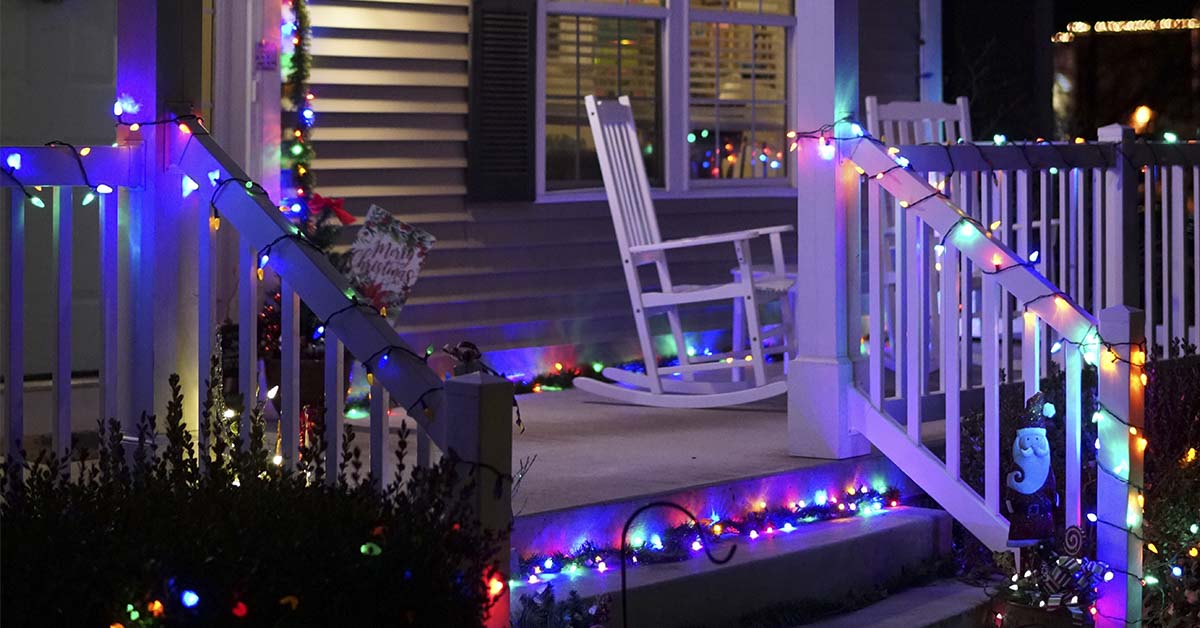
Blue porch lights are easy to spot in many neighborhoods. Often, they show support for law enforcement and first responders. This idea spread through community campaigns that encouraged people to light their homes in blue. Later, blue also became linked to autism awareness, especially in April. Since blue feels calm and steady, many people connect to it emotionally. Still, meanings overlap more than people realize. One home may honor a police officer, while another supports a child with autism. Others choose blue because it feels peaceful at night. Because of this, blue lights are not a fixed code and depend on timing and intention.
Red Porch Lights as Signs of Passion and Awareness
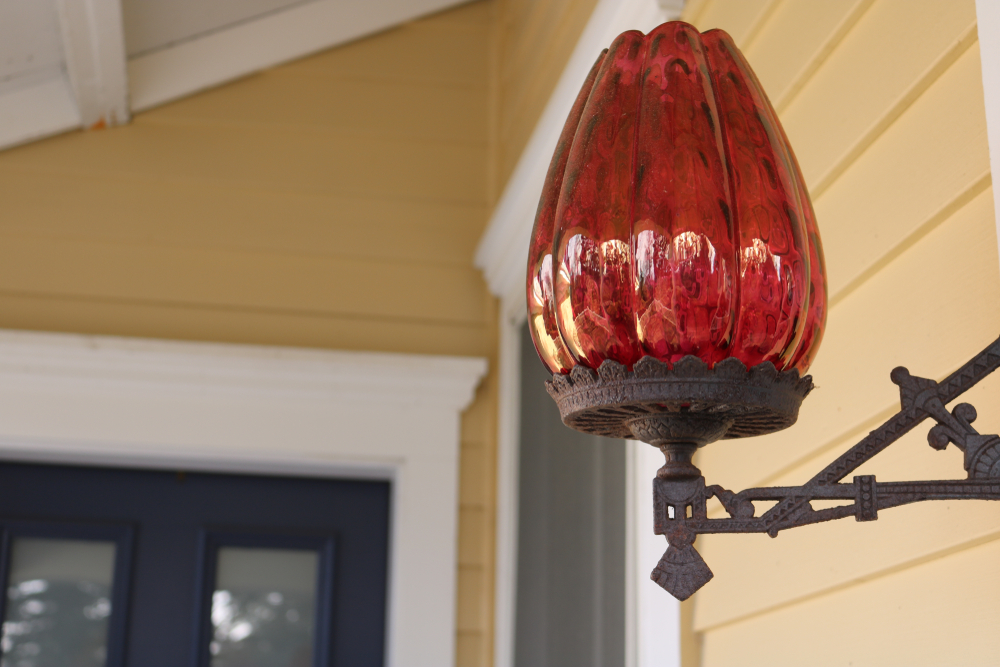
Red porch lights usually stand out right away. Red has long symbolized love, warmth, and strong emotion. That is why red lights appear often around Valentine’s Day. Beyond romance, red also supports heart health awareness campaigns. During these times, homeowners use red lights to show concern for cardiovascular disease. In some towns, red lights honor firefighters as well. Since red signals urgency, it naturally draws attention. However, not every red porch light carries a cause. Some people just like bold colors outside their homes.
Green Porch Lights and Messages of Support
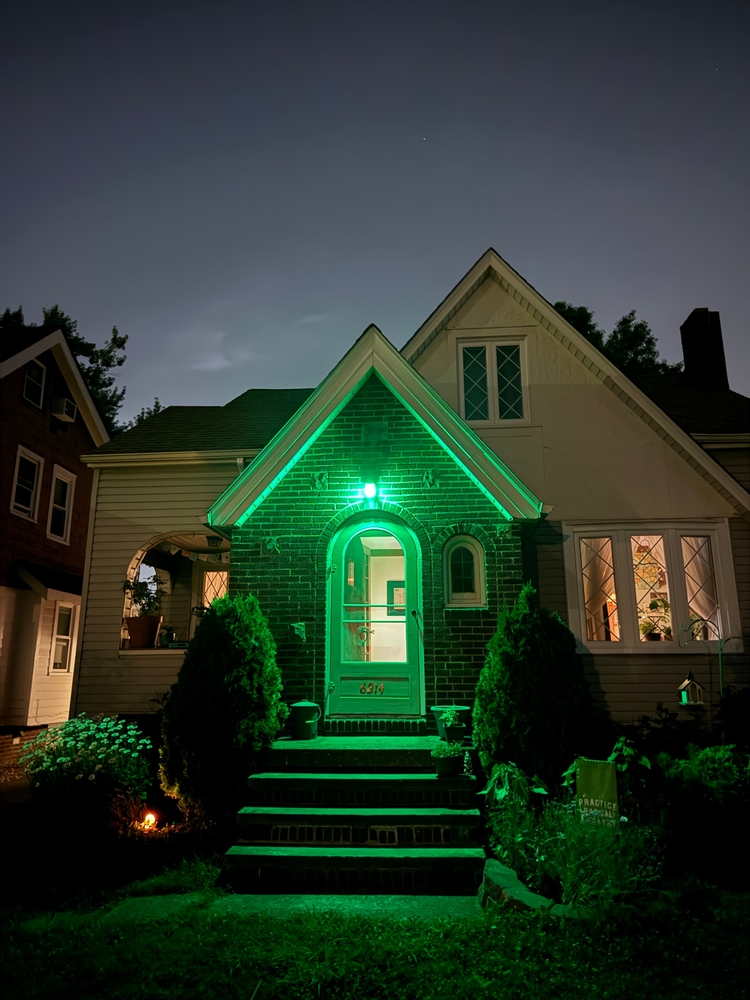
Green porch lights are widely linked to support for military veterans. The Greenlight a Vet campaign encouraged this practice across the country. Green also represents growth and safety, which adds to its meaning. Around March, green lights appear for St. Patrick’s Day celebrations. In other cases, green connects to health causes, such as Lyme disease awareness. Because green feels natural and balanced, some homeowners leave it on year-round. Still, the reason behind the color may not be obvious. One house may show respect, another may celebrate a holiday.
Purple Porch Lights and Community Awareness
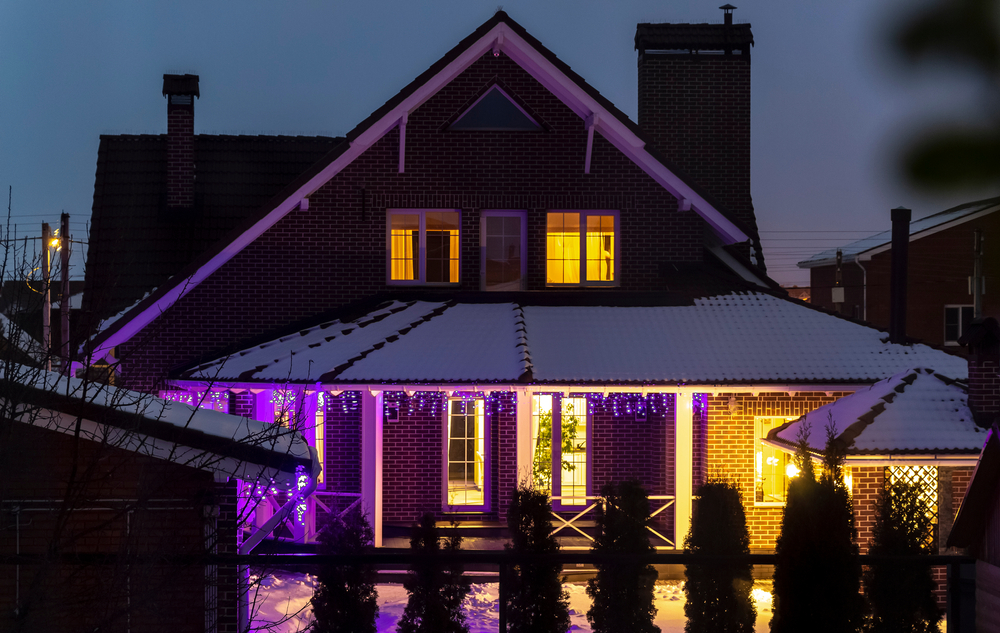
Purple porch lights usually carry serious meaning. Most often, they support domestic violence awareness. During October, purple lights become more common across many neighborhoods. Purple was chosen because it represents strength and survival. For some, a purple light quietly signals care for survivors. In certain areas, purple can also mean remembrance or compassion. This color is rarely chosen by accident. Homeowners tend to select it with a purpose in mind. Even so, meanings still depend on awareness. As with other different color porch lights, understanding comes from shared knowledge.
Yellow Porch Lights and Feelings of Warmth
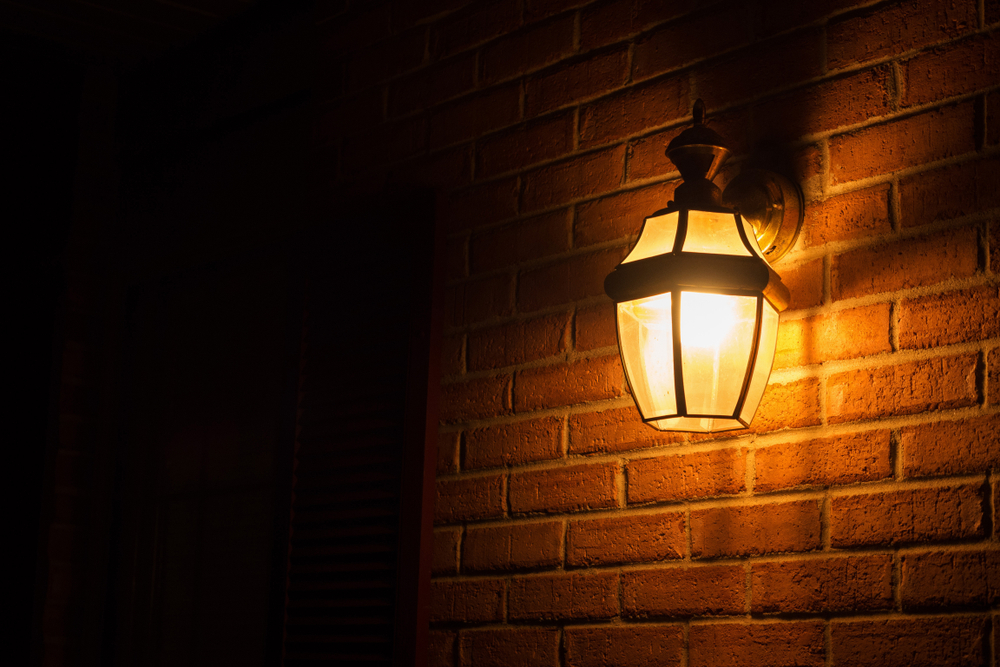
Yellow porch lights often feel welcoming and soft. Many people choose yellow because it creates a warm glow at night. In some cases, yellow or gold lights support childhood cancer awareness. The gold ribbon became a symbol for these efforts. Because of this, yellow lights may appear during awareness months. Still, yellow is also practical. Bug-reducing bulbs often give off a yellow tone. As a result, not every yellow light carries a message. Some homeowners just want fewer insects near their door.
Orange Porch Lights and Seasonal Traditions

Orange porch lights are strongly tied to fall. During October, they appear as part of Halloween decorations. Orange fits the season, matching pumpkins and autumn leaves. In some communities, orange lights also support gun violence awareness. These campaigns aim to start quiet conversations. Outside of that, orange sometimes honors local causes or memorials. Because orange feels festive, many people use it without deeper intent. Timing often provides the clue. A sudden change in October usually signals seasonal decor.
White Porch Lights and Simple Visibility

Image credit: Shutterstock.
White porch lights remain the most common choice. Most of the time, white lights do not signal a cause or message. Homeowners choose them for visibility and safety. Bright white light helps people see steps, doors, and walkways. In some cases, white represents neutrality or simplicity. Because white is standard, it often fades into the background. Still, its lack of symbolism can also be intentional. Some people prefer not to signal anything at all.
Pink Porch Lights and Awareness Campaigns
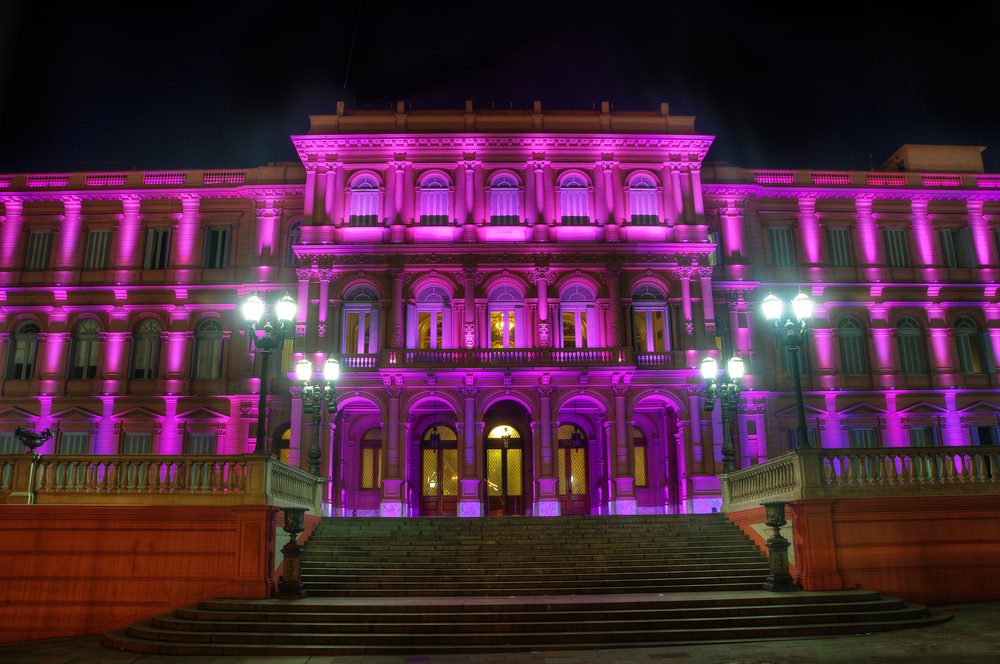
Pink porch lights are most often linked to breast cancer awareness. During October, pink lights appear alongside ribbons and banners. This color became widely recognized through long-running campaigns. Pink feels hopeful and supportive of many people. Outside of awareness months, pink is less common. When it appears, it usually has a purpose. Still, a few homeowners choose pink for aesthetic reasons alone.
Porch Lights as Personal Tributes
Some porch lights reflect deeply personal stories. Homeowners may choose a color to honor a loved one who passed away. Others mark a health journey or recovery milestone. These choices are not part of public campaigns. Instead, they act as quiet reminders for the people inside the home. A color might connect to a favorite shade or a shared memory. Neighbors may never know the reason, and that is often the point. Porch lights can feel private even when visible. Because of this, not every color fits into a known meaning. Personal tribute lights show how flexible porch light symbolism has become, and that meaning does not always need explanation to matter.
Regional Meanings and Local Traditions
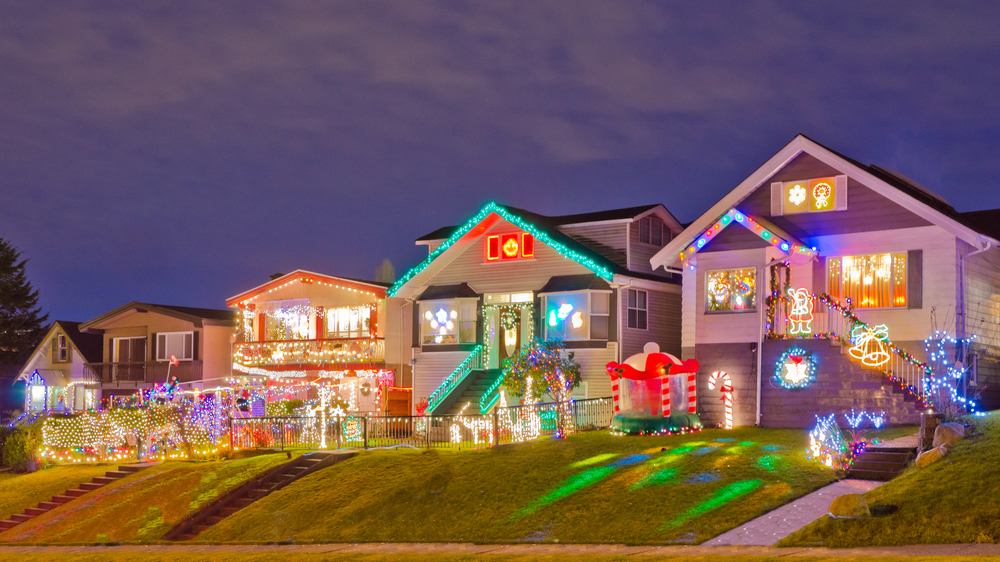
Porch light meanings can change by location. In some towns, a color may represent a local cause or event. Small communities sometimes adopt shared colors after tragedies or celebrations. Coastal areas may favor certain tones linked to maritime culture. Rural towns may develop their own traditions over time. Because of this, online lists do not always apply everywhere. What feels symbolic in one place may be decorative in another. Locals usually understand these signals without needing explanation. Visitors may miss the meaning completely. That gap shows how porch lights reflect community identity. Local context generally shapes interpretation more than national trends.
Seasonal Porch Lights Beyond Holidays

While holidays drive many color changes, seasons also play a role. Warm months often bring softer colors that feel relaxed. Cooler months inspire deeper tones that feel cozy. Some homeowners rotate lights as the year changes. This keeps the home feeling fresh without major effort. Seasonal colors are usually not tied to causes. Instead, they reflect mood and atmosphere. A porch light can match the weather or the landscape. This approach keeps things simple and flexible. Seasonal lighting shows how porch lights can be expressive without heavy symbolism.
Why Porch Light Meanings Keep Changing
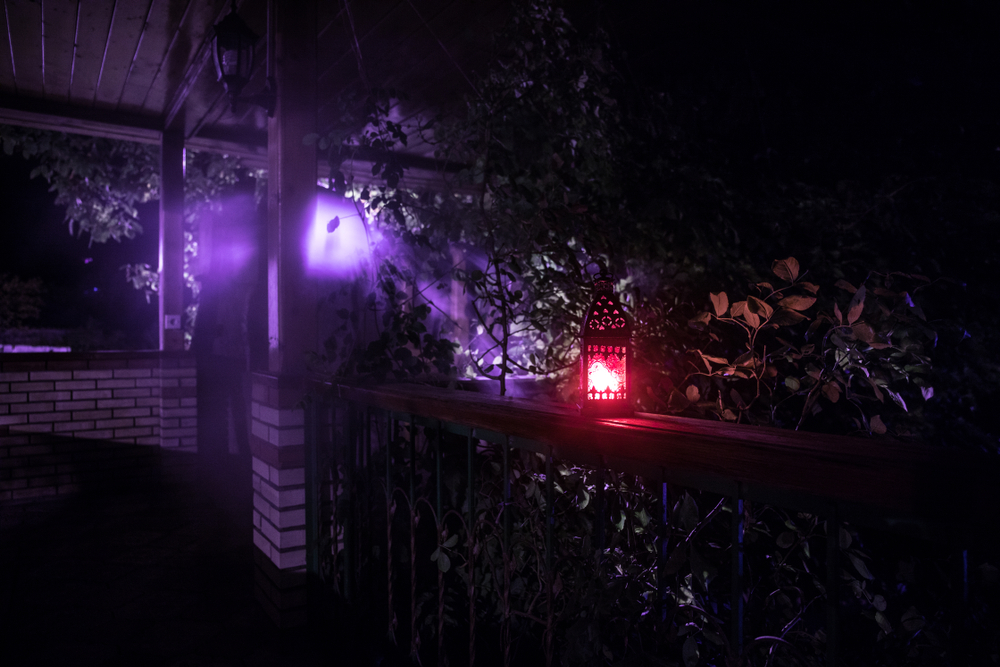
Porch light meanings are not fixed. New campaigns appear, and old ones fade. Social media also speeds up how ideas spread. A color can gain meaning quickly after a viral post. At the same time, meanings can blur as more people participate. When many causes share colors, interpretation becomes harder. This constant change keeps porch light symbolism fluid. Homeowners adapt based on what feels relevant. As society shifts, so do these quiet signals.
How to Interpret Porch Lights Without Assumptions

Image credit: Shutterstock.
It is easy to assume a porch light has a clear message. However, assumptions often miss the truth. Many people choose colors for simple reasons. Before attaching meaning, it helps to look at timing and patterns. Is the color seasonal, or has it stayed for months? Are several homes using the same color. These clues provide better context. Still, certainty is rare. Porch lights work best as gentle signals, not strict codes. Approaching them with curiosity, rather than judgment, keeps interpretation respectful.
Neighborhood Identity
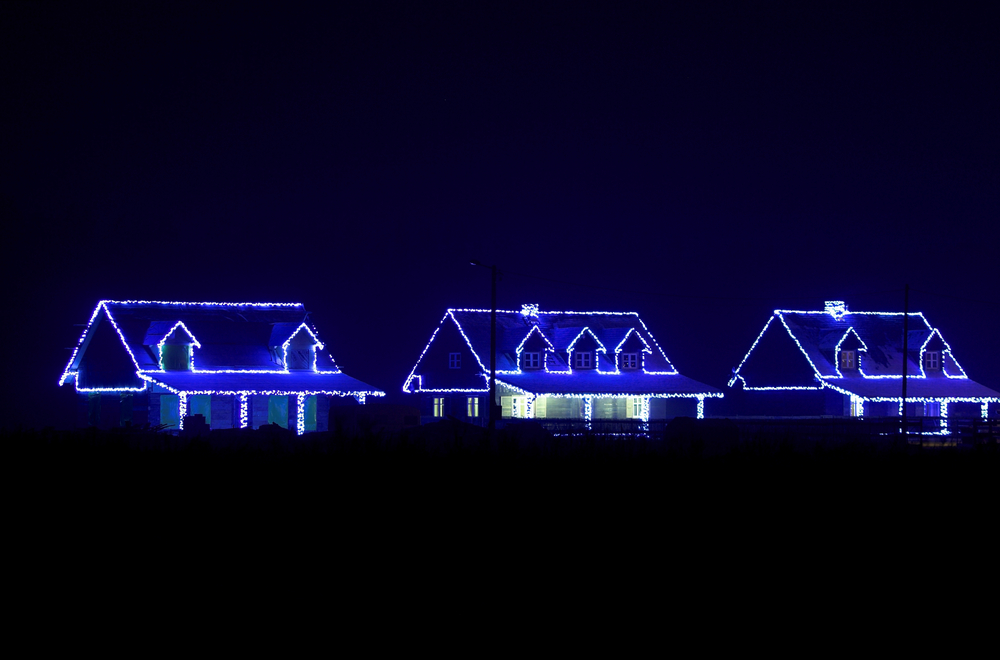
Over time, porch lights can shape how a neighborhood feels. When several homes use similar colors, a shared identity forms. This may happen during awareness months or local events. In other cases, it develops naturally as neighbors influence each other. A street filled with warm tones can feel inviting. Cooler colors may create a calmer mood. These small choices affect how people experience a space. Porch lights become part of the neighborhood’s visual language. Even without planning, patterns emerge. This shows how individual decisions quietly add up.
The Role of Social Media

Social media has changed how porch light ideas spread. A single post can inspire thousands of people to change bulbs overnight. Awareness campaigns now rely on shares rather than flyers. This makes participation easier and faster. However, it also blurs meanings. People may join trends without knowing the origin. Colors gain popularity before context catches up. As a result, symbolism can feel diluted. Still, social media helps causes reach wider audiences. It turns porch lights into visible statements with little effort. Online influence keeps trends moving and evolving.
Home Security Perceptions
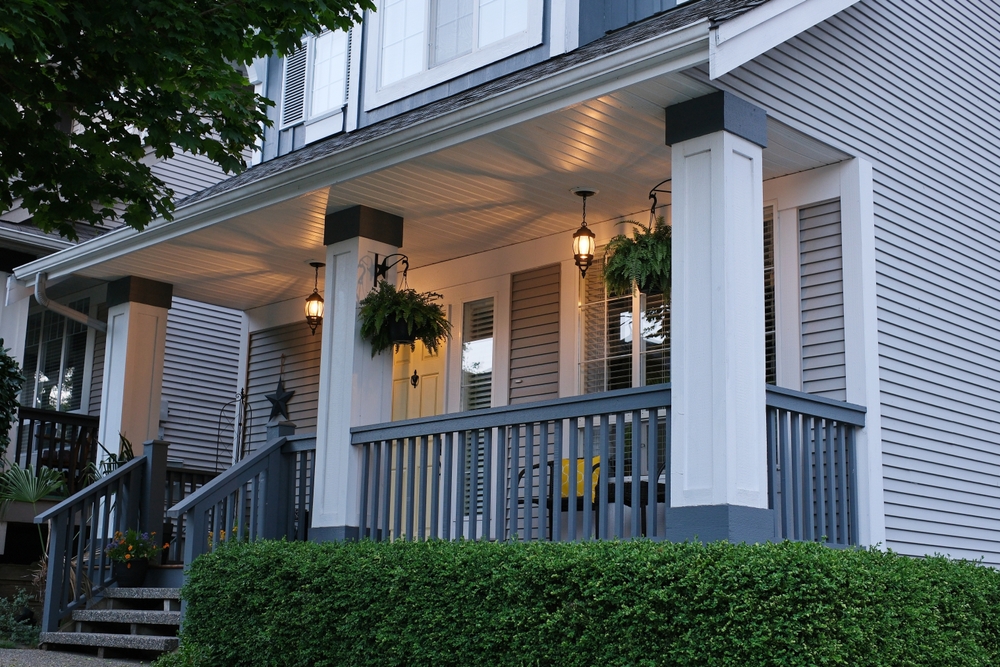
Some homeowners choose colors based on safety concerns. Bright or unusual lights can signal occupancy. This may discourage unwanted activity. White and yellow lights often serve this purpose best. Still, colored lights can work too if they remain consistent. A well-lit porch suggests awareness and care. However, extremely dark or dim colors may reduce visibility. Balance matters more than color alone. Security-driven choices often overlap with style preferences. In this way, function and expression meet. Porch lights can feel protective without feeling harsh.
When Porch Lights Are Just Decorative
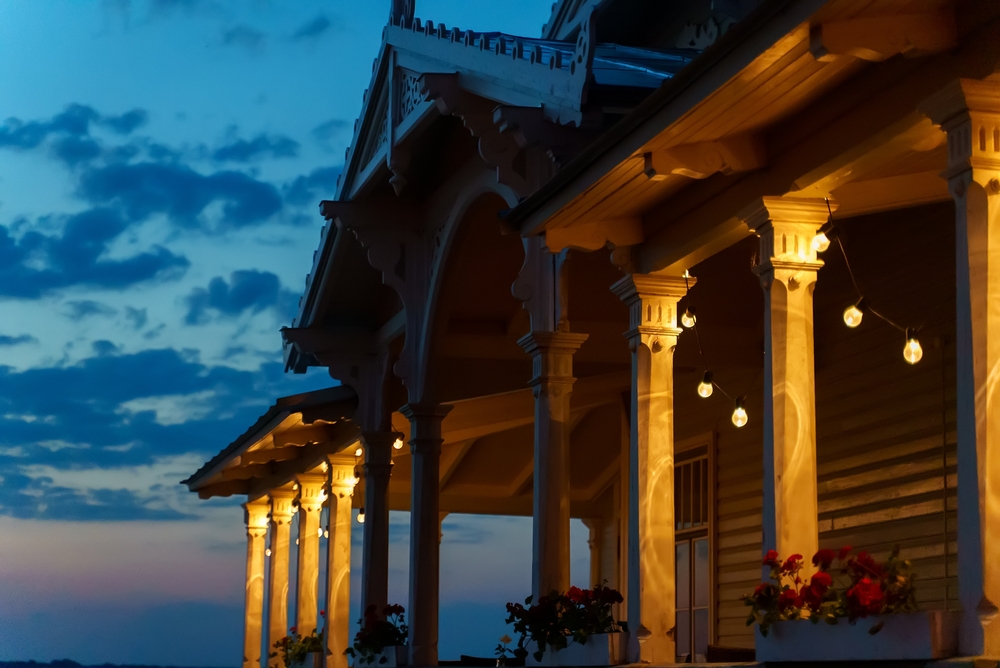
Despite all the meanings, many porch lights are simply decorative. People enjoy experimenting with color because it feels fun. Changing a bulb is cheaper than repainting a house. It offers variety without commitment. Some homeowners rotate colors often with no message intended. For them, light is part of personal style. This reminds us not to overanalyze every porch. Decoration remains the most common reason for colored lights. Symbolism adds interest, but it is not required. Sometimes a color is just a color.
Read More: The Hidden Meaning Behind Wearing an Ankle Bracelet—Most People Have No Idea
Teaching Kids About Awareness Through Light

Porch lights can also spark conversations at home. Parents sometimes explain why they chose a certain color. This opens discussions about empathy and community issues. Children learn that small actions can show support. Because the gesture feels simple, it feels accessible. Kids may even help choose the bulb. This turns awareness into a shared activity. Over time, these lessons stick. Porch lights become tools for learning, not just decoration.
Closing Thoughts

Porch lights may seem ordinary, yet they carry surprising depth. They reflect awareness, emotion, and personal choice. At the same time, many lights exist without symbolism at all. This mix keeps porch lighting interesting. It allows people to participate as much or as little as they want. In shared spaces, these small choices shape how communities feel. A simple bulb can welcome, honor, or remember.
A.I. Disclaimer: This article was created with AI assistance and edited by a human for accuracy and clarity.
Read More: 3 Inappropriate Colors to Avoid Wearing to a Funeral